What Breed of Cat Doesn’T Have Fur: Discover Hairless Breeds
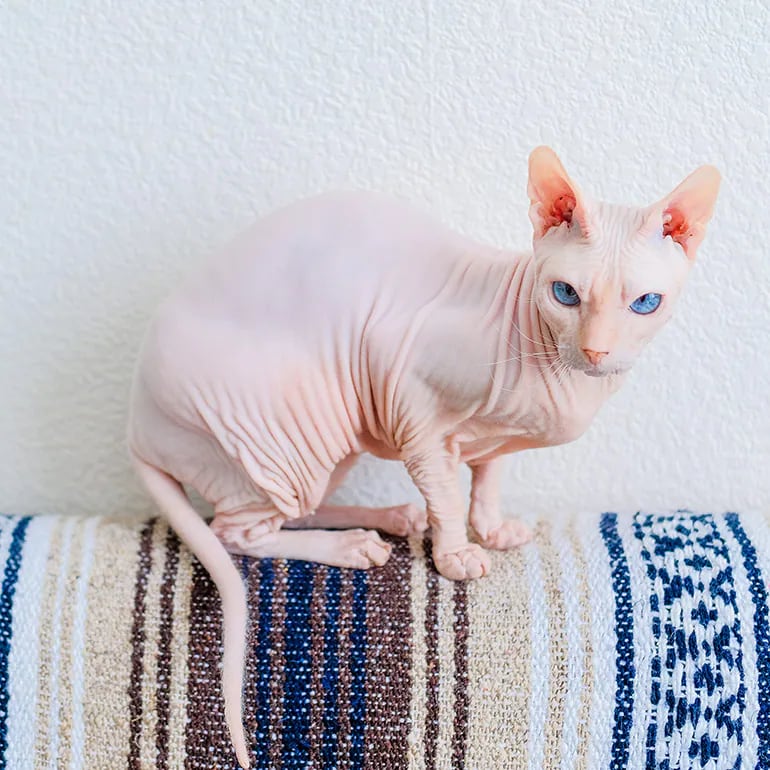
Have you ever wondered what breed of cat doesn’t have fur? Imagine a cat that’s as smooth as silk and warm to the touch.
This unique type of cat is not just intriguing but also a delight for those who might be allergic to fur. Whether you’re a cat lover or just curious, discovering more about these hairless wonders can be truly fascinating. You might even find yourself captivated by their charming personalities and distinctive appearance.
As you read on, prepare to uncover the mysteries and marvels of the fur-free feline world, and who knows – you might end up considering one as your next pet!
Sphynx
The Sphynx is a unique breed known for its lack of fur. Its skin feels warm and soft, like suede. Often called the “naked” cat, it requires regular skincare to maintain its health.
The Sphynx cat stands out with its unique, hairless appearance. This breed, though fur-free, is full of personality and warmth. Known for its affectionate nature, the Sphynx is a beloved pet for many. Let’s explore the fascinating world of the Sphynx cat.Origins And History
The Sphynx originated in Canada in the 1960s. A natural genetic mutation led to this hairless breed. Breeders embraced this mutation, creating the Sphynx we know today. These cats gained popularity for their unique look and loving nature.Physical Characteristics
Sphynx cats have a striking appearance. Their skin feels like warm suede. They have large ears and prominent cheekbones. Their eyes are wide and expressive, adding to their charm. Despite their lack of fur, they come in various skin colors and patterns.Personality Traits
Sphynx cats are known for their playful demeanor. They are active and love to explore. These cats enjoy human interaction and often seek attention. Their social nature makes them great companions. They are friendly with other pets and children too.
Credit: www.chewy.com
Peterbald
The Peterbald is a unique breed of cat. It stands out due to its lack of fur. This breed is known for its elegant appearance and gentle nature. Originating from Russia, Peterbald cats are admired by many.
Development And Evolution
The Peterbald breed began in the 1990s. It was developed by crossing Donskoy cats with Oriental Shorthairs. Breeders aimed to create a hairless and elegant cat. Over time, the breed has grown in popularity. Today, Peterbalds are loved worldwide.
Appearance And Features
Peterbalds have a distinctive look. Their skin feels warm and soft. These cats can be completely hairless or have a fine fuzz. Their bodies are slender with long legs. Large ears and almond-shaped eyes are typical features. Their tails are long and whip-like. This breed’s graceful appearance is truly captivating.
Behavior And Temperament
Peterbalds are known for their friendly nature. They are affectionate and enjoy human interaction. These cats are curious and playful. They love exploring their surroundings. Despite their active nature, they are gentle and calm. Peterbalds thrive in homes where they receive lots of attention. Their loving temperament makes them excellent companions.
Donskoy
The Donskoy cat is a fascinating breed without fur. This unique feline has a striking appearance and friendly nature. Known for its hairless body, the Donskoy stands out among other cats.
Background And Heritage
The Donskoy cat originated in Russia in the late 20th century. This breed was discovered by a cat enthusiast named Elena Kovaleva. She found a hairless cat on the streets of Rostov-on-Don. This cat had a genetic mutation that led to its hairlessness. The breed was named after the Don River region where it was found.
Unique Attributes
The Donskoy cat has a distinctive wrinkled skin. Its skin feels warm and soft to the touch. This breed is not completely bald. Some Donskoy cats have fine hair on their bodies. Their whiskers are often curly or broken. The Donskoy has a muscular build and long legs. Its ears are large and set wide apart.
Social And Behavioral Patterns
The Donskoy cat is known for its friendly nature. It forms strong bonds with humans and enjoys being around people. This breed is playful and active. It loves to explore its surroundings. The Donskoy is also intelligent and curious. It can learn tricks and enjoys interactive toys. This breed is social and gets along well with other pets.
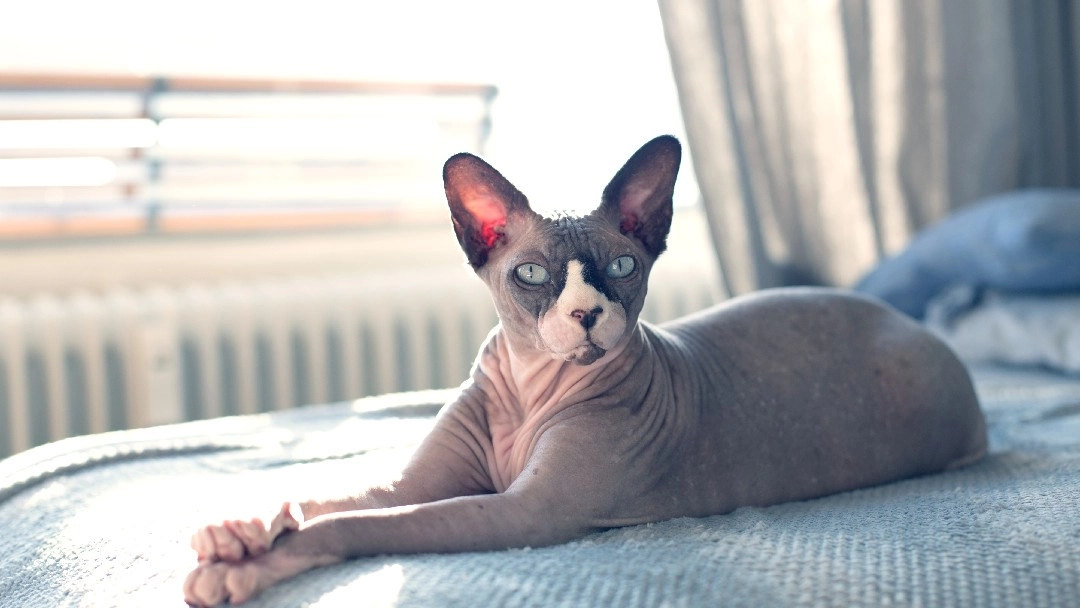
Credit: www.purina-arabia.com
Bambino
Bambino cats are known for their unique lack of fur. This breed combines traits from Sphynx and Munchkin cats, resulting in a hairless feline with short legs. Their distinctive appearance makes them a fascinating choice for those seeking a non-traditional pet.
Are you intrigued by the idea of a cat without fur? Meet the Bambino. This unique breed may surprise you with its distinct appearance and charming personality. If you’ve ever wondered what life is like with a hairless feline, the Bambino offers a fascinating insight into the world of fur-free cats.Creation And Lineage
The Bambino is the result of a mix between the Sphynx and the Munchkin breeds. It’s a relatively new breed, established in the early 2000s. The name “Bambino” means “baby” in Italian, reflecting their childlike appearance and playful nature. The Sphynx contributes to the Bambino’s hairless skin, while the Munchkin gives it a short-legged stature. This combination results in a strikingly cute cat that is as intriguing as it is adorable. You may wonder how these two breeds came together to create such a unique pet.Distinctive Qualities
Bambinos are known for their wrinkled skin and large ears. Their skin feels warm and is often compared to suede or soft leather. Despite lacking a fur coat, Bambinos come in a variety of skin colors and patterns. These cats often have big, expressive eyes that capture your attention instantly. Their short legs don’t hinder their agility; they can still be surprisingly quick on their feet. Have you ever seen a cat dart across the room like a tiny whirlwind?Interaction And Socialization
Bambinos are social butterflies. They love human interaction and are known to be affectionate companions. If you’re looking for a pet that enjoys being part of family activities, a Bambino might be perfect for you. These cats usually get along well with other pets, including dogs. They’re not shy about seeking attention or curling up in your lap for a nap. Do you have a cozy spot in your home where a Bambino could snuggle up and make itself comfortable? Incorporating a Bambino into your household can bring joy and unique experiences. From their playful antics to their loving nature, these hairless cats can add a special touch to your life. Have you ever considered sharing your home with such an extraordinary breed?Ukrainian Levkoy
The Ukrainian Levkoy is a unique cat breed known for its hairless body. Its distinct appearance features a wrinkled skin and folded ears, making it stand out among other breeds. This cat’s lack of fur is due to a genetic trait, offering a hypoallergenic option for cat lovers.
The Ukrainian Levkoy is a unique cat breed. It stands out with its hairless appearance and folded ears. This breed is not just visually striking but also has a fascinating history and personality.Origin Story
The Ukrainian Levkoy originated in Ukraine. Breeders created it by crossing the Donskoy cat with Scottish Fold cats. This blend resulted in a cat with distinctive folded ears and hairless skin. The breed was officially recognized in 2004. Its name comes from the Levkoy plant, which has similar angular leaves.Physical And Aesthetic Traits
The Ukrainian Levkoy has a slim, muscular body. Its skin feels like suede, soft and warm. The ears are folded, giving them a curious look. Their eyes are almond-shaped and expressive. This breed comes in various colors and patterns. Despite the lack of fur, they maintain elegance and grace.Temperament And Habits
Ukrainian Levkoys are friendly and affectionate. They love human companionship. These cats are intelligent and curious. They enjoy exploring their surroundings. They are playful but also enjoy relaxing. Their social nature makes them great companions. They adapt well to different environments.Care For Hairless Cats
Hairless cats, like the Sphynx, have unique care needs. Without fur, their skin requires special attention. Their diet and health also need careful consideration. These cats are a joy but demand dedicated care.
Skin Maintenance
Hairless cats need regular skin cleaning. Their skin produces oils which accumulate. Wipe them down weekly with a damp cloth. Bathing is also necessary to keep their skin healthy. Use gentle cat-safe shampoo. Dry them thoroughly to prevent cold.
Dietary Needs
A balanced diet is essential for hairless cats. They need more calories to maintain body heat. Provide high-quality cat food. Rich in protein and essential fats. Consult your vet for personalized diet advice.
Health Considerations
Regular vet check-ups are crucial for hairless cats. They are prone to skin issues and ear infections. Monitor their skin for any rashes or bumps. Keep their ears clean to prevent infections. Vaccinations and parasite control are also important.
Pros And Cons Of Hairless Breeds
Some cat breeds, like the Sphynx, are known for their lack of fur. These hairless cats require special skin care due to their exposure to elements. While they might be easier for allergy sufferers, they need more frequent baths to remove oil buildup and dirt.
When considering a pet, hairless cat breeds like the Sphynx or the Peterbald often intrigue potential owners with their unique appearance. Yet, owning a hairless cat comes with its own set of advantages and challenges. Understanding these can help you decide if one of these fascinating felines fits your lifestyle.Advantages
Hairless cats are known for their striking look, which is sure to capture attention and admiration. Their lack of fur means you can say goodbye to the endless battle against pet hair on furniture and clothes. They also tend to have lively and affectionate personalities, often forming strong bonds with their human companions. For allergy sufferers, hairless cats may offer relief. Although no cat is truly hypoallergenic, some people find they react less to these breeds. This can make the dream of cat ownership a reality for those previously unable to enjoy feline companionship.Challenges
Despite their many perks, hairless cats require special care. Their skin is exposed and can easily become oily or dirty, necessitating regular baths. This grooming routine is crucial to prevent skin issues, a task that can be demanding for some owners. Temperature regulation is another concern. Without a fur coat, hairless cats are more sensitive to temperature changes. You’ll need to ensure they stay warm in the winter and cool in the summer, which might involve clothing or blankets. Moreover, these cats are prone to sunburn, requiring limited sun exposure and possibly even sunscreen. This adds another layer of responsibility to their care. Are you prepared to adjust your home and routine to meet these unique needs? In balancing the pros and cons, you’ll uncover whether a hairless breed aligns with your lifestyle and expectations. Whether it’s the minimal shedding or the extra grooming, each aspect plays a crucial role in your decision-making process. Are you ready to embrace the quirks and charms of a hairless cat?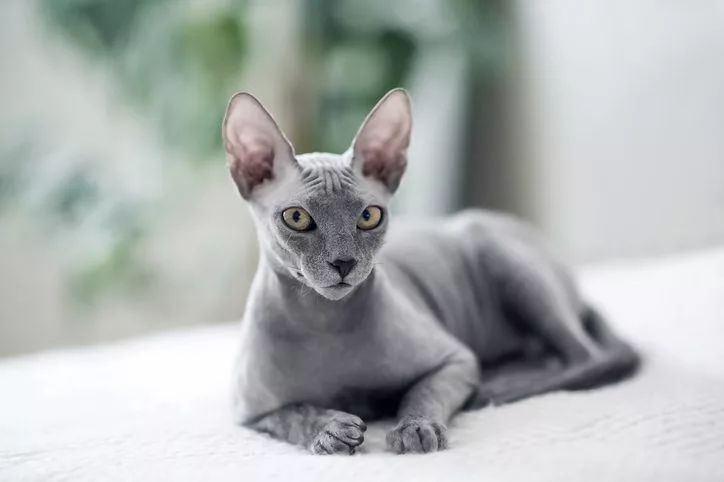
Credit: lacvets.com
Frequently Asked Questions
What Breed Of Cat Has No Fur?
The Sphynx cat is a breed known for having no fur. It has a hairless, wrinkled appearance. This unique breed is friendly, energetic, and requires regular skin care to maintain health. Their lack of fur can make them ideal for some allergy sufferers.
Are Sphynx Cats Expensive?
Yes, Sphynx cats are expensive. Prices range from $1,500 to $3,000. Costs include grooming and healthcare.
Do Sphynx Cats Smell?
Sphynx cats can develop a slight odor due to oil buildup on their skin. Regular bathing helps maintain cleanliness and reduce any smell. Their unique grooming needs make them distinct from other breeds, but with proper care, any odor is manageable.
Is There A Breed Of Cat That Doesn’t Shed Hair?
Some cat breeds shed minimally, such as the Sphynx, Bengal, and Russian Blue. These breeds are ideal for allergy sufferers. Regular grooming can further reduce shedding and maintain cleanliness. Always consult a vet for advice on hypoallergenic options and proper care of low-shedding cats.
Conclusion
Choosing a cat breed without fur can be exciting. These cats offer a unique experience. Sphynx cats are the most popular choice. Their skin feels warm and soft. They are friendly and love attention. Consider allergies and care needs. Regular baths keep their skin healthy.
Remember, these cats still need warmth. Blankets and cozy spots are essential. Having a hairless cat is a special joy. It’s a rewarding experience for many pet lovers. Embrace the uniqueness and companionship they bring. Enjoy the journey with your fur-free feline friend!

Similar Posts