White Cat with Green Eyes: Stunning Facts & Care
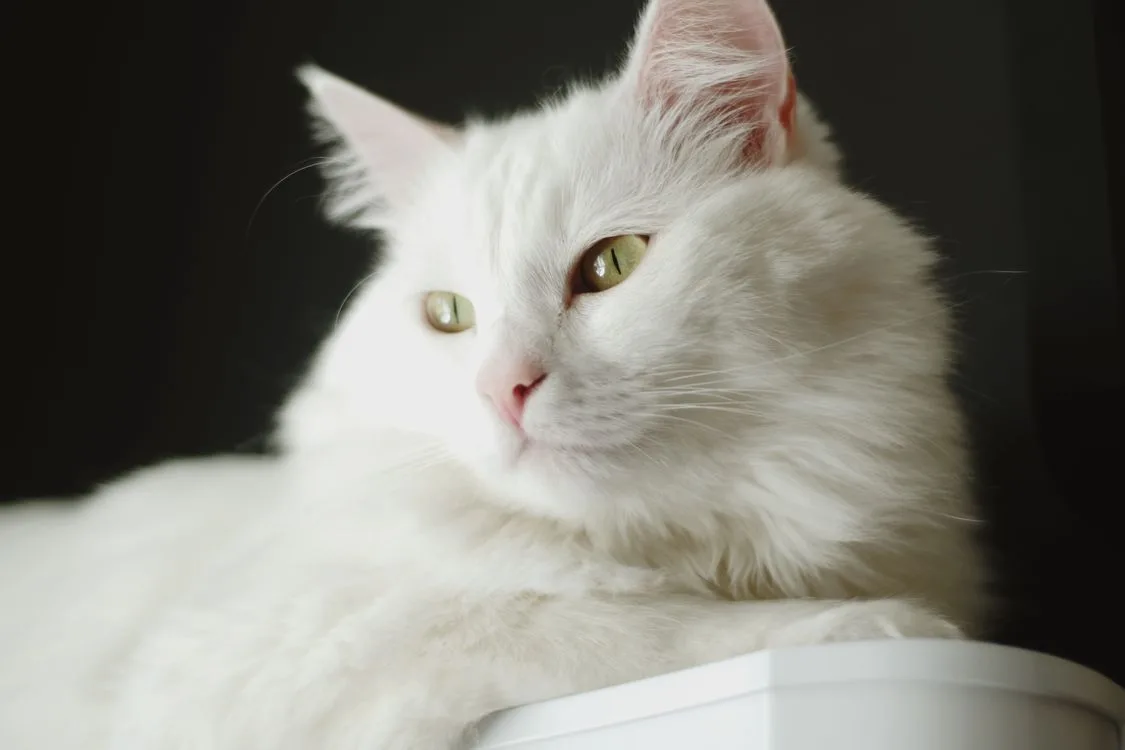
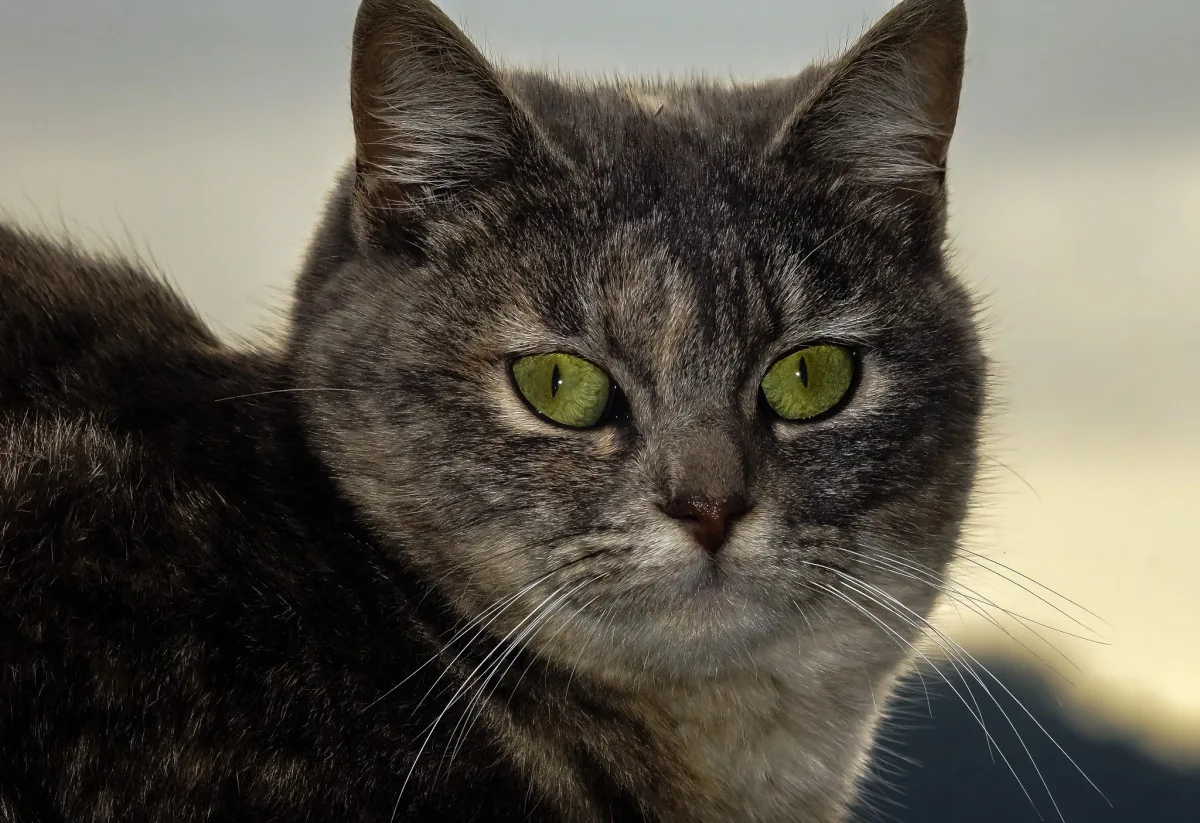
You've seen photos of a white cat with green eyes and wondered if the look is as rare as it seems. The truth is more nuanced than a simple yes or no. That striking combination depends on specific genetics, breed standards, and the cat's age, which means what you're seeing might not be what you think.
In our research of peer-reviewed feline genetics literature, white coats linked to the dominant W gene affect how eye pigment develops. Cats with two copies of this gene often have blue eyes, while cats with one copy can show green or gold. That's a huge difference.
Let's break down what you're actually seeing when you spot that white cat with green eyes.
Quick Answer
White cats with green eyes exist across many breeds. The green color comes from moderate melanin in the iris. True green eyes are less common than blue or gold in white-coated cats.
Breeds like Turkish Angora and Maine Coon commonly carry this trait. Mixed-breed white cats with green eyes appear in shelters regularly.
Why Seeing a White Cat with Green Eyes Is Trickier Than You Think
Lighting changes everything. A cat that looks green-eyed in one photo might show yellow or hazel in another. The iris contains melanin that scatters light differently depending on the source.
Direct sunlight makes green eyes appear brighter. Indoor warm light can shift them toward amber.
Another issue is the kitten eye color shift. All kittens are born with blue eyes. The adult color doesn't settle until 8 to 16 weeks of age.
Many people post photos of blue-eyed white kittens and assume the color will stay. It won't. That's where the confusion starts.
Image source: Bing (Web (fair-use with source credit))
Breed standards also matter. Some registries like CFA and TICA allow green eyes in specific breeds but not others. A white Persian with green eyes might be less common than one with copper eyes simply because the standard favors copper.
That doesn't make the cat rare. It just means the cat doesn't conform to breed show ideals.
How Kitten Eye Color Really Develops (and When You'll Know)
The eye color development process is predictable once you understand the timeline. Here's what happens:
- Birth to 2 weeks: Eyes stay shut. No visible color.
- 2 to 6 weeks: Eyes open. All kittens show blue-gray. This is temporary.
- 6 to 8 weeks: The blue fades. Pigment starts appearing as flecks of yellow, green, or gold.
- 8 to 16 weeks: The true adult color emerges. This is the window when you'll know if the cat ends up green-eyed.
- 4 months onward: The color is mostly set. Some subtle darkening can happen up to 1 year.
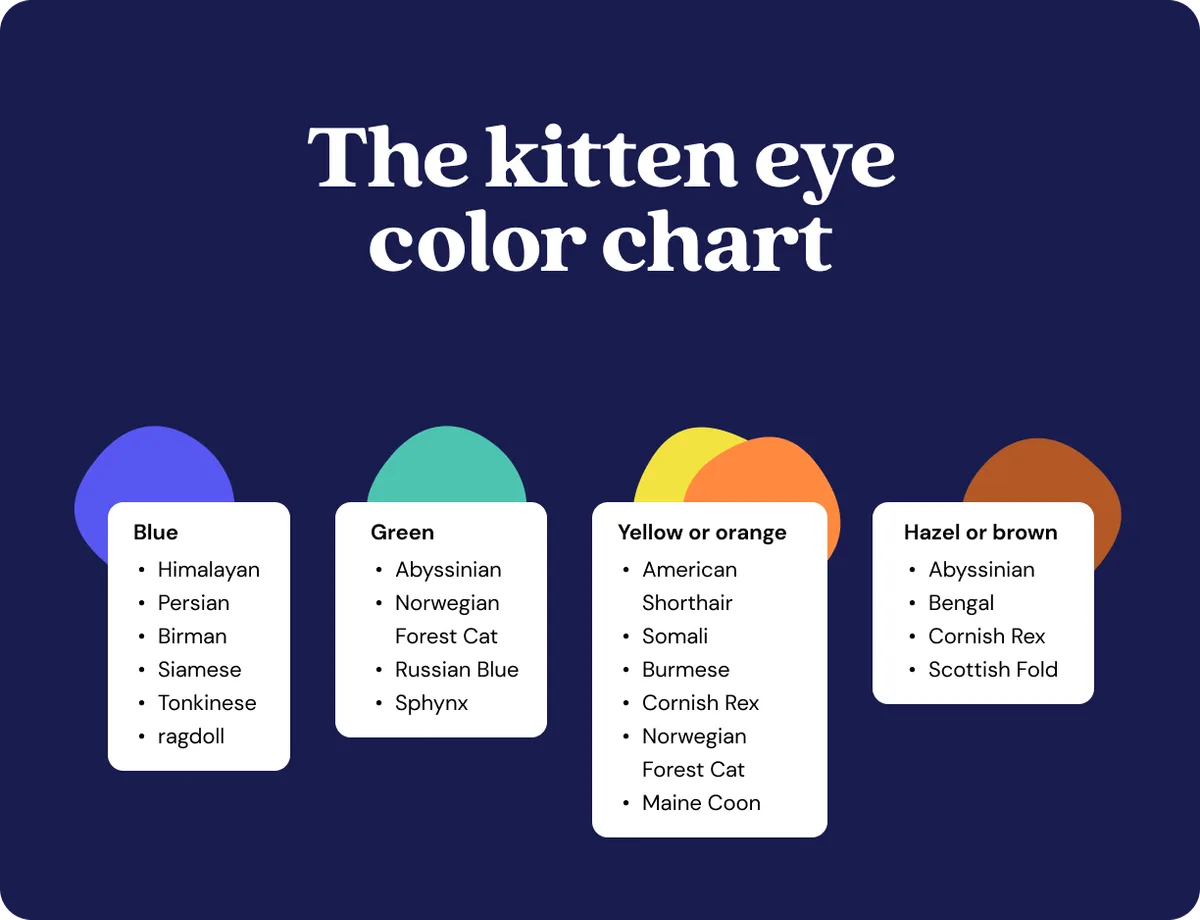
Image source: Bing (Web (fair-use with source credit))
The key factor is melanin production. Low melanin gives blue eyes. Moderate melanin gives green.
Higher melanin gives yellow or copper. White cats with the dominant W gene often have delayed or reduced melanin production, which is why many end up blue-eyed instead of green.
If you're looking at a kitten, don't assume green eyes until the 12-week mark. Even then, the final shade can shift for another month. Be patient.
The Key Visual Identifiers That Confirm True Green Eyes
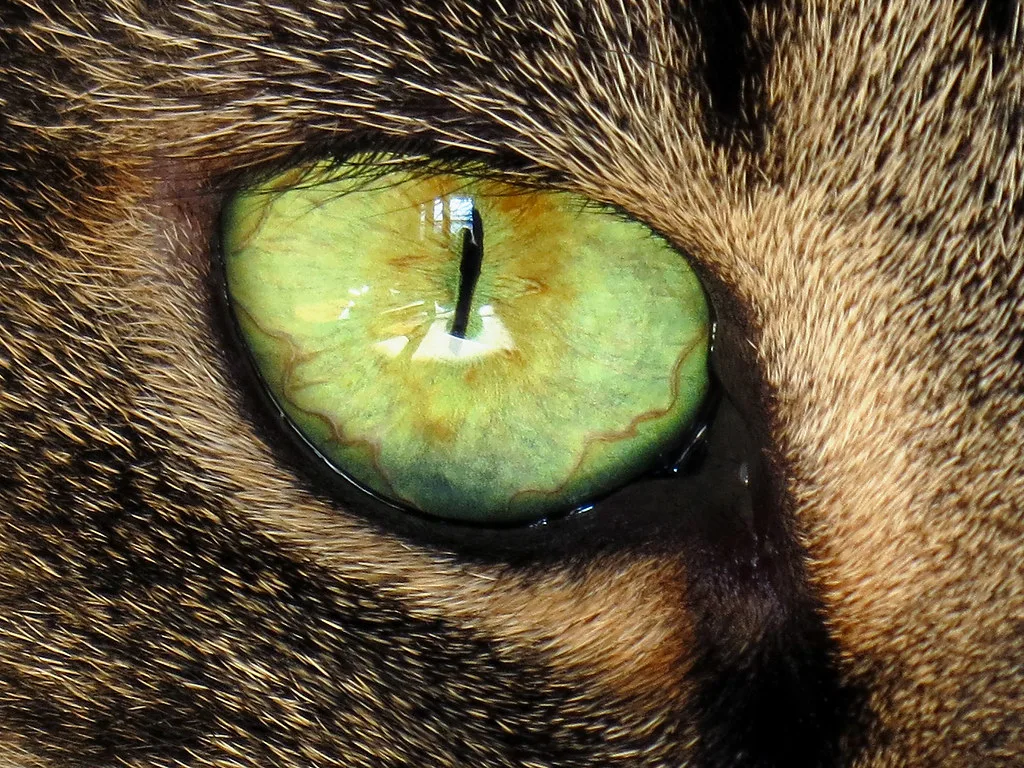
Image source: Bing (Web (fair-use with source credit))
Once the eye color has settled, how do you confirm you're looking at actual green and not a yellow-green or hazel? There are three reliable indicators.
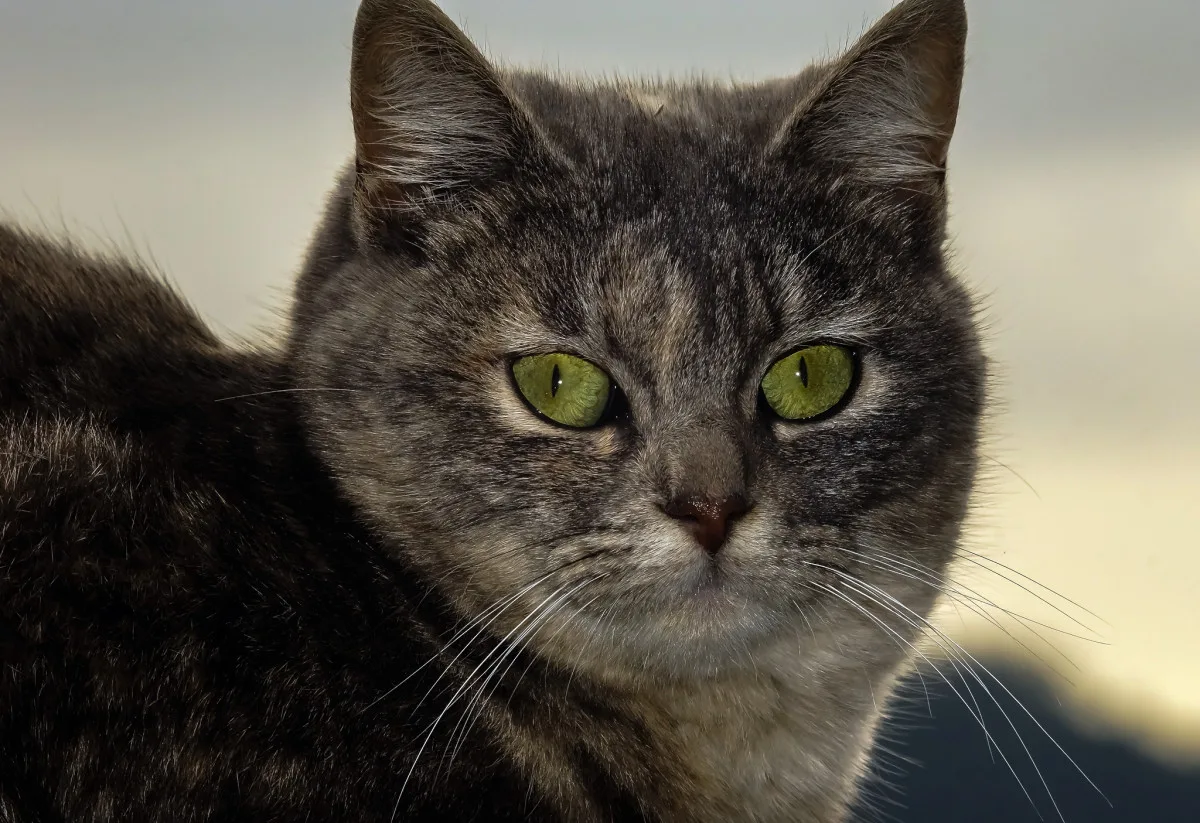
The color zone. True green eyes show consistent color across the iris. Hazel eyes have a yellow ring around the pupil that blends outward. If you see a distinct yellow inner ring, it's not pure green.
The shade range. Green cat eyes fall into specific shades. Lime green is the brightest. Olive green is deeper.
Emerald green is the rarest. Gooseberry green sits between olive and yellow. All of these count as green.
The trick is telling them apart from gold.
The rim darkness. A darker rim around the iris makes green eyes appear more vibrant. White cats with green eyes often have a thin dark ring. If the rim is the same color as the rest of the iris, the eye may appear washed out.
A quick test is to look at the cat under natural daylight. Take a photo with a neutral background. Compare the eye color to a known reference like a green leaf or a piece of emerald glass.
That removes the guesswork.
Common Visual Mistakes People Make with White Cats
The biggest error is assuming every white cat with colored eyes has the same genetics. They don't. Here are the mistakes we see most often.
Mistake 1: Calling a yellow-eyed cat green. This happens constantly. Yellow and green share the same melanin pathway. A cat with moderate melanin might produce a color that looks greenish-yellow in one light and pure yellow in another.
Check under multiple light sources.
Mistake 2: Assuming a blue-eyed white kitten will turn green. Most won't. According to UC Davis Veterinary Genetics Laboratory research, white cats with two copies of the dominant W gene almost always keep blue eyes. If the kitten has one copy, green is possible but not guaranteed.
The only way to know is to wait.
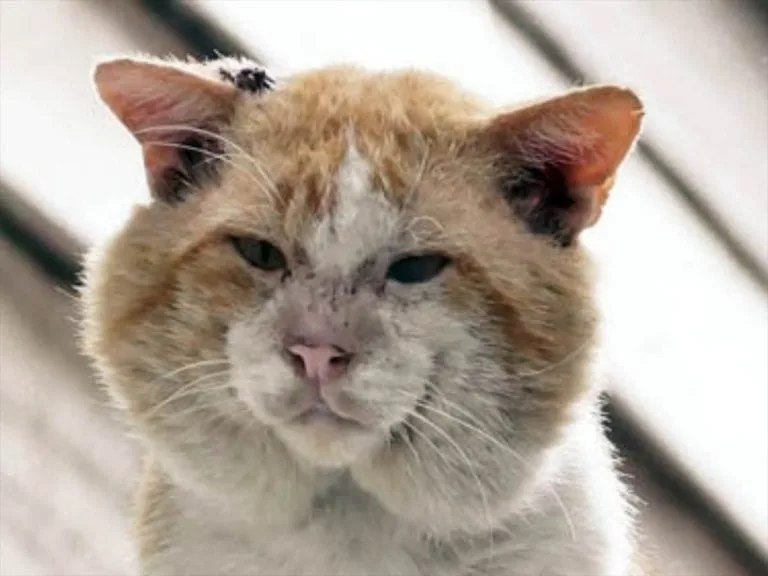
Mistake 3: Confusing albino with white. Albino cats have no melanin anywhere. Their eyes are pink or very pale blue. White cats with green eyes have melanin in their irises.
If the cat has any pigment in its nose, paw pads, or eye rims, it's not albino.
Mistake 4: Believing green eyes make the cat deaf. This is a myth. Deafness in white cats is linked to the W gene and inner ear development, not eye color. A Cornell University College of Veterinary Medicine study found that white cats with two blue eyes have a 60 to 80 percent deafness rate.
White cats with green eyes have a much lower risk, around 17 to 22 percent. Green eyes are not a warning sign.
A Quick Visual Reference: Breeds, Traits, and What to Expect
If you're trying to identify a white cat with green eyes, breed matters more than you'd think. Some breeds carry the combination as a standard. Others produce it only by chance.
Here is a breakdown of the most common breeds where you'll find this look.
Turkish Angora. This is the breed most associated with white coats and green eyes. The CFA standard allows green eyes in white Angoras. Many are also odd-eyed.
The coat is silky and single-layered.
Turkish Van. Similar to the Angora but with a different build. Vans are stockier and love water. Green eyes appear regularly in this breed.
The coat is semi-long and water-resistant.
Maine Coon. White Maine Coons with green eyes exist but are less common. The breed standard for white allows gold, green, or blue. Green-eyed white Maine Coons are striking because of the size contrast.
British Shorthair. White British Shorthairs typically have copper or gold eyes. Green is possible but rare in this breed. If you see one, it's likely from a breeder focusing on that specific trait.
Persian. The standard for white Persians favors copper eyes. Green-eyed white Persians are uncommon. They exist but fall outside show standards.
Mixed breed. This is where you'll find most white cats with green eyes. Shelters have plenty. The genetics are less predictable, but the look can be just as vibrant.
Breed | Green eye likelihood | Show standard allows green
——|———————|————————–
Turkish Angora | High | Yes
Turkish Van | High | Yes
Maine Coon | Moderate | Yes
British Shorthair | Low | Rarely
Persian | Low | No (copper preferred)
Mixed breed | Moderate | No standard
What to Know Before Bringing One Home: Health Risks and Grooming Reality
A white cat with green eyes is beautiful. But there are real considerations before you adopt or buy one.
Deafness risk. As mentioned earlier, white cats with green eyes have a lower deafness rate than blue-eyed ones. But the risk is still higher than in pigmented cats. Our research of veterinary genetics data shows a 17 to 22 percent chance.
That is roughly one in five. Ask the breeder or shelter about hearing tests.
Sun sensitivity. White cats have less pigment in their skin and ears. They burn faster. Squamous cell carcinoma is a real risk, especially on the ears and nose.
Keep your cat indoors during peak sun hours. Apply cat-safe sunscreen to the ear tips and nose.
Grooming demands. White fur shows everything. Dirt, tear stains, food, and litter dust are visible immediately. Daily brushing helps.
Weekly wipe-downs with a damp cloth keep the coat bright. Some owners use dry shampoo between baths.
Tear staining. White cats often develop dark tear tracks under their eyes. This is normal but unattractive. Clean the area daily with a soft cloth.
Use vet-approved wipes if staining persists.
Coat maintenance. White fur yellows over time without proper care. Regular baths every 4 to 6 weeks with a whitening cat shampoo help. Brush first to remove loose fur and tangles.
Dry thoroughly after bathing.
If you're ready for the extra grooming and sun protection, a white cat with green eyes can be a fantastic companion. Just go in with your eyes open.
Frequently Asked Questions
Are white cats with green eyes rare?
They are less common than white cats with blue or gold eyes, but not extremely rare. Green eyes in white-coated cats appear regularly in breeds like Turkish Angora and in mixed-breed shelter cats. True emerald green is the rarest shade.
Do all white kittens have blue eyes?
Yes. Every kitten is born with blue eyes. The adult color develops between 8 and 16 weeks.
You cannot know if a white kitten will have green eyes until that window closes. Patience is the only option.
What causes green eyes in white cats?
Moderate levels of melanin in the iris produce green eyes. White cats with the dominant W gene often have reduced melanin production. If melanin levels fall in the middle range, the eye appears green.
Lower levels give blue. Higher levels give gold or copper.
Can a white cat with green eyes hear normally?
In most cases, yes. White cats with green eyes have a 17 to 22 percent chance of deafness. That is lower than the 60 to 80 percent risk in blue-eyed white cats.
Always test hearing at home or ask for a veterinary hearing assessment.
Is it better to adopt a white cat from a breeder or a shelter?
It depends on your goals. Breeders can provide health testing and a known genetic background. Shelters often have white cats with green eyes at a lower cost.
Many shelter cats are healthy and well-adjusted. Both options work if you are prepared for the extra grooming needs.
What grooming tools do white cats need?
A stainless steel comb for daily brushing. Cat-safe whitening shampoo for baths. Soft cloths or wipes for tear stains.
Cat-safe sunscreen for ears and nose. A good vacuum for all the white fur you will find everywhere.

Similar Posts