Why Cats Arch Their Backs When You Pet Them
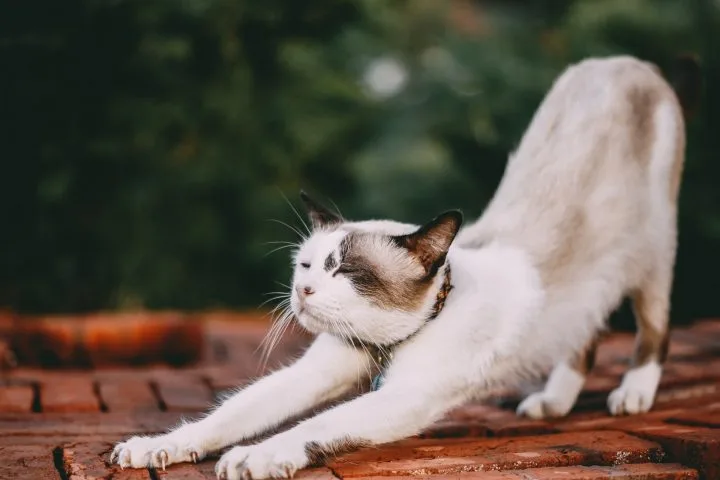
You’re petting your cat, enjoying the quiet moment together, when suddenly she pushes her back up into your hand. It’s a move almost every cat owner knows. But what does it actually mean?
Is she loving it, or is she about to lose her temper?
That’s the real question behind “why do cats arch their backs when you pet them.” And the honest answer is: it depends. Your cat could be stretching, greeting you, getting overstimulated, or even warning you to back off. Get it wrong, and you might end up with a scratch you didn’t see coming.
Per research from the Cornell Feline Health Center, around 70 percent of cat owners misinterpret their cat’s body language during petting in their first year of ownership. That’s a lot of confused cats and bitten hands. Let’s fix that.
Quick Answer
Cats arch their backs when petted for multiple reasons. It could be a pleasure stretch during a good petting session. It could be a greeting that distributes scent from their anal glands.
It might signal overstimulation or discomfort. It could indicate fear or defensiveness. It can even be a medical issue like spine pain or hyperesthesia.
The key is reading the entire body, not just the arch.
The Real Problem: You Probably Don’t Know If Your Cat Is Happy or Freaked Out
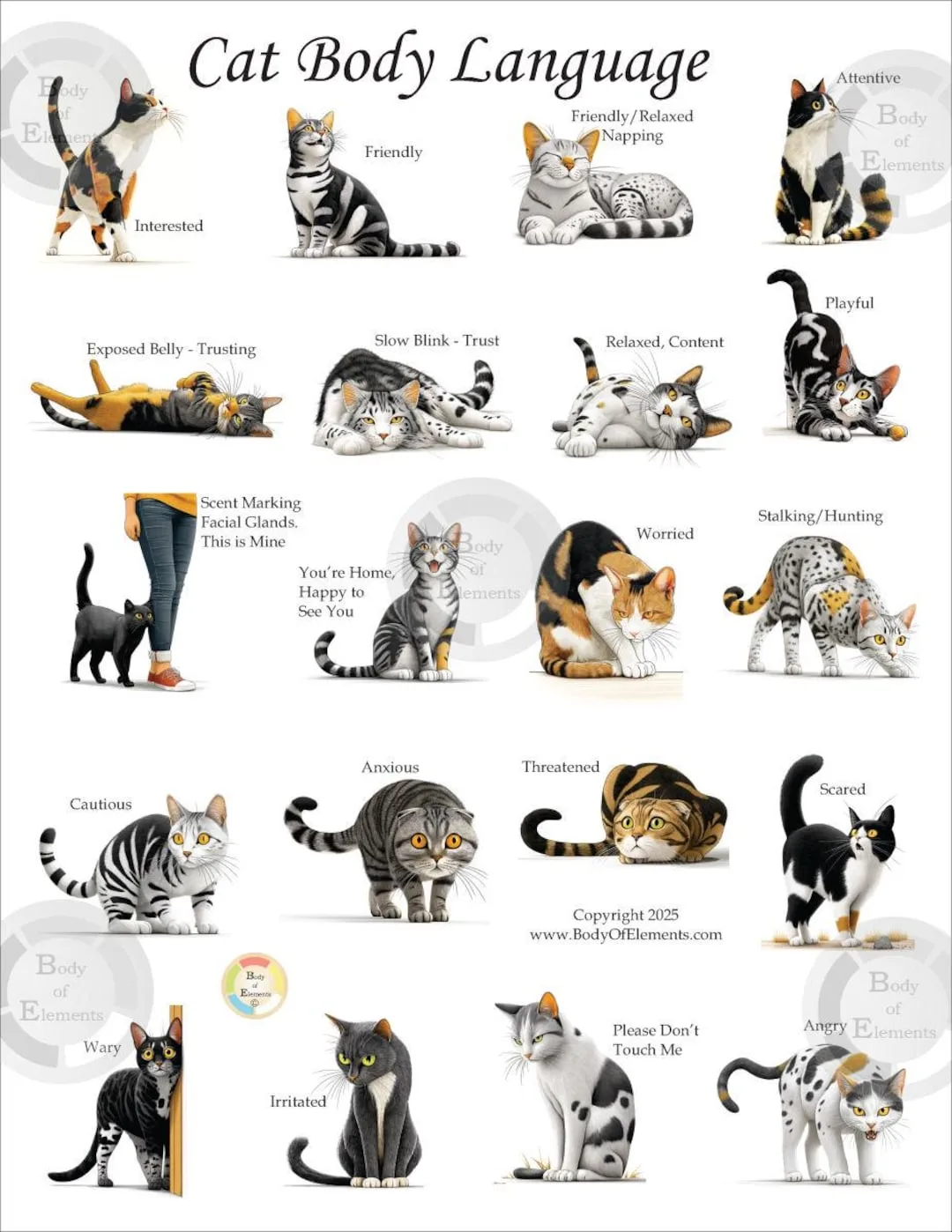
The arch itself is just the headline. The real story is in the rest of the cat’s body. Most owners focus on the back and miss the tail, the ears, and the tension level.
That’s where the trouble starts.
Here is what happens when you guess wrong. You keep petting a cat who is giving you every signal to stop. You think she is leaning in for more.
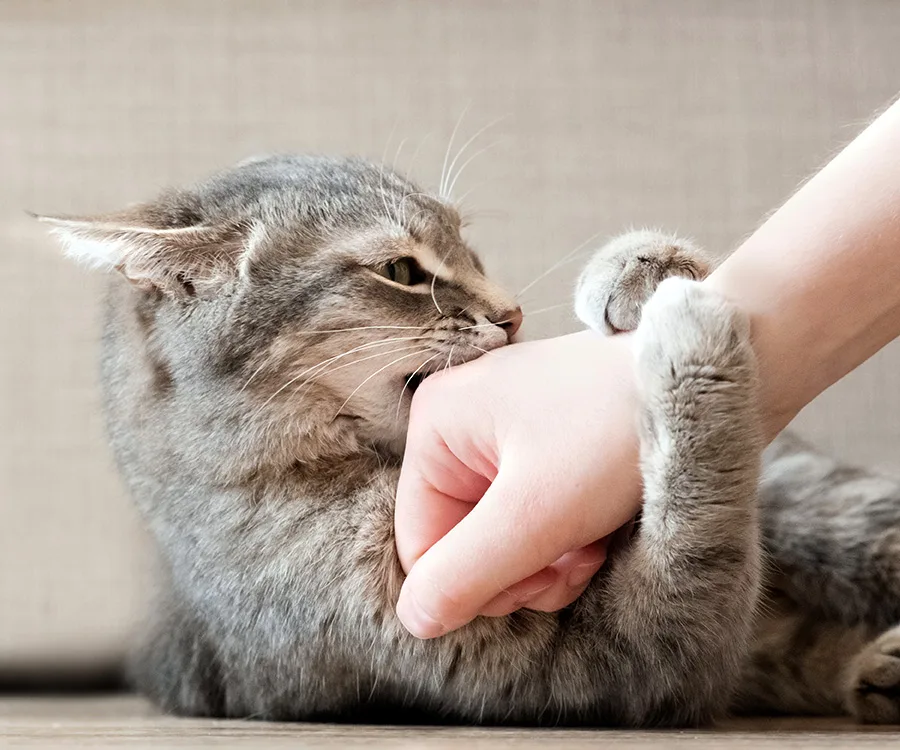
In reality, she is preparing to redirect her frustration onto your hand. This is called petting-induced aggression, and it is one of the most common reasons owners get bitten by their own cat.
The stakes are actually higher than a few scratches. A cat who repeatedly feels misunderstood during petting will start avoiding you entirely. She will learn that your hand equals stress.
The bond you are trying to build starts to crack.
On the flip side, if you read the arch correctly, you can give your cat exactly what she wants. You can deepen trust rather than damage it. You can have longer, more peaceful petting sessions.
You can even learn to predict when she has had enough before she acts out.
The good news is that this is a learnable skill. Cats are not mysterious. They are consistent.
You just need to know what to look for.
Five Things Your Cat’s Arch Actually Means (The Decision Tree)
There are exactly five reasons a cat arches her back while you pet her. Four are normal behavior. One is a medical issue that needs a vet.
The chart below gives you the quick overview.
| Type of Arch | Primary Meaning | Body Signals | What to Do |
|---|---|---|---|
| Pleasure stretch | Enjoyment, relaxation | Soft body, upright tail, forward ears, purring | Keep petting head to tail |
| Greeting / scent marking | Social bonding, claiming you | Rubs against you, upright tail tip, walks under your hand | Pet gently along the back |
| Overstimulation / sensitivity | “Too much, too fast” | Skin ripples, tail twitches, ear flicks, still arch | Stop petting, wait, try a different zone |
| Fear / defensiveness | Threat response | Piloerection (fur up), stiff legs, flattened ears, low tail | Back away, do not reach for the cat |
| Medical mimic (pain / hyperesthesia) | Underlying health issue | Arch without petting, yowling, skin rolling, no pleasure context | Schedule a vet visit |
Condition 1: Pleasure Stretch
This is the one everyone wants to see. It looks like a smooth, full-body stretch. The cat’s spine curves upward in a slow, comfortable motion.
Her tail is upright or gently curved forward. Her ears are forward and relaxed. She might be purring or kneading with her front paws.
This arch is essentially a feline yoga pose. Your cat is saying, “That feels good. Keep doing that.” The stroke pattern that triggers this is usually head-to-tail, moving along the spine in the direction the hair lies.
This arch most often happens when you start petting a cat who has approached you voluntarily. She pushes up into your hand as if to say, “Yes, right there.”
Condition 2: Greeting / Scent Marking
Sometimes the arch happens before you even touch the cat. She walks up to you, raises her tail straight up, and rubs her back against your hand or leg. That curve in her back is helping her press her scent glands onto you.
Cats have scent glands at the base of the tail. When they arch and rub, they are depositing their smell on you. This is a friendly, social behavior.
It means you are part of the group.
In this case, the arch is not a response to your touch. It is an invitation. The cat is initiating contact.
If you respond with gentle petting, you reinforce the bond. If you ignore her, she might get annoyed and walk away.
Condition 3: Petting Zone Sensitivity / Overstimulation
Here is where things get tricky. Some cats love being petted for exactly three strokes. On the fourth stroke, something flips.
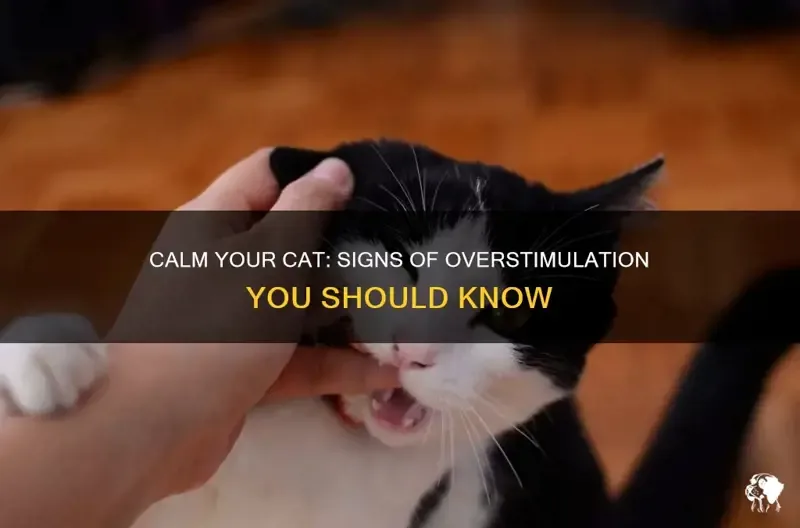
The arch changes from soft to stiff. The tail starts twitching. The skin on the back ripples.
This is not a request for more. This is a warning.
The sensitive area is usually the lower back near the base of the tail. Many cats have a “naughty spot” there. Petting it can trigger a defensive response.
The cat arches to move her back away from your hand, but she does not leave. She is waiting for you to stop.
If you keep going, you will likely get bitten or swiped. The cat is not being mean. She is reacting to an overwhelming sensation.
Think of it like an unexpected tickle that becomes too intense.
The fix is simple. Count your strokes. If you reach three or four and the cat shows any sign of tension, switch to petting her chin or cheeks instead.
Those zones rarely trigger overstimulation.
Condition 4: Fear / Defensiveness
This arch looks completely different. The cat’s fur stands on end along the spine and tail. Her back is an exaggerated curve, often described as the “Halloween cat” pose.
Her legs are stiff. Her ears are flattened sideways or backward. She might hiss or growl.
This cat is not enjoying the petting. She is afraid of you or of something nearby. The arch is an attempt to look bigger and more threatening to whatever scared her.
Your hand might just be the closest trigger.
Do not try to soothe her by reaching for her. That can escalate the fear into aggression. Instead, stop moving.
Let her have space. Wait for her body to relax before you approach again.
This arch is rare during petting if the cat trusts you. It is more common with a new cat, a shelter cat, or a cat who has had negative experiences with people.
Condition 5: Medical Mimic (Pain or Hyperesthesia)
Sometimes the arch has nothing to do with the petting. It is a sign that something hurts.
Feline hyperesthesia syndrome is a condition where the cat’s skin becomes extremely sensitive. Petting along the back can cause an exaggerated arching response. The cat might yowl, chase her tail, or have rolling skin.
This is not behavioral. It is neurological.
Arthritis in the spine can also cause a cat to arch when touched. The arch is a reaction to pain, not pleasure. These cats often look stiff and reluctant to move.
They might avoid being petted at all.
If your cat arches every time you touch her back, arches without you touching her, or shows other signs of pain like hiding or decreased appetite, schedule a vet appointment. This is not something to train away.
How to Tell Which One You’re Looking At (The 3-Second Check)
You don’t have to be a feline behaviorist to read your cat. You just need a three-second scan of three body parts.
Tail
The tail is the quickest read. An upright tail with a slightly hooked tip means confidence and welcome. A tail curved upward over the back means excitement or greeting.
A tail that is low, tucked, or puffed up means fear or overstimulation.
| Tail Position | Likely Meaning |
|---|---|
| Upright, tip curved | Happy, greeting, inviting touch |
| Quivering | High excitement greeting |
| Twitching rapidly | Overstimulation or irritation |
| Puffed up, bristled | Fear, defensiveness |
| Low or tucked | Anxiety, submission, or pain |
Ears
Ears tell you whether the cat is relaxed or stressed. Forward and slightly outward is the neutral, comfortable position. Ears rotated sideways, flattened back against the head, or twitching independently are warning signs.
If you see the ears go flat, the petting session is over. Stop what you are doing.
Body Tension
A relaxed cat has a soft, flowing body. You can feel the muscles move naturally under your hand. A tense cat feels rigid.
The skin may ripple or twitch. The back may feel locked into place rather than yielding to your stroke.
The tension check is the most reliable indicator. Even if the tail and ears look fine, if the body feels stiff, the cat is not enjoying the petting.
The Stroke Count Rule
Here is a practical rule from feline behavior research. Most cats show their first sign of overstimulation between stroke two and stroke seven. The average is around stroke four.
Count your strokes. When you hit three, take a mental note. Pause briefly.
Gauge the cat’s reaction. If she pushes into your hand, keep going. If she stiffens, stop.
Head-to-Tail vs. Tail-to-Head
Stroke direction matters. Most cats prefer being petted from the head toward the tail, following the natural lay of the fur. Stroking from the tail toward the head is uncomfortable for many cats.
It goes against the hair follicles and can be physically irritating.
If your cat arches when you pet her head-to-tail, that is usually pleasure. If she arches when you pet her tail toward the head, that is likely irritation.
What to Do Next (The Right Response for Each Branch)
Once you know which arch you are dealing with, your response becomes clear.
Keep Petting (Pleasure Stretch Arch)
If the cat is soft, tail up, ears forward, and purring, keep going. Use long, gentle strokes from the top of the head down the spine. Avoid the base of the tail unless you know your cat enjoys it.
Watch for any shift in body tension. Even happy cats can switch into overstimulation mid-session.
Change Technique (Greeting Arch or Mild Sensitivity)
If the cat is rubbing against you but shows any sign of tension, change what you are doing. Move your hand to the head. Scratch under the chin or behind the ears.
These areas are less sensitive and rarely trigger overstimulation.
If the cat arches and walks under your hand, she is inviting contact but may be trying to control the pace. Follow her lead. Let her decide how much pressure and speed she wants.
Stop and Recalibrate (Overstimulation or Sensitivity Arch)
If you see skin rippling, tail twitching, or ear flattening, stop petting immediately. Keep your hand still or move it away slowly. Do not punish the cat.
She is giving you a clear signal.
Wait 30 seconds to a minute. Then offer your hand for her to sniff. Let her decide whether to re-engage.
If she walks away, that is your answer.
Back Away (Fear Arch)
Fear arches require distance. Remove your hand. Step back.
Give the cat space to relax. Do not make eye contact or loom over her. Wait for her to lower her tail and unflatten her ears before you try to interact again.
If this arch happens repeatedly with your own cat, consider whether something in the environment is scaring her. A new pet, a loud noise, or a change in routine can trigger defensive behavior.
Call the Vet (Medical Mimic Arch)
If the arch happens without petting, is accompanied by yowling or skin rolling, or persists in a cat who used to enjoy being petted, make a vet appointment. This is especially important for older cats who might have arthritis or dental pain that refers to the spine.
The Most Common Mistake Owners Make
The number one error is mistaking a fear arch for a pleasure arch. Here is why it happens.
The Halloween cat pose looks dramatic. The fur stands up, the back curves dramatically, the tail puffs out. An inexperienced owner sees the cat showing off and assumes she is playing or being cute.
She is not playing. She is scared stiff. The body is reacting to a threat by making itself look bigger.
The arch is an ancient survival reflex.
What Skin Rippling Actually Means
Skin rippling, also called rolling skin, is not a sign that your cat wants more petting. It is a sign that she has had enough. The muscles under the skin contract involuntarily when the nervous system is overloaded.
Think of it as an early warning system. The ripple comes before the bite. If you see it, stop.
The Silent Warning Signs
Most cat owners wait for an obvious signal like hissing or growling. But cats give subtler warnings first.
- A single ear flick
- A tail thump against the floor
- A sudden stop in purring
- Dilated pupils
- A hard stare
If you notice any of these, end the session. A cat who has to escalate to a growl or a swat has already given you several chances to listen.
Why the “Stroke Three Limit” Works
Behavioral studies show that many cats have a sensory tolerance window of around two to seven strokes before they become uncomfortable. That is a wide range, and each cat is different. But the common thread is that the limit arrives faster than most owners expect.
Try this experiment. Pet your cat and count. See exactly when the first tiny flick of the tail happens.
That is her limit. Now you know.
When It’s Not About Petting at All
Sometimes the arch has nothing to do with your hand. It is a completely different behavior that happens to look the same.
Unspayed Female Lordosis
An unspayed female cat in heat will arch her back, lower her front end, and tread with her back feet. This is lordosis, a mating posture. It has nothing to do with petting.
If you pet her during heat, she might arch more, but the behavior is hormonal, not affectionate.
Spaying eliminates this behavior. If your female cat is intact and showing this arch frequently, discuss spaying with your vet.
Spine Pain from Arthritis
Arthritis is common in older cats. The spine becomes stiff and painful. When you touch the cat’s back, she arches to move away from the pressure.
She might not yowl, but you can feel the resistance.
Older cats who suddenly stop enjoying back pets should be evaluated for arthritis. There are pain management options that can improve their quality of life.
Feline Hyperesthesia Syndrome
This is a neurological condition that causes extreme sensitivity along the spine. The cat may arch, twitch, yowl, and even chase her own tail. Episodes can be triggered by touch, but they can also happen spontaneously.
Per the UC Davis School of Veterinary Medicine, feline hyperesthesia syndrome is diagnosed through a process of elimination. Bloodwork and a neurological exam rule out other causes. Treatment often involves environmental enrichment and sometimes medication to manage the neurological component.
If your cat’s arch is accompanied by any of these signs, do not try to manage it with behavior modification alone. Get a veterinary diagnosis first.

Similar Posts