How to Apply Flea Treatment for Cats: Expert Tips
Do you find yourself constantly worried about your cat scratching and itching because of fleas? You’re not alone.
Fleas are a common nuisance that can cause discomfort and even health issues for your furry friend. Knowing how to apply flea treatment correctly is crucial for keeping your cat happy and healthy. In this guide, you’ll learn the simple steps to effectively tackle flea problems.
Imagine your cat finally resting peacefully, free from the relentless itch. Stick with us, and by the end of this article, you’ll feel confident and empowered to take action and protect your beloved pet from those pesky fleas.
Credit: friendswithtales.co.nz
Choosing The Right Flea Treatment
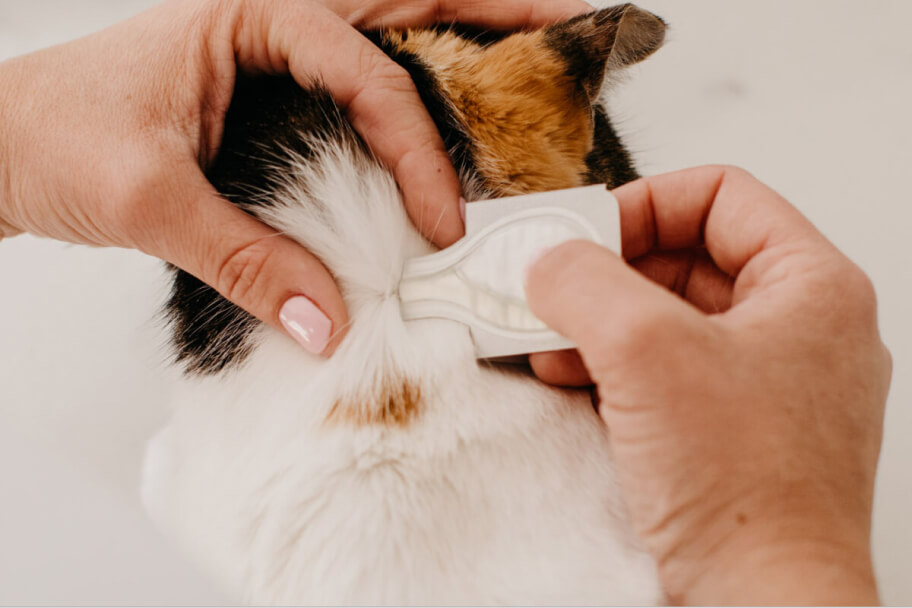
Applying flea treatment on cats requires care and attention. Gently part the fur at the base of the neck. Apply the treatment directly to the skin. Ensure the area is dry before and after application for best results.
Choosing the right flea treatment for your cat is crucial. Not all treatments are created equal, and each cat may react differently. Understanding your options can make the process less daunting and more effective.Types Of Flea Treatments
There are several types of flea treatments available. Topical treatments, often known as spot-ons, are applied directly to your cat’s skin and work by killing fleas on contact. Oral medications are ingested and work by killing fleas after they bite your pet. This method can be particularly effective for cats who dislike topical treatments. Flea collars are another option, releasing active ingredients that kill fleas or prevent them from attacking your cat. They can be a good long-term solution but may not be suitable for all cats. Flea shampoos and sprays offer immediate relief but require frequent application. Have you ever tried a flea spray and found it didn’t last as long as you’d hoped? It’s essential to choose a product that fits both your lifestyle and your cat’s needs.Consulting A Veterinarian
Before starting any flea treatment, consulting a veterinarian is wise. They can provide personalized recommendations based on your cat’s age, weight, health status, and lifestyle. Did you know certain flea treatments aren’t safe for kittens or older cats with health issues? A vet visit can also help identify any specific flea-related problems your cat might have. Discussing your options with a professional ensures you make an informed decision. Have you ever found yourself overwhelmed by the variety of products on the shelf? A vet can simplify this decision-making process. Choosing the right flea treatment is not just about picking a product but ensuring it aligns with your cat’s unique needs and your peace of mind.Preparing Your Cat
Applying flea treatment to your cat requires care and attention. Gently part the fur on their neck. Apply the treatment directly to the skin, avoiding the fur. Ensure your cat stays calm and still during the process for the best results.
Regular treatments prevent flea infestations and keep your pet healthy.
Preparing your cat for flea treatment is crucial to ensure the process is smooth and stress-free. Cats are naturally curious but can be quite sensitive to changes in their environment. By taking a few simple steps, you can make this experience more comfortable for both you and your feline friend. The right preparation can make all the difference.Creating A Calm Environment
Cats are very in tune with their surroundings. A calm environment can help keep your cat relaxed during flea treatment. Choose a quiet room where your cat feels safe. Close the doors to minimize distractions and noise. Consider using a soft blanket or your cat’s favorite bed to create a cozy spot. Some cat owners find that playing soothing music or using a pheromone diffuser can help in calming their pets. What makes your cat feel at ease? Use that knowledge to your advantage.Gathering Necessary Supplies
Being prepared with the right supplies can save time and reduce stress. Before you begin, make sure you have the flea treatment product recommended by your vet. Read the instructions carefully. Have a pair of gloves on hand for hygiene purposes. A towel can be useful if your cat gets a bit wriggly. Keep a few treats nearby. Rewarding your cat after the treatment can make the process more positive. Have you considered keeping a toy or two around? Sometimes, a little distraction goes a long way in keeping your cat content. By preparing in advance, you not only ensure a smoother experience but also reinforce trust with your cat. How do you make sure your cat feels comfortable and safe during treatments?Applying Topical Treatments
Applying topical treatments for fleas on cats can be tricky. But with a little guidance, it becomes manageable. It’s a crucial step in ensuring your cat’s health. These treatments help protect your cat from fleas and ticks. They are applied directly to the cat’s skin. Let’s explore the steps to apply them correctly and safely.
Step-by-step Application
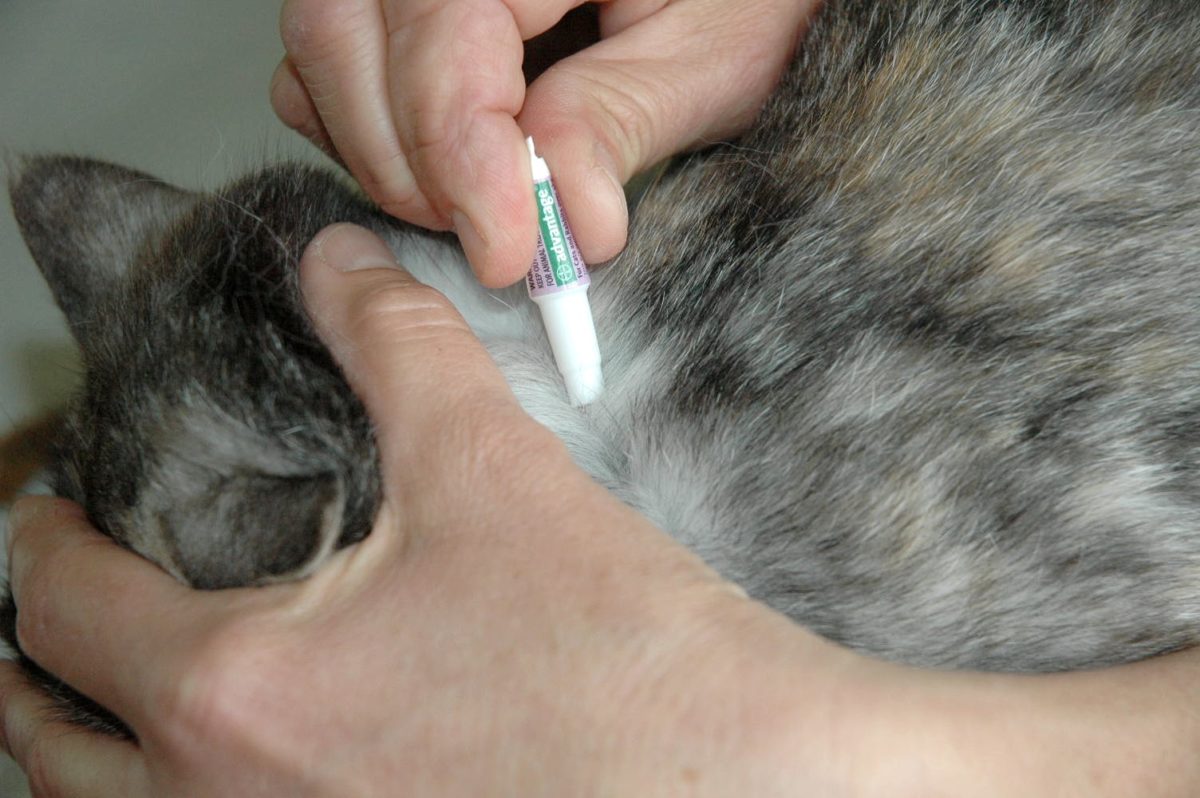
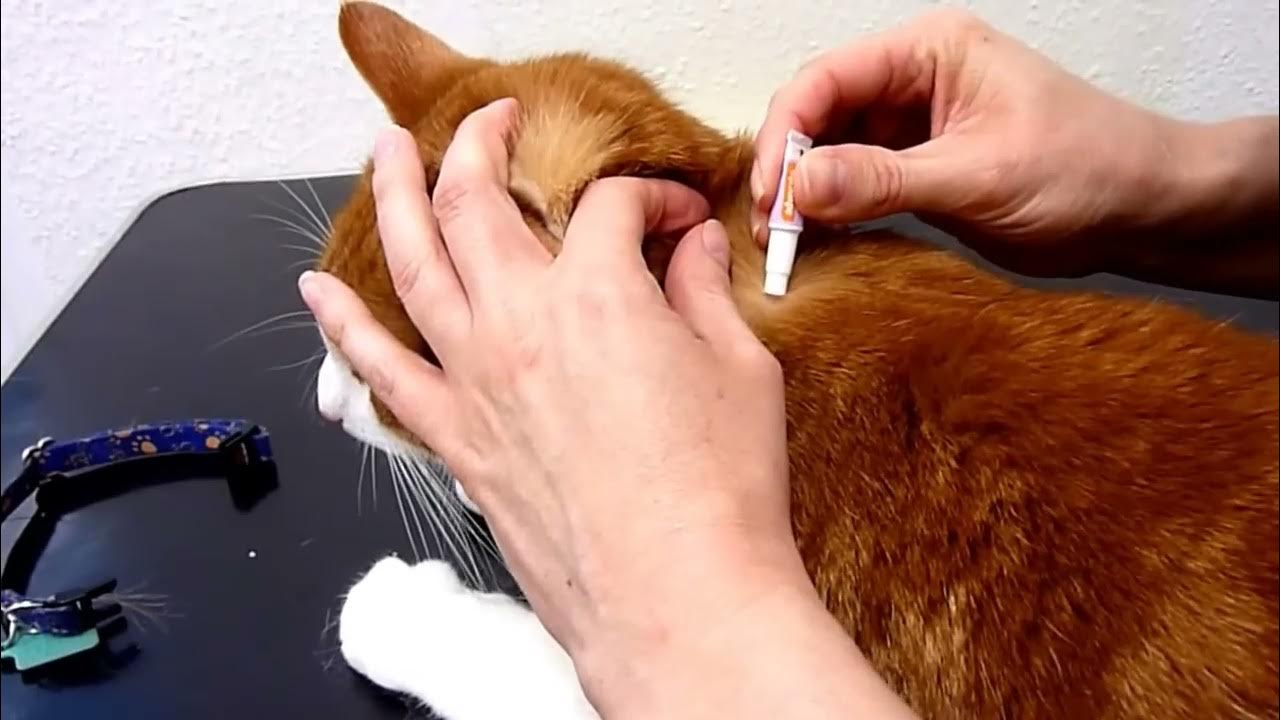
First, read the instructions on the package. Each product may have unique guidelines. Next, find a calm, quiet place for the application. Hold your cat gently, offering comfort and reassurance. Part the fur at the base of your cat’s neck. This spot is ideal because your cat can’t lick it. Squeeze the applicator to release the liquid onto the skin. Ensure the product touches the skin, not just the fur. Allow the liquid to dry before touching your cat.
Safety Precautions
Always use treatments designed for cats, not dogs. Dog treatments can be harmful to cats. Check the expiration date before use. An expired product may not work or could be unsafe. If your cat shows signs of an allergic reaction, contact a vet immediately. Keep the product out of reach of children. Wash your hands after applying the treatment. This prevents accidental ingestion or irritation.
Credit: m.youtube.com
Administering Oral Medications
Applying flea treatment for cats is straightforward. Part the fur on your cat’s neck and apply the medication directly onto the skin. Ensure the liquid is absorbed and keep your pet from licking the area.
Administering oral medications to your cat can be a straightforward process once you know the basics. It’s a great way to ensure your feline friend is free from fleas without dealing with sprays or topical treatments. Oral medications are often flavored, making them more appealing to cats. However, getting your cat to take the pill willingly might still be a challenge. Have you ever tried hiding it in their favorite treat? It can work wonders, but let’s dive into the specifics to make this process as smooth as possible.Dosage Guidelines
Understanding the correct dosage is crucial for your cat’s safety and effectiveness of the treatment. Always read the label and follow the veterinarian’s instructions closely. Your vet will determine the dosage based on your cat’s weight and health condition. Incorrect dosage can lead to ineffective treatment or potential harm. Would you trust guesswork when it comes to your pet’s health? If you’re unsure about the dosage, don’t hesitate to ask your vet. It’s better to ask than risk making a mistake.Monitoring For Side Effects
After giving your cat the oral medication, observe them closely for any unusual behavior. Side effects can range from mild digestive issues to more severe reactions. Watch for symptoms like vomiting, diarrhea, or changes in appetite. These might indicate that the medication isn’t agreeing with your cat. If you notice anything out of the ordinary, contact your vet immediately. They can provide guidance and possibly adjust the treatment plan. Have you thought about keeping a log of your cat’s reactions? It can be a helpful reference for your vet.Using Flea Collars
Flea collars are a popular choice for protecting cats from fleas. They offer a convenient and long-lasting solution. These collars release chemicals that repel or kill fleas. It’s essential to use them correctly to ensure your cat stays flea-free.
Proper Fit And Placement
A collar that fits well is crucial for effectiveness. Measure your cat’s neck carefully before purchasing. The collar should be snug but not tight. You should fit two fingers comfortably between the collar and neck. Adjust the collar as your cat grows to maintain proper fit. Correct placement ensures the chemicals contact the fur and skin.
Effectiveness Duration
Flea collars provide protection for several months. Check the manufacturer’s guidelines for specific duration. Some collars last up to eight months, while others need replacement sooner. Monitor your cat for signs of fleas and replace the collar when needed. Regular replacement ensures continuous protection.
Natural Remedies For Flea Control
Natural remedies for flea control in cats offer a gentle alternative to chemical treatments. Using these methods can be just as effective, especially when combined with regular grooming and a clean living environment. Have you ever wondered if there’s a safer way to keep your feline friend flea-free?
Herbal Solutions
Herbs like rosemary and lavender are not only fragrant but can also act as natural flea repellents. Sprinkle dried rosemary leaves around your cat’s bedding to deter fleas. Lavender oil, when diluted, can be lightly applied to your cat’s fur, offering a soothing and flea-repelling effect.
Another effective herbal solution is neem oil. Many cat owners have found success using neem oil, which is known for its anti-fungal and anti-bacterial properties. Just be sure to mix it with a carrier oil and apply it sparingly to avoid overwhelming your cat’s senses.
Do you have access to fresh mint? Plant some around your home or rub fresh mint leaves on your cat’s coat. Its invigorating scent can help keep fleas at bay while giving your home a fresh aroma.
Homemade Sprays
Creating your own flea spray can be a rewarding endeavor. A simple mix of apple cider vinegar and water can serve as a potent flea deterrent. Spray this mixture lightly on your cat’s fur, being cautious around the eyes and ears.
Consider adding a few drops of essential oils like cedarwood or peppermint to your homemade spray. These oils are known for their flea-repelling properties. Remember, a little goes a long way, so use them sparingly to avoid irritating your cat’s skin.
Why not get creative with lemon? Boil sliced lemons in water and let it steep overnight. Strain and bottle this mixture, then apply it with a spray bottle for a citrus-scented flea repellent that’s both fresh and effective.
Natural remedies can be a great choice for those looking to avoid chemical treatments. By trying these methods, you can find the right balance that works for you and your cat. What natural remedy will you try next to keep your cat happy and flea-free?
Cleaning And Maintaining Your Home
After applying flea treatment on your cat, focus on your home. Cleaning your home helps prevent fleas from returning. Regular maintenance is key to keeping a flea-free environment.
Below are effective steps to ensure your home remains clean and safe for your cat.
Vacuuming Techniques
Vacuum carpets and rugs daily. Fleas often hide in fibers. Use a vacuum with strong suction power. Pay special attention to corners and crevices. These areas often harbor flea eggs. Dispose of vacuum bags immediately. This prevents fleas from escaping back into your home.
Washing Bedding And Fabrics
Wash your cat’s bedding weekly. Use hot water to kill fleas and eggs. Add a mild detergent for a thorough clean. Clean any fabrics your cat frequently uses. This includes blankets or cushions. Heat helps eliminate any remaining pests. Dry items on the highest heat setting. Ensure all items are completely dry before use. Repeat this cleaning routine regularly. It helps maintain a flea-free home.
Monitoring And Reapplication
Monitoring and reapplication are crucial for effective flea treatment in cats. Flea infestations can be persistent, requiring ongoing vigilance. Regular checks ensure your cat remains flea-free and healthy. Understanding the signs of infestation helps in timely intervention.
Signs Of Flea Infestation
Look for frequent scratching or biting at the skin. Red bumps or scabs may appear on your cat’s skin. Check for flea dirt, which looks like tiny black specks. Fleas may also cause hair loss and irritation. Regular grooming can reveal hidden fleas.
Frequency Of Treatment
Reapply treatment as per the product’s instructions. Most treatments need monthly application. Some may require more frequent use during peak flea season. Consult your vet for specific guidance. Over-treatment can harm your cat, so follow guidelines carefully.
Preventative Measures
Preventing fleas in cats requires consistent care and attention. Taking proactive measures can help keep your feline friend free from these pesky parasites. Implementing effective preventative strategies ensures a healthy and happy cat. Below are key preventative measures to consider.
Regular Check-ups
Regular visits to the vet are essential for flea prevention. Vets can identify early signs of flea infestations. Routine check-ups ensure your cat remains flea-free. Schedule appointments at least twice a year. Early detection prevents flea-related health issues.
Your vet can recommend the best flea treatments. They may suggest monthly preventive medications. These treatments keep fleas at bay effectively. Always follow your vet’s advice for optimal results.
Outdoor Precautions
Keep your cat indoors to reduce flea exposure. Outdoor cats are more prone to flea infestations. Limit their outdoor time for better protection.
Ensure your yard is flea-free. Regularly mow the lawn and trim bushes. Fleas thrive in overgrown areas, so clear debris promptly.
Consider using flea-repellent plants. Lavender and mint deter fleas naturally. Plant these around your garden for added protection.
Inspect your cat after outdoor trips. Check for fleas or flea dirt regularly. Early detection helps prevent infestations.
:strip_icc()/home-remedies-for-fleas-on-cats-4580388_source_file-31aafc6d7e544c60ba1b9d34119c1e7a.jpg)
Credit: www.thesprucepets.com
Frequently Asked Questions
What Is The Best Way To Put Flea Medicine On A Cat?
Apply flea medicine on the cat’s neck, between the shoulder blades. Part the fur to reach the skin. Ensure the cat stays dry for 24 hours after application. Follow the product instructions carefully for the best results. Use treats to keep your cat calm during the process.
Should I Let My Cat Roam The House After Flea Treatment?
Yes, allow your cat to roam the house after flea treatment. Ensure the treatment has dried completely first. Avoid contact with treated areas. Monitor your cat for any adverse reactions. Consult your vet if concerns arise. Proper care will keep your home flea-free and your cat safe.
How Often Should Flea Treatment Be Applied To A Cat?
Apply flea treatment to your cat every month. Always follow the product instructions for best results. Regular application helps prevent infestations and keeps your cat healthy. Consult your vet for personalized advice on flea treatment frequency.
Do Fleas Fall Off Cats After Treatment?
Fleas often fall off cats after treatment. Treatments kill fleas, causing them to drop off or be washed away. Ensure the treatment is effective and follow instructions for best results. Regular cleaning of the environment helps prevent re-infestation. Consult your vet for the best flea treatment options.
Conclusion
Ensuring your cat is flea-free keeps them healthy and happy. Regular treatment prevents infestations, protecting your pet and home. Follow instructions carefully for best results. Choose a treatment suited to your cat’s needs. Consult your vet for personalized advice. Stay observant for signs of fleas.
Early detection makes treatment easier and more effective. Maintain a clean environment to support flea control efforts. Avoid skipping doses to ensure continuous protection. Your cat deserves a comfortable, itch-free life. Prioritize their care and enjoy more peace of mind.
A flea-free cat is a happy cat.

Similar Posts