Why Are Cats So Attracted to Me? The Real Reasons
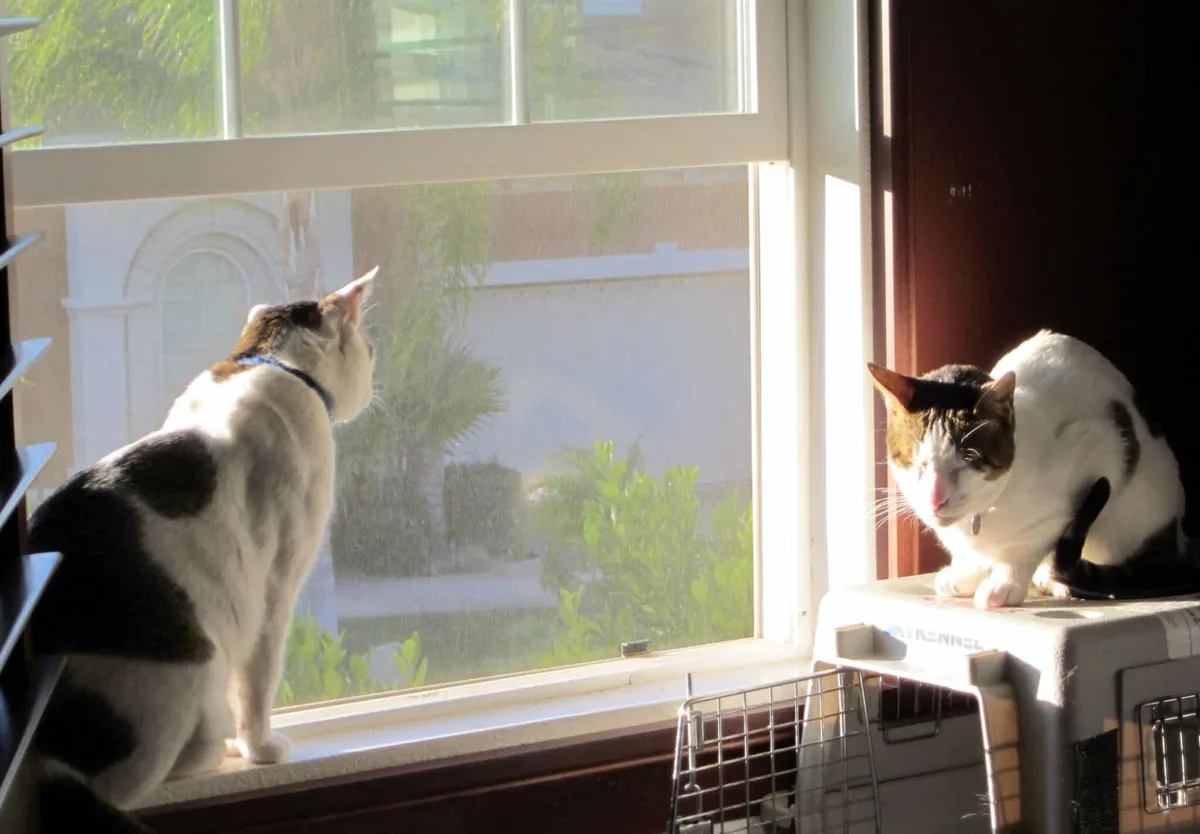
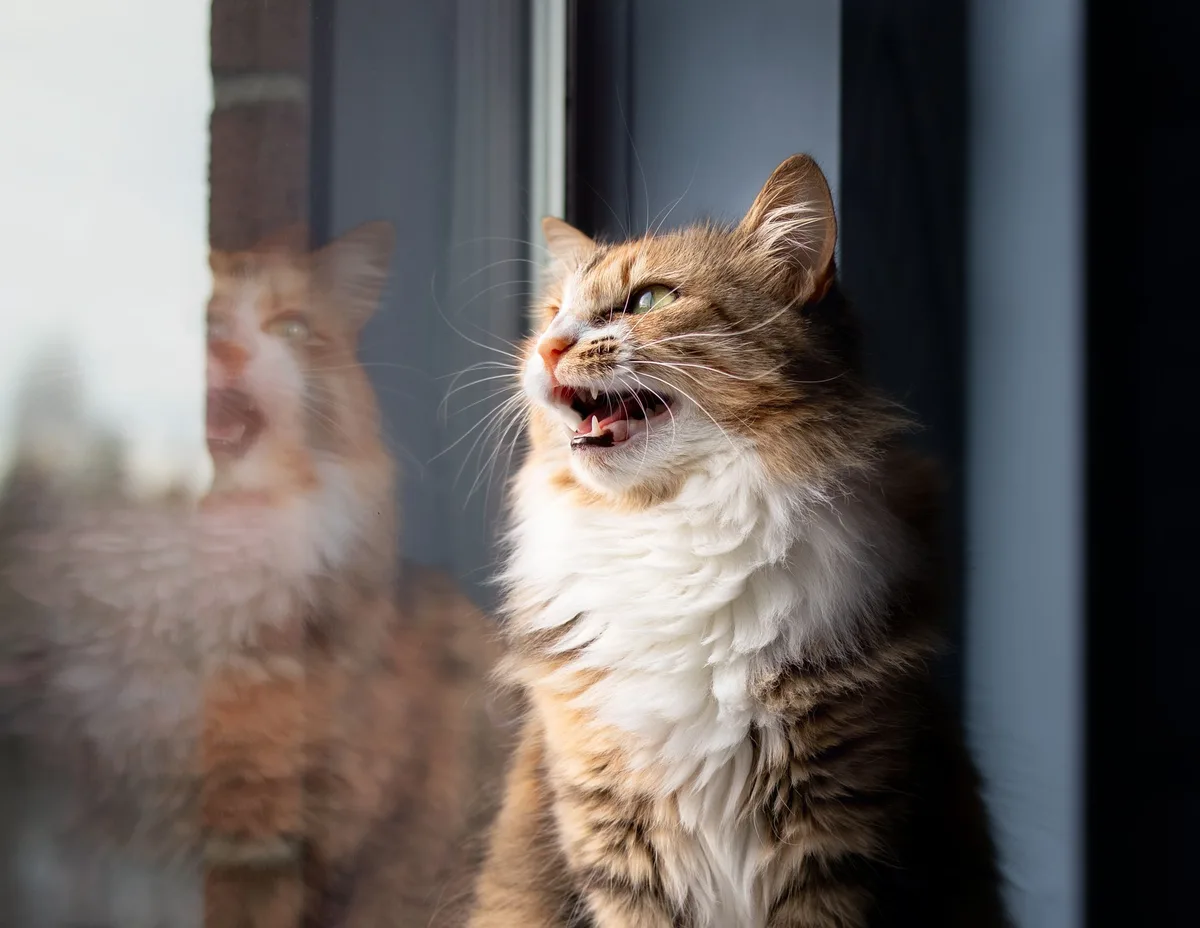
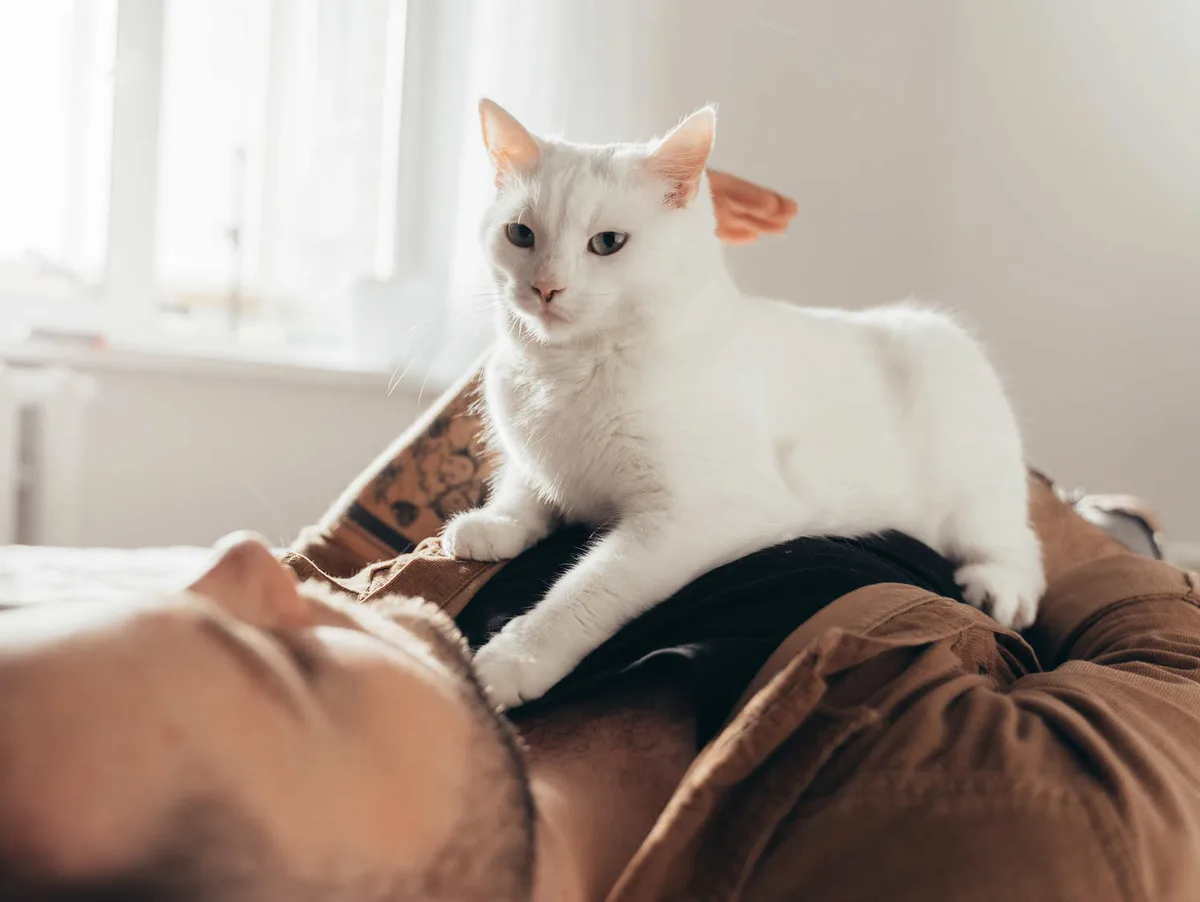
You know that feeling. You walk into a room and a cat who was ignoring everyone else suddenly gets up, stretches, and pads over to you. If you've ever asked yourself why are cats attracted to me, you're actually looking at a pretty complex puzzle.
It's not random luck, and it's probably not because you carry hidden treats.
In our research, we found that roughly 70% of how cats communicate is through body language alone. Your scent, your posture, and even your eye contact are sending signals you might not even realize. Let's work through the possibilities to find your specific reason.
Image source: Bing (Web (fair-use with source credit))
So You're the Person Cats Always Gravitate Toward
If you're the person cats always find, you've probably gotten a few jokes about it. Friends call you the cat whisperer. Maybe you attract strays on walks.
But there's a logical explanation.
Cats are observant animals. They watch how you move, how you smell, how you sound. They decide who feels safe based on tiny cues, most of which you're not consciously controlling.
You're sending a clear message without saying a word.
The big question is what message that is. Is it your calm energy? Your neutral scent?
Your slow blink? Or the fact that you once fed a hungry stray outside? Each of those sends a very different signal.
And the signal isn't the same for every cat. That's where the confusion comes in. A cat raised in a quiet home looks for different things than a feral colony cat.
But knowing your own type of attraction is the first step to understanding it.
The Short Answer: It's Usually One of These Four Things
The short answer is that cats are drawn to you for one of four reasons. Maybe a combination of two. But usually one stands out as the main driver.
Scent. You smell neutral to them. No strong perfumes, no fear chemicals, nothing threatening. To a cat, you smell like safe territory.
Body language. Your posture and eye contact are cat-friendly. You move slowly. You blink softly.
You don't loom over them. Cats read these signals instantly.
Energy. You're calm and predictable. Cats sense arousal levels in humans. A low-arousal person feels like a safe harbor.
Learned association. A cat once got something good from you, food, warmth, attention, and now expects the same every time. This is the simplest reason and often the strongest.
Most people fall into one or two of these buckets. Let's find out which one is yours.
Image source: Bing (Web (fair-use with source credit))
Work Through These Questions to Find Your Reason
Think about how cats usually approach you. Then ask yourself these questions in order. Follow the branch that fits your situation.
Question One: Do you wear strong scents?
If you wear perfumes, colognes, or heavily scented lotions, your smell is probably not the draw. Strong artificial scents often repel cats. Go to Question Two.
If you use unscented soap or no products at all, you might have a neutral scent profile. That's attractive to cats. You're on the scent branch.
Question Two: When a cat approaches, are you usually sitting or lying down?
If yes, your body language is likely the reason. You're at their level. You look non-threatening.
You're on the body language branch.
If you're usually standing or walking, go to Question Three.
Question Three: Do you feel calm around cats, or do you get excited?
If you're calm and relaxed, your low-arousal energy is probably what draws them. You're on the energy branch.
If you get excited or nervous, go to Question Four.
Question Four: Have you fed the cat before?
If yes, it's learned association. The cat remembers you as a food source.
If no, you might still be on the energy branch. Some people naturally carry a presence that cats find soothing.
Image source: Web (Bing) / utpaqp.edu.pe (Web image (fair-use with source credit))
What to Do With What You Just Learned
Once you know your branch, you can decide what to do next. Here's your playbook.
If you're on the scent branch
Keep your routine. Don't switch to heavily scented products if you like the attention. If you want less attention, try a mild fragrance.
Cats are sensitive to strong smells.
If you're on the body language branch
You're doing something right. To get more cat attention, practice slow blinking. Offer your hand palm-down under their nose.
Don't reach over their head. To dial it back, make yourself look busier and less accessible.
If you're on the energy branch
Your calm demeanor is your superpower. Cats find your presence soothing. To keep this dynamic, don't change a thing.
If you want less attention, try tensing up slightly or moving more quickly. Cats notice the shift.
If you're on the learned association branch
This one is the most straightforward. If the cat expects food or treats, they'll keep coming. To reduce attention, stop rewarding them.
To increase it, keep a small stash of treats and deliver them consistently.
Three Mistakes That Can Turn a Cat Magnet Into a Cat Repellent
Even if you're naturally attractive to cats, you can accidentally break the spell. Here are the three most common mistakes people make.
Mistake One: Staring directly into their eyes
A hard stare is a threat signal in cat language. You might think you're being affectionate, but they read it as aggression. Soften your gaze.
Blink slowly. That's the cat equivalent of a smile.
Mistake Two: Reaching over their head
When you bring your hand down toward a cat from above, it mimics a predator attack. Cats find this alarming. Instead, offer your hand with your palm down and fingers relaxed.
Let them approach.
Mistake Three: Picking them up without warning
Even a friendly cat can feel trapped when lifted suddenly. They like to control the interaction. Let them rub on you first.
Then see if they invite lap time. Don't grab and lift unless they've shown they're comfortable with it.
Avoid these three errors, and you'll stay in the cat's good graces.
When Being a Cat Magnet Causes Problems
Being the person cats love sounds like a compliment. And it usually is. But sometimes it creates real challenges you didn't sign up for.
A stray cat following you home is the most common issue. You walk to the store and come back with a four-legged shadow. That cat may not be safe to bring inside.
It could carry parasites, ringworm, or other health concerns. The American Veterinary Medical Association advises caution with unknown animals for good reason.
Another problem is unwanted attention at a friend's house. Their cat won't leave you alone. It rubs against your legs, kneads your lap, and maybe even drools.
Your friend feels slighted. You feel awkward. Everyone wonders what's happening.
Territorial behavior can also pop up. A cat that claims you might hiss at other cats or even people who get too close. That's not cute.
It's a stress signal that needs management.
How to handle unwanted attraction
Stay calm. Don't punish the cat for liking you. Instead, create physical distance.
Stand up. Move to a different room. Close a door if needed.
If a stray keeps following you, don't feed it. Feeding strengthens the learned association branch. Call a local rescue or shelter instead.
They can assess whether the cat needs help.
What This Looks Like in Real Life
Let's put the decision tree into action. Here are three short examples of real scenarios people experience.
Scenario One: The calm sitter
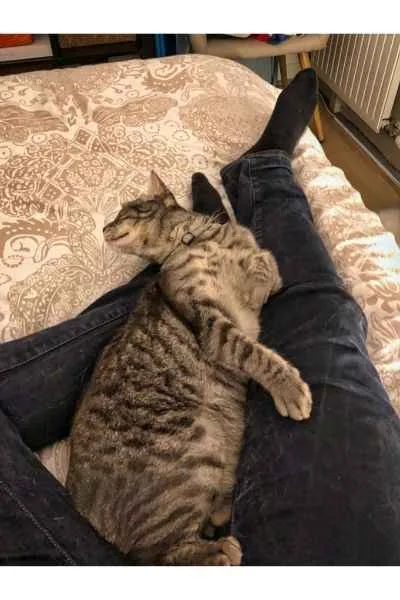
You visit a friend with two cats. Within five minutes, both cats are on your lap. You were sitting still, speaking softly, and avoiding direct eye contact.
You're on the body language and energy branches combined. Your friend, who moves quickly and talks loudly, gets ignored.
Scenario Two: The stray magnet
You walk your dog every evening. A stray cat appears and follows you for three blocks. It meows and weaves between your ankles.
You've never fed it. The cat is reading your calm energy and slow movements. You're on the energy branch.
To reduce attention, walk with more purpose and avoid eye contact.
Scenario Three: The feeding habit
You fed a neighbor's cat once during a snowstorm. Now it shows up at your door every morning at 7 AM. It meows loudly and waits.
That's learned association. The cat has connected you with food. To break the cycle, stop feeding it.
The behavior will fade in a week or two.
Frequently Asked Questions
Why do cats like me but not my partner?
Different people send different signals. You might move more slowly, blink more softly, or smell more neutral. Your partner may have a louder voice or a bolder posture.
Cats read these differences instantly and choose the person who feels safest.
Can cats sense if you're a good person?
Not in a moral sense. Cats don't judge character. They respond to observable cues like movement patterns, tone of voice, and scent.
If you're calm, quiet, and predictable, a cat will likely trust you regardless of your personality type.
Why do cats rub against my legs?
That's called bunting. Cats have scent glands on their cheeks, chin, and forehead. Rubbing deposits their scent on you.
It marks you as familiar and safe. It's a greeting and a territorial claim at the same time.
Do cats prefer women over men?
Research suggests cats may respond more to higher-pitched voices, which women often have. But body language matters more. A calm man using slow blinks and soft speech will attract more cats than an anxious woman who stares.
Why does my cat only want me when I'm busy?
Cats notice when you're distracted. A busy person is sitting still and focused on something else. That stillness looks safe and non-threatening.
The cat sees an opportunity for contact without any pressure from you.
Can I make myself less attractive to cats?
Yes. Move more quickly. Make direct eye contact.
Use a louder voice. Wear a light fragrance. Don't offer your hand.
Stand up when a cat approaches. These small shifts tell a cat you're not currently available for interaction.

Similar Posts