Your Cat Smells Like Maple Syrup? Here’s Why
If you've ever asked yourself "why does my cat smell like maple syrup," you're not alone, and it's not something to brush off. That sweet, almost breakfast-like scent can be an early warning sign of a serious health issue.
Veterinary research shows that a fruity or syrupy odor in cats is often linked to ketones, which are produced when the body can't use glucose properly. The American Veterinary Medical Association flags this as a symptom of diabetic ketoacidosis, a life-threatening condition. As of 2026, this remains a key early warning sign that veterinarians take seriously.
Let's walk through what that maple syrup smell really means and what you should do about it.
Your Cat Smells Like Maple Syrup? Here's Why
The Maple Syrup Smell: What to Look For and Why It Matters
The scent isn't exactly the syrup you pour on pancakes. It's more subtle, a sweet, fruity, or caramel-like odor. You might catch it on your cat's breath, on their fur when you pet them, or in their urine.
Image source: Web (Bing) / etsy.com (Web image (fair-use with source credit))
A healthy cat has a neutral, mild scent. A sudden sweet smell is a change worth noticing. The most common cause is elevated ketones in the blood, especially acetone.
Acetone has a distinct sweet, fruity aroma.
When ketone levels get high enough, the body starts releasing them through breath and skin. That's the maple syrup smell you're detecting. It's not a quirk.
It's a chemical signal that something is off internally.
Why a Sweet Smell Can Signal a Medical Emergency
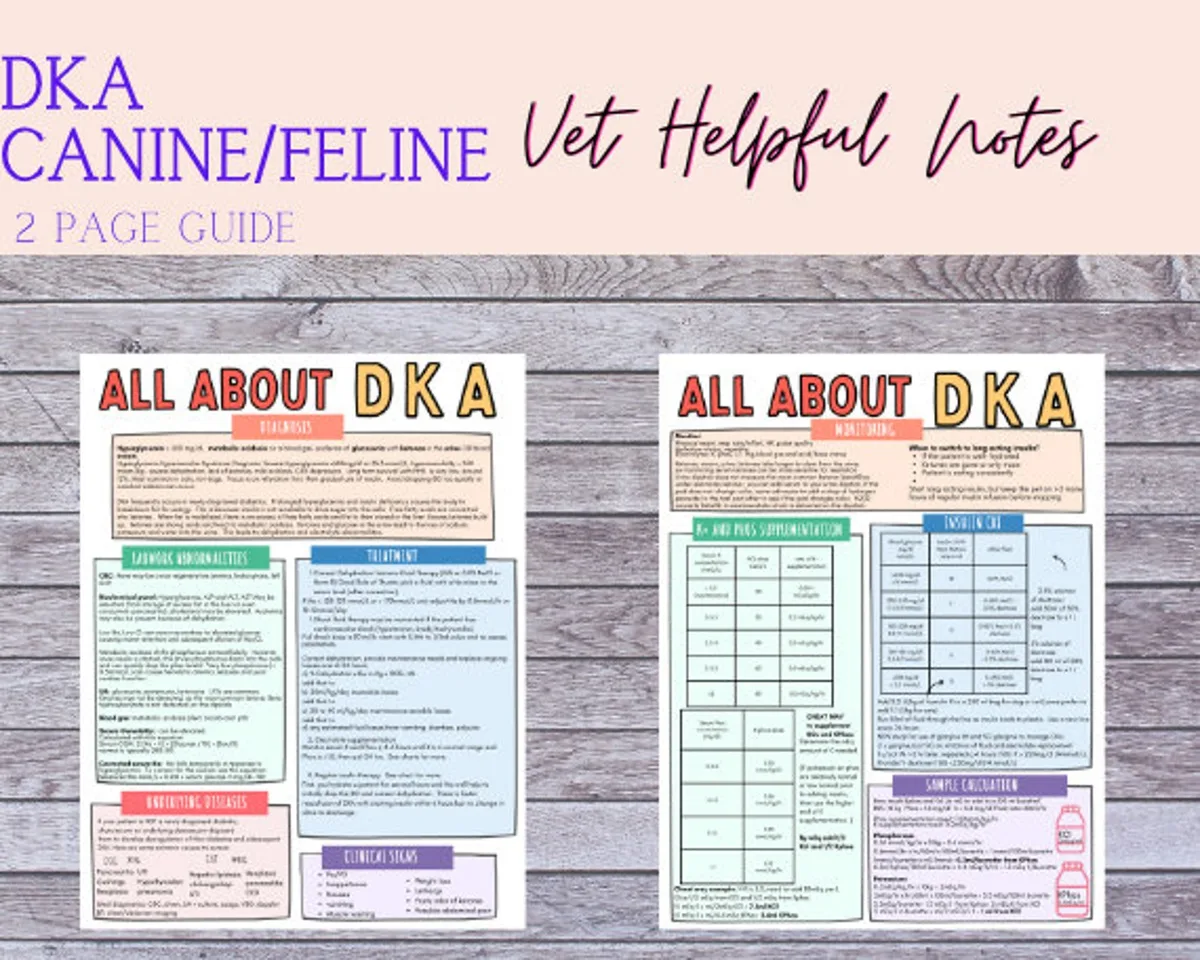
That maple syrup smell isn't just odd. It's often the first sign of diabetic ketoacidosis, or DKA. This is a life-threatening complication of feline diabetes.
Here's what happens. A diabetic cat's body can't move sugar into cells for energy. So the body starts burning fat instead.
That process produces ketones, which are acidic. When ketones build up too fast, the blood becomes dangerously acidic.
DKA doesn't happen slowly. It can escalate within hours. Symptoms to watch for alongside the smell:
- Excessive thirst and urination
- Lethargy or weakness
- Loss of appetite
- Vomiting or diarrhea
- Weight loss despite a normal appetite
- Dehydration (tacky gums, skin that stays tented)
If your cat has the syrup smell plus any of these signs, don't wait. Get to a vet immediately. DKA is fatal without treatment.
Early intervention makes a huge difference in survival rates.
Other Possible Causes (and How to Rule Them Out)
Not every sweet-smelling cat has diabetes. A few other things can cause a similar odor. But the key point is this: most of them still need a vet's attention.
Yeast infections. A yeast overgrowth, especially in the ears or skin folds, can produce a sweet, musty smell. It's different from the fruity, acetone-like scent of DKA. Yeast smells more like bread or beer.
If the smell is coming from the ears or between paw pads, yeast is likely.
Diet. Some cats eat food with corn syrup, molasses, or other sweeteners. This can slightly alter body odor. But it usually doesn't produce a strong, persistent maple syrup smell.
Poor dental hygiene. Dental disease can cause bad breath, but it's usually foul or fishy, not sweet. If the sweet smell is on the breath specifically, it's more likely metabolic than dental.
Maple syrup urine disease. This is a rare genetic disorder. It's extremely uncommon in cats and usually shows up in kittens. But it does produce a distinctive sweet odor in urine.
How to tell the difference? Location and other symptoms matter. A generalized sweet smell on breath, fur, and urine points toward DKA.
A localized smell in ears or paws points toward yeast. Either way, a vet visit is the right call.
Step-by-Step: What to Do If Your Cat Smells Like Syrup
Here's a practical action plan. Follow these steps in order.
Step 1: Confirm the smell. Get close to your cat's breath, their fur, and their urine. Take a deep sniff. Is it truly sweet and syrupy, or just a normal animal smell?
If you're unsure, ask someone else to check.
Step 2: Check for other symptoms. Look for increased thirst, more frequent bathroom trips, lethargy, or loss of appetite. Write down what you notice.
Step 3: Call your vet. Describe the smell and the symptoms. Your vet can tell you whether to come in right away or schedule an appointment. If they say come in, go.
Step 4: If it's after hours or symptoms are severe, go to an emergency vet. DKA can progress fast. Don't wait overnight.
Step 5: Do NOT try home remedies. Don't give insulin without a vet's guidance. Don't induce vomiting. Don't try to "wait and see." This is not a wait-and-see situation.
Step 6: Prepare for the visit. If you can, collect a urine sample. Write down when you first noticed the smell and any other changes in behavior. Bring your cat's medical records if you have them.
Follow these steps and let the vet take it from there.
What a Vet Will Check: Diagnosis and Testing
Your vet has a clear process for figuring out what's causing that syrup smell. Here's what to expect.
Blood glucose test. This is the quickest test. The vet takes a tiny blood sample and checks the sugar level. Normal fasting glucose in cats is 70 to 150 mg/dL.
A reading over 250 mg/dL strongly suggests diabetes.
Urinalysis. A urine test checks for glucose and ketones. If both are present, DKA is very likely. This test is simple and fast.
It's often done right in the exam room.
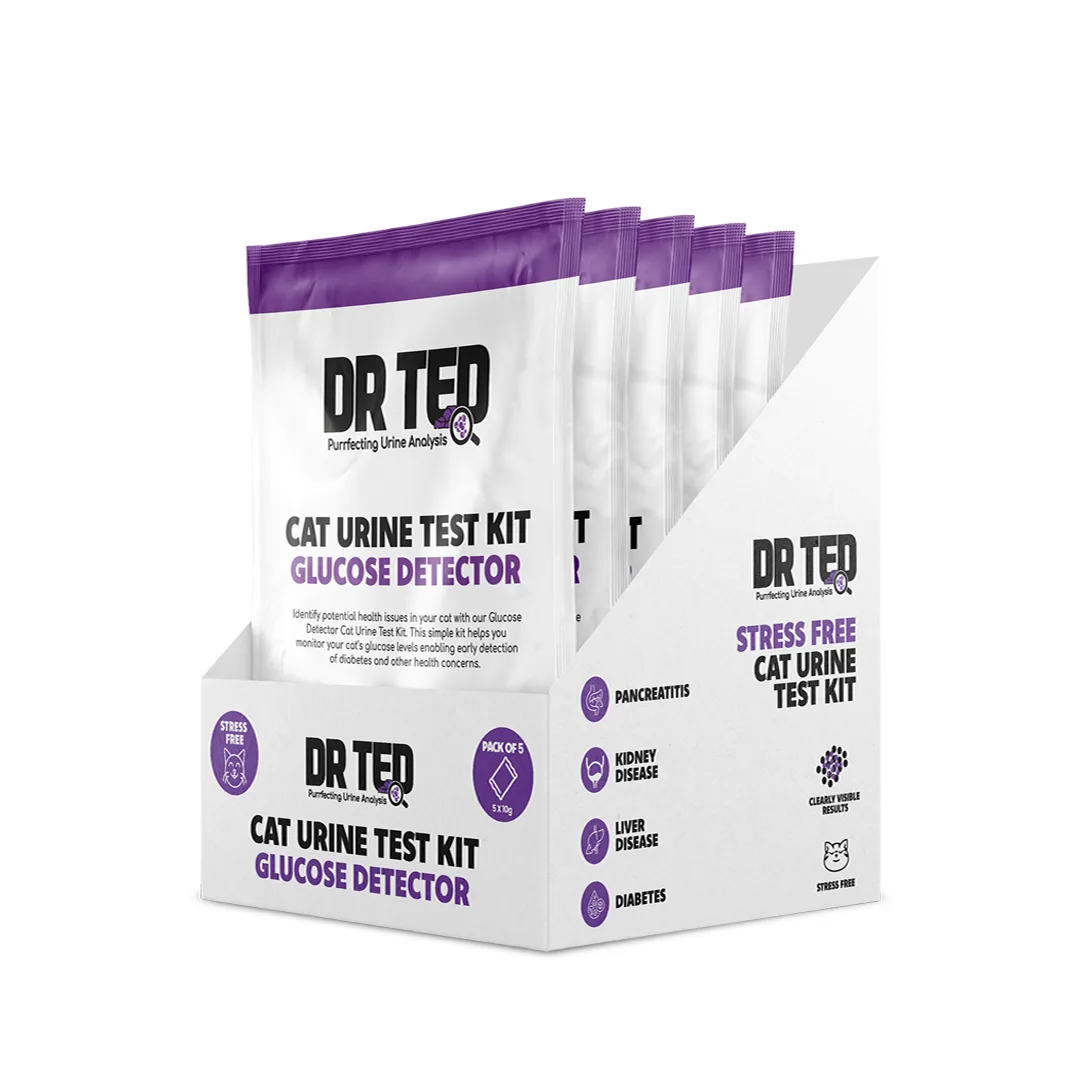
Image source: Web (Bing) / ourpetslife.co.uk (Web image (fair-use with source credit))
Fructosamine test. This blood test measures average glucose levels over the past two to three weeks. It helps confirm diabetes and rules out stress-induced high blood sugar.
Electrolyte panel. If DKA is suspected, the vet checks electrolytes like potassium and sodium. DKA can cause dangerous imbalances that need correction.
| Test | What It Checks | Typical Feline Range |
|---|---|---|
| Blood glucose | Sugar level | 70–150 mg/dL |
| Urinalysis | Glucose & ketones | Negative (none) |
| Fructosamine | 2–3 week glucose avg | Under 340 μmol/L |
| Electrolyte panel | Potassium, sodium, etc. | Varies by lab |
The whole process usually takes less than an hour for initial results. You'll know pretty quickly whether it's diabetes, DKA, or something else.
Treatment and Recovery: What to Expect
If your vet confirms DKA or diabetes, treatment starts right away. The goal is to stabilize your cat and get those ketones under control.
Hospitalization is typical for DKA. Your cat will receive intravenous fluids to correct dehydration and flush out ketones. Electrolyte imbalances are corrected at the same time. Short-acting insulin is given to bring blood sugar down.
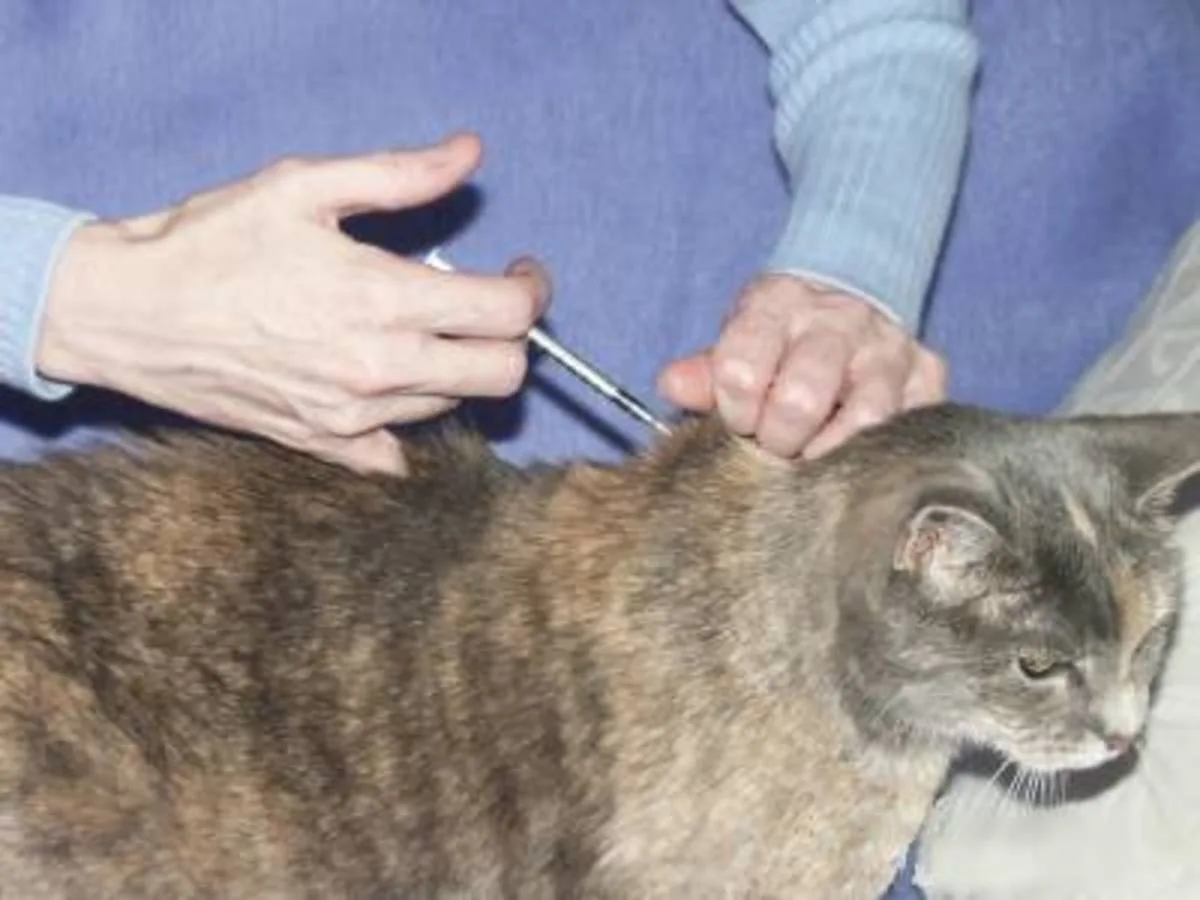
Image source: Web (Bing) / storage.googleapis.com (Web image (fair-use with source credit))
Most cats stay in the hospital for two to four days. The vet monitors blood glucose and ketone levels every few hours. Once your cat is stable, they switch to a longer-acting insulin you can give at home.
For diabetes without DKA, treatment is less intense. Your vet will prescribe insulin injections and show you how to give them. Many cats need two injections per day.
You'll also likely switch to a low-carbohydrate, high-protein wet food.
Insulin dosing is based on your cat's weight, blood glucose levels, and how they respond. The Cornell University College of Veterinary Medicine notes that consistent feeding schedules are critical. Feed your cat at the same times each day, right before their insulin shot.
Home monitoring is part of the deal. You'll need to check your cat's blood glucose at home using a glucometer designed for pets. It sounds intimidating, but most owners get the hang of it quickly. Your vet will show you the technique.
The good news? Many diabetic cats go into remission with proper treatment. That means they no longer need insulin.
A study in the Journal of Feline Medicine and Surgery reports remission rates as high as 60 to 70 percent with aggressive early management. That maple syrup smell usually disappears within days of starting treatment.
Frequently Asked Questions
Is the maple syrup smell always an emergency?
Not always, but you should treat it as one until a vet says otherwise. The most serious cause, DKA, can become life-threatening within hours. A quick vet check can rule it out or start treatment.
Can diet alone cause a sweet smell in cats?
Rarely. Some low-quality foods contain sweeteners like corn syrup. These can slightly alter body odor.
But a strong, persistent maple syrup smell is almost never diet-related.
How do I know if the smell is from my cat's breath or fur?
Get close and check both. Breath with a sweet scent often points to DKA or dental issues. Sweet-smelling fur or urine is more likely metabolic.
If the smell is general and everywhere, that's a stronger red flag.
Can cats recover from diabetic ketoacidosis?
Yes, with prompt treatment. The survival rate for cats with DKA is about 70 to 80 percent. Recovery depends on how quickly treatment starts and whether there are other underlying conditions.
Will changing my cat's food fix the smell?
No. If the smell is caused by DKA or diabetes, food changes alone won't fix it. Dietary changes support insulin therapy but can't replace it.
Always follow your vet's treatment plan.
Is home blood glucose testing painful for my cat?
It's a quick prick on the ear or paw pad. Most cats tolerate it well with practice. Your vet will show you the technique and help you pick a low-stress approach.

Similar Posts