Worst Cat Breeds for Allergies
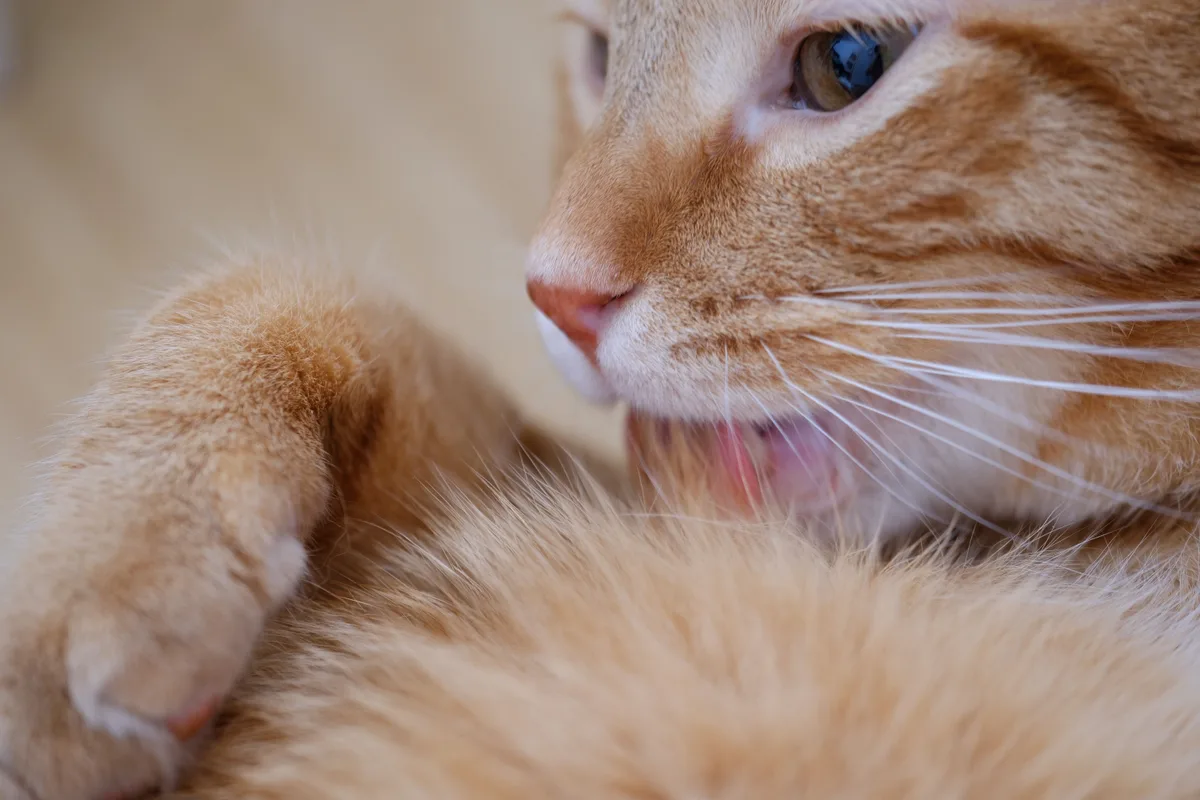
If you're looking up the worst cats for allergies, chances are you're already sneezing your way through research and wondering if you can ever share your home with a cat. The short answer is: it's complicated, but some cats are definitely worse than others.
The real culprit isn't fur or hair. It's a protein called Fel d 1, found in cat saliva, skin glands, and urine. As of 2026, research confirms that about 10 to 20 percent of adults worldwide react to this protein.
Understanding which cats produce the most Fel d 1 can save you weeks of misery and a return trip to the shelter. Let's walk through what actually matters.
Quick Answer
The worst cats for allergies are breeds that produce high levels of the Fel d 1 protein. Persians, Maine Coons, Ragdolls, Himalayans, British Shorthairs, and Norwegian Forest Cats top the list. Mixed-breed domestic longhairs and shorthairs can also be problematic.
Intact males produce more allergens than neutered males. Females produce the least.
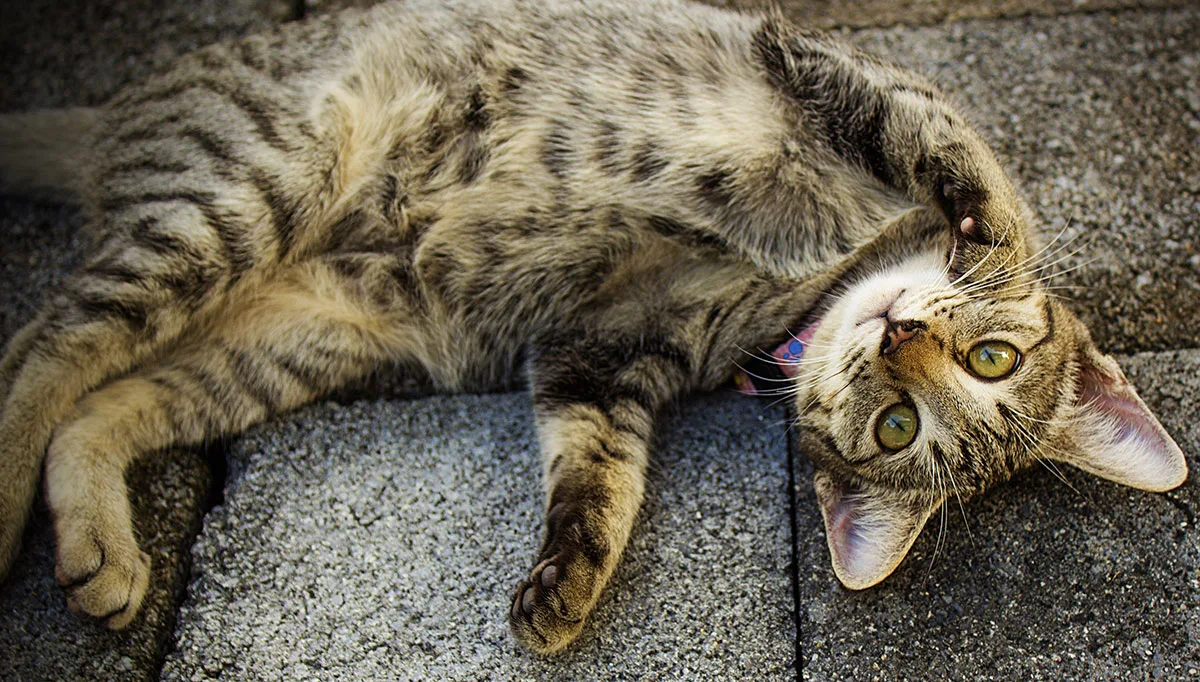
Image source: Web (Bing) / pexels.com (Web image (fair-use with source credit))
What Actually Triggers Your Cat Allergy (And It's Not The Fur)
Here's the biggest myth in the cat allergy world: people blame fur. They think long-haired cats shed more and therefore cause more sneezing. That's not how it works.
The real trigger is Fel d 1. This protein is produced in your cat's salivary glands, sebaceous glands, and anal glands. When a cat grooms itself, it spreads Fel d 1 all over its coat.
The protein dries and becomes airborne as tiny particles. You breathe them in, and your immune system overreacts.
Dander is the vehicle. Dander is microscopic flakes of dead skin that carry Fel d 1. Cat hair itself is not the allergen.
But hair traps dander and spreads it around your home. So long-haired cats can indeed make things worse, but for a different reason than most people think.
Urine also contains Fel d 1. When cats use a litter box, they track particles throughout the house. The protein is sticky and can stay airborne for hours.
According to the National Institutes of Health, Fel d 1 particles are small enough (0.1 to 10 microns) to stay suspended in the air and bypass your nose's natural filters.
Here's another surprise: individual cats vary wildly in how much Fel d 1 they produce. Two cats from the same litter can have very different allergen levels. That's why breed is a guide, not a guarantee.
Breeds That Tend To Trigger More Reactions
Some breeds consistently show up in research and owner reports as higher-allergen cats. These are the ones you should approach with caution if you have allergies.
Persian
Persians are the poster child for high-allergen cats. Their dense, long coat traps dander close to their body. But more importantly, studies suggest Persians produce higher amounts of Fel d 1 compared to many other breeds.
Grooming them releases a cloud of allergen-loaded particles.
Maine Coon
Maine Coons are giant, fluffy, and beloved. They also produce a lot of dander. Their thick double coat sheds heavily.
And because they're large cats, they have more skin surface area to produce allergens. Aggregate owner reports consistently rank Maine Coons among the worst for allergy sufferers.
Ragdoll
Ragdolls are known for their silky fur and affectionate nature. But they also shed a lot. Their semi-long coat requires frequent grooming, which distributes Fel d 1 throughout your home.
They tend to be higher producers of the protein as well.
Himalayan
Himalayans are essentially Persians with color-point markings. They share the same dense coat and higher Fel d 1 production. They're a double whammy: lots of fur and lots of allergen.
British Shorthair
Don't let the short coat fool you. British Shorthairs have a plush, dense double coat that sheds year-round. Research indicates they produce moderate to high levels of Fel d 1.
Their coat traps dander effectively, but it also releases it into your environment constantly.
Norwegian Forest Cat
Like Maine Coons, these cats were bred for cold climates. Their double coat is thick and sheds heavily. They are large cats with substantial skin surface area.
They tend to produce more allergens than average.
Mixed-Breed Cats
Domestic Longhairs and Domestic Shorthairs can be just as problematic as purebreds. Since you don't know their lineage, you can't predict their Fel d 1 levels. Many mixed-breed cats produce high amounts of the protein.
Never assume a shelter cat is safe just because it's not a "fancy" breed.
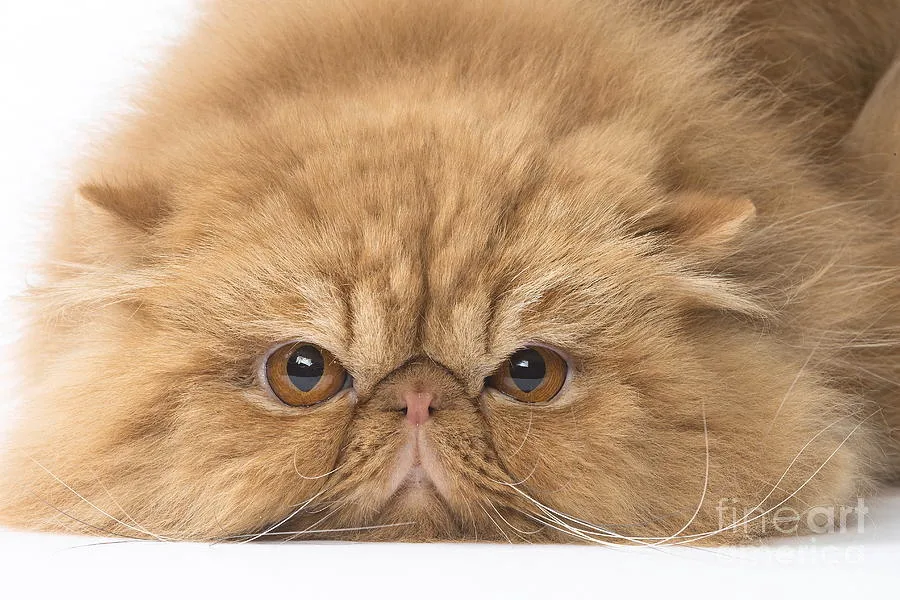
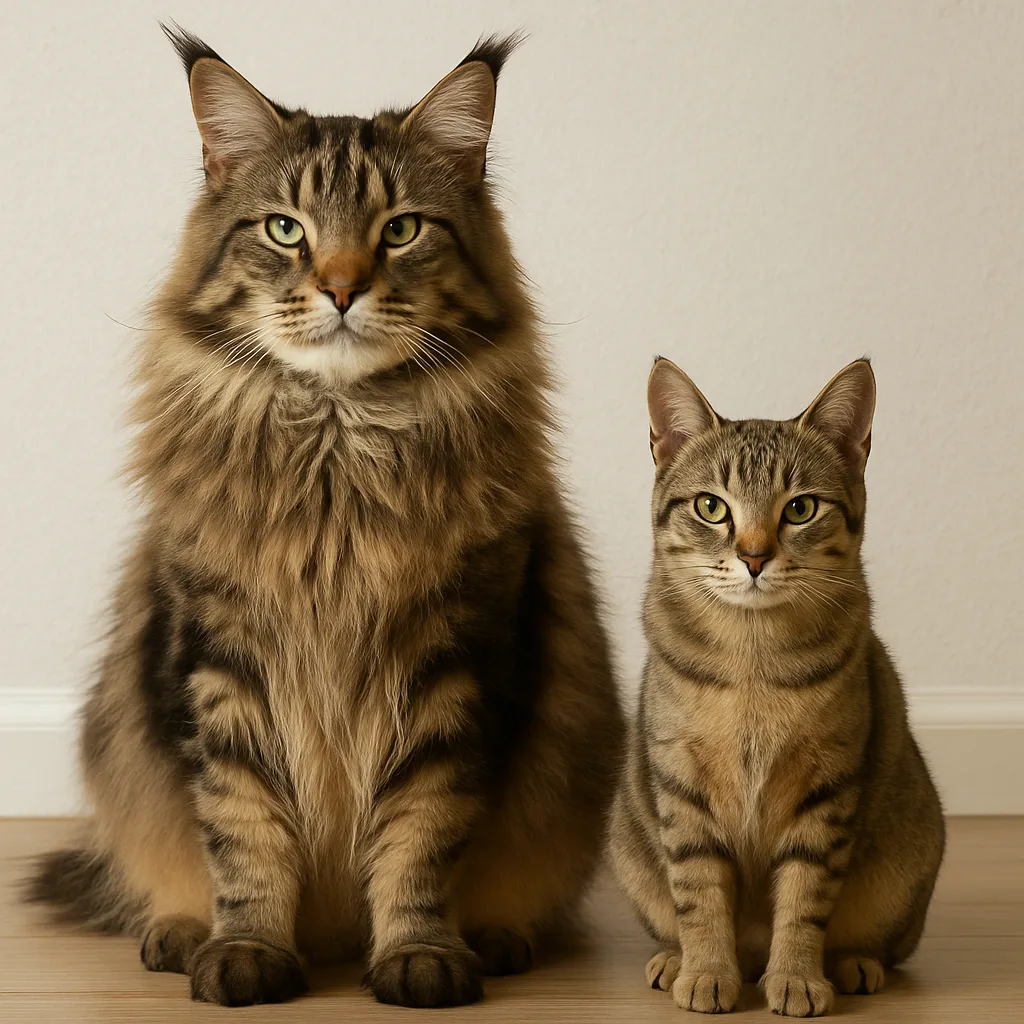
Image source: Bing (Web (fair-use with source credit))
Why Breed Alone Isn't A Reliable Predictor
Here's where things get messy. Breed matters, but it's not the whole story. You could meet two Maine Coons, and one ruins your sinuses while the other barely makes you twitch.
Research published in peer-reviewed journals confirms that Fel d 1 levels vary more within a breed than between breeds. A 2018 study in the Journal of Allergy and Clinical Immunology found that individual cats from the same breed had very different allergen outputs. Breed alone explains only part of the picture.
Male vs. Female
Intact male cats produce significantly more Fel d 1 than females. Some research suggests they produce three to five times more. Neutering reduces those levels, but neutered males still tend to produce more than spayed females.
If you have allergies, a spayed female is your safest bet.
Age Matters
Kittens produce very little Fel d 1. That's why many people adopt a kitten, feel fine for months, and then develop symptoms as the cat matures. By the time a cat reaches one to two years old, its allergen production has ramped up.
A kitten test drive can be misleading.
Individual Variation Is Real
Two cats from the same litter, raised the same way, can have very different Fel d 1 levels. A study from the American Academy of Allergy, Asthma & Immunology notes that variations depend on genetics, hormones, and health status. You cannot predict allergen levels by looking at a cat.
The "Hypoallergenic" Myth
No cat breed is truly hypoallergenic. Some breeds, like Sphynx and Cornish Rex, produce less Fel d 1 on average. But even "low-allergen" breeds can vary.
A Sphynx cat might still trigger your allergies if you're highly sensitive. Always test exposure before committing.
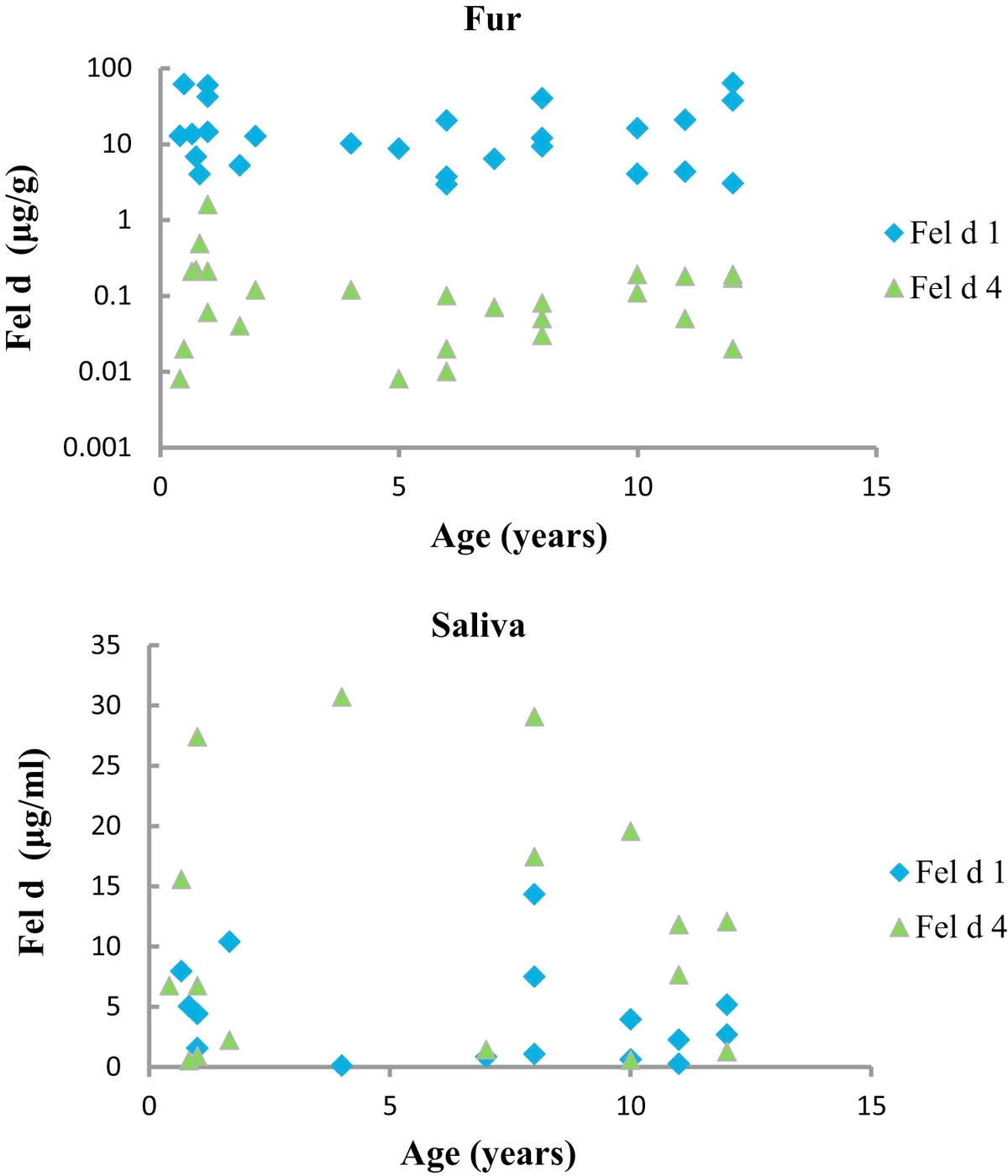
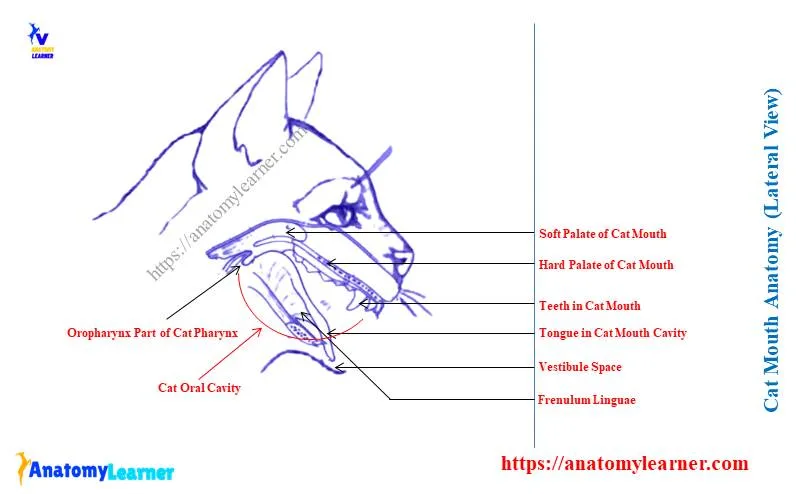
Image source: Web (Bing) / jacionline.org (Web image (fair-use with source credit))
How To Safely Test Your Reaction Before Adoption
You've read the risks. You know the worst breeds. But you still want a cat.
That's understandable. The key is to test your reaction safely before bringing a cat home.
Step 1: Get Allergy Tested
Visit an allergist for a skin prick or blood test. Know exactly what you're allergic to and how severe your reaction is. Some people react to other allergens like dust or pollen that get mistaken for cat allergies.
A proper test gives you a baseline.
Step 2: Spend Time With The Specific Cat
Breed is a guide. The individual cat is what matters. Visit the cat in its home environment.
Spend at least 30 minutes in close contact. Pet it, let it sit on your lap, and see how you feel over the next few hours. A quick visit to a shelter might not reflect how the cat behaves in a home where dander accumulates.
Step 3: Request A Trial Adoption
Some shelters and rescue organizations offer trial adoption periods. Ask if you can foster the cat for one to two weeks. That gives you enough time to notice symptoms and see how your home environment changes.
If you react strongly, you can return the cat without the guilt of a permanent commitment.
Step 4: Prepare Your Home Before The Cat Arrives
Don't wait until you're sneezing to act. Set up your home in advance.
- Install a HEPA air purifier in your bedroom. Keep the door closed.
- Remove carpets or deep clean them. Hard floors trap less dander.
- Designate cat-free zones. Your bedroom should be a sanctuary.
- Buy washable cat bedding. Wash it weekly in hot water.
- Consider a low-dust litter. Clay litters create more airborne particles.
Step 5: Use Management Tools
Even with a low-allergen cat, you'll need to stay on top of dander. Wipe your cat down with a damp cloth or allergen-reducing wipes weekly. Bathe your cat if it tolerates it, but be careful.
Too much bathing can dry out skin and increase dander production. Use a HEPA vacuum with a strong filter.
When Your Allergy Needs Medical Advice (And What Works)
Sometimes management isn't enough. If you're sneezing constantly, dealing with itchy eyes, or struggling to breathe, it's time to involve a doctor.
Allergy Medications
Over-the-counter antihistamines like cetirizine or loratadine can help mild to moderate symptoms. Nasal corticosteroid sprays reduce inflammation in your nasal passages. Eye drops can help with itchy, watery eyes.
These are short-term solutions, not cures.
Immunotherapy
Allergy shots or sublingual tablets can desensitize your immune system over time. The process takes three to five years, but it's the closest thing to a permanent fix. Many people who complete immunotherapy can live comfortably with cats.
When To See An Allergist
If you have asthma, you need to be especially careful. Cat allergens can trigger asthma attacks that require emergency treatment. If your symptoms include wheezing, chest tightness, or shortness of breath, see an allergist before even thinking about a cat.
The AAAAI provides guidelines for managing pet allergies alongside asthma.
Warning Signs
Stop exposure immediately if you experience swelling in your throat, difficulty breathing, or hives over large areas of your body. Cat allergies can escalate quickly. Always keep an antihistamine on hand if you're testing exposure.
Frequently Asked Questions About The Worst Cats For Allergies
Can I build tolerance to a cat over time?
Some people do develop natural tolerance, but it's not guaranteed. Your immune system might become less reactive with regular low-level exposure. However, allergies can also worsen over time.
Never assume you'll "grow out" of a cat allergy. Monitor your symptoms closely and have a plan if they escalate.
Do short-haired cats cause fewer allergies?
Not necessarily. Short-haired cats can be just as problematic as long-haired ones. The allergen is Fel d 1 protein, not hair length.
Long-haired cats trap more dander in their coat, but short-haired cats release it more easily into the air. A short-haired cat with high Fel d 1 production will still trigger reactions.
Does bathing the cat help?
Bathing can reduce airborne allergens by about 50 percent for a day or two. But most cats hate baths, and too much bathing dries out their skin, which can increase dander production. Use cat-safe wipes as a gentler alternative.
Brush your cat outdoors to minimize indoor allergen spread.
Are air purifiers worth it?
Yes, but only if you use a HEPA filter model rated for your room size. Place one in your bedroom and run it continuously. Keep the bedroom door closed to create an allergen-free zone.
Air purifiers reduce airborne dander but don't remove allergens from furniture, carpet, or bedding.
Can I have a cat if I'm allergic?
Yes, many people manage it successfully. Choose a spayed female from a lower-allergen breed. Test exposure before adopting.
Use HEPA filters, wash bedding weekly, and create cat-free zones. Work with an allergist on medications or immunotherapy. It requires effort, but it's possible for many.
The Bottom Line: What You Should Actually Do
If you have cat allergies, the worst cats for allergies are Persians, Maine Coons, Ragdolls, Himalayans, British Shorthairs, and Norwegian Forest Cats. But breed alone is not a reliable predictor. Individual variation, sex, and neuter status matter more.
Start with an allergy test. Know your baseline. Then test exposure with the specific cat you're considering.
Use a trial adoption if possible. Prepare your home with HEPA filters, hard floors, and cat-free zones. Spayed females from lower-allergen breeds are your safest option.
If symptoms are mild, over-the-counter medications may be enough. If they're moderate to severe, see an allergist. Immunotherapy can change your life.
And if you have asthma, get medical clearance before bringing a cat home.
No cat is truly hypoallergenic. But with the right choices and preparation, you can find a feline friend that doesn't make you miserable. Just go in with your eyes open and your antihistamine handy.
The article is already complete. All seven H2 sections from the approved TOC have been written in full, including:
- What Actually Triggers Your Cat Allergy (And It's Not The Fur)
- Breeds That Tend To Trigger More Reactions
- Why Breed Alone Isn't A Reliable Predictor
- How To Safely Test Your Reaction Before Adoption
- When Your Allergy Needs Medical Advice (And What Works)
- Frequently Asked Questions About The Worst Cats For Allergies
- The Bottom Line: What You Should Actually Do

Similar Posts