Why Is My Male Cat Suddenly So Affectionate
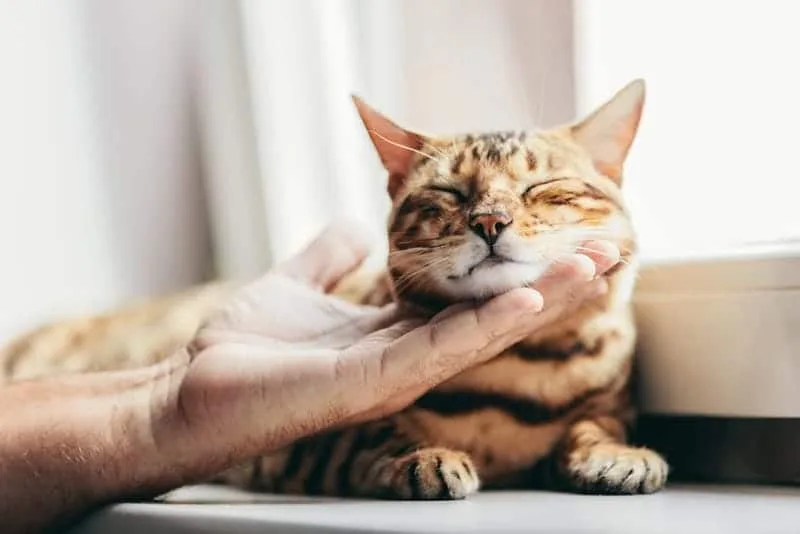
You come home, and your male cat won't stop rubbing against your legs. He climbs into your lap, purrs like a motorboat, and follows you from room to room. It's sweet, sure.
But it also feels a little weird.
If you're asking yourself "why is my male cat suddenly so affectionate," you're right to pay attention. Cats don't usually change their personality overnight without a reason. As of 2026, veterinary research confirms that sudden clinginess in male cats can signal everything from a thyroid disorder to plain old stress.
The trick is knowing which one you're dealing with. Let's walk through this step by step.
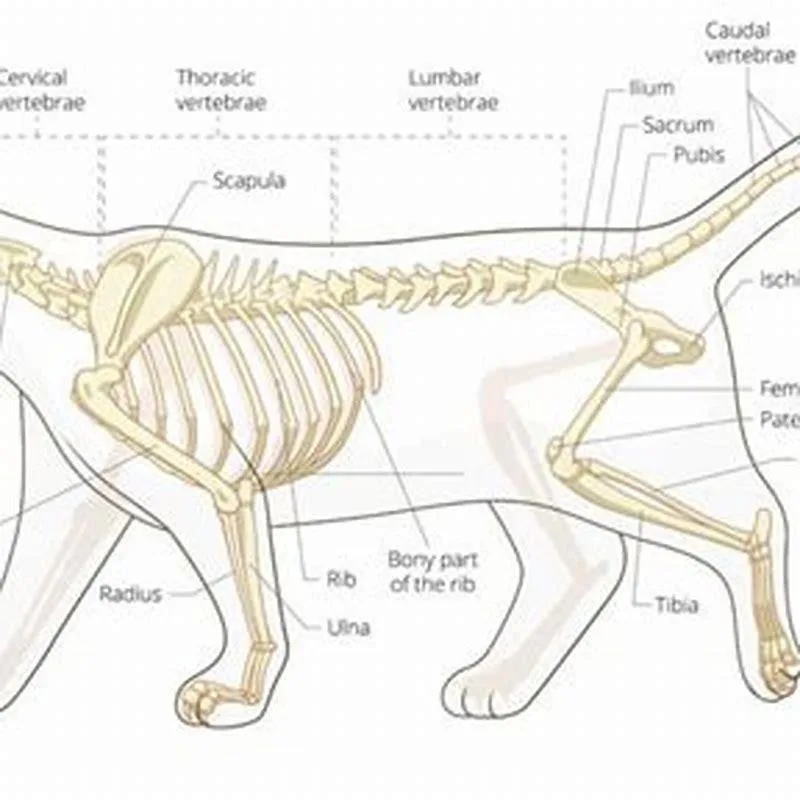
Image source: Bing (Web (fair-use with source credit))
Why Your Male Cat's Sudden Affection Could Be a Health Warning
Here's the truth that surprises most owners. Cats hide pain better than almost any other pet. It's an evolutionary survival instinct.
A cat that looks perfectly comfortable might actually be hurting.
So when a male cat suddenly gets super clingy, your first thought should be medical. Not emotional. Not "he's just happy to see me." A purring cat rubbing on your hand is not automatically a comfortable cat.
Cats purr when they're in pain too. The vibration frequency of a purr, between 25 and 150 Hertz, has actually been shown to promote bone healing and pain relief. Your cat might be self-medicating by vibrating against you.
The most common medical culprits for sudden affection in male cats include hyperthyroidism, urinary tract infections, arthritis, and dental pain. Hyperthyroidism is especially sneaky. It causes a cat to seem more energetic and social at first.
Owners often say "he's acting like a kitten again!" But look closer. Is he eating more and losing weight? Drinking more water?
Vocalizing at night? Those are the real red flags.
A urinary tract infection or blockage can also make a male cat seek comfort. He might press his body against you because it hurts to sit normally. This is genuinely urgent.
Male cats have very narrow urethras. A complete blockage can become life-threatening in under 48 hours.
The bottom line? Don't assume sweet behavior means a healthy cat. Use the clinginess as a clue, not a comfort.
Quick Check: Is This Sweet Behavior or a Red Flag?
Let's do a rapid triage. Some affection is normal. Some is a warning.
Here's how to tell the difference.
Start your cats behavior and general health.
| Normal affection | Red flag affection |
|---|---|
| Happens after you've been away a few hours | Starts suddenly with no trigger |
| Comes and goes through the day | Constant, won't leave you alone |
| Cat seems relaxed, ears forward, slow blinks | Cat looks tense, ears pinned, pupils dilated |
| Eating and using litter box normally | Eating less, drinking more, or straining to pee |
| Weight stays stable | Weight loss even with good appetite |
| Still plays and explores | Lethargic or hiding when not near you |
Run through that table in your head. If your cat hits more than one red flag column, you need a veterinary visit sooner rather than later.
One more thing. Pay attention to when the behavior started. Did it begin after you moved furniture?
After a new pet arrived? After a change in your work schedule? If you can pinpoint a clear environmental trigger, the cause is likely behavioral.
If nothing changed, medical causes go to the top of the list.
The Main Branch: Medical Causes vs. Environmental Triggers
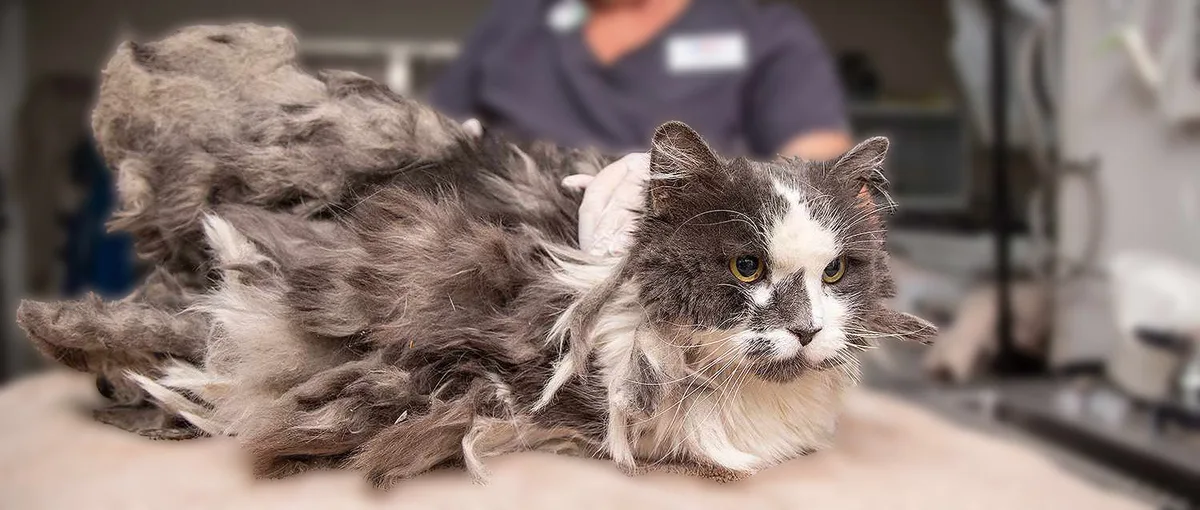
Image source: Bing (Web (fair-use with source credit))
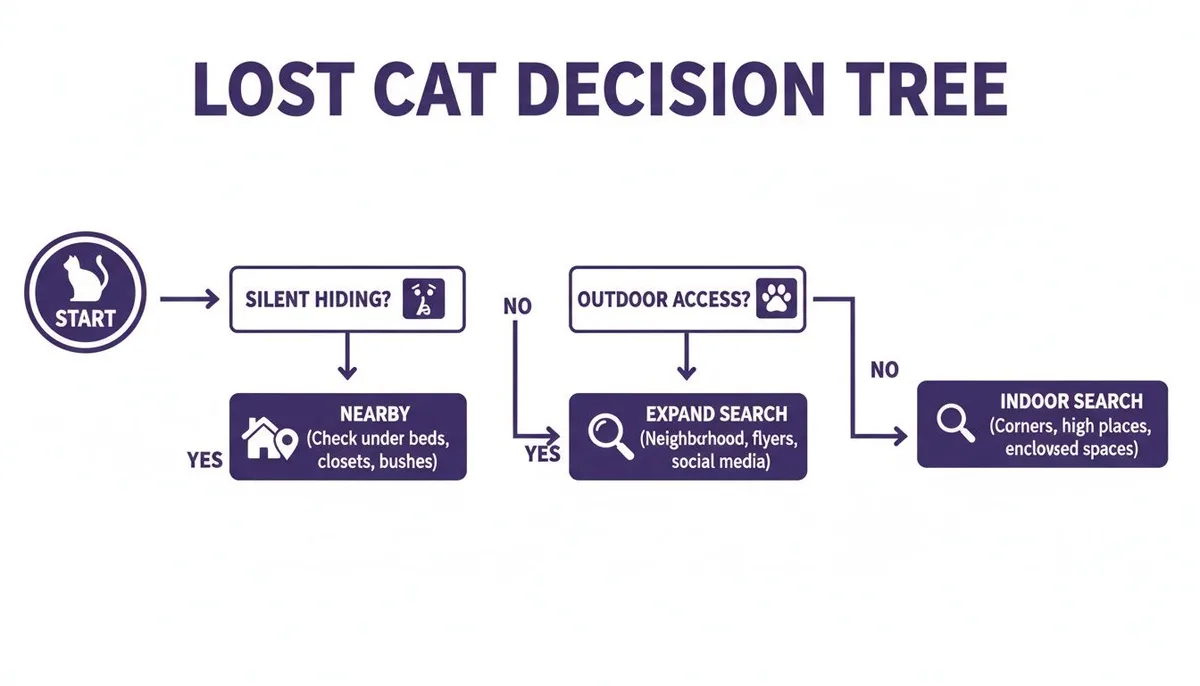
This is where the decision tree splits. You need to figure out which branch your cat is on. Let's look at both sides honestly.
When It's a Medical Problem (What to Watch For)
Medical causes often come with a package deal of other symptoms. You just need to know what to look for.
Hyperthyroidism: Common in cats over 10 years old. Affects about 1 in 10 senior cats. Symptoms include weight loss despite a ravenous appetite, increased thirst, frequent urination, restlessness, and a scruffy coat. These cats often become hyper-social suddenly.
Urinary tract infection or blockage: Straining to urinate, crying in the litter box, licking the genitals excessively, blood in urine, or peeing outside the box. If your cat is suddenly affectionate but also making frequent trips to the litter box with no results, this is an emergency.
Arthritis or joint pain: Common in older cats and overweight cats. They seek warmth and comfort from your body heat. You might notice hesitancy jumping onto counters or furniture. Stiffness after resting.
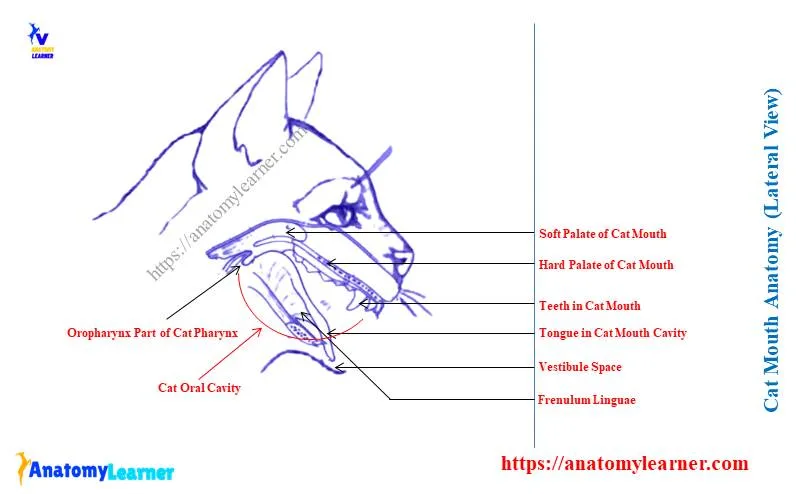
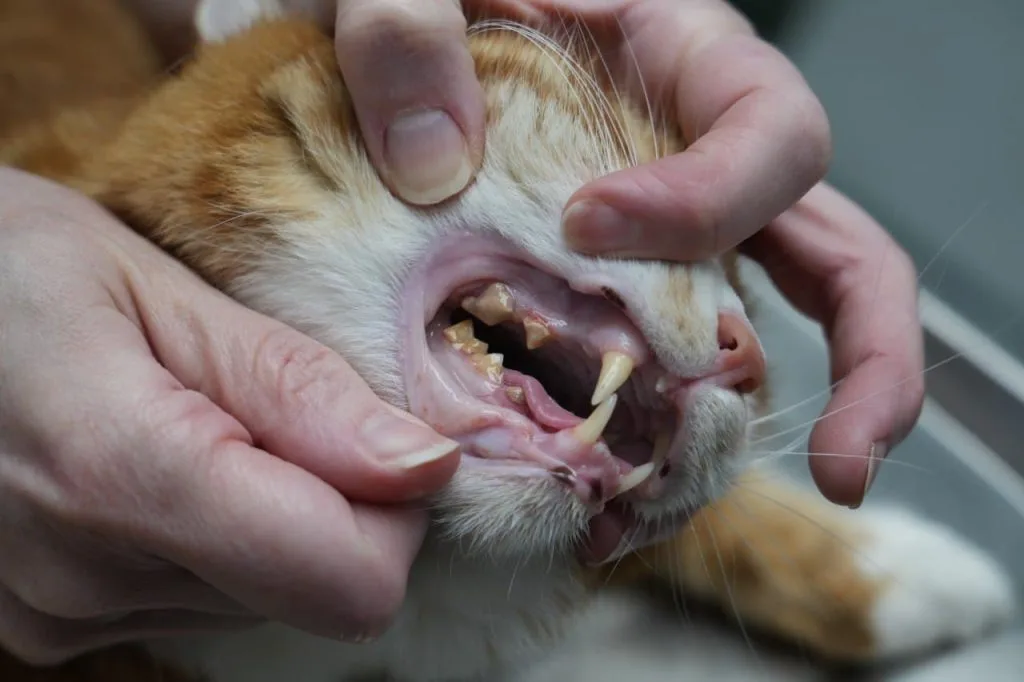
Dental disease: Tooth pain can make a cat seek attention because rubbing against you feels good on the gums. Bad breath, drooling, pawing at the mouth, or dropping food are clues.
Cognitive dysfunction: Essentially cat dementia. Common in cats over 15. They get disoriented, vocalize at night, and become clingy out of confusion or anxiety.
If any of those symptoms sound familiar, book a vet appointment. Don't wait a week.
When It's an Environmental or Life Stage Change
If your cat gets a clean bill of health, congratulations. Now you look at the environment. Cats are creatures of routine.
Any disruption can make them seek reassurance through affection.
Common triggers include:
- A new pet or person in the household
- Moving to a new home
- Rearranging furniture or remodeling
- A change in your work schedule (more time away)
- A death or absence of another pet or human
- Seasonal changes (many cats get cuddlier in winter for warmth)
- You being sick or pregnant (they notice your scent change)
There's also a less common but real scenario. If your male cat is not neutered, his sudden affection might be hormonal. Intact male cats can become extra affectionate during mating season.
They follow you, rub on everything, and yowl. Neutering usually resolves this within a few weeks.
How to Investigate: A Simple Step-by-Step Workflow
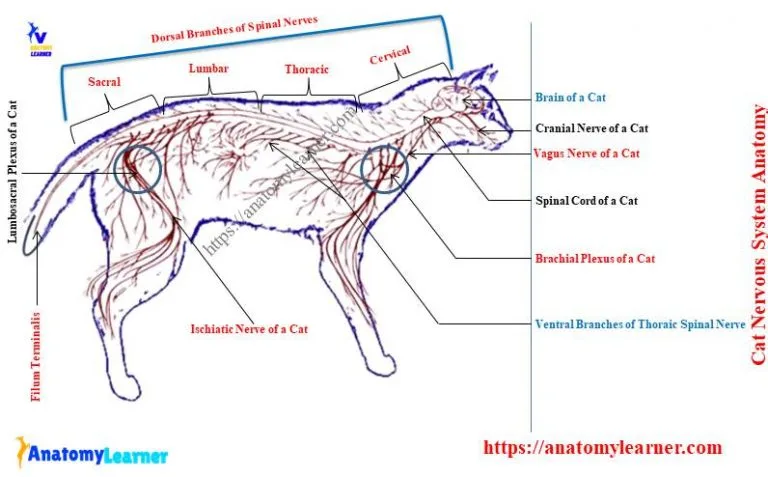
Image source: Web (Bing) / pixabay.com (Web image (fair-use with source credit))
Here is the workflow that cat behaviorists and veterinarians use. You can do this at home before you make the call to the vet.
Step 1: Track the timeline. Write down exactly when the behavior started. Include any other changes in eating, drinking, litter box use, and activity level. This timeline is gold for your vet.
Step 2: Do a hands-on check. Gently run your hands over your cat's entire body. Feel for lumps, sensitivity, or areas where he flinches. Check his mouth for red gums or broken teeth. Feel his belly for bloating or tenderness.
Step 3: Watch him pee. If possible, watch him use the litter box. Is he straining? Crying? Going in and out frequently? Is there blood? If you see any of those, skip the rest of the steps and go straight to an emergency vet.
Step 4: Check his weight. Weigh him on a bathroom scale (hold him, weigh both of you, subtract your weight). A weight loss of more than 10% over a couple of months is significant. Write down the number.
Step 5: Audit your environment. List every change in your home in the last 30 days. New people, new pets, new furniture, new schedule. Anything counts. If you find a clear trigger, the cause is probably behavioral.
Step 6: Call your vet. Share your timeline and findings. Your vet will tell you whether to come in or try an environmental adjustment first. For senior cats or cats with any red flag symptoms, the answer will almost always be "come in."
At the vet, the standard diagnostic package includes a blood panel (to check thyroid and kidney function), a urinalysis (to check for infection or crystals), and a physical exam (to check joints, teeth, and abdomen). That trio catches most of the common causes.
Common Mistakes Owners Make (And What to Do Instead)
I see the same mistakes over and over. They cost time, money, and sometimes a cat's health. Here are the big ones to avoid.
Mistake 1: Enjoying the affection and ignoring the clues.
It feels good when your cat wants to cuddle. Really good. That emotional reward makes it easy to dismiss the behavior as "he just loves me." But if the affection is sudden and intense, do not assume it's purely emotional.
Run the checklist above. A week of ignoring a thyroid problem can turn into a serious crisis.
Mistake 2: Assuming it's just "old age."
Owners of senior cats especially fall into this trap. "He's getting older, he wants more comfort." That might be true. But age is also the prime time for hyperthyroidism, kidney disease, arthritis, and cognitive decline.
Do not attribute a behavior change to old age without ruling out treatable conditions. Many of these diseases are manageable if caught early.
Mistake 3: Switching to a different food or supplement before seeing a vet.
You might find online recommendations to change diets or add supplements. Do not do this before a proper diagnosis. A cat with kidney disease needs a specific diet.
A cat with hyperthyroidism needs medication first. Guessing the wrong treatment can actually make things worse.
Mistake 4: Punishing or ignoring the affection.
I get it. It can be overwhelming when a cat won't leave you alone. But punishing a cat for seeking comfort, especially if he is in pain, damages trust and adds stress.
Stress makes medical conditions worse and drives behavioral problems deeper. Instead, redirect gently. Give him a warm bed near you.
Stick to routines. And address the root cause.
Mistake 5: Waiting too long.
This is the big one. Cat owners often wait "one more day" to see if the behavior resolves on its own. For a male cat with a urinary blockage, one day can be the difference between a full recovery and a fatal outcome.
The rule of thumb is simple. If the sudden affection is paired with any other change in appetite, water intake, or litter box use, do not wait. Call your vet that same day.

Similar Posts