Why Is My Kitten Not Meowing? Common Causes

You bring home a tiny kitten, all excited for those sweet little meows. But days pass and silence fills your home. If you're asking yourself "why doesnt my kitten meow", you're not alone, and it's one of the most common worries new cat owners bring to me.
Kittens typically start vocalizing around three to four weeks old, per developmental milestones tracked by veterinary behaviorists at the American Association of Feline Practitioners. But the timeline can vary widely based on breed, personality, and health. Let's walk through what's normal and what needs a closer look.
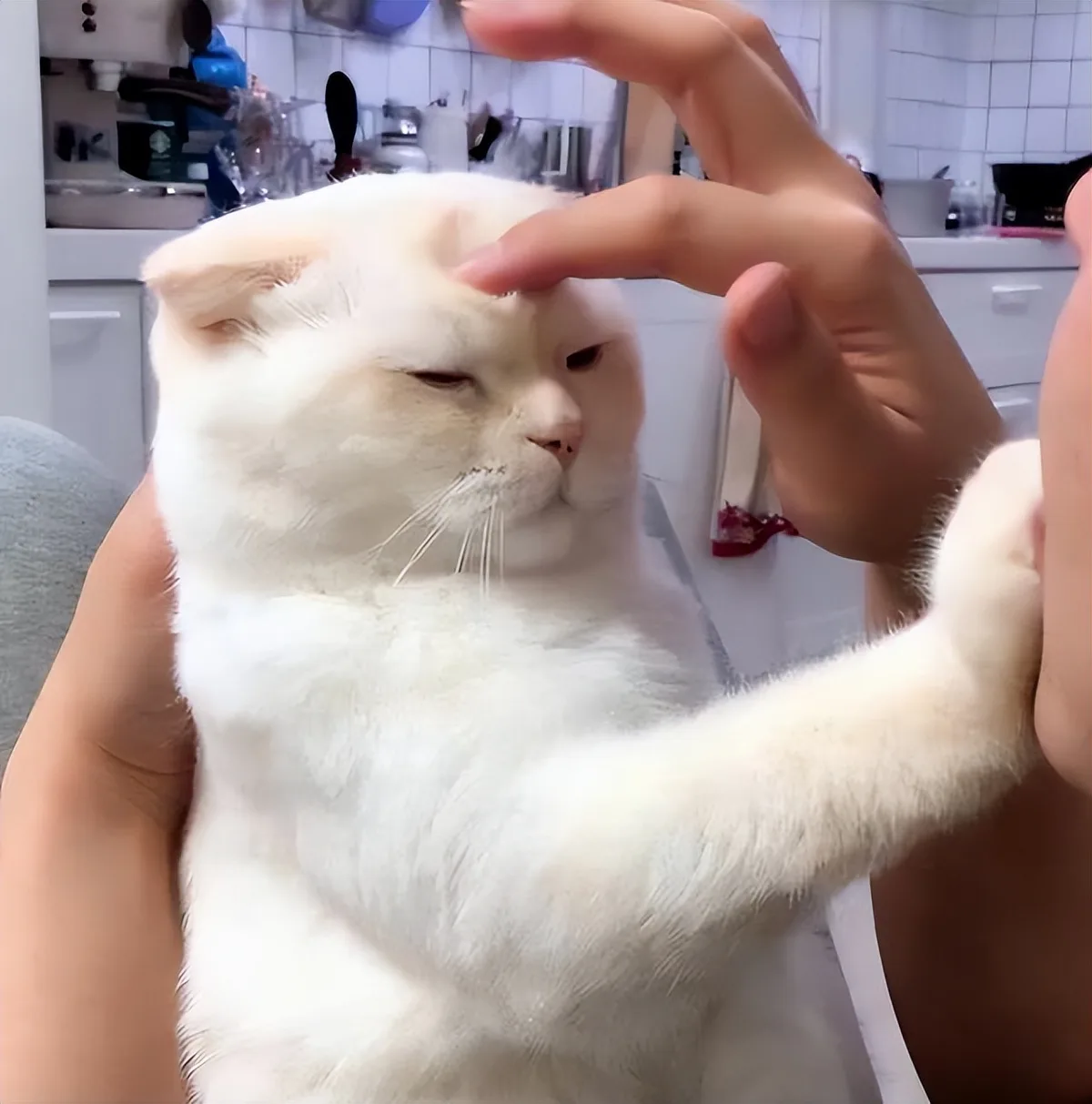
Image source: Web (Bing) / rabaysi.com (Web image (fair-use with source credit))
Quick Answer
Your kitten may not meow because of age, breed, illness, stress, or deafness. If your kitten eats well, plays, and purrs, a quiet personality is likely. Watch for symptoms like sneezing, lethargy, or poor appetite.
See a vet if you spot any red flags.
When Your Kitten Won't Meow: What's Normal and What's Not
First, let's separate the calm from the concerning. A kitten that never meows can be perfectly healthy. Many cats are simply quiet by nature.
But a kitten that stopped meowing when it used to vocalize is a different story.
Silence in kittens falls into two main categories. Normal silence means the kitten eats, drinks, plays, purrs, and uses the litter box without issue. The kitten responds to sounds.
It shows no signs of illness. This is likely just a low-vocal personality or a breed known for being quiet.
Abnormal silence comes with other symptoms. A sick kitten may have sneezing, nasal discharge, or eye goop. It might refuse food or water.
It could hide more than usual or seem unusually sleepy. This kind of silence deserves immediate attention.
Age plays a big role here too. A two-week-old kitten cannot meow yet. Its vocal cords are still developing.
But a three-month-old kitten that has never made a sound needs a hearing check and a vet evaluation.
The safest approach is to observe your kitten across a full day. Note when it eats, how it plays, and whether it reacts to loud noises. If everything checks out except the meowing, you're likely dealing with a quiet kitty.
How Kittens Learn to Meow: Age, Breed, and Personality Factors
Kittens don't come out of the womb meowing. Their vocal development follows a predictable timeline. Understanding this helps you know when to worry and when to relax.
Newborn kittens (zero to two weeks) make only tiny squeaks and purrs. Their eyes and ears are closed. They communicate through scent and body heat.
Meowing comes later as their larynx matures and they start interacting with their mother and littermates.
Around three to four weeks old, kittens produce their first proper meows. These are often short, high-pitched sounds directed at their mother. By eight to twelve weeks, vocalization patterns become more established.
This is the age when most kittens are adopted into new homes.
Breed matters more than most owners realize. Some breeds are famously chatty. Others rarely make a peep.
| Breed Type | Vocal Tendency | What to Expect |
|---|---|---|
| Siamese, Oriental Shorthair, Burmese | High vocalization | Frequent, loud meows; may seem to "talk" constantly |
| Maine Coon, Persian, British Shorthair | Low vocalization | Quiet cats; meow rarely, often softly |
| Domestic Shorthair (mixed breed) | Variable | Depends on individual personality and early environment |
Personality plays a huge role too. A shy kitten from a rescue may take weeks to feel safe enough to vocalize. A bold, confident kitten from a breeder might start meowing on day one.
The environment matters. New surroundings, loud noises, or other pets can suppress vocalization until the kitten feels secure.
The Quiet Kitten Decision Tree: Health vs. Personality vs. Age
This is where you become a detective in your own home. Here is a simple decision tree to guide your thinking. Start at the top and work your way down.
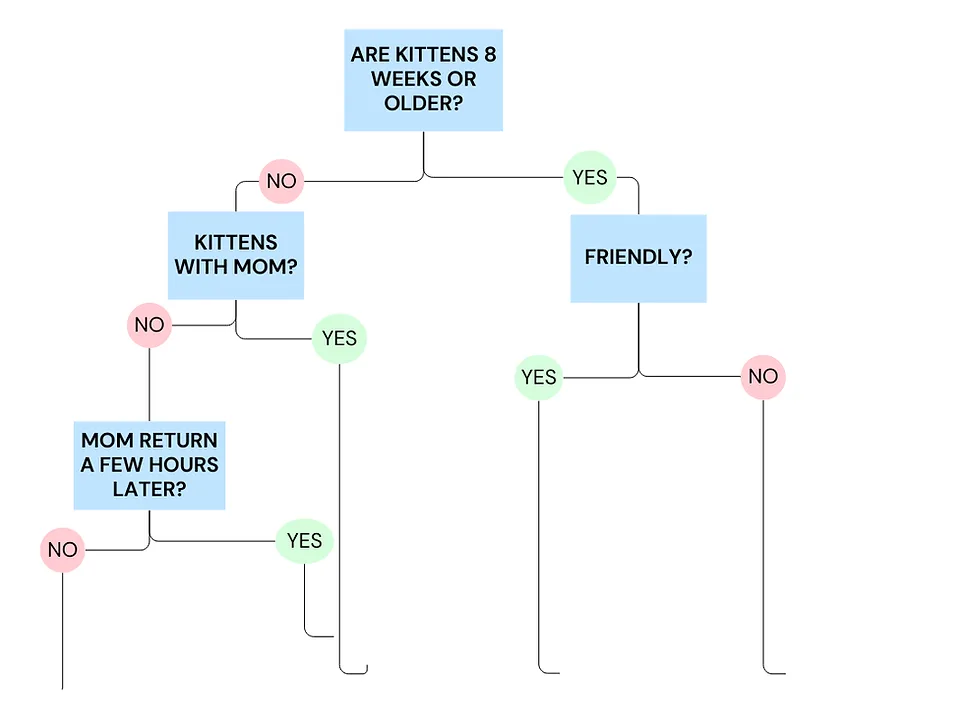
Image source: Bing (Web (fair-use with source credit))
Is your kitten under three weeks old?
If yes, no meowing is completely normal. Wait until the kitten is at least four weeks old before expecting any real vocalization. If no, move to the next question.
Does your kitten have any other symptoms?
Check for sneezing, coughing, nasal discharge, eye discharge, lethargy, or reduced appetite. If yes, an upper respiratory infection is the most likely cause. Schedule a vet visit.
If no symptoms, move on.
Does your kitten respond to sounds?
Stand behind your kitten out of its line of sight. Clap your hands softly. Crinkle a treat bag.
Jingle keys. If the kitten turns its head or perks its ears, hearing is probably fine. If no response, test again with a louder sound.
No reaction at all may indicate deafness, which requires a vet evaluation.
Does your kitten eat, drink, play, and purr normally?
If yes across all four behaviors, your kitten is almost certainly healthy but quiet by nature. Some cats simply never develop the habit of meowing, especially if they were orphaned early or raised in a quiet home. If any of these behaviors seem off, that points toward a health issue.
Has your kitten ever meowed before?
A kitten that meowed as a younger kitten but stopped needs a vet check. Sudden loss of voice could mean laryngitis, a respiratory infection, or even a foreign object stuck in the throat.
This decision tree covers most scenarios. Trust your gut as an owner. If something feels wrong, it probably is.
What to Do If Your Kitten Isn't Meowing: Action Steps for Each Scenario
Once you've identified the most likely branch from the decision tree, here are the specific actions to take.
Image source: Bing (Web (fair-use with source credit))
Scenario one: your kitten is under four weeks old.
Do nothing except continue normal care. Keep the kitten warm, fed, and clean. The vocal cords need time to develop.
Check back at the four-week mark.
Scenario two: your kitten shows signs of illness.
Book a vet appointment within 24 hours. Upper respiratory infections are common in kittens and can worsen quickly. Keep the kitten hydrated.
Offer wet food to encourage eating. Separate the kitten from other cats if you have them.
Scenario three: your kitten may be deaf.
Test hearing at home using the methods described above. If the kitten shows no response to loud sounds, schedule a vet visit for a full hearing evaluation. Deaf cats can live full, happy lives.
They just need special care around safety indoors.
Scenario four: your kitten is healthy, responsive, and active.
Give it time. Some kittens take weeks or even months to start meowing. Continue positive interactions.
Talk to your kitten regularly. Reward any vocalization with gentle attention. This encourages the behavior without forcing it.
Scenario five: your kitten stopped meowing suddenly.
This is the most concerning scenario. Loss of voice in a previously vocal kitten can indicate laryngitis from overuse, a respiratory infection, or irritation from inhaling dust or smoke. See a vet promptly.
What Owners Get Wrong About a Cat That Doesn't Meow
Several misconceptions cause unnecessary worry or missed diagnoses. Let's clear them up.
Mistake one: assuming a quiet kitten is a healthy kitten.
Silence can be a symptom. A sick kitten may conserve energy by staying quiet. Always check for other signs before deciding the kitten is fine.
Mistake two: thinking all kittens learn to meow by eight weeks.
Some breeds and individuals are naturally quiet for life. The absence of meowing is not automatically a developmental delay.
Mistake three: confusing the silent meow with no meow at all.
Many kittens open their mouths to meow but produce no sound. This is a real phenomenon called a silent meow. It often happens when a kitten is relaxed or content.
It does not mean anything is wrong.
Mistake four: ignoring deafness as a possibility.
Deaf kittens cannot hear themselves meow, so they rarely develop the behavior. If your kitten does not respond to sound at all, deafness is a real possibility. Early diagnosis helps you adapt your home environment.
Mistake five: waiting too long to see a vet.
A kitten that stops eating, has nasal discharge, or seems lethargic needs attention fast. Kittens can decline rapidly. Waiting a week to see if the meowing comes back is risky.
Mistake six: assuming a purring kitten is definitely healthy.
Purring can happen even in sick or injured cats. It is not a guarantee of good health. Always trust the full picture of behavior, appetite, and energy levels over purring alone.
When a Silent Kitten Needs a Vet: Red Flags and Warning Signs
Most quiet kittens are perfectly healthy. But some need prompt medical attention. Here is how to tell the difference.
Your kitten needs a vet within 24 hours if you see any of these symptoms.
Sneezing or nasal discharge. Goopy eyes. Coughing or open-mouth breathing.
Reduced appetite or refusal to eat for more than 12 hours. Lethargy or hiding more than usual. Vomiting or diarrhea.
Weight loss or poor growth. Any sign of injury or trauma.
Upper respiratory infections are the most common cause of voice loss in kittens. Per the American Association of Feline Practitioners, URI is highly contagious among kittens and can lead to pneumonia if untreated. The infection inflames the larynx and nasal passages.
This makes meowing painful or impossible.
Your kitten needs emergency care if you see these signs.
Blue or pale gums. Labored breathing. Collapse or inability to stand.
Seizures. Body temperature below 99°F or above 103°F. Blood in stool or vomit.
These are signs of fading kitten syndrome or a severe infection. Do not wait for an appointment. Go to an emergency vet immediately.
What about the kitten that never meows but seems fine?
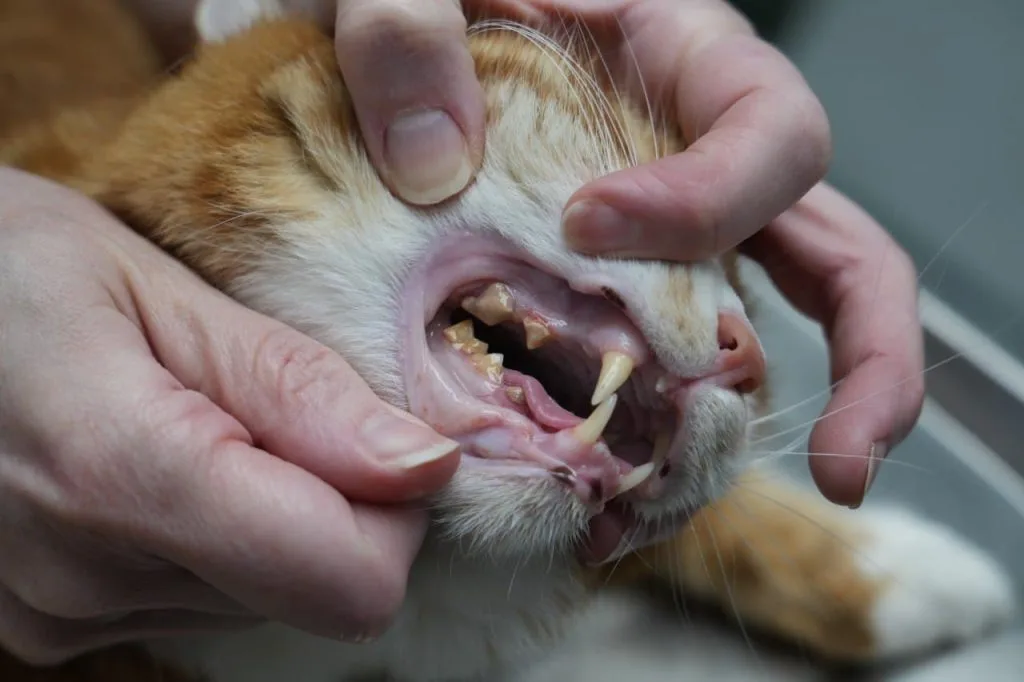
If your kitten eats, plays, purrs, uses the litter box, and responds to sounds, a vet visit is not urgent. Mention the silence at the next routine checkup. Your vet can rule out anatomical issues during a standard examination.
They will check the throat and larynx for any physical obstruction.
When deafness is the cause.
Congenital deafness is more common in white-coated kittens and certain breeds. If your kitten responds to visual cues but not sounds, deafness is likely. A vet can perform a BAER test to confirm.
Deaf kittens need special precautions. Keep them indoors. Use vibrations to get their attention.
Never let them outside unsupervised.
The takeaway on timing.
A healthy quiet kitten can wait for a regular vet visit. A sick quiet kitten needs to be seen quickly. Trust the combination of symptoms, not the silence alone.
Frequently Asked Questions
Is it normal for a kitten to never meow?
Yes, some kittens simply never develop the habit of meowing. Breed, personality, and early environment all play a role. As long as the kitten eats, plays, and responds to sounds, silence is usually normal.
Check with your vet at the next routine visit for peace of mind.
At what age do kittens start meowing?
Kittens begin making sounds around three to four weeks old. The first meows are often weak and directed at the mother. Full vocalization develops by eight to twelve weeks.
A kitten under four weeks old that does not meow is completely normal.
Can a kitten lose its voice from an infection?
Yes. Upper respiratory infections can inflame the larynx and cause temporary voice loss. The kitten may open its mouth to meow with no sound coming out.
Treatment usually resolves the infection and restores the voice within one to two weeks.
How can I test if my kitten is deaf?
Stand behind your kitten out of its line of sight. Clap your hands softly. Crinkle a treat bag.
Jingle keys. Watch for ear movement or head turning toward the sound. No response to loud sounds may indicate deafness.
A vet can confirm with a BAER test.
Should I worry if my kitten purrs but does not meow?
Purring does not guarantee good health. Sick cats sometimes purr as a self-soothing mechanism. Look at the full picture.
Check appetite, energy, litter box use, and breathing. If all other behaviors are normal, a quiet kitten that purrs is likely fine.
When should I take my kitten to the vet for not meowing?
Take your kitten to the vet within 24 hours if it shows any signs of illness. Sneezing, nasal discharge, eye goop, reduced appetite, or lethargy combined with silence warrant a prompt visit. A healthy quiet kitten can wait for the next routine checkup.

Similar Posts