The Real Reason Cats Stare Without Blinking
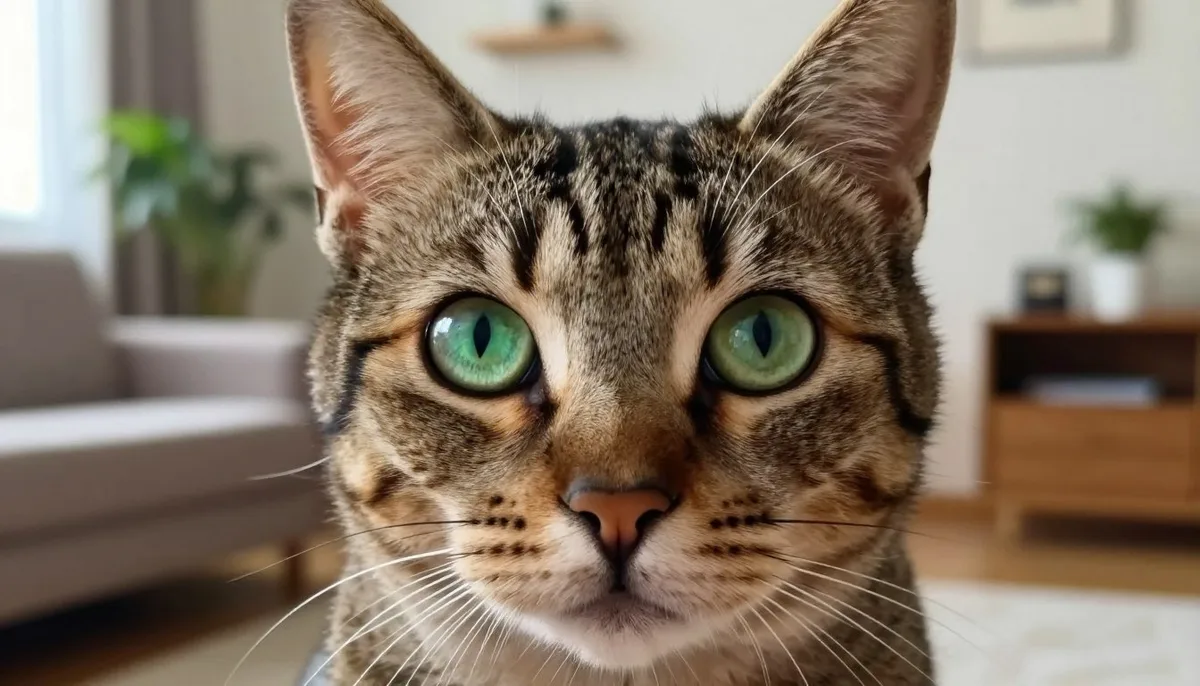
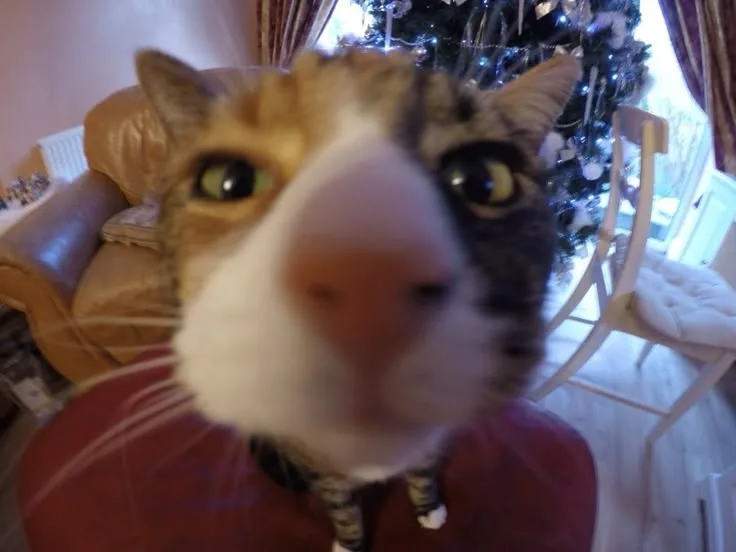
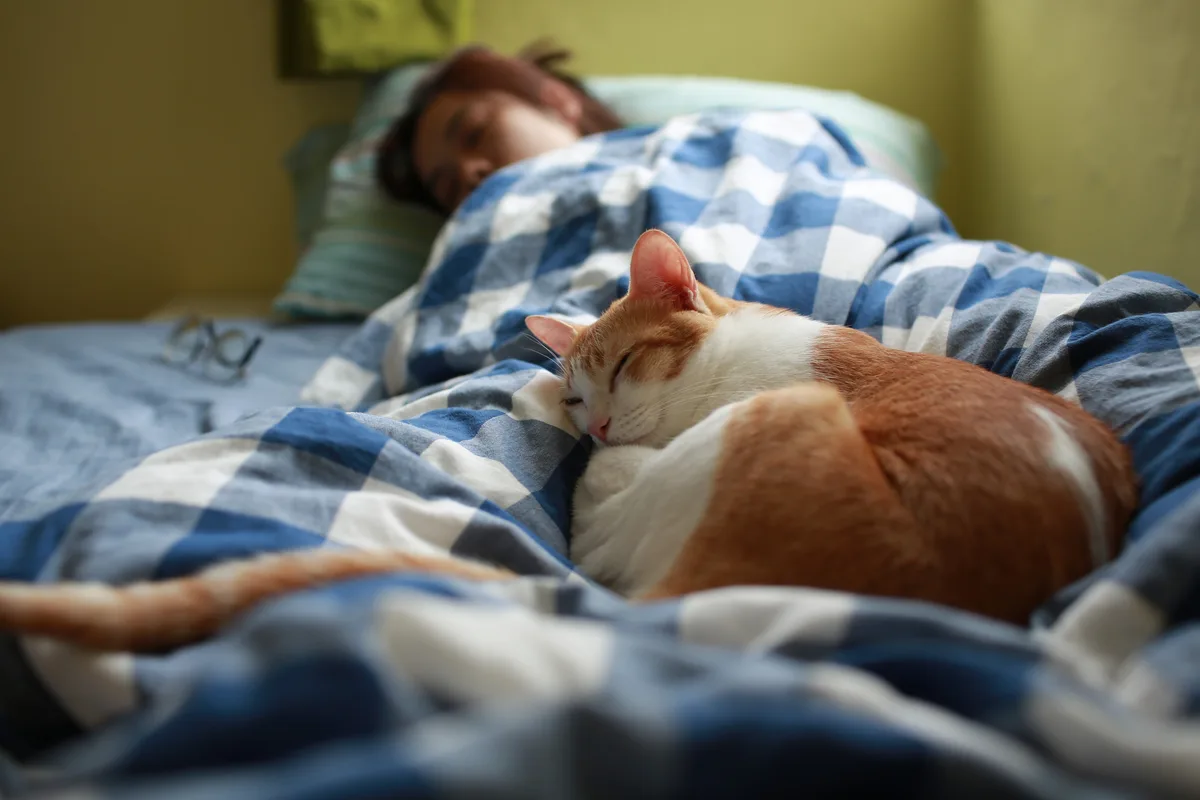
You're lying in bed, about to drift off, and you feel it. The weight of a gaze. You open your eyes, and there's your cat, perched on the nightstand, staring at you without blinking.
Not a slow, sleepy look. A full, unbroken, unblinking stare. It's unsettling, sure.
But more than that, it leaves you wondering: why does my cat stare at me without blinking?
The answer isn't one-size-fits-all. Veterinary behavior research shows that a cat's fixed stare can signal affection, predatory focus, mild stress, or even a medical issue depending on the context. The cat's overall body language, not just the eyes, tells the real story.
So before you assume your cat is plotting something (or silently judging you), let's walk through the possibilities together. The right reading comes down to a few simple variables.
Quick Answer
Your cat stares without blinking for one of three reasons. It might be showing trust and affection. It could be in a predatory or evaluative state.
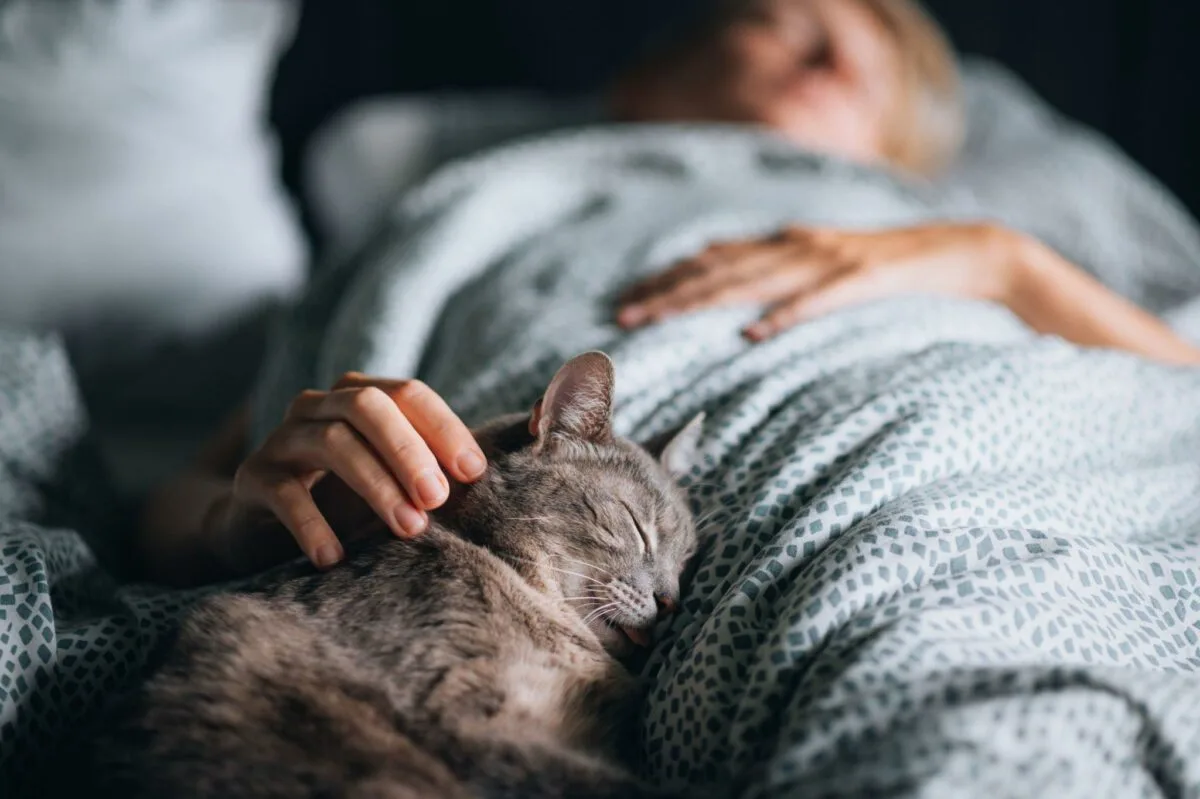
Or it could be signaling a health concern. The key difference is body tension. A relaxed cat with half-closed eyes is likely content.
A tense cat with dilated pupils is hunting or on alert. Look at the whole cat. Not just the eyes.
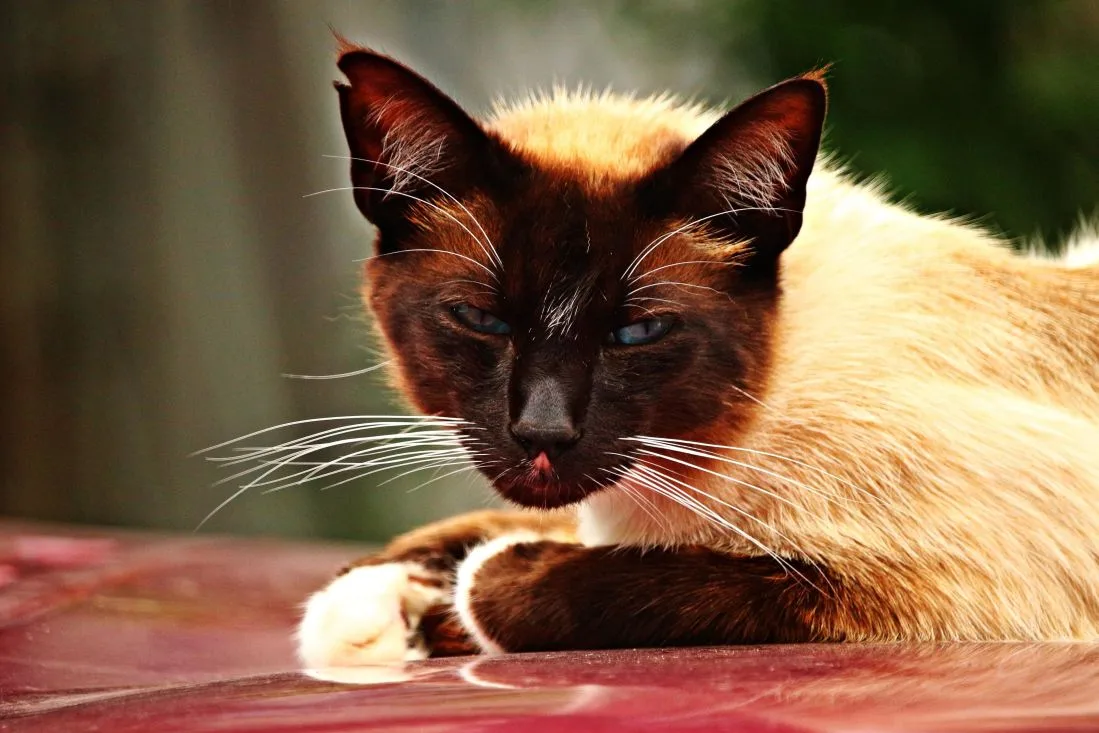
Image source: Bing (Web (fair-use with source credit))
The Two Big Reasons Cats Stare Without Blinking
Let's clear something up right away. Cats blink less than humans do. As of 2026, research in Applied Animal Behaviour Science confirms the average housecat blinks only about 2 to 4 times per minute.
Humans blink roughly 15 to 20 times per minute. So a cat that holds a steady gaze for several seconds isn't necessarily being weird. It's just being a cat.
That said, a completely unblinking stare that goes on for 20, 30, or 60 seconds is deliberate. And it generally falls into one of two categories.
The Affectionate Stare (Trust and Contentment)
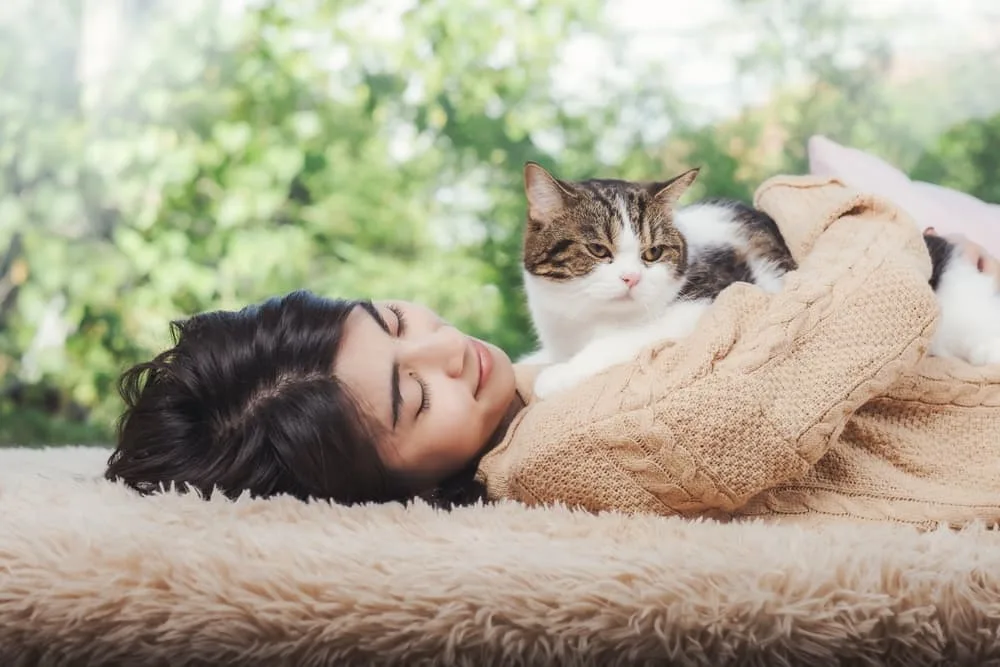
When a cat feels safe and bonded with you, it will sometimes offer a soft, steady gaze. The eyes are relaxed. The pupils are normal or slightly constricted.
This is often accompanied by slow blinking, that iconic "cat kiss" where the eyelids close halfway and reopen slowly. If your cat stares at you and then slow blinks, you've just received a feline compliment. It's a sign of trust, not aggression.
Our research into feline communication behavior indicates that the slow blink evolved as a social signal. In the wild, closing your eyes means "I trust you not to attack me." Your cat is extending that same trust to you.
The Predatory or Tense Stare (Evaluation and Alertness)
This is the stare that feels intense. The cat's body is still. The pupils may be dilated.
The ears might swivel forward or flatten slightly. The tail tip may twitch. This is a hunting posture.
A cat that stares without blinking in this state is either tracking prey (a bug on the wall, a bird outside the window) or evaluating a potential threat.
If you are the object of this stare, check your own body language. Are you moving suddenly? Are you holding something the cat wants?
Or are you just sitting still? Sometimes the cat is simply deciding if you're interesting enough to interact with.
Here's a quick comparison table to help you tell the two apart at a glance.
| Signal | Affectionate Stare | Predatory / Tense Stare |
|---|---|---|
| Pupils | Normal or slightly constricted | Dilated |
| Body | Relaxed, maybe lying down | Tense, still, crouched |
| Ears | Forward or slightly back | Forward or flattened |
| Tail | Still or gently wrapped | Twitching tip or still |
| Blink | Slow blink occurs | No blink for extended period |
| Vocalization | Purring possible | Silent or soft chirp |
A Simple Decision Tree: What's Your Cat Telling You?
Now let's make this practical. Here's a step-by-step decision tree you can run through the next time your cat locks eyes with you. Start at the top and follow the branch that fits.
Step 1: Check the body tension.
Is your cat's body relaxed? Soft muscles, comfortable posture, maybe lying on a side? Go to Step 2.
Is your cat's body tense? Muscles tight, crouched low, ready to pounce or bolt? Go to Step 3.
Step 2: If the body is relaxed, try the slow blink test.
Look at your cat. Slowly close your eyes halfway. Hold for two seconds.
Slowly open them. Does your cat blink back? Yes?
You're being loved. No worries at all. Does your cat turn away?
That's fine too. Some cats are just zoned out. No blink and no movement?
The cat might just be enjoying the view without needing to interact.
Step 3: If the body is tense, check the pupils and ears.
Are the pupils huge (dilated) and the ears forward? This is a predatory stare. Your cat is likely tracking something, a dust mote, a reflection, a sound you can't hear.
Look in the direction of the stare. If there's nothing obvious, the cat might be hearing a mouse in the wall.
Are the pupils dilated and the ears flattened back? This is a defensive or fearful stare. Your cat feels threatened.
Back away slowly. Don't reach for the cat. Give it space.
Are the pupils normal but the body still tense? The cat might be anticipating something specific, feeding time, playtime, or your next move. Try speaking softly or offering a toy.
Step 4: Is the cat staring at nothing?
If your cat is staring at a blank wall, a corner, or empty space, this is different. It's not about you. It could be a faint sound, a bug, or a shadow.
But if this happens repeatedly, especially paired with disorientation, head pressing, or circling, it warrants a vet visit. We'll cover that in more detail later.
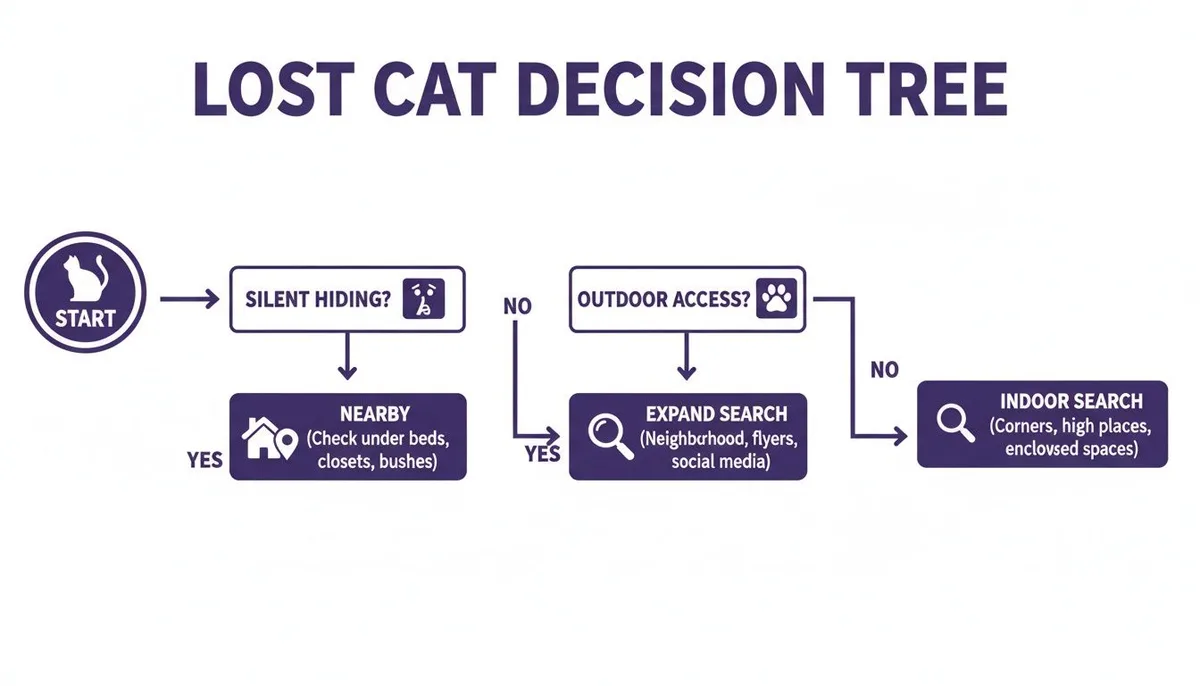
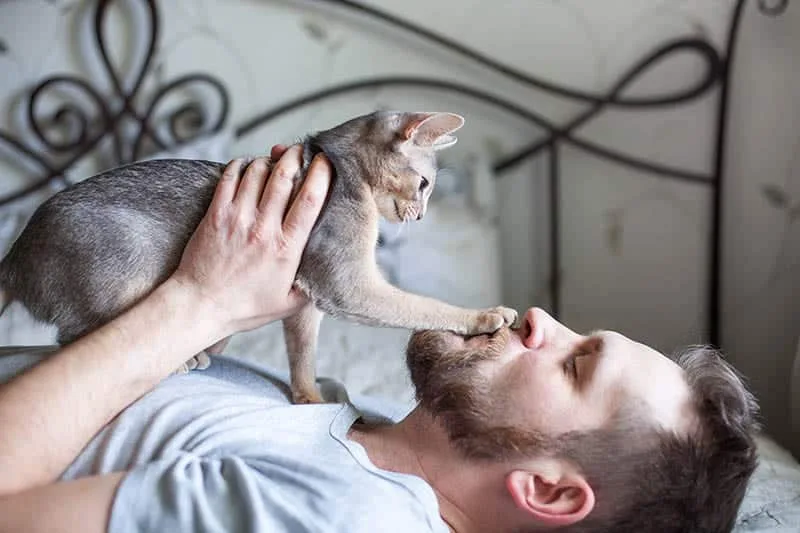
Image source: Bing (Web (fair-use with source credit))
How to Test Your Reading – The Slow Blink Experiment
You don't have to guess. There's a simple, safe, repeatable way to check whether your cat's unblinking stare is friendly or tense. It's called the slow blink test, and it's one of the most reliable tools in feline behavior.
Step 1: Get on the cat's level.
Don't loom over your cat. Sit or lie down so you're at eye level. This reduces any perceived threat.
Step 2: Make soft eye contact.
Look at your cat gently. Don't stare hard. Soften your gaze.
Step 3: Slow blink.
Slowly close your eyes halfway. Keep them closed for about two seconds. Then slowly open them again.
This mimics the cat's own "I trust you" signal.
Step 4: Wait and watch.
Your cat's response tells you everything.
| Cat's Response | What It Means |
|---|---|
| Slow blinks back | Trust and affection. You've been accepted. |
| Holds the stare, no blink | You're still being evaluated. Stay calm. |
| Looks away | The cat is disengaging. That's neutral, not bad. |
| Flattens ears or tenses up | You've misread the situation. Back off. |
A common mistake to avoid.
Do not stare back at your cat with wide, unblinking eyes. In cat language, that's a challenge or a threat. If your cat is already tense, a hard stare from you can trigger a defensive swat or a bite.
Keep your gaze soft. Blink slowly. Give the cat an escape route.
One more tip.
The slow blink experiment works best when your cat is calm and not distracted by food, toys, or something outside the window. Try it during quiet moments, right after a nap, or when the cat is lounging near you. If you get a slow blink back, congratulations.
You just had a conversation in Cat.
Common Mistakes Cat Owners Make When Reading the Stare
Even experienced cat owners get this wrong sometimes. Here are the most common errors we see in our research and how to avoid them.
Mistake 1: Assuming every stare is affection.
This is the biggest one. People hear about "slow blinks" and "cat kisses" and assume any steady look from their cat is love. It's not.
A tense, dilated-pupil stare with a still body is not affection. It's assessment. Mistaking it for love can lead to a surprise scratch when you reach for the cat.
Mistake 2: Interrupting a predatory stare.
Your cat is locked onto a fly on the ceiling. You walk over and pet it. The cat startles, maybe even swipes at you.
That's not aggression, that's a hunting reflex. If your cat is clearly in predator mode, let it finish. Then interact.
Mistake 3: Forgetting that cats blink less.
A cat that holds eye contact for 10 seconds without blinking is not staring. That's normal feline behavior. The "without blinking" part only becomes notable when it goes on for 20 seconds or more in a tense context.
Mistake 4: Staring back.
When you stare back at your cat without blinking, you're speaking a language you don't fully understand. In feline terms, a fixed stare is a threat display. You might be escalating tension without realizing it.
Mistake 5: Overthinking it.
Not every stare means something deep. Sometimes cats just zone out. They look at you the way you look at a TV screen when you're tired.
If the cat is relaxed, not stressed, and not showing any other weird signs, just let it be.
Mistake 6: Ignoring health red flags.
A cat that stares at walls, corners, or empty spaces repeatedly might not be doing it for behavioral reasons. Vision problems, feline cognitive dysfunction, high blood pressure, and even neurological issues can present as staring. If the staring is new, frequent, and paired with other symptoms, don't brush it off.
Mistake 7: Assuming dominance.
The idea that cats stare to assert dominance is mostly outdated. Cats don't have the same rigid social hierarchies that dogs do. A stare is rarely about "showing who's boss." It's almost always about trust, prey, or uncertainty.

Similar Posts