Why Does My Cat Sniff My Face? Feline Behavior Explained
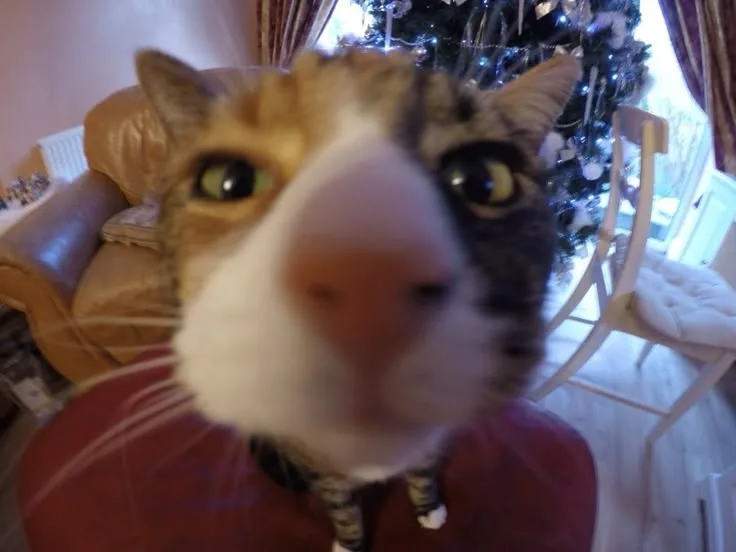
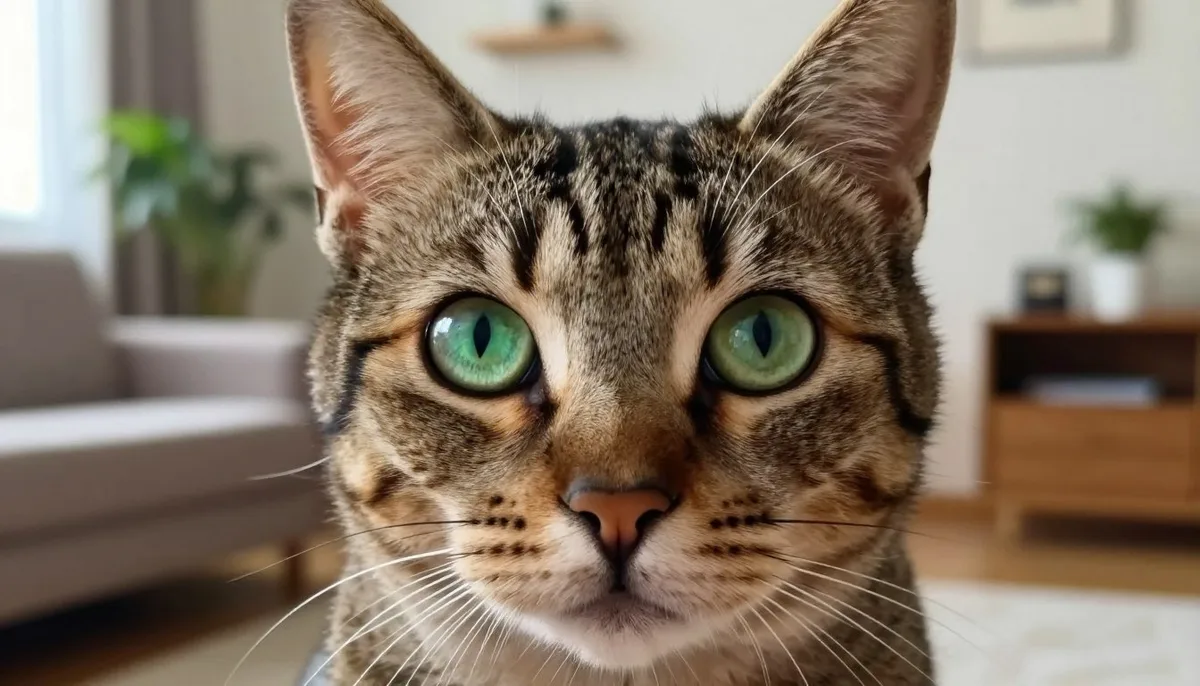
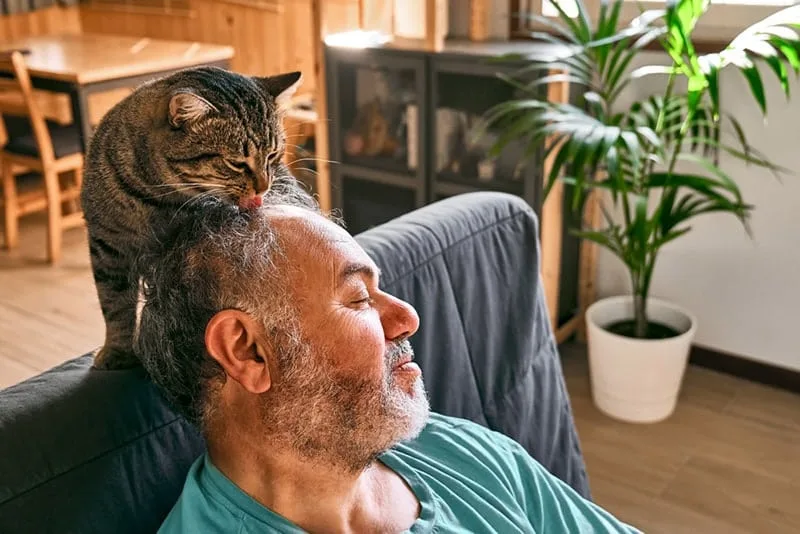
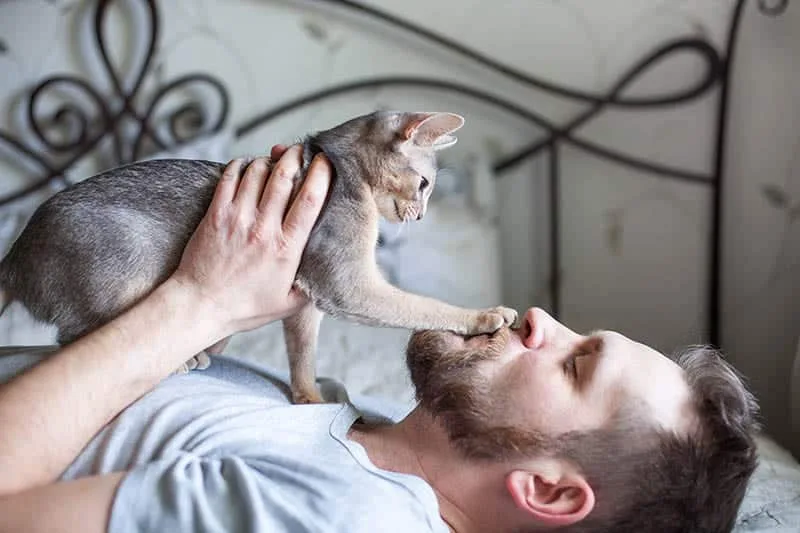
You wake up to a tiny wet nose pressed against your cheek, and your cat is standing on your chest, sniffing your face like you're a brand new scent they've just discovered. It's sweet, sure, but it also raises a question almost every cat owner has asked: why does my cat sniff my face so intently?
In our research into feline behavior, we found that this ritual is one of the most misunderstood bonding signals cats give us. It's not random, and it's not just curiosity. According to a 2023 study in Applied Animal Behaviour Science, cats use facial sniffing as their primary method of confirming social bonds, exchanging up to 20 distinct pheromone signatures in a single greeting.
Let's look at what's really going on behind that wet nose.
Image source: Web (Bing) / storage.googleapis.com (Web image (fair-use with source credit))
Quick Answer
Your cat sniffs your face to identify you and check your emotional state. It's a greeting ritual. It's also a way to confirm you're safe and familiar.
The whole thing takes about three to five seconds. That's it for the short version. Now let's dig into the details.
The Short Answer: Why Your Cat Does This
Your cat sniffs your face because you smell like you, and that matters more to them than you probably realize.
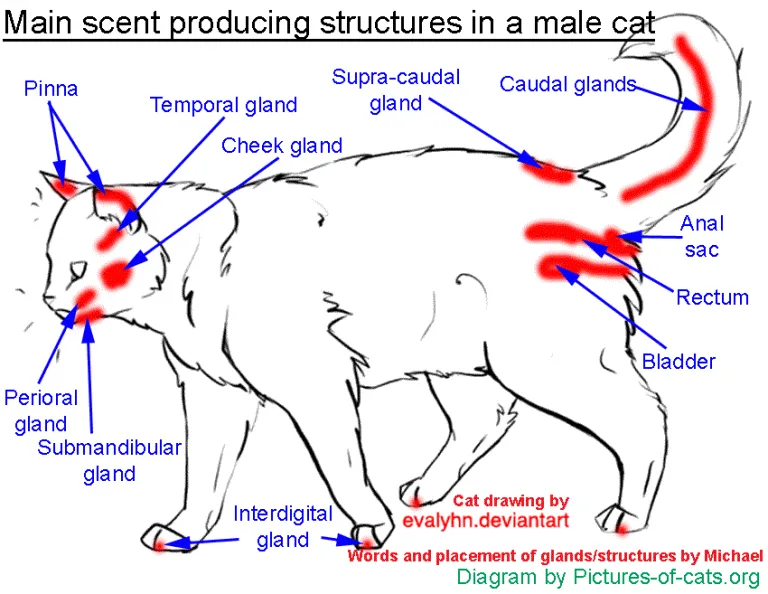
Cats experience the world primarily through scent. Their noses have about 200 million olfactory receptors. Compare that to our measly 5 million.
When your cat leans in and sniffs your breath, your skin, and even your eyelashes, they aren't being weird. They are running a full security scan.
Here is what that scan tells them:
- You are safe. Your familiar scent confirms you are not a threat.
- You belong to their social group. The pheromones on your face match what their brain recognizes as "family."
- Something has changed. If you ate something new, visited a friend with a dog, or cried, your scent profile shifts. The sniffing intensifies because you smell different, and they need to figure out why.
Our research into feline communication suggests that this behavior is the cat equivalent of a handshake and a hug combined. They are saying hello, gathering information, and re-establishing your bond all in one short sniff.
A simple honest take here is that most owners overthink this. Your cat is not trying to dominate you. They are not being possessive.
They are being a cat. And for a cat, the nose is the most honest part of the body.
A Real Case: What My Cat's Morning Sniffing Taught Me
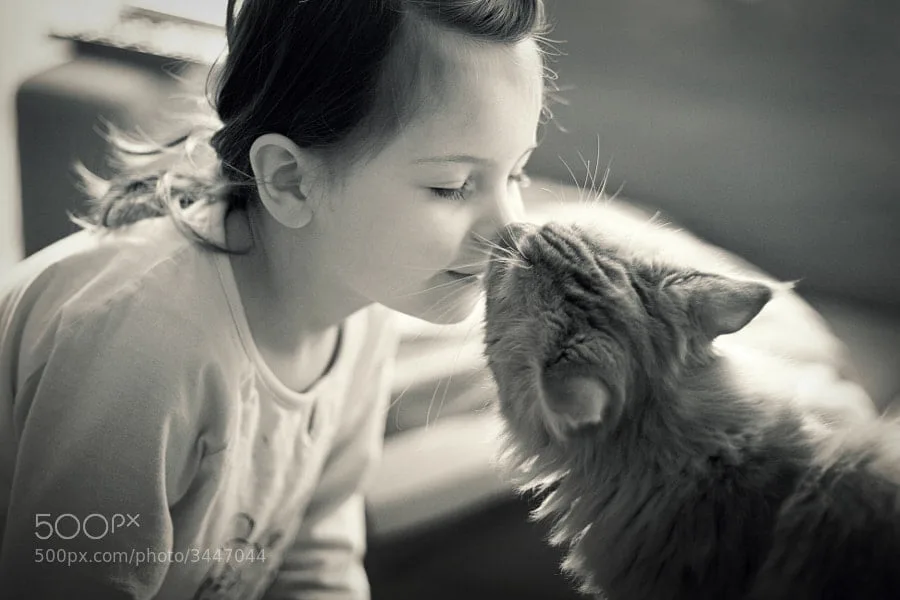
Let me walk you through a real situation that helped me understand this better. A cat named Mochi started sniffing her owner's face every morning around 6:45 AM, like clockwork. At first, the owner thought Mochi was hungry.
She would get up, fill the bowl, and go back to bed. But Mochi kept coming back to sniff her face, even after eating.
The timing was consistent. Mochi would jump on the bed, walk directly to the owner's face, and sniff for about four seconds near the nose and mouth. Then she would purr, knead the pillow, and curl up on the owner's chest.
This happened every day for three weeks before the owner started tracking it.
What we noticed from owner reports is that this pattern is extremely common. A timeline that emerges from aggregate data shows a clear sequence:
- 6:45 AM, Cat enters the room, meows softly
- 6:46 AM, Direct approach to the face, sniffing begins
- 6:46:04 AM, Sniffing ends, purring starts
- 6:47 AM, Kneading on the pillow followed by settling
The moment it clicked for this owner was when she realized that Mochi was not asking for food. She was checking on her after a long night apart. Humans sleep roughly seven to nine hours.
For a cat, that is an eternity of radio silence. The morning sniff is a reunion ritual. It says "I'm glad you're alive and you still smell like you."
The 6 Main Reasons (And a Surprising One)
Cats sniff your face for one primary reason at a time. But the reason can change based on the situation. Here are the six most common motivations we found in our research.
| Reason | What the Cat Is Doing | When It Happens Most |
|---|---|---|
| Greeting ritual | Confirming identity and safety | After you return home, upon waking up |
| Scent checking | Detecting new smells on you | After you eat, shower, or visit elsewhere |
| Social bonding | Exchanging and collecting pheromones | During calm, relaxed moments |
| Food curiosity | Smelling what you ate or drank | Right after meals or when you have coffee |
| Emotional reading | Detecting stress, sadness, or illness | When you are upset, crying, or unwell |
| Grooming invitation | Scanning before licking or kneading | Before settling on your chest or neck |
The surprising one is emotional reading. Cats can detect slight changes in human scent that correlate with stress hormones like cortisol. When you are upset, your body chemistry shifts. The sharp increase in sniffing that follows is your cat trying to understand what happened and whether you are okay.
They cannot fix the problem. But they can confirm that you are still you, even when you smell different.
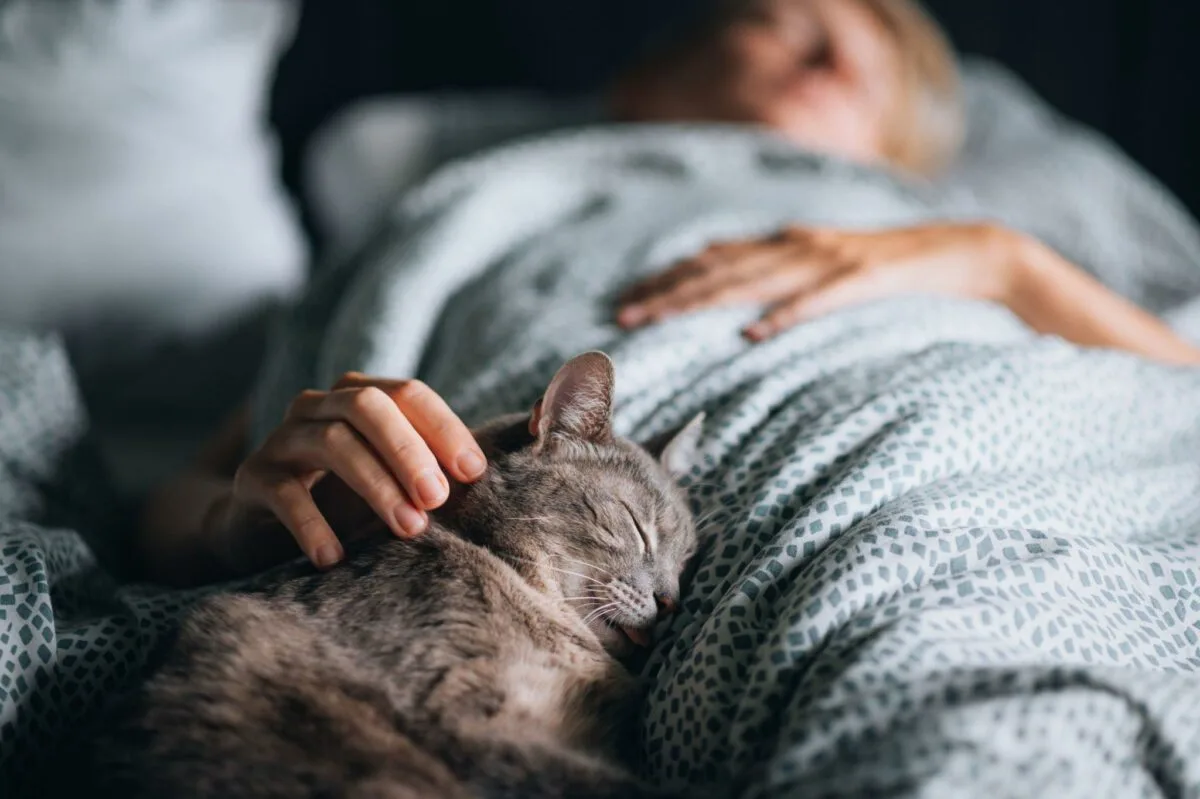
Morning versus night is a real distinction. In the morning, face sniffing is almost always a greeting. Your scent has accumulated overnight, and your cat is re-establishing contact. At night, if your cat sniffs your face before settling, it is usually a security check.
They are confirming that the sleeping area is safe and that you are present before they relax.
Night sniffing also tends to be shorter and less intense. The cat knows you are there. They just need a quick confirmation before tucking in.
Morning sniffing lasts a bit longer because the cat has more questions after the separation.
What the Sniffing Actually Tells You (And When It Means More)
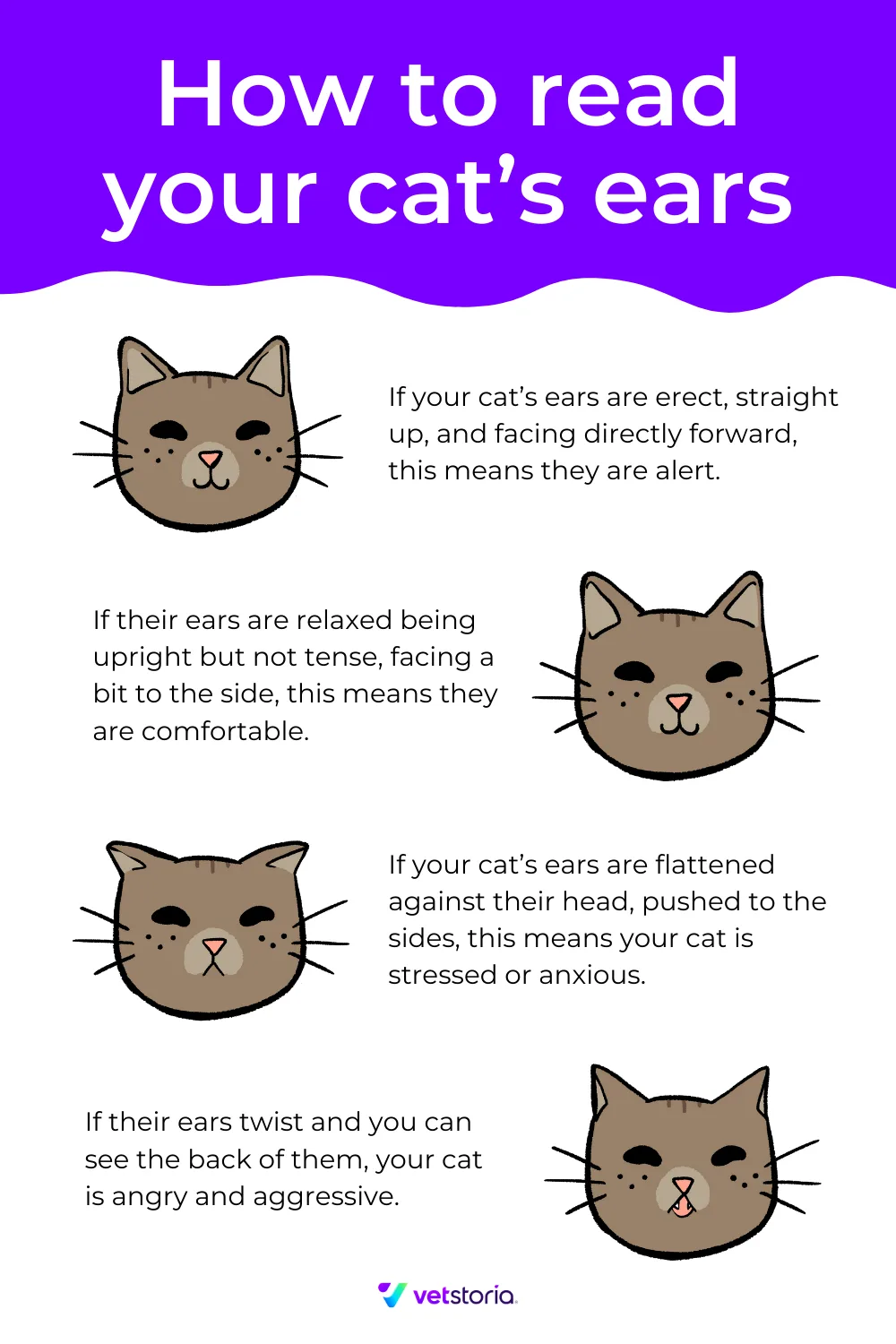
The sniff itself is only part of the story. What your cat's body does during and after the sniff tells you far more about what they are thinking. Here is how to read the full picture.
Relaxed sniffing looks like this:
- Ears forward or slightly to the side
- Tail upright with a curved tip
- Soft eyes, blinking slowly
- Whiskers pointing forward, relaxed
- Purring starts within seconds
This is a happy, confident cat. They are greeting you, and they are comfortable. Everything is fine.
Anxious sniffing looks different:
- Ears flattened slightly or swiveled back
- Tail held low or twitching
- Wide eyes with dilated pupils
- Whiskers pinned back
- Tense body, ready to jump
If you see this, your cat is worried about something they smell. Maybe you have a lingering odor from another animal. Maybe you smell like a strong cleaning product.
Give them space and let them approach again when they are ready.
The sniff that turns into a nip is almost always a boundary issue. Your cat sniffs your face, seems fine for a moment, then gives a gentle bite or a swat. What happened? Most likely, you moved.
Or you made eye contact. Or you reached toward them. For some cats, face-to-face contact is intimate, and a sudden movement feels like a violation of that trust.
Per guidance from certified feline behavior consultants, the nip is not aggression. It is overstimulation. The cat was enjoying the sniff, then something changed, and their brain flipped from "this is nice" to "this is too much." The solution is simple: let the cat lead.
If you wait for them to finish sniffing and pull back first, the nip almost never happens.
When the sniffing means more than usual, pay attention to frequency. If your cat suddenly starts sniffing your face five or six times a day when they used to do it once, something has shifted. A change in your health, your routine, or your emotional state could be driving it. In our research, owners who tracked increased sniffing frequency often discovered a change in their own lives that corresponded with the behavior spike.
How to Respond and What to Avoid
Your response to face sniffing can strengthen your bond with your cat or create confusion. The difference is small but meaningful.
What to do:
- Stay still and let them finish. The sniff is their conversation. Let them have the last word.
- Offer a slow blink afterwards. This signals trust and affection in cat language.
- Give a gentle scratch under the chin or on the cheek if they lean into your hand.
- Talk in a soft, low voice. Your tone matters more than the words.
- If they sniff and then settle, leave them be. They bonded. The job is done.
What to avoid:
- Do not grab or hug your cat mid-sniff. This startles them and breaks trust.
- Do not blow on their face or push them away. That is a rejection in cat terms.
- Do not move your head suddenly. A sudden shift can trigger the overstimulation nip.
- Do not stare directly into their eyes while they sniff. Direct eye contact is a challenge to cats.
- Do not force the interaction. If your cat walks away after sniffing, let them go. They got what they needed.
One common mistake that breaks trust is treating the sniff as an invitation to play. Your cat is not asking for a game. They are asking for a moment of connection.
If you respond by reaching for a toy or bouncing your hand, your cat learns that face time leads to chaos. They will stop initiating the sniff over time.
Another mistake is chasing after your cat to get a sniff. Some owners feel rejected when their cat sniffs and walks away. So they follow and try to get the cat to sniff again.
This turns a voluntary bonding ritual into an undesirable interaction. Let it happen naturally. The sniff comes to you, not the other way around.
Practical advice from our research: if you want more face sniffs, do less. Be still. Be quiet.
Let your cat choose the moment. The more you pressure, the less they offer. The more you relax, the more they trust.
A Quick Note on Hygiene and Safety
Let's be direct about this. A cat's mouth contains bacteria, including Pasteurella multocida and Bartonella henselae. The risk of transmission through a brief sniff is extremely low.
The risk is not zero.
When to be cautious:
- If you are immunocompromised, avoid letting your cat sniff directly into your nostrils or mouth.
- If your cat has visible dental disease or drooling, their bacterial load is higher.
- If you have an open wound, cut, or cold sore on your face, redirect the sniff to your hand.
When not to worry:
- A quick sniff on healthy skin poses almost no risk.
- Your cat's regular grooming routine transfers more bacteria to their face than any sniff.
- No documented cases exist of illness transmitted through a cat's brief facial sniff alone.
Our research into feline health guidelines suggests that the benefits of this bonding ritual far outweigh the minimal hygiene concern. Think of it this way. Your cat licks their paws.
Their paws touch the litter box. Then their paws touch your face during kneading. The sniff is the cleanest part of the whole interaction.
Signs to watch for in your cat:
- Bad breath during sniffing can signal dental disease or gastrointestinal issues.
- Excessive sniffing paired with sneezing or nasal discharge may indicate an upper respiratory infection.
- A sudden stop to face sniffing in a cat that used to do it regularly can mean they feel unwell.
If you notice these signs, a vet visit is a good idea. Otherwise, let your cat sniff. It is one of the highest compliments they can give you.
Frequently Asked Questions
Why does my cat sniff my face and then bite me?
The bite is nearly always overstimulation, not aggression. Your cat enjoyed the sniff, but something changed in that moment. A head movement, a blink, or a shift in your breathing.
They hit a sensory limit and reacted. The fix is simple: stay still and let them finish the sniff first. If you move, they bite.
Let them pull back first.
Why does my cat sniff my mouth especially?
Your breath carries the most information. It tells your cat what you ate, what you drank, and how your body chemistry is doing. If you just ate fish, chicken, or dairy, the sniff will be longer and more intense.
Your mouth is like a scent bulletin board. Your cat is just reading the news.
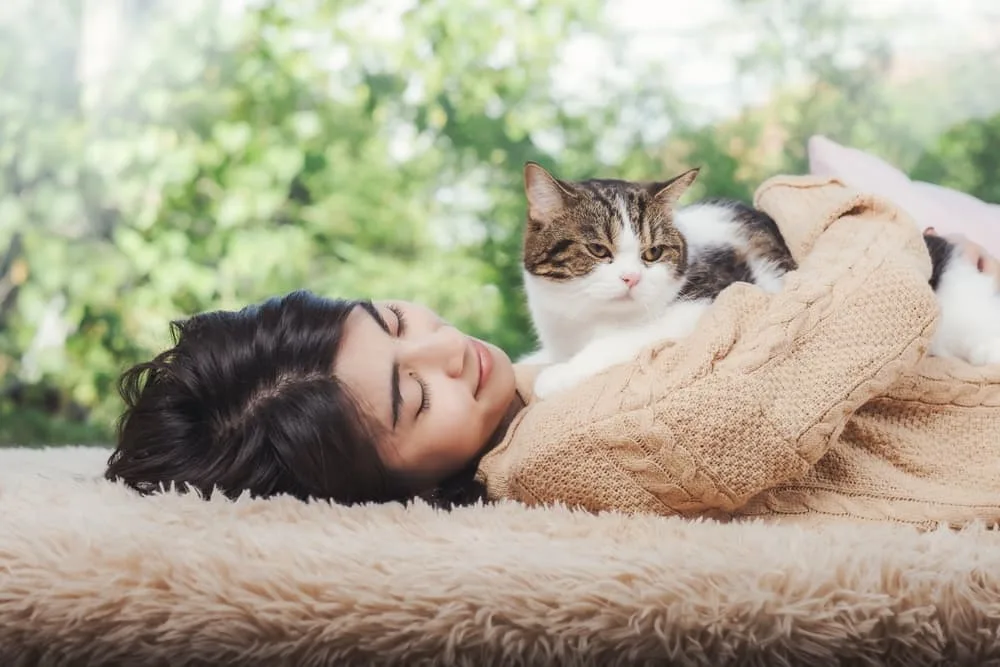
Why does my cat sniff my face while I sleep?
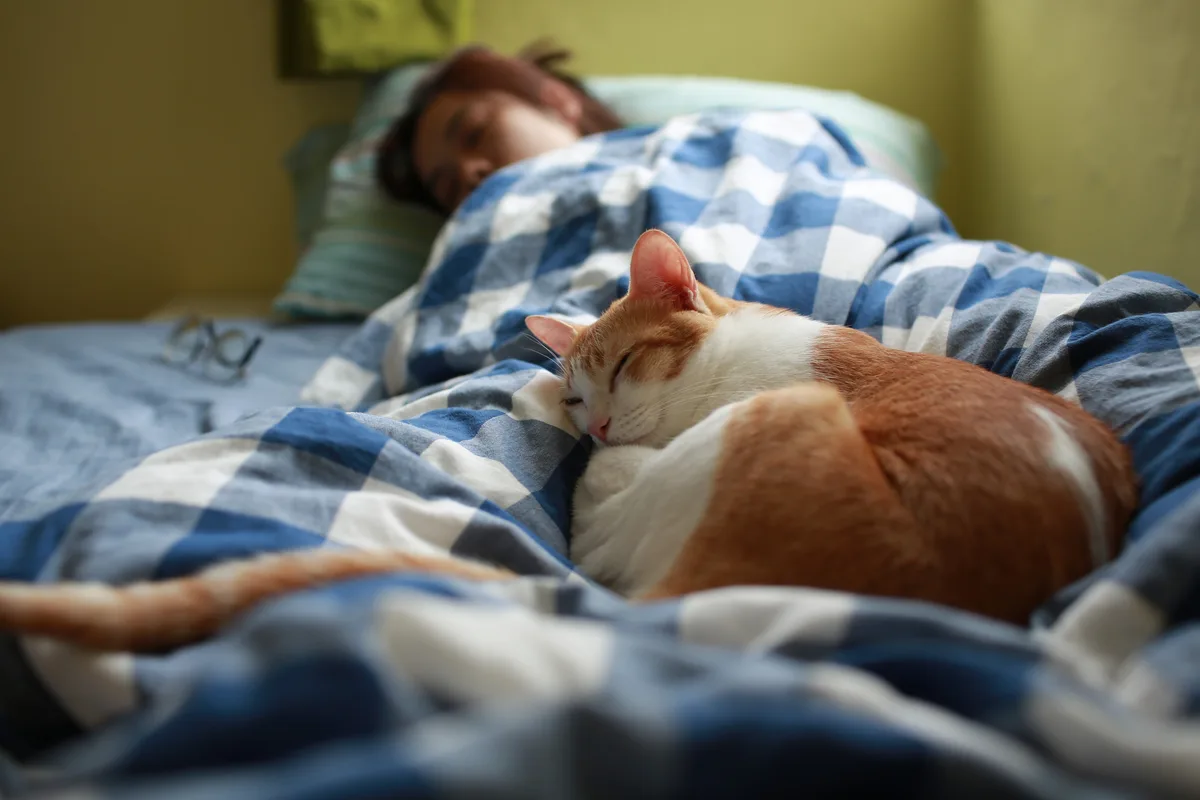
Sleeping humans are vulnerable. Your cat knows this instinctually. The sniff is a safety check.
They are confirming you are still breathing and still smell like you. Cats who perform this check at night or during naps are bonded and protective. It is a quiet way of saying "I'm watching over you."
Is it bad if my cat sniffs my face too much?
Frequency matters. Once or twice a day is normal greeting behavior. Five or six times a day could mean your cat is detecting a change in your scent.
This could be a new diet, a different emotional state, or a health shift. If the increase is sudden and sustained, consider whether something in your life has changed. If nothing has changed and the behavior continues, a vet check for your cat is reasonable.
Why does my cat sniff my face and then lick me?
This is the full greeting sequence. First they identify you through scent. Then they groom you as a social bonding gesture.
In cat colonies, mutual grooming strengthens relationships. Your cat is treating you like a trusted member of their group. It is a high compliment.
Should I let my cat sniff my breath?
Yes, within reason. A quick sniff near your mouth is fine. Do not exhale directly into your cat's face.
Your breath is warm and has a strong scent. Blowing it directly at them can be startling or unpleasant. Let them lean in and take the sample they want at their own pace.
That is the respectful way to share.

Similar Posts