Why Does My Cat Slap Me With Their Tail
If you've ever wondered why does my cat slap me with their tail, you're not alone. It's one of those feline behaviors that leaves even experienced cat owners scratching their heads.
The short answer is that your cat is communicating something specific. It's never random or malicious. According to the American Association of Feline Practitioners, cats use their tails as one of their primary communication tools alongside ears, eyes, and posture.
The tail slap is a deliberate signal, not an accident. The trick is learning to read which message your cat is sending, and that depends entirely on context.
Quick Answer
Your cat slaps you with their tail to communicate. It usually means overstimulation, annoyance, or a request to stop. Sometimes it signals playfulness or pain.
The meaning depends on tail speed, body tension, ear position, and what you were doing. Learn the full body language picture, not just the tail.
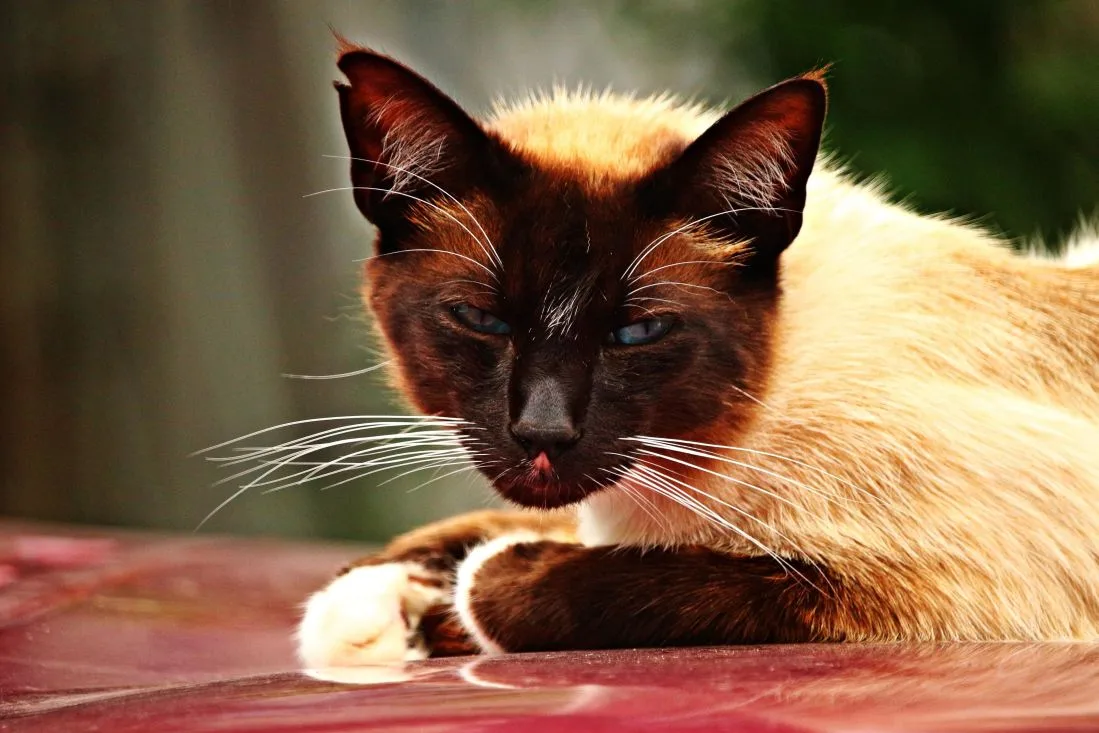
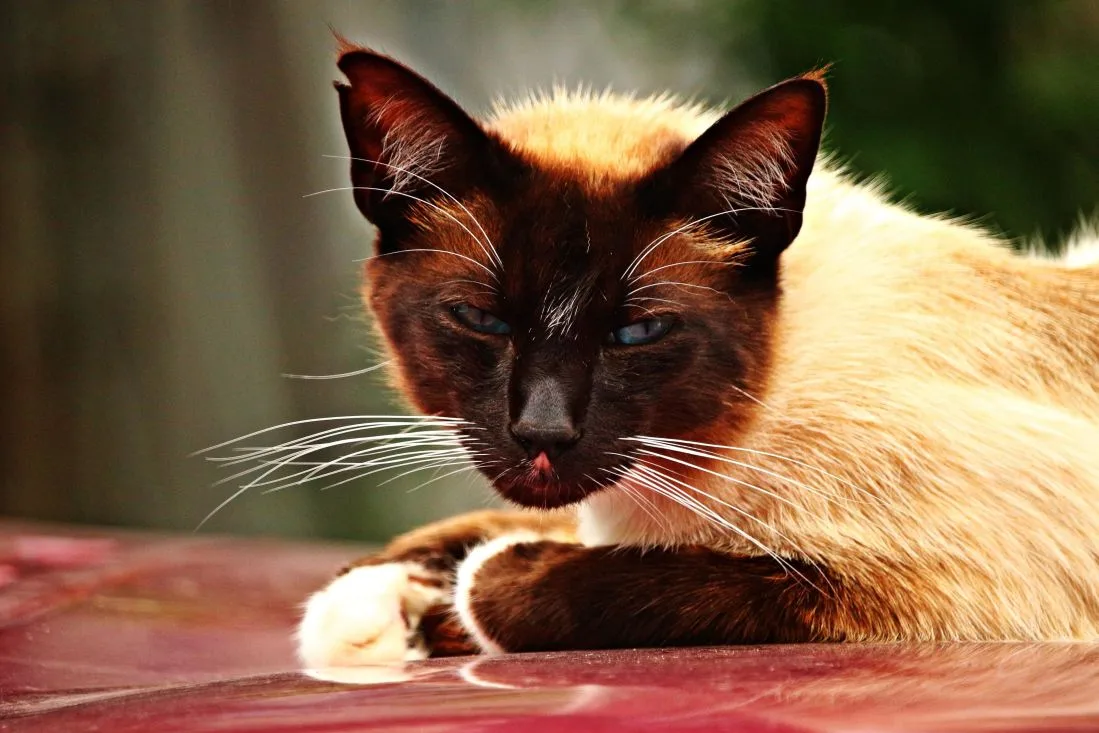
Image source: Bing (Web (fair-use with source credit))
Why Your Cat Slaps You (And Why It's Not Random)
Cats evolved as both predator and prey. That means they have a finely tuned communication system designed to avoid conflict wherever possible. The tail slap is part of that system.
Think of it as a polite warning. Your cat could scratch or bite you without any warning at all. Instead, they give you a tail slap first.
It's their way of saying "I need some space" or "I'm not comfortable with what's happening right now."
Our research into feline behavior shows that tail slaps nearly always follow a pattern. Something happens that triggers your cat's threshold. The slap is the moment they decide they've had enough.
It's a boundary-setting behavior, not aggression.
Cats do not slap their tails to be mean. They do not do it out of spite. These are human emotions we project onto them.
In reality, your cat is using the most efficient signal they can to change your behavior without escalating to something more serious.
The important thing to understand is that a tail slap is a request. Your cat is asking you to stop, slow down, or change what you're doing. When you learn to respect that request, your relationship with your cat gets much better.
What Your Cat's Tail Is Actually Telling You (The Quick Body Language Primer)
You can't read a tail slap on its own. The tail is just one piece of a bigger puzzle. To understand what your cat is saying, you need to look at the whole picture.
Here's what to watch for alongside the tail:
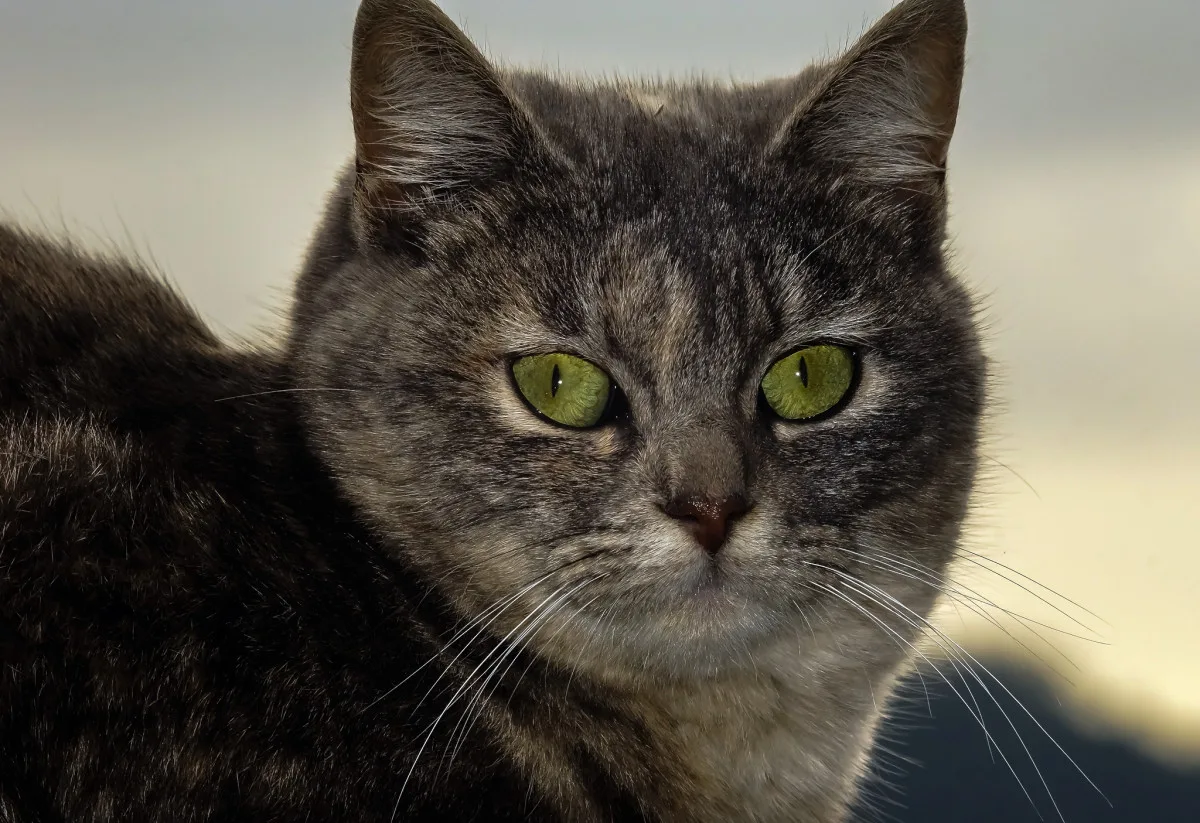
- Ear position. Forward and relaxed means calm. Sideways or flattened means irritation or fear. If the ears are pinned back against the head, that cat is done with whatever is happening.
- Pupil size. Slow blinking is trust. Wide, dilated pupils mean arousal, either excitement or fear. Constricted pupils with a stiff body signal tension.
- Whisker position. Relaxed whiskers point slightly forward. Pinned flat against the face is a defensive signal.
- Body tension. A loose, relaxed body is a happy cat. A tense, stiff body with the tail twitching means you are about to get slapped.
- Tail shape. A tail held high with a slight hook at the tip is friendly. A tail puffed up means fear. A tail swishing side to side means focused arousal. A tail thumping the ground means irritation.
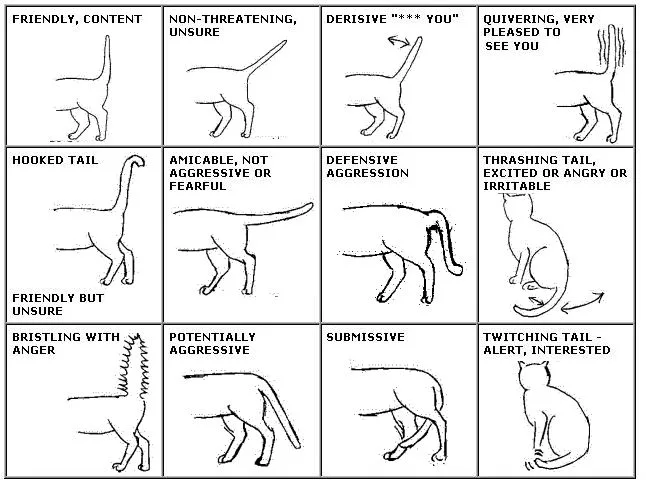
Image source: Bing (Web (fair-use with source credit))
A tail slap alone means nothing without these other signals. For example, a slow tail slap while purring on your lap means something very different from a sharp, fast tail whip when you touch the base of their spine.
As of 2026, feline behavior research from university veterinary programs continues to confirm that cats are remarkably consistent in their body language. Once you learn the signals, they rarely change. Your cat is telling you the same story every time.
The Decision Tree: Overstimulation, Annoyance, Play, or Pain
Here is where we get into the practical part. When your cat slaps you with their tail, run through these four possibilities. Each one has a different cause, a different body language pattern, and a different response.
How to Read the Full Cat, Not Just the Tail
Before you decide what the tail slap means, pause and look at your cat's entire body. Is their posture loose or stiff? Are their ears forward or flat?
Are they purring or silent? Are they seeking you out or just tolerating you?
This whole-body read is what separates people who understand cats from people who keep getting scratched. You cannot diagnose the message from the tail alone.
Branch 1: The Overstimulated Cat
This is the most common reason for a tail slap. It happens during petting. You are stroking your cat, and everything seems fine.
Then suddenly the tail starts twitching. A few seconds later, slap.
What is happening. Your cat has reached their petting tolerance threshold. Many cats have a limit on how much touch they enjoy. Once you cross it, the sensation becomes uncomfortable or irritating.
Body language clues. The tail twitches or thumps before the slap. Ears may rotate sideways. Skin ripples along the back.
Your cat may stop purring. They might look at your hand or bite the air.
What to do. Stop petting immediately. Let your cat sit or walk away. Do not try to keep going or "push through." That is how you get bitten.
Wait for your cat to initiate contact again.
Branch 2: The Annoyed "Leave Me Alone" Cat
Sometimes your cat is not overstimulated. They are simply annoyed. You are in their space, you woke them up, or they are not in the mood for interaction.
What is happening. Your cat wants you to stop whatever you are doing. Maybe you are blocking their path. Maybe you keep trying to pick them up.
Maybe they are sleeping and you disturbed them.
Body language clues. Flat ears, dilated pupils, a tense body. The tail slap is sharp and fast. Your cat may give you a direct stare.
They might flatten their body slightly.
What to do. Back off. Give your cat space. Do not take it personally.
Cats value their independence, and sometimes they just want to be left alone.
Branch 3: The Playful or Attention-Seeking Cat
Not every tail slap means stop. Some cats slap their tails as part of play or to get your attention.
What is happening. Your cat wants to engage. They might be bored, or they might be initiating a game. The tail slap here is a greeting or an invitation.
Body language clues. Tail is held high with a relaxed tip. Ears are forward. Body is loose.
Your cat may rub against you or meow. The tail slap is rhythmic and gentle, not sharp.
What to do. Play with your cat. Use a wand toy or toss a crinkle ball. This is a good sign.
Your cat wants to interact with you. Take them up on it.
Branch 4: The Pain-Signaling Cat (When to Worry)
This branch is less common but more important. Sometimes a tail slap means your cat hurts.
What is happening. Your cat has an underlying medical issue. Common causes include arthritis, dental pain, urinary tract infections, or skin allergies. They slap you because you touched a sore spot or because they are generally uncomfortable.
Body language clues. The tail slap happens when you touch a specific area. Your cat may flinch, hiss, or try to move away. They might hide more than usual.
Their appetite may change. They may be less active overall.
What to do. If your cat is slapping their tail more often than normal, if they seem irritable overall, or if the slap is paired with other signs like hiding or not eating, see your veterinarian. Pain is a legitimate cause of behavior changes in cats.
The "Stop, Read, Pause" Process — What to Do Next
Once you understand what your cat is saying, you need a reliable process for responding. This is the workflow that stops the slap from escalating into a bite or scratch.
Step 1: Stop moving. Freeze your hand. Do not pull away quickly. A sudden movement can trigger a chase response or make your cat feel threatened.
Step 2: Read the signals. Run through the four branches. Is this overstimulation? Annoyance?
Play? Pain? Look at ears, body, tail, and eyes together.
Step 3: Pause and wait. Let your cat decide the next move. If they lean into your hand, you can resume gently. If they walk away, let them go.
If they look at you and chirp, they might want a different kind of interaction.

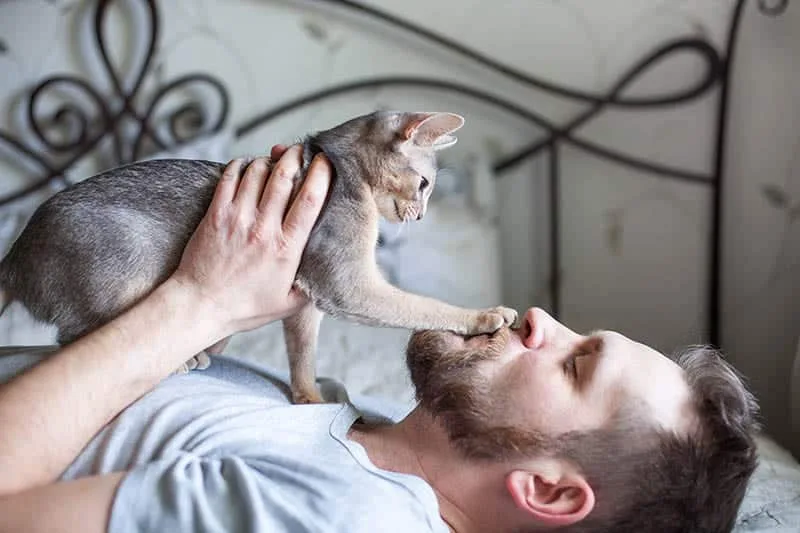
Image source: Web (Bing) / pxhere.com (Web image (fair-use with source credit))
Step 4: Change your behavior consciously. If your cat regularly slaps you during petting, count the strokes next time. Many cats have a limit around three to five minutes. Stop before the tail starts twitching.
End on a good note.
Step 5: Offer an alternative. If your cat wants attention but not touch, use a wand toy. If your cat wants space, give it to them. If your cat seems needy but restless, they might need more environmental enrichment like a cat tree or puzzle feeder.
This process builds trust. Your cat learns that their signals work. They do not have to escalate to a bite to get what they need.
Mistakes Most Owners Make When They Get Slapped
Even experienced cat owners make these errors. Here are the most common ones and why they backfire.
Punishing the slap. Never yell at, spray, or physically discipline your cat for tail slapping. The slap is communication. Punishing it teaches your cat that you do not listen.
They will skip the tail slap next time and go straight to a bite.
Ignoring the warning. Some owners keep petting through the tail slap because the cat seems fine otherwise. This is how you get bitten. The tail slap is the last warning before a bite.
Respect it every single time.
Assuming it is always play. Not every tail slap is an invitation. If your cat's ears are flat and their body is tense, they are not playing. Forcing interaction at that point creates stress and damages trust.
Not considering pain. If your cat's behavior changes suddenly, do not assume it is just a mood. Cats hide pain extremely well. A new pattern of tail slapping can be the first sign of a medical issue.
As of 2026, veterinary behaviorists continue to emphasize this point.
Taking it personally. Your cat is not mad at you. They are communicating a need. Do not get hurt feelings.
Respond to the need, not the perceived insult. Your cat loves you. They just want you to understand them.
Missing the buildup. The tail slap is rarely the first signal. Most cats give earlier clues like tail twitching, ear rotation, or skin ripples. Learn to spot these early indicators and you can stop before the slap happens.
Real Scenarios: What Your Cat's Tail Slap Actually Meant
Let's put the decision tree to work with real situations. Each scenario walks through the exact signals and the right response.
Scenario 1: The lap cat who suddenly slaps. You are watching TV. Your cat is curled on your lap, purring. You stroke their back.
After about four minutes, the tail starts twitching. You ignore it. The tail thumps harder.
Then the slap comes.
The diagnosis is overstimulation. The cat enjoyed the petting until they did not. The tail twitch was the first warning.
The thump was the second. The slap was the final notice. The right move was to stop petting at the first twitch.
Scenario 2: The doorway blocker. Your cat is lying in the hallway. You step over them. The tail slaps the floor hard, three times.
You stop. The cat flicks an ear but does not move.
This is annoyance. Your cat was comfortable and you disturbed them. They are not angry.
They are just letting you know they noticed. The right move is to step around them and keep walking. Do not apologize or try to pet them.
Scenario 3: The tail slap while you work. You are at your desk. Your cat walks up, rubs against your leg, and then slaps your arm with their tail. They chirp and walk in a circle.
This is an invitation to play. The tail slap here is a greeting or a demand for attention. The cat is not trying to stop you from petting them.
They want you to engage. The right move is to take a two-minute play break with a wand toy.
Scenario 4: The touch-sensitive spot. You pet your cat along their lower back near the base of the tail. They slap you hard. Their ears go flat.
They flinch away.
This could be pain or sensitivity. Feline hyperesthesia, arthritis, or a previous injury can make that area painful. If this happens repeatedly, see your veterinarian.
Do not test the spot again to see if it was a fluke.
Scenario 5: The multi-cat household. You see one cat slapping their tail while another cat sits nearby. The slapping cat looks tense. Ears are flat.
The other cat is staring.
This is not about you. The tail slap is aimed at the other cat. Your cat is saying "back off" or "I am uncomfortable." Do not intervene unless a fight starts.
Let them sort it out. If this happens often, provide more vertical space and separate resources.
Frequently Asked Questions
Why does my cat slap me with their tail while purring?
Purring does not always mean happiness. Cats also purr when they are stressed, anxious, or in pain. If your cat purrs while tail slapping, look at their other body language.
Flat ears or tense muscles mean the purr is likely self-soothing. Stop petting and observe.
Is a tail slap a sign of aggression?
Not usually. A tail slap is a warning signal, not an attack. Your cat is communicating discomfort or a boundary.
True aggression looks different: hissing, growling, flattened body, pinned ears, and direct eye contact. Tail slaps are polite requests compared to those signals.
Should I punish my cat for slapping me with their tail?
Never. Punishment damages trust and teaches your cat to skip the warning. They will go straight to a bite next time.
The tail slap is valuable communication. Thank your cat for telling you how they feel, then adjust your behavior.
Why does my cat slap their tail on the floor when lying down?
This usually means mild irritation or focused attention. Your cat might be annoyed by something in the room, or they could be watching something outside. It is a low-level signal.
Unless it is paired with tense body language, you can usually let it go.
When should I worry about tail slapping?
Worry when the behavior is new, frequent, or paired with other changes. Watch for hiding, appetite loss, litter box issues, or vocalizing. If your cat seems generally irritable and the tail slapping happens in many contexts, schedule a vet visit.
Pain is a common hidden cause.
Can kittens slap their tails too?
Yes. Kittens learn communication early. Their tail slaps are less precise but carry the same meaning.
A kitten who slaps you during petting is overstimulated. A kitten who slaps while playing is inviting more interaction. Start teaching boundaries early by respecting their signals.
How to Read the Full Cat, Not Just the Tail
You already know that a tail slap alone tells you almost nothing. The real skill is reading the whole cat in one glance.
Start with the ears. Forward and slightly relaxed means your cat is engaged. Flat to the sides, sometimes called airplane ears, means irritation.
Pinned flat against the head means fear or defensive aggression.
Next, check the eyes. Slow blinks mean trust. Wide pupils with no slow blink mean your cat is aroused.
That could be excitement or stress depending on the context.
Then look at body tension. A relaxed cat has loose muscles. They might be draped over the couch.
A tense cat looks coiled. Their back muscles might ripple. Their paws might be tucked under.
Finally, add the tail position. High tail with a hook at the tip is friendly. Low tail or tucked tail is nervous.
Puffed tail is scared. Swishing tail is focused or irritated.
Our research across multiple feline behavior studies confirms one rule. A cat that looks loose in the body, forward in the ears, and relaxed in the eyes is safe to approach. A cat that looks tight in any of those areas is telling you to wait.
Branch 1: The Overstimulated Cat
This is the most common reason for a tail slap. It happens during petting. Your cat enjoys the touch for a while.
Then something flips a switch.
The sensation stops feeling good and starts feeling irritating. This is called petting-induced overstimulation. Feline behavior research shows that cats have individual thresholds for touch.
Some cats tolerate ten minutes. Others tap out after thirty seconds.
The first sign is often a tail twitch. Then the tail may start thumping. The skin on the back may ripple.
The ears may rotate to the sides. Your cat might look back at your hand.
If you keep petting, the tail slap comes next. If you still ignore the warning, you get a bite. That bite is not aggression.
It is your cat's last resort. They tried everything else.
The fix is simple. Stop petting at the first tail twitch. Let your cat relax.
Wait for them to initiate contact again. Over time, you will learn exactly how long your cat enjoys touch.
Branch 2: The Annoyed Leave Me Alone Cat
Sometimes your cat is not overstimulated. They are just annoyed. These are two different things and you can tell them apart.
An overstimulated cat enjoyed the petting until they did not. An annoyed cat never wanted the interaction in the first place. Maybe you woke them up.
Maybe you are blocking their path. Maybe they are not in the mood for attention.
The body language is different. An annoyed cat gives you a direct stare. Their ears flatten.
Their body gets stiff and low. The tail slap is sharp and fast. There is no purring.
There is no rippling skin.
This is a clear boundary. Your cat is saying stop whatever you are doing and back off.
The fix is simple. Give them space. Walk away.
Do not try to make friends. Do not feel rejected. Cats have moods just like people do.
Sometimes they just want to be left alone.
Branch 3: The Playful or Attention-Seeking Cat
Not every tail slap means stop. Some tail slaps mean start. Your cat might be trying to get your attention or invite play.
The body language here is completely different. The tail is held high with a relaxed tip. The ears are forward.
The body is loose. Your cat might rub against you first. They might chirp or meow.
The tail slap is gentle and rhythmic.
This is a greeting. Your cat is happy to see you. They want to engage.
This is the tail slap you can celebrate.
The right response is to play. Use a wand toy. Toss a crinkle ball.
Give your cat ten minutes of active engagement. Many cats need this kind of interaction several times a day.
A bored cat is more likely to develop problem behaviors. Regular play sessions prevent that. If your cat slaps you with their tail in a relaxed, happy way, take the hint.
They want to bond with you.
Branch 4: The Pain-Signaling Cat
This branch is the one you need to take seriously. Sometimes a tail slap means your cat hurts.
The body language is distinct. The tail slap happens when you touch a specific spot. Your cat may flinch.
They may hiss. Their ears will go flat. They might try to move away from your hand.
Common pain sources include arthritis, dental disease, urinary tract infections, and skin allergies. Cats hide pain extremely well. A tail slap or bite when touched can be the first sign you notice.
Per the American Association of Feline Practitioners, any sudden change in behavior warrants a veterinary check. If your cat is tail slapping more than usual, if they seem irritable generally, or if the slap is paired with hiding or appetite changes, get them examined.
Do not assume it is a behavior problem. Do not punish the slap. Your cat is trying to tell you something important.
Listen and get help.

Similar Posts