Why Cats Show Their Bellies: Trust or Trap?
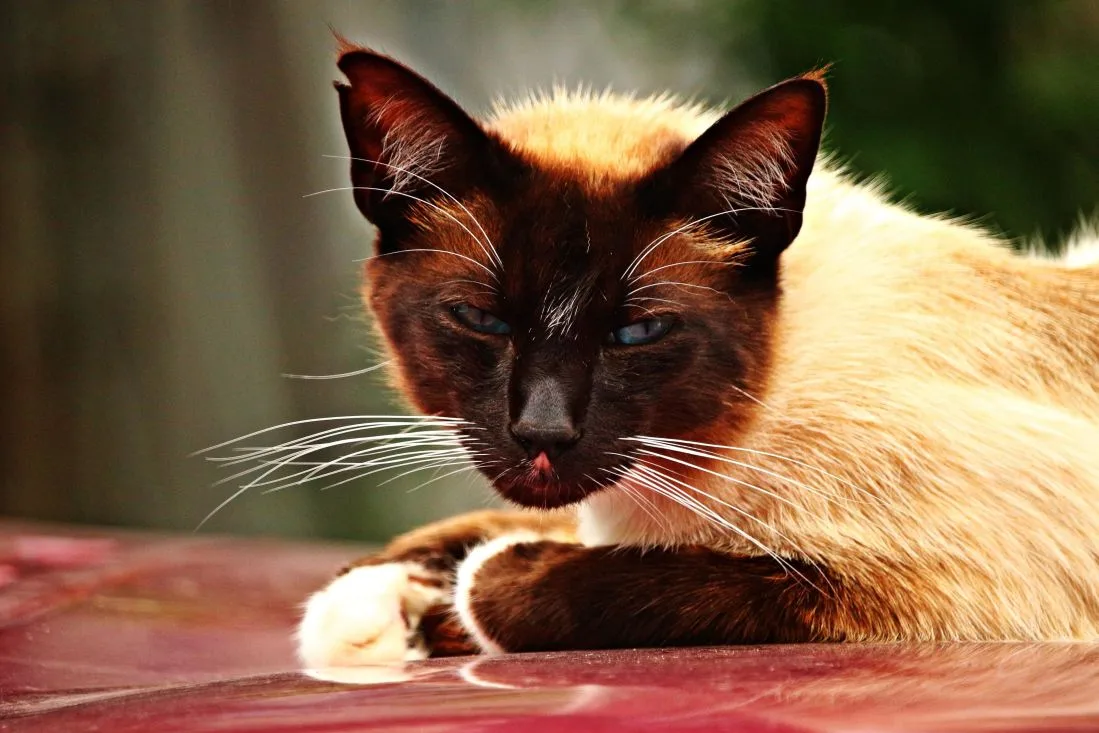
Image source: Web (Bing) / pixnio.com (Web image (fair-use with source credit))
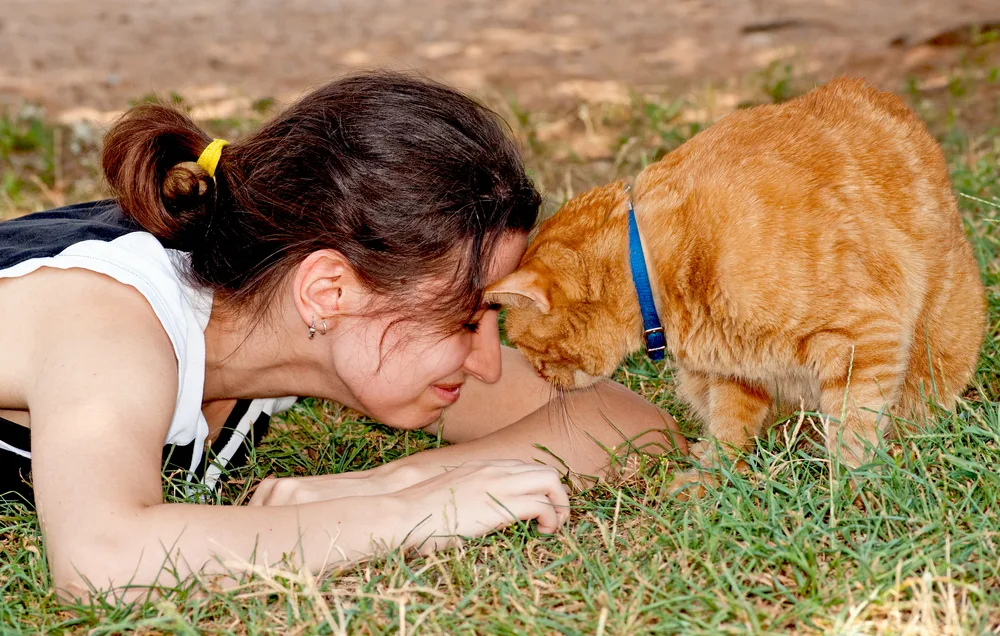
Have you ever crouched down to rub your cat's belly, only to get a lightning-fast grab-and-bite combo? That's the moment you ask yourself, "why does my cat show me her belly?" It feels like a betrayal of trust, but the truth is something else entirely.
Our research into feline behavior, including guidelines from the Cornell University College of Veterinary Medicine, confirms that a belly display is usually a trust signal, not an invitation to pet. But that trust comes with conditions. Let's walk through what your cat is really saying.
Quick Answer
Your cat shows her belly to signal trust. It's a vulnerable position. She is saying she feels safe near you.
It is not always an invitation to touch. Many cats will still defend their belly if you reach for it. Watch her other body language to know the difference.
Reading Your Cat's Full Body Language: The Decision Variables
A belly alone tells you almost nothing. The full picture comes from several signals at once. Let's break down what to look for.
The Tail Tells the Truth
A relaxed, still tail means your cat is calm. A tail wrapped loosely around her body says "I'm comfortable." A tail that twitches or thumps against the floor is a warning. That thump says "I am reaching my limit." If the tail goes stiff or puffs up, back off immediately.
The tail is the fastest giveaway of her real mood.
Ears, Eyes, and Whiskers
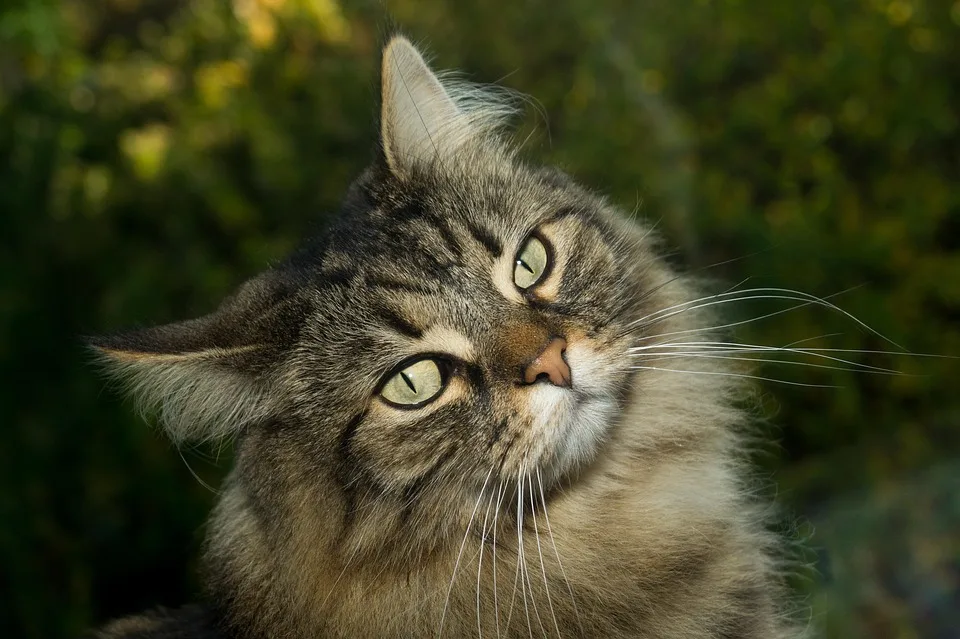
Forward-facing ears mean she is curious and relaxed. Flattened ears point to fear or irritation. As of 2026, the American Association of Feline Practitioners recommends using pupil size as a key gauge.
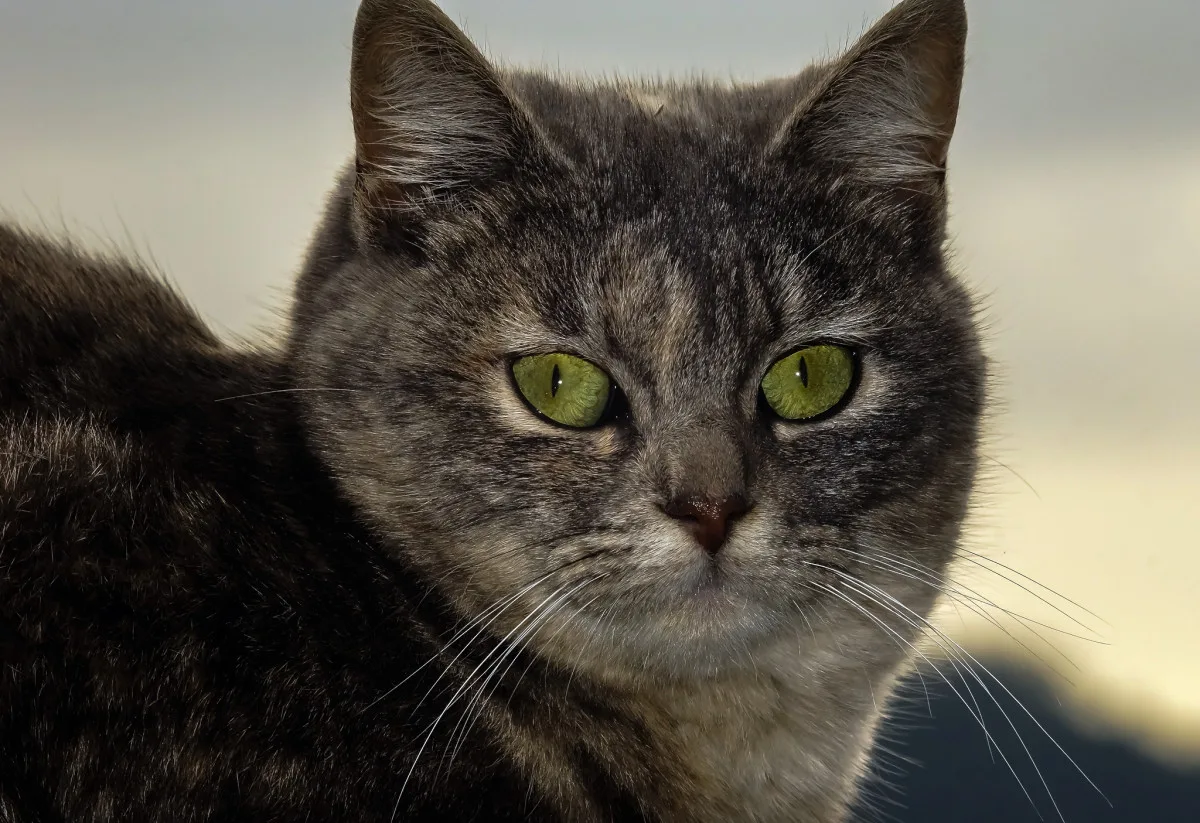
Slit pupils with relaxed eyes mean she is calm. Large, dilated pupils mean she is aroused, possibly overstimulated. Whiskers pinned back against her face are another warning sign.
Whiskers forward and relaxed mean she is open to interaction.
Vocal Cues and Body Tension
A soft purr can mean contentment, but it can also mean subtle stress. Look at her body. A loose, floppy cat is truly relaxed.
A tense, rigid body says she is ready to react. Silent cats with wide eyes and stiff bodies are one step from a swat. If she is hissing or growling, she is clearly telling you to stay away.
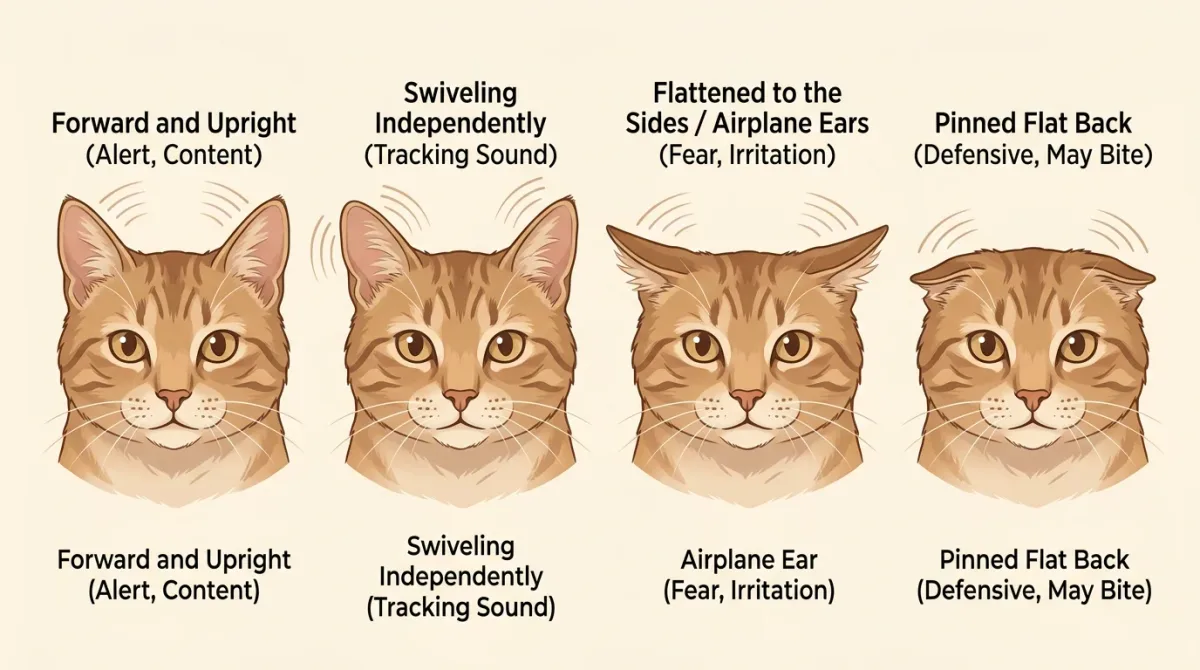
Image source: Bing (Web (fair-use with source credit))
The Belly Display Decision Tree: Trust, Trap, or Play?
Now let's put those signals to use. Here is a simple decision tree you can run through the next time your cat rolls over.
Is her tail still, wrapped, or gently flicking?
If yes, she is comfortable. Proceed to check her ears and eyes.Are her ears forward or neutral?
If forward, she is open. If flattened, stop. This is a defensive belly.Are her pupils slit and her body loose?
If both are true, you might be able to offer a gentle chest scratch, not the belly itself. Try a slow blink first. If she blinks back, she is relaxed.Does she grab your hand when you reach?
If yes, she is in play or defensive mode. Do not reach again.Does she stretch and keep her paws tucked?
That is a real invitation to cuddle, but still aim for the cheeks or chin, not the belly.
If any of these signals say "no," treat the belly as a display of trust only. Enjoy it from a distance. Touch it and you may break that trust.
Common Mistakes Even Experienced Cat Owners Make
Even seasoned cat lovers misinterpret this signal. Here are the biggest errors we see.
Mistake 1: Reaching straight for the belly.
The belly is the most vulnerable area. A cat will react by instinct, not malice. Always start with a cheek or chin rub.
Mistake 2: Mistaking submission for an invitation.
Some cats roll over as a deferential gesture, especially when greeted. This is not the same as asking for a rub. Read the other signals first.
Mistake 3: Ignoring the tail twitch.
That small flick is the most reliable red flag. Many owners let excitement override the warning.
Mistake 4: Blaming the cat afterward.
A cat who scratches or bites after a belly display is not being mean. She gave clear signs that you missed. Learning to read those signs prevents future incidents.
Expert Tips for Responding Without Getting Scratched
You can build a stronger bond by responding correctly to that belly display. Here is how.
Start with the slow blink.
A slow blink is cat language for "I trust you." If she shows you her belly, blink slowly at her. If she blinks back, you are in a good place.
Offer the one-finger test.
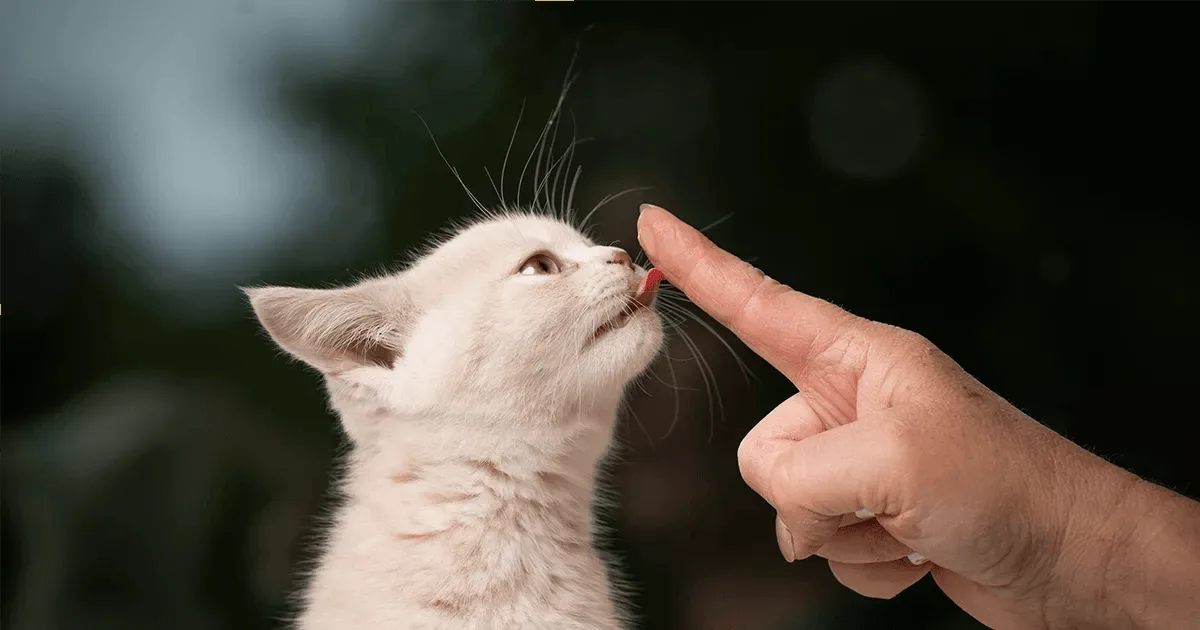
Extend one finger toward her chest, not her belly. If she leans into it, she is open to touch. If she flinches or tensens, pull back.
Respect the five-second rule.
Even a cat who enjoys belly rubs usually only tolerates them briefly. Pet for five seconds, then pause and watch. If she stays relaxed, continue.
If she flicks her tail, stop.
Reward her trust.
When she shows her belly and stays calm, give her a treat or a gentle chin scratch. This reinforces that the belly display is a positive interaction. She will feel safe without needing to defend herself.
Know when to walk away.
Some cats simply do not want belly contact. That is okay. A belly display is still a compliment.
Let her roll and enjoy the trust without pushing for more.
Quick Reference: Belly Display Signal Guide
Here is a cheat sheet for the next time your cat rolls over. Use it as a quick scan before you reach for that belly.
| Signal | Safe Meaning | Warning Meaning |
|---|---|---|
| Tail | Still or loosely wrapped | Twitching, thumping, or puffed |
| Ears | Forward or neutral | Flattened or pinned back |
| Eyes | Slit pupils, slow blink | Wide pupils, hard stare |
| Whiskers | Forward or relaxed | Pinned back against face |
| Body | Loose and floppy | Tense and rigid |
| Paws | Tucked under or loosely extended | Paws raised and claws visible |
| Sound | Soft purr or silent | Hiss, growl, or yowl |
When in doubt, default to no touch. A belly display is always a good sign of trust. Reaching for it is optional.
Enjoy the compliment and move on to a chin rub instead.
Frequently Asked Questions
Why does my cat show me her belly and then bite me?
She likely gave you clear warning signs you missed. A tail twitch, ear flatten, or body tension all say "look but do not touch." She is not being mean. She is communicating with the only tools she has.
Next time, stop before you reach and check her other signals first.
Should I ever pet my cat's belly?
Some cats do enjoy it, but they are the exception. If your cat has always tolerated belly touches, keep them brief. Stop at the first sign of a tail flick or body stiffening.
Most cats prefer cheek, chin, or head scratches instead.
Why does my cat roll over when I walk into the room?
That is usually a greeting. She is showing she feels safe with you. It can also be a mild submission signal, especially if she does it as you approach.
She is not necessarily asking for a rub. A slow blink and a soft word are the best response.
Do all cats show their bellies to their owners?
Most indoor cats do at some point. It requires a high level of trust. Outdoor cats or recently adopted rescues may take much longer to offer this signal.
Some cats simply have a personality that avoids full vulnerability. That is normal too.
Is my cat being dominant when she shows her belly?
No. That is a common myth. Cats do not really have a dominance hierarchy the way dogs or wolves do.
A belly display is about trust and safety, not social rank. There is no need to assert your own dominance in response. Just enjoy the moment.
What does it mean when a cat shows her belly and purrs?
Purring can mean contentment, but it can also mean mild anxiety. Look for the other signals listed above. A purring cat with a relaxed body and slow blink is genuinely happy.
A purring cat with tense muscles and wide eyes may be stressed. Always read the whole picture.

Similar Posts