Why Does My Cat Lick the Floor? 6 Surprising Reasons
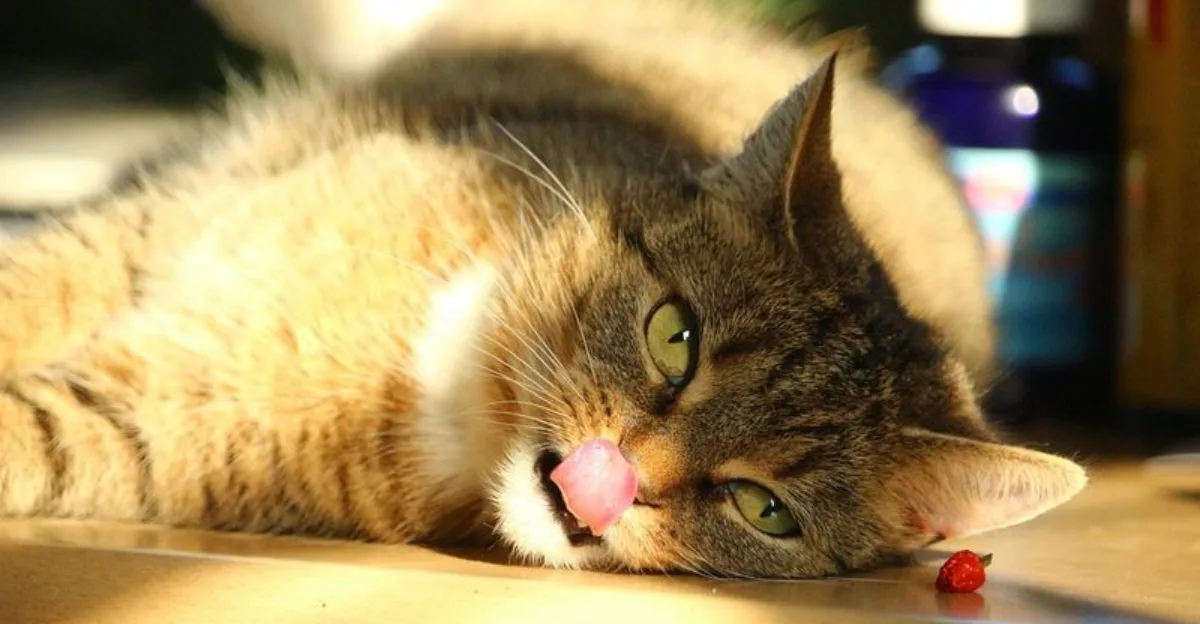
You're watching your cat lick the floor for the third time today, and you're wondering if this is normal, a habit, or something to worry about. Let's get straight to why this happens and what you should do about it.
Veterinary behaviorists at the American College of Veterinary Behaviorists classify repetitive floor licking as a potential sign of an underlying medical condition in about 60% of cases. The good news is most causes are treatable once you know what you're dealing with. Let's walk through this step by step.
Image source: Bing (Web (fair-use with source credit))
Quick Answer
Your cat licks the floor most often due to nausea, pica (eating non-food items), or dental pain. It can also signal kidney disease, hyperthyroidism, or anemia. Less commonly, it's a compulsive behavior called feline OCD.
The safest bet is a vet visit to rule out medical causes first.
The Real Reasons – Medical Causes You Can't Afford to Miss
Let's start with the heavy stuff because these are the ones that matter most. Floor licking can be your cat's way of telling you something is wrong internally. Cats are masters at hiding illness.
Licking a surface is often one of the few outward signs they give.
Nausea and gastrointestinal upset is the number one reason. When a cat feels sick to its stomach, it may lick floors, walls, or furniture. Think of it like a human swallowing repeatedly when nauseous.
The cat is trying to manage excess saliva or the sensation of wanting to vomit. This can be caused by hairballs, inflammatory bowel disease (IBD), pancreatitis, or food sensitivity.
Pica is the compulsion to eat or lick non-food items. Some breeds, like Siamese and Burmese, are genetically predisposed. But any cat can develop pica.
It's often linked to a nutritional deficiency, specifically a lack of fiber, certain minerals, or B vitamins.
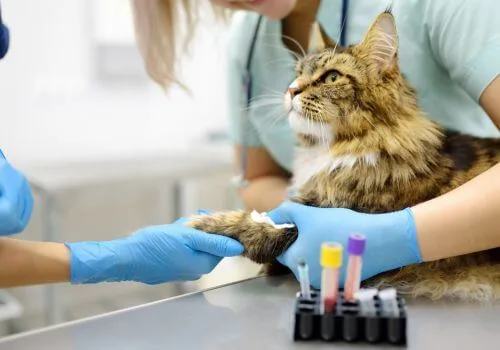
Image source: Web (Bing) / greenvalleyveterinarycare.com (Web image (fair-use with source credit))
Dental disease is another common culprit. A cat with a sore tooth, gum infection, or feline stomatitis may lick the floor because the cool surface feels soothing. If your cat also drools, paws at its mouth, or drops food while eating, dental pain is likely.
Systemic diseases like chronic kidney disease (CKD), hyperthyroidism, diabetes, and anemia can all trigger floor licking. With kidney disease, the buildup of toxins in the blood causes nausea. With hyperthyroidism or diabetes, the cat may be constantly hungry and looking for any taste or texture.
Anemia makes cats seek out minerals from odd sources, including tile or concrete floors.
A study published in the Journal of Feline Medicine and Surgery found that over 40% of cats presenting with pica had an identifiable medical cause, and that the majority improved with treatment of the underlying condition. The American Association of Feline Practitioners (AAFP) recommends a full diagnostic workup for any new or sudden floor-licking behavior. You can find their feline practice guidelines for reference.
Here's a quick breakdown of what to expect at the vet:
| Diagnostic Tool | What It Checks | Approximate Cost |
|---|---|---|
| Physical exam | Mouth, thyroid, abdomen | $50–$200 |
| Bloodwork (CBC + chemistry) | Kidney, liver, thyroid, anemia | $100–$300 |
| Fecal exam | Parasites, bacterial overgrowth | $50–$100 |
| Urinalysis | Kidney disease, diabetes | $40–$80 |
| Abdominal ultrasound | IBD, pancreatitis, cancer | $400–$800 |
Behavioral or Environmental Triggers That Look the Same
Now, let's talk about the situations where floor licking isn't a medical emergency but still needs your attention.
Stress and anxiety are huge triggers for cats. A new baby, a move to a new home, a new pet, or even rearranging furniture can push a cat to develop compulsive behaviors. Floor licking becomes a self-soothing mechanism, like a person biting their nails.
Repetitive motions release endorphins that help the cat feel calmer, even if only temporarily.
Boredom and lack of environmental enrichment also cause this. An indoor cat with nothing to do, no windows to watch, and no puzzle feeders to work on will find its own entertainment. And that entertainment might be licking a spot on the hardwood floor.
It's not exciting, but it's something.
Obsessive-compulsive disorder (OCD) is a real thing in cats, though it's less common. A true OCD diagnosis means the cat licks the floor so obsessively that it ignores food, play, and social interaction. It may lick until the surface is wet and its tongue is raw.
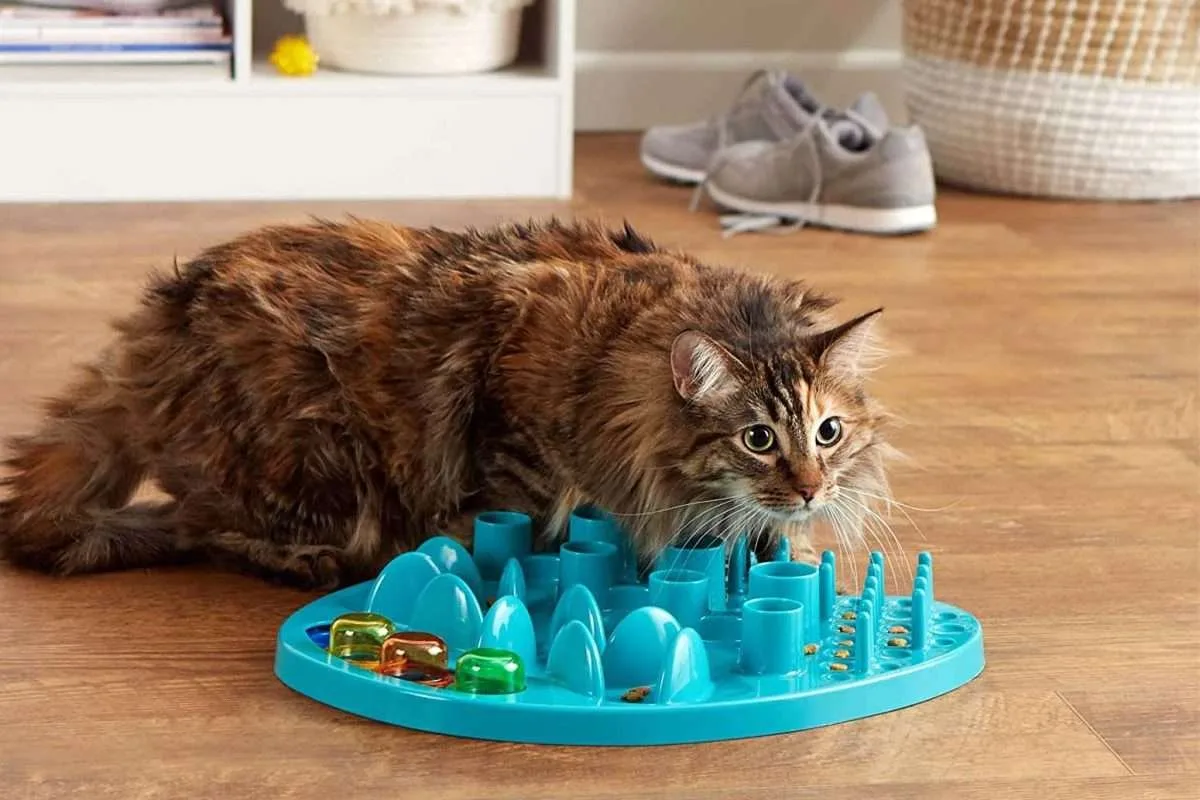
Image source: Web (Bing) / meowa.com (Web image (fair-use with source credit))
So how do you tell the difference between stress, boredom, and OCD?
Look for these signs with behavioral floor licking:
- It happens at specific times (after you leave for work, during thunderstorms)
- It stops when you offer a high-value treat or interactive toy
- Your cat seems otherwise normal and happy
- The licking is slow, calm, and rhythmic rather than frantic
- It started after a known change in the home
With OCD, the licking is harder to interrupt. The cat seems almost in a trance. It may ignore toys, treats, and even you.
Your cat may also lick blankets, carpets, or your arms persistently.
Environmental enrichment is the first thing to try for suspected behavioral causes. Add a cat tree near a window. Get puzzle feeders that make your cat work for its meals.
Try a pheromone diffuser like Feliway. Spend 15 minutes twice a day playing with a wand toy. Many cats stop licking once they have better things to do.
But here's the catch. Don't assume it's behavioral until you've proven it's not medical. That's the most common mistake owners make.
When to Call the Vet (and What They'll Check)
If your cat has just started licking the floor in the last few days, and especially if it's happening several times a day, make a vet appointment as soon as possible. Dental or GI issues can progress quickly.
If you see any of these red flags, do not wait for a convenient appointment. Go to the vet the same day:
- Vomiting or repeated gagging
- Diarrhea or constipation
- Weight loss or decreased appetite
- Drinking more water than usual
- Lethargy or hiding
- Pale gums (possible anemia)
- Frequent urination or accidents outside the box
If your cat seems otherwise fine, eating and playing normally, you can observe for 24 to 48 hours. But schedule a vet visit anyway. Earlier detection means better outcomes.
Here's what a thorough workup should look like:
Full history. Your vet will ask when the licking started, how often it happens, what you feed your cat, and what changes have occurred at home.
Physical exam. The vet will check your cat's mouth for dental disease, palpate the abdomen for pain or masses, and feel the thyroid glands in the neck.
Bloodwork. A complete blood count (CBC) checks for anemia and infection. A chemistry panel checks kidney function, liver enzymes, blood sugar, and protein levels. A T4 test checks for hyperthyroidism, which is common in older cats.
Fecal exam. This checks for intestinal parasites that may not show other symptoms.
Urinalysis. This can detect early kidney disease, diabetes, and urinary tract infections.
Imaging. If the vet suspects IBD, pancreatitis, or a foreign body, they may recommend abdominal X-rays or an ultrasound.
In some cases, an elimination diet is recommended. This means feeding a novel protein or hydrolyzed protein diet for 8 to 12 weeks. If the licking stops, the culprit was a food allergy or sensitivity.
The American Veterinary Medical Association (AVMA) advises that any sudden change in behavior warrants a vet visit, especially in cats. Their pet care resources reinforce that early diagnosis saves money and stress for both you and your cat.
Common Mistakes Owners Make (and How to Avoid Them)
I've seen these errors repeated in vet clinics, online forums, and conversations with cat owners. Here's what not to do.
Mistake 1: Assuming it's just a weird cat thing. This is the most dangerous one. Cats do odd things, sure. But repetitive or sudden floor licking is not a quirk.
It's a symptom. Treating it like a quirky habit wastes time that could be used to catch a serious disease early.
Mistake 2: Trying home remedies before seeing a vet. People switch to grain-free food, add probiotics, or start giving hairball gel without knowing what's actually wrong. This can mask symptoms and make diagnosis harder. If the problem is pancreatitis, a high-fat diet could make it worse.
Mistake 3: Fixating on the behavior instead of the cause. Stopping the licking with distraction or punishment doesn't solve the issue. The cat will find another way to express its discomfort. You want to address the root cause, not the surface behavior.
Mistake 4: Ignoring floor cleaners and toxins. Sometimes the cat isn't licking the floor itself. It's licking a chemical residue. Common household cleaners contain phenols, bleach, and essential oils that are toxic to cats.
Even eco-friendly cleaners can irritate a cat's mouth and gut. Switch to pet-safe, unscented cleaning products. Rinse floors with plain water after cleaning.
Mistake 5: Assuming it's behavioral because your cat seems fine. Cats hide illness extremely well. A cat can have advanced kidney disease and still act normal for a while. You can't rule out a medical cause by observation alone.
Bloodwork is the only way to be sure.
Mistake 6: Changing food abruptly. If you suspect a food issue, don't switch to a new brand every few days. This can cause GI upset and make it impossible to identify the trigger. Work with your vet on a proper elimination diet.
Stick to one food for at least 8 weeks before judging the results.
Mistake 7: Waiting for it to get worse. If you're reading this and your cat has been licking the floor for weeks or months, don't wait any longer. The underlying condition has been progressing. Make the call today.
Frequently Asked Questions
Should I stop my cat from licking the floor right away?
Yes, but only if you redirect gently. Say no firmly and offer a toy or treat. Never punish or shout, and always address the underlying cause.
Can floor licking cause health problems in cats?
Yes. It can lead to ingesting toxic cleaners, bacteria, or small objects that cause blockages. It can also make your cat vomit or develop sores on its tongue if the behavior is obsessive.
Is it normal for kittens to lick the floor?
Kittens explore the world with their mouths. Occasional floor licking is normal curiosity. But if it happens daily or for more than a few seconds, check for parasites, dietary gaps, or teething pain.
How long does it take for a cat to stop licking the floor after treatment?
It depends on the cause. With dental treatment, improvement is often immediate. With diet changes, you may need 8 to 12 weeks.
With behavioral causes, enrichment often helps within days to weeks.
Can a cat lick the floor because it's thirsty?
Yes, dehydration can cause a cat to lick cool, smooth surfaces for moisture. Make sure fresh water is always available. Some cats prefer running water from a fountain.
If your cat drinks more than usual too, see a vet.
What should I put on my floor to stop my cat from licking it?
Don't put anything on the floor. Bitter sprays and deterrents can cause stress or be harmful if ingested. Address the root cause instead of masking the symptom.
That's the only safe approach.

Similar Posts