Why Your Cat Has a Single Black Whisker
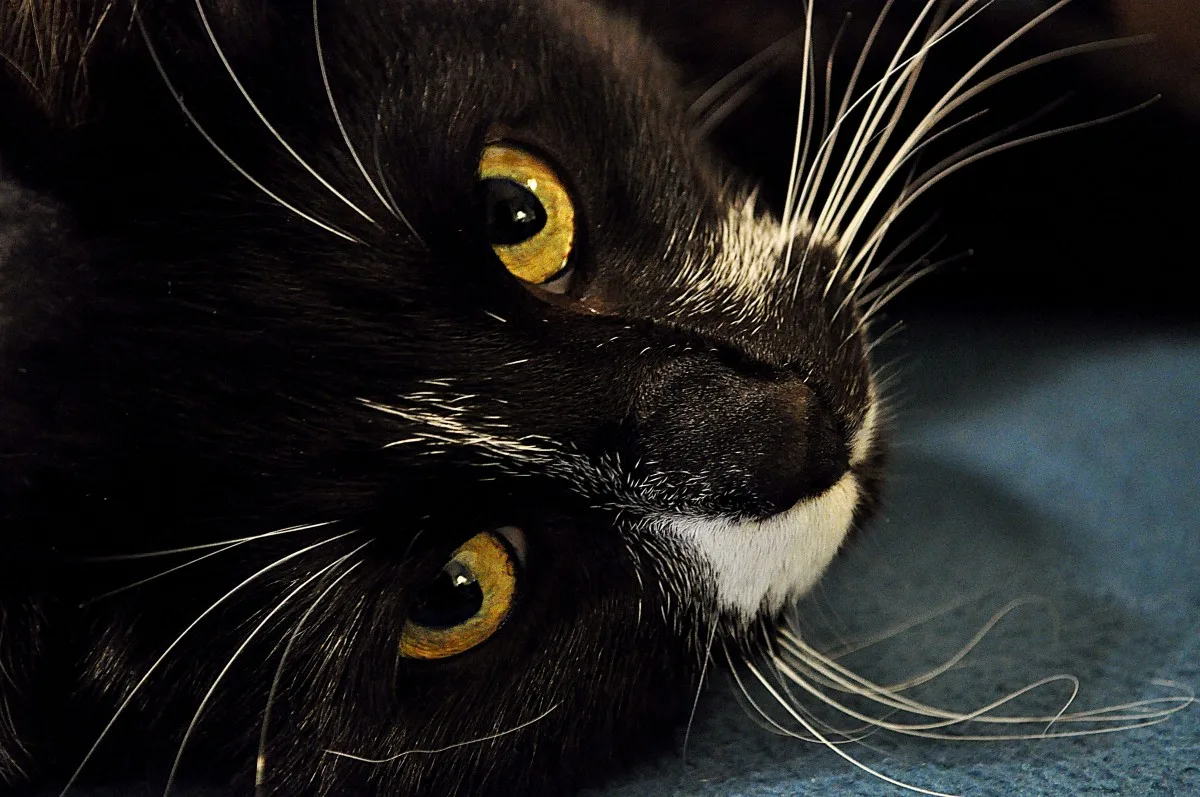
So, you're wondering why does my cat have one black whisker? You're not alone. It's one of those little feline mysteries that catches your eye and sticks in your mind.
You brush your hand across their face, and there it is, a single dark thread standing out against a sea of white or orange fur.
Here's the short version right up front: a single black whisker on an otherwise light-colored or mixed-color cat is almost always just a quirk of genetics. It's the same reason some cats have one black toe bean or a tiny dark spot on their nose. In our research, we found that this specific trait is incredibly common in certain coat patterns.
Let's walk through exactly why it happens, and when you might actually need to pay closer attention.
Image source: Bing (Web (fair-use with source credit))
Quick Answer
A single black whisker is usually a harmless genetic variation. It happens when melanocytes send extra pigment to one specific follicle. It's very common in calico, tortoiseshell, and colorpoint cats.
No, it's not cancer. If the skin around the whisker looks normal, just enjoy your cat's unique feature.
How Whisker Color Works: A Quick Lesson in Feline Pigment Biology
Let's demystify the science in plain English. A whisker is technically called a vibrissa, and it's a specialized hair. It grows from a follicle that is packed with blood vessels and nerve endings.
That follicle is a tiny, self-contained factory.
The color of that factory's output depends entirely on the workers inside, called melanocytes. These cells produce pigment granules. The specific type of pigment they make is what determines the color.
Eumelanin creates black or brown shades. Pheomelanin creates red or orange shades. A cat's overall coat pattern is directed by a complex genetic blueprint, but here is the key detail: each individual follicle can follow its own local instructions.
This is where the decision tree begins. A single black whisker popping up means that one specific follicle is producing eumelanin while the surrounding follicles are producing something else. This happens naturally in cats with mosaic genetics, like tortoiseshells.
The random X-chromosome inactivation that gives them their patchy coat also directly affects their whiskers. For cats with solid coats, a single different-colored whisker is often a sign of a healed injury or a localized somatic mutation that reprogrammed those specific melanocytes. It is a localized event, not a systemic change in your cat's health.
The Decision Tree: Why Your Cat Has That Single Black Whisker
Let's match your cat's specific situation to the most likely cause. Run through these four branches to find your answer.
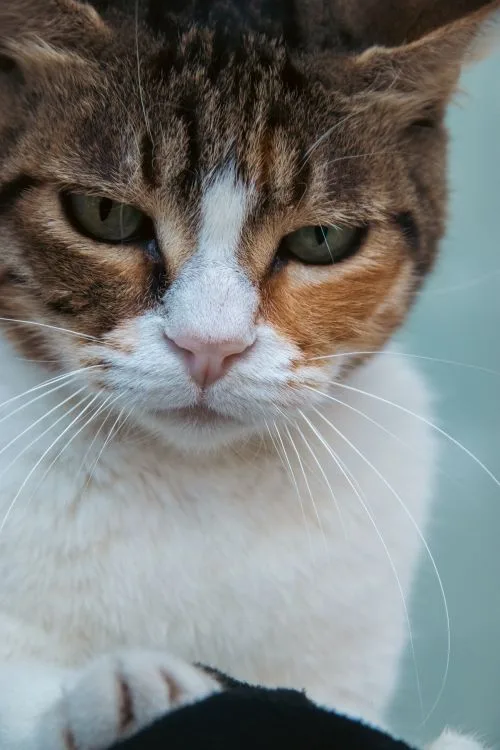
Image source: Bing (Web (fair-use with source credit))
Branch 1: Your Cat Is Calico, Tortoiseshell, or Colorpoint
If your cat has a patchy or pointed coat pattern, this is almost certainly a normal genetic expression. In calico and tortoiseshell cats, the pigment cells are randomly distributed across the skin. Some follicles receive the signal for black, others for orange.
It is completely standard for these cats to have a mix of black and orange whiskers. Point-patterned breeds like Siamese or Ragdolls can also show this variation. Their temperature-sensitive enzyme creates localized dark points on the ears, paws, and muzzle, which frequently leads to a single dark whisker.
Branch 2: Your Cat Is Solid-Colored and the Whisker Is New
If your cat has a solid coat and you notice a single black whisker that was not there before, think about local trauma. A healed scratch, a bite wound from a play session, or even an old cat fight can damage the follicle. Veterinary dermatology recognizes that healed follicular trauma can lead to localized pigment changes.
The reparative cells that migrate into the follicle might produce eumelanin instead of the original pigment. Think of it as a scar in whisker form. It's permanent once healed, but harmless.
Branch 3: The Black Whisker Has Always Been There
If you have had your cat since kittenhood and that whisker has always been black, it is simply a fixed genetic marker. It is no different from a beauty mark or a cowlick on a human. It is baked into the DNA from the start.
This is especially common in orange tabbies, who often carry hidden genes for black pigment that express only in specific follicles. No further investigation is needed. It is just part of your cat's unique face.
Branch 4: You Notice Other Changes Around the Whisker
This is the branch that requires action. If the skin around the black whisker is red, swollen, crusty, or if the whisker looks broken or misshapen, do not ignore it. A local infection, fungal dermatitis like ringworm, or an abscessed bite wound can all alter the appearance of the follicle.
A veterinarian can perform a simple skin scrape or cytology to rule out anything serious. In very rare cases, a darkening lesion around a whisker could signal a form of melanoma, but that is the exception, not the rule. If the surrounding skin looks unhealthy, get it checked.
Red Flags: When a Black Whisker Actually Means Something
We have established that a single black whisker is usually no big deal. But let's be specific about what is a big deal. The key is to look at the big picture, not just the color.
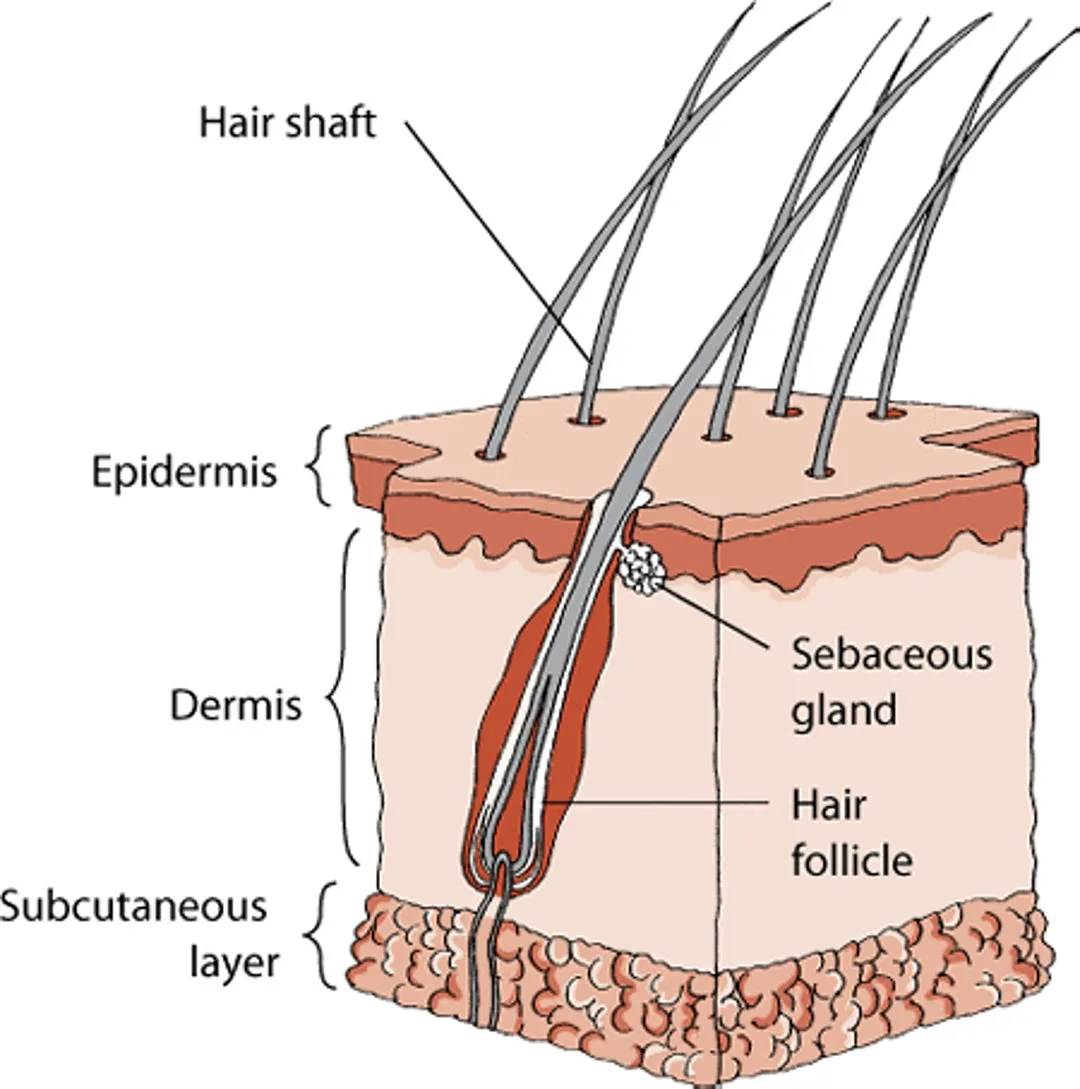
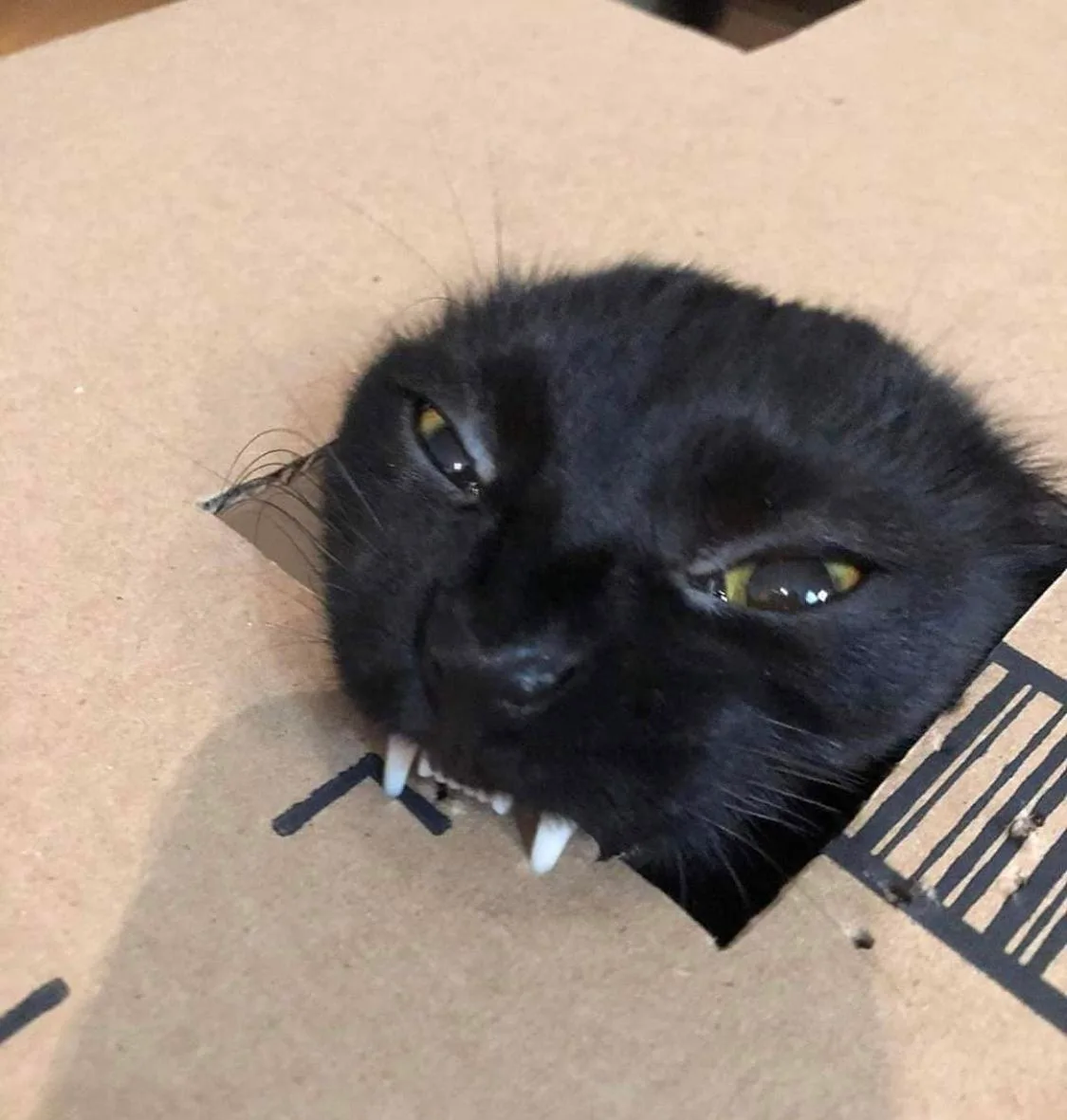
Image source: Bing (Web (fair-use with source credit))
A healthy whisker, even if it is a different color, grows from a clean, flat follicle. Here are the signs that warrant a vet visit:
- Bleeding or discharge around the follicle base
- Swelling or a visible lump at the base of the whisker
- Your cat pawing at their face or rubbing it excessively
- Multiple whiskers turning black suddenly at the same time
- The whisker itself looks brittle, broken, or has an odd texture like sandpaper
According to the American Association of Feline Practitioners, any skin lesion that does not resolve in seven to ten days should be examined by a veterinarian. When in doubt, a quick checkup gives you peace of mind. The structure of the follicle itself can give clues.
If the follicle is damaged, the texture and color of the whisker can change permanently.
How to Observe and Monitor Your Cat's Whiskers Over Time
So, what should you actually do when you notice that single black whisker? First, take a clear photo. Documenting the whisker gives you a baseline to compare against later.
Check the skin around the follicle monthly. Run your finger gently over the whisker bed. It should feel smooth with no bumps or scabs.
If it feels clean, you are in the clear.
Watch the whisker cycle. Cats shed and regrow whiskers naturally every few months, just like fur. A new whisker might grow in a different color.
That is normal. But if the same whisker changes color without falling out first, that is worth noting.
Keep a simple log. You do not need a spreadsheet. Just a note in your phone with the date and your observations.
Something like "Day 1: Whisker is black, skin is clean. Day 60: Whisker is still black, fell out and regrew black." This pattern helps both you and your vet track any subtle changes over time.

Similar Posts