Why Does My Cat Gently Bite Me Out of Nowhere?

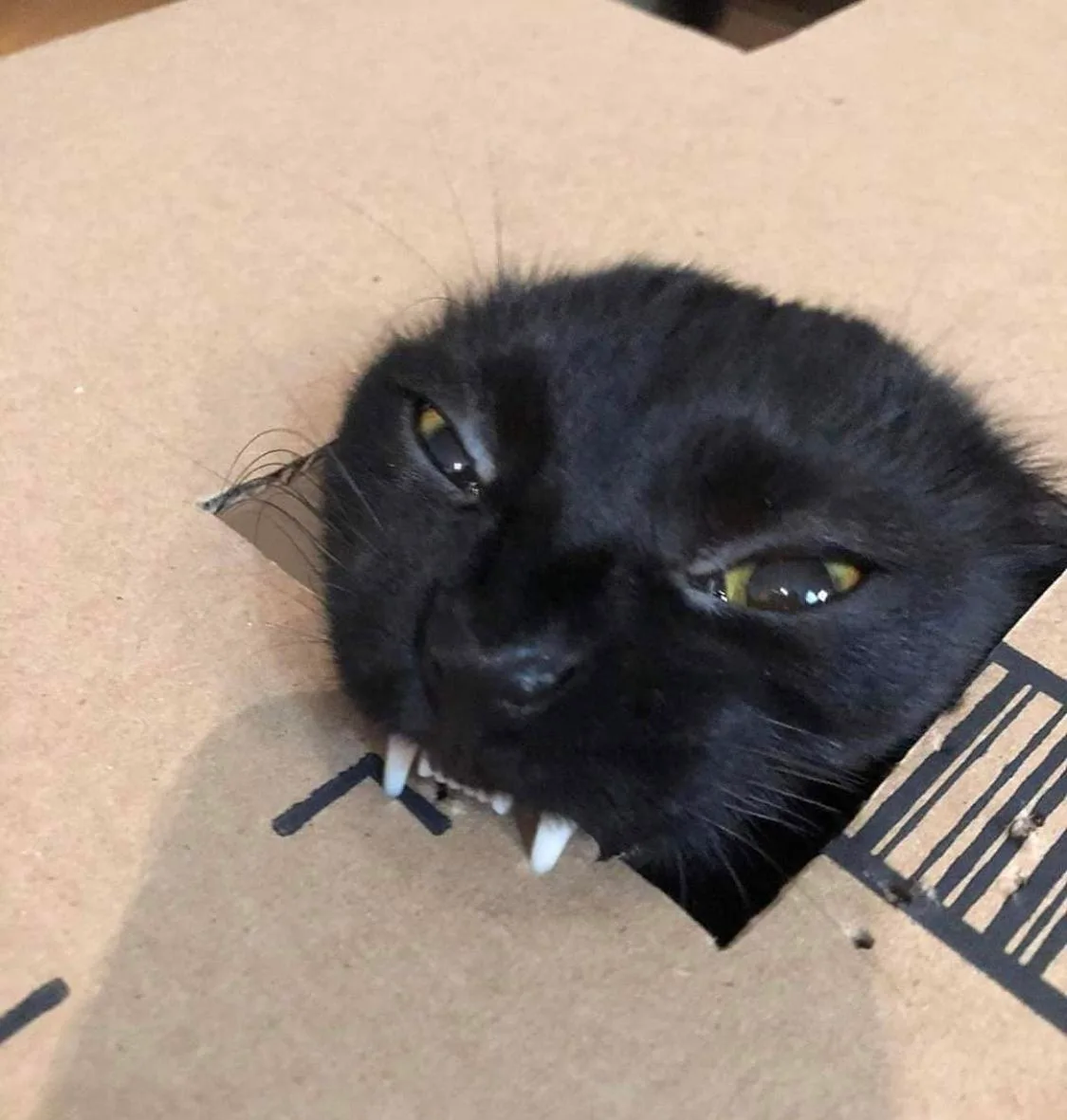
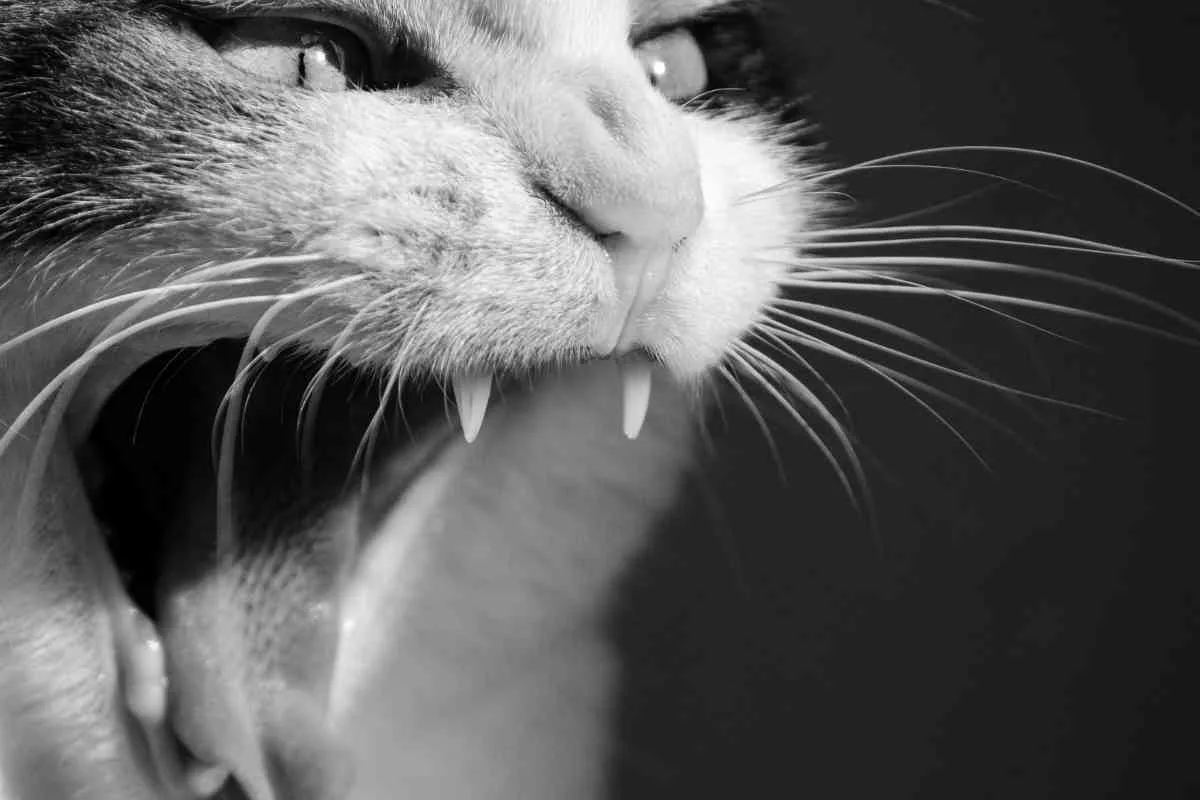
You're petting your cat, she's purring, eyes half-closed, everything feels perfect. Then out of nowhere, she gives you a gentle bite on the hand. If you've ever asked yourself why does my cat bite me gently out of nowhere, you're not alone, it's one of the most common and confusing behaviors cat owners deal with.
Research from the Journal of Feline Medicine and Surgery indicates that almost 70 percent of cat owners report some form of biting during handling or petting. The good news is that most gentle bites aren't aggression. They're a form of communication.
Learning to read the signs changes everything.
Image source: Web (Bing) / pxhere.com (Web image (fair-use with source credit))
Before We Diagnose: The Two-Second Body Language Check
Before you try to figure out the cause, stop and look at your cat's body right when the bite happens. This one observation tells you more than any general list of reasons.
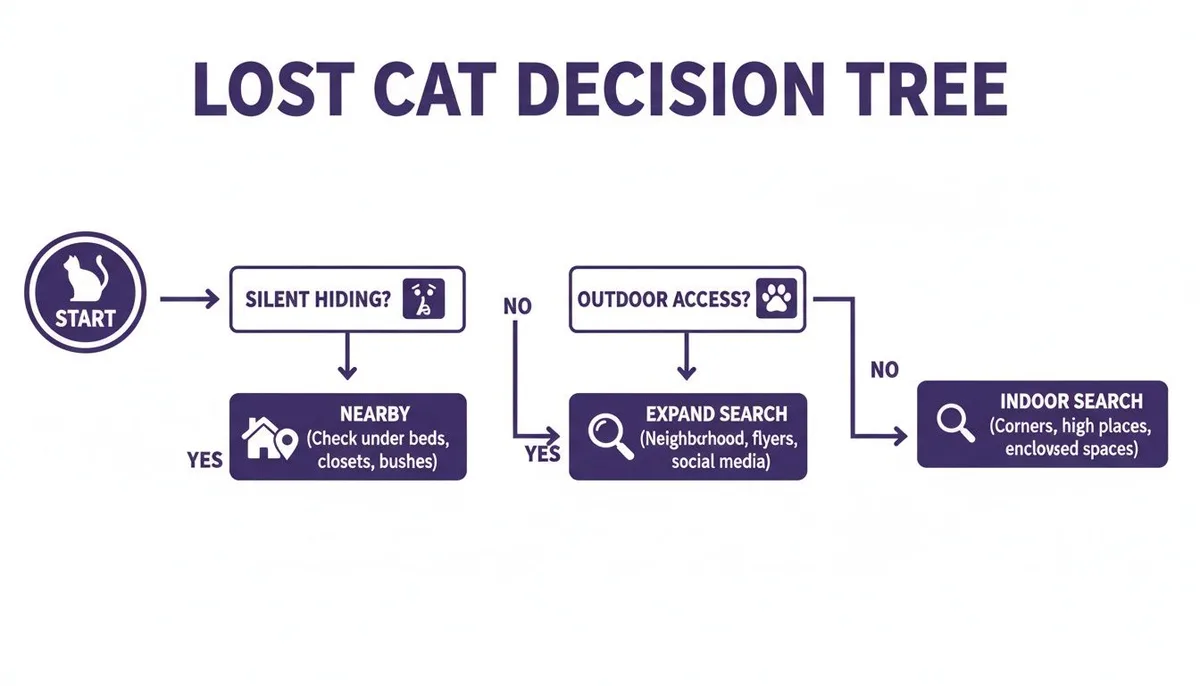
Image source: Bing (Web (fair-use with source credit))
Check three things in under two seconds.
- Tail: Is it twitching or lashing gently? That's overstimulation. A still, raised tail with a hooked tip usually means relaxed.
- Ears: Are they swiveling backward or flattening sideways? That's a warning sign. Ears forward and relaxed means calm.
- Skin: Do you see a ripple or twitch along the back or shoulders? That's the classic "I've had enough" signal.
These cues are documented in feline behavior research from the American Veterinary Medical Association. When you spot any of them, the bite is almost always a request to stop, not a surprise attack.
If the tail is still, ears forward, and no skin ripple, the bite might be affectionate or playful. That distinction matters because your reaction changes based on the cause.
Decision Tree: Find the Cause in 4 Questions
Now let's narrow it down. Answer these four questions in order. Each one points to a different reason.
1. Were you petting her when the bite happened?
If yes, it's likely petting-induced overstimulation. Cats have a threshold for how much touch they can tolerate. Once they hit that limit, they bite as a "stop" signal.
You can test this by counting how many strokes happen before the bite. If it's consistent (say, always after five strokes), you've found your trigger.
2. Is she purring or kneading while biting?
If yes, it's probably a love bite. Cats often mix purring, kneading, and gentle mouthing as a sign of affection. The bite is soft, teeth don't sink in, and she often licks afterward.
This is normal bonded behavior.
3. Does the bite happen during play or right after you move quickly?
If yes, it's play biting. Cats are hardwired to chase and grab moving objects. Your hand moving away looks like prey.
This is especially common in kittens and high-energy breeds.
4. Has the biting started or gotten worse recently?
If yes, consider pain or stress. Dental disease, arthritis, or a hidden injury can make a cat defensive. A sudden change without other triggers means a vet visit should come first.
Each answer leads to a different approach. Next, we'll walk through the most common scenarios.
Love Bites vs. Overstimulation – the Difference Matters
These two get mixed up the most, and mixing them up leads to the wrong response.
| Signal | Love Bite | Overstimulation Bite |
|---|---|---|
| Body language | Relaxed, eyes half-closed, maybe kneading | Tail twitching, ears flattening, skin rippling |
| Bite intensity | Very gentle, no pain, often with licking | Harder, often a quick pinch that makes you pull away |
| Timing | During relaxed bonding, often when she's on your lap | Usually after several minutes of petting |
| After the bite | She stays close, may rub against you | She jumps down or turns away |
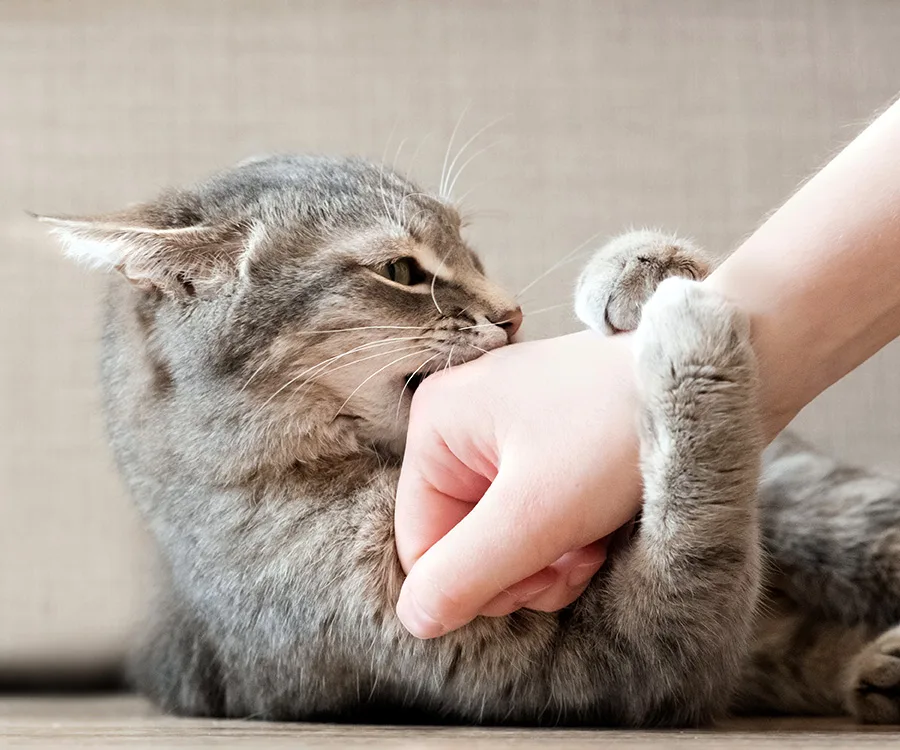
Image source: Bing (Web (fair-use with source credit))
Love bites are a sign of trust. Your cat is using her mouth to groom or bond with you, much like she would with another cat. The bite doesn't escalate and she stays calm.
Overstimulation bites are a release valve. Your cat is saying "I'm done" the only way she knows. The bite usually starts and ends quickly, but it's firmer.
The key difference is what happens next: the overstimulated cat wants space.
Your reaction matters here. For love bites, you can gently redirect to a toy or just accept the nibble. For overstimulation, you need to stop petting before the bite, not after.
Watch for the body language signs we talked about earlier.
Play Bites – the Energy Release Valve
Play bites feel different. They're usually aimed at moving hands or feet, and they often come with bunny kicks or pouncing.
This behavior is normal for kittens. Between four and nine months, cats are learning bite inhibition through play. If they don't get enough interactive play, they redirect that energy onto your hands.
The fix is simple and backed by research from the Cornell University College of Veterinary Medicine. Provide two 15-minute play sessions each day with a wand toy. Let your cat chase, pounce, and bite the toy, not your hand.
If she bites your hand during play, stop moving immediately. Freeze your hand. A moving hand is prey.
A still hand is boring. When she releases, redirect her to the toy.
Never punish a play bite. Yelling or pulling away makes the game more exciting. Instead, end the play session for a few minutes.
She'll learn that biting stops the fun.
When It's Not Just Behavior – Ruling Out Pain
Sometimes the gentle bites aren't about emotion or play. They're about pain.
A cat in discomfort may bite gently as a warning when touched near the sore spot. This is especially common with dental problems, arthritis, or skin conditions. The bite is soft but persistent, and it often happens when you pet a specific area like the lower back or the head.
If you notice any of these signs, schedule a vet appointment:
- The biting started suddenly in an adult cat with no history of it
- Your cat flinches or avoids certain types of touch
- She's eating less or dropping food (dental pain)
- She's less active or hesitates to jump (joint pain)
The American Veterinary Medical Association recommends a complete physical exam for any sudden behavior change in adult cats. Pain is a leading cause of "out of nowhere" biting, and it's often treatable.
Once health issues are ruled out, you can focus on training and environmental changes with confidence.
Common Owner Mistakes That Make Biting Worse
Even with good intentions, we often make the problem worse without realizing it. Let's look at the most common ones.
Pulling your hand away fast. This is the biggest one. When a cat bites, your instinct is to jerk your hand back. But a fast-moving hand looks like prey.
It triggers the chase instinct, and the cat bites harder or goes for your hand again. Instead, freeze. Stop moving.
Wait for her to release.
Punishing or scolding. Yelling, tapping the nose, or pushing the cat away teaches her one thing: you're unpredictable and scary. That can turn a gentle overstimulation bite into a fear bite over time. Cats don't connect punishment with the behavior the way we think they do.
They just learn to be more cautious around you.
Ignoring the early warning signs. We talked about tail twitches and ear flattening. If you miss those, the bite is the only way your cat can tell you she's done. The solution is simple: stop petting before the warning signs turn into a bite.
Count your strokes. Watch her tail. Respect her limit.
Inconsistent reactions from different family members. If one person stops petting when the cat bites and another keeps going, the cat gets mixed signals. She never learns a clear rule. Decide as a household how you'll respond and stick to it.
Not providing enough enrichment. A bored cat will find her own entertainment. Gentle biting can become a way to get attention or release pent-up energy. More play, puzzle feeders, and climbing spaces help a lot.
Frequently Asked Questions (FAQ)
Why does my cat bite me gently while purring?
Purring combined with gentle biting usually means affection. Your cat is happy and bonded with you. The bite is a soft "I love you" that comes from kittenhood, when mother cats groom and nibble their kittens.
As long as she's relaxed, this is normal behavior.
Should I let my cat gently bite me?
That depends. If it's a love bite with no tension in her body, many owners accept it as part of the bond. But if it's overstimulation or play biting, it's better to redirect.
Letting it continue can lead to harder bites over time.
How do I stop my cat from biting me gently?
Start by identifying the cause using the decision tree above. For overstimulation, stop petting earlier. For play biting, add more structured play sessions.
For love bites, redirect to a toy if you don't enjoy the nibbling. Never punish, and freeze your hand instead of pulling away.
Why does my cat bite me when I stop petting?
This usually means she wants more attention. It's a request, not aggression. She's learned that biting gets a reaction from you.
The fix is to end petting sessions on your terms and redirect her to a toy or treat before she reaches for your hand.
When should I worry about gentle biting?
Worry when the biting is new, getting harder, or paired with other changes like hiding, reduced appetite, or avoiding touch. Those signs point to pain or stress. A vet visit is the right call in those cases.
Do kittens grow out of biting?
Most kittens grow out of hard play biting by one year old if they learn bite inhibition during play. Gentle mouthing may persist in some cats as a form of communication. The key is teaching them as kittens that hands are not toys by always redirecting to a suitable object.
How to Respond in the Moment
Your reaction during the bite shapes whether it happens again. Here is a simple workflow for each scenario.
If it's a love bite. Stay still. Let her finish the nibble. If you don't enjoy it, gently redirect her mouth to a soft toy.
Pulling away fast can startle her and break trust.
If it's overstimulation. Freeze your hand. Do not pull back. Wait for her to release, then calmly stand up and walk away.
End the petting session for at least 10 minutes. She learns that the bite makes you leave.
If it's a play bite. Stop all movement. A still hand is boring. The moment she lets go, offer a wand toy or a crinkle ball.
If she goes for your hand again, walk away and ignore her for 30 seconds.
If you suspect pain. Stop petting that area. Note which spot triggered the bite. Call your vet and describe what happened.
Do not test the area again until she has been examined.
In every case, stay calm. Your cat reads your tension. A quiet, predictable reaction builds trust faster than any training gadget.
Training Techniques That Actually Work
The most effective approach is prevention through positive reinforcement. You reward the behavior you want and remove the reward for the behavior you don't.
Start with short petting sessions. Count strokes out loud. Stop at stroke three or four, before her threshold.
Offer a treat. Then resume. Over time, you can slowly increase the stroke count.
For play biting, use the "nothing in life is free" method. Before every meal, do a two minute wand toy session. Let her catch and bite the toy.
Then give her food. She learns that play energy belongs on the toy, not your hands.
Aggregate owner reports from large rescue organizations show that consistent redirection works in about three to four weeks for most cats. The key is never slipping back into hand play.
Avoid spray bottles and loud noises. They suppress the behavior temporarily but damage the relationship. Your cat stops biting out of fear, not understanding.
That often leads to more subtle stress signs like hiding or avoiding you.
When a Vet or Behaviorist Is the Right Call
Some situations need professional help. Here is when to stop troubleshooting and make an appointment.
Call your vet if:
- The gentle biting started suddenly in a cat over two years old
- It's getting harder or more frequent over a short period
- Your cat shows other signs like hiding, not eating, or avoiding the litter box
- Biting happens when you touch a specific body part
Call a veterinary behaviorist if:
- You've tried the techniques in this article for four weeks with no improvement
- The biting is paired with hissing, swatting, or growling
- Your cat bites multiple people in the household unpredictably
- There's been a major change (new baby, move, loss of another pet) and biting started after
The American College of Veterinary Behaviorists lists board certified specialists who can create a customized plan. Some cases are straightforward. Others need a deeper look at your cat's history and environment.
A behaviorist might recommend medication for anxiety in rare cases. But for most gentle biting, environmental changes and consistent owner response are enough. Trust your gut.
If the biting worries you, get help. It's better to rule out the serious stuff and be wrong than to wait and have a problem escalate.

Similar Posts