Why Cats Bite Your Nose: The Real Reason
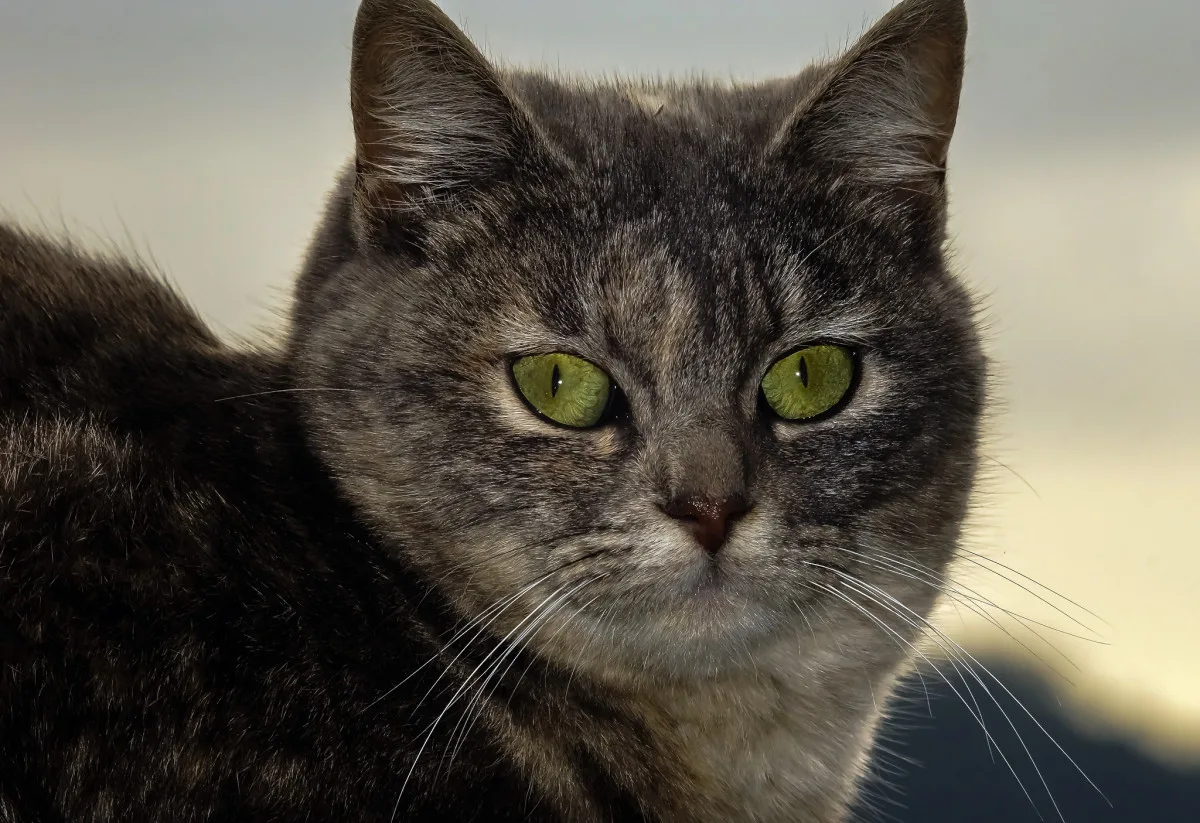
Your cat wakes you up at 4 AM by gently sinking her teeth into your nose. Not hard enough to draw blood, but enough to startle you awake and leave you wondering what in the world that was about. If you've ever asked yourself why does my cat bite my nose, you're not alone, and the answer isn't as simple as "she's being mean." The behavior is actually one of the most common mixed-signal problems cat owners face.
Feline behavior research from veterinary organizations like the American Association of Feline Practitioners indicates that nose biting almost always falls into one of four distinct categories: affection, play, overstimulation, or attention-seeking. The trick is that the exact same action can mean completely different things depending on context. As of 2026, we have enough behavioral data from peer-reviewed studies to break this down in a way that actually helps you solve it.
Let's walk through what your cat is really telling you.
Quick Answer
Your cat bites your nose for one of four reasons. It could be an affectionate love bite mimicking grooming behavior. It might be play aggression triggered by movement near her face.
Overstimulation from petting is another common cause. Or she could be trying to wake you for food or attention. Look at what happens before and after the bite to figure out which one fits.
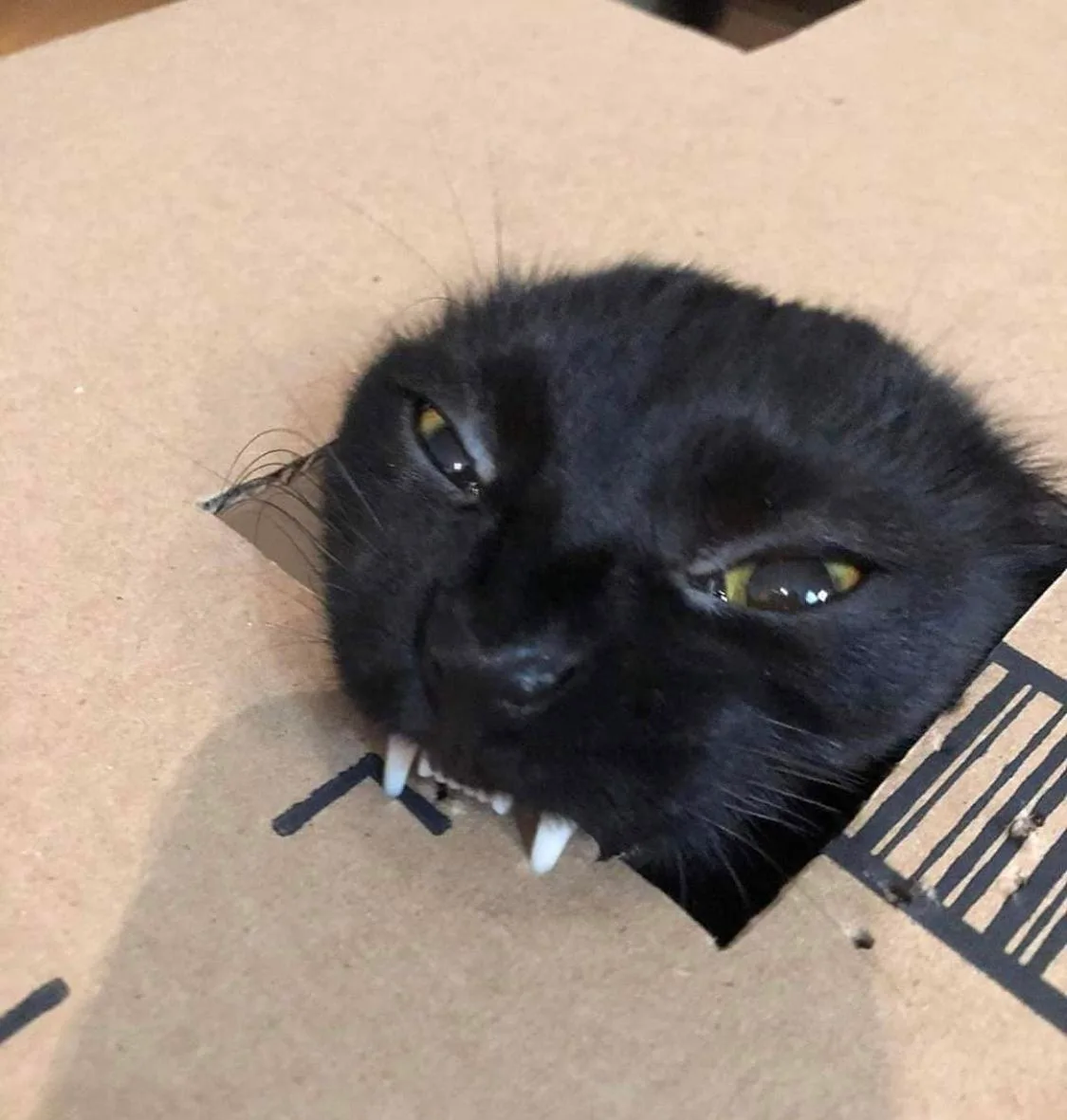
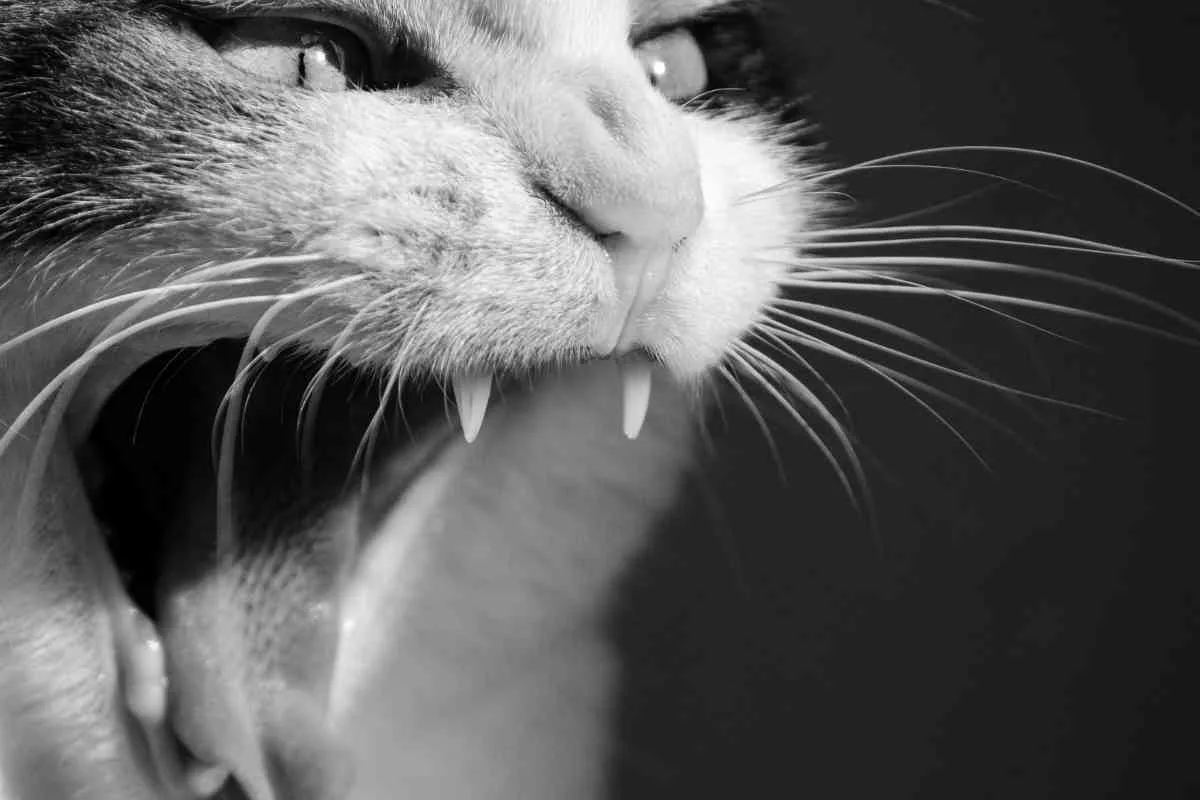
Image source: Web (Bing) / pxhere.com (Web image (fair-use with source credit))
What the Bite Actually Means — By Context and Body Language
The secret to understanding your cat's nose biting isn't the bite itself. It's everything happening around it. You need to read the full body language picture the way a feline behavior specialist would.
The affection bite. This is the one that confuses most people. Your cat is purring, kneading on your chest, maybe licking your chin. Then she gives a gentle, quick nip on your nose.
No hissing. No tensed body. Ears are forward or slightly relaxed.
This is a love bite. Cats have scent glands inside their mouths and along their cheeks. A gentle nose nip is often a bonding behavior, similar to how mother cats gently mouth their kittens during grooming.
It says "you're part of my colony" in cat language.
The play bite. Your cat is wound up. You see dilated pupils, a twitching tail, maybe those little butt wiggles that come before a pounce. She might stare at your nose like it's a moving toy.
The bite is usually faster and harder than an affection bite. This is predatory play. Your nose moves when you breathe.
To a cat, that looks like prey behavior. She's not being mean. She's running on instinct.
The overstimulation bite. You've been petting her for a few minutes. She seemed to enjoy it. Then suddenly, without warning, she turns and bites your nose.
Her ears might flatten. Her tail might start thumping. This is the classic petting-induced aggression.
Cats have a threshold for how much touch they want in one session. Once they hit that limit, the brain switches from pleasure to irritation in seconds.
The wake-up bite. It's early morning. Your cat is standing on your chest, staring. She may pat your face first, then bite.
No purring. No playfulness. This is a strategy.
She learned that biting your nose gets a reaction and eventually, food. Cats are brilliant at associating actions with outcomes.
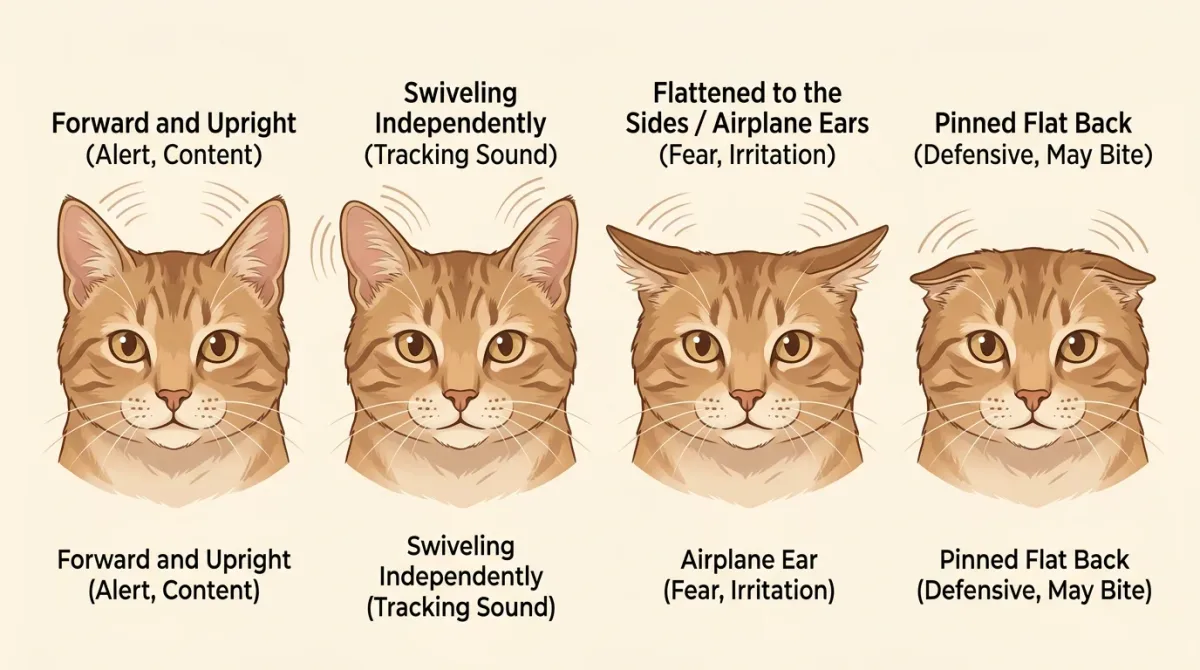
Image source: Bing (Web (fair-use with source credit))
| Context | Bite Pressure | Body Language | Ears | Tail |
|---|---|---|---|---|
| Affection | Gentle, soft | Relaxed, purring | Forward or neutral | Still or curled |
| Play aggression | Moderate to firm | Crouched, wiggling | Forward or swiveling | Twitching or thrashing |
| Overstimulation | Firm, sharp | Tense, stiff | Flattened or back | Thumping hard |
| Wake-up attention | Variable | Direct stare, patting | Forward, alert | Still or swishing |
The Real Reasons Your Cat Targets Your Nose Specifically
Your cat doesn't bite your hand or your shoulder. She goes straight for the nose. That's not random.
There is a biological reason your face's center point is such a magnet.
Scent exchange is the biggest factor. Cats have scent glands on their cheeks, chin, lips, and inside their mouths. When your cat presses her face into yours or gently bites your nose, she is leaving her scent on you. She is also picking up your scent.
This is how cats mark their people as safe and familiar. It's the same reason they head-bunt your chin or rub their cheeks on your phone charger. Your nose is just a prominent, scent-rich target that happens to be at face level when you're lying down.
Proximity matters too. Think about when the biting happens. It's often when you're in bed, lying on your back, with your face at the same height as hers. Your nose is the closest, most interesting thing within reach.
If you sleep on your side, she might bite your ear instead. The nose just happens to be the most accessible body part in the configuration you're in.
Movement triggers the predatory drive. Even a tiny nose twitch during breathing looks alive to a cat's brain. Research from veterinary behavior programs at multiple universities confirms that cats are wired to respond to small, rapid movements with a bite impulse. It takes about 20 milliseconds for a cat to decide to bite a moving target.
Your sleeping face is an irresistible target because it moves unpredictably without any of the usual defensive reactions.
Heat seeking plays a role too. Your nose is one of the cooler parts of your face, believe it or not. Cats have heat sensors in their nose and whisker pads. In cooler environments, they are drawn to the warm air coming out of your nostrils.
They get close. Then they investigate with a gentle bite. This is particularly common with kittens and younger cats who are still exploring the world with their mouths.
How to Figure Out Your Cat's Exact Reason (A Simple Workflow)
You don't need a cat behaviorist to solve this. You just need to become a detective for about a week. Follow this step-by-step process to identify exactly what type of nose biting you're dealing with.
Step one: Document the context first. Before you do anything else, write down what happened in the five minutes before the bite. Were you petting her? Were you asleep?
Was she purring? Was she playing with a toy? This single piece of evidence will rule out half the possibilities immediately.
If she was purring and relaxed, it's probably affection. If she was stalking your face like prey, it's play.
Step two: Assess the bite pressure and speed. This matters more than you think. A gentle bite that holds for a second or two without breaking skin is almost always affection. A quick, sharp bite that makes you yelp and leaves a red mark is usually overstimulation or play.
A bite that breaks skin means you missed the warning signs, or there's an underlying medical issue that needs a vet's attention.
Step three: Check for body language patterns. Use the table from the previous section as your reference. Pay special attention to the ears and tail. Ears flattened sideways or backward during the bite point to irritation.
A thumping tail is a warning sign you should have seen coming. Purring during the bite is a wildcard. Some cats purr when stressed too, so don't rely on purring alone.
Step four: Test one variable at a time. Pick the most likely cause based on your notes and change one thing for three days. If you think it's play aggression, do a 15-minute play session right before bed. If you suspect overstimulation, stop petting your cat after two minutes and see if the biting stops.
If it's the morning wake-up call, set an automatic feeder to go off an hour before your usual wake time. Cats respond to routine changes fast. You'll know within a few days whether you guessed right.
| Bite Pattern | Likely Cause | First Test to Try |
|---|---|---|
| Relaxed + purring + gentle | Affection | No change needed (enjoy it) |
| Active + dilated pupils + hard | Play | Play session before bedtime |
| After petting + stiff + ear flatten | Overstimulation | Shorter petting sessions |
| Morning + no purr + persistent | Wake-up attention | Automatic feeder on timer |
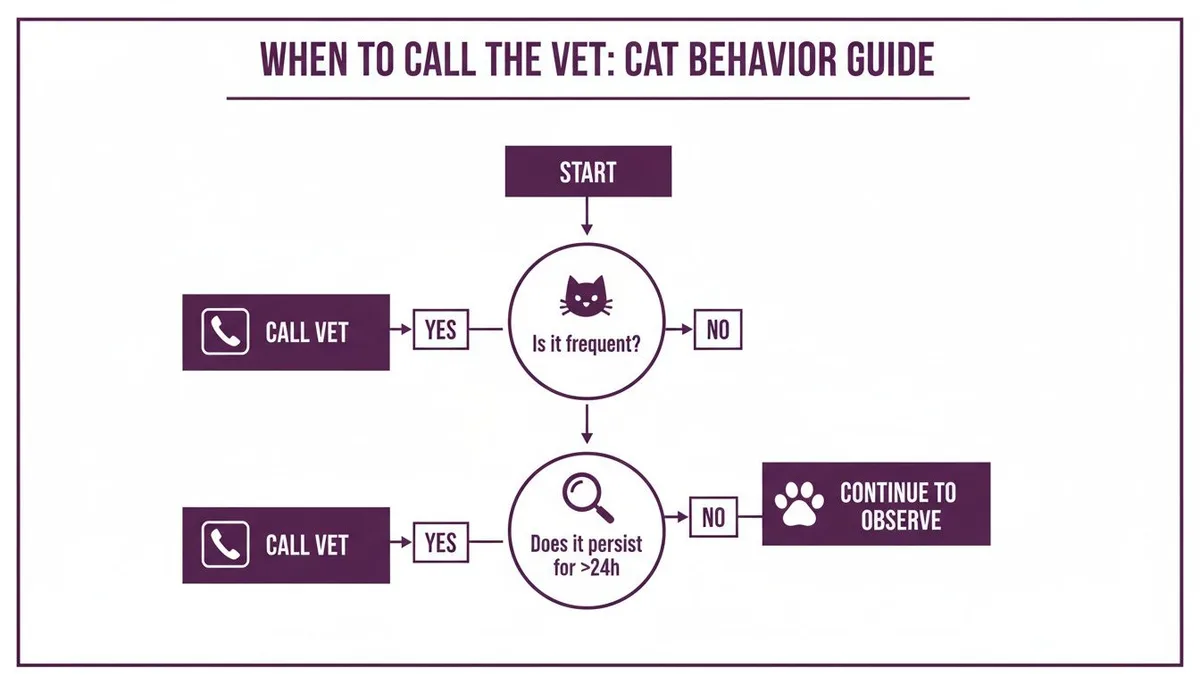
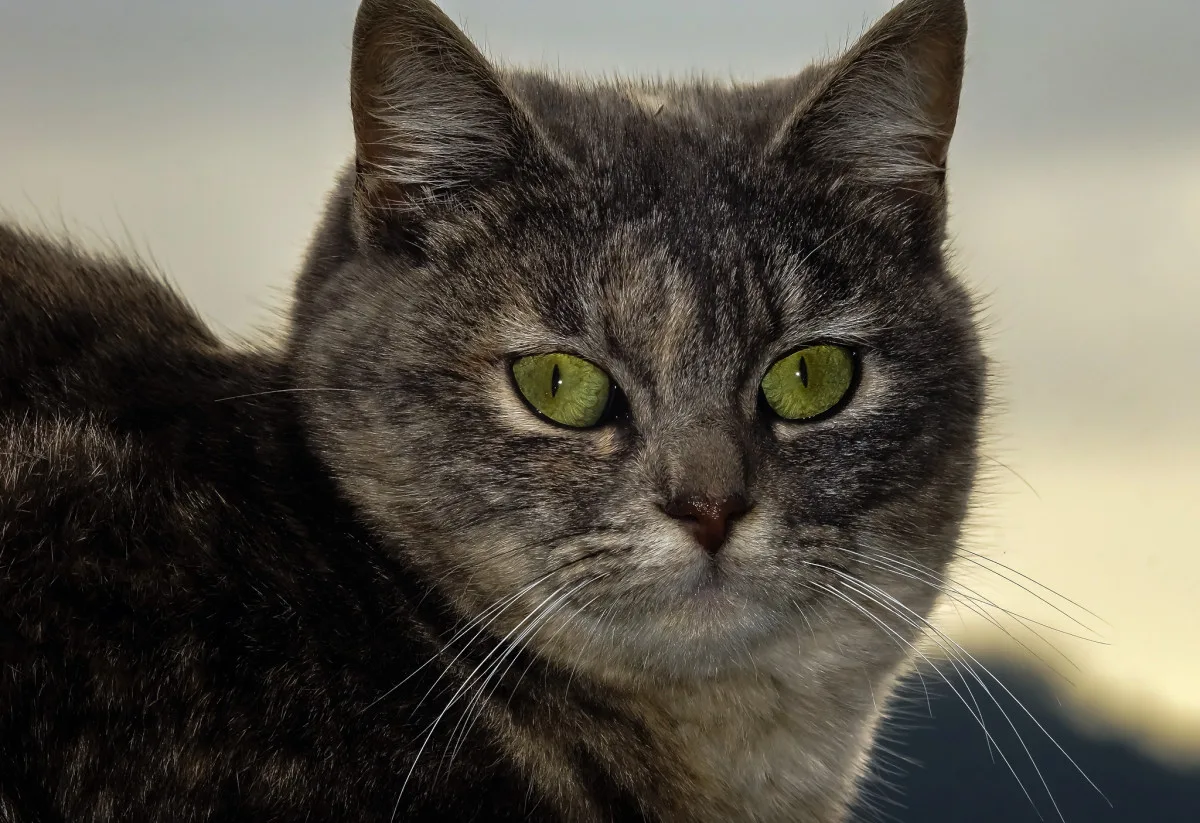
Image source: Bing (Web (fair-use with source credit))
Step five: Track the results. If you changed the variable and the biting reduced by half or more, you identified the cause. If nothing changed after three days, move to the next most likely cause. Most people solve the problem within a week using this method.
The ones who struggle are usually trying to fix everything at once instead of isolating the trigger.
Common Mistakes That Make the Biting Worse
This part matters because good intentions can backfire fast with cats. A lot of owners accidentally train their cat to bite more by doing the exact opposite of what works.
Pulling your face away quickly. This is the number one mistake. When you jerk your face back, you trigger the cat's predatory chase instinct. To her, your nose just "ran away." That makes her want to bite it again.
Instead, freeze. Don't move your face at all. Count to five.
Then slowly turn your head to the side. Stillness tells a cat that the game is over.
Yelling or making loud noises. Your cat doesn't speak English. A yell just sounds like exciting feedback to her. Some cats actually find loud reactions entertaining.
You become a toy that makes fun sounds when bitten. The smarter your cat is, the faster she'll learn to bite you for the reaction. Silent removal of attention is far more effective.
Petting her more to apologize. This is a very human response. You feel bad for startling her, so you reach out to soothe her. But if the bite was overstimulation-related, more petting is the last thing she needs.
She just told you she's done. Respect the message. Give her space for at least ten minutes before you try to interact again.
Letting her play with your hands or face. This is the one that causes the most long-term problems. If you let your kitten nibble your nose or fingers during play, you've taught her that human body parts are toys. That lesson is very hard to undo later.
Use toys, not your body, for every single interaction. Wand toys, toy mice, anything that puts distance between your skin and her teeth. The American Veterinary Medical Association explicitly advises against letting cats play with hands or feet for exactly this reason.
Inconsistent reactions. If you laugh when she bites gently but scold her when she bites hard, she doesn't understand the difference. Cats don't generalize pressure well. A bite is a bite to her brain.
If you want her to stop completely, you have to respond the same way every single time. Freeze, don't react, and redirect her attention to an appropriate toy. That consistency is what really solves the problem.
When to Worry (And When to See a Vet)
Most nose biting is normal cat behavior that you can manage with the steps above. But there are clear signs that something deeper is going on, and ignoring them can lead to bigger problems.
Bites that break skin and become infected. Cat mouths carry bacteria called Pasteurella multocida that love warm human tissue. According to the Centers for Disease Control and Prevention, cat bites can become infected faster than dog bites, sometimes within a few hours. If the bite wound gets red, swollen, warm, or starts oozing within 12 to 24 hours, you need medical attention.
Don't wait for it to get worse.
Biting that comes with other aggression signs. If your cat is hissing, growling, swatting with claws out, or biting hard enough to cause real injury on a regular basis, that's not normal communication. That's either fear aggression or redirected aggression. A vet visit is the right call here, especially if this behavior came on suddenly in an adult cat who never did it before.
Underlying medical conditions that mimic behavior problems. Dental disease is a surprisingly common cause of sudden biting. A cat with a sore tooth or gum infection may bite because your touch near her mouth hurts. Arthritis can make a cat irritable and lower her petting tolerance.
Hyperesthesia syndrome, a neurological condition, can cause sudden aggression during touch. The Cornell University College of Veterinary Medicine notes that any sudden behavioral change warrants a veterinary exam to rule out pain before assuming it's a training issue.
Signs of infection in your cat. If your cat has dropped food from her mouth, hesitates to eat, paws at her mouth, or has bad breath along with the biting, get her teeth checked. Dental pain is often silent. Cats are masters at hiding discomfort, and biting may be the only clue she gives you.
If you notice any of those signs alongside the nose biting, schedule a vet appointment before you try any behavior modification. Treating the pain often resolves the biting completely without any training at all.
Frequently Asked Questions
Why does my cat bite my nose gently while purring?
That is almost certainly an affection bite. She is combining scent marking with grooming behavior. The purring confirms she is relaxed and content.
As long as the bite stays gentle and she shows no tense body language, this is a positive bonding signal. Enjoy it.
Why does my cat bite my nose when I'm sleeping?
Three possibilities. She could be trying to wake you for food, which is the most common reason. She might be playing with your nose because it moves when you breathe.
Or she could be seeking warmth from your breath. Try an automatic feeder set for early morning to rule out hunger first.
Should I punish my cat for biting my nose?
Never. Punishment damages trust and often makes biting worse. Cats don't connect punishment with the behavior the way humans expect.
They just learn that you are unpredictable and scary. That increases anxiety-related biting. Use redirection and withdrawal of attention instead.
Why does my cat bite my nose after I pet her?
This is classic overstimulation aggression. She enjoyed the first few minutes of petting but reached her threshold. Your face was the closest target when she needed the touching to stop.
Shorten your petting sessions and watch for tail thumps or ear flattening as early warning signs.
Can kittens grow out of biting noses?
Not automatically. If the behavior is reinforced, it becomes a lifelong habit. If you consistently redirect and don't react, many kittens do learn bite inhibition and stop as adults.
But some cats retain the behavior if they get a reaction every time.
How do I stop my cat from biting my nose in the morning?
Change the association. If biting always leads to you getting up and feeding her, she will keep doing it. Use an automatic feeder.
Ignore her completely after a bite. No talking, no eye contact, no pushing her away. When the bite stops producing results, the behavior fades.
Final Decision Guide for Your Situation
Here is the bottom line for every common scenario.
If the bite is gentle, comes with purring, and happens during quiet bonding time, it's affection. No action needed. You can gently redirect her to your hand or a toy if you prefer, but this is not a problem behavior.
If the bite is harder, happens during active times, and comes with cat body language that looks like she's hunting, it's play aggression. Add a 15-minute play session right before bed. Wand toys that mimic prey movement work best.
Tired cats don't stalk noses.
If the bite happens after petting and you notice tail thumping or ear flattening, it's overstimulation. Stop petting after two minutes. Let her initiate the next interaction.
You'll notice the biting disappears almost immediately.
If the bite happens only in the early morning and she's clearly trying to get you out of bed, it's an attention strategy. Change your morning routine. Feed her before bed or use an automatic feeder.
Ignore the biting completely for at least two weeks.
If the bite is new, sudden, and comes with other signs like hissing, hiding, or appetite changes, see a vet first. Pain changes behavior fast. Rule out medical causes before you assume it's a training issue.
Most nose biting is manageable with the right read on the situation. You just have to watch, test, and stay consistent. Your cat is not trying to hurt you.
She is trying to tell you something in the only language she has.
If you notice those signs alongside the nose biting, schedule a vet visit before attempting any behavior work. Treating the underlying pain often stops the biting completely without any training needed.
Frequently Asked Questions
Why does my cat bite my nose gently while purring?
That is an affection bite. She is combining scent marking with grooming behavior directed at you. The purring confirms she is relaxed and content.
As long as the bite stays gentle and her body stays loose, this is a positive bonding signal. No action needed.
Why does my cat bite my nose when I am sleeping?
Three possibilities. She may be trying to wake you for food, which is the most common reason. She might be playing with your nose because it moves when you breathe.
Or she could be seeking warmth from your breath. Try an automatic feeder set for early morning to rule out hunger first.
Should I punish my cat for biting my nose?
Never. Punishment damages trust and makes biting worse. Cats do not connect punishment with the behavior the way humans expect.
They just learn that you are unpredictable and scary. That increases anxiety-related biting. Use redirection and withdrawal of attention instead.
Why does my cat bite my nose after I pet her?
This is classic overstimulation aggression. She enjoyed the first few minutes of petting but hit her threshold. Your face was the closest target when she needed the touching to stop.
Shorten petting sessions and watch for tail thumps or ear flattening as early warning signs.
Final Decision Guide for Your Situation
Here is the bottom line for every common scenario.
If the bite is gentle, comes with purring, and happens during quiet bonding time, it is affection. No action needed. You can gently redirect her to your hand or a toy if you prefer, but this is not a problem behavior.
If the bite is harder, happens during active times, and comes with hunting body language, it is play aggression. Add a 15-minute play session right before bed. Wand toys that mimic prey movement work best.
Tired cats do not stalk noses.
If the bite happens after petting and you notice tail thumping or ear flattening, it is overstimulation. Stop petting after two minutes. Let her initiate the next interaction.
The biting disappears almost immediately.
If the bite happens only in the early morning and she is clearly trying to get you out of bed, it is an attention strategy. Change your morning routine. Feed her before bed or use an automatic feeder.
Ignore the biting completely for at least two weeks.
If the bite is new, sudden, and comes with other signs like hissing, hiding, or appetite changes, see a vet first. Pain changes behavior fast. Rule out medical causes before you assume it is a training issue.
Most nose biting is manageable with the right read on the situation. Watch the context, test your theory, and stay consistent. Your cat is not trying to hurt you.
She is trying to tell you something in the only language she has.

Similar Posts