Why Does My Cat Bite My Dog’s Neck?

You've probably seen it happen and immediately felt your stomach drop. Your cat grabs your dog by the neck, and you're left wondering "why does my cat bite my dogs neck" and whether you should be worried. It's one of the most common questions in multi-pet households, and the answer isn't always straightforward.
The short version is that cats bite dogs' necks for several different reasons, ranging from harmless social grooming to serious predatory aggression. As of 2026, veterinary behavior research confirms that context and body language matter far more than the bite itself. A quick glance at the wrong cues and you can mistake a loving gesture for an attack, or worse, an attack for play.
Let's break down what's really going on so you can tell the difference and know when to step in.
Image source: Bing (Web (fair-use with source credit))
Quick Answer
Your cat bites your dog's neck mostly as instinct. It can mean play, grooming, or dominance. It can also signal fear or predatory drive.
The key is watching the body language around the bite. Tension, growling, or flattened ears mean trouble. Relaxed postures and soft bites mean it's probably fine.
Core Explanation: Why Cats Bite Dog Necks
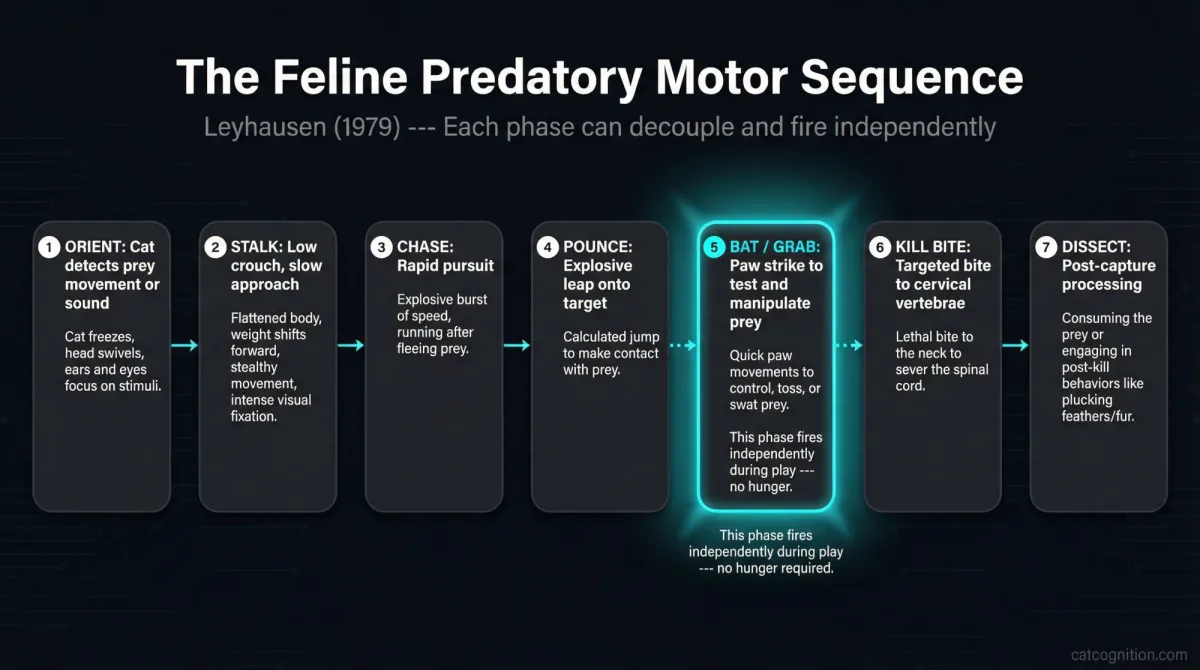
Image source: Bing (Web (fair-use with source credit))
Is it play or is it aggression?
That's the million-dollar question for anyone watching their cat latch onto their dog's neck. The honest answer is that it can be either, and sometimes both, depending on the situation.
Cats are hardwired to grab prey by the neck. It's how they immobilize and kill small animals in the wild. That instinct doesn't disappear just because they live in a cozy house with a friendly dog.
When your cat grabs your dog by the neck, part of that behavior comes from the same neural pathway.
But here's where it gets complicated. Mother cats also carry their kittens by the scruff of the neck. Adult cats groom each other by nibbling around the neck and face.
And kittens learn to play-fight by pouncing on their littermates' necks. So the same physical action can mean radically different things.
The four main reasons behind the bite
Social grooming and bonding. This is the most common and least harmful reason. Cats that feel close to a dog will sometimes groom them, especially around the head and neck where the dog can't reach. A gentle bite with licking, purring, and relaxed body language is your cat showing affection.
Think of it as a love nibble.
Play behavior. Cats and dogs play differently, and that mismatch causes confusion. A cat that initiates play bites the dog's neck lightly, then bounces away and waits for a chase. The bites are inhibited, meaning the cat isn't applying real pressure.
The dog typically seems unbothered or plays back.
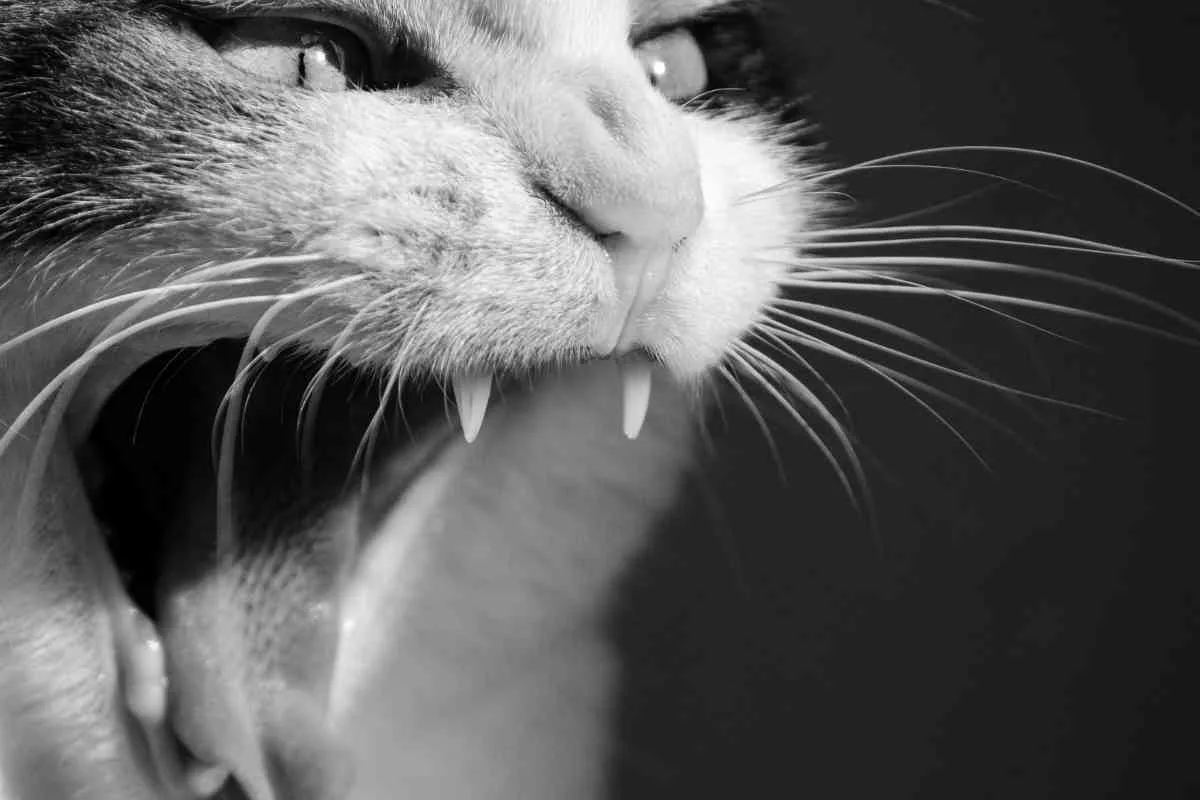
Predatory behavior. This is when you need to pay close attention. If your cat stalks the dog, pounces, and bites the neck with intent to hold, that's prey drive kicking in. The cat's body will be tense, pupils dilated, and tail twitching.
This is not play. It's instinct telling the cat that the dog looks like prey.
Redirected aggression or fear. Sometimes the cat isn't actually angry at the dog. Something else triggered them, a bird outside the window, a loud noise, another cat, and the dog happened to be nearby. The cat lashes out at the nearest target.
This usually comes with hissing, flattened ears, and a puffed-up tail.
How to read the body language
The bite itself tells you less than everything happening around it. Watch the cat's ears, tail, pupils, and posture. A cat that's playing or grooming will have forward-facing ears, a relaxed tail, and normal pupils.
A cat that's being aggressive will pin its ears back, puff its tail, and have dilated pupils.
Also watch the dog's reaction. A dog that yelps, flinches, or tries to get away is telling you the bite hurts or scares them. A dog that lies still and tolerates it might be submitting or might be too nervous to move.
Neither is ideal.
Problem & Pain Points: When It's Not Just Play
Most people don't realize how quickly a seemingly harmless neck bite can escalate. The real problem isn't the bite itself. It's misreading the situation and missing the warning signs until someone gets hurt.
The size mismatch risk
A small dog and a large cat create a dangerous dynamic. A ten pound cat can do real damage to a five pound Chihuahua or Yorkie. The cat's jaw can clamp around a small dog's trachea in a way that's impossible with a larger dog.
This is one of those situations where the stakes are genuinely high.
Conversely, a very large dog with a small cat can lead to injury even during play. The dog might not mean harm, but a heavy paw or a clumsy pounce can break a cat's bones. Neck biting from either animal in a size-mismatched pair needs more supervision than a well-matched pair.
The escalation trap
Here's a pattern we see over and over in multi-pet households. The cat bites the dog's neck lightly during play. Nothing happens.
The cat bites a bit harder next time. Still nothing. The cat learns that biting the dog's neck gets attention, feels good, or gets the dog to move.
So the behavior escalates.
Before you know it, what started as a gentle nibble turns into a clamped hold with growling. The dog starts avoiding the cat. The cat starts seeking out the dog.
Tension builds until one day a real fight breaks out and someone ends up at the vet.
The frustrating part is that this escalation can happen slowly over weeks or months. You hardly notice until it's a real problem.
Hidden injuries you might miss
Cat teeth are sharp and narrow. They can puncture deep into tissue without leaving much of a mark on the surface. A neck bite might look like nothing more than a tiny red dot, but underneath the skin, bacteria are being pushed deep into the wound.
Puncture wounds on the neck are especially dangerous because of what's underneath. The jugular vein, trachea, esophagus, and major nerves all run through that area. A deep enough bite can cause serious internal damage that isn't visible from the outside.
Signs of a hidden injury include swelling, warmth, discharge, lethargy, loss of appetite, or the dog flinching when you touch their neck. If you see any of these after a neck bite incident, a vet visit is non-negotiable.
The stress factor for both animals
Even when no one gets physically hurt, neck biting creates stress. The dog learns that the cat is unpredictable. The cat learns that the dog is a source of frustration or fear.
Both animals start walking on eggshells around each other.
Chronic stress in cats leads to urinary issues, overgrooming, hiding, and aggression. Chronic stress in dogs leads to anxiety, destructive behavior, and reactivity. The neck biting isn't just a behavioral quirk.
It's a symptom of a household dynamic that needs attention.
Safe Practices: How to Manage and Prevent Neck Biting

Image source: Bing (Web (fair-use with source credit))
The good news is that most neck biting situations can be managed with the right approach. You don't need to rehome anyone or turn your house into a battle zone. You just need to understand what your cat needs and set up your environment to meet those needs.
Create escape routes and safe zones
The single most effective thing you can do is give your cat a way out. Cats that feel trapped are more likely to bite. Cats that know they can leave a situation are calmer and less reactive.
Install cat shelves or wall perches that your dog can't reach. Keep at least one room in the house that's off-limits to the dog entirely, with a baby gate or a cat door the dog can't fit through. Make sure the cat's food, water, and litter box are in a dog-free zone.
This isn't just about safety. It's about giving your cat a sense of control. When a cat knows they can escape, they're less likely to feel the need to bite first.
Interrupt the behavior, don't punish it
Never yell at or physically punish your cat for biting the dog's neck. Punishment increases anxiety and makes the cat more likely to redirect aggression toward the dog. It also damages your relationship with the cat.
Instead, interrupt the behavior calmly. Make a sharp noise like clapping or saying "eh eh." Distract the cat with a toy or a treat. Separate the animals for a few minutes to let everyone cool down.
Then figure out what triggered the bite in the first place.
Meet your cat's predatory needs
Many neck biting problems stem from unmet predatory instincts. Your cat needs an outlet for that stalking, pouncing, and biting drive. Without one, they'll practice on your dog.
Interactive play sessions with wand toys are your best tool. Spend ten to fifteen minutes twice a day playing with your cat in a way that mimics hunting. Let them stalk, chase, pounce, and bite the toy.
End the session by giving them a treat or a meal to complete the "hunt."
Puzzle feeders, treat balls, and foraging toys also help satisfy that instinct. A cat that gets to hunt for their food is a cat that's less likely to hunt your dog.
Manage the dog's role too
Sometimes the dog is provoking the cat and doesn't realize it. A dog that stares at the cat, follows them around, or invades their space is creating tension. The cat bites the dog's neck as a way of saying "back off."
Teach your dog a reliable "leave it" cue. Reward them for ignoring the cat. Give the dog plenty of exercise and enrichment so they're not fixated on the cat out of boredom.
When separation is the right call
Some cats and dogs simply don't get along. That's not a failure on your part. It's a personality mismatch.
In those cases, managed separation is the safest long-term solution.
Keep them in separate areas when you can't supervise. Use crates, gates, or closed doors. Rotate which animal has access to common areas.
It's not ideal, but it's better than constant stress or a serious injury.
When to Seek Professional Help
Some neck biting situations require more than home management. Knowing when to call in a professional can prevent a bad situation from becoming a tragic one.
Signs that professional help is needed
A single incident of neck biting with injury is already a reason to consult a vet. But there are earlier warning signs that indicate you need professional guidance.
Watch for bites that break the skin, even if they seem small. Bites accompanied by growling, hissing, or snarling. A cat that actively stalks and hunts the dog.
A dog that shows fear or avoidance of the cat. Escalating frequency or intensity of bites over time. Any neck bite involving a size mismatch where the smaller animal could be seriously hurt.
If you see any of these patterns, don't wait for it to get worse.
Who to call and what to expect
Your first stop should be your regular veterinarian. They can rule out medical causes for the behavior, like pain or illness, and assess any injuries. They can also prescribe anti-anxiety medication if stress is a factor.
For behavioral issues, ask your vet for a referral to a veterinary behaviorist. These are veterinarians with advanced training in animal behavior. They can create a customized behavior modification plan for your specific household.
The American Veterinary Medical Association maintains a directory of board-certified veterinary behaviorists. Per their standards, a behaviorist will do a thorough history, observe your animals, and give you a step-by-step plan with realistic timelines.

Similar Posts