Why Do Female Cats Attack Males After Mating?

Ever watched a female cat turn on a male the second they separate? One minute she is calling out to him. The next she is screaming, hissing, and swatting like he is the enemy.
This reaction is one of the most startling behaviors in the feline world, and it raises a very logical question: why do female cats attack males after mating? It feels personal, but the truth is far more mechanical.
The answer lies deep in feline reproductive biology. A queen must mate three to four times within a 24-hour window to reliably trigger ovulation. The post-mating aggression is nature's way of enforcing a necessary break between those sessions.
It is not a sign of a failed relationship. It is a finely tuned biological clock. Let us break down what is really happening under the surface.
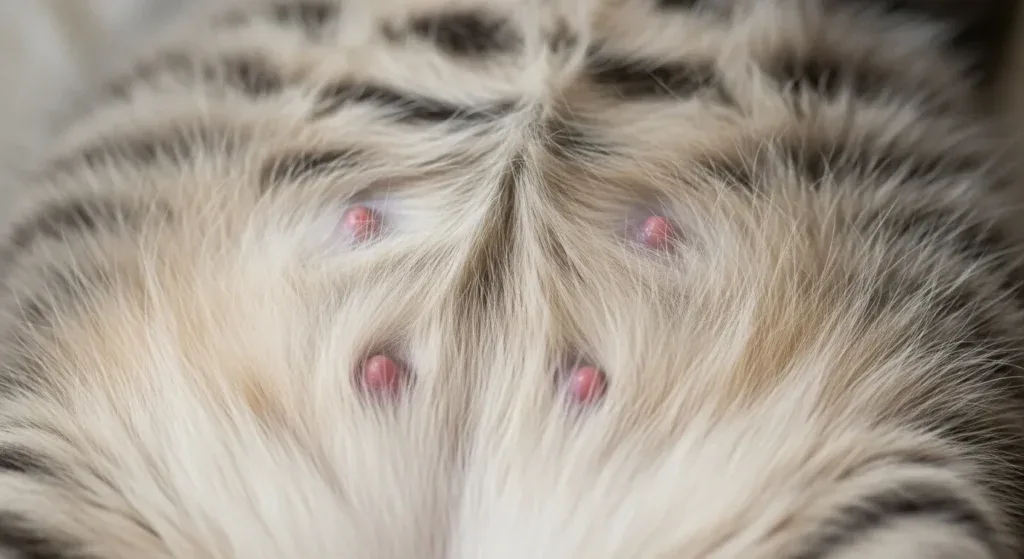
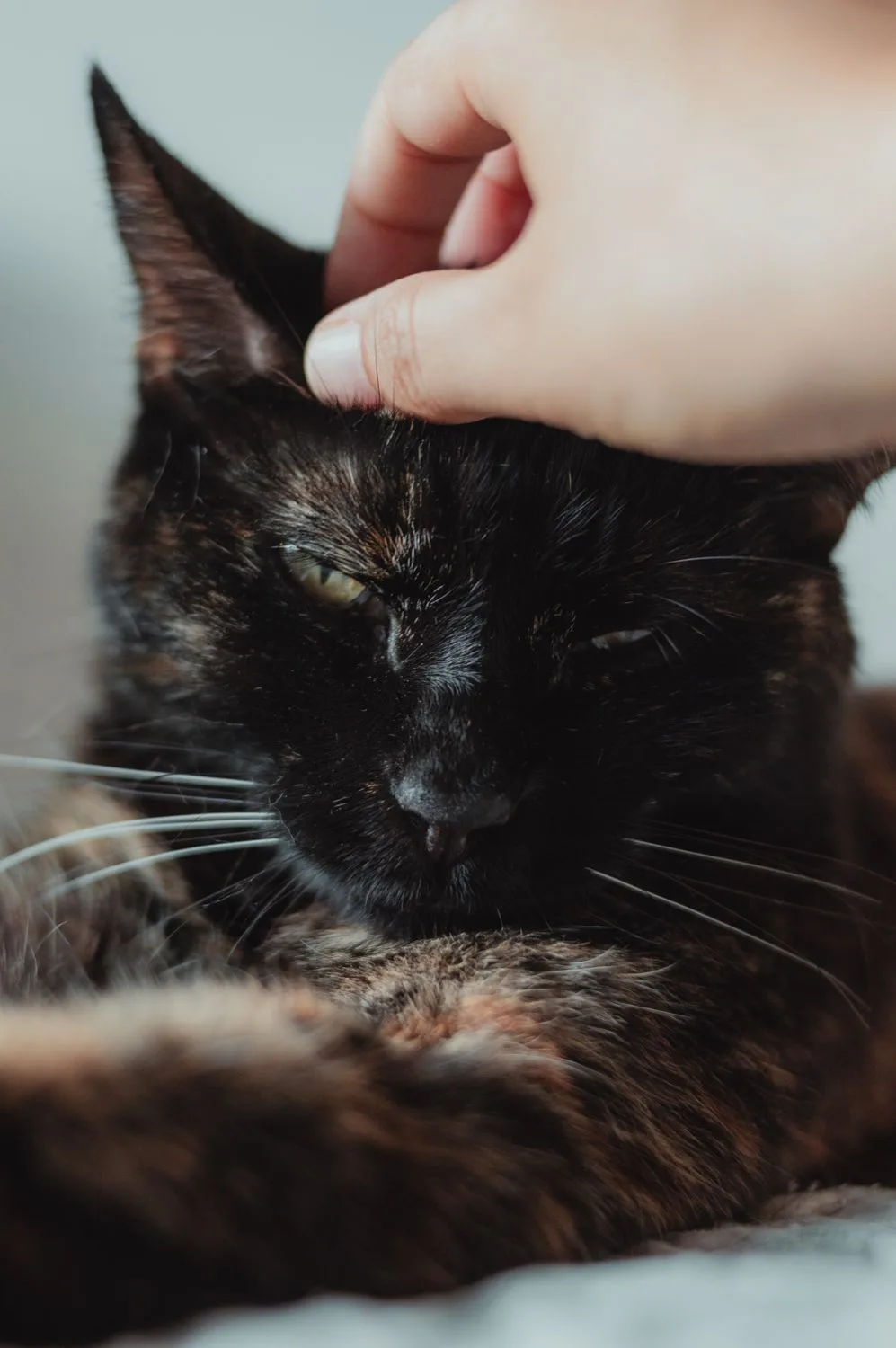
Image source: Web (Bing) / detroitchinatown.org (Web image (fair-use with source credit))
The Quick Answer (and Why It Feels So Alarming)
Female cats attack males after mating because the male's penis is covered in keratinized barbs. These spines rake the vaginal wall during withdrawal, causing sharp pain. That pain triggers the hormonal surge needed for ovulation.
The aggression is a reflexive back off signal.
So why does it look so violent? The caterwauling and the lightning-fast swat are designed to create genuine distance. We watch it and feel like we need to intervene.
But here is the truth. If you do not see this reaction, the mating was likely incomplete or unsuccessful. The fight is actually a good sign that everything worked the way it should.
In our research on feline reproductive behavior, we found that owners who understand this mechanism are far less likely to interfere at the wrong moment.
The Biology Behind the Behavior: What Actually Happens During Mating
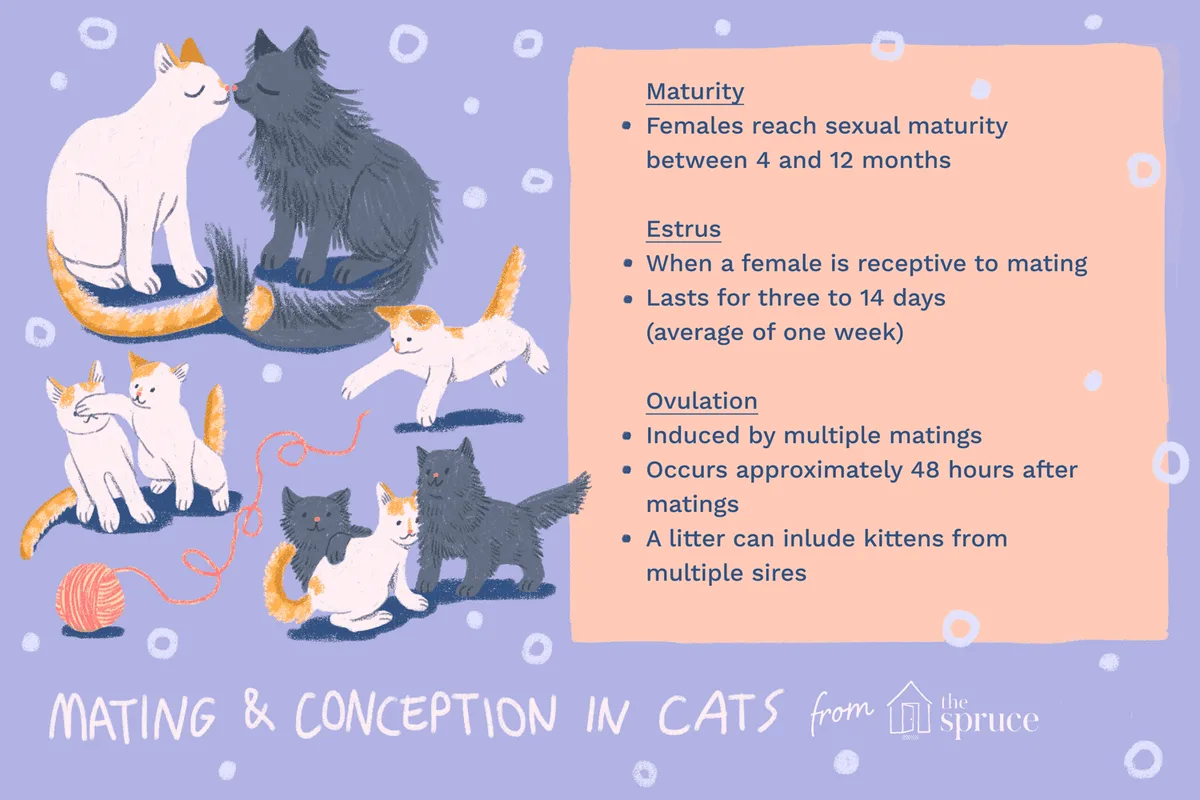
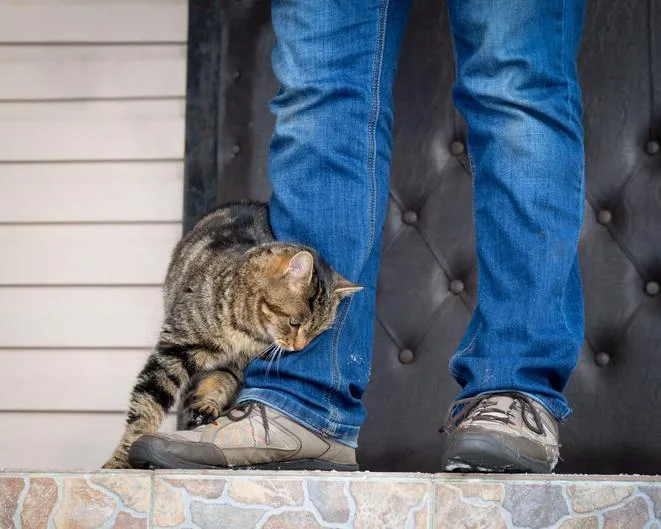
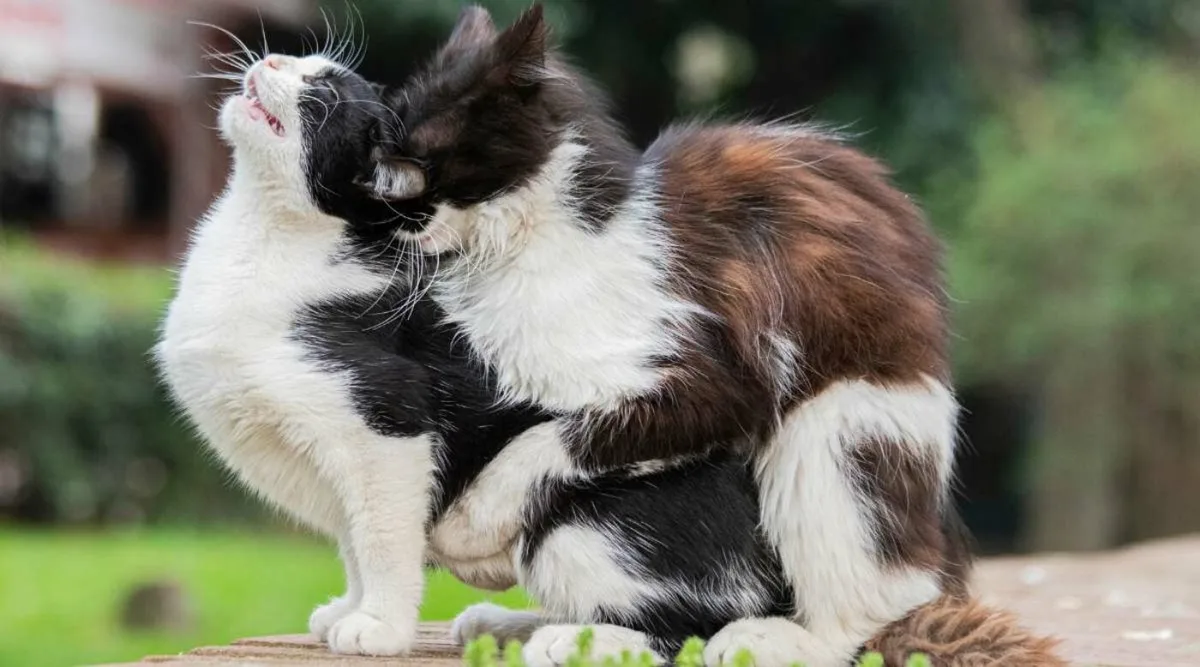
Image source: Web (Bing) / fity.club (Web image (fair-use with source credit))
Let us set the scene. A queen in heat is not passive. She actively solicits the tom.
She does the lordosis dance, treading her hind legs and tail to the side. This is an open invitation.
The tom approaches, mounts, and grips her scruff with his teeth. This scruffing reflex makes her go limp. It is a protective mechanism that keeps her still during the brief copulation.
Intromission lasts just five to twenty seconds. The tom thrusts and ejaculates. But the real action happens on the way out.
The barbs on his penis point backward. As he withdraws, they scrape and irritate the vaginal lining. This intense physical stimulus is the trigger that tells her brain it is time to release eggs.
Without this pain, the queen would not ovulate. The Cornell Feline Health Center notes that this induced ovulation mechanism is relatively rare in mammals, making cats quite unique. It is not a design flaw.
It is an essential part of the process.
Why She Attacks: Pain, Hormones, and a Built-In Reflex
So we know it hurts. But why does she attack immediately instead of just running away? It is a three-part cascade.
First, the pain. It is sharp and startling. Her immediate reaction is to strike out at the source of the discomfort.
Second, the hormonal flood. That pain signal shoots straight to her hypothalamus. It triggers a massive release of luteinizing hormone.
This hormone is what will cause her ovaries to release eggs over the next 24 to 48 hours.
Third, the built-in pause. The queen needs a refractory period. She needs 5 to 30 minutes of quiet for her body to process the signal.
The aggression ensures the tom backs off and gives her space. If he tries to mate again immediately, he will get a face full of claws.
This is not a rejection of the male. It is a biological timer counting down to her next period of receptivity. In the wild, this keeps the pair safe and ensures the female is not overbred or injured.
Veterinary behaviorists at UC Davis recommend observing quietly from a distance to avoid interfering with this natural process. Your job is to watch, not to refere.
What It Really Means for the Male Cat (and the Breeder)
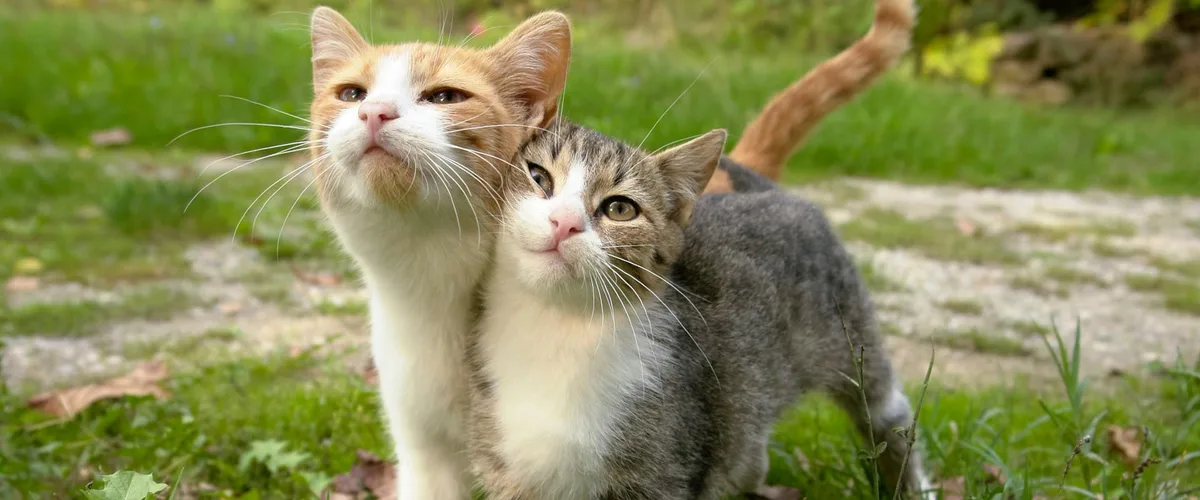
Image source: Web (Bing) / meowhoo.com (Web image (fair-use with source credit))
What about the tom? He usually takes the hit with surprising grace. An experienced male knows the drill.
He hears the post-mating scream, and he knows to move out of range. He will retreat to a corner and wait. A well-socialized tom will not fight back.
He understands this is just business.
For a breeder, the quiet acceptance from the tom is a good sign. It means the mating was normal and successful. How can you tell if it is normal aggression or a real problem?
Here is a quick comparison.
| Feature | Normal Post-Mating Aggression | Real Fighting |
|---|---|---|
| Duration | A few seconds to a minute | Persistent, drawn out |
| Vocalization | Loud scream, hissing | Growling, yowling, deep roar |
| Body Language | Roll, swipe, then turn away | Ears flat, fur standing up, stalking |
| Male Response | Retreats, waits | Fights back, pursues relentlessly |
| Resolution | Queen settles and rests | Must be separated by a human |
If you see the signs of real fighting, you must intervene safely. Throw a blanket over them or use a solid object to separate them. Never use your hands.
What Most Owners Get Wrong (and Why That Matters)
The biggest mistake is trying to rescue the female. You see her smack him, and you feel bad. You reach in to separate them.
That is how you get redirected aggression. The queen is in a high arousal state. She sees your hand, and she will bite it.
Hard.
Another common mistake is punishing the male. You might think he was too rough. But his behavior is biologically normal.
Punishing him can make him fearful or aggressive toward the queen. It can ruin a perfectly good breeding pair.
A third mistake is assuming the mating failed. First time breeders often worry when they see the fight. They think the cats are incompatible.
In reality, the fight is proof that the biological mechanism worked. Unless you see profuse bleeding, the female retreating in real fear, or the male refusing to back off, let them work it out. Your interference is usually the biggest risk factor in the room.
Trust the biology. It has been working for thousands of years.

Similar Posts