Why Do Cats Wink One Eye? Feline Eye Contact & Health Signals
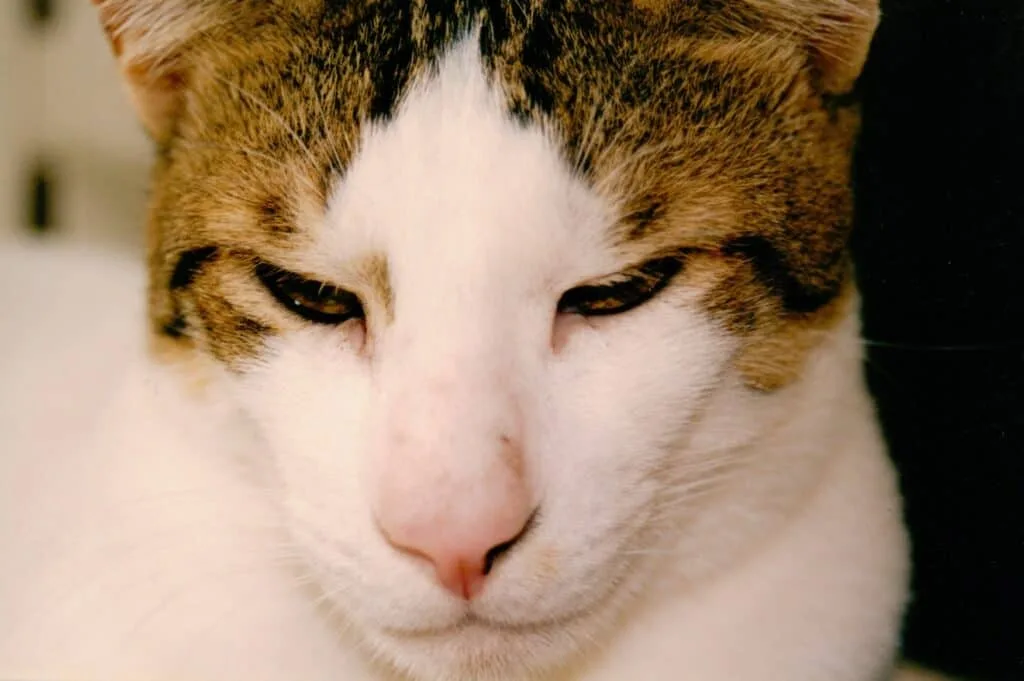
If you've ever watched your cat slowly blink one eye at you and wondered, “why do cats wink,” you're not alone. Most cat owners assume it's a cute little gesture, something like a feline kiss. But in our research, a single-eye wink is almost never a sign of affection.
Understanding feline communication is essential; discover why cats sleep on their backs to decode your cat’s complete body language.
It's usually a medical signal you shouldn't ignore.
According to the Cornell Feline Health Center, around 80 to 90 percent of domestic cats carry the feline herpesvirus type-1, a common pathogen that can cause subtle eye irritation. That irritation can look exactly like a wink. Understanding the difference between a friendly slow blink and a painful eye problem matters more than you might think.
Let's break it down.
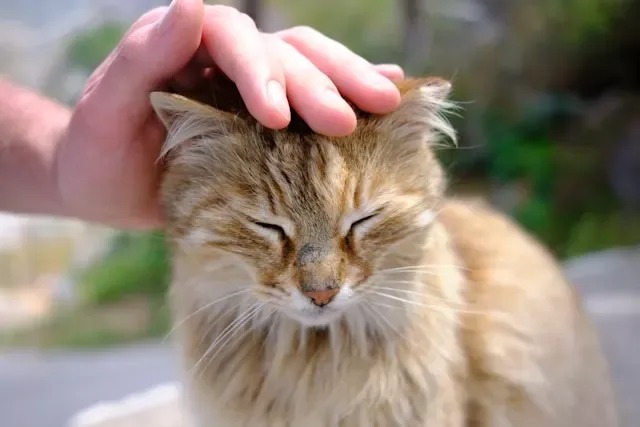
Image source: Web (Bing) / catanddoghouse.com (Web image (fair-use with source credit))
Why Accuracy Matters
Getting this wrong can mean the difference between a happy, healthy cat and one that loses vision in an eye. The stakes are that real. When you mistake a medical wink for a behavior, you delay treatment.
And some eye conditions in cats progress fast.
A corneal scratch, for example, can become infected within hours. Untreated glaucoma can cause permanent blindness in 24 to 48 hours. Those aren't scare tactics.
They're documented timelines from veterinary ophthalmology sources.
On the other hand, knowing what's normal keeps you from panicking every time your cat does something cute. The slow blink, two eyes, relaxed, is a genuine trust signal. It's the one you can smile at.
The single-eye wink, however, demands your attention.
Here's a quick comparison of what you're looking at:
| Action | Typical Meaning | Action Required |
|---|---|---|
| Slow blink, both eyes | Trust, relaxation, "cat kiss" | None — enjoy the moment |
| Single-eye wink, brief | Possible irritation, pain, or foreign body | Observe for other symptoms |
| Single-eye wink, repeated | Likely medical issue | Schedule vet visit |
| Squinting, one eye closed | Pain or injury | Urgent vet care needed |
The key takeaway is simple. If only one eye is involved, it's a rule-out checklist, not a cute moment. As of 2026, that's the consensus among feline veterinary specialists.
The Quick Answer
Cats wink one eye when something is wrong with that eye. It's usually pain, irritation, or infection. A slow blink with both eyes is a trust signal.
A single-eye wink is a medical warning. Never assume it's a gesture.
The confusion happens because both actions look similar from a distance. Up close, they're completely different. The slow blink is often called a "cat kiss" by behaviorists.
Cats do it to show they feel safe. They aren't trying to communicate love with one eye closed that's a human assumption.
Veterinary behavior research confirms that cats use the slow blink as a calming signal. You might see it when your cat looks at you from across the room, then slowly closes both eyes and opens them again. That's the real wink.
And it's lovely.
But the half-blink or full closure of just one eye? That's not in the feline social playbook. When a cat keeps one eye closed or squints it, the message is physical, not emotional.
Our research across multiple veterinary sources is consistent on this point.
The Slow Blink vs The Single-Eye Wink
These two look similar but mean completely different things. Let's walk through each one so you can tell them apart at a glance.
Image source: Bing (Web (fair-use with source credit))
The slow blink. This is the behavior you've seen in videos and memes. Your cat looks at you, closes both eyes slowly, holds them closed for a second, then opens them. It might repeat the motion a few times.
It's often accompanied by a relaxed body posture, a tail that's still or slightly curled, and maybe a soft purr. This is an intentional communication. Your cat is saying, "I trust you, and I'm not a threat." You can slow blink back at your cat and strengthen your bond.
It works.
The single-eye wink. This is when one eye closes partially or fully while the other eye stays open. It might happen once or several times. The cat might shake their head or paw at their eye afterward.
The body language is different too. Look for a tense head, flattened ears, or a tucked tail. These are pain signals.
Veterinary ophthalmologists (board-certified specialists) point out that cats rarely wink one eye on purpose the way humans do. Human winking is a learned social cue. Cats don't have that.
When we see a single-eye wink in a cat, it's almost always a symptom, not a statement.
3 Signs a Wink Could Be a Medical Emergency
Not every wink requires an emergency run to the vet. But three specific signs mean you should not wait.
1. Discharge from the eye. Clear fluid might indicate a mild irritant. Yellow or green discharge usually means infection.
Blood is an emergency. If your cat's eye is weeping or crusty, that's not normal.
2. The third eyelid is visible. Cats have a third eyelid called the nictitating membrane. It sits in the inner corner of the eye and is normally hidden.
If you see it covering part of the eye, something is wrong. It can indicate pain, infection, a mass, or a neurological issue.
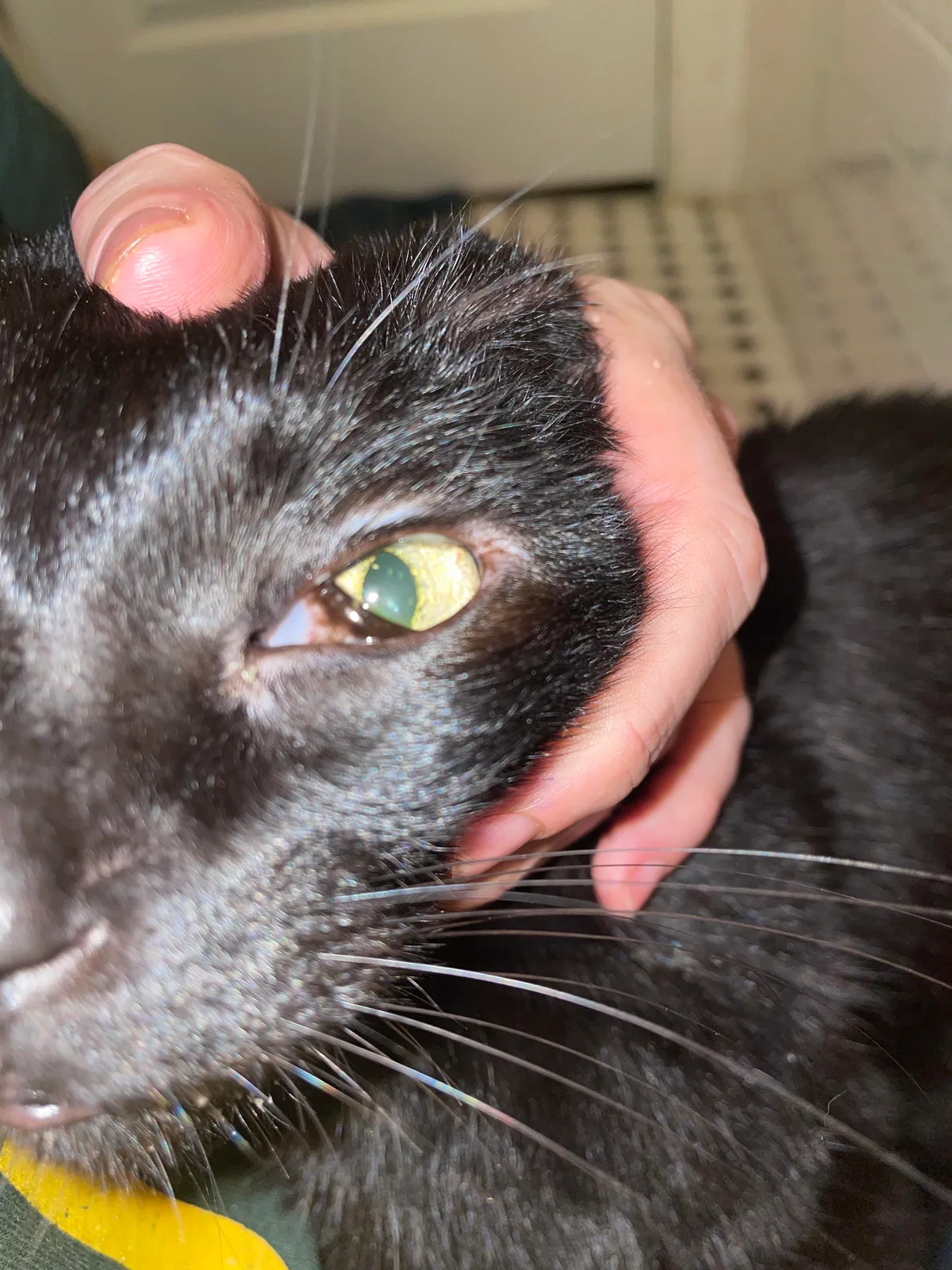
Image source: Web (Bing) / fity.club (Web image (fair-use with source credit))
3. Your cat is pawing at the eye. Rubbing or pawing at the face is a classic pain behavior. It can also mean a foreign body like a grass seed is stuck under the eyelid.
If your cat keeps scratching, they can injure the cornea or cause an ulcer. That's when a simple irritation turns into a serious problem.
If you see any of these three signs, call your vet the same day. If your cat is also lethargic, not eating, or has a fever, go to an emergency clinic. Eye problems in cats are not something to watch and wait.
How to Check Your Cat's Eye at Home (Safely)
You can do a quick at-home check before calling the vet. It helps you give accurate information and can sometimes resolve a simple issue. Just be gentle and calm.
A stressed cat will squint more, and you'll get false results.
Step 1: Observe from a distance. Watch your cat's eye behavior for a few minutes. Is the wink constant or does it come and go? Is the cat blinking normally otherwise?
Note how often the wink happens.
Step 2: Check for symmetry. Look at both pupils. Are they the same size? Are both eyes equally open?
An asymmetry in pupil size can indicate a neurological problem or glaucoma. That's serious.
Step 3: Look for the third eyelid. Gently lift the upper eyelid if your cat allows it. If the nictitating membrane is covering part of the eye, take a photo and send it to your vet. It's a reliable sign of discomfort.
Step 4: Check for foreign material. In good light, see if you spot a hair, dust, or a small seed along the lower eyelid. If you see something loose, you can try flushing the eye with sterile saline solution (the same kind used for contact lenses). Never use tap water.
Step 5: Do not use human eye drops. This is the biggest mistake owners make. Human eye drops, even the "gentle" ones, can damage a cat's eye. Products with vasoconstrictors (like Visine) are dangerous.
Products with steroid ingredients can make an infection worse. Stick to sterile saline only, and only for flushing. Then call your vet.

Similar Posts