How to Reduce Anxiety in Cats: Proven Calming Techniques

Imagine your cat, a bundle of fur and curiosity, suddenly retreating into a corner, hiding away from the world. You’ve probably noticed these moments of anxiety in your feline friend and wondered how you can help.
You’re not alone. Many cat owners face the challenge of understanding and alleviating their pets’ stress. This guide is here to offer you practical steps and insights. We’ll explore simple techniques that can transform your cat’s environment and behavior, reducing anxiety and enhancing their well-being.
Dive in, and discover how you can make a positive difference in your cat’s life, ensuring they feel safe and loved.
Identifying Anxiety In Cats
Understanding feline anxiety is crucial for every cat owner. Cats, like humans, can experience stress and anxiety. Recognizing the signs early helps in providing timely care. This section will guide you through identifying anxiety in cats.
Common Signs And Symptoms
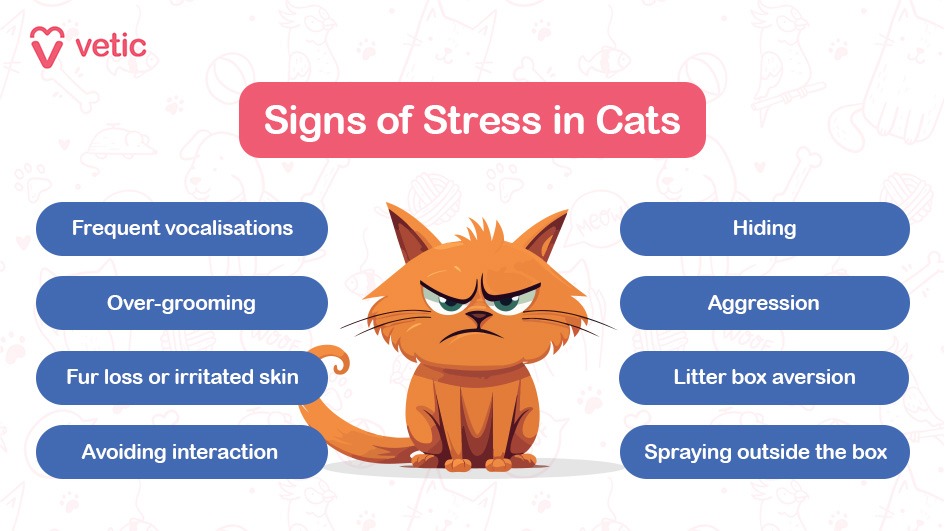
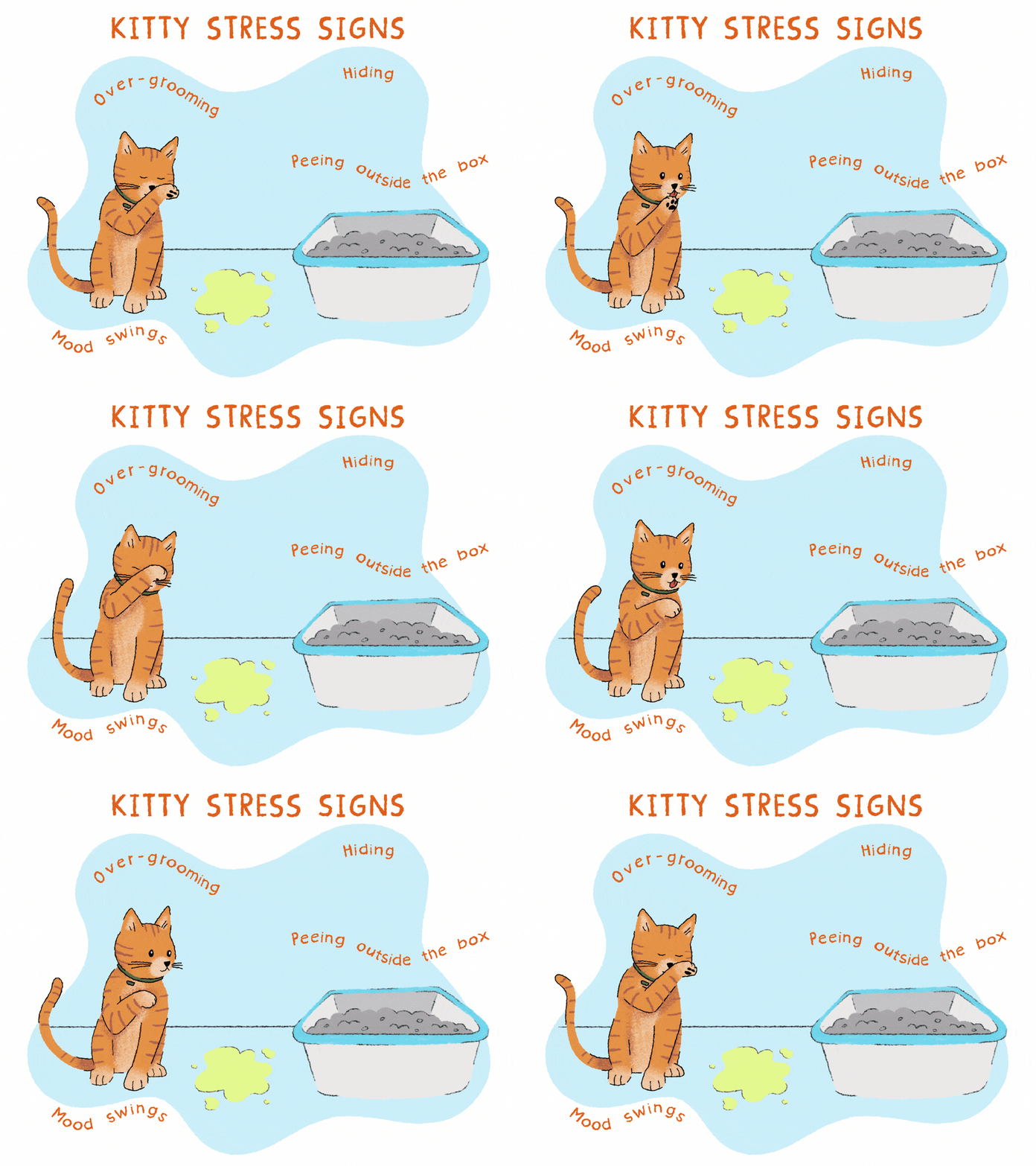
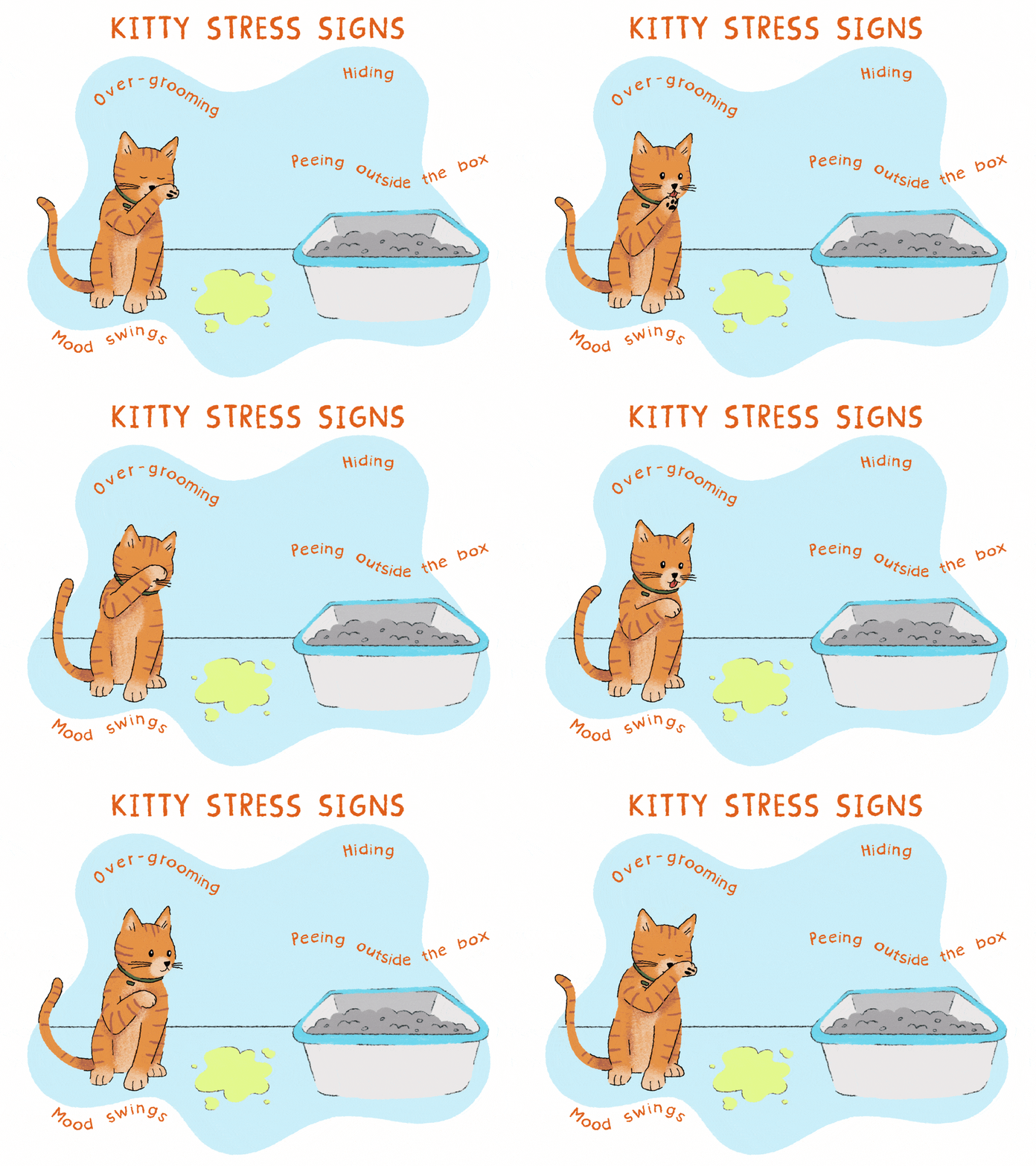
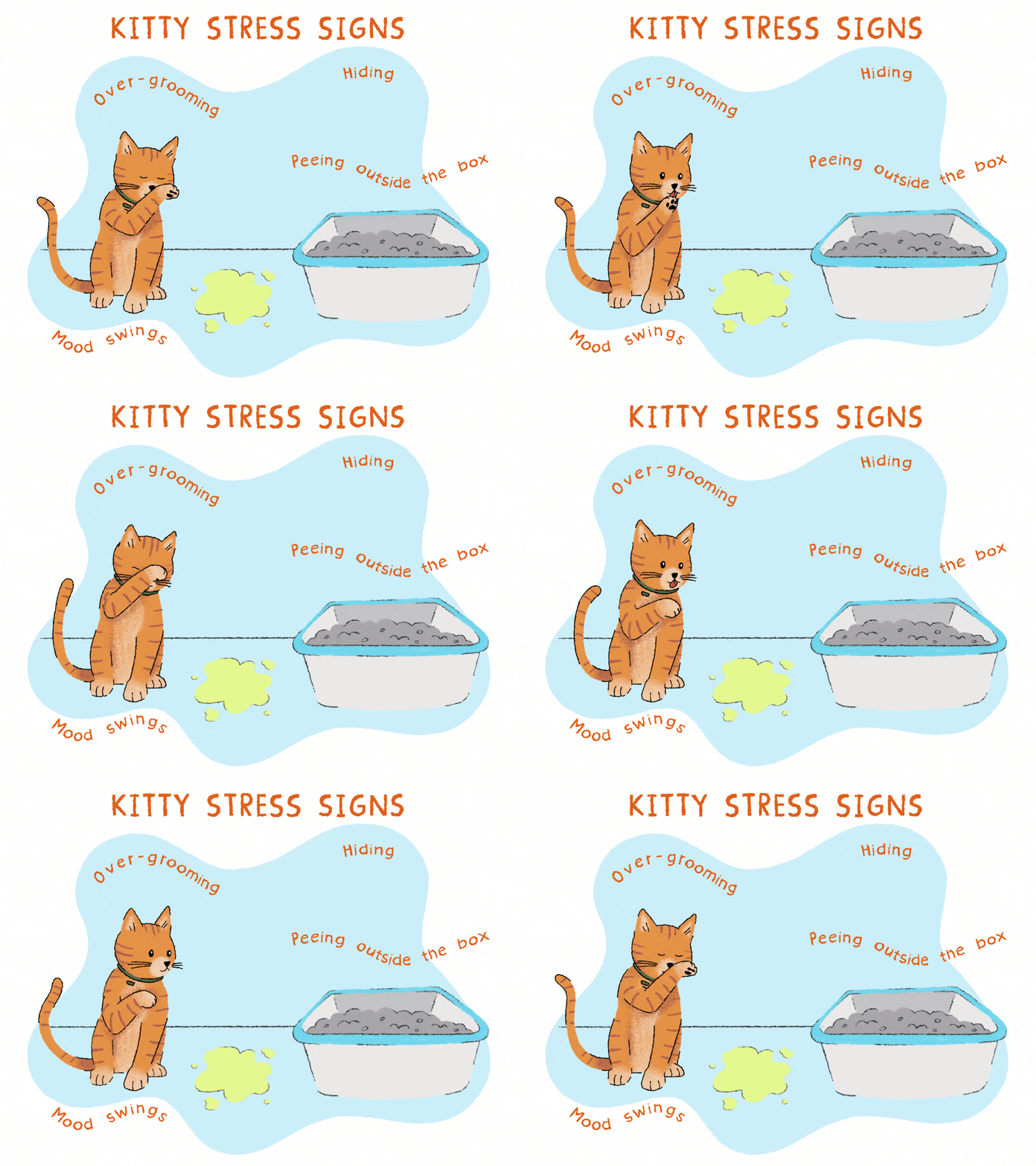
Cats show anxiety through various behaviors. Excessive grooming is a common sign. You might notice bald patches due to over-grooming. Some cats hide more often when anxious. Others might become unusually aggressive. Watch for changes in eating habits. Loss of appetite can indicate stress. Vocalization can also increase. Listen for unusual meowing or crying.
Causes Of Feline Anxiety
Several factors cause anxiety in cats. Changes in the environment can trigger stress. Moving house or new family members might upset them. Loud noises, like thunderstorms, can frighten cats. Separation anxiety occurs when left alone for long periods. Health issues also contribute to anxiety. Pain or discomfort can make cats uneasy. Identifying the root cause aids in managing their anxiety.

Credit: restorapet.com
Creating A Safe Environment
Creating a safe environment can help reduce anxiety in cats. Cats need a place where they feel secure. A calm and stable environment can ease their stress. Focus on providing comfort and minimizing potential stressors.
Comfortable Spaces
Cats love cozy and private spaces. Provide soft bedding in quiet corners. Use cat trees or shelves for elevation. Elevated spots offer a sense of security. Ensure your cat has access to these spaces anytime. A comfortable space helps them relax.
Minimizing Stressors
Identify and reduce stressors in your home. Loud noises can frighten cats. Keep noise levels low. Avoid sudden changes in their environment. Consistency is key for their peace. Ensure litter boxes are clean and accessible. A clean space makes them feel safe.
Behavioral Techniques
Behavioral techniques can effectively reduce anxiety in cats, promoting a calm and relaxed environment. Introducing toys and interactive play can distract and comfort anxious cats. Consistent routines and gentle handling foster trust and security, easing stress and promoting well-being.
Cats, much like humans, can experience anxiety. Behavioral techniques offer effective ways to alleviate this stress, creating a more peaceful environment for your feline friend. By understanding their behavior, you can make small yet impactful changes that significantly improve their quality of life. Let’s dive into some practical strategies that you can implement at home.Positive Reinforcement
Positive reinforcement is a powerful tool in reducing your cat’s anxiety. Rewarding your cat with treats or affection when they display calm behavior encourages them to remain relaxed. This method not only helps in modifying their behavior but also strengthens the bond between you and your pet. Consider using treats that your cat loves. When they show signs of calmness, such as sitting quietly or approaching you without hesitation, reward them immediately. This creates a positive association with being calm. You might have noticed that your cat becomes anxious when strangers visit. Next time, try giving them a treat when they stay calm around the new person. Over time, they’ll learn that visitors aren’t something to fear.Routine And Consistency
Cats thrive on routine and predictability. Sudden changes in their environment or schedule can cause anxiety. Establishing a consistent routine can provide them with a sense of security. Feeding your cat at the same times each day can create a comforting rhythm. Regular playtime also helps them expend energy and reduce stress. Set aside time each day for interactive play with toys that engage their hunting instincts. Think about your own daily routine. You likely feel more at ease when you know what to expect. Your cat is the same. Maintaining consistency in their day-to-day life helps them feel safe and secure. Have you noticed any particular part of the day when your cat seems most anxious? Adjusting your routine slightly to accommodate their needs can make a world of difference. By applying these behavioral techniques, you can help your cat feel more relaxed and content. What changes will you make today to ease your pet’s anxiety?
Credit: www.zoetispetcare.com
Natural Remedies
Cats can experience anxiety due to various reasons. Natural remedies offer gentle ways to ease their stress. These methods are safe and can be effective for most cats. Explore some herbal solutions and essential oils that may help.
Herbal Solutions
Certain herbs can calm anxious cats. Chamomile is known for its soothing properties. It can relax the nerves and promote restfulness. Valerian root is another herb that may reduce stress. Cats often respond well to its calming effects. Catnip, while exciting initially, can help some cats unwind afterwards. It’s important to observe your cat’s reaction to these herbs.
Lemon balm has a mild sedative effect. It can help anxious cats feel more at ease. Passionflower may also be beneficial. It supports relaxation and reduces anxiety. Always consult a veterinarian before trying new herbs.
Essential Oils
Essential oils can be helpful for anxious cats. Lavender oil is popular for its calming scent. It may help reduce stress and promote tranquility. Frankincense oil can also support relaxation. It’s often used to create a peaceful environment.
Use essential oils with caution. Cats are sensitive to strong scents. Dilute the oils before use. Ensure they are safe for cats. Vetiver oil is another option. It is known for its grounding effects. Diffusing small amounts can create a calm atmosphere.
Avoid direct contact with your cat’s skin. Always seek advice from a vet. Essential oils should be used carefully. They can improve your cat’s well-being.
Therapeutic Products
When your cat is feeling anxious, therapeutic products can be a gentle and effective way to bring comfort. These products are designed to address your feline friend’s stress levels and promote a sense of calm. Let’s dive into some practical solutions that could help your cat feel more at ease.
Calming Sprays And Diffusers
Calming sprays and diffusers are a great way to create a peaceful environment for your cat. They release soothing pheromones that mimic the natural calming signals cats use to feel secure. These products can be especially useful during stressful situations like moving to a new home, introducing a new pet, or loud events such as thunderstorms.
Imagine your cat curled up in a cozy spot, surrounded by familiar scents that ease tension. Many cat owners have noticed a significant difference after using these sprays or diffusers. Have you ever thought about how your environment affects your cat’s mood? Consider placing a diffuser in areas where your cat spends most of its time.
Anxiety-reducing Apparel
Anxiety-reducing apparel can be another effective tool in managing your cat’s stress. These garments, such as calming vests or shirts, apply gentle, constant pressure to your cat’s body. This sensation is similar to swaddling a baby, offering comfort and reducing anxiety.
Reflect on how you feel wrapped in a warm blanket—it’s a similar concept for your cat. Some cats may take to these garments right away, while others may need time to adjust. Have you tried using anxiety-reducing apparel for your cat? Observing your cat’s behavior when wearing such apparel can guide you to the most suitable option.
These therapeutic products offer practical solutions that can be easy to implement in your daily routine. By creating a calming atmosphere, you contribute to your cat’s overall well-being. Have you found other products or methods that work for your cat? Share your experiences and insights, and let’s help more cats find peace.
Professional Help
Seeking professional help can ease anxiety in cats. Experts provide tailored advice to ensure a calm environment. Regular vet visits and consultations can offer effective strategies to manage stress in feline companions.
Cats can experience anxiety just like humans. When signs of stress appear, seeking professional help is essential. Experts provide guidance to ease your cat’s anxiety. These professionals offer tailored advice to suit your cat’s needs. Let’s explore how veterinary consultations and animal behaviorists can help your furry friend.Veterinary Consultation
A veterinary consultation is the first step. Vets can identify underlying health issues. Health problems often cause anxiety in cats. A vet examines your cat thoroughly. They may suggest treatments to ease stress. Medication or dietary changes might be necessary. Vets can recommend calming products too. These products can soothe your anxious cat. Regular check-ups ensure your cat stays healthy. A healthy cat is a happy cat.Animal Behaviorists
Animal behaviorists specialize in pet behavior. They understand the root of anxiety in cats. Behaviorists observe your cat in its environment. They identify triggers causing stress. After understanding the triggers, they develop a plan. This plan includes techniques to reduce anxiety. Behaviorists teach you how to support your cat. They offer strategies for long-term peace. With their help, your cat can feel calm again.Long-term Management
Long-term management of anxiety in cats is crucial for their well-being. This involves consistent monitoring and adjusting strategies as needed. Cats, like humans, need ongoing care to manage stress. Understanding their behavior and needs can help create a calm environment. Let’s explore how you can manage your cat’s anxiety over time.
Monitoring Progress
Track your cat’s behavior changes regularly. Keep a journal of any unusual behavior. Look for signs of improvement or worsening anxiety. Regular vet check-ups are important too. They help ensure your cat’s health and well-being. Be observant and patient. Cats might take time to show progress.
Adjusting Techniques
Not all techniques work for every cat. Be ready to try different approaches. Some cats respond well to play therapy. Others might need environmental changes. Adjust the methods based on your cat’s response. Consult your vet for additional guidance. They can suggest alternative strategies. Consistency is key in technique application.

Credit: www.banfield.com
Frequently Asked Questions
How Can I Help My Cat With Anxiety?
Create a calm environment with safe spaces for your cat. Use pheromone diffusers to reduce anxiety. Engage your cat in play and establish a routine. Consult a vet for persistent anxiety issues.
What Are The Signs Of Anxiety In Cats?
Signs of anxiety in cats include excessive grooming, hiding, aggression, loss of appetite, and frequent meowing. Cats may also urinate outside the litter box or show changes in sleeping patterns. Watch for these behaviors to identify anxiety in your pet.
What Is A Natural Cat Calmer?
A natural cat calmer includes herbal remedies like chamomile or valerian, pheromone sprays, and calming music. These options help reduce anxiety and stress, promoting a peaceful environment for your feline friend. Always consult a veterinarian before trying new calming methods.
What Are Common Signs Of Anxiety In Cats?
Common signs of anxiety in cats include excessive grooming, hiding, and vocalization. They might also show aggression or avoid using their litter box. Changes in appetite or sleep patterns can also indicate anxiety. Recognizing these signs early helps in addressing the underlying issues effectively.
Conclusion
Caring for a cat’s mental health is important. Simple steps can reduce anxiety. Create a safe and calm environment. Use toys to distract and engage. Routine helps cats feel secure. Regular playtime strengthens bonds. Comfort them with gentle words and touch.
Observe changes in behavior closely. Seek professional help if needed. Remember, each cat is unique. Patience is key. Try different strategies to find what works. Your love and attention make a difference. A happy cat means a happy home. Keep learning and adapting to their needs.
Your efforts will bring peace to your furry friend.

Similar Posts