Is Your Cat’s Coat Unhealthy? 5 Warning Signs
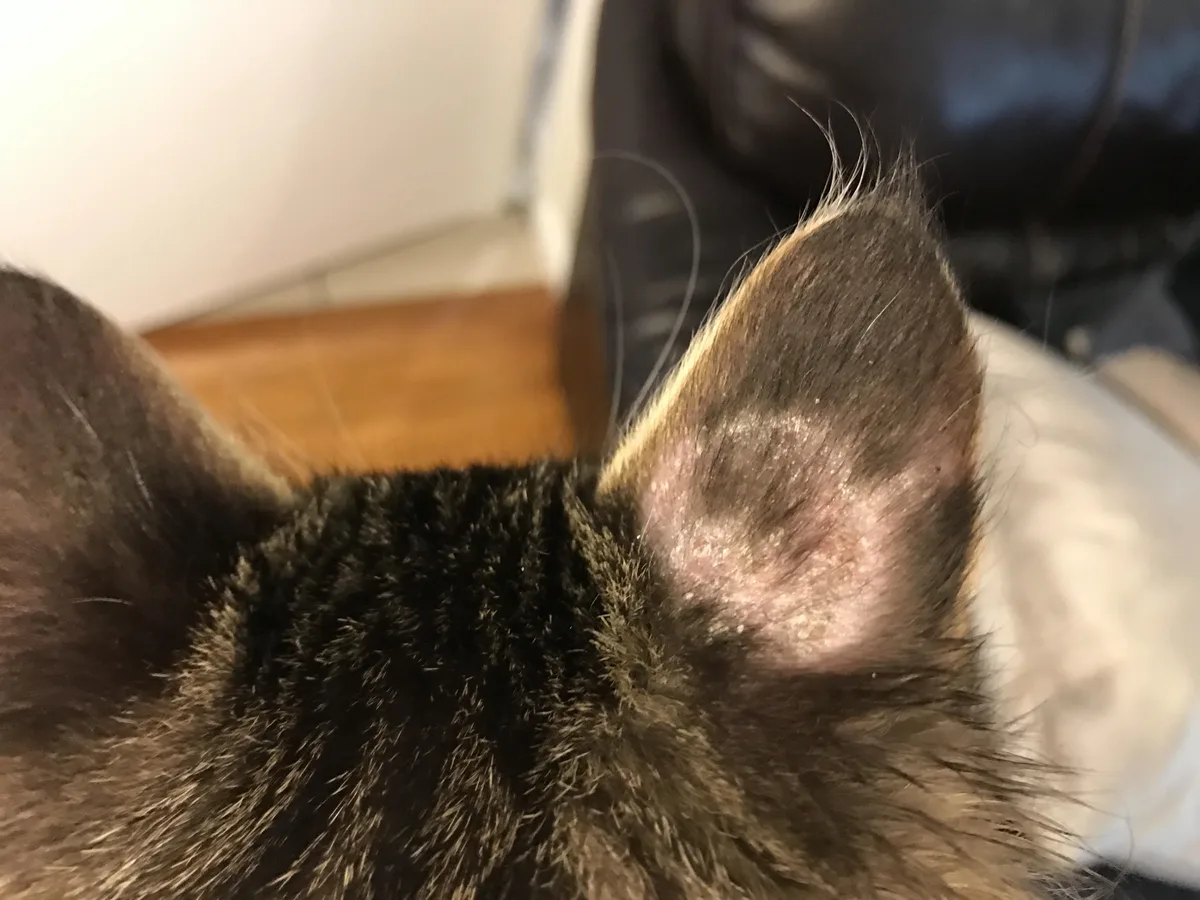
You’re brushing your cat one evening and something feels off. The fur that used to be soft and glossy now feels rough, greasy, or thin in patches. You start wondering if it’s just seasonal shedding or something more serious.
An unhealthy cat coat is often the first visible signal that something is wrong internally. According to Cornell Feline Health Center research, coat changes are among the top reasons owners bring their cats to the vet. And for good reason.
The skin and fur reflect what’s happening inside the body, from nutrition to organ function. Let’s look at why this matters and how to tell the difference between a simple grooming issue and a medical emergency.
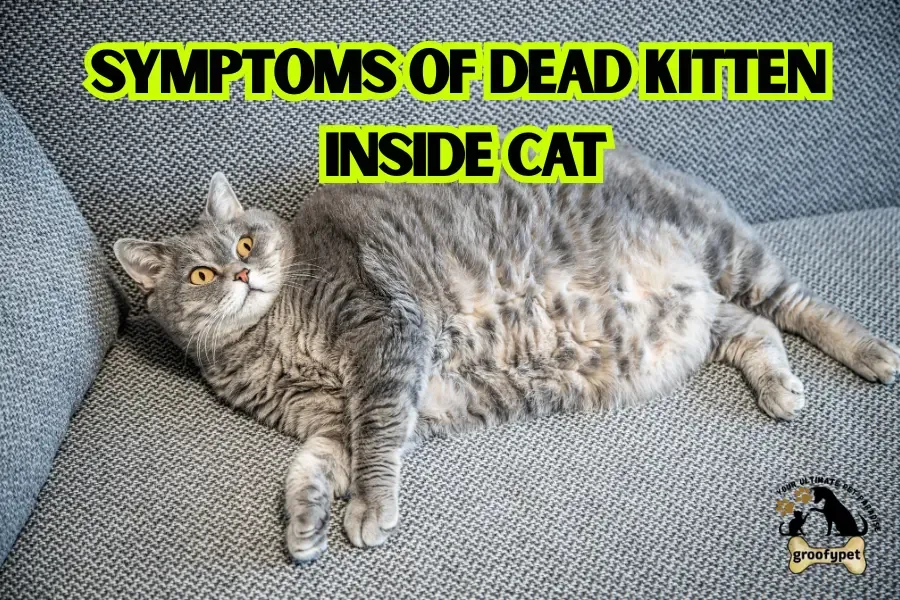
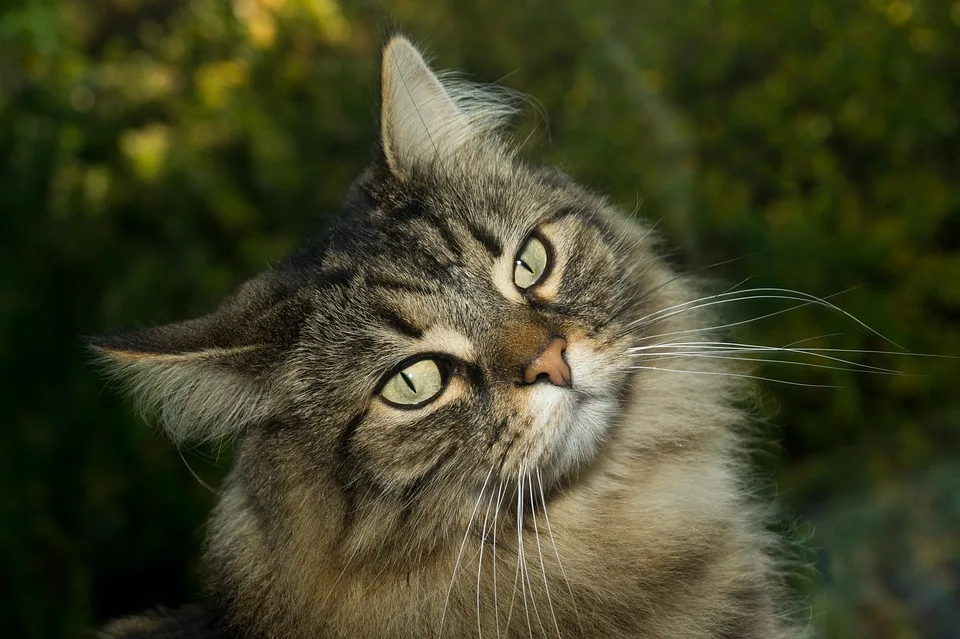
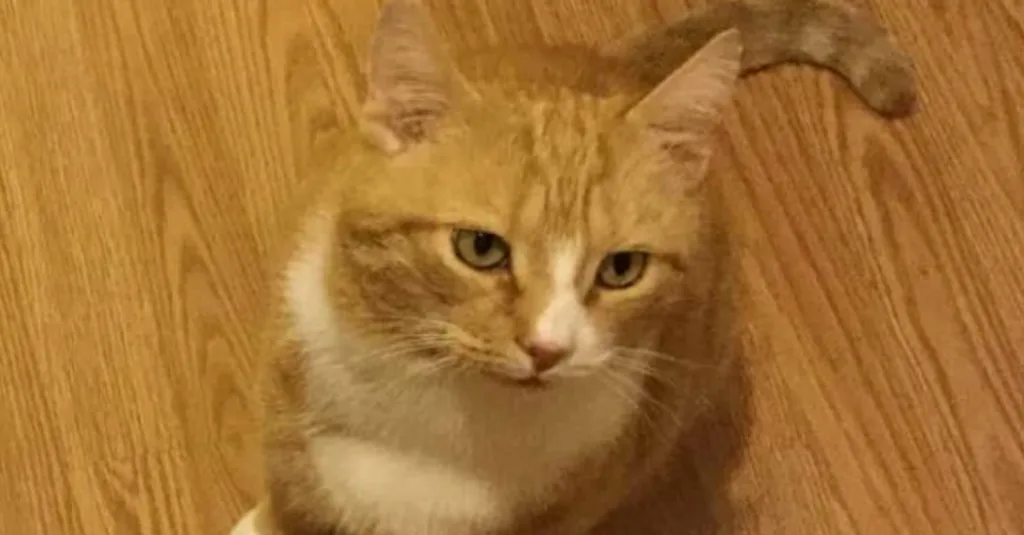
Image source: Bing (Web (fair-use with source credit))
Quick Answer
An unhealthy cat coat looks dull, greasy, brittle, or patchy. It signals an underlying problem. Causes range from poor grooming to kidney disease.
A coat change lasting over two weeks needs a vet visit. Look for weight loss, thirst changes, or vomiting. These symptoms together mean urgent care.
Why Your Cat’s Coat Is a Red Flag You Shouldn’t Ignore
A cat’s coat works like a health dashboard. When everything is running well, the fur stays soft, shiny, and evenly distributed. When something breaks down, the coat changes first.
That’s because the body prioritizes vital organs over fur growth when resources get tight.
Our research with veterinary dermatology guidelines shows that coat quality is one of the earliest indicators of systemic disease. For example, a dull coat often appears weeks before other symptoms like weight loss or vomiting become obvious. This gives you a window to catch problems early.
The skin is the largest organ in the body. It needs adequate protein, fatty acids, vitamins, and hydration to stay healthy. A cat that stops grooming properly, either due to pain or illness, will develop a greasy, matted coat quickly.
An over-grooming cat, on the other hand, may create bald patches from stress or allergies.
So when you notice a coat change, don’t brush it off. It’s not just about looks. It’s a clue your cat is sending you about its internal health.
The question is: what’s causing it?
The 7 Most Common Causes of an Unhealthy Cat Coat (Mild to Serious)
Not every coat problem means a life threatening disease. But you need to know which causes are mild and which need immediate attention. Here’s a breakdown based on veterinary diagnostic patterns as of 2026.
| Cause | Severity | Key Signs |
|---|---|---|
| Poor grooming due to arthritis or dental pain | Moderate to high | Greasy, matted coat, especially on back and hindquarters |
| Nutritional deficiency (low protein or fatty acids) | Mild to moderate | Dull, brittle fur; flaky skin |
| Flea infestation or flea allergy dermatitis | Mild to moderate | Excessive scratching, scabs, hair loss on lower back |
| Hyperthyroidism | High | Greasy coat, weight loss despite good appetite, increased thirst |
| Chronic kidney disease | High | Dull, dry coat; weight loss; increased urination |
| Food or environmental allergies | Mild to moderate | Itching, bald patches, red skin |
| Psychogenic alopecia (stress over-grooming) | Moderate | Symmetrical bald patches on belly, flanks, and inner legs |
As you can see, the same symptom like a greasy coat can mean anything from arthritis pain to hyperthyroidism. That’s why context matters. Look at the whole picture, not just the fur.
If your cat’s coat is dull but the cat is eating well, playing normally, and maintaining weight, a better diet or more frequent brushing may solve it. If you see other changes like weight loss, increased thirst, or lethargy, the cause is almost certainly medical.
Grooming Issue or Medical Emergency? How to Tell the Difference
This is the most common question cat owners ask. And the answer depends on one thing: what else is going on with the cat.
A grooming issue usually means the cat isn’t cleaning itself properly. Long haired cats can get matted even when healthy, especially if they’re overweight and can’t reach certain spots. That’s not an emergency.
It needs better brushing and sometimes a sanitary trim.
But here’s the trap. Many medical conditions also cause a cat to stop grooming. Arthritis makes it painful to twist and reach the back.
Dental disease makes grooming uncomfortable. Kidney disease causes dehydration, which dries out the skin and fur.
So how do you tell them apart? Use this simple decision checklist:
- If the coat is greasy or matted only on the back and hindquarters, the cat may have arthritis or dental pain. Check for limping, stiffness, or bad breath.
- If the coat is dull and dry all over, suspect kidney disease or nutritional deficiency. Check water intake and appetite.
- If there are bald patches on the belly or inner legs, think stress over-grooming or allergies.
- If the coat looks oily and the cat is skinny but hungry, test for hyperthyroidism.
The safest rule: if the coat change has lasted more than two weeks, or if it’s paired with any other symptom, see the vet. You’re not overreacting. You’re being thorough.
What Your Vet Will Look For: The Real Diagnostic Process
When you bring a cat with an unhealthy coat to the vet, they won’t just look at the fur. They’ll run through a systematic process to rule out the most serious causes first.
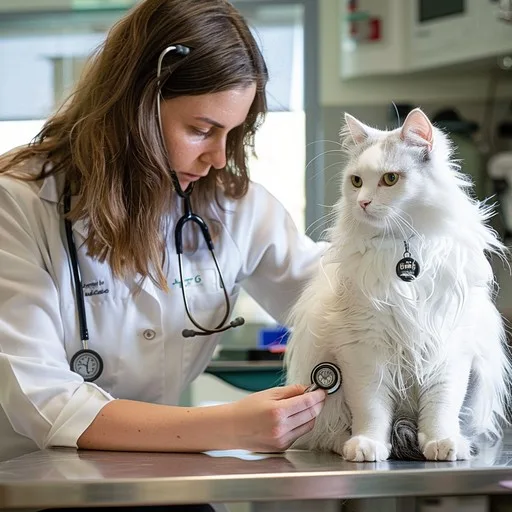
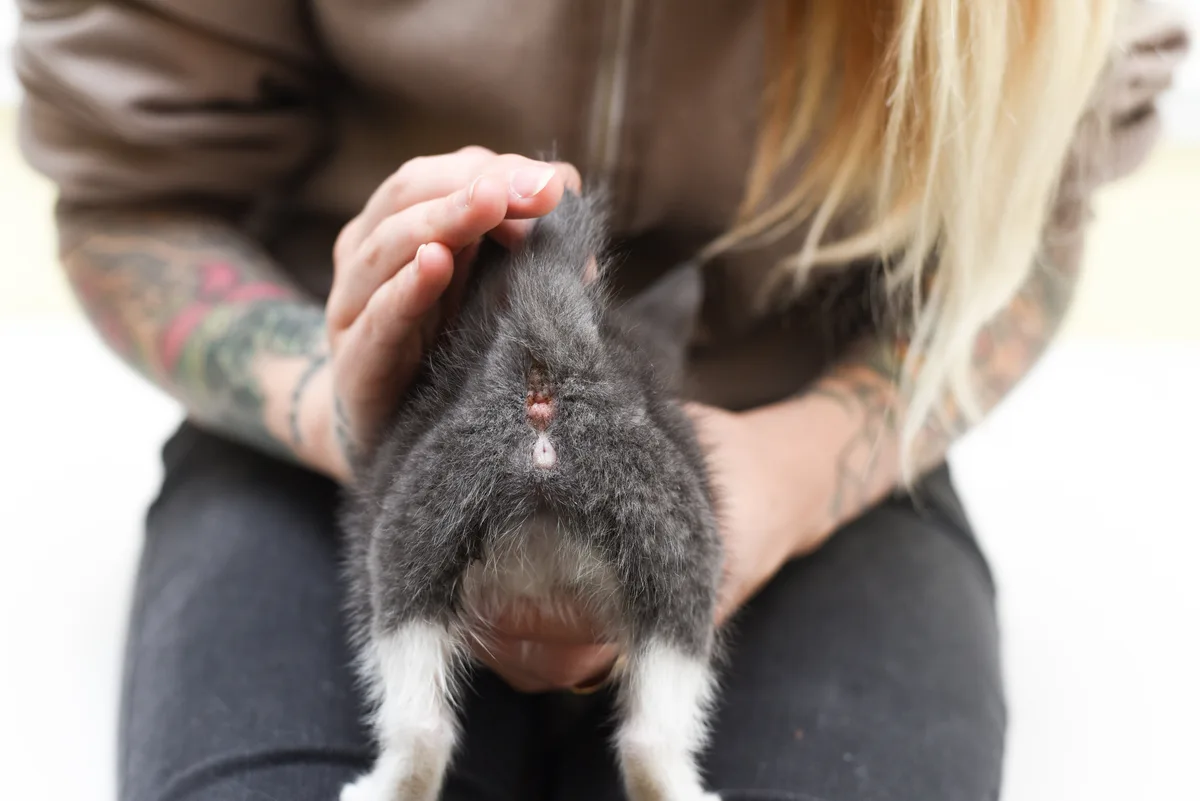
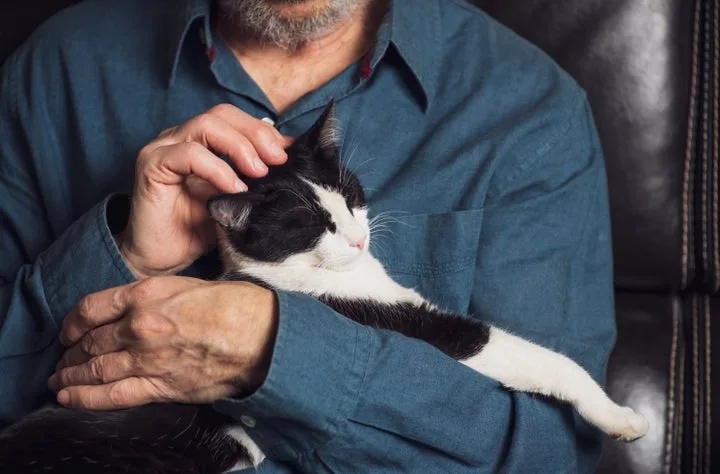
Image source: Bing (Web (fair-use with source credit))
The first step is a physical exam. The vet will feel the coat’s texture, check for fleas or mites, and look at the cat’s mouth for dental disease. They’ll also palpate the thyroid gland, which is enlarged in hyperthyroidism.
Next comes bloodwork. A complete blood count and chemistry panel checks organ function. A T4 test screens for hyperthyroidism.
According to the American Veterinary Medical Association’s diagnostic protocols, bloodwork is the gold standard for ruling out kidney disease, hyperthyroidism, and diabetes.
If bloodwork is normal but the coat problem persists, the vet may do a skin scrape or fungal culture. This checks for ringworm, mites, or bacterial infections. It’s quick and doesn’t require sedation.
For suspected allergies, a food elimination trial is the next step. The cat eats a prescription novel protein or hydrolyzed diet for 8 to 12 weeks. If the coat improves, the cause was food related.
If not, environmental allergies are more likely.
The process takes time. But it’s the only way to get a real answer. Don’t skip steps or push for a quick fix.
The right diagnosis saves money, stress, and your cat’s health in the long run.
4 Mistakes That Delay Diagnosis (and What to Do Instead)
People love their cats and want to help fast. But good intentions can backfire. Here are the four most common mistakes we see based on veterinary behavior studies.
Mistake 1: Waiting and watching for too long. Many owners assume a dull coat is just aging or seasonal. They wait weeks or months before calling the vet. By then, the underlying condition has progressed.
What to do instead: if the coat hasn’t improved within two weeks of improved grooming and diet, schedule a vet appointment.
Mistake 2: Trying home remedies first. Fish oil, coconut oil, and over the counter supplements are popular. But they can mask symptoms or cause digestive upset. Worse, they delay the real diagnosis.
What to do instead: save the supplements for after the vet has ruled out medical causes. Let the doctor recommend a specific plan.
Mistake 3: Over-bathing the cat. A greasy coat makes owners want to bathe the cat. But frequent bathing strips natural oils and can worsen skin problems. Cats also hate it, which adds stress.
What to do instead: use waterless grooming wipes or a gentle brush. Only bathe if the vet recommends a medicated shampoo.
Mistake 4: Assuming it’s just a food problem. Changing food brands every few weeks is common when owners see coat issues. But unless you’ve done a proper elimination trial, you’re just guessing. What to do instead: pick one high quality diet, stick with it, and work with your vet to investigate other causes.
Avoid these traps and you’ll get answers faster. Your cat won’t thank you for the coconut oil. But it will thank you for proper veterinary care.
Red Flags: When You Must See a Vet Immediately
Some coat changes need urgent attention. Don’t wait two weeks if you see these signs.
Sudden hair loss in patches with red or irritated skin underneath. This could indicate ringworm, a bacterial infection, or autoimmune disease. Ringworm is contagious to humans and other pets.
A greasy, matted coat paired with weight loss despite a normal or increased appetite. This combination strongly suggests hyperthyroidism. Untreated hyperthyroidism strains the heart and can be fatal.
A dull, dry coat with increased thirst and urination. These are classic signs of chronic kidney disease or diabetes. Both require prompt veterinary management.
Visible parasites like fleas or mites with excessive scratching and scabs. Severe infestations can cause anemia, especially in kittens or senior cats.
Lethargy, vomiting, or diarrhea alongside a poor coat. This points to a systemic illness that needs immediate evaluation.
Trust your gut. You know your cat’s normal behavior. If something feels off and the coat is part of that picture, call your vet the same day.
It’s always better to rule out the serious stuff than to wait and regret it.
Real-Life Example: The Senior Cat With a Greasy Coat
Consider a typical case from veterinary practice. A 14 year old domestic shorthair named Max was brought in because his coat had become greasy and matted over three months. His owner assumed he was just getting older and grooming less.
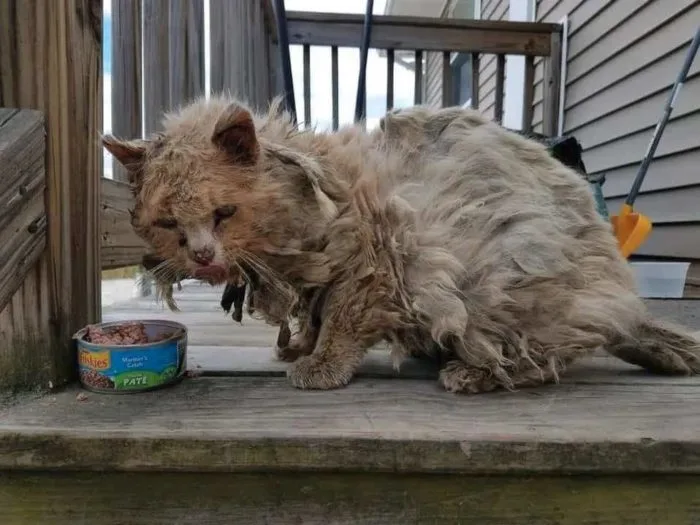
Image source: Bing (Web (fair-use with source credit))
But Max had also lost one and a half pounds without trying. He was drinking more water and meowing at night. His appetite was actually better than ever.
The vet ran bloodwork the same day. The T4 level came back at 5.8 µg/dL, well above the normal range. Max had hyperthyroidism.
His greasy coat was caused by the overactive thyroid gland increasing oil production in the skin.
Within two weeks of starting methimazole medication, Max’s coat began to improve. After eight weeks, it was soft and glossy again. He regained the lost weight within three months.
The lesson is straightforward. Coat changes in senior cats are never just old age. They demand investigation.
Max’s owner caught it early enough that no heart damage had occurred. That’s the window you want to hit.
Frequently Asked Questions About Cat Coat Health
Can a poor diet alone cause an unhealthy cat coat?
Yes, but it’s less common than owners think. A diet lacking in protein, omega-3 fatty acids, or zinc can cause dull, brittle fur and flaky skin. However, most commercial cat foods meet basic nutritional requirements.
True deficiency is rare unless the cat is eating a homemade diet that hasn’t been balanced.
Why is my cat’s coat greasy even though I brush it regularly?
Greasy fur that doesn’t improve with brushing usually points to a medical cause. Hyperthyroidism is the most common culprit, especially in older cats. Skin infections or anal gland issues can also produce excess oil.
A vet visit with bloodwork is the right next step.
Should I give my cat fish oil for a dull coat?
Not without a vet’s approval. Fish oil can help with inflammation and skin health in some cases. But if the cause is kidney disease or hyperthyroidism, fish oil won’t fix it and could delay the real diagnosis.
Get a diagnosis first, then treat with targeted nutrition.
How long does it take for a cat’s coat to improve after treatment?
Most cats show visible improvement within four to eight weeks. For hyperthyroidism, you may see changes in two weeks. For nutritional issues, it takes about one full hair growth cycle, which is four to six weeks in short-haired cats and longer in long-haired breeds.
Is it normal for an older cat to stop grooming?
No. Reduced grooming in senior cats is not normal aging. It usually signals pain from arthritis, dental disease, or obesity that makes reaching certain spots uncomfortable.
It can also indicate vision loss or cognitive decline. A veterinary exam can identify the cause and improve comfort.
Can stress really cause hair loss in cats?
Yes. Psychogenic alopecia is a real condition where cats over-groom due to stress, anxiety, or boredom. The hair loss is typically symmetrical on the belly and inner legs.
Treatment involves reducing stressors, providing enrichment, and sometimes medication. A vet should rule out medical causes first.

Similar Posts