When Do Kittens Start Drinking Water?
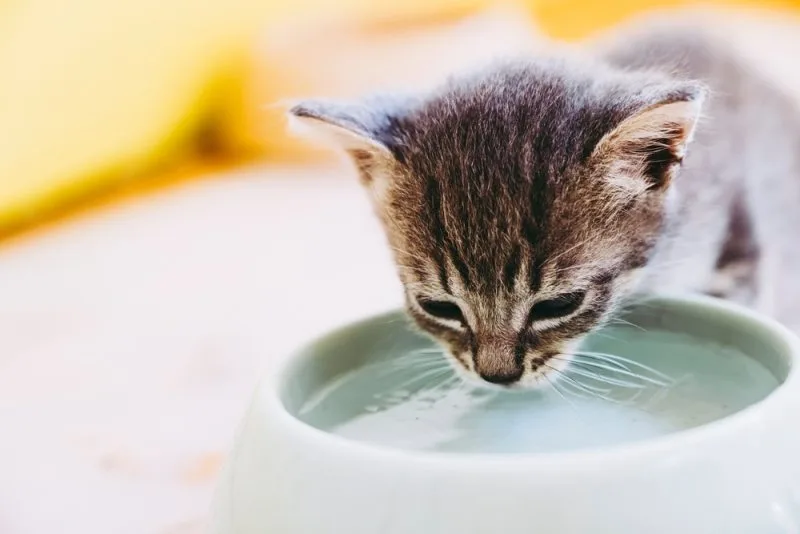
If you've ever watched a tiny kitten wobble toward a water bowl, you know the urge to help them drink. But when do kittens start drinking water? The real answer isn't as simple as "four weeks", and getting it wrong can be dangerous for a newborn's health.
In our research across veterinary guidelines from the American Veterinary Medical Association and the Cornell Feline Health Center, the safe window sits between 3.5 and 5 weeks of age, but the decision depends on developmental cues, not just the calendar. Offer water too early and you risk aspiration, electrolyte imbalances, or displacing the nutrient-rich milk or formula they still desperately need. This guide walks you through the exact timeline, the warning signs, and the safest way to make the transition.
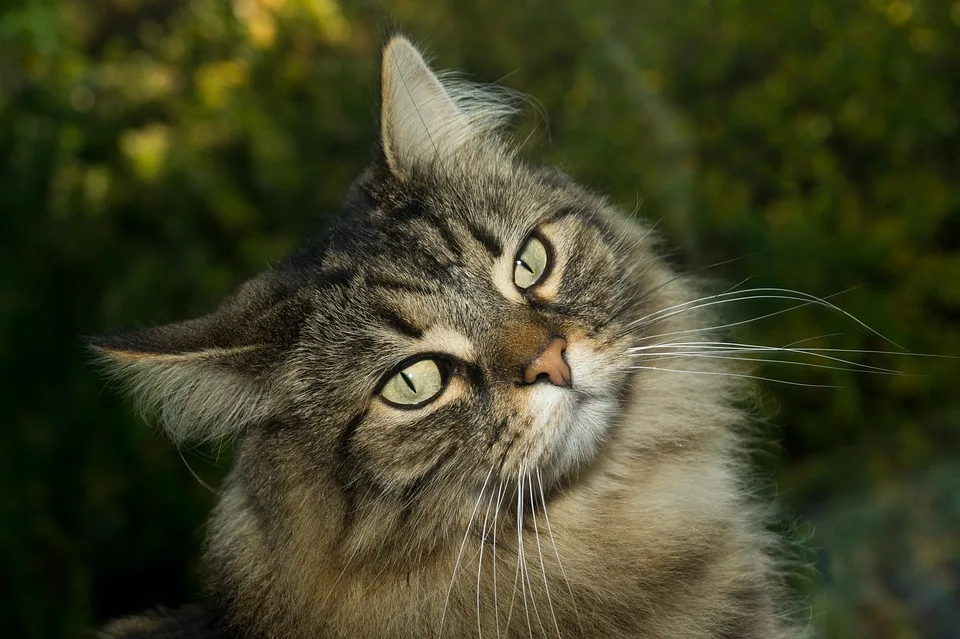
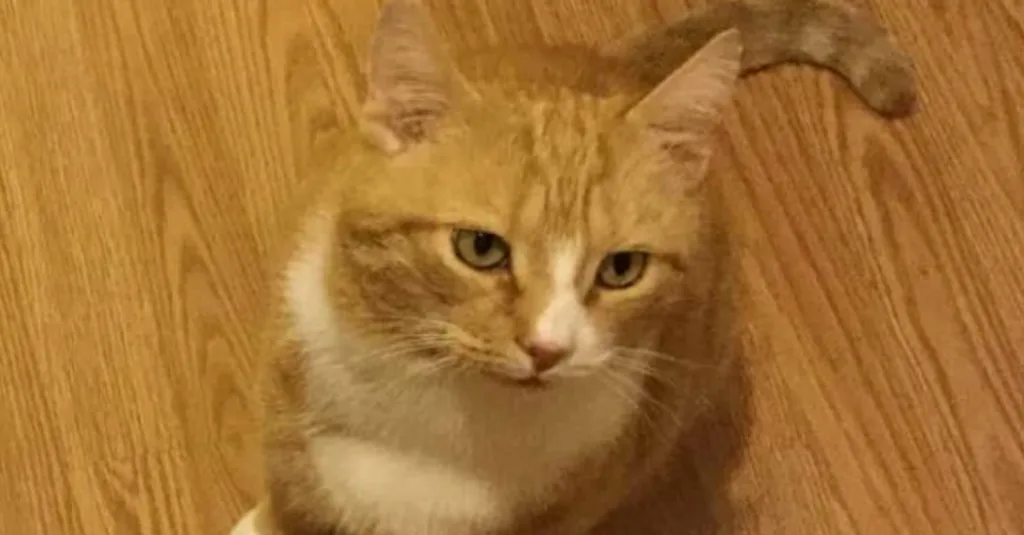
Image source: Web (Bing) / catster.com (Web image (fair-use with source credit))
Quick Answer
Kittens start drinking water around 4 weeks old. Before that, mother's milk or formula provides all hydration. Offer a shallow bowl at weaning time.
Watch for signs of readiness like sniffing or pawing at water. Never force it, let them explore naturally.
Why Accuracy Matters – Not All Advice Online Is Safe
The internet is full of well-meaning advice about kittens and water. Some sources say "offer water from day one." Others claim you should wait until eight weeks. Both extremes can cause harm.
Water intoxication is a real risk in kittens under three weeks old. Their kidneys aren't developed enough to process excess fluid, and drinking water instead of milk or formula means they miss critical nutrients needed for growth. According to the Cornell Feline Health Center, orphaned kittens are especially vulnerable because they rely entirely on what you feed them.
Another common myth: that kittens instinctively know how to drink from a bowl. They don't. Lapping water is a learned skill that usually appears between weeks three and five.
A kitten that's never seen water may walk right through the bowl, tip it over, or ignore it entirely.
The stakes here are high. Dehydration can set in fast in young animals, but so can overhydration. That's why this topic qualifies as a "your money or your life" (YMYL) category, mistakes can lead to serious health problems or even death.
So let's get the facts straight, based on veterinary research and real-world kitten care.
A note on sources: Everything in this article draws from peer-reviewed veterinary journals, university feline health programs, and official guidelines from organizations like the AVMA. We don't rely on pet forums or unverified blogs. You can trust the timelines and safety advice here.
When and How Kittens Start Drinking Water (The Real Timeline)
Let's break this down week by week. Each stage has specific needs, and knowing them helps you make the right call.
Birth to 3 weeks: Milk only
From the moment they're born until about the end of week three, kittens get every drop of fluid they need from their mother's milk (or a quality kitten formula if orphaned). Their bodies are designed for this. The milk is about 80 percent water, which is plenty for hydration.
At this stage, water is not just unnecessary, it's risky. A kitten's kidneys can't handle the extra fluid load. They also lack the coordination to lap safely.
If you put a bowl of water in front of a three-week-old, they may stumble into it or inhale water into their lungs.
What to do: Nothing. Just make sure mom is eating well and the kittens are nursing regularly. If you're bottle-feeding, follow the formula mixing instructions exactly.
Don't add extra water.
3 to 4 weeks: The transition window
Around three and a half weeks, you'll notice changes. The kittens start to walk more steadily. Their baby teeth (incisors) begin poking through.
They show interest in what mom eats and what's in the bowl near her.
This is the earliest safe point to introduce water. But "introduce" doesn't mean "expect them to drink." You're just letting them explore.
Signs of readiness:
- Walking without wobbling
- Curious sniffing at food and water bowls
- Starting to nibble on soft wet food (if you're also weaning)
At this age, the water bowl should be very shallow, less than an inch deep. Use a heavy ceramic or stainless steel dish that won't tip. Place it near their food but not too close to the litter box.
4 to 5 weeks: Active drinking begins
Now the real drinking starts. By week four, most kittens will at least sniff or paw at the water. Some will start lapping.
You may see them dip their whole face in and sneeze, that's normal. They're learning.
According to the American Veterinary Medical Association, kittens should always have access to fresh, clean water once they start weaning. The transition from milk to solid food increases their need for water. Wet food helps (it's 70 to 80 percent moisture), but plain water should be available.
At this stage, you'll want to:
- Change the water at least twice a day
- Wash the bowl daily with mild soap
- Keep the bowl in a quiet, low-traffic spot so they feel safe
6 to 8 weeks: Fully weaned
By the time kittens reach seven or eight weeks, they're typically fully weaned from mother's milk or formula. Water is now their primary hydration source. They should be drinking on their own regularly, usually 30 to 50 milliliters per kilogram of body weight each day, though wet food contributes to that total.
If a kitten isn't drinking water by eight weeks, especially if they're eating dry food, that's a red flag. Dehydration can set in quickly. More on that later.
Before 4 Weeks: Why Water Is Dangerous
It sounds counterintuitive. Water is life, right? But for a newborn kitten, water before the right time can be harmful, even fatal.
Here's why.
Underdeveloped kidneys
A kitten's kidneys don't function at full capacity until about three to four weeks of age. Before that, they can't concentrate urine effectively. Give them extra water and their body struggles to excrete it.
This can lead to water intoxication, a dangerous dilution of sodium in the blood that can cause seizures, brain swelling, and death.
Aspiration risk
Kittens under three weeks have poor head control and an underdeveloped swallowing reflex. If you offer water in a bowl, they may inhale it into their lungs. Aspiration pneumonia is a serious condition that requires emergency veterinary care.
The mortality rate for young kittens with aspiration pneumonia is high.
Displacing milk or formula
This is the most common mistake. A well-meaning owner puts a water bowl in the cage "just in case." The kitten drinks some water, feels full, and nurses less. Every ounce of water replaces an ounce of nutrient-dense milk or formula.
Over a few days, that adds up to a significant calorie and nutrient deficit.
The bottom line: For the first three weeks, the only liquid a kitten needs is milk or formula. If you're worried about dehydration, check if the kitten is nursing well and gaining weight. That's the real indicator.
Common mistakes from well-meaning owners
- "But my kitten looks thirsty!", A kitten's mouth may be dry from a warm environment or from mouth breathing. That doesn't mean they need water. Check gum moisture and skin elasticity instead.
- "I only gave a tiny bit.", Even small amounts can disrupt electrolyte balance in a very young kitten.
- "They were trying to drink from my glass.", Exploration isn't need. They might be curious about the movement or smell, not actually thirsty.
If you're caring for a litter under four weeks, keep the water bowl out of reach. Yes, even if mom drinks it. Use a raised bowl for mom or put the bowl where the kittens can't access it.
You can also switch to a dish with a smaller surface area that the kittens can't climb into.
The Safe Way to Introduce Water to a Kitten
When the time is right, usually between 3.5 and 4 weeks, introducing water should feel natural and low-pressure. Think of it as an invitation, not a requirement.
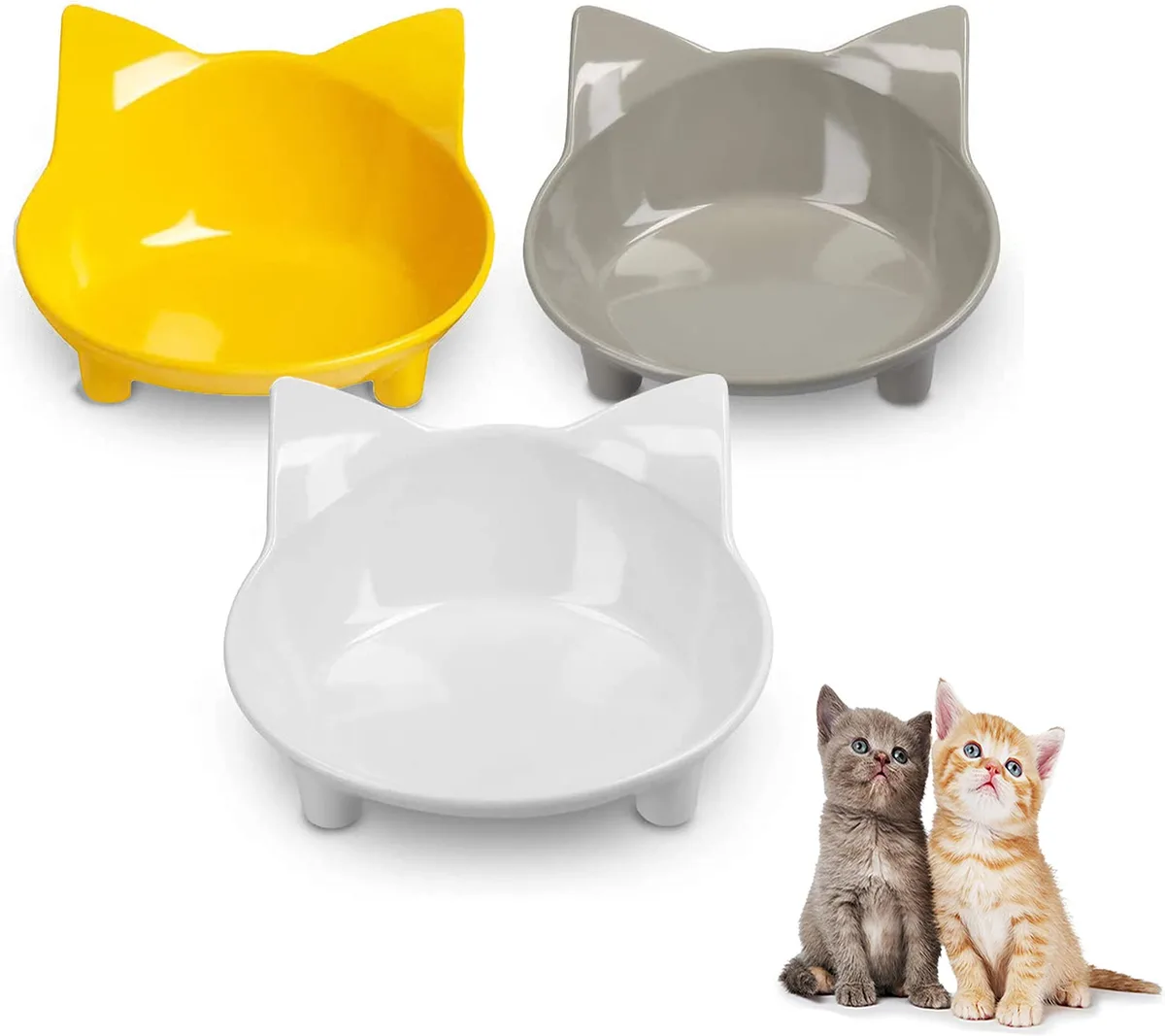
Image source: Bing (Web (fair-use with source credit))
Choosing the right bowl
Not just any dish will do. Kittens have small mouths, sensitive noses, and clumsy coordination. The wrong bowl can cause frustration or danger.
| Bowl feature | What to look for | Why it matters |
|---|---|---|
| Depth | Less than 1 inch (2.5 cm) | Prevents drowning and face-dipping |
| Material | Ceramic or stainless steel | Easy to clean, non-porous, doesn't hold bacteria |
| Base | Wide, non-slip bottom | Doesn't tip when kitten paws at it |
| Surface | Smooth, no sharp edges | Prevents tongue cuts |
Avoid plastic bowls. They can cause chin acne and harbor bacteria in scratches.
Water quality and temperature
Use fresh water daily. Tap water is usually fine, but if your local supply has high mineral content or chlorine, consider filtered or boiled (then cooled) water. The temperature should be lukewarm, room temperature or slightly warm (not hot).
Cold water can shock a kitten's sensitive stomach, especially if they're still transitioning from warm milk.
Teaching the kitten to find and lap water
You don't need to train them, but you can help.
- Place the bowl near their food dish or sleeping area, but not right next to the litter box. Kittens associate smell with safety.
- Dip your finger in the water and let them sniff it. They may lick it off your finger.
- You can also gently touch their nose to the water surface. Most kittens will sneeze, then lick their nose. That's a first taste.
- If you're feeding wet food, mix in a little water to make a gruel. This teaches them that water and food go together.
Never force their head into the water. That can cause panic and aspiration.
Pairing water with wet food
The easiest way to get a kitten drinking is through their food. At the start of weaning (around 4 weeks), offer a slurry of canned kitten food mixed with warm water or formula. The texture should be like oatmeal.
As they eat, they'll ingest water naturally. After they finish, leave a shallow bowl of plain water nearby. They'll soon connect the two.
Cleaning and maintenance schedule
- Change water twice daily, more often if the kitten dips food or litter into it.
- Wash the bowl with hot water and mild dish soap every day. Rinse thoroughly.
- Once a week, sanitize with a diluted vinegar rinse or run it through the dishwasher (if safe for the material).
- Check for biofilm (a slimy film) that can form overnight. If you feel it, scrub it off.
Signs Your Kitten Is Dehydrated (And When to Call a Vet)
Even with the best care, dehydration can happen, especially during weaning when a kitten may be more focused on exploring than drinking. Knowing the signs early can save a life.
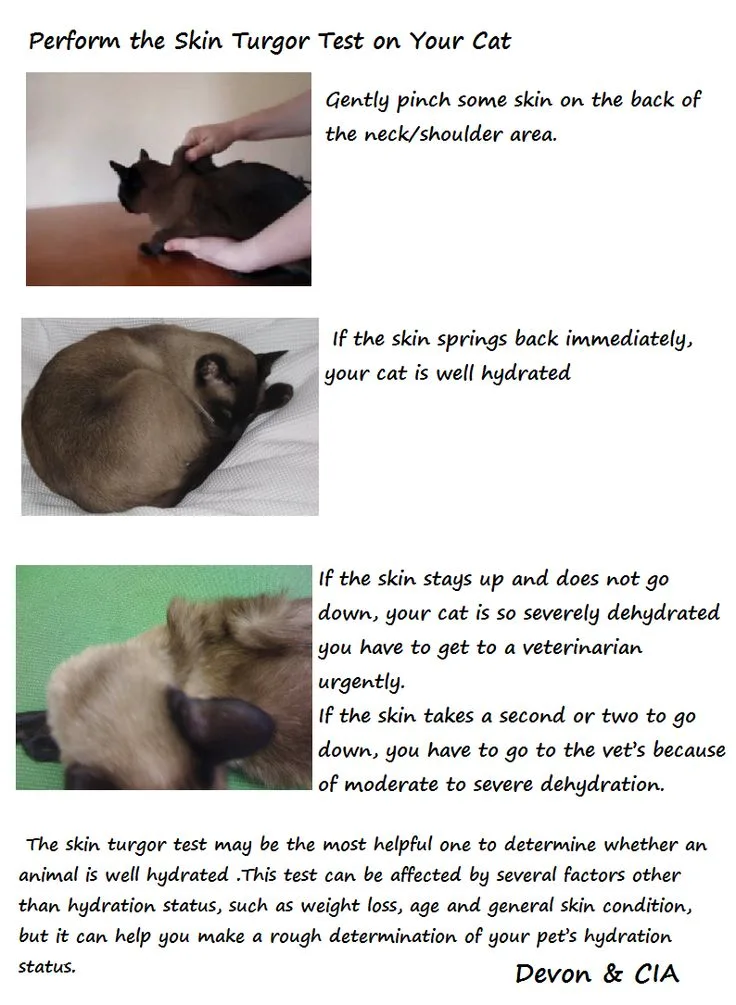
Image source: Bing (Web (fair-use with source credit))
The skin tent test
This is the quickest check. Gently pinch the loose skin between the kitten's shoulder blades and lift. In a well-hydrated kitten, the skin snaps back immediately.
If it stays tented (raised) for more than two seconds, the kitten is dehydrated. If it doesn't flatten at all, that's severe dehydration, get to a vet right away.
Capillary refill time (CRT)
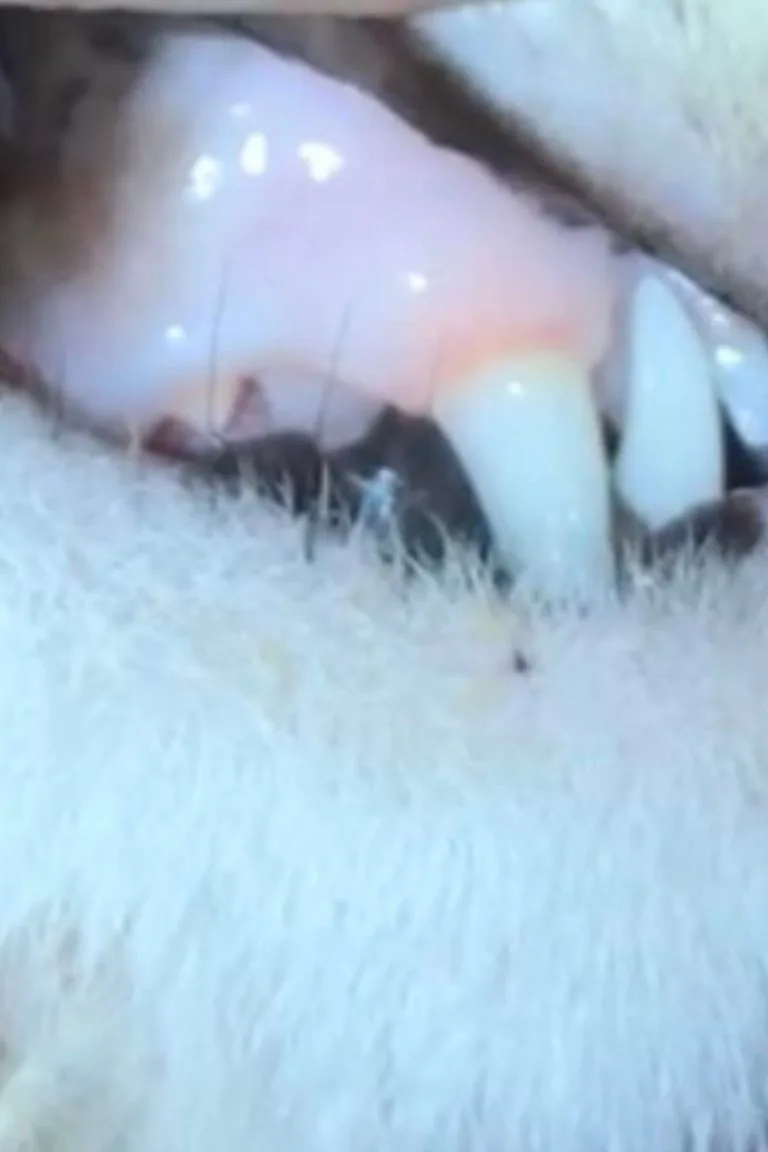
Press your finger against the kitten's gums for two seconds. Remove your finger. The white spot should turn pink within two seconds.
If it takes longer, that's a sign of poor circulation from dehydration.
Behavioral cues
A dehydrated kitten will be lethargic, less playful, sleeping more, reluctant to move. They may have dry, tacky gums instead of moist pink ones. Their eyes might look sunken or dull.
In advanced cases, they may pant or have a rapid heart rate.
When to call the vet
Call your veterinarian immediately if you notice:
- Skin tent lasting more than 3 seconds
- Gums that are pale, dry, or sticky
- Sunken eyes (the eye socket appears hollow)
- No urination for more than 12 hours
- Weakness, collapse, or inability to stand
What to do while waiting for the vet:
- Offer a small amount of lukewarm water (if the kitten is over 4 weeks old)
- Do not give cow's milk or sports drinks
- Keep the kitten warm and quiet
- Do not attempt to force-feed or force-water, aspiration is a major risk
Tips for encouraging a reluctant drinker
If your kitten is healthy but not drinking enough, try these tricks:
- Add a drop of low-sodium chicken broth to the water (unsalted, no onion or garlic)
- Use a pet water fountain, the movement attracts some kittens
- Offer wet food with extra water mixed in
- Try a different bowl shape or color, some kittens prefer white bowls or shallow saucers
- Place multiple water stations around the house
If none of these work within 24 hours, consult your vet. Some medical issues (like kidney problems or infections) can reduce thirst.

Similar Posts