White Gums in Cats: Causes and When to Worry
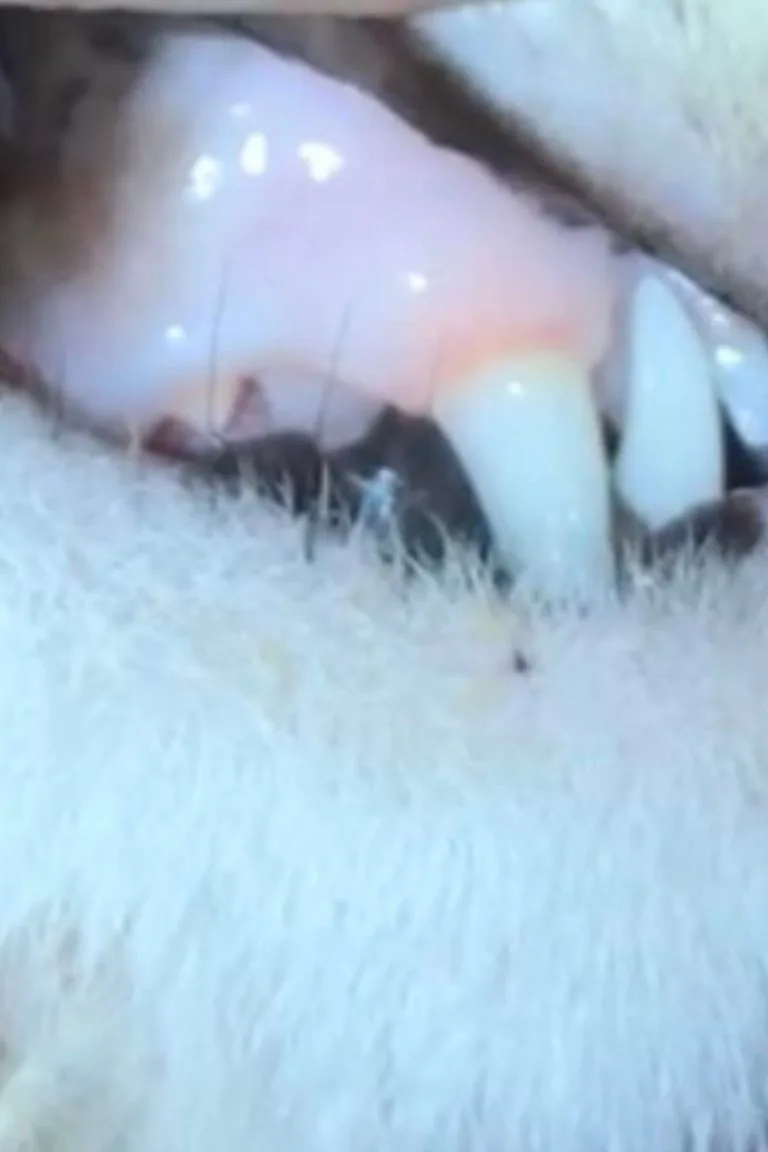
You notice your cat’s gums look pale, almost white, and your stomach drops. White gums on cats are never normal, and they signal something serious is going on inside. This isn’t a dental issue or a cosmetic quirk; it’s a red flag that demands fast action.
Per veterinary emergency protocols, the color of your cat’s gums directly reflects blood flow and oxygen levels. Healthy gums should be bubblegum pink, moist, and have a capillary refill time under two seconds. As of 2026, that baseline hasn’t changed.
Let’s walk through what white gums mean, how to check them correctly, and exactly what to do next.
Quick Answer
White gums in cats mean blood isn’t reaching the tissues properly. It’s a sign of shock, anemia, blood loss, or poisoning. This is an emergency.
Check capillary refill time by pressing the gum for two seconds, if it takes longer than two seconds to turn pink again, get to a vet immediately. Do not wait. Do not offer food or water.
Wrap your cat in a towel and go.
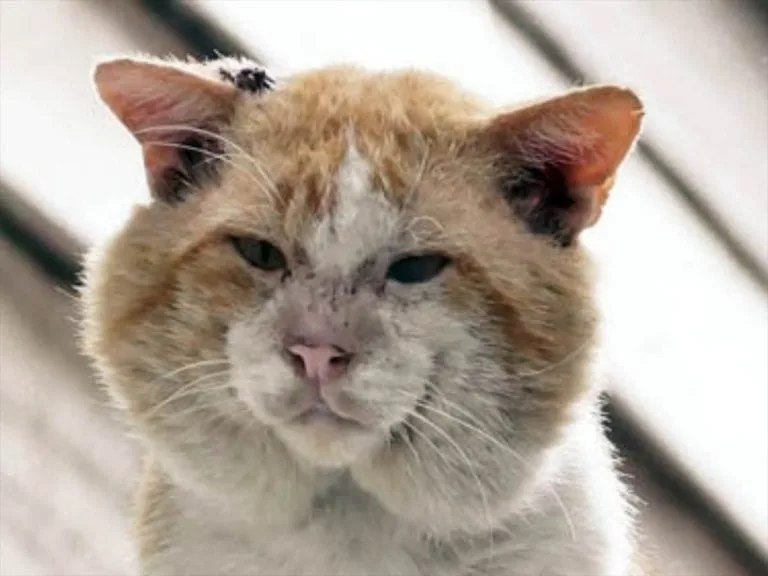
Image source: Web (Bing) / betterwithcats.net (Web image (fair-use with source credit))
What Exactly Do White Gums Mean?
Gums get their pink color from hemoglobin in red blood cells. When circulation drops or red blood cells are destroyed or lost, the tissue pales. White gums aren’t a disease themselves, they’re a visible symptom of an underlying crisis.
The most common causes fall into a few categories:
- Shock, from trauma, severe dehydration, or toxin exposure. Blood pools in the organs and gums grow pale.
- Anemia, a low red blood cell count. This can happen from fleas (kitten anemia), internal bleeding, immune-mediated disease (IMHA), or chronic illness like kidney failure or feline leukemia (FeLV).
- Blood loss, visible wounds or hidden internal bleeding from injury, rat poison, or bleeding disorders.
- Oxygen problems, less common, but if gums look blue-white rather than pale pink, it’s cyanosis, meaning the cat can’t get enough oxygen.
Each cause has different treatment, but the immediate response is the same: treat it as a life-threatening emergency until a vet says otherwise.
The Decision Tree: Is This an Emergency?
You need to decide fast. Here’s a simple if/then flow based on what else you see.
Check for these red flags
| Symptom | Action |
|---|---|
| Gums are white AND cat is collapsed, weak, or breathing rapidly | Emergency. Go now. |
| Gums are white AND you know or suspect poisoning (lilies, antifreeze, rat poison) | Emergency. Call poison control on the way. |
| Gums are white AND cat is bleeding from anywhere | Apply pressure to wound, head to vet immediately. |
| Gums are white BUT cat is alert, eating, acting normal | Still an emergency within hours. Pale gums can progress fast. Call your vet for same-day exam. |
| Gums are light pink, not fully white | Still worth checking. Capillary refill time and other symptoms decide urgency. |
If you see white gums with any of the symptoms in the first three rows, skip the phone call. Go straight to the nearest emergency clinic. If you’re unsure, err on the side of going.
Waiting is the biggest mistake.
What about mild paleness?
A cat with slightly pale gums but normal behavior could have early anemia from fleas or a chronic disease. That’s still a vet visit, just not a 3 AM emergency run. But if those gums go from pale to white over a few hours, it’s urgent.
How to Check Your Cat’s Gums Properly
Most owners don’t know how to do this correctly. Here’s the method, step by step.
Step 1: Gently lift the lip
Don’t force it. If your cat squirms, stop and try again later, stress can change gum color and heart rate. Use one hand to lift the upper lip, exposing the gum above the canine tooth.
Step 2: Look at the color in natural light
Artificial light can fool you. Step into daylight or use a white light. Normal is pink.
Pale pink is suspicious. White is critical. Blue-white or grey is even worse.
Step 3: Check capillary refill time (CRT)
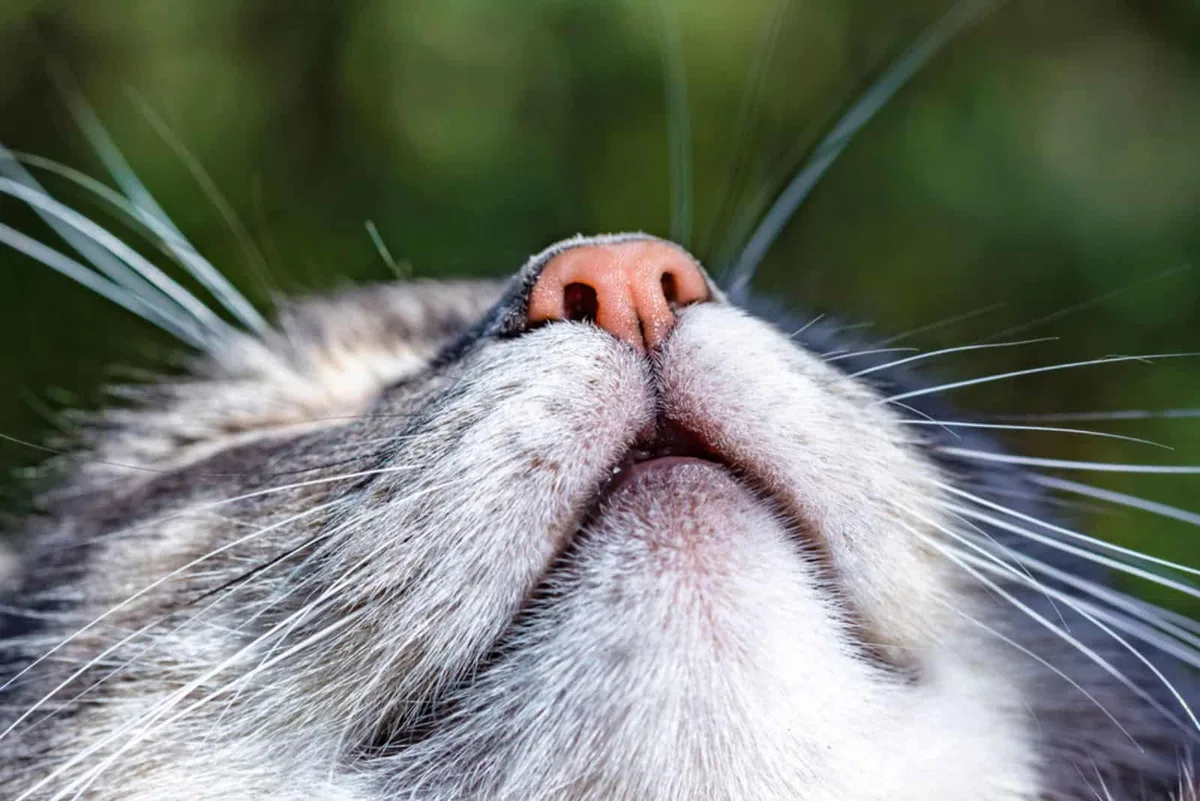
Press your finger firmly on the gum for two seconds. Release. Count how long it takes for the white spot to turn pink again.
- Normal: less than 2 seconds
- Prolonged: 3 seconds or more = poor circulation
- Very slow or no return = shock or severe anemia
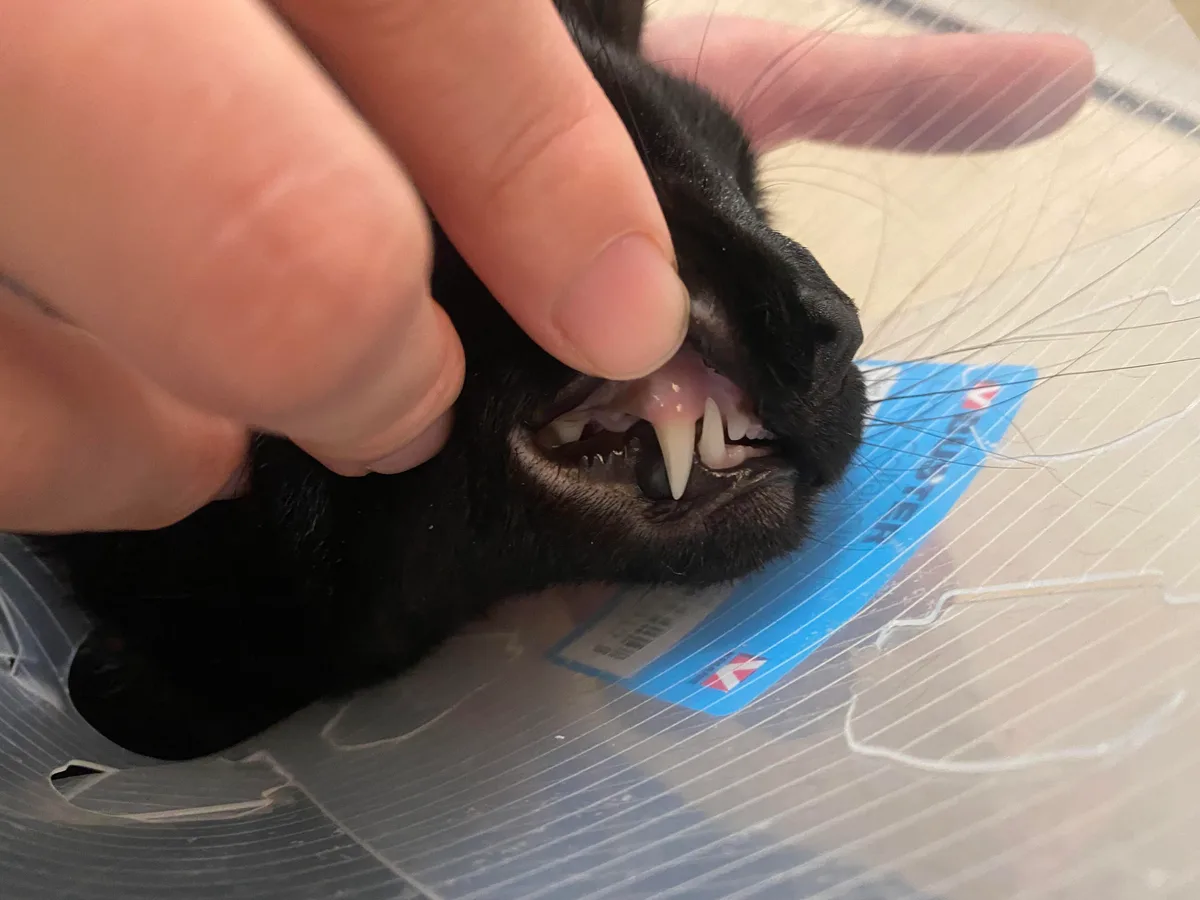
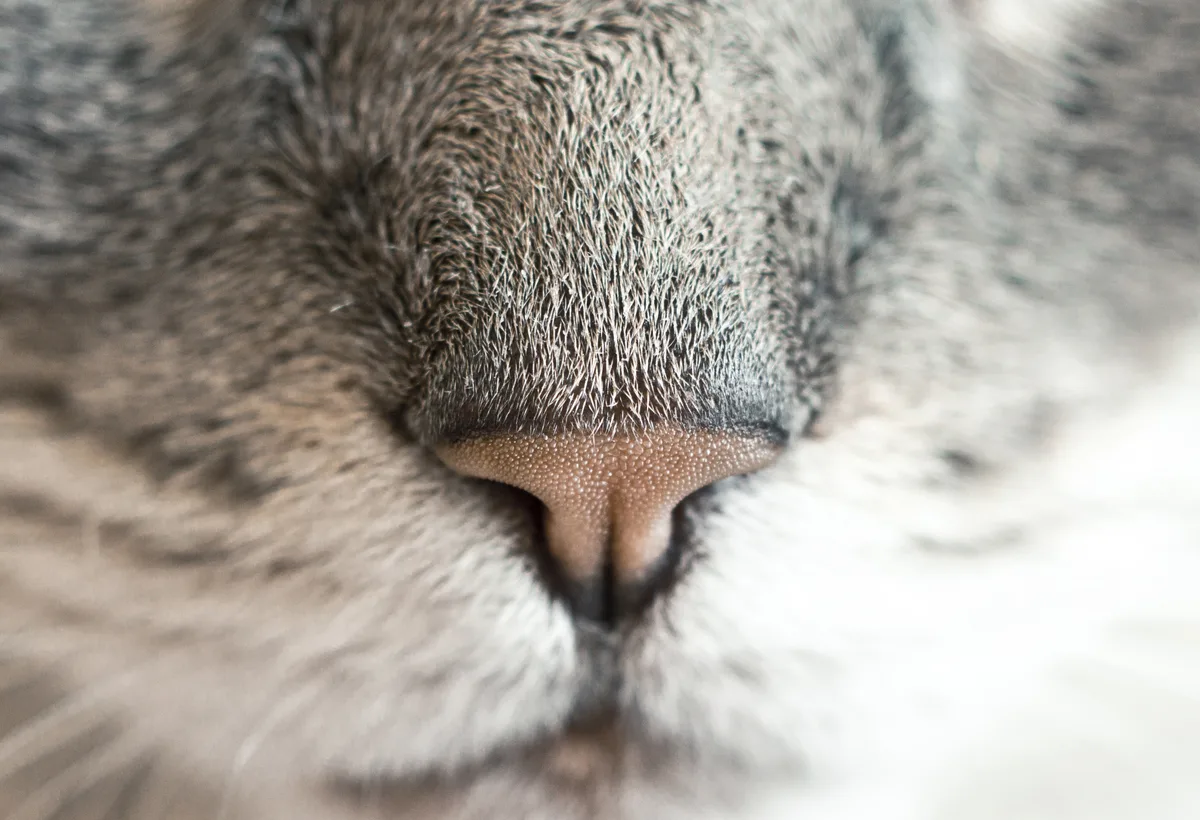
Image source: Bing (Web (fair-use with source credit))
Step 4: Check moisture
Healthy gums are slick to the touch. Sticky or tacky gums mean dehydration, which can worsen any circulation problem.
Step 5: Note temperature
Cold ears or paws can accompany shock. But don’t spend time getting a thermometer reading, if gums are white, you’re leaving for the vet anyway.
Steps to Take Before Reaching the Vet
Your job between noticing white gums and walking into the clinic is safety and observation. Do these five things.
1. Wrap your cat securely
Use a towel or blanket to create a “cat burrito.” This prevents panic, biting, and further injury. Leave the head uncovered so the cat can breathe.
2. Keep the cat warm
Shock lowers body temperature. Place a gentle heat source, a heating pad on low under the towel or a warm water bottle wrapped in cloth, against the cat’s body. Never apply it directly to the skin.
3. Do NOT feed or give water
If your cat has internal bleeding, food complicates surgery or anesthesia. If poisoning is the cause, ingested food can delay treatment. Yes, even if the cat looks hungry.
Wait for the vet.
4. Note key information for the vet
Write down or mentally log:
- When you first noticed the white gums
- Any known exposure to toxins (lilies, plants, antifreeze, rat poison)
- Recent trauma (car accident, fall, fight)
- Current medications or supplements
- Vaccination status (FeLV/FIV)
5. Call ahead if you can
If you’re driving, have someone call the clinic. Let them know you’re coming with a cat with pale gums and possible shock. That lets them prepare a crash cart or blood transfusion setup before you arrive.
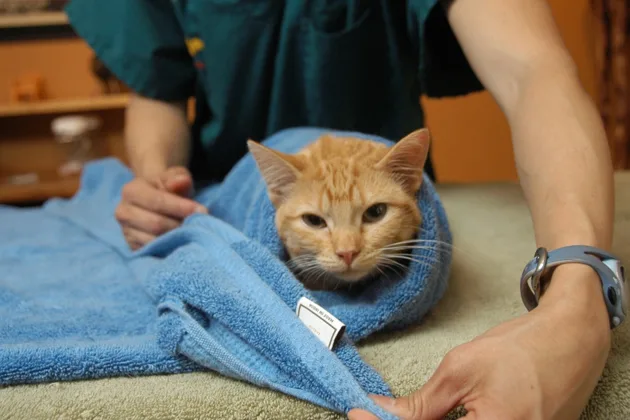
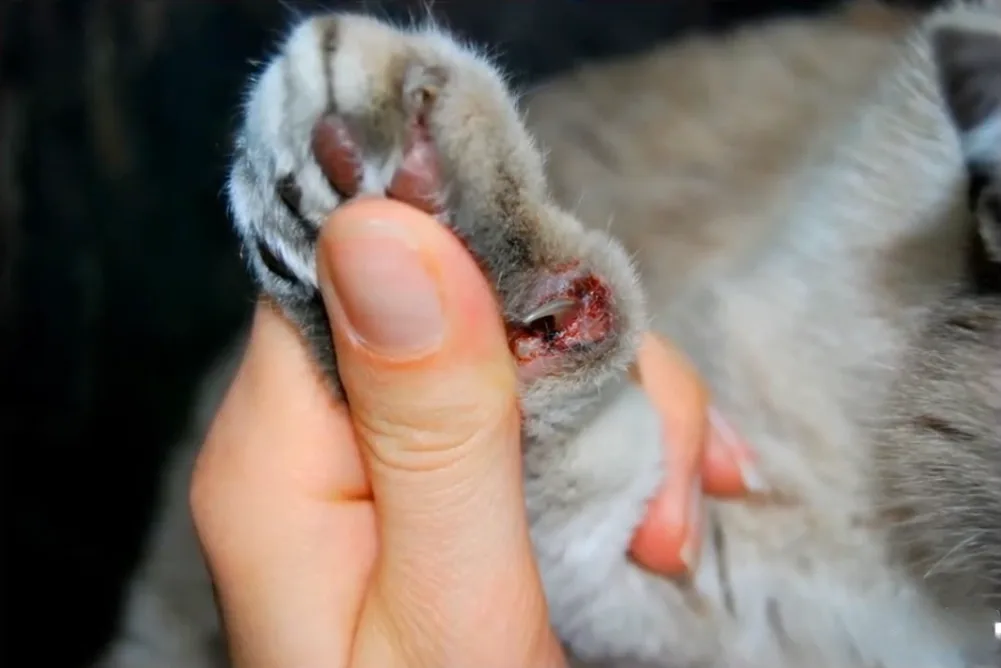
Image source: Bing (Web (fair-use with source credit))
What not to do
- Don’t give aspirin or any home remedy. Many human painkillers are toxic to cats.
- Don’t try to force the cat to drink water. Dehydration is a symptom, not a fix.
- Don’t waste time searching online for causes while the cat is fading. You can research later. Move now.

Similar Posts