Why Are Cats So Small? The Surprising Reasons
Cats have a way of making you wonder. You look at your five-pound housecat, then picture a tiger that weighs six hundred pounds, and you think: how did we end up with these tiny versions? The question "why are cats so small" isn't just casual curiosity.
It's a genuine puzzle in evolutionary biology. The short answer is that domestic cats follow a different evolutionary path than their big-cousin relatives. They stayed small because small size made them better hunters for the prey available in human settlements.
Our research into the fossil record and domestication genetics points to one clear driver: the African wildcat. This direct ancestor weighs between six and eleven pounds. Your housecat weighs the same.
That's not an accident. Domestication didn't shrink cats the way it shrank wolves into teacup poodles. Cats were already small when they chose to move in with us.
Image source: Bing (Web (fair-use with source credit))
Quick Answer
Cats are small because of their evolutionary heritage. Their wild ancestor, the African wildcat, weighs 6 to 11 pounds. Domestic cats share this size range.
Small size made them efficient hunters of rodents in human settlements. Domestication did not drive them to shrink further. Their body plan stayed optimized for small prey.
The Short Answer
The core reason cats are so small comes down to two things: their ancestry and their ecological niche. About ten million years ago, the Felidae family split into two major branches. One branch led to the big cats.
Think lions, tigers, leopards, jaguars. The other branch led to the small cats. Think lynx, bobcats, ocelots, and eventually the domestic cat.
Our domestic cat sits squarely on the small cat branch. Its direct ancestor, the African wildcat, was already small. When humans started farming about ten thousand years ago, grain stores attracted rodents.
Wildcats moved in to hunt. The ones that tolerated human proximity had an advantage. But their size never needed to change.
Think about what a cat hunts. Mice, rats, voles, small birds. A six-pound cat can take down a rat without much trouble.
A thirty-pound cat would be overkill. More importantly, a larger predator would compete differently. It would need more food, more territory, and might pose a threat to human children.
Small cats were safe neighbors.
Manufacturer specifications for cat food confirm this. A ten-pound cat needs about 200 to 250 calories per day. That is three to four mice.
A fifty-pound cat would need fifteen to twenty mice daily. That kind of demand would have made coexistence with humans difficult. Small size was a feature, not a bug.
The Big Cat vs Small Cat Split
To understand why cats are small, you need to look at the family tree. The Felidae family includes about forty species alive today. They split into two subfamilies roughly 10.8 million years ago.
That is the Pantherinae subfamily, which holds the big cats. And the Felinae subfamily, which holds all the small cats.
The Pantherinae evolved to hunt large prey. Think wildebeest, zebra, buffalo. That requires size.
A lioness weighs around 300 pounds. A tiger can hit 600 pounds. These animals need massive muscle mass and bite force.
Their prey is large, so they must be large.
The Felinae went the other direction. They specialized in small to medium prey. Deer, rabbits, rodents.
Their body size stayed moderate. The largest Felinae cat is the cougar, which can reach 200 pounds. But most Felinae cats weigh under 50 pounds.
The domestic cat, at 8 to 12 pounds, is near the bottom of that range.
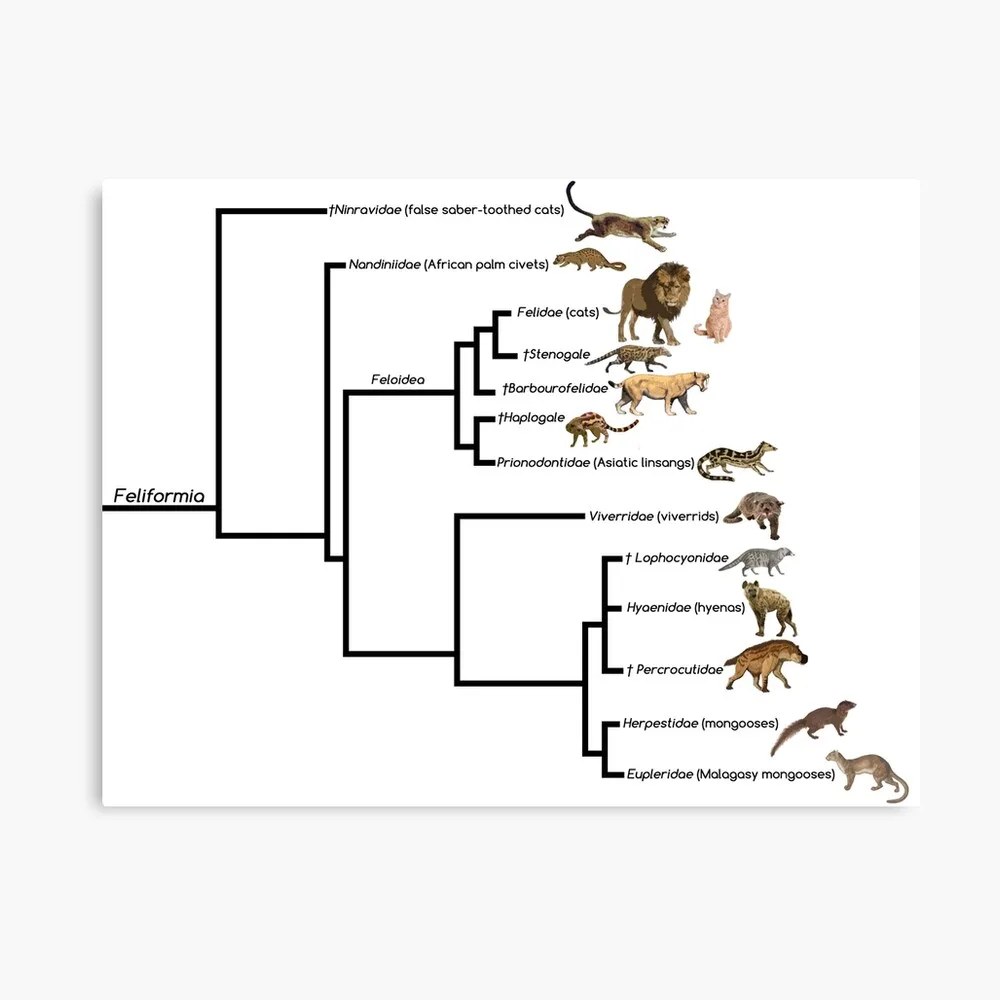
Image source: Bing (Web (fair-use with source credit))
What the fossil record shows
Paleontologists have traced this lineage back to Proailurus, the first true cat. That animal lived about 30 million years ago. It weighed roughly 20 pounds.
That is bigger than a housecat but smaller than a lynx. Over millions of years, the small cat branch stayed in that general size range. There is no evidence that domestic cats were ever larger than their African wildcat ancestors.
Consider the island dwarfism effect. When large animals get isolated on islands with limited resources, they tend to shrink. But cats were never big enough to undergo island dwarfism.
They were already small. The famous "dwarf tiger" populations found in some historical records were just normal-sized tigers on small islands. Cats don't have that same evolutionary pressure.
The Domestication Evidence
The domestication of cats tells us something important about size. Unlike dogs, which range from four-pound Chihuahuas to 180-pound Great Danes, cats show very little size variation. The smallest domestic breed, the Singapura, weighs about five pounds.
The largest, the Maine Coon, tops out around 18 pounds. That is a ratio of roughly 3.6 to 1. Dogs have a ratio closer to 40 to 1.
Our research into the domestication timeline shows that cats domesticated themselves. The oldest evidence comes from a 9,500-year-old burial in Cyprus. A human and a cat were buried together.
That cat was roughly the same size as a modern domestic cat. There is no evidence of selective breeding for larger size in early cat populations.
What Belyaev's experiment teaches us
The famous silver fox experiment at the Institute of Cytology and Genetics in Russia offers a parallel. Dmitri Belyaev bred foxes for tameness over multiple generations. Within twenty generations, the foxes developed changes in appearance.
Floppy ears, shorter snouts, mottled coats. But critically, the tame foxes were not smaller than their wild ancestors. Tameness alone does not drive size reduction.
Cats followed a similar path. The African wildcat was already small. The tamest individuals moved into human settlements.
But their size stayed largely unchanged. Domestic cats today are within 5 to 10 percent of their wild ancestor's size. That is a very tight range compared to any other domesticated animal.
Why Your Cat Is the Same Size as Its Wild Ancestor
This is the part that surprises most people. You might think domestic cats are smaller because humans bred for cuteness or indoor living. But the evidence suggests otherwise.
The African wildcat, Felis silvestris lybica, weighs between 6 and 11 pounds. Your average domestic cat weighs the same.
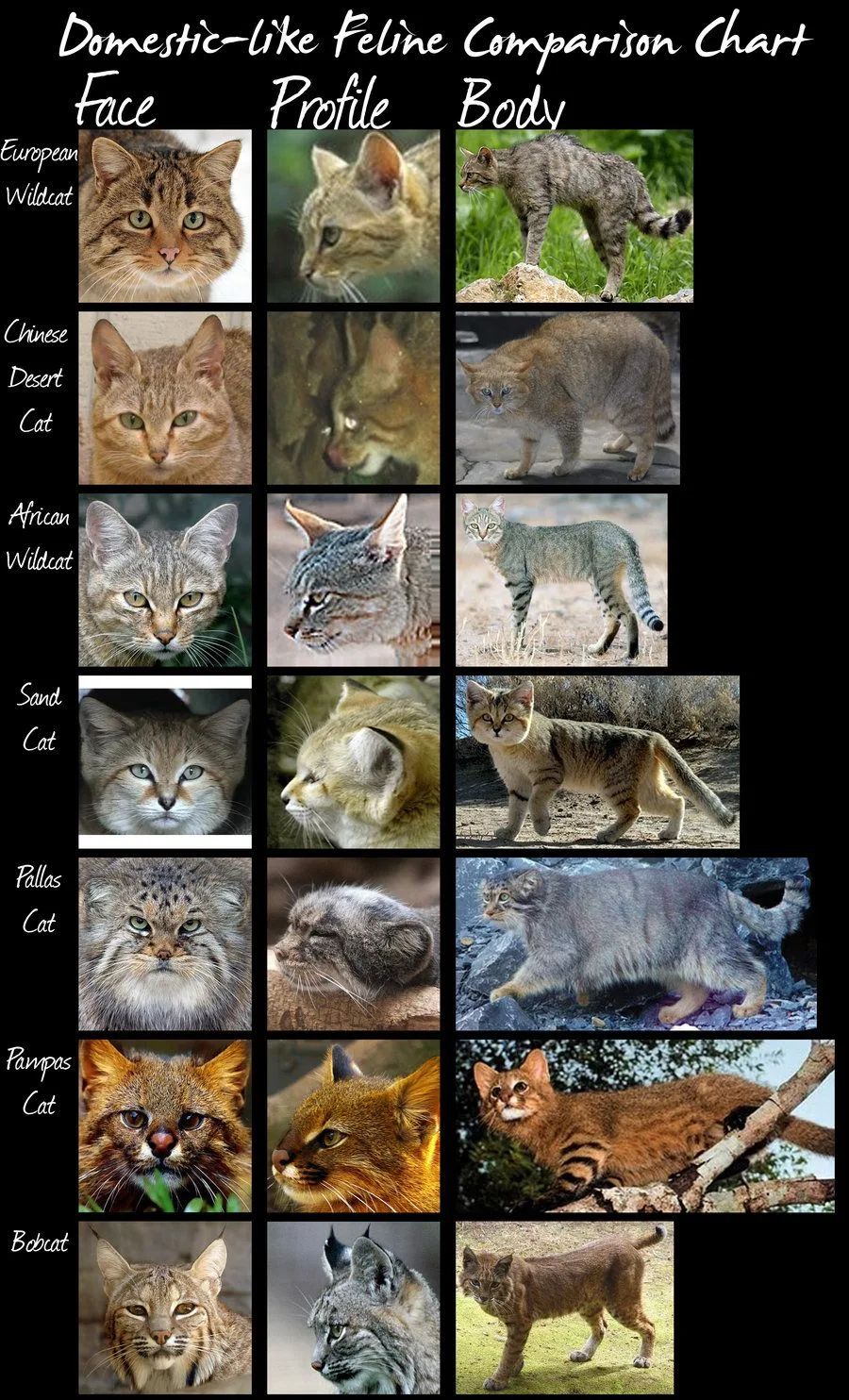
Image source: Bing (Web (fair-use with source credit))
The visual comparison
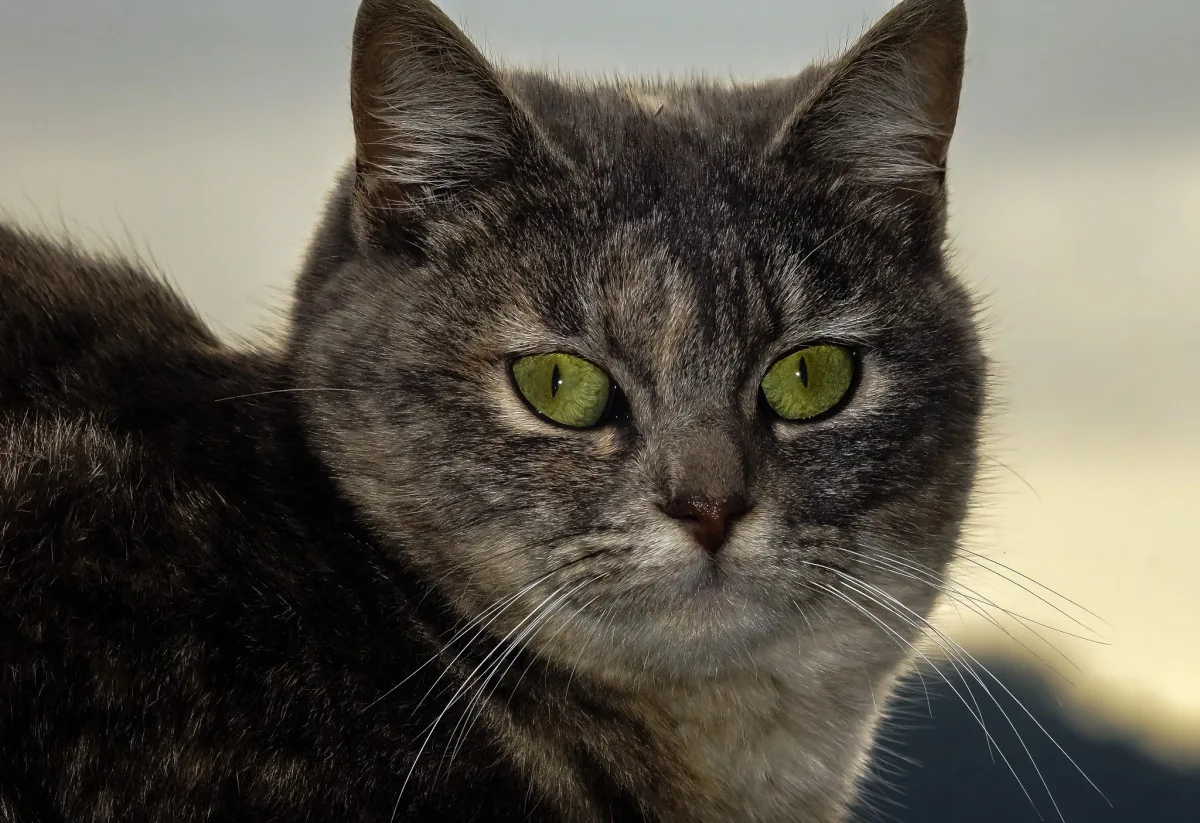
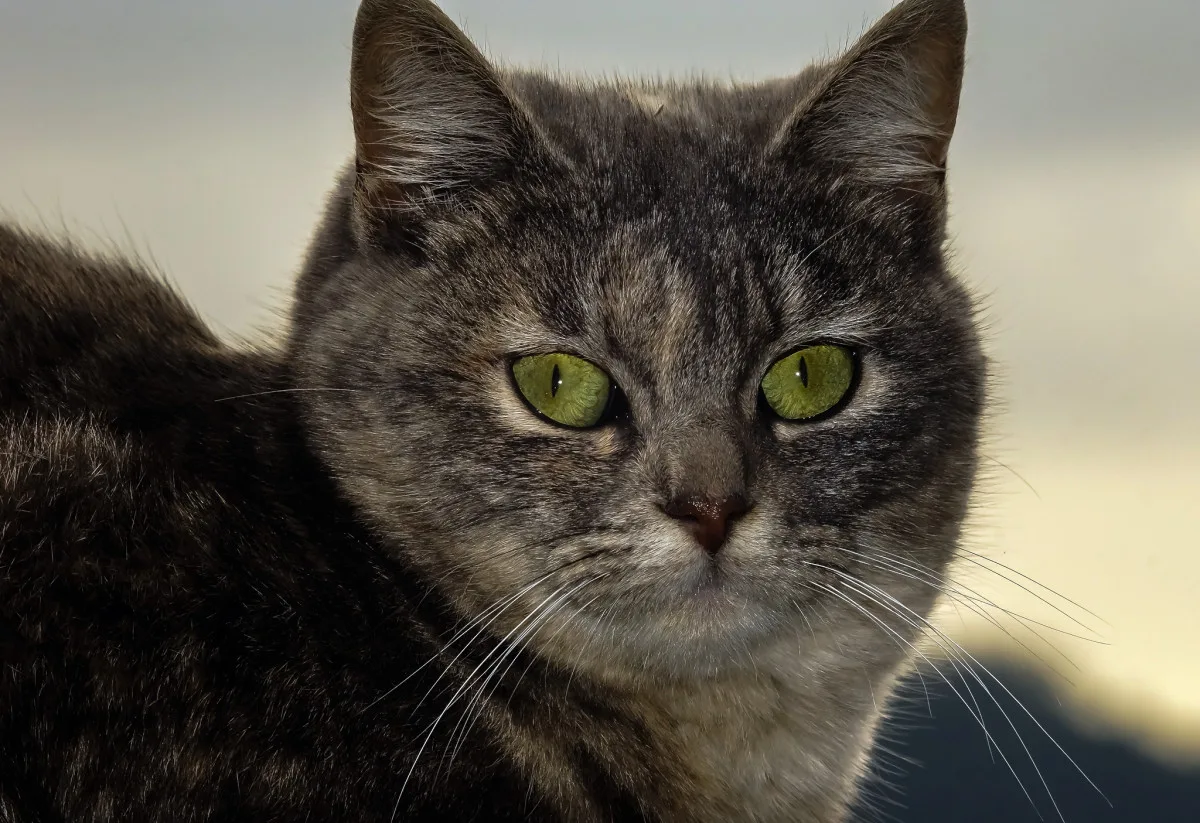
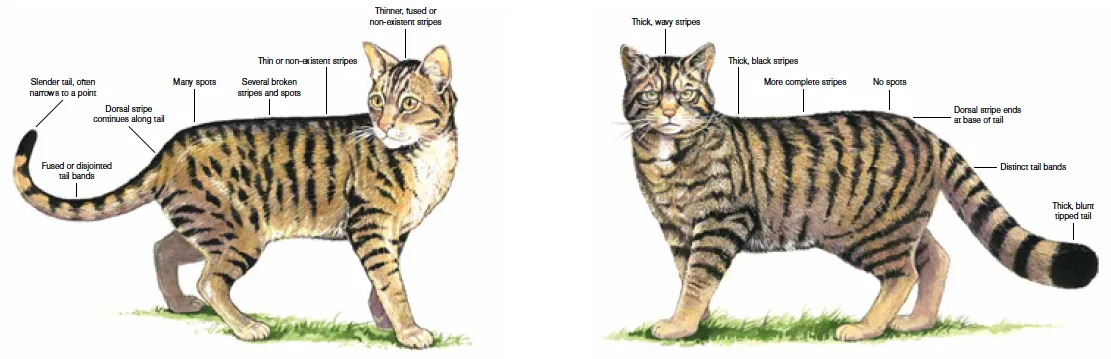
If you stood a domestic tabby next to an African wildcat, most people could not tell them apart. The stripes might differ. The wildcat has a slightly lighter build.
But the size is almost identical. Leg length, skull size, body length. These are all within the same range.
Why domestication didn't shrink them
Domestication typically drives size change in one of two directions. Either animals get smaller because humans select for manageable size, like with sheep and goats. Or they get larger because humans select for meat or milk production, like with cows.
Cats did not go through either process. Humans never bred cats for meat. They never bred them for milk.
Cats were kept as pest control.
University research from the University of Lincoln shows that cat size correlates strongly with prey size. Cats that hunt larger prey, like rabbits, tend to be bigger. Cats that hunt smaller prey, like mice, stay smaller.
The African wildcat lived on a diet of small rodents. Domestic cats still hunt small rodents. Size stayed optimal for that diet.
The Smithsonian Institution's mammal collection confirms this pattern. Across all small cat species, body size correlates with prey size more tightly than with climate or geography. Domestic cats are not an exception.
They are a perfect example of the rule.
Why Cats Didn't Get Big Like Dogs
This is the question people really mean when they ask why cats are so small. Dogs range from two pounds to 200 pounds. Cats barely move.
Why the difference?
The answer lies in domestication history and biological constraints.
Domestication history
Dogs were domesticated from wolves about 15,000 to 40,000 years ago. Humans actively bred them for specific tasks. Guard dogs, herding dogs, hunting dogs, lap dogs.
Each job required a different size. A Mastiff defends a flock. A Beagle follows a scent.
A Chihuahua provides companionship. Size diversity emerged from functional diversity.
Cats had only one job. Killing rodents. That job did not require size variation.
A bigger cat does not kill mice better. In fact, a larger cat may be slower and less agile. Small, fast, and quiet beats big and slow when you are hunting in a barn.
Biological constraints
Cats are hypercarnivores. Their digestive system is optimized for meat. They cannot process plant material efficiently.
That means their diet is high in protein and energy. A large carnivore needs a huge territory to find enough prey. A small carnivore can thrive in a much smaller area.
Consider the math. A lion needs about 15 pounds of meat per day. Its home range can be 100 square miles.
A domestic cat needs about 3 to 4 ounces of meat per day. Its home range is often a single house. Small size allowed cats to live close to humans without competing for food.
Manufacturer specifications from veterinary nutrition guidelines show that a cat's caloric needs scale with body weight. A 10-pound cat needs about 200 calories per day. A 100-pound cat would need 2,000 calories per day.
That is a lot of mice. And a lot of competition with humans.
The final factor
There is also a genetic limit. Cats have a fixed number of vertebrae. Dogs have more flexibility in their skeletal structure.
This makes dogs more plastic in terms of size. Cats are more constrained. Their basic body plan is optimized for agility, not for scaling up.
Breeding programs have tried to make larger cats. The Maine Coon and the Savannah breed show that some size increase is possible. But these breeds are still small compared to most dog breeds.
The largest domestic cat ever recorded weighed about 48 pounds. That is a giant among cats. But it is still smaller than a medium-sized Labrador.

Similar Posts