Why Cats Have Wet Noses: The Surprising Truth
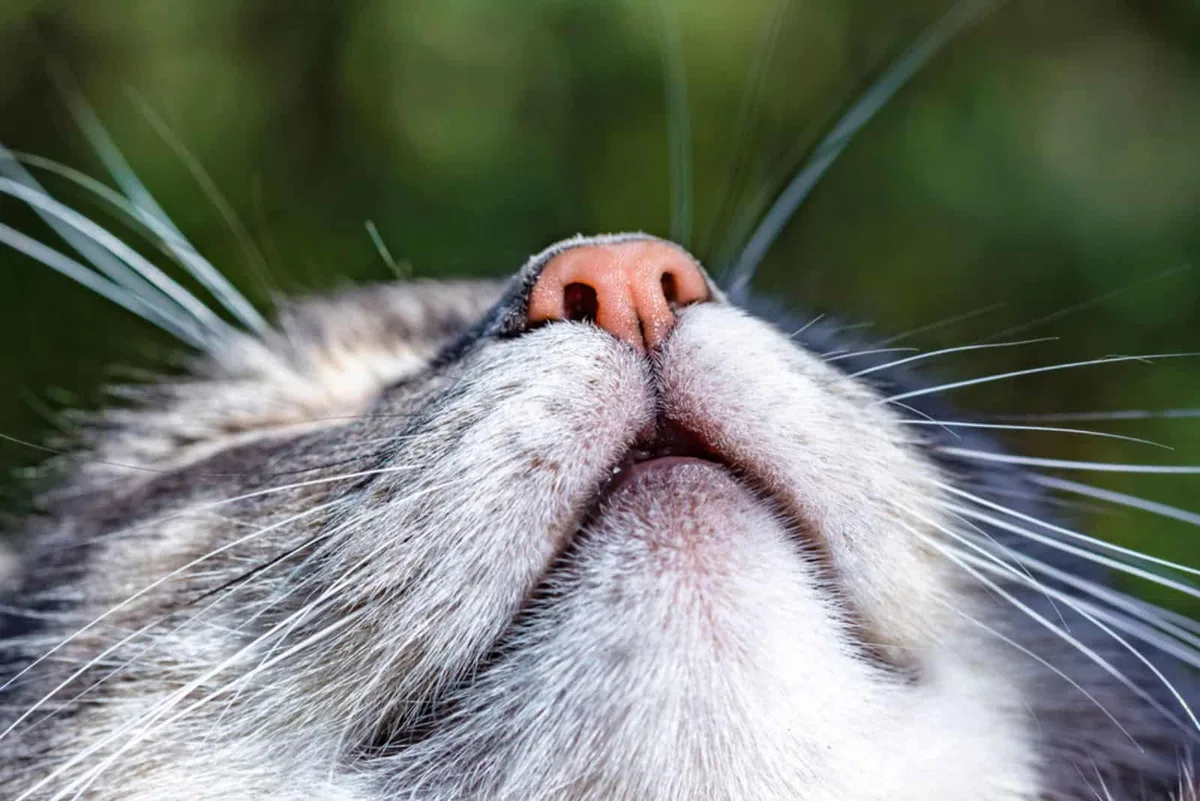
You've probably touched your cat's nose and wondered why it's always damp. The short answer to why are cats noses wet comes down to three biological functions: tear drainage, scent absorption, and self-cleaning. A healthy cat nose is moist more often than it's dry.
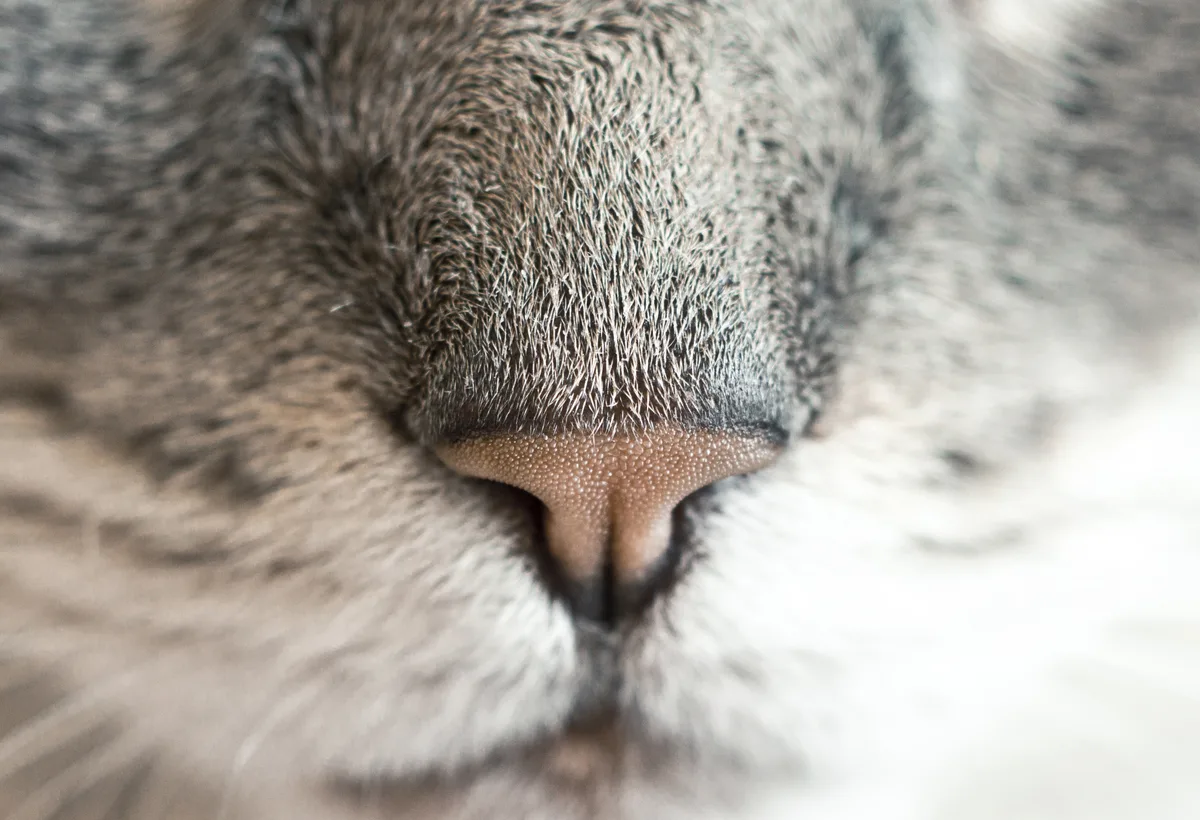
That moisture isn't random. Per veterinary anatomy standards, the rhinarium, the hairless tip, stays wet because tear ducts drain directly into the nasal cavity. Feline medicine research confirms that a wet nose helps cats process scent molecules up to ten times more efficiently than a dry one.
Here's why that matters and what the moisture level actually tells you about your cat's health.
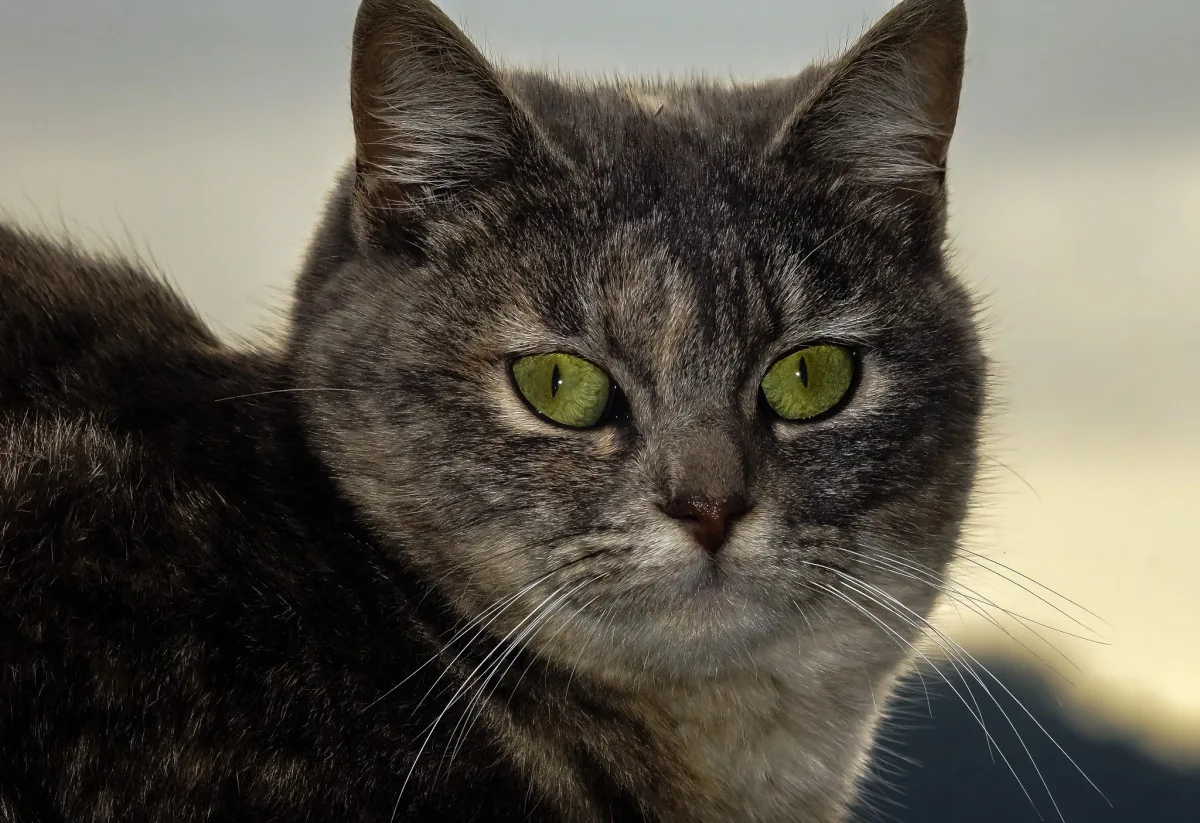
Image source: Bing (Web (fair-use with source credit))
Why This Matters (and Why Most Advice Online Is Wrong)
The internet is full of oversimplified answers. "Cats have wet noses to cool down." "A dry nose means your cat is sick." "A wet nose means your cat is healthy." None of those statements is entirely accurate.
The real problem with oversimplified advice is that it makes owners panic over normal variation, or miss real warning signs because they're watching the wrong thing. Per Cornell University College of Veterinary Medicine guidelines, nose moisture fluctuates throughout the day based on activity, environment, and even the cat's sleep cycle. A nose that's dry for a few hours is not automatically a red flag.
Here's what our research into feline medicine reveals. The moisture on your cat's nose serves multiple specific purposes, and none of them are about "sweating." Cats have sweat glands on their paw pads, not on their noses. That wet nose is doing something far more interesting.
If you've ever been told to judge your cat's health purely by touching its nose, you've been given bad advice. Nose moisture is one clue among many. It's never the only thing you should check.
This matters because cats are masters at hiding illness. By the time a cat shows obvious symptoms, the problem is often advanced. If you're relying on nose moisture as your early warning system, you will miss things.
Let's talk about what's really going on with that damp nose.
The Real Reasons: Tear Ducts, Scent Molecules, and Self-Cleaning
Let's start with the simplest explanation. Your cat's nose is wet because of a constant, gentle flow of tears. Cats have nasolacrimal ducts, tiny tubes that drain excess tears from the eyes into the nasal cavity.
That's the primary source of nose moisture in healthy cats.
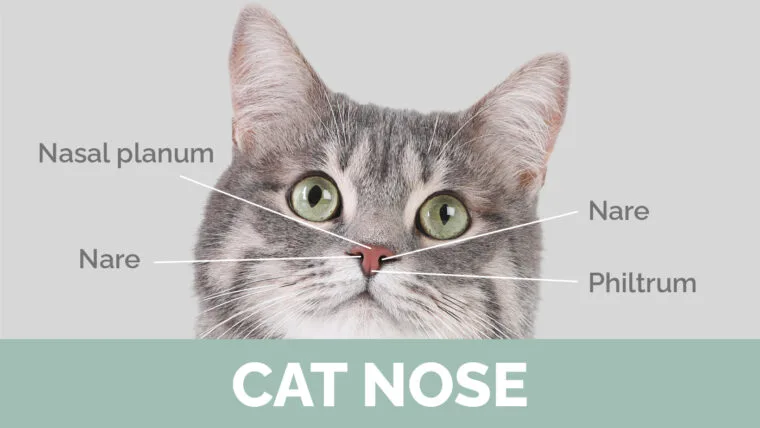
Image source: Bing (Web (fair-use with source credit))
Tear Drainage Is the Main Source
Every cat produces tears to lubricate and protect their eyes. Those tears don't just spill down the face like they do in humans. They drain through the nasolacrimal ducts and exit through the nose.
This is why you'll sometimes see a cat with a slightly runny nose after crying or being in a dusty room. It's a built-in drainage system.
The moisture from tear drainage keeps the rhinarium soft and sensitive. A dry, cracked nose would be less effective at detecting temperature changes and air movement. Cats rely on their nose for spatial awareness and hunting.
That moisture isn't cosmetic, it's functional.
Scent Absorption Is the Secret Superpower
Here's the part most people don't know. Cats' wet noses are scent-catching devices. The moisture on the surface of the rhinarium helps trap and dissolve scent particles from the air.
When a cat licks its nose, which they do constantly, it transfers those dissolved scent molecules to the vomeronasal organ on the roof of their mouth.
This is the Jacobson's organ. It's a specialized scent-processing system that humans don't have. Cats use it to analyze pheromones, identify other animals, and even assess whether food is safe to eat.
A dry nose makes this process less efficient. That's why you'll see your cat lick its nose immediately after sniffing something interesting.
Self-Cleaning Keeps Everything Working
Cats groom their noses frequently. Each time they lick their nose, they spread saliva across the surface. Saliva evaporates more slowly than water, so it helps maintain moisture longer.
It also carries digestive enzymes that break down debris and keep the nose clean.
This self-cleaning behavior is instinctive. A cat with a dirty or clogged nose can't smell properly. And a cat that can't smell properly is a cat that can't hunt, even if the "hunting" is just finding their food bowl.
The moisture acts as a natural filter, trapping particles that would otherwise be inhaled.
What a Wet Nose Actually Tells You (and What It Doesn't)
Now that you know what causes the moisture, here's what it does and doesn't mean for your cat's health. This is where most online advice goes wrong.
| Nose Condition | What It Usually Means | What It Doesn't Necessarily Mean |
|---|---|---|
| Moist and cool | Normal. Healthy tear drainage and grooming. | Your cat is fully healthy. Other signs matter more. |
| Moist and warm | Recent activity, sunbathing, or lying near a heater. | A fever or illness. Check temperature if concerned. |
| Dry and warm | Sleeping, low activity, low humidity in the room. | Dehydration or sickness. Look for other symptoms. |
| Dry and cracked | Low humidity, dehydration, or sun exposure. | A medical emergency. But it can signal a problem. |
Normal Variation You Should Expect
A cat's nose changes throughout the day. Here's what normal looks like.
A cat that just woke up from a nap will often have a dry, warm nose. That's because they weren't grooming or producing tears at the same rate while asleep. Give it ten to fifteen minutes of being awake, and the nose will typically moisten again.
A cat that's been lying in a sunbeam will have a warm nose. That's physics, not illness. Check the nose after they've been in a cooler spot for a while.
A cat in a dry indoor environment, especially during winter with heating running, will have a drier nose than a cat in a humid climate. That's normal too.
What Vets Actually Watch For
Professionals don't rely on nose moisture as a primary health indicator. According to the AVMA, the more reliable signs of illness in cats include changes in appetite, water intake, litter box habits, energy level, and grooming behavior.
A wet nose doesn't rule out illness. A dry nose doesn't confirm it. The nose is one small data point, not a diagnosis.
The real value of observing your cat's nose is noticing sudden or persistent changes that don't match their normal pattern.
How to Check Your Cat's Nose the Right Way
Most owners don't check their cat's nose correctly. They touch it briefly, feel whether it's wet or dry, and draw a conclusion. Here's how to do it in a way that actually gives you useful information.
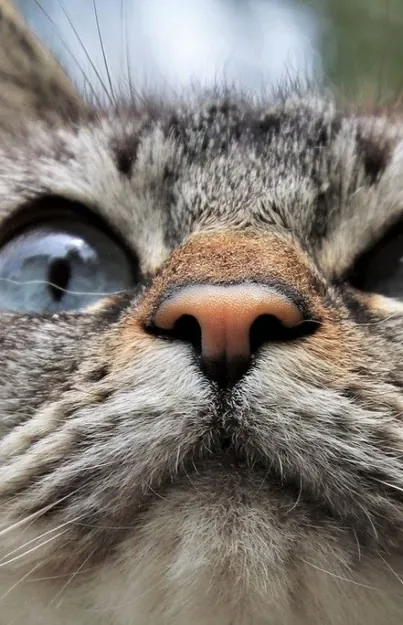
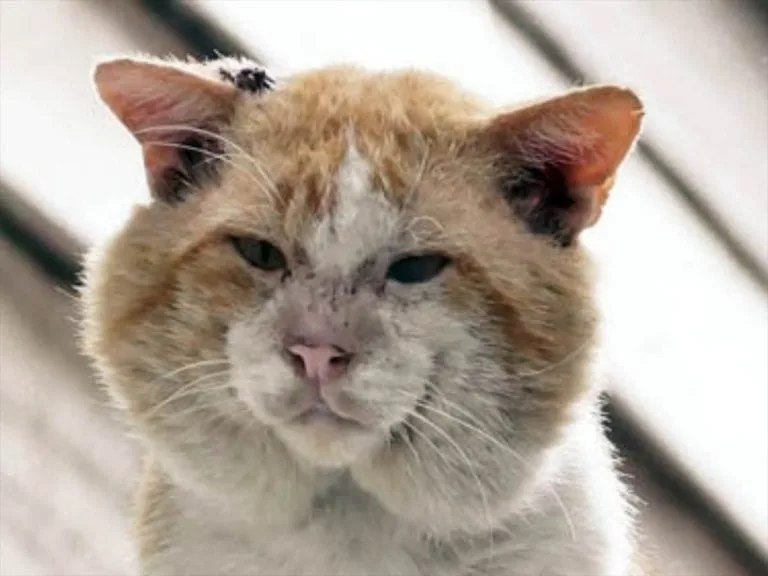
Image source: Bing (Web (fair-use with source credit))
Step 1: Observe First, Touch Second
Before you touch your cat's nose, look at it. What color is the surface? A healthy cat nose should match the cat's skin pigmentation, pink for pink-skinned cats, black for black-skinned cats.
Any sudden change in color deserves attention. Look for cracks, scabs, swelling, or discharge.
Clear, thin moisture is normal. Thick, colored, or crusty discharge is not.
Step 2: Use the Back of Your Hand
The back of your hand is more sensitive to temperature than your fingertips. Gently rest the back of your hand against your cat's nose for two to three seconds. You're checking for a dramatic temperature change, not a precise diagnosis.
A nose that's significantly warmer than the rest of the cat's face could indicate inflammation or fever.
But remember: a warm nose from sunbathing or a heating vent is normal. Context matters.
Step 3: Check Consistency and Wetness
Look for how wet the nose actually is. Is it lightly moist like a lip? That's normal.
Is it dripping? That could mean excessive tear production, allergies, or a blocked tear duct. Is it bone dry with flaking skin?
That could mean dehydration, low humidity, or a skin condition.
The key is establishing what's normal for your cat. Check their nose at the same time each day for a week. You'll quickly learn their baseline.
Step 4: Watch the Whole Cat
This is the most important step. A cat with a dry nose but normal appetite, energy, bathroom habits, and grooming is fine. A cat with a wet nose but no appetite, hiding behavior, and lethargy is not fine.
The nose is not a shortcut. It's one piece of a bigger picture.
Mistakes Owners Make (and When Not to Panic Over a Dry Nose)
Let's address the most common mistakes head on. These are the errors that send worried owners to the vet unnecessarily, or worse, keep them from going when they should.
Mistake 1: Panicking Over a Dry Nose
A dry nose is normal in many situations. Your cat just woke up. Your home is dry.
Your cat spent an hour near a space heater. Your cat is a brachycephalic breed like a Persian or Exotic Shorthair, which have flatter faces and less natural moisture retention.
If your cat is acting normally, a dry nose is rarely a problem on its own.
Mistake 2: Assuming a Wet Nose Means Good Health
This is the flip side and just as dangerous. A cat with a respiratory infection can have a wet nose because of excess mucus and tear production. A cat with a foreign object in its nose can have a wet, runny nose on one side only.
A cat with allergies can have a constantly dripping nose.
Wet does not equal healthy. Dry does not equal sick. It's the pattern and the other symptoms that matter.
Mistake 3: Overcleaning the Nose
Some owners wipe their cat's nose repeatedly, thinking they're helping. This can remove the natural protective oils and moisture coating. The nose can become dry and irritated as a result.
Only clean your cat's nose if there's visible debris or discharge. Use a soft, damp cloth. Don't scrub.
Mistake 4: Ignoring a Chronic Dry Nose
A nose that stays dry, cracked, or crusty for days despite normal activity and humidity deserves attention. This could indicate dehydration, a skin condition, or an underlying health issue. If your cat's nose has been dry for more than 48 hours and you can't explain it through environment or sleep patterns, check with your vet.
When to Relax
Your cat just woke up and has a dry nose. Relax. Your cat was lying in the sun and now has a warm nose.
Relax. Your cat has always had a slightly drier nose than your previous cat. That's individual variation.
Relax.
Cats are individuals. Their nose moisture levels vary as much as their personalities.
When a Wet Nose Means a Vet Visit
You now know that a wet nose is usually normal. But there are clear exceptions. Here's when that moisture signals something worth a professional look.
Discharge That Isn't Clear
Clear, thin moisture is normal. Colored discharge is not. Yellow, green, or brown discharge from the nose suggests infection.
Thick, pus-like mucus points to a bacterial or fungal issue. Blood-tinged discharge requires immediate veterinary attention.
If the discharge comes from only one nostril, that's especially concerning. It could mean a foreign object, a tooth root abscess, or a nasal tumor. A cat with unilateral discharge needs a vet exam.
Wet Nose Plus Other Symptoms
A wet nose alone is rarely a problem. A wet nose paired with other symptoms is different. Watch for these combinations.
| Symptom Alongside Wet Nose | Likely Concern | Action |
|---|---|---|
| Sneezing, eye discharge, lethargy | Upper respiratory infection | Vet visit within 24 hours |
| Loss of appetite, hiding, fever | Systemic illness | Vet visit same day |
| Coughing, open-mouth breathing | Respiratory distress | Emergency vet |
| Pawing at face, head shaking | Foreign object or dental issue | Vet visit within 24 hours |
Changes in the Nose Itself
Look at the skin of your cat's nose. Crusting, cracking, or ulceration that persists beyond a day or two needs evaluation. Sunburn on pink noses is common in outdoor cats and can lead to squamous cell carcinoma over time.
A sore on the nose that doesn't heal is a vet visit.
Swelling of the nose or the bridge of the nose is another red flag. This could indicate an allergy, an infection, or in older cats, nasal lymphoma. A cat with a swollen nose should be seen promptly.
When to Go to the Emergency Vet
Some situations cannot wait. If your cat is having trouble breathing through its nose, breathing with its mouth open, or has a nosebleed that doesn't stop within a few minutes, go to the emergency vet. If your cat is lethargic, won't eat or drink, and has any nasal discharge, don't wait for a regular appointment.
Trust your gut. You know your cat better than anyone. If something feels off, it probably is.
Frequently Asked Questions
Should my cat's nose be wet or dry?
Both are normal at different times. A healthy cat's nose fluctuates between wet and dry throughout the day based on activity, sleep, and environment. What matters more is the overall pattern and whether other symptoms are present.
Why is my cat's nose wet and dripping?
Excessive dripping usually means the tear ducts are producing more fluid than normal. This can happen with allergies, eye irritation, or upper respiratory infections. If the discharge is clear and your cat seems fine, monitor it.
If it's colored or your cat seems unwell, see a vet.
Is a dry nose a sign of dehydration in cats?
It can be, but it's not the most reliable sign. The skin tent test on the back of the neck is more accurate for checking hydration. A cat with a dry nose, tacky gums, and sunken eyes is likely dehydrated.
Dry nose alone is not a diagnosis.
Do cats sweat through their noses?
No. Cats have sweat glands on their paw pads, not on their noses. The moisture on a cat's nose comes from tear drainage, saliva from grooming, and condensation from breath.
That old myth about sweating through the nose is not true.
Why does my cat's nose change from wet to dry throughout the day?
This is completely normal. A sleeping cat produces fewer tears and doesn't groom. Their nose dries out.
After waking, grooming resumes and tears drain again. Your cat's nose will cycle through wet and dry states several times daily.
When should I call the vet about my cat's nose?
Call if you see colored discharge, bleeding, swelling, or a sore that won't heal. Call if a wet nose is paired with lethargy, appetite loss, or breathing changes. Call if your cat is pawing at its face repeatedly.
For anything that feels wrong, call. That's what your vet is there for.

Similar Posts