Why Are Cats So Soft? The Science Explained
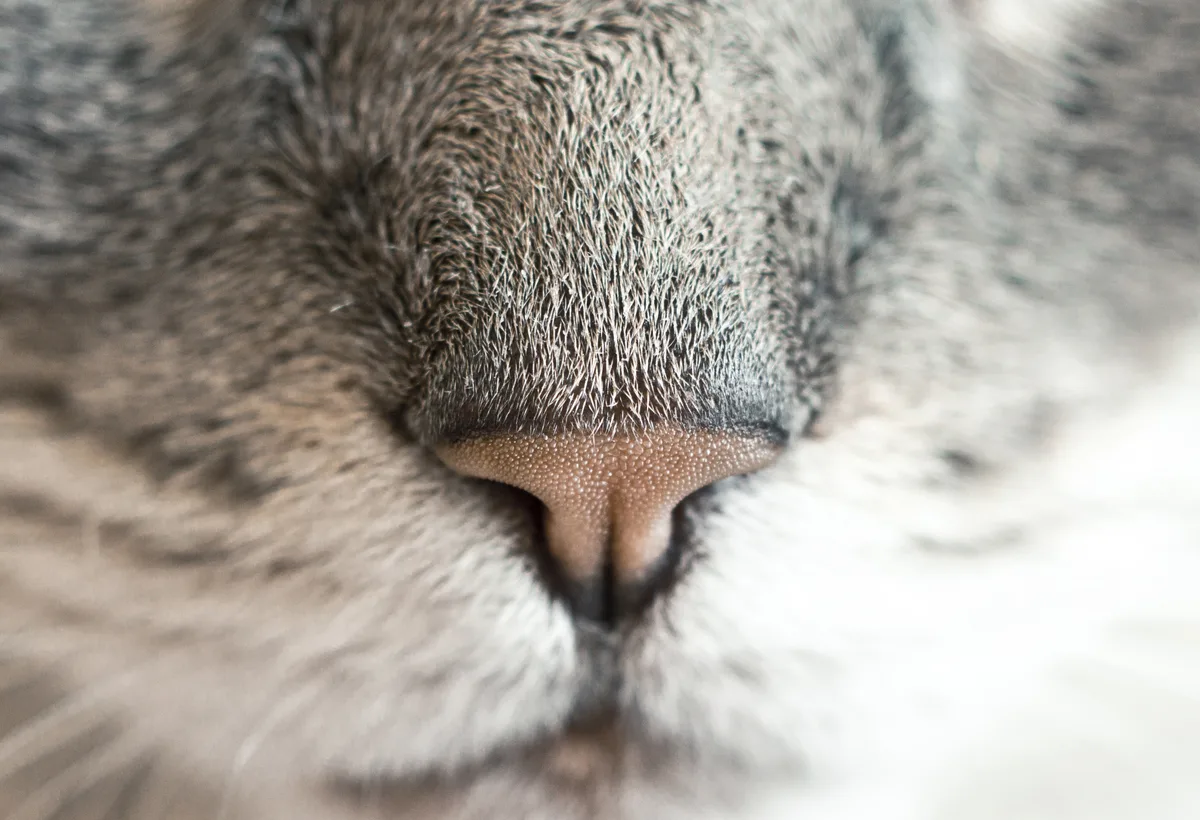
Have you ever stopped mid-pet and wondered why are cats so soft? It's not just a nice coincidence. There's real biology behind that silky feel.
A cat's fur is engineered for warmth, protection, and maximum touch appeal.
As of 2026, research into feline coat structure shows that a typical cat has between 800 and 1,600 hairs per square centimeter. The secret isn't just the density. It's how those hairs work together.
Let's look at what's really going on beneath your fingertips.
Image source: Web (Bing) / pxhere.com (Web image (fair-use with source credit))
Quick Answer
Cats are soft because of their double-layered coat structure. Fine, wavy undercoat hairs trap air and feel plush. Guard hairs on top are smooth and repel dirt.
Natural oils from the skin condition each shaft. Combined with high hair density, this creates that irresistibly soft texture.
The Real Reason We Can't Stop Touching Cat Fur
Your hand knows what your brain hasn't quite put into words. That softness comes down to one thing. A cat's coat has three distinct hair types working together.
The outermost layer is made of guard hairs. These are long, stiff, and coated with a smooth cuticle that repels water and dirt. Beneath those sit awn hairs.
They're shorter and slightly kinked, adding a cushiony layer you feel when you press down.
Then there's the undercoat. These are the down hairs, and they're the real softness stars. Down hairs are wavy, thin, and incredibly dense.
A single hair follicle can produce up to 20 of these fine secondary hairs.
Keratin, the same protein in human hair and nails, makes up every strand. But cats have an advantage. Their sebaceous glands produce a constant supply of natural oils that keep each hair shaft conditioned and flexible.
Dry hair feels rough. Oiled hair glides.
The result is a texture that's simultaneously plush, smooth, and springy. It's why you find yourself burying your face in your cat's belly even when you know the claws might come out. That's not irrational.
That's biology.
The Three Main Factors That Decide How Soft a Cat Is
Softness isn't random. It comes down to three variables you can actually check.
Factor one: coat type. Cats with a double coat have that dense, plush underlayer. Single-coated cats, like Siamese or Sphynx, feel smoother but not as fluffy. If your cat has a thick undercoat, it will naturally feel softer to the touch.
Factor two: grooming. Cats spend up to 50 percent of their waking hours grooming. Their tongues are covered in tiny backward-facing barbs called papillae. These barbs spread sebum evenly from the skin to the hair tips.
A well-groomed cat has conditioned fur. A cat that's stopped grooming will feel greasy or matted.
Factor three: breed and genetics. Persian and British Shorthair cats are bred specifically for dense, plush coats. Rex breeds have a single coat of fine curls. Maine Coons have a heavy double coat.
The breed sets the baseline, but individual variation matters too.
You can feel these differences. Run your hand from a Siamese to a Persian and you'll know instantly.
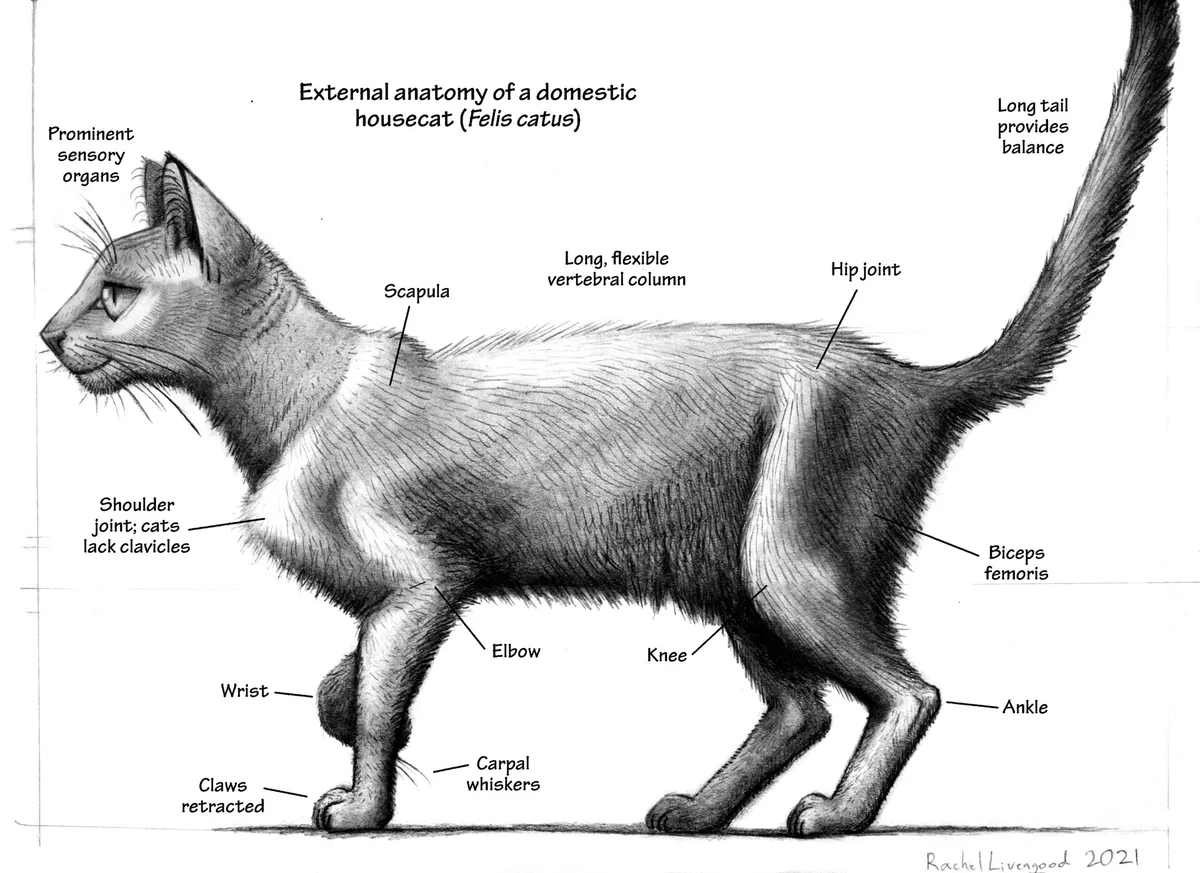
Image source: Bing (Web (fair-use with source credit))
What Kind of Coat Does Your Cat Have? (A Simple Check)
You don't need a microscope. Here's a quick test you can do right now.
Part the fur on your cat's back with both thumbs. Look at what's underneath. If you see two distinct layers, you're looking at a double coat.
The top layer is longer guard hairs. The bottom layer is short, fluffy down hairs. If you see only one uniform layer of hair, your cat has a single coat.
Now do the pinch test. Gently pinch a small bunch of fur between your thumb and forefinger. Roll it.
Double-coated cats have a mix of coarse and fine hairs. Single-coated cats have uniform texture throughout.
Finally, blow gently on the parted fur. Down hairs will flutter easily because they're lightweight. Guard hairs barely move.
This tells you how thick the undercoat really is.
Knowing your cat's coat type helps you understand why it feels the way it does. A single coat will never be as plush as a double coat, but it can still be silky. The difference is structure, not quality.
The Decision Tree: Why Your Specific Cat Feels the Way It Does
Let's walk through the conditions that determine your cat's softness. Find the path that fits.
If your cat has a visible undercoat and you brush regularly. Then the softness comes from healthy, oil-distributed down hairs. Keep doing what you're doing. A weekly brushing is enough for most shorthair breeds.
If your cat has a visible undercoat but you rarely brush. Then dead hairs are trapping dirt and dulling the texture. Shedding coats lose their softness quickly. Start brushing twice a week and you'll notice a difference within a few days.
If your cat has a single coat with no undercoat. Then softness depends entirely on hair shaft condition and oil quality. These cats benefit most from a high-protein diet with omega-3 fatty acids. The fur can't get fluffier, but it can get silkier.
If your cat's fur feels dry or brittle. Then the issue is likely sebum production or nutrition. Check with your veterinarian. Dry fur can signal dehydration or a fatty acid deficiency.
If your cat's fur feels greasy or sticky. Then over-grooming or an oily skin condition might be at play. Some cats produce excess sebum. A vet can rule out underlying issues.
Your cat's softness story is written in its coat type, grooming habits, and health. Follow the branch that applies.
The Big Mistake That Ruins a Cat's Natural Softness
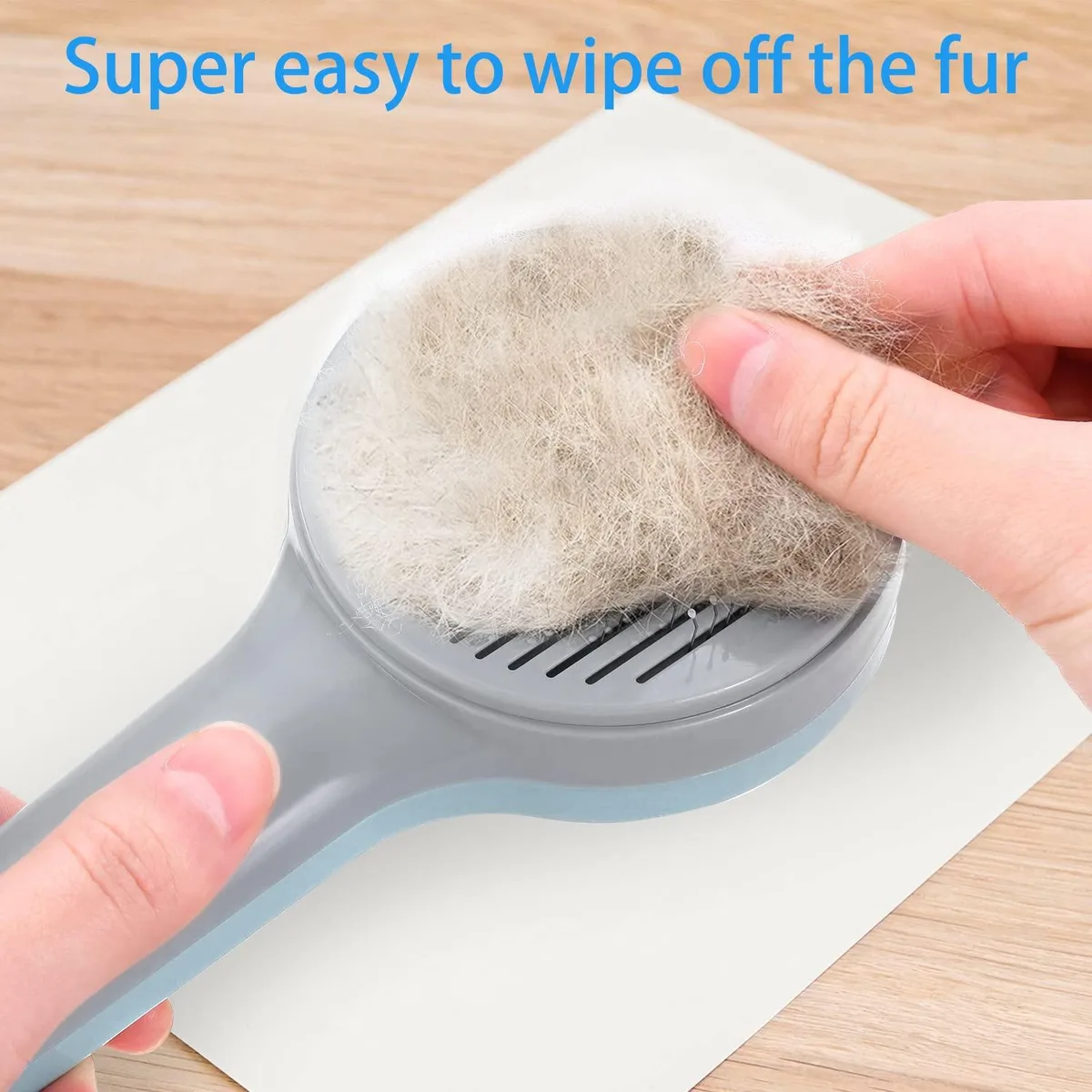
Image source: Bing (Web (fair-use with source credit))
Most people think bathing a cat makes it softer. It usually does the opposite.
A cat's skin produces just enough sebum to keep fur conditioned. When you bathe your cat with shampoo, you strip those natural oils away. The fur dries out.
It becomes coarse and brittle. Even cat-safe shampoos disrupt the balance.
The second big mistake is using the wrong brush. Wire slicker brushes can scratch the skin and break the hair shaft. A broken hair shaft feels rough, not soft.
For most cats, a rubber grooming mitt or a fine-toothed comb is better. It distributes oil without damaging the cuticle.
The third mistake is ignoring diet. Cats are obligate carnivores. Their coat health depends on animal-based protein and fats.
A low-quality dry food with plant fillers leads to dull, flaky fur. Research from the Cornell University College of Veterinary Medicine confirms that nutrition directly impacts coat condition. Adding a fish oil supplement with vet approval can transform texture within weeks.
One more thing. Over-brushing. Yes, it's possible.
Brushing too aggressively removes the protective layer of guard hairs. The undercoat alone can feel soft, but it mats easily and offers no protection.
Let your cat's natural oils do their job. Your job is to support them, not replace them.
When a Change in Softness Means Something Is Wrong
A sudden shift in coat texture is often the first visible sign of an underlying health issue. Cats hide illness well. Their fur doesn't.
If the coat feels greasy or sticky. This can indicate a sebaceous gland problem or a condition called stud tail. It's common in unneutered males but can affect any cat. A vet can diagnose and treat the underlying cause.
If the fur feels dry and brittle. This points to dehydration, nutritional deficiency, or thyroid issues. Hyperthyroidism in older cats often shows up as a dull, unkempt coat before other symptoms appear. A blood test from your veterinarian can confirm.
If you notice bald patches or thinning fur. Stress, allergies, or ringworm are common culprits. Over-grooming from anxiety can also strip the coat. Your veterinarian can run a skin scrape or allergy panel to narrow it down.
If the coat feels rough or matted despite brushing. Arthritis may be preventing your cat from grooming properly. Older cats with joint pain can't reach their back or flanks. They need your help with brushing and possibly veterinary pain management.
The table below summarizes key changes and what they may signal.
| Coat Change | Possible Cause | Action |
|---|---|---|
| Greasy, sticky fur | Sebaceous gland issue | Vet check |
| Dry, brittle fur | Dehydration or thyroid | Blood work |
| Bald patches | Allergies or stress | Skin scrape |
| Rough, matted fur | Arthritis in seniors | Joint care |
Any persistent change lasting more than two weeks warrants a veterinary visit. Catching the issue early often means a simpler treatment and a faster return to that soft feel.
Frequently Asked Questions About Cat Fur and Softness
Why is my cat not as soft as it used to be?
Age and health changes are the most common reasons. Older cats produce less sebum and groom less effectively. A diet lacking omega-3 fatty acids can also dull the coat.
Check with your vet and consider a supplement if approved.
Can diet really make a cat's fur softer?
Yes. Coat quality depends directly on protein and fat intake. Cats need animal-based protein and essential fatty acids like omega-3 and omega-6.
A high-quality wet food with real meat often produces visibly softer fur within four to six weeks.
Do some cat breeds feel softer than others?
Absolutely. Persians and British Shorthairs have dense double coats that feel plush and velvety. Siamese have short, fine single coats that feel silky but not fluffy.
Rex breeds have curly, fine fur that feels like suede. Breed sets the baseline for texture.
How often should I brush my cat for a soft coat?
Shorthair cats benefit from two to three brushings per week. Longhair cats need daily brushing to prevent mats and distribute oils. Over-brushing can strip the coat.
Under-brushing leads to dander buildup and dullness. Find the rhythm that keeps your cat's coat conditioned.
Does bathing make a cat's fur softer?
Rarely. Bathing strips the natural oils that keep fur soft. For most cats, bathing is only necessary for medical reasons or extreme dirt.
If you must bathe your cat, use a vet-recommended moisturizing shampoo and follow with a conditioner.
Is there a medical reason my cat's fur suddenly feels coarse?
Yes, and it deserves attention. Sudden coarseness can indicate kidney disease, hyperthyroidism, or a nutritional deficiency. A study from the American Veterinary Medical Association notes that coat changes are often the first observable symptom of systemic illness.
Schedule a vet visit promptly.
Your Quick Guide to a Softer, Healthier Cat Coat
You now know the main levers. Here's how to pull them.
Brush the right way. Use a rubber grooming mitt or a fine-toothed comb. Brush in the direction of hair growth. Focus on distributing natural oils from the skin to the tips.
Feed for fur. Prioritize high-protein wet food with named meat sources. Ask your vet about adding a fish oil supplement. Omega-3 fatty acids directly support sebum production and hair shaft strength.
Don't over-bathe. Let your cat's natural oils do the work. Reserve baths for medical need only.
Monitor for changes. Run your hand over your cat's fur every few days. You'll catch dullness, greasiness, or thinning early. Early detection means easier treatment.
Support senior cats. Older cats need extra brushing help. They also benefit from joint supplements that let them groom themselves. Keep their environment stress-free with consistent routines.
That's the full picture. Your cat's softness is a product of genetics, grooming, diet, and health. Understand each factor and you can support that silky coat for years to come.

Similar Posts