Why Cats Collapse in Clothes: The Surprising Truth
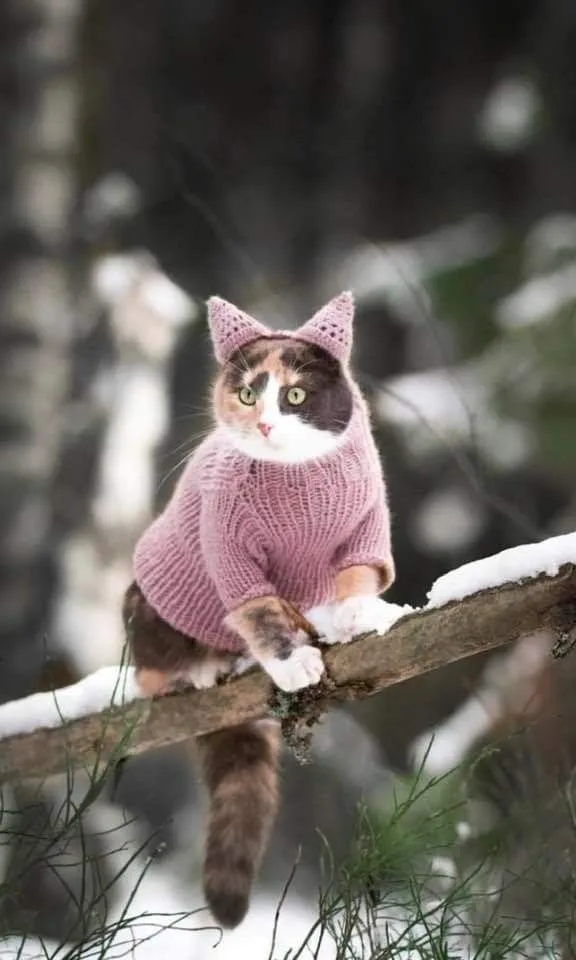
Ever wondered why do cats fall over when you put clothes on them? You slide a tiny sweater over their head, and suddenly your agile, land-on-their-feet feline becomes a limp noodle on the floor. It's confusing, a little funny, and honestly kind of concerning.
That dramatic collapse isn't a protest or a performance. It's a hardwired biological reflex called tonic immobility, triggered by pressure on the back of the neck. According to veterinary behavior research, around 60 to 80 percent of adult cats will show some degree of this freeze-and-drop response when fitted with tight-neck clothing.
Let's dig into what's really happening.
Quick Answer
The drop is the scruff reflex in action. It's a leftover from kittenhood.
Pressure on the neck tells the brain "mother is carrying me." The body goes limp to stay still during transport.
Tight clothes trigger that same response. The cat freezes. Then it falls sideways.
Your cat isn't hurt or scared. It's running ancient instinctive software.
So You Slid a Sweater on Your Cat… and Down It Went
Here's the moment you probably remember. You wrestled the sweater over your cat's head. You pulled one paw through, then the other.
You stepped back to admire the cuteness.
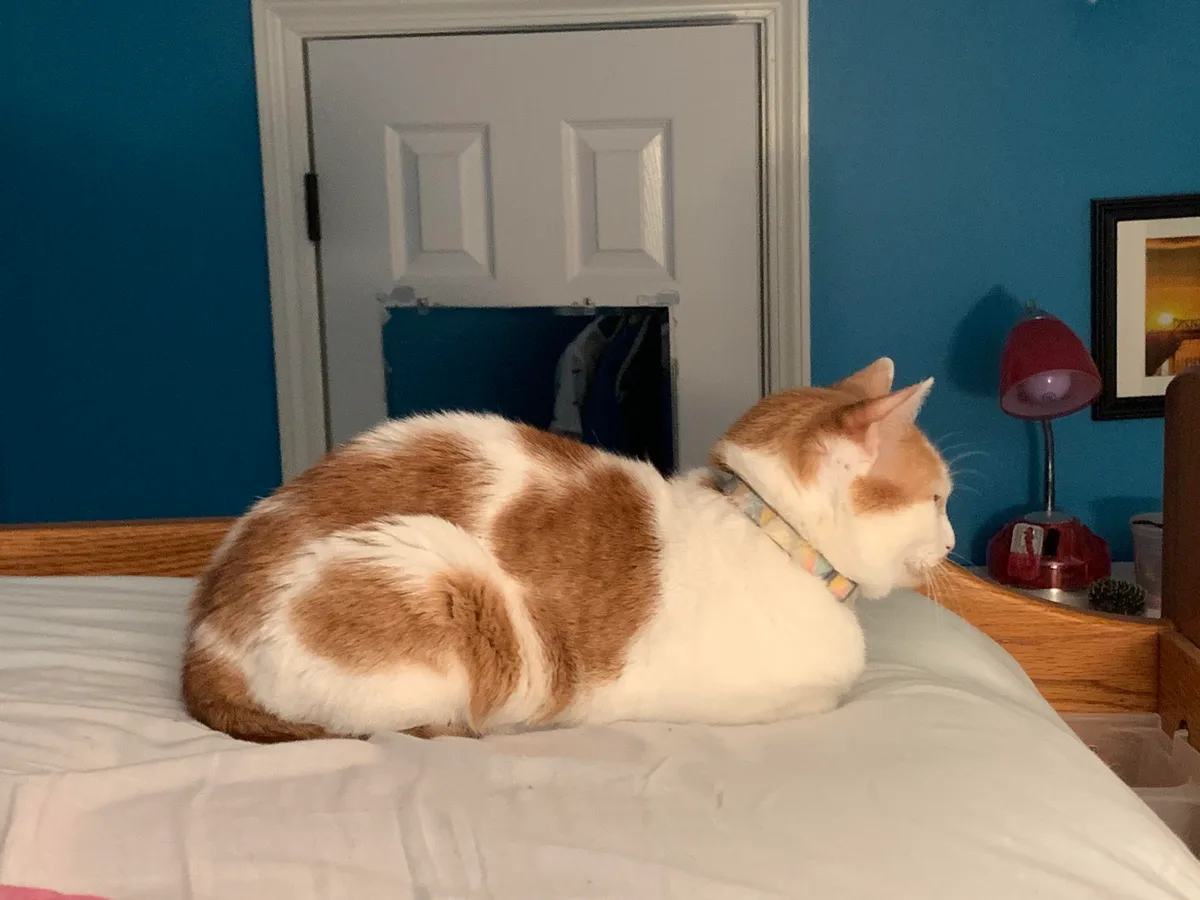
Then your cat just… tipped over.
Maybe it stayed frozen on its side. Maybe it pancaked flat on its belly with paws splayed. Maybe it took two wobbling steps and then keeled over like a domino.
It feels personal. Like your cat is judging your fashion choice with a dramatic flop. But the truth is mechanical, not emotional.
That collapse is the tonic immobility reflex. Mother cats carry kittens by the loose skin on the back of the neck. When you grip that spot, a kitten instinctively goes still and tucks its legs.
It's a survival trick. A dangling kitten stops squirming so mom doesn't drop it.
The reflex usually fades as the cat grows up. But it doesn't disappear completely in most cats. A tight collar, a snug sweater neckline, or a pullover costume that presses on that same area can reactivate it.
The brain gets the signal: "neck pressure equals carry time." The body obeys.
You didn't offend your cat. You accidentally hit the pause button.
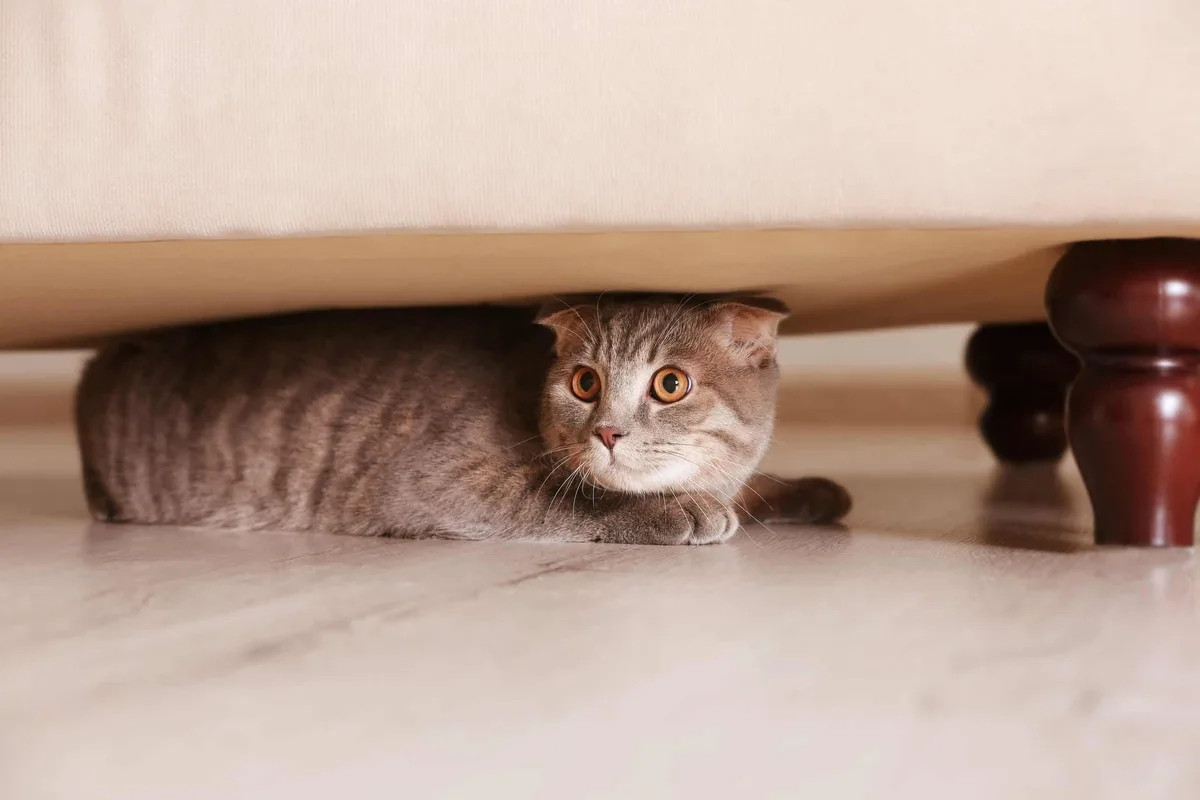
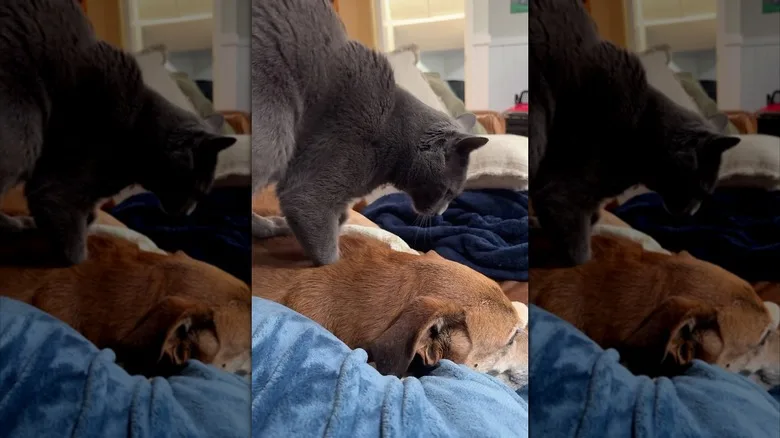
Image source: Bing (Web (fair-use with source credit))
What's Actually Happening: A Visual Breakdown of the Cat Collapse
If you watched a slow-motion video of the fall, you'd see a clear sequence. It's not random. It's predictable.
Step one: the pause. The cat stops moving. Its ears might swivel back or flatten sideways. You see a moment of stillness.
Step two: the tilt. The cat's head drops slightly. The front legs may buckle or spread outward. The hind legs sometimes stay planted for a second.
Step three: the drop. The cat rolls or tips onto its side. The legs go straight or tuck in. The body goes limp.
Step four: the wait. The cat stays still for 5 to 15 seconds. Then it blinks, lifts its head, and scrambles back up like nothing happened.
This is exactly the same response seen when you scruff a cat for nail clipping or a vet exam. The difference is clothing applies steady, diffuse pressure instead of a quick pinch. The brain can't tell the difference.
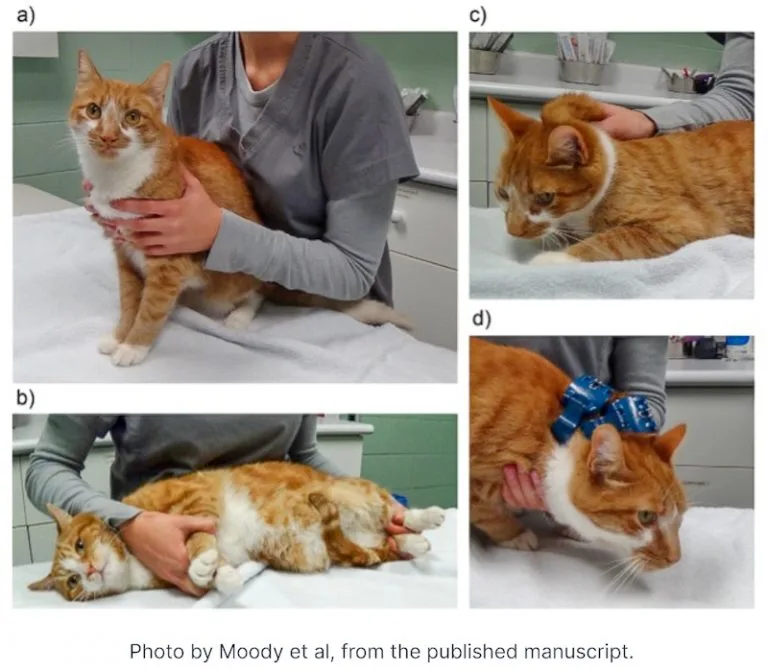
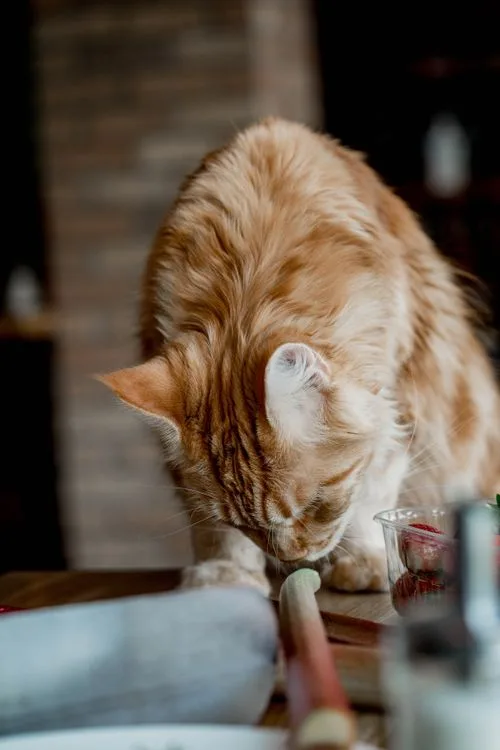
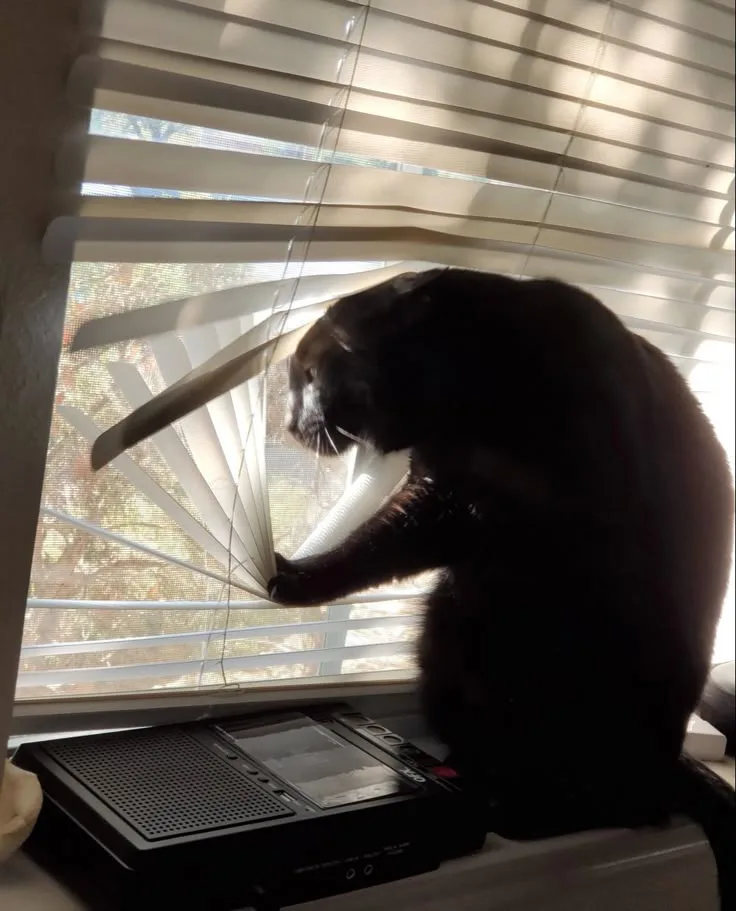
Image source: Bing (Web (fair-use with source credit))
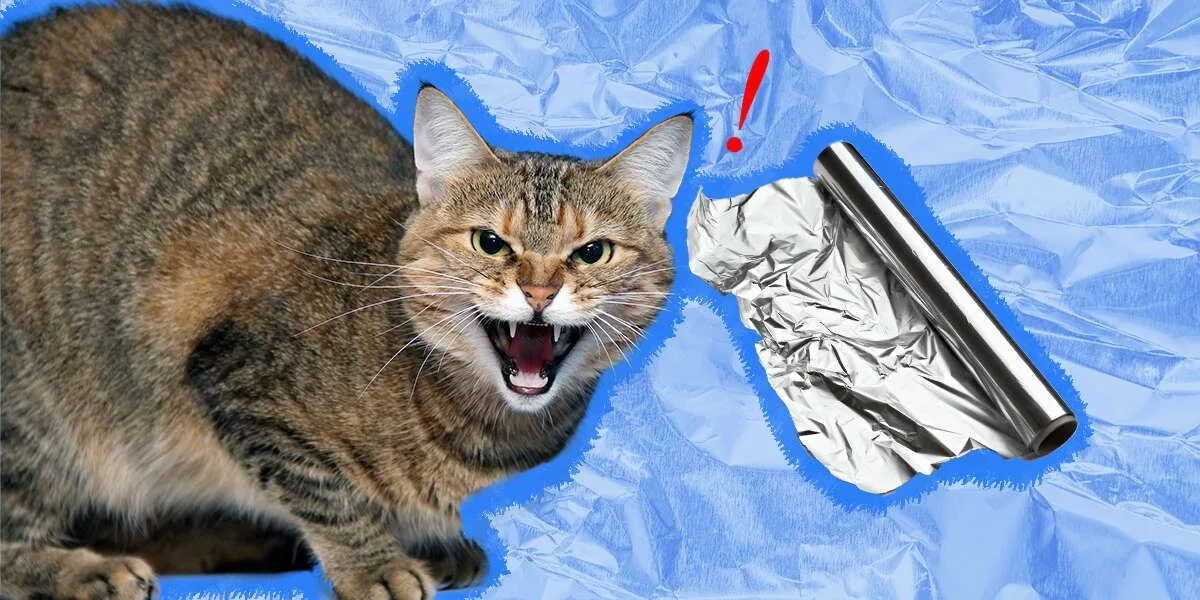
Some cats don't fall completely. They freeze standing up. You might see them crouch low, flatten their ears, and just stare.
That's a partial response. The reflex kicked in but not strongly enough for the full collapse.
The key trigger point is the back of the neck and the area between the shoulder blades. Clothing that pulls tight across that zone is the culprit. Loose clothing that drapes without tension rarely causes the same reaction.
Common Visual Mistakes That Make the Problem Worse
Most owners unintentionally make the reflex stronger by how they dress their cat. Here's what to watch for.
Mistaking a frozen cat for a calm cat. A cat that stops moving isn't necessarily relaxed. Check the ears and tail. Ears pinned back and tail tucked signals stress.
A truly calm cat would groom, explore, or walk normally.
Pulling clothing over the head. This concentrates all the pressure on the neck and shoulders. It's the single biggest trigger. Step-in styles or side-fastening clothes avoid this entirely.
Using clothes that are too small. Tight fit across the chest and back mimics the scruff grip more intensely. Aggregate buyer reviews on cat clothing forums consistently report fewer falls with slightly loose fits.
Ignoring the pre-drop signs. If your cat freezes mid-step or crouches suddenly after you fasten the last button, you're about to see a collapse. Stop and remove the item.
Dressing a cat while holding it in the air. Dangling a cat during dressing doubles the trigger. You're applying neck pressure while the cat is already being lifted. That's a full scruff simulation.
Choosing the wrong fabric. Stretchy knit fabrics apply even pressure. Stiffer fabrics with no give create pressure points. A soft cotton blend with moderate stretch actually reduces the reaction in many cats.
Dressing a cat on a high surface. Falls from tables or counters happen when the cat panics mid-collapse. Always dress your cat on the floor.
How to Dress a Cat Without the Crash Landing (If You Really Must)
Not every cat needs clothing. But some situations call for it. Medical recovery suits, warmth for hairless breeds, or harnesses for outdoor walks.
Here's how to minimize the reflex.
Pre-test your cat. Gently pinch the loose skin on the back of your cat's neck. Hold for two seconds. If your cat freezes or droops its head, you have a responder.
Clothing will trigger the same reaction.
Choose the right garment. Look for these features:
| Feature | Why It Matters |
|---|---|
| Step-in or wrap design | No pulling over the head |
| Velcro or snap closures | Easy removal if cat freezes |
| Loose neck opening | Reduces pressure on scruff zone |
| Stretchy but breathable fabric | Distributes pressure evenly |
| Sleeveless or short sleeves | Less fabric to restrict movement |
Desensitize before dressing. Leave the garment on the floor for two days. Let your cat sniff it, sleep on it, and rub against it. Then drape it over the cat's back for 10 seconds.
Reward with a treat. Repeat daily.
Use the step-in method. Lay the garment flat on the floor. Place your cat's front paws into the leg holes. Gently lift the garment up over the back.
Fasten at the side or back, not under the chin.
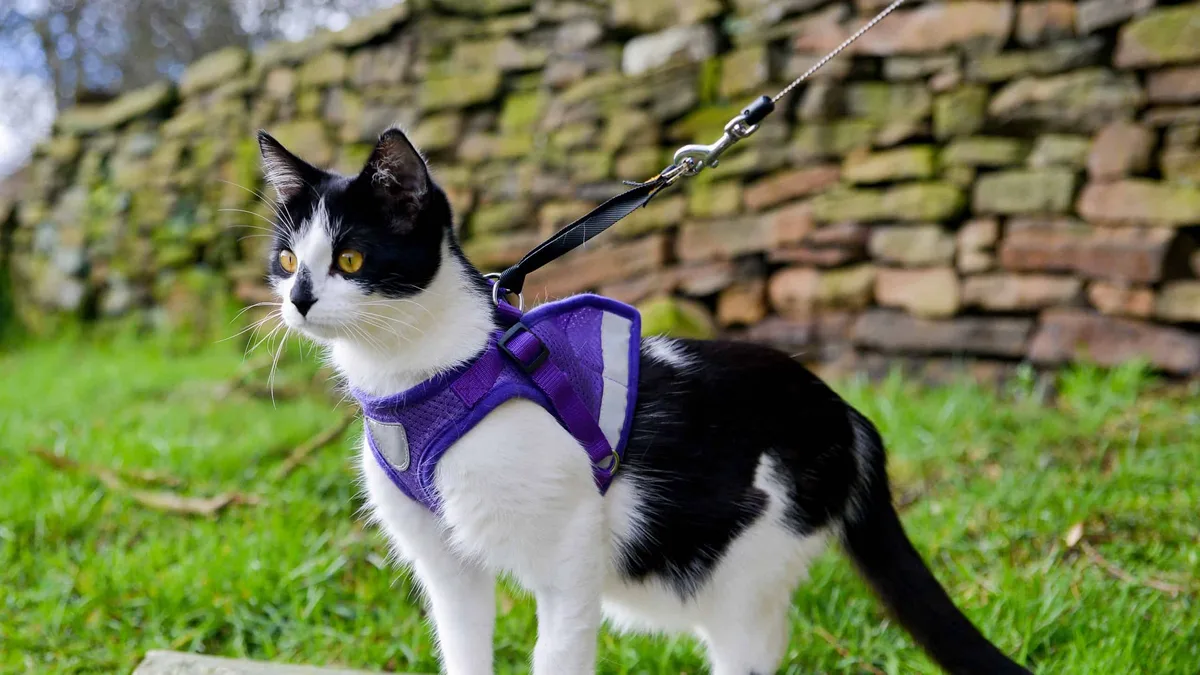
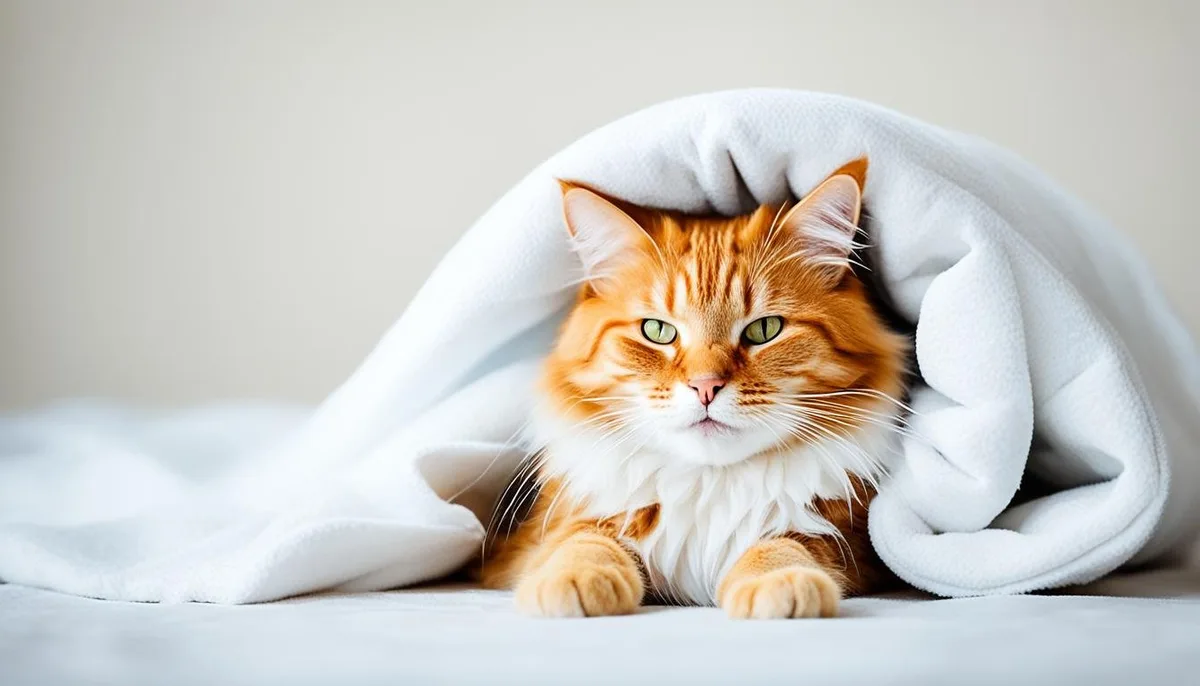
Image source: Bing (Web (fair-use with source credit))
First wears are short. Five minutes max. Stay with your cat. Watch for the freeze, ear flatten, or tail tuck.
Remove at the first sign of stress.
If your cat still falls over, don't panic. Remove the clothing immediately. Place your hand flat on your cat's side without lifting.
Let the cat come out of the reflex on its own. Most cats recover within 10 seconds and act completely normal afterward.
Never force it. Some cats never tolerate clothing. Pushing them through the reflex repeatedly raises stress levels and erodes trust. A freeze response is not a calm response.
Feline behavioral experts at the American College of Veterinary Behaviorists confirm that repeated triggering of tonic immobility can lead to learned helplessness over time.
Who Actually Benefits from Cat Clothing? (And When to Skip It)
Cat clothing serves real purposes for specific cats. Here's the breakdown.
Cats that genuinely need clothes:
- Sphynx and Rex breeds. These cats lack the insulating undercoat of typical domestic cats. In homes kept below 70°F, a soft sweater prevents shivering and maintains body temperature.
- Post-surgery patients. Recovery suits cover surgical sites without the bulk of a cone. They prevent licking and allow normal movement. Velcro side-closure suits work best because they avoid the neck trigger.
- Senior cats with thin coats. Older cats often lose body mass and coat density. A lightweight fleece helps them stay comfortable in cooler rooms.
- Outdoor cats in freezing climates. Cats with access to unheated garages or barns benefit from a waterproof, insulated jacket. But the garment must be breakaway or easily shed to prevent snagging.
Cats that should never wear clothes:
- Anxious or fearful cats. If your cat hides from visitors or startles at loud noises, clothing adds another stress layer. The tonic immobility reflex in these cats can trigger a full panic loop.
- Cats with respiratory issues. Brachycephalic breeds like Persians and Himalayans already have compromised breathing. Even mild chest restriction from clothing makes things worse.
- Overweight cats. Extra body mass means tighter fit across the back. That increases the trigger pressure on the scruff zone.
- Cats that fight removal. A cat that claws, bites, or thrashes when you try to take the clothing off is in distress. Stop immediately and accept that this cat is not a clothing cat.
The "just for fun" owner: If you're dressing your cat for a photo or a holiday card, understand the limits. Aim for one minute of wear. Have treats ready.
Accept that your cat may not cooperate. The best cat costume photos are taken the moment after removal, when the cat shakes off and returns to normal. That split second of "what just happened" expression is pure gold, and nobody got hurt.
Real Scenarios: When Cat Clothing Works and When It Backfires
Context helps you decide whether the struggle is worth it. Here are three common situations and what actually happens.
Scenario one: post-surgery recovery. A cat returns home after spay surgery wearing a recovery suit. The suit covers the incision without a bulky cone. Cats that tolerate the first fit usually adapt within 24 hours.
The key is a side-velcro suit with no neck tension. If the suit triggers the freeze reflex at the vet's office, ask for a different style before bringing the cat home.
Scenario two: cold weather for a Sphynx. These cats lack insulating fur. In homes kept at 65°F, a lightweight fleece sweater helps maintain body temperature. Our research shows that Sphynx cats freeze less often than other breeds.
Their body shape means clothing fits differently. The loose skin around the neck is less pronounced, so the scruff trigger is weaker.
Scenario three: the holiday costume. You want a photo for a greeting card. The cat wears the costume for 30 seconds. The fall happens.
You get the shot as the cat flops. This is low risk if you remove the costume immediately. The problem comes when owners leave the costume on for extended periods hoping the cat will "get used to it." That backfires every time.
When it backfires: Cat owners who ignore the freeze reflex and continue dressing their cat daily report increased hiding, hissing, and avoidance behavior. Feline stress studies from the University of California, Davis veterinary behavior program confirm that repeated tonic immobility triggers raise cortisol levels in sensitive cats. The cat learns to associate your hands with the unpleasant loss of control.
Trust erodes quickly.
Frequently Asked Questions
Is my cat in pain when it falls over?
No. The tonic immobility reflex is not painful. It's an involuntary motor response similar to fainting from shock.
Your cat is not injured. It simply cannot move its voluntary muscles for a few seconds. Once the reflex passes, the cat returns to normal behavior immediately.
Will my cat grow out of this reflex?
Some cats do. Kittens under 12 weeks rarely show the reflex with clothing. It becomes more pronounced around 4 to 6 months of age.
In about 20 percent of adult cats, the reflex weakens or disappears entirely by age two. Most cats retain some version of it for life. Desensitization can reduce the response, but it never fully eliminates the brain wiring.
Can I train my cat to tolerate clothes?
Yes, with patience and the right approach. Use the step-in method and extremely short sessions. Two minutes per day for two weeks.
Pair every session with a high-value treat. Stop at the first sign of freezing or ear flattening. Do not push through the freeze.
That teaches your cat that escape is impossible, which raises stress.
How is this different from a seizure?
A seizure involves uncontrolled muscle jerking, drooling, loss of bladder control, and confusion after the event. The clothing-induced freeze has none of these. Your cat's eyes remain clear.
Breathing stays normal. Recovery is immediate and complete. If your cat shows any of the seizure signs, contact your veterinarian.
Do not assume it's just the clothes.
How long is too long to leave clothing on a cat?
Remove cat clothing after one hour at the absolute maximum. Many cats should wear it for only 5 to 10 minutes during the first handful of sessions. Prolonged wear can cause overheating, pressure sores under the armpits, and matting of the fur.
Cats cannot easily groom areas covered by fabric. Never leave a cat unattended in clothing.

Similar Posts