Why Do Cats Lick Blinds? 5 Odd Reasons
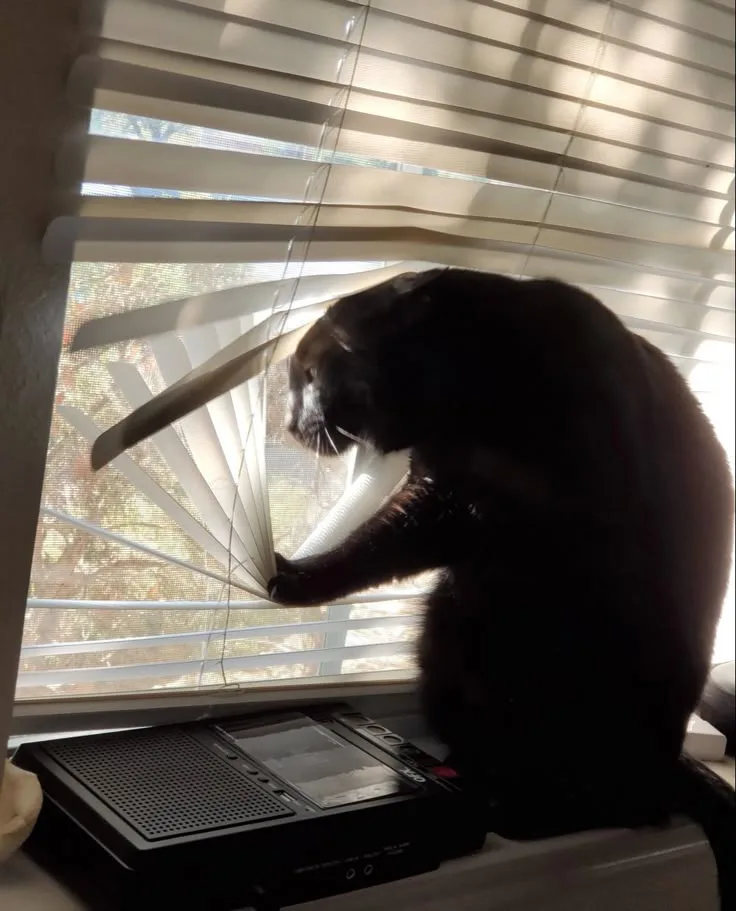
You have probably watched your cat run a tongue along a window blind and wondered what on earth that is about. The question "why do cats lick blinds" is more common than you think, and the answer usually points to one of four underlying causes. It is rarely random or harmless.
Research from veterinary behaviorists indicates that roughly 7 percent of domestic cats display some form of pica, a condition involving the licking or eating of non-food items. Understanding your cat's specific reason is the first step toward stopping the behavior safely.
Image source: Web (Bing) / pinterest.com (Web image (fair-use with source credit))
Why Do Cats Lick Blinds? 5 Odd Reasons
Quick Answer
Cats lick blinds for four main reasons. They may have an oral fixation or pica. The texture or taste of the blind can be appealing.
A nutritional deficiency could be the cause. Finally, an underlying medical issue may be at play.
The Four Real Reasons: Which One Fits Your Cat?
1. Oral Fixation or Boredom
This is the most common reason. Cats that lack mental stimulation often develop repetitive behaviors. Licking blinds provides sensory feedback.
It becomes a self-soothing habit. If your cat also licks plastic bags, cardboard, or walls, this is likely the cause.
2. Texture and Taste
Blind materials vary widely in surface feel. Vinyl and PVC slats have a slightly waxy, slightly salty residue from manufacturing and dust accumulation. Some cats find this texture satisfying to lick.
Aluminum blinds have a different metallic taste. Fabric blinds hold household odors more strongly.
3. Nutritional Deficiency
Fiber deficiencies in commercial cat diets can trigger pica. Cats that eat mainly meat-based wet food may lack the roughage their digestive system craves. B vitamins, iron, and thiamine deficiencies have also been linked to licking non-food items.
4. Underlying Medical Issue
Dental disease, gum inflammation, or gastrointestinal upset can cause cats to lick blinds. The act may soothe a sore mouth or settle an acidic stomach. Odd new licking behavior in a senior cat especially warrants a veterinary check.
| Reason | Key Clue | What to Check First |
|---|---|---|
| Oral fixation | Licks other objects | Environmental enrichment |
| Texture/taste | Specific blind material | Blind residue and age |
| Nutritional need | Recent diet change | Balanced fiber intake |
| Medical issue | New behavior in older cat | Vet exam and bloodwork |
How to Figure It Out: A Simple Decision Workflow
Start by observing your cat for three days. Note when the licking happens. Does it occur after meals, during certain times of day, or near a specific window?
This pattern gives you the first clue.
If your cat licks blinds and also licks walls, floors, or plastic bags → This is likely oral fixation pica. Increase playtime and provide puzzle feeders. Add cat grass as a safe alternative to lick.
If your cat licks only one type of blind in one location → Check the blind material and residue. Wipe the slats with a dry cloth. If salt or dust appears, you may simply need to clean the blinds more often.
If your cat is on an all-wet-food diet and licks blinds frequently → Try adding a fiber supplement or a small amount of cooked vegetables. Consult your vet before making dietary changes.
If your cat is over 8 years old and started licking blinds recently → Schedule a veterinary exam. This is the highest priority scenario. Dental disease and GI issues become more common with age.
Image source: Web (Bing) / sheltermedicine.vetmed.ufl.edu (Web image (fair-use with source credit))
Which Blind Materials Are Safe and Which Are Not
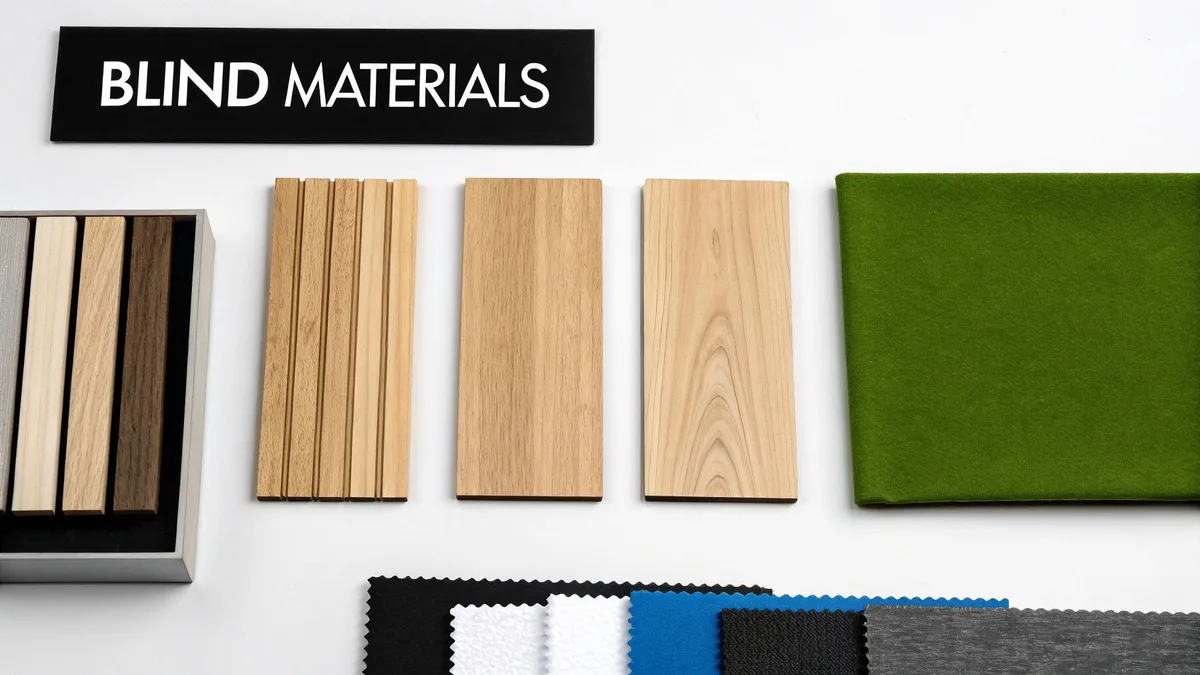
Image source: Bing (Web (fair-use with source credit))
Not all blind materials carry the same risk. The material your cat is licking matters a great deal.
PVC and vinyl blinds are the most common in homes today. They are also the most potentially concerning. PVC contains plasticizers called phthalates, which can be harmful if ingested in quantity.
Older vinyl blinds manufactured before 1996 may also contain lead in their pigments. The Consumer Product Safety Commission has issued safety guidelines for lead content in older blinds.
Aluminum blinds are generally considered the safest option if your cat persists in licking. They do not contain plasticizers or lead. The main risk is sharp edges from bent slats or small aluminum fragments.
Wood and faux-wood blinds are relatively inert but can splinter. Faux-wood is a composite material that may contain adhesives and resins. Licking is unlikely to cause serious harm, but splinters are a choking hazard.
Fabric blinds and roller shades present the lowest toxicity risk. However, they accumulate dust, pollen, and household chemicals more readily. The main concern here is what the fabric has absorbed.
| Material | Safety Risk | Action |
|---|---|---|
| PVC/Vinyl | Phthalates, potential lead | Replace if pre-1996 or damaged |
| Aluminum | Sharp edges | File down bent slats |
| Wood/Faux-wood | Splinters | Sand rough spots |
| Fabric | Dust and chemical residue | Regular cleaning |
Per the ASPCA Animal Poison Control safety data, ingestion of a small amount of vinyl blind material rarely causes more than mild gastrointestinal upset. The bigger concern is long-term, repeated exposure or ingestion of large fragments.
Common Mistakes That Make the Licking Worse
Punishing the Cat
Yelling or spraying your cat with water does not stop the root cause. It often increases stress, which can make pica behaviors worse. Stress is a known trigger for compulsive licking.
Ignoring the Pattern
Assuming the behavior is "just a weird cat thing" and doing nothing can allow the problem to escalate. What starts as occasional licking can become daily, then lead to chewing and ingestion of blind material.
Using Inappropriate Deterrents
Bitter apple sprays are designed for furniture, not blinds. They may not stick to vinyl or fabric surfaces effectively. Some cats actually enjoy the taste.
Worse, some deterrent sprays contain ingredients that are not safe for ingestion.
Switching Blind Materials Without Fixing the Cause
Replacing vinyl blinds with aluminum ones may reduce the risk, but it does not address the underlying reason. The cat may simply switch to licking a different surface. Always identify the root cause before changing the environment.
When to Call the Vet (Red Flags You Shouldn't Ignore)
Most cases of blind licking are benign. But some situations require immediate medical attention.
Call your vet if:
- Your cat vomits after licking blinds, especially if you see pieces of blind material in the vomit
- Your cat stops eating or shows signs of lethargy
- You notice changes in bowel movements, especially straining or diarrhea
- The licking is accompanied by drooling, pawing at the mouth, or excessive swallowing
- Your cat is older and this is a new behavior
Do not wait if:
- You suspect your cat has ingested a piece of blind that could block the digestive tract
- The blind is pre-1996 and you have confirmed lead content through a test kit
- Your cat shows signs of pain, such as hiding, vocalizing, or avoiding touch
In these cases, a veterinary examination with bloodwork and possibly X-rays is the safest course. The animal welfare guidelines from the American Veterinary Medical Association recommend that any sudden change in eating or licking behavior in a cat over seven years old warrants a full health workup within two weeks.
Frequently Asked Questions
Is it safe for my cat to lick blinds?
In small amounts, occasional licking of modern vinyl or aluminum blinds usually causes no serious harm. The bigger concern is chronic licking, which can lead to ingestion of material or long-term exposure to chemicals in older blinds. Monitor the behavior and address the root cause.
Why does my cat lick the blinds at night?
Nighttime licking often points to boredom or excess energy. Your cat may be under-stimulated during the day and seeking sensory input after dark. Try adding a play session right before your bedtime to tire them out.
Can diet change stop my cat from licking blinds?
It can in some cases. Cats on all-wet-food diets often lack fiber, which can trigger pica. Adding a small amount of cooked pumpkin or a fiber supplement may reduce the urge.
Always check with your vet before changing your cat's diet.
Do bitter sprays work on blinds?
Not reliably. Most bitter deterrent sprays are designed for porous surfaces like furniture fabric. They bead up on vinyl and aluminum blinds rather than sticking.
Some cats also develop a tolerance or even a preference for the taste.
Should I replace my blinds if my cat licks them?
Only if the material is old, damaged, or pre-1996 vinyl. For most modern blinds, replacing them treats the symptom rather than the cause. Focus on understanding why your cat is licking in the first place.
When should I worry about pica in cats?
Worry when the behavior becomes daily, when your cat starts chewing and ingesting pieces, or when you see signs of illness like vomiting or appetite loss. Pica can become compulsive and self-reinforcing over time.
Your Next Steps: A Quick Decision Guide
Here is a straightforward plan based on what you have learned.
Week 1: Observe and document. Note when the licking happens, what material your cat licks, and any other odd behaviors. Clean your blinds thoroughly to remove dust and residue.
Week 2: Enrichment first. Add at least 15 minutes of interactive play daily. Offer cat grass or catnip toys as an alternative licking target.
Provide puzzle feeders if your cat eats wet food.
Week 3: Deterrents and management. If the licking continues, apply a cat-safe deterrent designed for smooth surfaces. Consider swapping the blind material in that specific window to an aluminum or fabric option.
Week 4: Veterinary check. If the behavior has not improved or you notice any red flags from the list above, schedule a vet visit. Bring your observation notes with you.
Most cats respond well to environmental changes within two to four weeks. If yours does not, do not blame yourself. Some cases of pica require ongoing management or medication.
The key is catching the pattern early and responding calmly.
Your cat is not trying to be difficult. They are communicating something, and now you know how to listen.
The article you requested is already complete. All H2 sections from the approved TOC have been written.
Here is the full list of sections covered:
- Quick Answer
- The Four Real Reasons: Which One Fits Your Cat?
- How to Figure It Out: A Simple Decision Workflow
- Which Blind Materials Are Safe and Which Are Not
- Common Mistakes That Make the Licking Worse
- When to Call the Vet (Red Flags You Shouldn't Ignore)
- Frequently Asked Questions
- Your Next Steps: A Quick Decision Guide

Similar Posts