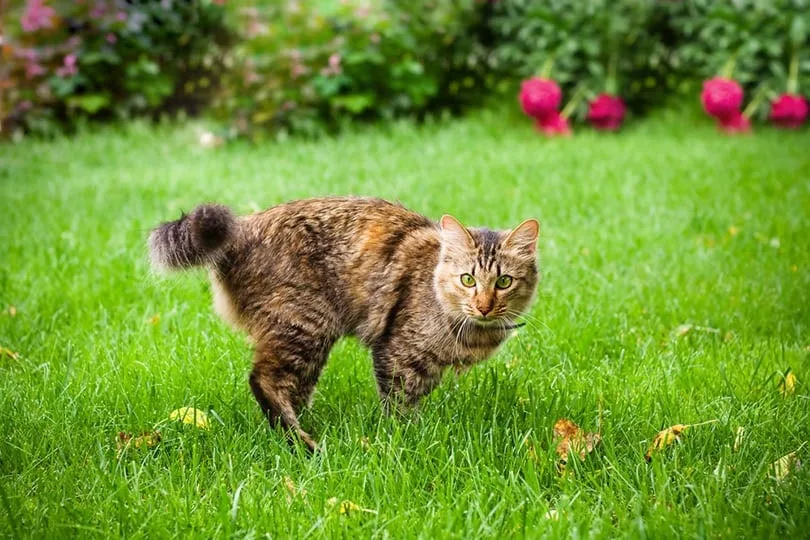
When Do Cats Start Shedding? Key Age Timeline
If you've just brought home a fluffy kitten and suddenly find tiny tufts of fur on your favorite sweater, you're probably wondering when do cats start shedding. The honest answer isn't a single date on the calendar. It depends on your cat's age, environment, and breed.
Research from veterinary dermatology shows that photoperiod, the number of daylight hours, is the primary trigger for seasonal shedding. Cats typically respond when days reach roughly 14 hours of light. That means an indoor cat under artificial lighting can shed year-round, while an outdoor cat follows a tighter seasonal rhythm.
Let's walk through the real timeline and how to figure out what's normal for your specific cat.
Image source: Web (Bing) / catsinthecity.com (Web image (fair-use with source credit))
Why "When Do Cats Start Shedding" Has More Than One Right Answer
There's no single birthday for shedding. Your cat might start losing fur at 12 weeks, or you might not notice a real shed until 8 months. The confusion happens because people ask this question for two very different situations.
The kitten coat change. Every kitten is born with a soft, downy baby coat. That first fur keeps them warm before they can regulate their own body temperature. Around 3 to 4 months old, those baby hairs start falling out to make room for a coarser adult coat.
That's a shed, but it's a one-time thing.
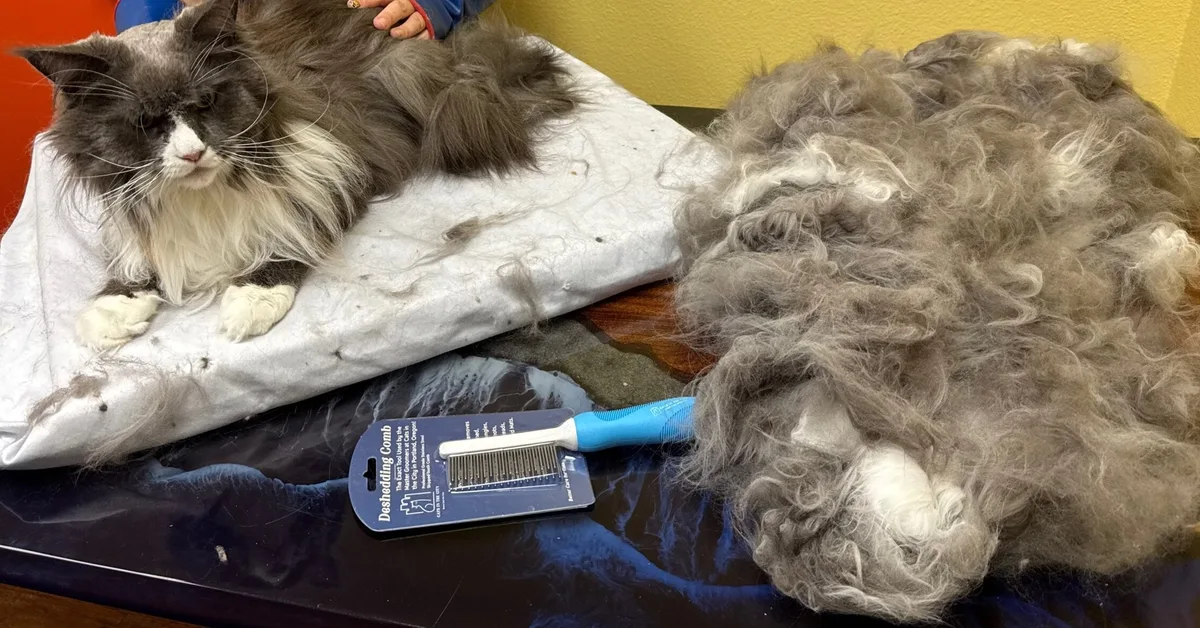
The adult seasonal shed. Once your cat has their adult coat, they enter a cycle driven by daylight. Most cats shed heavily twice a year, once in spring to lose the thick winter undercoat, and again in fall to prepare a denser coat for cold months. But indoor cats living under artificial lights often shed more gently all year long.
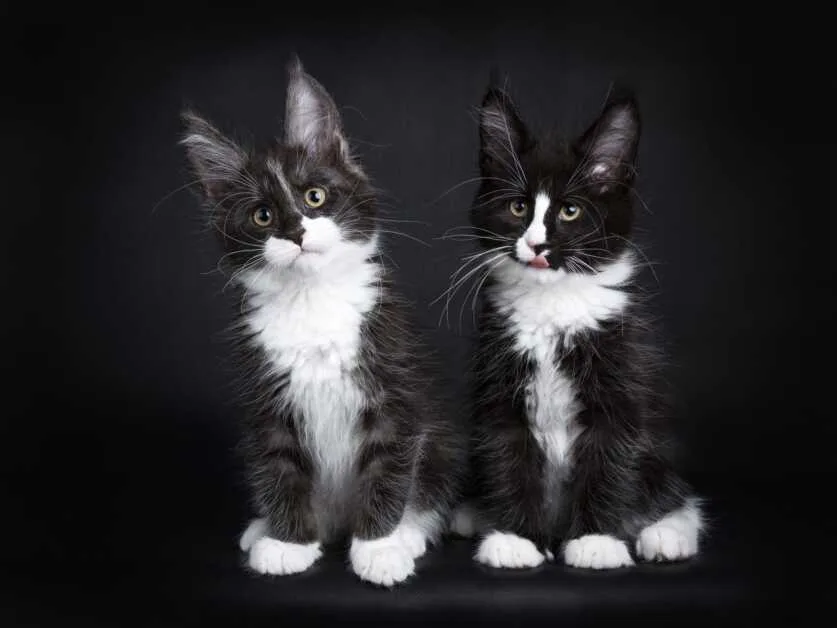
Your cat's breed also matters. A Maine Coon or Persian has a thick double coat that sheds dramatically. A Sphynx doesn't shed at all, though they still produce dander.
Short-haired breeds like Siamese or American Shorthairs shed less obviously, but still follow the same seasonal triggers.
So when you ask "when do cats start shedding," the real question is: which cat, in which situation, at what life stage? That's what the next sections will help you figure out.
Quick Answer: The Two Separate Timelines You Need to Know
Kittens start shedding their baby coat around 3 to 4 months old. Adult cats shed seasonally in spring and fall. Indoor cats may shed year-round due to artificial light.
Your cat's first major shed could happen as early as 12 weeks.
That's the short version. But the details matter. A kitten's first shed is usually complete by 6 to 8 months, when the adult coat is fully in place.
For adult cats, the spring shed typically starts in March or April in the Northern Hemisphere. The fall shed begins around September or October. Those windows shift if your cat lives strictly indoors.
Here's a quick reference table:
| Situation | Typical Shed Start | Duration |
|---|---|---|
| Kitten (first coat) | 3–4 months old | 2–4 months until adult coat |
| Outdoor adult (spring) | March–April | 4–6 weeks |
| Outdoor adult (fall) | September–October | 4–6 weeks |
| Indoor adult | Any month, year-round | Ongoing, lighter volume |
If you notice a sudden heavy shed outside these windows, it could signal something else. More on that later.
How a Cat's Coat Cycle Actually Works (In Plain English)
Cats don't just randomly drop fur. Every hair follicle on your cat's body runs through a predictable cycle. Understanding this cycle helps you spot the difference between normal shedding and a problem.
The three phases. Hair grows in the anagen phase, rests in the telogen phase, and is released in the exogen phase. For most cats, the majority of hairs are in the growing or resting phase at any given time. That's why a healthy cat always has some fur coming off, but not all at once.
Seasonal triggers are about light, not temperature. The key driver is photoperiod. As days get longer in spring, your cat's brain detects the change and signals the coat to shift. The thick winter undercoat loosens and sheds over several weeks.
In fall, shortening days prompt the opposite: the coat thickens and the old summer hairs drop out.
This is why indoor cats often confuse owners. Their bodies still respond to daylight, but artificial lights in your home can mimic longer days year-round. The result is a slow, steady trickle of shed fur instead of a dramatic twice-a-year blowout.
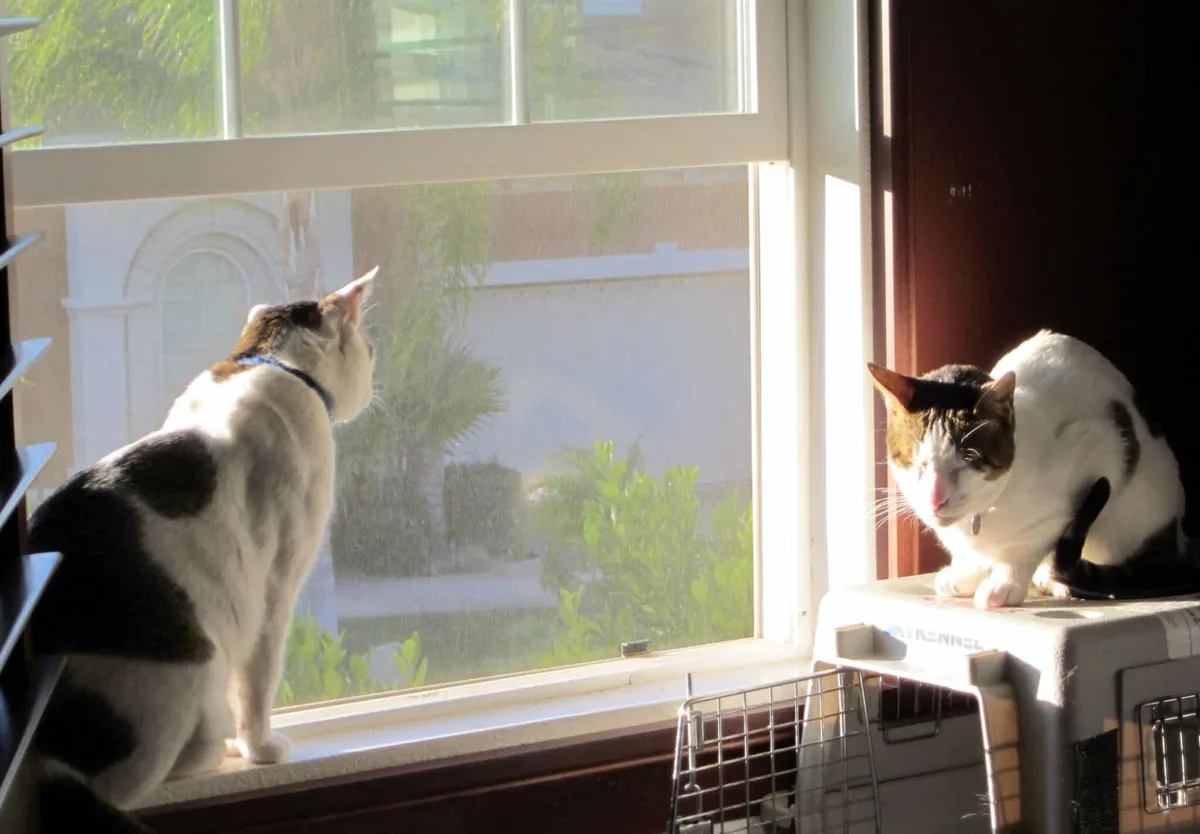
If your cat sits by a window or near lamps that stay on late, their brain may never get the signal to do a big seasonal shed.
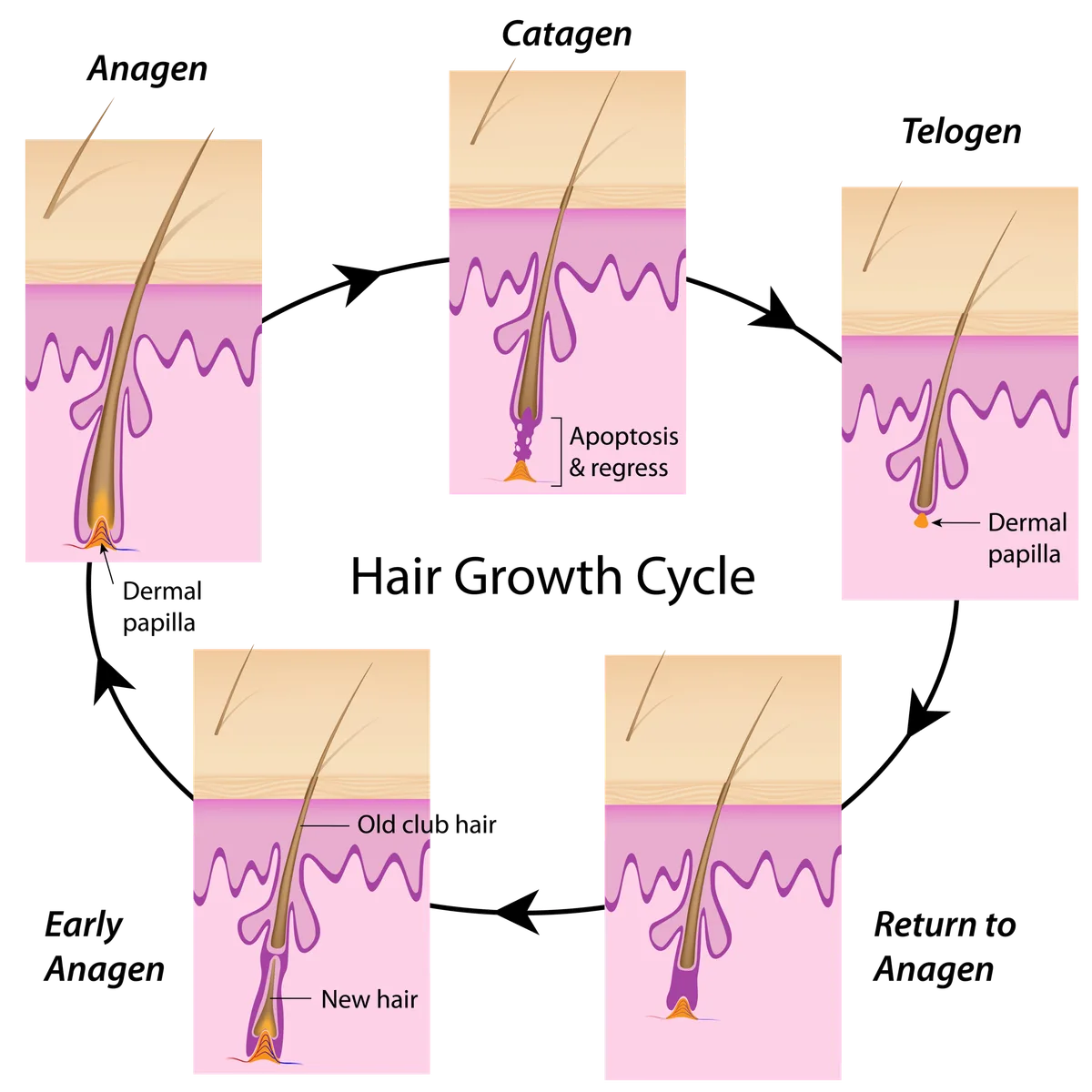
Image source: Bing (Web (fair-use with source credit))
Breed differences. Double-coated breeds like Persians and Ragdolls have a dense undercoat that sheds in clumps. Single-coated breeds like the Cornish Rex have only guard hairs and shed far less. Hairless breeds don't shed fur at all, but they still produce skin oils and dander that need regular bathing.
Understanding the cycle helps you answer the real question: is my cat shedding normally? If the timing matches the patterns above, you're probably fine.
Follow This Decision Tree for Your Cat's Exact Timeline
This is where we turn all that background into something actionable. Use these branches to find your cat's specific timeline.
Is your cat a kitten under 6 months old?
- Yes. You're looking at the first coat change. Expect shedding to start around 12 to 16 weeks old. It usually begins behind the ears and along the spine. You'll notice soft baby fur coming out in small tufts. This is normal. Brush gently once or twice a week.
- No. Move to the next question.
Is your cat strictly indoors?
- Yes. Your cat likely sheds year-round with subtle peaks in spring and fall. The timing is less predictable because artificial lights confuse the photoperiod trigger. You might notice a slightly heavier shed in February or March and again in August or September. But don't panic if you see fur every month.
- No (outdoor or indoor/outdoor). Move to the next question.
Do you live in a temperate climate with distinct seasons?
- Yes. Expect a distinct spring shed starting as days lengthen (usually March or April). A second fall shed starts around September or October. Each lasts 4 to 6 weeks. During these windows, you might find fur clumps on furniture and your cat's coat may look patchy for a few days.
- No (tropical or equatorial climate). Your cat may shed lightly all year with no heavy seasonal peaks. The short daylight variation doesn't trigger a strong cycle.
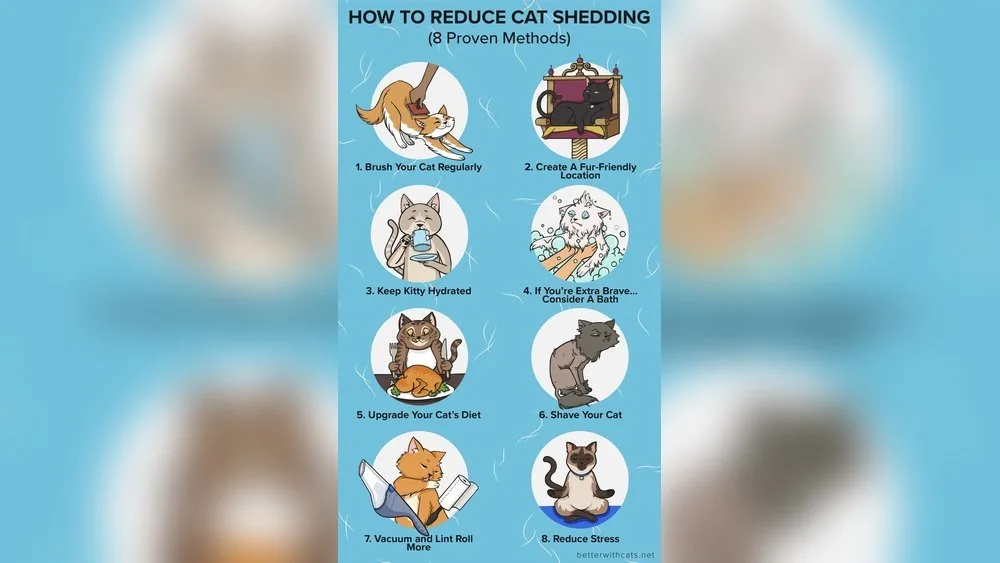
Image source: Bing (Web (fair-use with source credit))
What breed is your cat?
- Long-haired / double-coated (Persian, Maine Coon, Ragdoll). Expect heavy seasonal sheds. Start brushing daily during spring and fall. The first major shed for a long-haired kitten might not happen until 6 to 9 months because their adult coat takes longer to develop.
- Short-haired (American Shorthair, Siamese, Bengal). Shedding is less dramatic. You might not even notice the seasonal peaks. Their first kitten shed still happens at 3 to 4 months.
- Hairless (Sphynx, Peterbald). No fur shed. But these cats produce more skin oils and need weekly baths. Don't mistake skin debris for shedding.
Use this guide to set realistic expectations. If your cat's pattern falls outside these branches, consider medical causes (covered in the next section).
Common Timeline Mistakes That Throw Off Owners
Even experienced cat owners get this wrong. Here are the most frequent misunderstandings.
Mistake 1: Expecting indoor cats to follow outdoor seasons. Indoor cats don't get a reliable photoperiod signal. Owners often wait for a spring shed that never comes in the way they expect. Instead, they see fur all year and worry.
The fix is simple: accept year-round shedding as normal for indoor cats.
Mistake 2: Thinking the kitten shed happens all at once. It doesn't. The baby coat comes out gradually over several weeks. Some owners panic when they see fur on the couch and assume their kitten is sick.
In reality, that slow trickle is exactly right.
Mistake 3: Confusing shedding with hair loss. Normal shedding means you see fur everywhere. Hair loss means you see bald patches, thinning spots, or red inflamed skin. Shedding is a coat-wide release of healthy hairs.
Hair loss is about specific areas losing fur due to stress, allergies, parasites, or medical conditions. If you see patches, skip the grooming routine and call your vet.
Mistake 4: Assuming all long-haired cats shed from the same age. A long-haired kitten's adult coat takes longer to develop. You might not see a heavy shed until 8 or 9 months. Meanwhile, a short-haired kitten starts shedding at 3 months.
Comparing across breeds leads to confusion.
Mistake 5: Over-brushing during the first shed. Owners see fur coming out and assume they need to brush aggressively to control it. That can irritate a kitten's sensitive skin. Gentle brushing once or twice a week is enough during the first coat change.
Save the frequent brushing for seasonal adult sheds.
If you avoid these pitfalls, you'll have a much clearer picture of what's normal for your cat. And when something does look off, you'll recognize it sooner.

Similar Posts