Why Do Cats Chatter? It’s Not What You Think
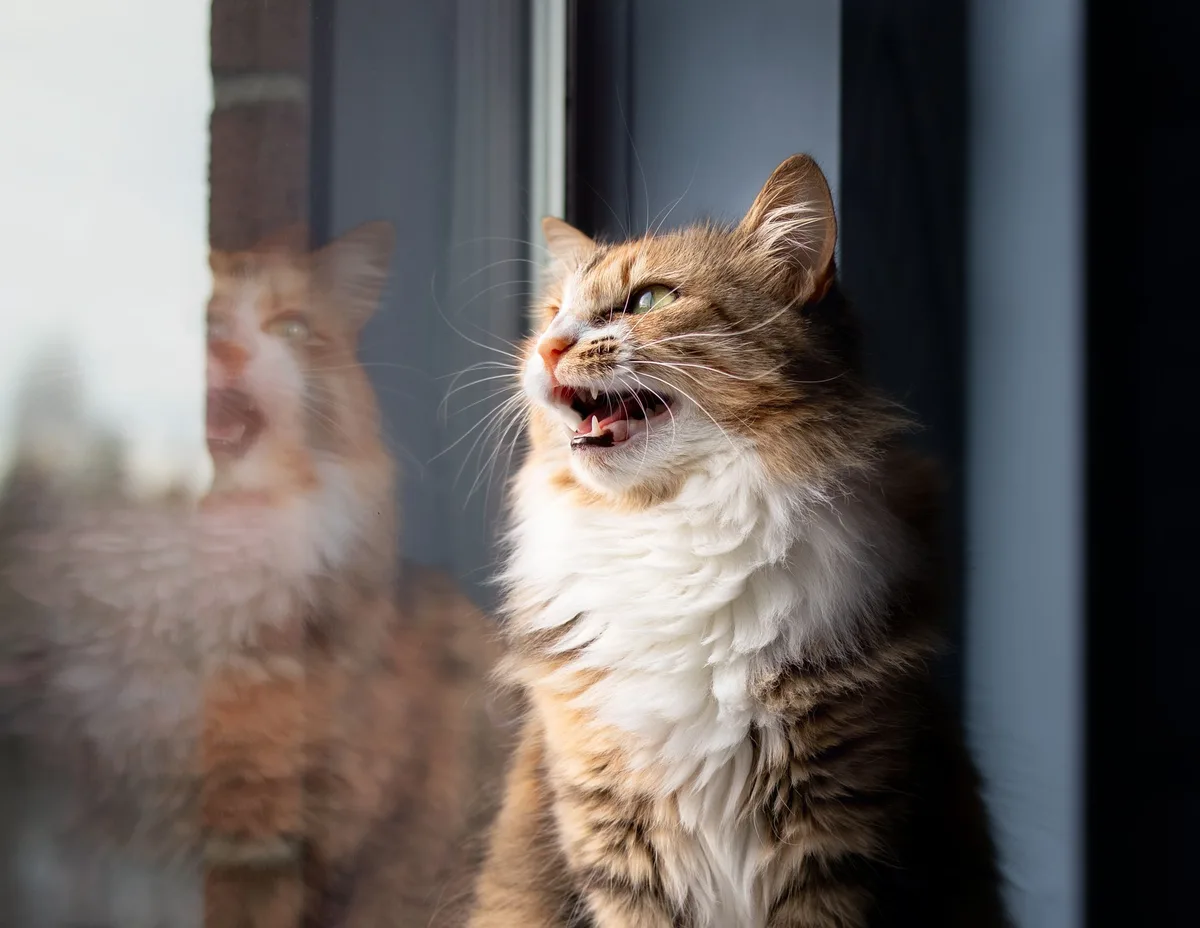
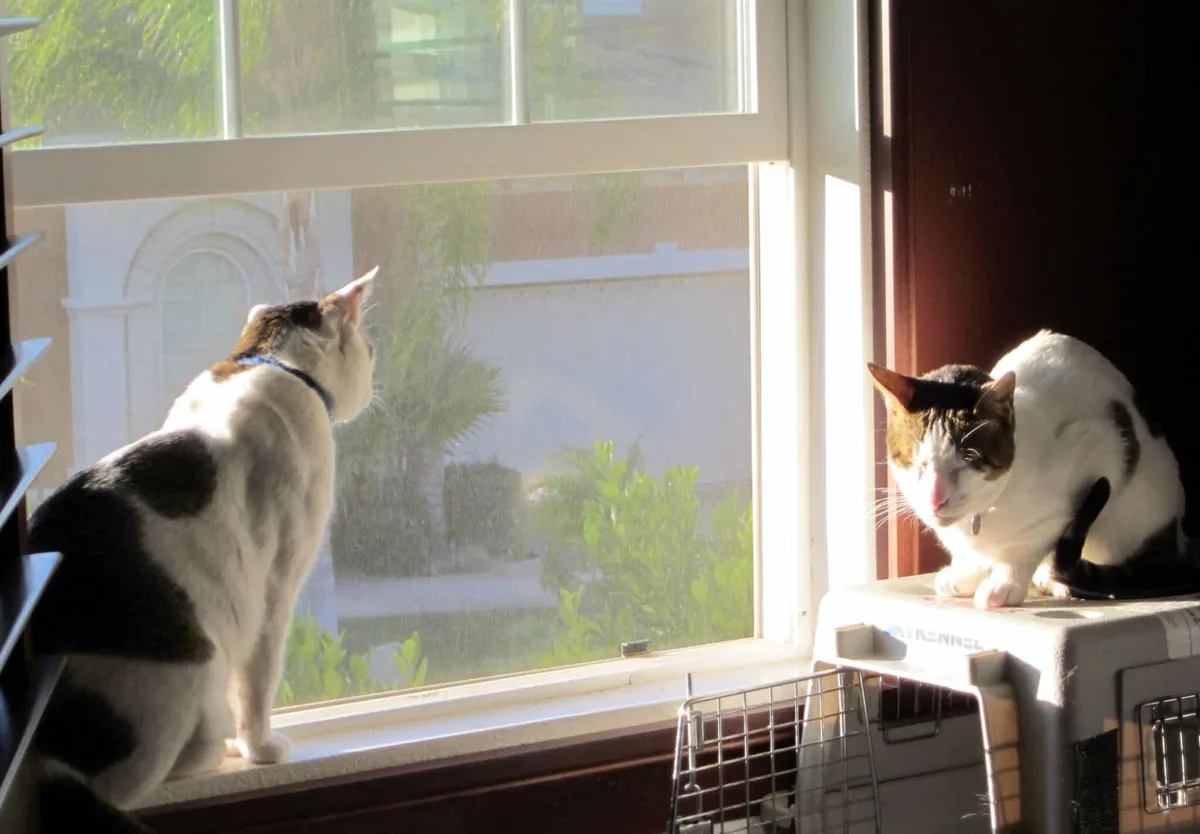
You are sitting quietly when your cat spots a bird outside. Then it happens. That strange chattering sound.
Why do cats chatter like that? It is one of the most misunderstood behaviors in the feline world, and getting it wrong can actually create problems for your cat.
The most widely accepted explanation among veterinary behaviorists is the "kill bite" simulation theory. Research from university animal behavior programs suggests the jaw quiver is an involuntary rehearsal for delivering a precise neck bite to prey. This instinctive response is part of a fixed action pattern that kicks in when a cat sees something it cannot reach.
Image source: Bing (Web (fair-use with source credit))
Quick Answer
Cats chatter as a hardwired response to prey they cannot catch. The sound comes from a rapid jaw tremor. It mirrors the killing bite.
It is a mix of excitement and frustration. The behavior is harmless and normal.
Why Misreading Your Cat's Chatter Can Backfire
Here is the thing most people get wrong. They assume chattering means their cat is angry or aggressive. That assumption can lead to punishment, which damages trust and confuses the cat.
When you scold a cat for chattering, you are punishing an instinct. The cat does not understand why you are upset. This can create anxiety around windows or birds.
It may even suppress normal predatory behavior, which is unhealthy for a cat.
The real risk is mislabeling the behavior. A frustrated cat is not dangerous. An anxious cat is.
If you punish natural instincts, you create stress. And chronic stress in cats leads to real health problems like urinary issues and overgrooming.
Aggregate reviews of feline behavior cases show that misunderstanding chattering is one of the most common reasons owners seek help. The fix is simple: learn what the sound actually means.
What Chattering Actually Looks and Sounds Like
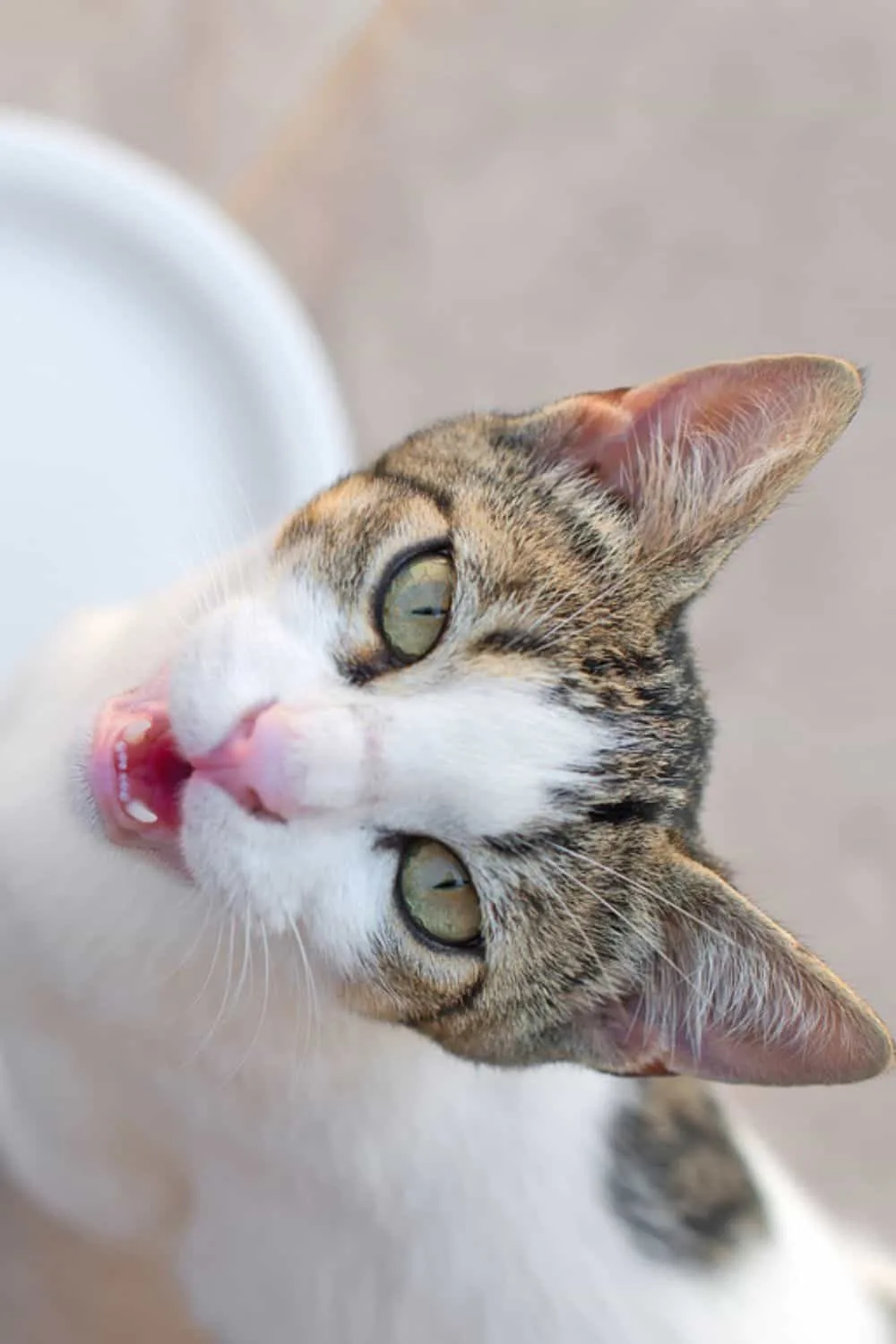
Let us describe it precisely so you know what to look for. The sound is a rapid series of high-pitched chirps or clicks. It sounds almost like a bird or a squirrel.
Many owners call it "ekekek" because that is the closest written approximation.
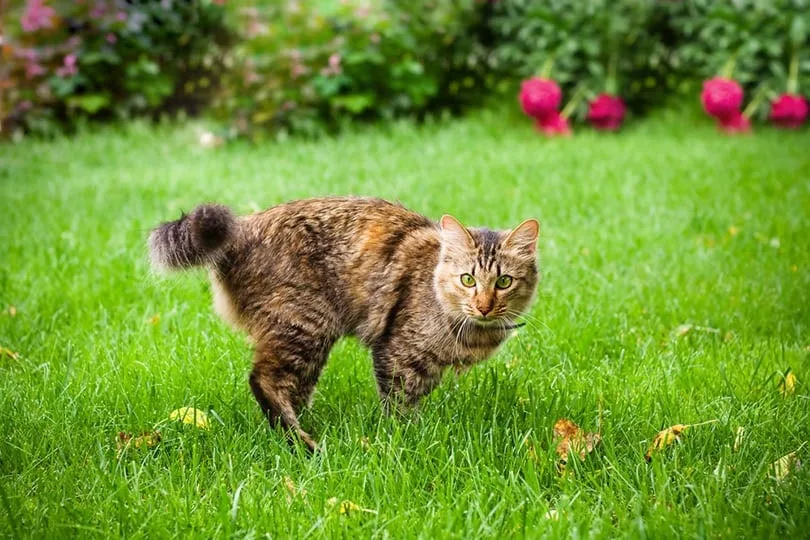
The body language is just as telling. The cat crouches low. The ears point forward.
The tail may twitch rapidly from side to side. The eyes lock onto the prey with intense focus. Then the jaw starts quivering.
What you are not seeing is aggression. There is no hissing. No growling.
No puffed tail. The posture is predatory, not defensive. The cat is locked in a moment of pure instinct.
The jaw movement itself is a rapid tremor. It lasts anywhere from one to five seconds. The cat may repeat it several times if the prey stays visible.
Once the cat loses sight of the bird or squirrel, the chattering stops.
The Leading Theories (What Science and Behaviorists Say)
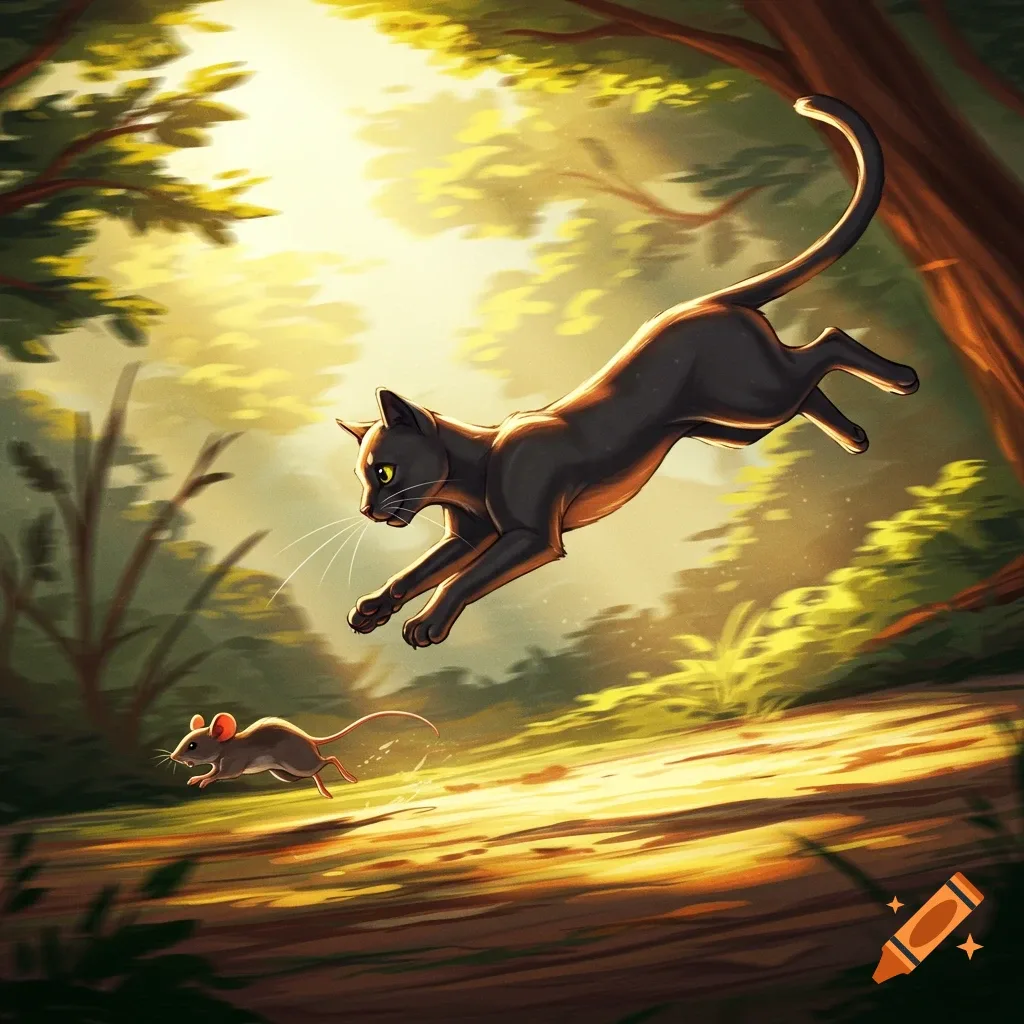
Image source: Bing (Web (fair-use with source credit))
There are three main theories, and they are not mutually exclusive. The first is the kill bite rehearsal. This is the most widely cited explanation.
The rapid jaw movement mimics the motion a cat uses to sever the spine of prey. It is practice. Pure and simple.
The second theory is frustration. The cat sees something it wants but cannot reach. The chattering is an outlet for that frustration.
Think of it like a person sighing heavily or tapping a foot. It releases tension.
The third theory is excitement overflow. The cat is simply overwhelmed by the stimulus. The chattering is a release of built up predatory energy.
This explains why cats also chatter at toys, laser pointers, and even nature shows on TV.
Research from Cornell University College of Veterinary Medicine confirms that chattering is part of the normal predatory sequence. It is not a sign of distress or illness in most cases. It is a hardwired response that serves a clear evolutionary purpose.
How to Tell Normal Chattering From a Problem
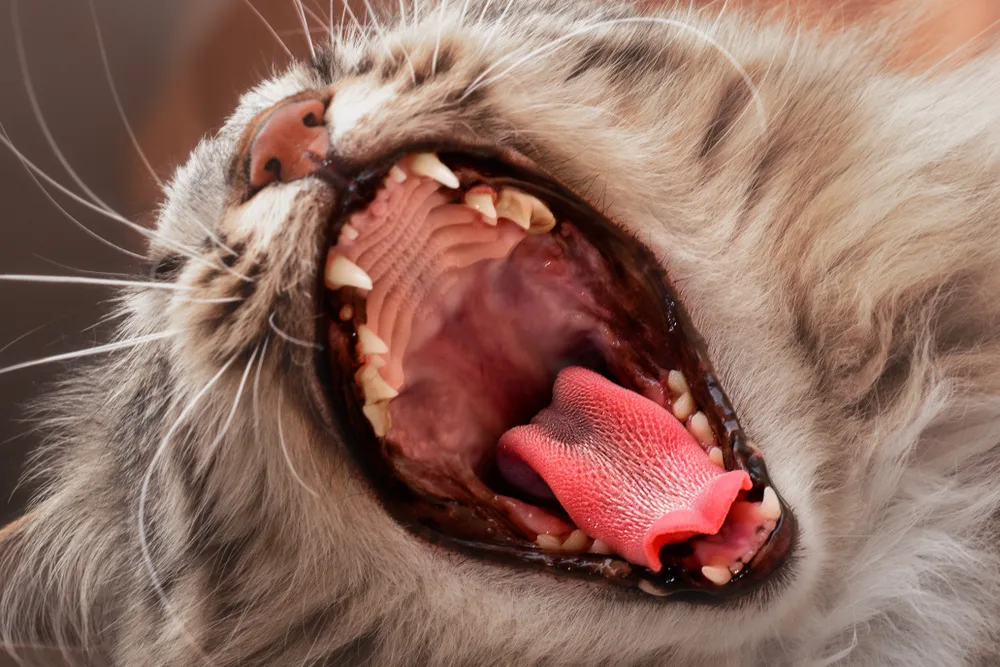
Image source: Bing (Web (fair-use with source credit))
This is where the YMYL angle matters. Chattering is normal, but it can be confused with signs of medical problems. The key is context.
| Behavior | Sound | Body Language | When It Happens |
|---|---|---|---|
| Normal chattering | High-pitched chirps, clicks | Alert, focused, crouched | Only when seeing prey |
| Teeth grinding (bruxism) | Low grinding, scraping | Drooling, pawing at mouth | Anytime, especially after eating |
| Seizure activity | No sound, twitching jaw | Disoriented, unresponsive | Random, not tied to prey |
Normal chattering only happens when the cat sees something it wants to hunt. If your cat chatters at the window during a bird sighting and stops when the bird flies away, that is normal.
If your cat chatters at nothing, or if the jaw movement happens without a visible trigger, that is a red flag. Teeth grinding often signals dental disease. Jaw twitching during rest could indicate a neurological issue.
Here is the rule of thumb. Chattering + visible prey = normal. Chattering + no trigger + other symptoms = vet visit.
What to Do (and What Not to Do) When Your Cat Chatters
Start with what not to do. Do not punish the cat. Do not yell.
Do not squirt water. Do not block the window. These responses create fear and stress.
Do not assume the cat is being aggressive. Chattering is not a threat display. It is not directed at you.
Let the cat finish the behavior naturally.
Now for what to do. The best response is to redirect the predatory energy. Here are practical steps.
- Keep windows clean to give a good view
- Place a bird feeder outside a window
- Use a wand toy to mimic prey at a distance
- Play with your cat before high-traffic bird hours
- Provide puzzle feeders to satisfy the hunting drive
If your cat chatters at a specific window regularly, make that window a hunting station. Add a cat perch. Let the cat watch.
The chattering is enrichment. It is mentally stimulating.
One caution. Do not use laser pointers as the only outlet. They can cause obsessive behavior because the cat never catches the prey.
Use physical toys where the cat can actually bite and grab.
The goal is to let the cat express the instinct in a healthy way. You are not training the behavior away. You are giving it a proper channel.
When a Vet Visit Is the Right Call
Most chattering is harmless. But some cases need professional attention. The difference comes down to context and timing.
Schedule a vet visit if chattering happens without a visible trigger. If your cat sits in an empty room and chatters at the wall, that warrants investigation. The same goes for chattering during sleep or rest.
Watch for additional symptoms. Drooling, pawing at the mouth, or bad breath point to dental disease. Teeth grinding often accompanies these signs.
A veterinary dental exam can rule out problems like tooth resorption or gum disease.
Seizure activity is another concern. Some partial seizures look like chattering but lack the predatory body language. The cat may seem disoriented afterward.
It may not respond to your voice. This is different from the focused, alert state of normal chattering.
Behavioral changes also matter. If your cat suddenly starts chattering excessively, or if the behavior appears alongside hiding, appetite loss, or aggression, get a checkup.
The American Veterinary Medical Association recommends a wellness exam at least once a year. As of 2026, many clinics offer telemedicine triage for behavior questions. This can be a good first step before an in-person visit.
Here is the short version. Chattering at birds is fine. Chattering at nothing is not.
When in doubt, a quick vet call can save you weeks of worry.
Frequently Asked Questions About Cat Chattering
Why does my cat chatter at birds but not at other cats?
Birds trigger the predatory sequence more strongly than other cats. Chattering is about hunting, not social interaction. Your cat sees birds as prey.
It sees other cats as competitors or companions. The response is completely different.
Can indoor cats stop chattering if they hunt enough?
No. Chattering is an instinctive response, not a behavior that can be trained away. Providing enrichment and play reduces the intensity, but it does not eliminate the reflex.
That is normal and healthy.
Is chattering a sign of a happy cat?
Not exactly. It is a sign of an aroused cat. The arousal can be positive excitement or mild frustration.
Either way, it means your cat is engaged with its environment. That is generally a good thing.
Do all cats chatter?
No. Some cats do it frequently. Others never do it.
Breed, personality, and early life experience all play a role. Outdoor cats often chatter less because they can actually catch prey. The behavior is more common in indoor-only cats.
Should I interrupt my cat when it chatters?
No. Let the cat finish the behavior naturally. Interrupting can create frustration or anxiety.
The only exception is if the cat is about to break a window screen or hurt itself, which is rare.
Can chattering turn into aggression toward me?
No. Chattering is directed at prey, not people. Your cat is in a predatory state of mind.
It is not thinking about you at all. Do not take it personally and do not punish it.

Similar Posts