Why Is My Cat Suddenly Laying on Me All the Time?
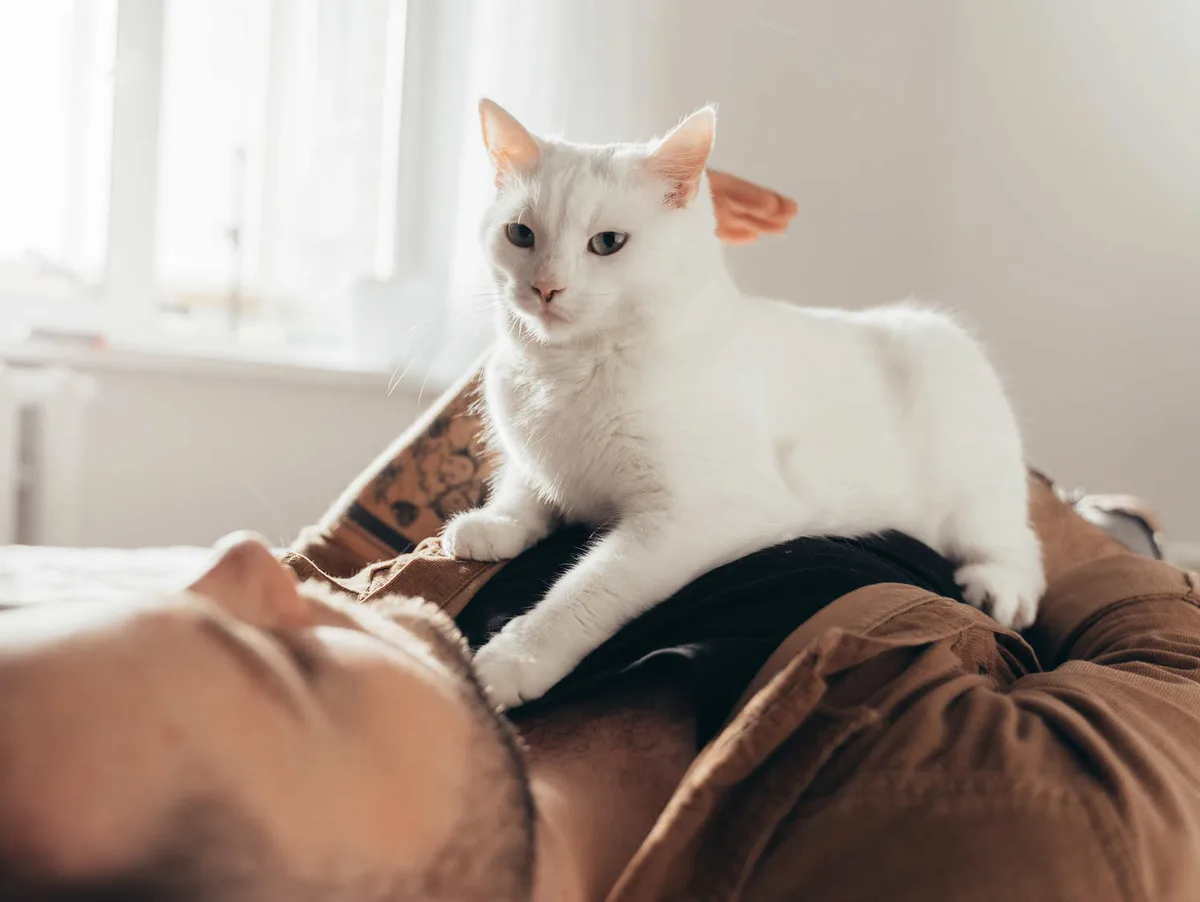
Your cat has always been pretty independent. So when they suddenly start parking themselves on your chest every time you sit down, it’s natural to wonder what’s going on. The question "why is my cat laying on me all of a sudden" is one of the most common behavior puzzles cat owners run into, and the answer is rarely just one simple thing.
Cats are masters at hiding discomfort. In fact, a 2020 study in the Journal of Feline Medicine and Surgery confirmed that cats show very subtle pain signals that most owners miss entirely. Their sudden need to be on you could mean nothing serious, or it could be their way of telling you something is off.
Let’s walk through this together.
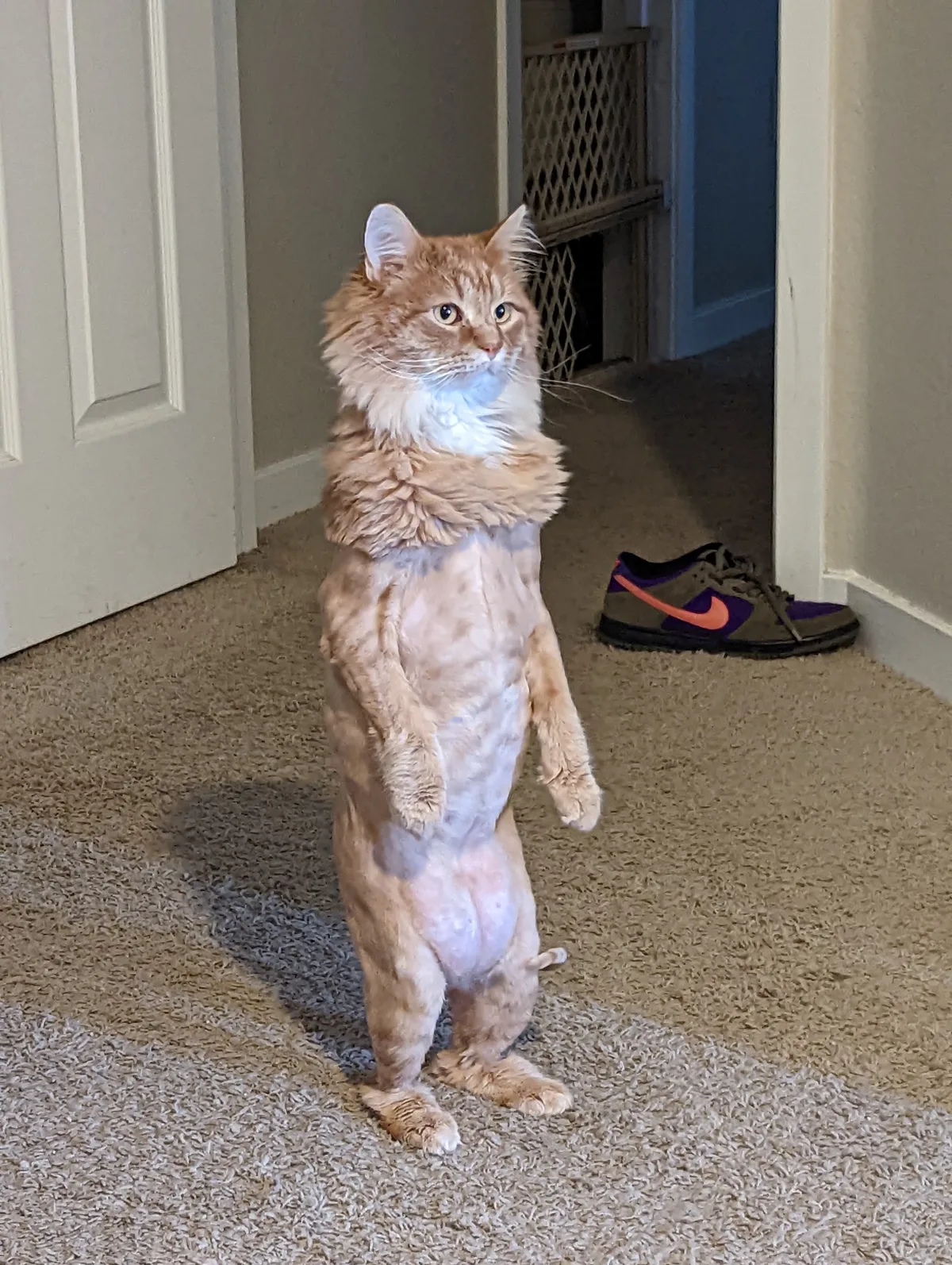
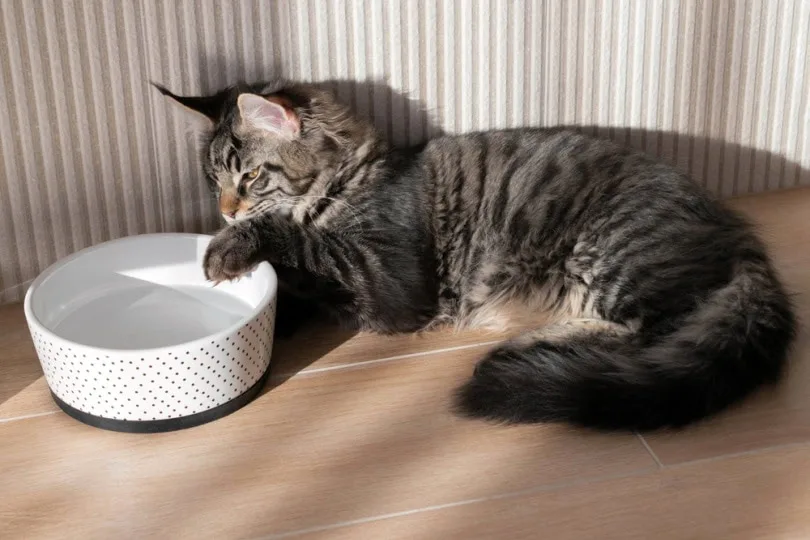
Image source: Bing (Web (fair-use with source credit))
Quick Answer
Your cat might be seeking warmth, comfort, or reassurance. A sudden change in behavior can also point to an underlying health issue. Rule out pain or illness first.
Then look at recent changes in your home.
Start Here: Is This Really "All of a Sudden"?
Before we go any further, let’s get specific. When you say "all of a sudden," how sudden are we talking? Did it start today, or has it been building for a week?
A true sudden change means the behavior appeared out of nowhere with no obvious trigger. Your cat was fine yesterday. Today they won’t leave your lap.
That kind of sharp shift deserves more attention. But if you think back and realize they’ve been a little more cuddly for a few weeks, that’s a slower drift. The cause is often different.
Picture a timeline. This is roughly what you should expect from a healthy cat's normal affection patterns, it fluctuates based on mood, season, and routine. If the new clinginess falls outside that pattern, it’s a flag worth checking.
Quick Triage: Health vs. Non-Health — What to Look for First
Here’s the framework I use when helping owners figure this out. Think of it as a fork in the road. One path leads to a health problem.
The other leads to a behavioral or environmental reason.
Ask yourself these questions first:
- Is your cat eating and drinking normally? A sudden change in appetite paired with increased clinginess makes a health issue much more likely.
- Are they using the litter box as usual? Straining, going outside the box, or going more often combined with extra cuddling could mean a UTI.
- Do they seem painful when you pet certain areas? Gently run your hands over their back, belly, and legs. If they flinch, hiss, or pull away, pain is a real possibility.
- Has their energy level changed? A cat that is suddenly both glued to you and sleeping even more than usual is a red flag.
If you said yes to any of those, you should start thinking vet visit. If all of those are normal, the cause is likely something else, and you can move to the next section.
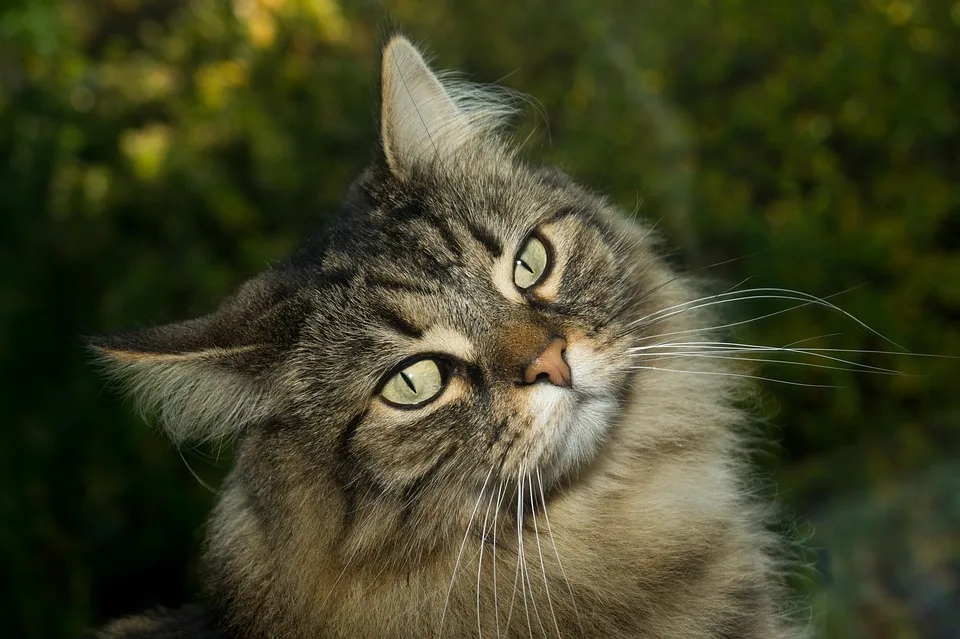
Image source: Web (Bing) / pixabay.com (Web image (fair-use with source credit))
Non-Health Causes You Can Rule Out Today (Weather, Stress, Routine Changes)
Let’s start with the easy stuff. A lot of sudden clinginess has nothing to do with illness. It’s about comfort, security, or the environment.
Is it colder than usual? Your body is basically a heated bed. Cats increase their contact with humans when the temperature drops. This is a normal seasonal shift.
If it’s winter or fall, this alone could explain everything.
Has something changed in your home? Cats are creatures of habit. Even small disruptions can make them seek safety. Think about:
- A new pet or person in the house
- Furniture rearranged or new furniture
- Construction noise or loud events
- A move to a new home
- A new baby
Any of these can make your cat feel insecure. Lying on you is a way to feel safe and re-establish their scent connection.
Has your routine changed? If you started working from home after being out all day, they might just be taking advantage. If you recently went on vacation and came back, they may be checking that you’re still there and re-bonding.
Are they in heat? If your female cat isn’t spayed, sudden clinginess, loud meowing, and rolling around could mean she’s in estrus. This is hormonal, not medical.
If none of these seem to fit, it’s time to look deeper.
The Health Signals Most Owners Miss (Pain, Hyperthyroidism, UTI, Fever)
This is where being a careful observer really matters. Cats are programmed to hide weakness. It’s a survival instinct from their wild ancestors.
So when a cat starts seeking extra contact, it can actually be a pain response. They know you make them feel safe.
Let’s run through the most common health reasons for sudden clinginess.
Pain. Arthritis is extremely common in older cats. A cat with sore joints may seek the warmth and softness of your lap because it feels better than lying on a hard floor. They also want to be near you in case they need protection.
Check for limping, stiffness when getting up, or a reluctance to jump.
Hyperthyroidism. This is very common in cats over 10 years old. An overactive thyroid makes them hungry, restless, and sometimes more affectionate. They may also lose weight despite eating more.
The clinginess often comes with increased vocalization.
Urinary Tract Infection (UTI). A cat with a UTI may lie on you more because they feel sick. They might also go to the litter box more often, strain, or cry when peeing. Some cats will even associate the box with pain and avoid it, so they stay near you instead.
Fever or illness. If your cat has a mild fever from an infection, they may feel cold and want your body heat. Feel their ears and nose. If they are warmer than usual and lethargic, a fever could be the culprit.
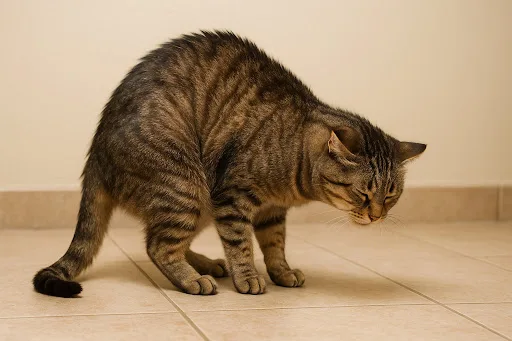
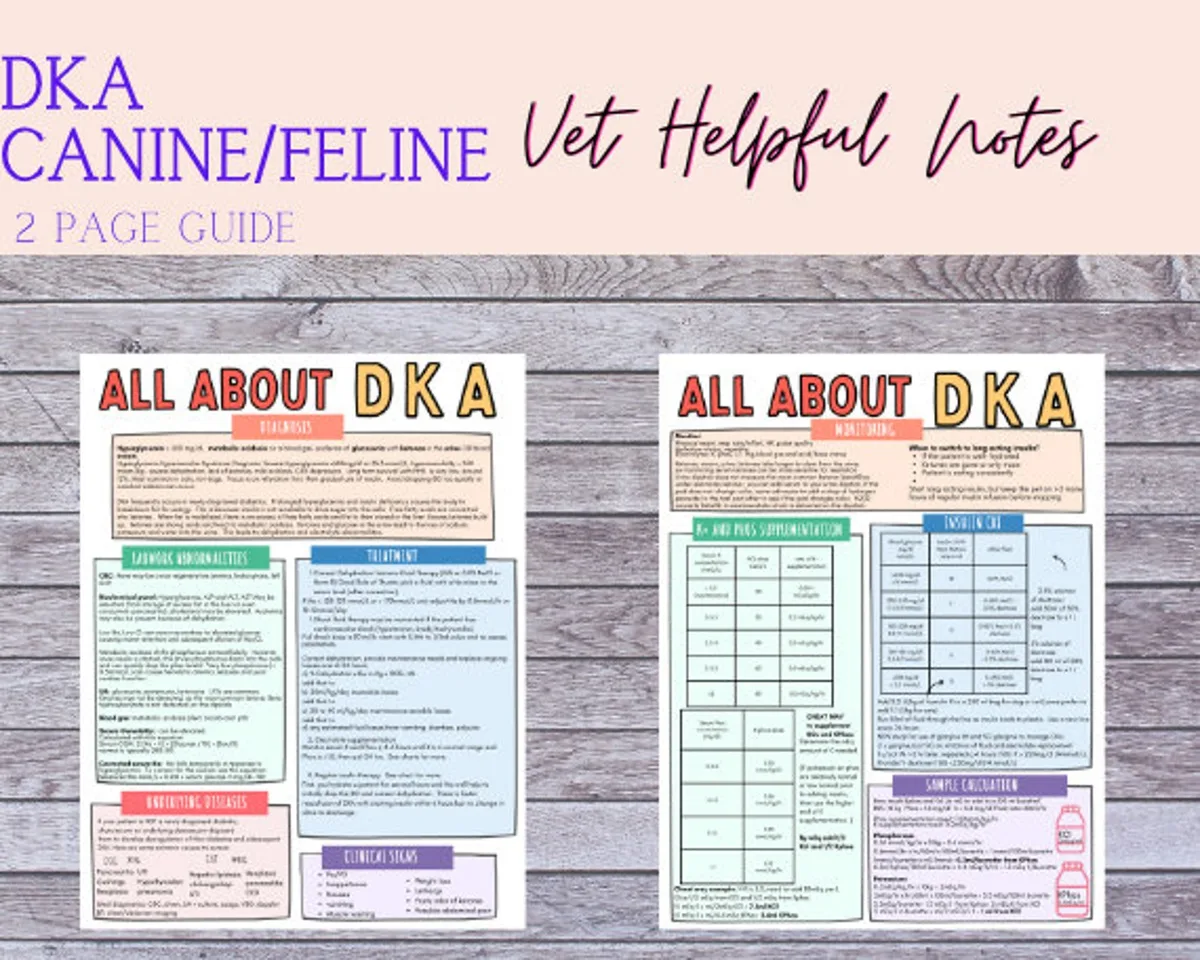
Image source: Bing (Web (fair-use with source credit))
The Decision Guide: When to Monitor vs. When to Call the Vet
Now we get to the practical part. Use this flow to decide your next step.
| Situation | What to Do |
|---|---|
| No other symptoms, recent change in home or routine | Wait and watch for 3 to 5 days. Reassess. |
| No other symptoms, but nothing changed at home | Monitor for another 48 hours. If nothing shifts, schedule a checkup. |
| Any litter box change (more, less, straining, blood) | Call your vet within 24 hours. |
| Changes in appetite or thirst | Call your vet within 24 hours. |
| Limping, flinching, hiding, or lethargy | Schedule an appointment within 48 hours. |
| Vomiting, diarrhea, or visible discomfort | Call today. |
| Senior cat (10+ years) with sudden clinginess | Always worth a wellness exam. Bloodwork can catch thyroid and kidney issues. |
The key rule is this: if your cat has any other symptom alongside the clinginess, don’t wait. A single behavioral change with no other signs is usually fine. Two changes together is a much stronger signal.
If you do decide to monitor, keep a log for a few days. Note when they lie on you, how long they stay, and if you notice any other small changes. That information is gold when you talk to your vet.
Common Mistakes Owners Make When Their Cat Gets Clingy
It’s easy to go straight to the wrong conclusion. I see the same patterns over and over when people ask about sudden clinginess. Here are the ones to watch out for.
Assuming it’s always affection. This is the biggest one. Yes, cats love us. But a sudden, dramatic increase in cuddling isn’t the same as their normal affectionate behavior.
The shift is the clue. If your cat has always been a lap cat, that’s one thing. A cat that never wanted to be held suddenly sleeping on your chest every night deserves a second look.
Rushing to punish or push them away. Some owners get frustrated. They think the cat is being needy or annoying, and they shoo them off. That can make things worse.
If the clinginess is stress-related, you just added more stress. If it’s pain-related, you’ve made them feel unsafe. Either way, it’s not helpful.
Waiting too long to call the vet. This is the one that hurts. Many owners tell me they waited weeks because they hoped it was just a phase. For a younger cat, that’s usually fine.
But for a senior cat, waiting can mean missing early treatment for hyperthyroidism, kidney disease, or arthritis. If your cat is over 10 and the behavior sticks around for more than a few days, book the appointment.
Forgetting to look at the whole picture. Clinginess alone doesn’t tell you much. The real information comes from pairing it with other changes. Is your cat eating less?
Drinking more? Hiding? Those combinations are where the answers live.
Frequently Asked Questions
Can my cat sense if I’m sick or pregnant?
Yes, cats can detect subtle changes in body temperature, scent, and routine. Some studies suggest they pick up on hormonal shifts. If you are pregnant or ill, your cat may lie on you more often as a response.
It is not proof of illness, but it does happen.
Is sudden clinginess more common in certain cat breeds?
Some breeds are naturally more people-oriented. Ragdolls, Siamese, Maine Coons, and Sphynx cats tend to be more affectionate. But even an independent breed can suddenly become clingy.
Breed matters less than the individual cat’s history and health.
How long should I wait before calling the vet?
If your cat has no other symptoms, wait up to three days. Reassess after 48 to 72 hours. If the behavior continues beyond that with no obvious trigger, schedule a checkup.
If there are any other signs like appetite change or litter box issues, call sooner.
Can stress really cause a cat to want more cuddling?
Absolutely. Stress makes cats seek comfort. A new pet, a move, or even a change in your work schedule can trigger it.
The cat lies on you to feel safe. This is normal behavior. It should fade as they adjust to the new situation.
What if my cat is clingy only at night?
Nighttime clinginess often points to a change in your cat’s sleep cycle. Older cats sometimes develop cognitive decline that makes them restless. It could also be a sign of hyperthyroidism, which causes increased activity.
Rule out health issues first, then look at routine changes.
Should I be worried if my cat is purring while lying on me?
Purring does not always mean happiness. Cats also purr when they are in pain, anxious, or trying to self-soothe. It is a calming mechanism.
Enjoy the purr, but do not let it convince you the clinginess is only about love. Look at the full picture.

Similar Posts