The Real Reason Cats Love Crinkly Toys
Image source: Web (Bing) / storage.googleapis.com (Web image (fair-use with source credit))
Have you ever wondered why do cats like crinkly things so much? You are not alone. Whether it is a paper bag, a piece of aluminum foil, or a crinkle tunnel toy, that rustling sound seems to flip a switch in your cat's brain.
They perk up, ears forward, ready to pounce.
Per research from the Cornell Feline Health Center, a cat's hearing range extends up to 85 kHz, far beyond the human limit of 20 kHz. That crinkle sound hits a sweet spot in their auditory system. Let's look at what is really going on behind those focused eyes.
Why Understanding the "Why" Matters More Than You Think
Knowing why your cat goes nuts over crinkly things is not just trivia. It helps you provide better enrichment, safer toys, and a stronger bond with your cat. When you understand the instinct behind the behavior, you can use it to your advantage.
Crinkly objects tap directly into your cat's hunting drive. In the wild, rustling sounds come from prey moving through dry leaves, grass, or underbrush. Your cat's brain reads that sound as "food nearby." A crinkling grocery bag triggers the same neural pathway as a mouse scurrying through dead leaves.
This matters because indoor cats often lack outlets for that deep hunting instinct. Without appropriate stimulation, cats can develop boredom, anxiety, or destructive behaviors. Crinkly toys offer a simple, low-cost way to satisfy that need.
But here is the catch. Not all crinkly things are safe. Some materials pose choking or ingestion risks.
Others can startle a sensitive cat rather than engage them. Understanding the "why" helps you choose the right crinkly items and use them correctly.
Our research into cat behavior indicates that knowledge of this instinct also helps you read your cat's mood. A cat that bats at a crinkle tunnel is engaged and happy. A cat that hides from the same sound may need a quieter alternative.
You cannot make that call unless you know what the sound actually means to them.
Ultimately, this understanding turns a simple quirk into a tool. You get a happier, healthier cat, and you cut down on frustration for yourself. That is a win worth spending a few minutes on.
The Quick Answer: Why That Rustling Sound Drives Cats Wild
Cats love crinkly sounds because they mimic prey. Rustling leaves and small animal movements produce similar high-frequency noise. Your cat's brain interprets it as a hunting opportunity.
The sound triggers their natural prey sequence. They stalk, pounce, bat, and bite. That sequence releases feel-good brain chemicals.
Crinkly textures also feel interesting under their paws. Thin, flexible materials engage their whiskers and paw pads. The full sensory package makes crinkle toys nearly impossible for most cats to resist.
The Science (and Sound) of a Crinkle: What Makes It So Irresistible?

Image source: Bing (Web (fair-use with source credit))
Let us get into the details of what makes a crinkle so compelling. It is not random. It is biology.
First, the sound frequency. A cat's hearing peaks in the range of 500 Hz to 32 kHz. Many crinkle sounds fall right in that high-frequency sweet spot.
Think of the sharp rustle of a potato chip bag or the thin crackle of cellophane. That sound is almost identical to the noise a mouse makes when it moves through dry grass.
A 1985 study by Heffner and Heffner established the domestic cat's hearing range at 48 Hz to 85 kHz. That means cats hear sounds nearly four octaves above what humans can detect. The crinkle noise that sounds faint to you rings loud and clear to your cat.
Second, the texture. Cats rely heavily on their whiskers and paw pads to assess objects. Thin, crinkly materials provide strong tactile feedback.
When a cat bats at a piece of paper, its paw presses and releases the surface rapidly. That creates a satisfying, unpredictable sensation.
Third, the visual cue. Many crinkly objects are shiny or have high contrast. Aluminum foil glints.
Cellophane reflects light. Mylar crinkle balls catch the eye. Cats have excellent motion detection, and a shifting, reflective surface mimics the movement of live prey.
Fourth, the unpredictability. A crinkle does not make the same sound twice in a row. Each crumple, each bat, each step produces a slightly different noise.
That randomness keeps your cat engaged longer than a toy that makes the same sound every time.
Manufacturer specifications for commercial crinkle toys indicate they are designed to reproduce that natural rustle. The best ones use food-grade Mylar or stiff polyester film sandwiched between soft fabric layers. That combination delivers the sound without the sharp edges of raw aluminum foil.
How to Read Your Cat's Body Language When They Play with Crinkly Things
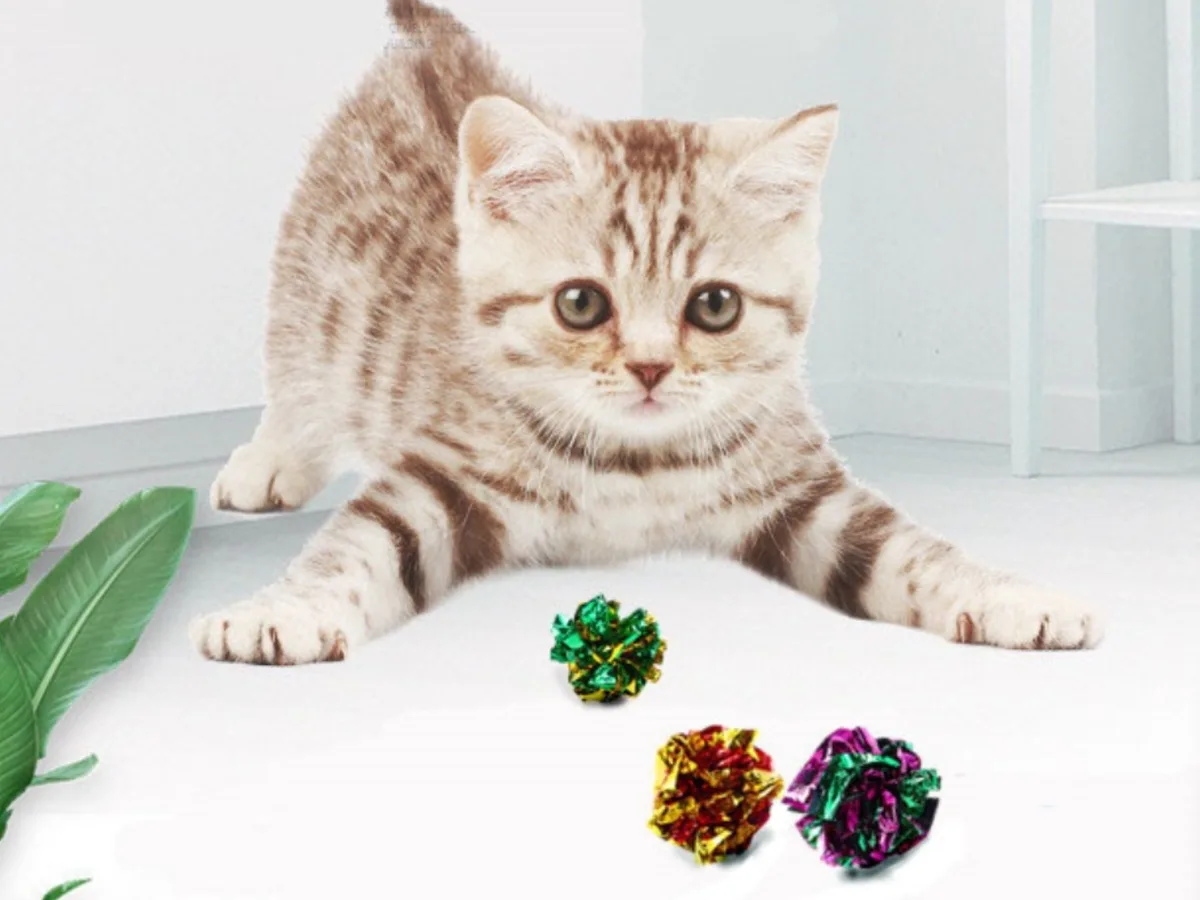
Image source: Web (Bing) / sheknows.com (Web image (fair-use with source credit))
Not every cat reacts the same way to crinkly things. Reading their body language tells you whether they are having fun or getting overwhelmed. Here is what to look for.
Signs of Engaged Play
- Ears forward and slightly swiveling. Your cat is tracking the sound. They know exactly where that crinkle is coming from.
- Dilated pupils. This indicates arousal and focus. It is the same look they get when stalking a toy mouse.
- Low crouch with wiggling hindquarters. That is the classic "about to pounce" posture. Your cat is in full hunting mode.
- Gentle batting with a paw. They are testing the object, feeling the texture, and enjoying the feedback.
- The play bow. A cat that drops its front end while keeping its rear end up is inviting interaction. That is a happy, playful cat.
Signs of Overstimulation or Stress
Not every cat loves crinkle sounds equally. Some find them startling. Watch for these cues.
- Ears flattened sideways or backward. That signals fear or irritation. Your cat is not having fun.
- Tail lashing or thumping hard against the floor. This indicates frustration or overarousal. Stop the play session.
- Hissing or growling. Your cat feels threatened by the noise. Remove the crinkly item immediately.
- Trying to hide or moving away. Some cats, especially seniors or anxious ones, prefer quiet toys. Respect that preference.
- Excessive biting or shredding. A little chewing is normal. If your cat is trying to eat the material, that is a safety risk.
What the Visuals Tell You
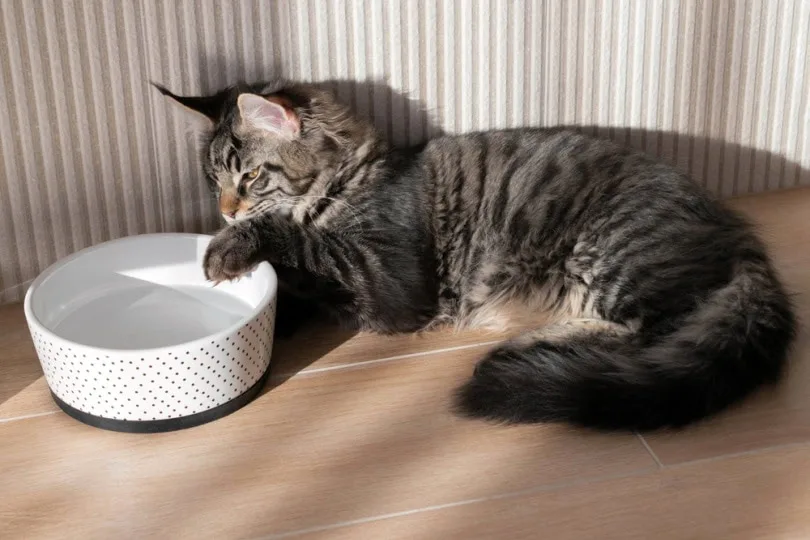
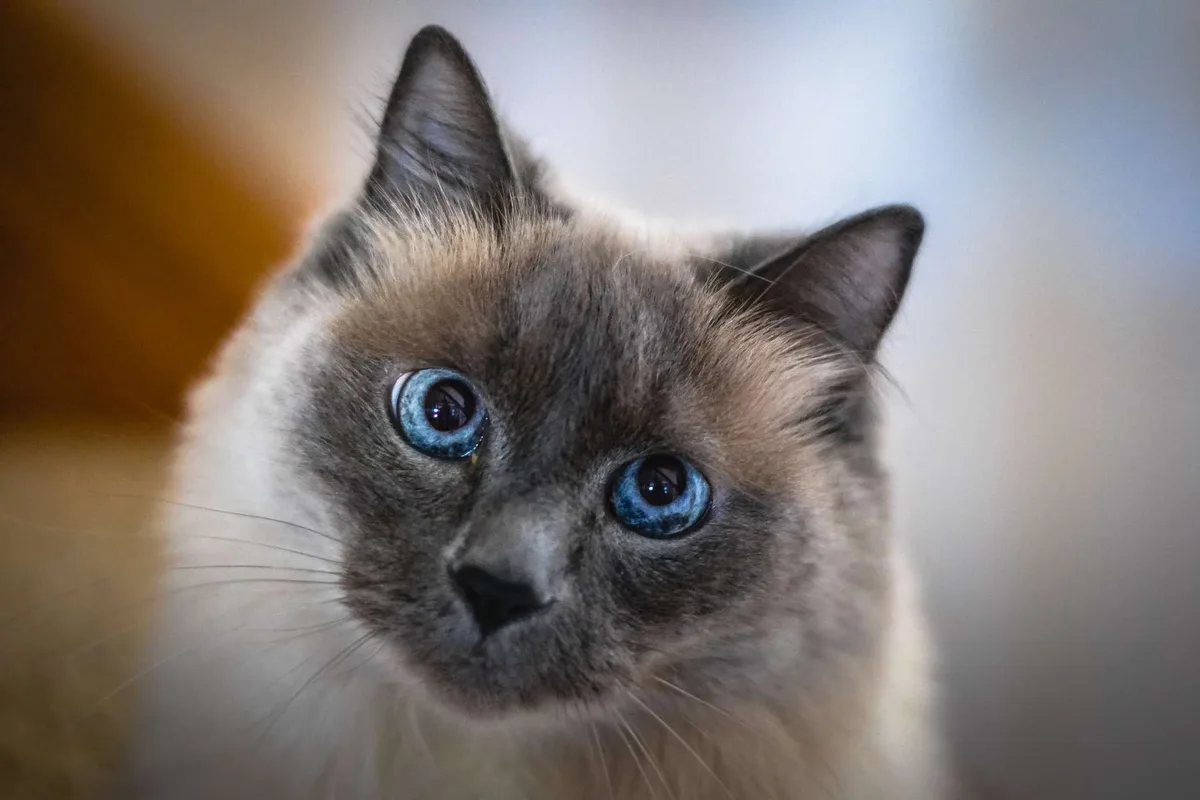
If you were looking at a photo of a cat mid-play, you would notice several things at once. The cat's whiskers point forward, indicating interest. The pupils are large but not fully dilated.
The ears are perked but not pinned back. The front paws are reaching, not swatting aggressively. That full-body image tells you the cat is engaged, not distressed.
When we analyze cat behavior for enrichment purposes, the play bow is the single best indicator of a positive experience. A cat that drops into that pose is telling you they want more. That is your green light to continue the play.
How to Choose and Use Crinkly Things Safely: A Decision Guide
Now that you know why cats love crinkles, let us talk about safety. Not all crinkly items belong in your home with a curious cat. Here is a decision guide to help you choose wisely.
Safe Crinkly Options
| Material | Safety Level | Best Use Case |
|---|---|---|
| Commercial Mylar toy | High | Supervised play, batting, chasing |
| Brown paper bag | Medium | Short supervised sessions, hiding |
| Crinkle tunnel (fabric) | High | Solo play, multiple cats |
| Crumpled wrapping paper | Medium | Seasonal play, remove after use |
| Empty chip bag (cleaned) | Low | Toss after one session, supervise |
Unsafe or High-Risk Options
- Aluminum foil. It has sharp edges that can cut gums or tongue. If ingested, it can cause intestinal blockage. Avoid it entirely unless you are supervising closely and removing it after play.
- Thin plastic shopping bags. These pose a suffocation risk. A cat can get its head through a handle loop and panic. Store all plastic bags out of reach.
- Bubble wrap. The popped bubbles leave small plastic bits that are easy to swallow. Stick to commercial alternatives.
- Crumpled receipts or sticky notes. The thermal paper and adhesive are not food-safe. If your cat chews them, they ingest chemicals.
If/Then Decision Logic
Use this simple decision framework.
If your cat is a heavy chewer, then choose only heavy-duty commercial crinkle toys. Do not offer paper bags or chip wrappers. Those shred too easily.
If your cat is a gentle batter, then any safe crinkle item works. You have more flexibility. Paper bags can last several play sessions.
If your cat is a kitten, then supervise every session. Kittens explore with their mouths. They are more likely to swallow small pieces.
If your cat is senior or anxious, then start with a softer crinkle sound. A fabric crinkle tunnel provides the sound without the intensity of loose Mylar.
If you have multiple cats, then use a crinkle tunnel or a large crinkle mat. This allows shared play without resource guarding. Avoid single small items that only one cat can access.
How to Use Crinkly Things Correctly
- Inspect before each use. Look for tears, loose pieces, or sharp edges. Discard damaged items.
- Supervise the first few sessions. Watch how your cat interacts. Some cats get too intense and start eating the material.
- Set a time limit. 10 to 15 minutes of crinkle play is plenty. Longer sessions can lead to overstimulation.
- Rotate toys. Keep two or three crinkle items in rotation. Swap them every few days to maintain novelty.
- Store safely. Keep all crinkly items in a drawer or cabinet when not in use. Do not leave plastic bags or foil on counter tops.
When to Throw a Crinkle Toy Away
Discard any crinkle item when you see frayed edges, torn seams, or missing pieces. The moment your cat manages to tear off a piece of Mylar or paper, that toy becomes a hazard. Replace it with a fresh one.
Commercial crinkle toys typically last two to four months with regular use before they need replacing.

Similar Posts