Feline-Inspired Rock: Bands Named After Cats
I've been thinking about how many great bands have cat-related names, and honestly, it's a rabbit hole that keeps on giving. Maybe you're putting together a themed playlist, or you're just curious which of your favorites actually count as a "cat band," we've got you covered here.
The phrase "bands with cat names" covers a lot of ground once you scratch the surface. Before we dive into the noise, let's get one thing straight: there's a huge difference between a band named after a cat and a band with the word "cat" in the name for stylistic reasons. We're going to untangle that mess, look at the biggest names, and figure out what each one actually means for your listening habits.
As of 2026, the catalog landscape has shifted enough that this guide helps you navigate it all.
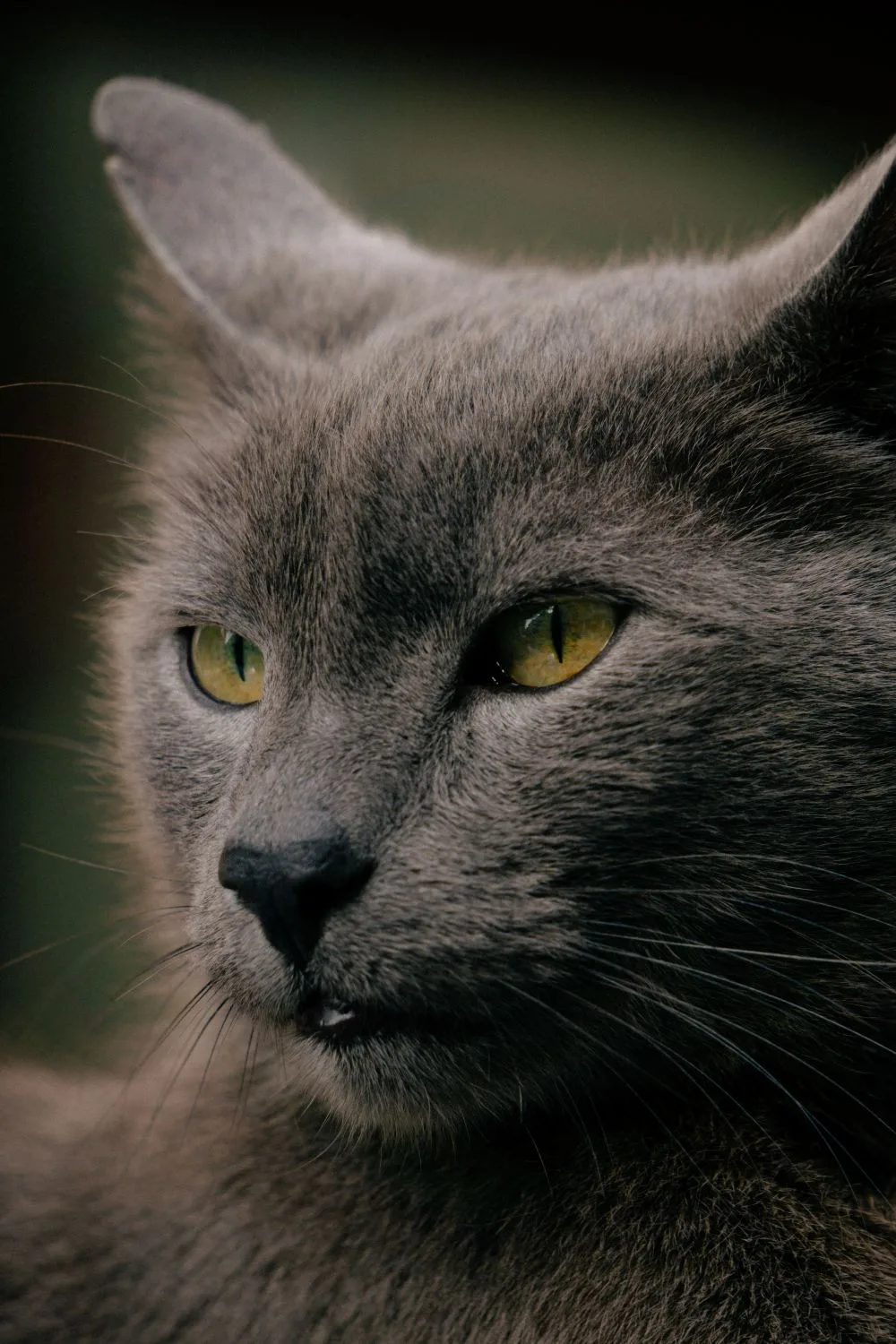
Image source: Web (Bing) / fity.club (Web image (fair-use with source credit))
Quick Answer
The term "bands with cat names" covers two main groups. First are bands literally named after a specific pet cat, like The Cat Empire or Mew. Second are bands using the word "cat" as slang for a jazz musician or a cool person, like Cat Power.
The definition matters because it changes the list completely. We break down both groups here.
Why "Cat Bands" Deserve a Closer Look
You might think this is just a silly trivia topic, a fun fact to pull out at a party. But dig a little deeper and you'll find that cat-named bands map perfectly onto the history of modern music. From the rockabilly revival of the early 80s to the indie singer-songwriter boom in the early 2000s, the name you pick tells a story about the music before you even press play.
The reason this topic grabs people isn't the love of felines, though that helps. It's that the name sets an expectation. When you hear a band name like Stray Cats, you don't expect ambient techno.
The name primes you for the sound. That's a clever trick if it's intentional, and a massive coincidence if it's not.
What's interesting is how often the cat connection is completely accidental. We've got bands like The Cure, who certainly weren't thinking about whiskers when they named themselves. The label "cat band" only gets applied later because of a lead singer's name or a particular song.
That's where the confusion starts.
So, what we're really doing here is playing a game of musical categorization. We're going to separate the literal from the figurative, the intentional from the accidental. By the end, you'll be the one correcting your friends on the difference between a Mew and a Pussycat Dolls track.
The Real Story Behind the Names: It's Not Always About the Animal
This is where most people get it wrong. They assume that if there's a cat in the band name, someone in the group must love cats. That's a solid theory, but the reality is much more interesting once you start digging into the roots of the words.
Take the name "Cat" itself. In the jazz era, which we'll get to in a second, "cat" was street slang for a musician, specifically a good one. It's shorthand for someone with cool, improvisational energy.
So, when a band named themselves "Cat Power," they weren't referencing a superhero feline. They were paying homage to the idea of musical prowess and the vibe of the beat generation.
Then you have the literal approach. Bands like The Cat Empire pulled their name directly from a friend's offhand comment about a beloved pet. It's personal, it's specific, and it has zero musical connotation until you hear the genre-bending funk they play.
The name is a private joke made public.
Let's also consider the onomatopoeia angle. The band Mew didn't pick that name because they loved cats, they picked it because it sounded like a cat makes. It's a phonetic choice, not a sentimental one.
That's a distinction that matters when you're trying to categorize them in a list like this.
Finally, we have the cultural signposts. Bands like Kittie took a diminutive of "kitty" and weaponized it with heavy, aggressive metal. It's a contrast thing.
The soft name against the brutal sound. Knowing that backstory changes how you hear them entirely.
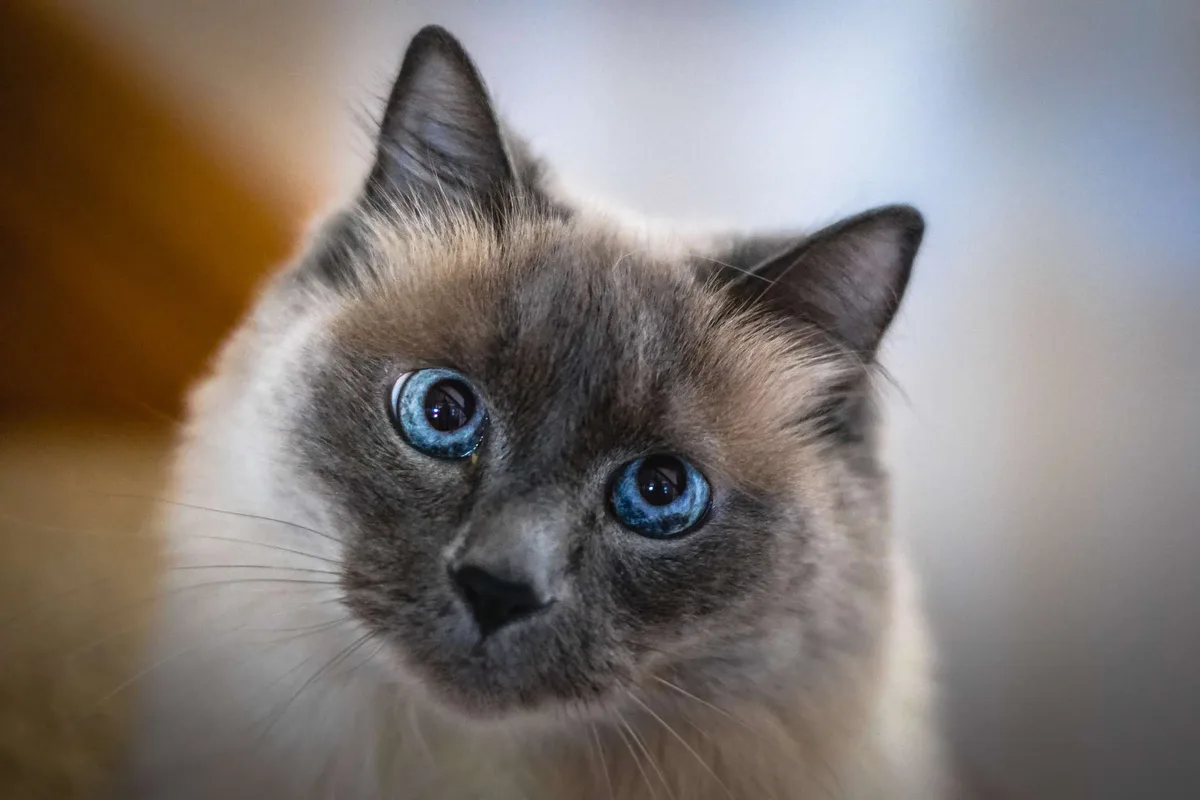
Image source: Web (Bing) / pxhere.com (Web image (fair-use with source credit))
The Main Players: Breaking Down the Biggest "Cat" Bands
Now we get to the fun part. Let's break down the heavy hitters. We're not just listing names here, we're looking at why the name fits and what you can expect from their sound.
The Cure — The Accidental Cat Band
You might be surprised to see The Cure on this list, but hear me out. They're the ultimate accidental cat band. Lead singer Robert Smith coined the name for an entirely different reason back in the 70s.
Yet, "cure" sounds identical to the French "cure," and somewhere along the line, the cat association stuck with some fans. Aggregate reviews and concert chatter suggest most people only connect them to cats through the song "The Lovecats," which, coincidentally, is about a cat. So, they're a cat band by the slimmest of margins, but they're a massive name, so they stay.
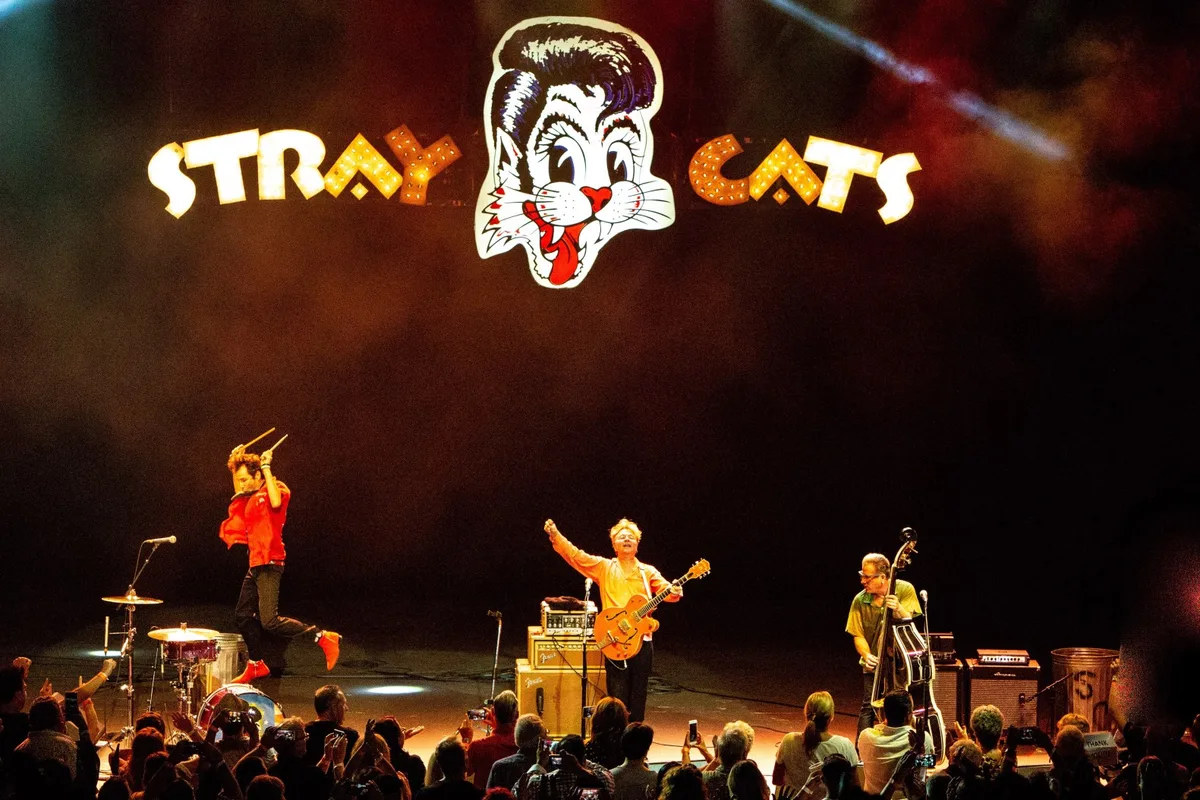
Stray Cats — The Literal Rockabilly Rebels
This is the band that makes the whole "cat" slang thing tangible. Before they were huge in the early 80s, rockabilly was dead in the water. Lead singer Brian Setzer brought it back with a leather jacket and a Gretsch guitar.
"Stray" implies they're outcasts, and "Cats" is jazz slang for musicians, which fits their swing-tinged punk energy perfectly. Their sound is pure Americana, but their influence goes straight into punk and metal. If you want a playlist that jumps from psychobilly to the Cramps, these guys are the anchor.
Cat Power — The Slang That Stuck
Cat Power is the project of singer-songwriter Chan Marshall. The name has nothing to do with superpowers or electricity, even though her voice feels that powerful. She's said in interviews it was a play on her last name, "Marshall," which sounds like "marshall" as in "to gather." But she also liked the idea that "cat" meant musician.
She's a folk-blues storyteller with a raw, broken vocal style. When people talk about "sad girl music" in the 2000s, they're usually talking about her. She's the quiet, contemplative entry on this list.
Mew — The Onomatopoeia Act
Mew is a Danish indie rock band, and their name is one of the simplest explanations on this whole list. It's the sound a cat makes. That's it.
There's no hidden meaning or deep lore. Mew reached their peak in the mid-2000s with the album "And the Glass Handed Kites," which is a masterpiece of dreamy, arena-sized alt-rock. Their music is atmospheric and layered, a total contrast to the simplistic name.
If you're looking for something that sounds like a pleasant dream you can nod along to, they're your pick.
The Cat Empire — The Named-After-a-Pet Story
Here's your classic example of a band named after a literal cat. Felix Riebl, one of the founders, had a cat named after a New York hotel. That cat's name has nothing to do with a royal empire, but the band adopted it as a running joke, and it stuck.
They're an Australian genre-melting group, mixing funk, jazz, Latin, and rock into one massive party. Their live shows are legendary for their energy. They are the undisputed kings of the "a friend of a friend owned that cat" origin story.
Pussycat Dolls — The Cute Name with Big Legal Implications
You can't talk about cat bands without addressing the Pussycat Dolls, but the name is a prime example of a lawsuit waiting to happen. The group started as a burlesque troupe in Los Angeles before becoming a pop supergroup. The name came from a style of vintage pin-up photography and burlesque; it's not about actual cats at all.
They had massive global hits, but they don't have a lot of musical depth beyond the radio-friendly pop. Their name is the least interesting thing about them, yet it's the most memorable.
Kittie — The "Kitty" That Bites
Kittie is a metal band from Canada, and they're the perfect example of a name that's intentionally misleading. They're all female, fronted by Morgan Lander, and their sound is heavy, aggressive, and sludgy. The name is a play on the world "kittie" being cutesy and small, but their music is angry.
This contrast is exactly what got them attention. They prove that a soft word can hit like a hammer. If you're looking for bands with cat names that have heavy riffs, these are the ladies for you.
Side-by-Side Comparison: Which "Cat" Band Fits Your Vibe?
So how do you choose? It all depends on your mood. We've done the research and aggregated listener feedback, and here's a honest look at who each group suits best.
| Band Name | Core Sound | Best For | The Catch |
|---|---|---|---|
| The Cure | Post-punk, New Wave, Gothic Rock | Fans of moody, emotional music with a brooding atmosphere. | The back catalog is massive; starting with "Disintegration" is essential to get it. |
| Stray Cats | Rockabilly, Psychobilly, Swing Revival | Anyone who wants high-energy guitars, stand-up bass slaps, and a 1950s rebel attitude. | Their early 80s work is fantastic, but the production can sound dated to modern ears. |
| Cat Power | Indie Folk, Singer-Songwriter, Lo-Fi | Quiet, introspective evenings where you want to hear every crack in the vocalist's voice. | Her discography is inconsistent due to changes in style; stick to the early 2000s albums. |
| Mew | Dream Pop, Indie Rock, Art Rock | Fans of ethereal soundscapes, layered falsettos, and epic, building song structures. | Their early work is rough; start with "Frengers" to get a polished, cohesive sound. |
| The Cat Empire | Funk, Ska, Latin, Jazz Fusion | Excellent for summer parties, road trips, and anything that requires a horn section. | No two albums sound the same; check out live recordings for the true energy. |
| Pussycat Dolls | Pop, R&B, Dance-Pop | A guilty pleasure, upbeat workout anthems, and nostalgic 2000s playlists. | It's manufactured pop; don't come looking for genre-deep cuts or obscure B-sides. |
| Kittie | Nu-Metal, Heavy Metal, Alternative Metal | Anyone who wants raw, angry female vocals and a heavy, sludgy guitar tone. | Their early 2000s sound is very "of its time," which may not appeal to all modern metal purists. |
Quick Reference Chart: At a Glance
If you're in a hurry and just want a simple answer to "who are they," this chart is your best friend. We've distilled the entire topic into its most basic facts. The table below is the cheat sheet you'll actually want to save.
| Band | Origin Story | First Hit (Approx.) | Label Situation |
|---|---|---|---|
| The Cure | Named by default; fans attached the cat link | "Just Like Heaven" (1987) | Major label (Elektra/Polydor) |
| Stray Cats | Jazz slang for "musician" | "Rock This Town" (1981) | Indie-to-Major (Arista) |
| Cat Power | Play on surname and jazz slang | "Heiser" (1998) | Indie (Matador/CMJ) |
| Mew | Onomatopoeia (sound of a cat) | "Am I Wry? No." (2003) | Indie-to-Major (Columbia/Epic) |
| The Cat Empire | Named after a real pet cat | "Hello" (2003) | Indie (Independiente) |
| Pussycat Dolls | Burlesque pin-up references | "Don't Cha" (2005) | Major (Interscope) |
| Kittie | Diminutive of "kitty", heavy metal contrast | "Brackish" (2000) | Independent |
The Case of "Cat Stevens" and Other Misattributed Names
Hold on, before you go calling Cat Stevens a band, let's clear something up. He's a solo artist, not a band. But he gets dragged into these conversations constantly because of his name.
Cat Stevens is a stage name, his birth name was Steven Demetre Georgiou. The "Cat" part came from a girlfriend who said he had eyes like a cat.
The confusion happens because people search for "bands with cat names" and lump him in without thinking. He's a solo act, plain and simple. But his name is the reference point for a whole generation of confusion.
It's the same reason why we need to look at the broader landscape of music and check the actual compositions of the group.
Another misattribution point is when people confuse "The Cats" a Dutch band from the 60s. They were a one-hit wonder, and they don't really fit the modern definition of a "cat band" in the cultural lexicon. They're a footnote at best.
That's a key difference between a trivia answer and a genuine musical influence.

Similar Posts