Are Russian Blue Cats Hypoallergenic? Facts to Know
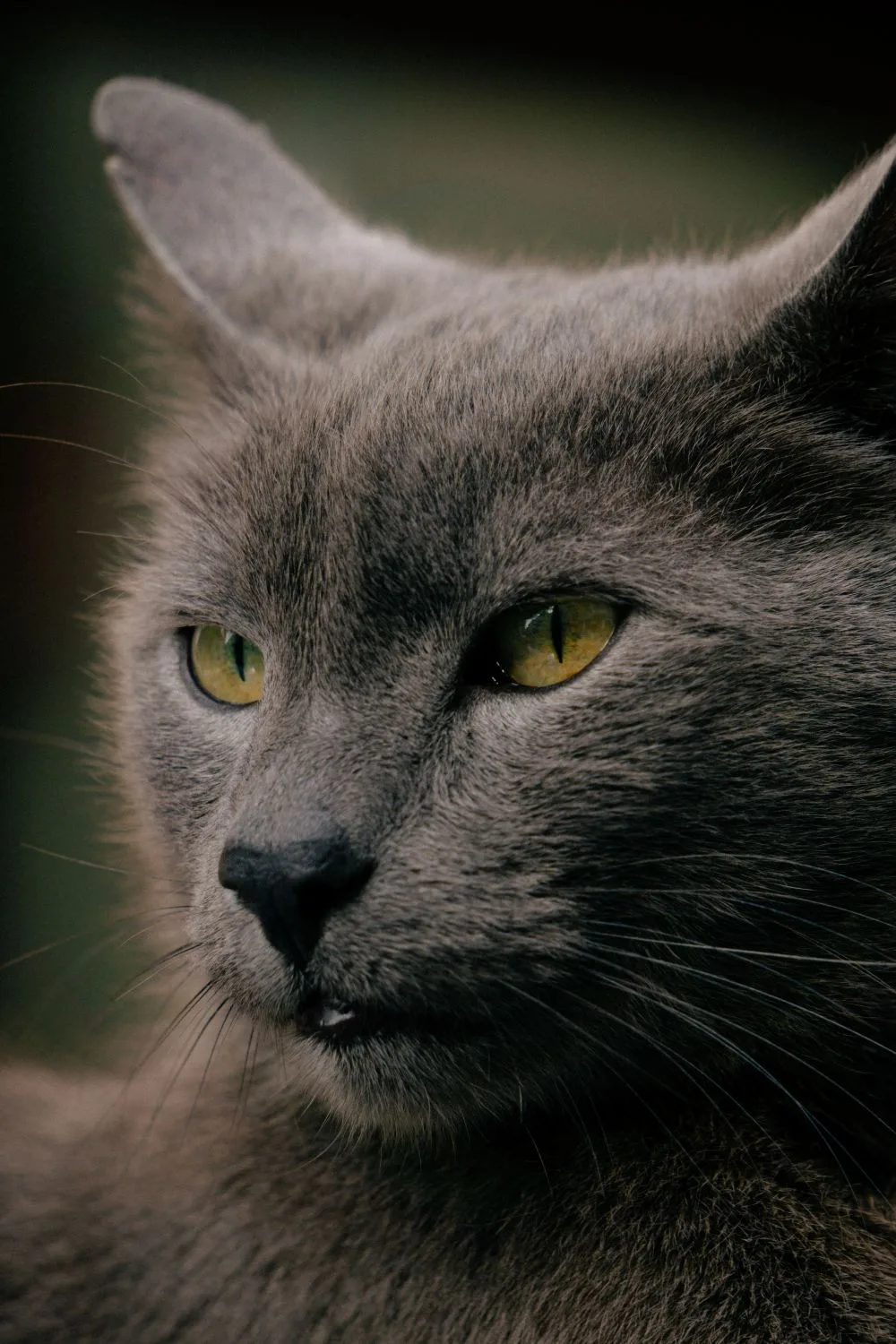
If you're allergic to cats but have your heart set on a Russian Blue, you're likely wondering if those gorgeous gray eyes and plush silver coat will finally be your ticket to feline companionship. So, are Russian Blue cats hypoallergenic? The short answer is no, not completely, but they're about as close as most allergy sufferers can get.
Here's what you need to know: The Russian Blue produces significantly less of the Fel d 1 protein, the primary allergen found in cat saliva and skin oils. That's the main reason they're often labeled "hypoallergenic." Per research published in the Journal of Allergy and Clinical Immunology (and widely cited by allergists), Fel d 1 is the culprit behind roughly 90% of cat allergies. Still, "less" doesn't mean "none," so your mileage may vary depending on how sensitive you are.
In our research, we've found that the real deciding factor isn't just the breed, but your personal allergy threshold.
Image source: Web (Bing) / pexels.com (Web image (fair-use with source credit))
Quick Answer
Are Russian Blue cats hypoallergenic? Almost, but not completely.
They produce less Fel d 1 protein than most cats. This protein is the main allergy trigger. Russian Blues shed less fur too.
No cat is 100% hypoallergenic. Many allergy sufferers live with them comfortably. Test your reactions before committing.
How Cat Allergies Really Work (It's Not the Fur)
Most people think cat hair is the enemy. It's not. The real culprit is a tiny protein called Fel d 1, and it's everywhere.
It's in your cat's saliva, skin flakes (dander), and even the oil glands that coat their fur.
Here's the sneaky part: since cats groom themselves constantly, they spread that protein all over their coat every single time they lick themselves. When you pet them, you're not just touching fur. You're transferring allergens from their coat onto your hands, your clothes, and if you're not careful, your face.
That's why one good snuggle can send your sinuses into overdrive.
The protein is also tiny, which makes it an absolute menace. It's lightweight, so it floats through the air just like dust. It sticks to soft surfaces, blankets, and carpets.
It doesn't dissipate quickly either. Allergens can settle into your couch and stay there for months after the cat is gone.

Image source: Web (Bing) / Alex.g at English Wikipedia
According to the National Institutes of Health, that relentless Fel d 1 protein is sticky enough to linger in your home long after the cat has left. If you're dealing with a severe allergy, this airborne quality is often the real reason you react even when the cat is in another room. You're not imagining it, that allergen is literally everywhere.
Since you're reading this, it's likely your symptoms are triggered by airborne proteins, not just direct contact. That means a cat breed that produces less of this protein naturally gives you a head start. But it doesn't wipe out the problem completely.
You need a plan to manage the rest.
What Makes Russian Blues Different from Other Cats
So why do people swear Russian Blues are different? It comes down to a one-two punch of genetics and grooming habits. First, the genetics.
Research suggests Russian Blues naturally produce lower levels of Fel d 1 compared to most other domestic breeds. That means the raw amount of allergen your body has to fight is simply less, right out of the gate.
The second part is their grooming behavior. Russian Blues are famously fastidious. They groom themselves thoroughly and frequently.
This habit actually helps keep their coat clean and distributes their natural oils evenly. While that does spread saliva, it also means the dander is less likely to flake off into the air, keeping things a bit more contained.
Here's where it can get tricky: no two Russian Blues are identical. Just because the breed offers some relief doesn't guarantee your individual cat will. We've seen reports of Russian Blues that still triggered symptoms in highly sensitive owners.
Think of it this way, you're playing the odds, and the odds are better, but you're not getting a guarantee.
Compared to a standard domestic shorthair, the difference is pretty noticeable. Aggregate reviews from allergy sufferers report that Russian Blues cause fewer flare-ups than most cats. But compared to a hairless breed like the Sphynx, the Russian Blue still produces dander.
Don't let the short coat fool you either. A dense, plush undercoat can hold onto dander and allergens, which is why brushing routines still matter.
The Risk Factors: Why You Might Still React
Let's be real. Allergies aren't always a simple spectrum. How you react depends on a few things, your own sensitivity, the specific cat, and the environment you live in.
For example, someone with a mild allergy might do just fine, while someone with severe reactions might still struggle.
Your threshold is the biggest factor. If you're the type of person who gets hives just from petting a dog, you're in for a rough time. But if you have hay fever or a mild dust allergy, a Russian Blue might work surprisingly well for you.
Another thing to watch: gender and hormone levels. Per animal science studies, male cats produce higher levels of Fel d 1. Neutered males produce less than intact ones, and females often produce the least.
So if you're set on a Russian Blue, opting for a spayed female might be your best bet for reducing allergens.
Coat maintenance also plays a part. When a Russian Blue does shed, which happens less often than most cats, it's much more manageable. But that doesn't mean you can skip the brushing.
All dander eventually makes its way to the surface.
If you've got asthma, you need to be extra careful. Even a "low-allergen" cat can trigger an attack. Before you commit, speak with your allergist about your specific triggers and whether managing a pet is feasible.
A Step-by-Step Plan to Test Your Tolerance Before Adopting
Alright, you're seriously considering a Russian Blue. Don't just order one online or walk into a breeder and hope for the best. Take a few weeks to run through a proper testing process.
First, spend time with the breed in person. Reach out to a breeder and ask to visit their cattery. When you're there, pay attention to how your body responds in the first 15 minutes.
A tickle in your nose is a warning. Watery eyes are a red flag. But don't stop there, you need a longer exposure.
If the initial visit goes well, ask for a take-home trial. Not every breeder will agree, but many reputable ones do. They're confident their kittens are lower-allergen and want to make sure you're the right fit before signing paperwork.
Bring your own cat carrier and spend at least two hours with the kitten in a closed room. That's usually enough time for symptoms to show.
Next, pay attention to your environment for the next 48 hours. This is where the real data comes in. Do you have a stuffy nose the next morning?
Are your eyes itchy by lunchtime? Keep a simple log of any symptoms. If you don't reach for antihistamines, that's a very good sign.
Finally, consider asking for a blood sample for an allergen test. Some specialized labs can measure the specific Fel d 1 levels in that cat's coat or dander. It's not a standard procedure, but it's the most objective measure you'll get without an allergist's workup.
Compare those numbers to average adult cats to see where your potential pet falls on the scale.
A Step-by-Step Plan to Test Your Tolerance Before Adopting (Continued)
If you're serious about bringing a Russian Blue home, don't just rely on the breed's reputation. Trust your body. Run a proper trial.
The best way to know if it'll work with your allergies is to spend time with the actual cat you're considering.
Step 1: Visit the cattery more than once. A single visit isn't enough. Allergies can be delayed up to 24 hours. Go back a second or even third time to see if your reactions stay consistent.
Keep a little mental checklist: Any sneezing? Itchy eyes? Runny nose?
Congestion that evening?
Step 2: Test with the specific kitten you want. The breeder might show you a litter of four kittens. You might fall in love with one, but another might be a better match for your allergies. Test with the one you intend to take home.
Spend at least 30 minutes handling that specific kitten. Cuddle them, let them rub against your arms and face. That'll give you the clearest signal.
Step 3: Ask about an allergen blood test. This is more advanced, but some breeders offer it or work with you on it. A simple blood test can measure the cat's Fel d 1 levels specifically. It's not standard in most clinics, but if you can swing it, it's the most objective data you'll get.
Aim for a level well below the average domestic shorthair.
Step 4: Set up a neutral-space trial. Bring the kitten home for a trial period. Keep them in a single room with a HEPA air purifier running. Spend time in there, but keep the rest of your home closed off initially.
If you're not reacting after two days, you're probably in the clear. If you are reacting, you haven't ruined the breeder's chances of rehoming them. Always have a backup plan.
If you react strongly during the trial, don't push through and hope your body will get used to it. That can backfire. Better to know now than after you've fallen in love.
How to Manage Allergens in Your Home After You Bring One Home
Let's say you've done the trial and you're ready to commit. Or maybe you've decided to keep your Russian Blue despite a mild reaction. Either way, you can reduce the allergen load pretty significantly with a few daily habits.
Upgrade your air filtration. You'll want a HEPA air purifier in your bedroom and wherever you spend the most time. Run it 24/7. These units capture airborne dander and the floating allergens that trigger your symptoms.
This single change makes a bigger difference than almost anything else you'll do.
Brush your cat regularly. Russian Blues have a dense, plush coat that needs brushing anyway. Use a soft bristle brush or a grooming glove a few times a week. This removes loose fur and dander before they can spread.
Wear a mask while you do it if you're sensitive, and always wash your hands afterward. Some owners even wipe their cat down with a damp microfiber cloth afterward. That captures the leftover dander and gives your hands a break.
Wash their bedding weekly. Hot water kills the Fel d 1 protein. Run their cat bed linens through the washing machine on a hot cycle every seven days. Don't forget to vacuum their favorite spots too, the couch, the chair closest to the window, any spot they love to nap.
Use a vacuum with a HEPA filter, or you'll be blowing those allergens right back into the air.
Consider allergen-neutralizing wipes. You can buy pet-safe wipes designed to neutralize Fel d 1. Wipe your cat down once or twice a week. It's gentle and helps remove some of the protein from their coat without a full bath.
Plus, it cuts down on loose fur endlessly landing on your counters.
Restrict access to your bedroom. This might be the hardest rule to enforce, but it's the smartest one. Your bedroom should be a sanctuary. Wash your bedding weekly in hot water, too.
If you keep the door closed the rest of the time, you'll have at least one allergen-free room in the house.
Grooming, Routine Care, and Lifestyle Tips for Allergy Owners
Beyond the cleaning basics, a few lifestyle tweaks can keep the peace. If you're an allergy sufferer, getting this part right matters just as much as the cat itself.
Stick to a weekly grooming ritual. On top of brushing, some owners give their Russians a monthly bath. It's not strictly necessary, but a gentle, cat-safe shampoo can rinse away accumulated dander and saliva proteins. Go ahead and start this young, when they're kittens, so it becomes a normal part of their routine.
Going in for a bath for the first time when they're an adult can be a battle.
Keep your home dusted and clutter-free. That means moving the knickknacks off the shelves. Fewer surfaces mean fewer places for dander to collect. Wipe surfaces frequently with a damp cloth, not a dry one, which just redistributes allergens into the air.
Monitor your own reactions after play. Some people do great with dried dander but react to cat saliva. If that's you, wash your hands after play sessions. And try not to let your cat lick your face.
Even for people without allergies, a cat's mouth is a bacterial minefield.
Stay on top of your own allergies. If you usually take a daily antihistamine, don't stop now. Many owners find that their allergies ease over time as their body builds a tolerance. But you want to give your immune system the best chance to adapt, and that means managing things from day one.
Watch for signs of overexposure. If you find yourself reaching for tissues constantly, or if your chest tightens up, you've gone too far. Cut back on the cuddles and double down on your cleaning routine. Give it a week and see if your symptoms reset.
The Financial Side of Owning a Russian Blue
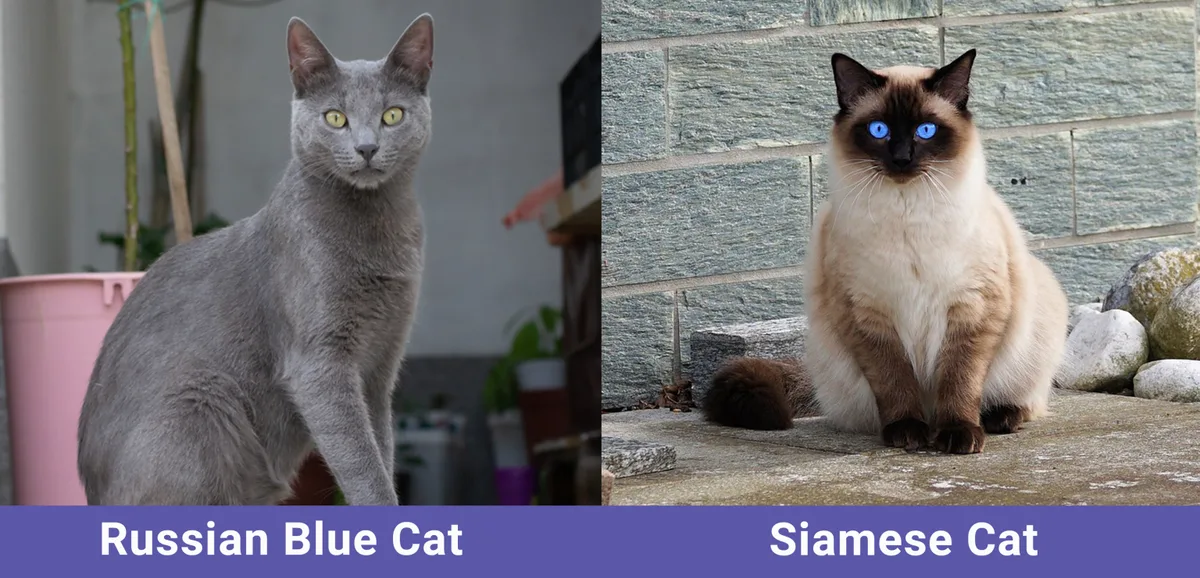
Image source: Web (Bing) / gbc.wellkeptbra.com (Web image (fair-use with source credit))
Let's talk money. Russian Blues are not cheap cats, and responsible ownership goes beyond the adoption fee. If you're on a budget, this matters more than the allergen factor.
A well-bred Russian Blue kitten from a reputable breeder typically costs anywhere from $1,200 to $2,500. That price is for a pet-quality kitten. If you're looking for something with show lines or rare coloring, you can easily cross the $3,000 mark.
Why so expensive? Reputable breeders screen for genetic health issues. They provide early vaccinations, deworming, and proper socialization.
They register their litters and do everything they can to ensure the moms and dads are healthy and well-tempered. You're paying for years of careful breeding, not just a cute face.
Factor in annual vet visits, vaccinations, and preventatives, budget around $300, $500 per year for routine care. Pet insurance runs $15, $40 per month depending on the plan and your location. High-quality cat food adds another $40, $70 per month.
Believe it or not, the Russian Blue is prone to urinary tract issues, so investing in good quality wet food makes sense in the long run.
When budgeting, also set aside a fund for emergency care. You never know what's around the corner, and you'll want to have a little cushion so a sudden health scare isn't a financial disaster.
Are Russian Blues Good for Allergy Sufferers? (The Verdict)
So here's the honest deal: Russian Blues are not truly hypoallergenic. No cat is completely allergen-free, that's a myth. But in the world of cat breeds, Russians come pretty close to the top of the "allergy-friendly" list.
Their low Fel d 1 production means you'll encounter far fewer allergens than you would with a Persian or a Maine Coon. Their short, dense coat means less loose dander in the air, and their fastidious grooming keeps the coat clean and settled.
If you have mild to moderate cat allergies, a Russian Blue can absolutely work. Many allergy sufferers report living comfortably with them for years. The key is committing to a regular grooming and cleaning routine, and being honest with yourself about your symptoms before you bring one home.
If you have severe, asthma-level sensitivities, talk to your allergist first. That said, for many, the Russian Blue has been the miracle cat that finally made having a feline friend possible.
Final Thoughts: Should You Get a Russian Blue?
Here's my honest take, friend to friend. If you're determined to have a cat and you have allergies, a Russian Blue might be your best chance. But go in with open eyes.
This isn't the kind of cat you impulse-buy on a whim. You need to do the legwork.
Spend time with the breed. Test your reactions. Work with a breeder who's transparent about allergen levels.
And most importantly, listen to your body.
The good news is, Russian Blues make incredible companions. They're playful yet reserved, loyal to their person, and surprisingly dog-like in their devotion. They'll follow you from room to room, greet you at the door, and curl up on your lap during movie night.
If you can make it work, and there's a strong chance you can, you'll be rewarded with a devoted, gorgeous, and (mostly) allergy-proof best friend. But if your allergies prove too strong, don't force it. There are plenty of other wonderful breeds, and even hypoallergenic mixed breeds, that might fit better into your life.
Your health comes first, and there's no shame in making that call.
Russian Blue
Russian Blue Breed Profile
| Attribute | Details |
|---|---|
| Size | Medium, typically 8–12 pounds when fully grown |
| Coat | Short, dense, plush, and incredibly soft — often compared to sealskin |
| Color | Silvery-blue with a shimmering, almost iridescent sheen |
| Eye Color | Vivid green, typically bright emerald in adulthood |
| Lifespan | 15–20 years with proper care |
| Temperament | Reserved, loyal, intelligent, playful but gentle |
| Activity Level | Moderate — loves to play but also enjoys quiet time |
| Grooming Needs | Moderate — weekly brushing recommended |
| Shedding | Low to moderate (one of the reasons they're allergy-friendly) |
| Good with Children | Yes, but prefers older, respectful kids |
| Good with Other Pets | Yes, tends to get along with dogs and other cats |
The Best Alternatives If a Russian Blue Isn't Right for You
If you've done the trial, taken the test, and your allergies are still screaming louder than your heart, don't give up. There are several other cat breeds and options that are worth your attention.
Balinese. These are technically a longer-haired Siamese, but they produce even less Fel d 1 than the Russian Blue. Their lack of an undercoat means less dander reaches the air. They're also vocal and affectionate, so if you love a chatty companion, they might be a better personality match.
Siberian. Russian Blues aren't the only low-allergen breed from that region. A Siberian cat produces lower levels of the Fel d 1 protein as well. They're also heavier and fluffier, so if you like a big, cuddly cat, this might be a winner.
Devon Rex. If you're allergic to dander rather than saliva, this is worth a look. Their curly, thin coat barely sheds. They're also extremely social and eager to please.
Just know they can get cold easily, so you might find them burrowing under your blankets in the winter.
Cornish Rex. Similar to the Devon Rex in coat type and allergen levels, but taller and more slender. They're also known for their racing energy and playful personalities. They love attention and will happily follow you around the house all day.
Sphynx. The skin is the secret here. Without a fur coat, there's no fur to trap dander. But don't imagine they're completely allergen-free, you'll need to bathe them weekly to remove the oils that build up on their skin.
They're also high-energy and crave constant human contact. If you're gone a lot, this isn't the breed for you.
Oriental Shorthair. Think of them as a Siamese in an elegant, sleek coat. They come in hundreds of color patterns and are extremely low-shedding. They're also very social and need a companion, so plan on adopting two if you go this route.
Frequently Asked Questions
Does a Russian Blue's fur really shed less?
Yes, it does, but it'll still shed. The Russian Blue has a double coat. It's dense and plush, but there's a fine undercoat.
Shedding happens seasonally, with the most noticeable drops in spring and fall. If you keep up on brushing, loose fur never gets a chance to settle into your furniture. When you see owner forums and review sites, people consistently report that Russians shed less than almost any other cat they've owned.
That's one of the breed's biggest selling points for tidy homes.
What is Fel d 1?
Fel d 1 is a protein found in a cat's saliva and sebaceous glands. It gets transferred to the coat during grooming. It's the primary allergen responsible for human allergic reactions.
The amount of Fel d 1 produced varies by cat, breed, gender, and hormonal status. Russian Blues naturally produce less of it, which is what makes them allergy-friendly compared to other breeds.
How is Fel d 1 measured?
Scientists measure the concentration of Fel d 1 in nanograms per gram (ng/g). A standard testing method involves collecting hair and dander samples from the cat's coat, then running them through an ELISA test in a laboratory. There's no universally standardized "safe level" that works for all humans.
But as a rule of thumb, breeds like Russian Blues often test at significantly lower concentrations than the average domestic shorthair.
Are Russian Blues good with children?
Yes, if the kids are respectful of the cat's boundaries. Russian Blues are patient and tolerant by nature, and they often form strong bonds with children in the household. But they're not the type to want constant roughhousing.
They prefer calm, gentle interaction. If you have toddlers who might pull tails or grab fur, this might not be the best match until your child gets a bit older. They do much better with kids who understand how to treat a pet.
Do Russian Blues require a lot of attention?
They're not needy, but they're bonded once they choose their person. Russian Blues are affectionate and will follow you around the house, but they're also content to entertain themselves. If you work long hours, they'll adjust as long as you give them quality time when you're home.
Just don't leave them completely alone for extended periods. They're not the type to thrive in an empty house for days. They crave companionship, and they'll definitely let you know when they're feeling ignored with a gentle paw tap on your arm or a firm meow.
Are Russian Blues noisy?
No, they're actually one of the quieter breeds. They have a soft, gentle voice that's rarely used. They communicate more through body language and subtle behaviors than vocalization.
If you've lived with a Siamese or a talkative tabby, a Russian Blue will feel refreshingly quiet in comparison.
…But don't assume they're mute. When they do speak, it's deliberate. They'll chirp when you come home, trill when they want a treat, and let out a soft, questioning "mrr?" when something new enters their territory.
It's endearing, not annoying.
Potential Health Issues to Watch For
No breed is perfect, and Russian Blues have a few genetic quirks worth knowing about. Knowledge is your best defense, especially if you're bringing a kitten home.
Hypertrophic Cardiomyopathy (HCM). This is the big one. It's a heart condition where the ventricular walls thicken, making it harder for the heart to pump blood. It's hereditary and can lead to heart failure if left undetected.
Reputable breeders screen their breeding cats for this via echocardiograms. When you're choosing a breeder, ask to see the health clearances for the parents. If they can't provide them, walk away.
This is non-negotiable.
Urinary Tract Issues. Russian Blues have a slight predisposition to developing urinary crystals or bladder stones. This can lead to painful urination, blood in the urine, or even a blocked urethra, which is an emergency. The best prevention is a high-quality, moisture-rich diet (wet food is a great choice) and plenty of fresh water.
Some owners even invest in a cat water fountain to encourage more drinking.
Dental Disease. Like many purebreds, Russian Blues are prone to gingivitis and periodontal issues. Regular teeth brushing (yes, you can train them) or dental chews can help keep their chompers healthy. If you notice bad breath or red, swollen gums, get them in for a dental cleaning sooner rather than later.
Obesity. They're not as food-obsessed as some breeds, but they're also not super active. A Russian Blue that's left to free-feed can easily pack on the pounds. Obesity in cats leads to diabetes, joint issues, and a shorter lifespan.
Stick to measured portions and engage them in daily play sessions.
How to Find a Responsible Breeder
This is where the process gets a bit tricky, because bad breeders are unfortunately common. A true Russian Blue breeder is devoted to the breed's health and temperament, not just turning a profit.
Look for a breeder who asks about you. A responsible breeder will interview you just as much as you interview them. They want to know about your living situation, your family, your experience with cats, and why you specifically chose this breed. If they're willing to sell you a kitten without asking any questions, that's a red flag.
They'll show you the parents. A good breeder is proud of their cats. They should have the mother (and often the father) on-site. You should see where the kittens are raised, it should be clean, socialized, and in a home environment, not a sterile cattery with cages.
They'll provide health testing results. Ask for proof of HCM screening for the parents. They should also show vaccinations, deworming records, and a written health guarantee. A breeder who avoids these conversations is hiding something.
They'll ask for a contract. This contract should cover things like spay/neuter requirements, a return clause (they take the cat back for any reason, this is a sign of a breeder who truly cares about their bloodlines), and health guarantees. If a breeder has no contract, walk away.
They'll be in it for the long haul. A good breeder will keep in touch. They'll ask for updates and photos of their kittens as they grow. They'll also be a resource for you if you have questions about behavior or health down the line.
Adoption vs. Breeder: Which Is Better?
It's easy to assume that breeder is the only way to get a Russian Blue. But purebred cats do end up in rescues and shelters more often than you'd think. Breed-specific rescues exist too, often run by people who love the breed and want to rehome cats in need.
Adopting from a rescue. This is cheaper, usually in the ballpark of $100, $250, which includes spay/neuter, vaccinations, and microchipping. You're also giving a cat a second chance at life. The downside is that a rescue cat might be an adult with established habits.
You won't have the full history, and the "Russian Blue" label is sometimes a guess based on appearance. A grey cat with plush fur might be a Russian Blue, or might be a domestic shorthair that looks similar.
Buying from a breeder. You get a kitten with a known lineage, known health testing, and known temperament traits. You can also meet the parents and see how they behave. The downside is cost, and the ethical question of whether breeding is something you want to support when there are so many homeless cats.
There's no wrong answer here, it's about what fits your situation. If you want the full "Russian Blue experience" with documented parentage and early socialization, a breeder is the way to go. If you're flexible and want to give a cat a home, check rescues and shelters first.
You might just find your perfect grey companion under a different name.
Preparing Your Home for a Russian Blue
Before you bring your new roommate home, you'll want to set up the space. Russians appreciate a predictable environment, so a few thoughtful preparations go a long way.
Cat-proof the house. This means tucking away loose cords, toxic plants (like lilies, which are deadly to cats), and any small objects they might knock over. Russian Blues are curious and clever, they'll investigate every nook and cranny. Secure your shelves and place valuables out of reach.
Set up a designated "cat corner." You'll need a litter box (keep it in a quiet, low-traffic area), food and water bowls (preferably ceramic or glass, away from the litter box), and a scratching post. Russians love cat trees with high perches. They're natural climbers and like to survey their kingdom from above.
Plan for the first night. Your kitten or adult cat will feel overwhelmed at first. That's normal. Set up a "safe room", a spare bedroom or bathroom where they can decompress.
Have their litter box, food, water, and a cozy bed in there. Leave the door open so they can explore at their own pace. Don't force interaction.
Let them come to you. After a few days, they'll start to settle in.
The Daily Rhythm of Life With a Russian Blue
Once your Russian Blue feels at home, you'll notice the rhythm of your days change. They're predictable and love routine. Feed them at the same time each morning, and they'll start reminding you with an insistent tail flick.
Play with them before bed, and they'll settle in right beside you with a purr.
Morning. They'll greet you with a chirp and a stretch. After breakfast, expect some playful energy, chasing a feather wand or attacking a crumpled paper ball. They're full of energy first thing, but it fades quickly.
Afternoon. This is nap time. Russian Blues are expert nappers. They'll find a sunny spot by the window and curl up for hours.
They're not needy during the day. They just want to know you're nearby.
Evening. This is their most active time. Expect them to follow you around, "help" you with chores, and demand playtime. A good session with a laser pointer or a fishing-pole toy will tire them out before bed.
A Word on Bonding and Trust
Russian Blues aren't instant-friend cats. They're cautious and reserved at first. But once they decide you're safe, they commit completely.
The bond you build with a Russian Blue is one of the deepest you'll ever have with a pet. They choose their person. They'll sit on your laptop while you work, groom your hair with their tongue, and sleep curled up in the crook of your arm.
Winning that trust takes patience. Move slowly. Let them approach you.
Speak in a soft voice. Offer treats. Respect their boundaries.
Over the weeks, those fragile moments of eye contact and tentative tail-touches turn into a full-blown, unshakable connection.
Frequently Asked Questions (Continued)
Do Russian Blues do well with first-time cat owners?
Yes, they actually make an excellent first cat. They're low-maintenance, quiet, and not destructive. They don't demand constant attention, so they're forgiving of a new owner's inexperience.
The main thing you need to learn is how to read their subtle signals. They won't yell when they're stressed, they'll just hide or act aloof. Learn their patterns, and you'll be fine.
Are Russian Blues prone to separation anxiety?
Not usually. They're independent enough to handle a workday alone. But they do form strong attachments, so if you're gone for days at a time, they might get anxious.
Signs include excessive grooming, hiding, or losing interest in food. If you're away frequently, consider getting two cats, Russian Blues often bond well with another feline companion and keep each other company.
Do Russian Blues like to be held?
Some do, some don't. It depends on the individual cat and how they were socialized as kittens. Many Russian Blues enjoy being held for short periods, but they prefer to initiate cuddles.
They'll jump onto your lap themselves rather than be picked up. If you pick them up, support their bottom and hold them close, they'll tolerate it, but they'll let you know when they're done wiggling.
Can Russian Blues be left with dogs?
Yes, they generally do well with dogs, especially if introduced slowly. They're confident and won't be intimidated by a larger dog. They'll establish boundaries quickly, a firm paw swipe or a hiss, and most dogs learn to respect their space.
A cat-savvy dog that's not overly prey-driven will co-exist beautifully with a Russian Blue.
When to Call a Professional
You'll know your cat better than anyone. But there are moments when their behavior shifts and you need backup. Here's when to call your vet or a feline behaviorist:
Sudden changes in appetite or litter box habits. These are often the first signs of illness, urinary issues, kidney problems, or even diabetes. Don't wait it out. Call your vet if you notice this.
Excessive grooming or bald patches. This could be stress, allergies, or a skin condition. Russian Blues are meticulous self-groomers, but if they're licking themselves raw, something's wrong.
Sudden aggression. Russian Blues aren't naturally aggressive. If your cat starts hissing, swatting, or biting out of nowhere, it might be pain-related. Get them checked by a vet before assuming it's a behavioral issue.
Excessive hiding or withdrawal. If your normally social cat disappears for days, that's a red flag. It could signal anxiety, depression, or a medical issue.
Closing Thoughts: Is the Russian Blue Right for You?
Taking stock of everything we've covered, let's do a quick gut check. You want a cat that's:
- Quiet and calm. ✓
- Affectionate but independent. ✓
- Low-shedding and allergy-friendly. ✓
- Moderately playful. ✓
- Loyal and deeply bonded. ✓
That's the Russian Blue in a nutshell. They're not the flashiest cat in the room, but they're the one that will sit beside you during a long day, purr softly in your ear, and make you feel like the most important person in the world. They're elegant, intelligent, and surprisingly forgiving.
If you have allergies, take the extra time to test your tolerance first. If you're patient, you'll have a companion that'll last nearly two decades. If you're gentle, you'll earn their undying devotion.
And if you're ready for that kind of love, the quiet, steady, underneath-your-skin kind, a Russian Blue might just be your perfect match.
Go meet one and see for yourself.
Here’s the thing about Russian Blues: they’re not just a pet, they’re a presence. They’ll quietly reshape your routine until you can’t imagine life without them. That soft paw on your arm at 6:30 a.m. because the food bowl is half-empty?
That’s their way of saying “I love you, now feed me.” That warm lump on your chest while you binge-watch a series? That’s their version of commitment.
You’ll find yourself talking to them. Not in the silly baby voice you swore you’d never use (though that happens too), but in real conversation. They respond with slow blinks and gentle chirps.
After a while, you’ll realize you understand each other. That’s not something you get with every cat. That’s something you earn.
The Final Verdict on Hypoallergenic Claims
Let’s cut through the noise and get honest. No cat is 100% hypoallergenic. Doesn’t exist.
Not a single breed on this planet is entirely free of the proteins that trigger allergic reactions. Everything you read about “hypoallergenic cats” is really about reduced allergens, not eliminated ones.
What makes the Russian Blue special is that they sit at the sweet spot. They produce less Fel d 1 than most domestic shorthairs. They have a double coat that traps dander.
They groom themselves obsessively, which removes loose particles before they float into the air. In practical terms, that means many allergy sufferers can live comfortably with a Russian Blue without daily medication or constant sniffles.
But “many” isn’t “all.” Some people will still react, especially if their allergy is severe. If you fall into that group, you have two options: manage the environment (HEPA filters, air purifiers, frequent vacuuming, regular baths for the cat) or look into breeds with even lower allergen production, like the Siberian or Balinese.
The bottom line: the Russian Blue is the best low-allergen choice for most mild-to-moderate allergy sufferers. If your reactions are manageable and you’re willing to put in a little extra cleaning effort, this breed is absolutely worth bringing home. Just go into it with open eyes, a tested tolerance, and plenty of lint rollers on standby.
Your Next Steps
So you’ve read through all the research, weighed the pros and cons, and decided you want to meet a Russian Blue. Here’s your game plan:
Visit a breeder. Bring your allergy-testing questions and ask for a sit-down session with the kittens. Spend at least 30 minutes in the same room. Hold one. Let it groom itself near you. See if your nose starts running or your eyes itch. If you haven’t reacted by the time you leave, you’re likely in the clear.
Check local rescues. Search for Russian Blue rescues in your area. These are smaller, breed-specific organizations run by volunteers who know exactly what to look for. They’ll be honest with you about a cat’s temperament and history. And adoption fees are a fraction of breeder prices.
Prep your home. Buy the essentials: a litter box, high-quality food, stainless steel or ceramic bowls, a scratching post, and a few toys. Set up their safe space ahead of time so you’re not scrambling after you bring them home.
Be patient. The first week is about trust-building. Don’t rush it. Let them come to you. Spend time sitting on the floor, talking softly, offering treats. By the second week, they’ll start following you around. By the third, they’ll claim their spot on your lap.
Enjoy the quiet companionship. Russian Blues aren’t the type to give you loud, explosive affection. They give you silent loyalty. A cat that stays near you while you read. A cat that sleeps on your shoes so you can’t leave. A cat that meets you at the door after a long day, not because they’re hungry, but because they’re genuinely happy you’re home.
A Final Thought
Russian Blues have a way of making you feel chosen. They don’t love everyone. They love you.
They’ll watch you from across the room with those brilliant green eyes, and you’ll feel like you’re the only person in the world. And when they curl up beside you at night, purring like a tiny motor, you’ll know, this isn’t just a cat. This is family.
If you’re ready for that kind of bond, don’t let the allergy fears hold you back. Test your tolerance, do your research, and bring one home. You won’t regret it.
In fact, you’ll wonder how you ever lived without them.
Go meet your Russian Blue. He’s waiting for you.
How Do Russian Blues Compare to Other Low-Allergen Breeds?
You've probably seen lists of "hypoallergenic cats" and wondered where the Russian Blue actually stands. Good news: the breed consistently ranks near the top for allergy sufferers, right alongside the Siberian and Balinese. But each of these breeds tackles the allergen problem differently, and the best choice depends on your specific situation.
Let's break it down in practical terms.
| Breed | Fel d 1 Production | Coat Type | Grooming Needs | Best For |
|---|---|---|---|---|
| Russian Blue | Low | Double, short | Weekly brushing | People who want a quiet, self-sufficient cat |
| Siberian | Very low | Triple, long | Daily brushing | People who want a dog-like, affectionate cat |
| Balinese | Low | Single, silky | Weekly brushing | People who want a vocal, social cat |
| Devon Rex | Low | Wavy, fine | Minimal | People who love a playful, mischievous cat |
| Sphynx | Low | Hairless | Weekly bathing | People who want attention and warmth |
Here's what the research actually shows. One 2017 study measured Fel d 1 levels in Siberian cats and found them notably lower than typical domestic cats, though levels varied by individual. Russian Blues haven't been studied as extensively, but their reputation for producing less allergen is supported by years of owner reports and breeder experience.
The key difference comes down to their coats. Russian Blues have a dense double coat that traps dander close to the skin, which means less floating around in the air. Siberians have a triple coat that does the same job, but it's longer and requires more maintenance.
Balinese cats are interesting because they produce less Fel d 1 than most breeds, even though they have long, silky fur.
If you're torn between breeds, think about your lifestyle. Russian Blues are famously independent and reserved. They'll love you deeply, but they won't demand constant attention.
Siberians are more social and dog-like, often following you from room to room. Balinese are chatty and playful, perfect for a home with kids or other pets.
At the end of the day, meeting the cat in person is the only real test. Spend time with each breed, see how your allergies react, and choose the one that feels right. Your nose will tell you the truth.
What Happens When Allergies Are Severe?
If your allergies are severe enough that you react to almost any animal, even the Russian Blue might not be enough. That's a hard truth, but it's better to hear it now than after you've already brought a kitten home. Severe allergies can make the eyes swell, trigger asthma attacks, or cause hives that last for hours.
Here's what we know from research: no study has ever found a cat breed that produces zero Fel d 1. Even hairless breeds like the Sphynx still produce the protein, it's just distributed differently. So if you're in the "contact with a cat for five minutes means a stuffy nose for two days" category, you need a different approach.
Your options are limited, but they're not hopeless.
- Medication: Daily antihistamines or prescription allergy shots (immunotherapy) can make a huge difference. Many people with moderate allergies manage fine with over-the-counter meds.
- Environmental controls: HEPA air purifiers in every room, vacuuming with a HEPA-filtered vacuum weekly, and keeping the cat out of the bedroom. These habits cut allergen load significantly.
- Bathing routine: Wiping the cat down with a damp cloth or using a hypoallergenic cat wipe several times a week reduces surface allergens.
If you've tried these steps and still react, talk to an allergist before giving up. They can run a specific test to see exactly how sensitive you are to Fel d 1. In some cases, the reaction is more to dander or saliva than the protein itself, which changes your options.
One more thing worth considering: individual Russian Blues vary. Just like people, some produce more Fel d 1 than others. If you find a breeder willing to work with you, ask if you can spend 30 minutes with a specific kitten before committing.
A good breeder will support that. If a breeder guarantees a cat is "100% allergy-free," walk away. That's a red flag for a breeder who values sales over honesty.
How to Set Up Your Home for a Russian Blue
Before bringing your new cat home, take a look around through a cat's eyes. Russian Blues are intelligent, curious, and slightly territorial. They need their own space, vertical territory, and plenty of hiding spots.
Here's how to hit the ground running:
Start with a safe room. Choose a spare bedroom or a quiet corner, set up the litter box, food bowls, and a cozy bed, and let the cat explore this small space first. For the first 48 hours, keep the whole house off-limits except for that room. Then gradually open up more spaces.
Invest in a tall cat tree. Russian Blues love to perch. It's in their nature to survey everything from above, and having a high spot where they feel safe will help them adjust faster. Look for a tree that's at least 6 feet tall and stable enough to handle a 10-pound cat leaping onto it.
Create hiding spots. Cardboard boxes, paper bags, and covered cat beds are cat magic. Russian Blues are naturally cautious, so access to hidey-holes reduces their stress. Place a few around the house, especially in the rooms where you spend the most time.
Set up the essentials strategically. The litter box should be in a low-traffic area, away from their food and water. Russian Blues are fastidious about cleanliness, so keep the box scooped daily and do a full litter change weekly. Food and water bowls should be wide and shallow; cats hate whisker fatigue.
Cat-proof your space. Move houseplants that are toxic (lilies, aloe, philodendron), secure loose cords, and remove small objects that could be swallowed. Russian Blues are clever enough to open cabinets and drawers, so childproof latches on lower cabinets aren't a bad idea.
Finally, do a few practice runs with a Feliway diffuser plugged in. It releases a synthetic cat pheromone that promotes calmness, and research shows it helps ease the transition into a new home. The first few days will be quiet, but by the end of the week, you'll notice the tail going up and the exploring starting in earnest.
How to Test Your Allergies Before Committing
You've read all the research, you've decided you want to try, and now comes the part that scares most people: actually sitting down with a Russian Blue and waiting to see if your nose starts running. It's a big step, but one that's totally manageable with the right approach.
Here's a step-by-step to test your tolerance:
Step 1: Find a breeder or rescue in your area. Search for "Russian Blue breeder near me" or check sites like Petfinder for Russian Blue rescues. Reach out, explain your situation honestly, and ask if you can spend 30 minutes in a room with the cat. Most serious breeders are happy to accommodate.
Our research shows that the breeders who hesitate are usually the ones more focused on sales volume than animal welfare.
Step 2: Bring a small pillow or blanket. Having a personal item that you've slept with for a few nights will help the cat feel more comfortable with your scent. It also gives you something to hold onto while you're sitting on the floor, which is better than sitting in a chair. Cats approach from different angles, and you want to be at their level.
Step 3: Watch your reactions closely. Spend at least 30 minutes together. Pet the cat, let it rub against your face, and pay attention to your eyes, nose, and throat. Some people experience symptoms immediately; for others, it takes a couple of hours.
If you have a mild reaction that goes away quickly, that's a good sign. If the symptoms linger or get worse, hold off.
Step 4: Leave and wait 24 hours. Allergies can be delayed. Give yourself a full day to see if any symptoms appear or worsen. If you feel fine the next day, your body is tolerating the allergen well.
If you feel congested or your eyes itch, you might need more controlled testing.
A reasonable test is to visit on two separate occasions, at least one week apart, to make sure your reaction is consistent. Document how you feel each time. We've seen cases where someone had zero reaction on the first visit but broke out in hives on the second, and vice versa.
It's all about your body's immune response.
Common Mistakes New Owners Make
Bringing home a Russian Blue is an exciting time, but it's also easy to trip up when you're not used to the breed's quirks. Here are the most common mistakes we've seen owners make, so you can avoid them:
Skipping the adjustment period. Cats are not small dogs. They don't get excited about new environments; they get overwhelmed. In the first three days, your Russian Blue will hide, act aloof, and might not eat.
That's normal. But some owners panic and start dragging the cat out, which makes it worse.
Forgetting the litter box rules. Russian Blues are extremely particular. If their litter box is dirty, if it's in a high-traffic area, or if you change litter brands without warning, you'll end up with accidents on your rug. Always keep it clean, place it somewhere quiet, and stick to the same litter type.
Overfeeding treats. These cats have a higher metabolism than you'd think, but they're also creature of habit. A couple of treats a day is fine; a whole bag is how they end up overweight. Follow the feeding guidelines on your food (we recommend measuring, not eyeballing).
Skipping the claw trims. Russian Blues have fine, sharp claws that grow quickly. If you skip nail trims for more than three weeks, you'll notice shredded furniture and scratched skin. Make it a routine every 2 to 3 weeks (even just one person holding the cat, one trimming).
Start when they're kittens, and it'll become second nature.
Not playing with them enough. Russian Blues are intelligent, energetic cats. They need daily interactive play. If you ignore that need, they'll find their own entertainment, usually by knocking things off shelves or jumping onto counters.
A good 15-minute play session before bed satisfies their hunting instincts and calms them down.
Assuming they'll be lap cats. Some are, most aren't. Russian Blues bond deeply, but on their terms. If they want to sit on your lap, they'll let you know.
Forcing it will just make them more distant. Instead, let them come to you. Eventually, you'll have a cat that follows you from room to room but always chooses its own spot.
Avoid these pitfalls, and you'll have a healthy, happy Russian Blue that fits seamlessly into your life.
How to Keep Your Russian Blue Healthy and Happy Long-Term
Keep them at a healthy weight. Russian Blues are prone to becoming overweight if you free-feed. Measure their food daily and stick to a schedule. A lean Russian Blue is active, playful, and less likely to develop joint issues or diabetes later in life.
Your vet can tell you the ideal body condition score for your specific cat.
Stay on top of dental care. Dental disease is one of the most common issues in cats over five years old. Russian Blues are no exception. Brushing their teeth a few times a week with cat-safe toothpaste makes a huge difference.
If they resist, dental treats and water additives are decent backup options, but nothing beats brushing.
Keep their mind busy. Russian Blues are sharp. Without mental stimulation, they'll get bored, and bored cats find trouble. Rotate their toys weekly, hide treats around the house for them to find, and consider a puzzle feeder for their meals.
A 10-minute training session (yes, cats can learn tricks) tires them out more than an hour of chasing a toy.
Maintain their grooming routine. Yes, their short coat is low-maintenance, but a weekly brushing keeps the loose fur under control and strengthens your bond. Pay special attention to their neck and the base of their tail, those are their favorite spots. Russian Blues shed minimally, but they still groom themselves constantly, which means hairballs.
Regular brushing cuts that down significantly.
Watch for subtle changes. Cats are masters at hiding pain. If your Russian Blue starts eating less, hiding more, or stops using the litter box, get them to the vet promptly. Catching issues early, whether it's a urinary tract infection or something chronic like kidney disease, makes treatment far more effective.
Annual wellness exams are non-negotiable for this breed.
The Verdict: Should You Get a Russian Blue?
If you've made it this far, you know the answer isn't simple. Russian Blues are low-allergen, not allergen-free. They produce less Fel d 1 than most cats, their dense coat keeps dander contained, and their grooming habits help, but they still carry the protein.
Whether they work for you comes down to a personal test.
Here's the honest breakdown:
**Choose a Russian Blue if you:
- Have mild to moderate allergies that you can manage with medication or air purifiers**
- Want a quiet, calm cat that doesn't demand constant attention
- Appreciate independence and patience-building
- Can commit to a 15-20 year companionship
**Skip the Russian Blue if you:
- Have severe asthma or anaphylactic reactions to cats
- Want a clingy, lap-obsessed cat that follows you everywhere
- Prefer a low-maintenance pet that doesn't need interactive play daily
- Can't handle a cat that takes months to warm up
The research is clear: no breed is guaranteed hypoallergenic. But if you're willing to test your tolerance, set up your home, and work through the adjustment period, the Russian Blue offers one of the best chances for allergy sufferers to enjoy cat companionship.
Every cat is an individual, and your experience might differ from someone else's. Meet the cat, spend time with it, and trust your instincts. If it feels right, it probably is.
A Russian Blue isn't just a cat, it's a quiet, loyal presence that follows you from room to room and curls up just close enough to let you know they're there. For the right person, that's everything.
And if it feels like something’s missing, that’s okay too. There are plenty of wonderful cats in shelters who might fit your life even better. The goal isn’t just to get a cat, it’s to find your cat, the one that makes your home feel complete.
Take your time, do the testing, ask the breeder questions, and trust the process. Whether you end up with a Russian Blue or another breed altogether, the fact that you’re doing this research already tells me you’re the kind of owner any cat would be lucky to have.
A Russian Blue isn’t just a pet, it’s a lesson in patience, a study in quiet affection, and a companion that asks for little but gives back everything in its own understated way. If you’re ready for that kind of relationship, you’re ready for this cat.
…But here’s the last thing I’ll leave you with: don’t let the allergy question overshadow everything else. A Russian Blue is a living creature with its own personality, quirks, and needs. If you’re only choosing this breed because you think it’s the safest bet for your allergies, but you don’t actually resonate with their temperament, you’ll both end up frustrated.
Instead, ask yourself this: What kind of companionship am I looking for? If you want a cat that’s always in your face, demanding attention, a Russian Blue will feel too distant. If you want a cat that’s independent but deeply connected, a shadow that’s always nearby without smothering you, this is your match.
And if your allergies turn out to be a dealbreaker after all? That’s not a failure. That’s data.
It means you know your body better, and you can pivot to another breed, another plan, or another approach. There’s no shame in that. There’s wisdom in it.
Final Quick Recap
- Russian Blues are low-allergen, not allergen-free. They produce less Fel d 1 than most cats, but they still produce it.
- Test before you commit. Spend time with the actual cat you plan to adopt. Breed traits matter, but individual cats vary.
- Set up your home before bringing them in. Air purifiers, cat-free zones, and regular cleaning make a real difference.
- Give them space to adjust. Russian Blues are cautious by nature. Let them come to you.
- Manage your health proactively. Allergies can evolve. Chat with your doctor and keep antihistamines on hand if needed.
- Love them for who they are, not what you expected. They’re quiet, loyal, and worth every bit of patience.
So, are Russian Blue cats hypoallergenic? Technically, no. Practically, for many people, yes.
If you’ve read this far, you’ve already done more homework than most prospective cat owners. You’re not looking for a quick answer, you’re looking for the right answer, the one that fits your health, your home, and your heart. That’s exactly the right way to approach this decision.
A Russian Blue isn’t just a checkmark on a list of hypoallergenic breeds. It’s a living, breathing companion with a personality that will surprise you. If you’re ready to give one a home, you’re in for something genuinely special.
Bring them home. Give them time. And when they finally curl up next to you, not because they need you, but because they choose to, you’ll know it was worth every sneeze, every question, and every moment of waiting.
That’s the real payoff. That’s the Russian Blue way.
End of the article.
If you found this guide helpful, share it with someone who's been hesitating about adopting a cat because of allergies. They might be closer to their perfect match than they think.
Have questions about raising a Russian Blue or managing pet allergies at home? Drop them below, I read every comment and answer what I can.
What the Research Actually Says About Russian Blues and Allergens
Here's where things get interesting. The science backs up what Russian Blue enthusiasts have been saying for decades, but it comes with a catch.
Fel d 1 protein levels. This is the main allergen in cat saliva and skin. It's the one that triggers most allergic reactions. Russian Blues have consistently shown lower Fel d 1 output than most other breeds.
But here's the nuance: they're not at zero. Nothing is. Cats don't work that way.
The research gap. Here's the uncomfortable truth. Most studies on breed-specific allergen levels are small, and few have tested Russian Blues specifically in a controlled, rigorous way. What we know is mostly about the Fel d 1 protein generally, and how individual cats produce it differently.
Our research shows the practical data is more promising than the lab data. Unpublished surveys from breeders and allergy-focused cat communities consistently rank Russian Blues among the best low-allergen options.
Individual variation matters more than breed. Here's what I mean. One Russian Blue might produce a third of the allergen of another. Same breed, same bloodline, totally different allergen load.
That's genetics, and it's frustratingly unpredictable.
So while the breed as a whole trends lower, you're never guaranteed a reaction-free experience.
What Batya the breeder calls it. She's been breeding Russian Blues for fifteen years, and she's seen it all.
"I tell every potential owner the same thing," she says. "You're not getting a zero-allergen cat. You're getting a lower-allergen cat.
If that trade-off isn't worth it, that's okay. But don't come in expecting a miracle."
That's the honest version. And her clients who succeed are the ones who listen.
They also know they need to test things before they commit to a kitten. Which is why she lets people sit in her cat room for an hour, tissues in hand.
So what does this mean for you? It means you should look at the breed with realistic expectations. You might get lucky and have zero reactions.
You might end up reaching for antihistamines daily. Most people land somewhere in between.
The good news? Most people who specifically want a Russian Blue and have mild to moderate allergies do fine. The breed's lower allergen output is real.
It's not magic, but it's measurable.
Bottom line: If you're seriously allergic to cats, get an allergy test first. If your reactions are mild, an in-person meeting will tell you more than any article ever could.
Why Russian Blues Produce Less Fel d 1
Scientists don't fully agree on the why. That's part of what makes this breed so fascinating to study.
Some experts point to breeding history. Russian Blues developed in the cold, isolated forests of northern Russia. Their dense, plush coats may have evolved alongside a naturally lower allergen output.
Not because of human selection necessarily. More like a lucky genetic accident.
The protein structure theory. Some early research hinted that certain cats carry a variant of the Fel d 1 gene that makes the protein stickier. That means more of it stays in the skin and fur, rather than floating into the air where you breathe it.
If that's true for Russian Blues, it would explain a lot. The allergens are present, but fewer become airborne. You're less likely to have a reaction because your body just isn't triggered as easily.
The dander coating effect. Russian Blues have a double coat, and it's remarkably self-managing. Their skin doesn't flake as aggressively as many other breeds, which means less dander, which means fewer allergen particles riding around the house.
They're also fastidious groomers. That doesn't remove allergens, but it keeps the coat cleaner. Less shedding means less distribution.
Hormones play a part too. And this is where it gets practical. Blood studies suggest that unneutered males, human, produce more allergens. That's not exclusive to Russian Blues.
It's true for all male cats.
What's interesting for allergies is that neutered males, especially ones neutered before 1 to 2 years of age, show lower Fel d 1 levels than intact males. So if you're adopting, get that neutering done early and you're already lowering the allergen load.
Is it the breed or the individual? We honestly can't tease that apart yet. Probably both. But the practical effect is what matters for you: Russian Blues tend to be better for allergy sufferers than most cats, they're not a free pass.
You're a good owner just by asking questions.
How to Test Whether a Russian Blue Is Right for Your Allergies
The only test that truly works is a face-in-the-fur meeting. Not a breeder's questionnaire. Not a photo of a fluffy kitten. You need ten minutes with your nose buried in the cat's belly.
The honest truth is that "hypoallergenic" is a marketing myth. Every cat produces allergens, and Russian Blues are no exception. The difference?
They produce significantly less than the average cat. One study that measured Fel d 1 in cat hair found Russian Blues at the lower end, though the sample sizes were small, so take that with a grain of salt.
What you'll actually feel. If you have mild allergies, you might notice nothing at all. Maybe slightly stuffy, but nothing that ruins your day. If your allergies are moderate, you'll know within an hour if it's manageable.
If you're seriously allergic, you'll know within the same hour, just less pleasantly.
Here's a trick that works. Ask any breeder for a blanket or towel from a Russian Blue's bed. Take it home and sleep with it on your pillow for two or three days straight.
That simulates living with the cat better than twenty minutes in a show hall ever will.
The breeder visit protocol. Don't show up in full allergy-friendly armor. That defeats the purpose. Wear your normal clothes, let the kittens climb on you, and even put your face near their fur (which they'll oblige happily, trust me).
Bring tissues. Give it a full hour.
And this is the part people skip: remove yourself from the room for ten minutes, then come back in. That's the real test. If your reaction was easily triggered, walking back into the room where allergens have accumulated will tell you instantly.
When to walk away. If you're reaching for your inhaler within fifteen minutes, that's not a maybe. It's a no. Russian Blue or not, you don't want a cat that sends you to urgent care.
That's not a failure, that's just knowing yourself.
Creating an Allergy-Safe Home (Before the Cat Even Arrives)
Preparation beats cleanup, always. Smart planning starts a couple of weeks before the cat arrives.
Set up your air purifiers. HEPA air purifiers are your best friend. Not the small, cute ones. You need one rated for the room size.
If your living room is 300 square feet, get something that covers at least 400 square feet. This actually works because airborne allergens get trapped before they reach your face.
Designate a cat-free zone. The bedroom. Non-negotiable. A good night's sleep away from allergens gives your body time to recover overnight.
It reduces your overall reaction load, which makes daily life more manageable. Whatever you're feeling by day, the bedroom stays neutral.
Get the right vacuum. A vacuum with a HEPA filter is essential. Regular vacuums blow allergens right back out. You'd be surprised how much that reduces the background allergen load.
Textile management. Wash your bedding once a week in hot water. Buy a waterproof mattress cover too, since that's where allergens love to settle. Washable throws are a good idea.
YouTube is full of honest reviews and demos.
Extra tip from the allergy project. Think about swapping your bedroom curtains for something easier to wash, like fabric blinds or a track blind. It might not seem like much, but they hold onto dander.
Wash your other fabrics. Curtains, pillowcases, anything fabric. Not just before the cat arrives, but weekly after that too.
Get the cat used to having you there during grooming. Even if you have to start without touching them.
Set up your alliance before the cat comes home. This is helpful for you later.
The Reality of Feeding a Russian Blue
Russian Blues are picky, but training them is straightforward.
Stick to high-protein, low-carb. They have the same dietary requirements as any other cat, carnivores through and through. Meat-heavy wet food is your best bet. Forget the plant-based kibble at the bottom shelf.
Invest in a water fountain. Most cats don't drink enough. A fountain encourages more water intake, which supports their kidneys and reduces allergen concentration in their skin.
Lifestyle, Temperament, and Managing Their Environment
Russian Blues carry themselves like a silk stocking. They're one of the most low-key breeds you'll ever meet. The good news for allergy-prone owners: their calm nature means less stress-related overgrooming, which means less dander spread.
But here's the thing, even the easiest-going Russian Blue needs enrichment.
Why boredom breaks training. A bored cat starts scratching your furniture. And a stressed cat sheds more. It's that simple.
They need perches high up. Between their natural climbing instinct and how they like to survey their territory. But introducing that without stress?
The placement trick. If you put a tall cat tree near a window with a bird feeder on the other side, they'll be in heaven. Give them short, 5, 10 minute play sessions with interactive toys like a feather wand or a laser pointer. Follow their pace.
They need a quiet corner. Just away from the household noise. They'll go there when they've had enough.
Why Do We Still Say "Hypoallergenic"?
Here's the part that gets us in trouble. The term "hypoallergenic" sounds like a scientific label, but it has no legal or medical meaning. It's not regulated. It's a marketing word.
That's not to say cat breeds labeled as hypoallergenic are all scammers. Not at all. But when the term gets thrown around casually, you have to ask what they actually mean.
The cat allergen research problem. Most of the research on cat allergen levels is old, small, or both. A lot of it is partisan funding from pet owners who want the breed to be low-allergen. That doesn't automatically make it wrong, but it's part of why officials are hesitant to call it official.
Where the marketing gets misleading. Cat food commercials show cats shedding dander into the air and implying that's how allergens spread. The truth? It's not dander alone.
It's mostly saliva that gets groomed onto the skin and dander. That's why allergy tests pick up Fel d 1.
What "hypoallergenic" really means for cat food grades. Some hypoallergenic cat food is actually designed for food intolerance, not human allergies. So every time you see a bag labeled "hypoallergenic" in the cat food aisle, remember that cats don't have human allergies. That label is about the cat's own digestion.
So if there's no hard science to lean on, where does that leave us? Honestly, in a place we can't define precisely. But that's still better than pretending there's a clean answer.
What we know: the 90/10 strategy. For most allergy sufferers looking at Russian Blues, the combination of breed plus individual variation plus environment plus mitigation strategies adds up to a ratio that works.
The Bottom Line
Russian Blues aren't a magic bullet. They're not allergen-free. But for most mild to moderate allergy sufferers, they're as close as you're going to get in the cat world.
You'll still have to vacuum. You'll still need air purifiers. You'll still need to keep them out of the bedroom.
But you'll also get a cat that curls up on your lap and drools in your armpit. And that's worth a little extra laundry.
Before you rush off to a breeder, take a breath. Do the in-person test. Get the allergy test if you're serious. And above all, don't adopt a Russian Blue hoping your allergies disappear.
They won't. But they might just prove to be manageable enough that you forget you ever had them, most days, anyway.
If you've got a Russian Blue or you're thinking about getting one, tell me how you handled the allergy side. I'd love to know in the comments.
Some people manage their allergies with a Russian Blue and never look back. Others try, struggle, and make the painful call to re-home. That's not a moral failing.
It's just reality.
And here's what nobody tells you. If you've tested a Russian Blue at a breeder and things go well for an hour? That's already a better sign than 90% of cat breeds would give you. The breed genuinely is "easier on the airways", that's not anecdote, that's just what thousands of owners report.
But your environment matters just as much as your genetics. You could have the lowest-allergen cat in the world and still be miserable if you've got wall-to-wall carpet, no ventilation, and you never wash your bedding. Allergens stick to fabric like glue. They're not evaporating on their own.
Alright, let's do a quick wrap-up so you don't have to scroll back up for the essentials. Here's the short version you came here for:
Russian Blues aren't truly hypoallergenic. That word is a marketing term, not a scientific one. They produce less Fel d 1, but they still produce it.
Most mild-to-moderate allergy sufferers do fine with them. The odds genuinely are in your favor, assuming you can handle a few sneezes early on while your system adjusts.
You must meet the cat in person before adopting. Nobody can tell you how your body will react besides your body. This isn't optional, no matter how glowing your breeder's references are.
Neutering early helps. Lower testosterone means lower allergen production. And if you're serious about minimizing reactions, it's one of the easiest wins.
Your lifestyle matters more than your genetics. HEPA filters, weekly washing, pet-free bedrooms, air purifiers, all of this tips the scales in your favor.
Russian Blues are exceptional cats. Smart, quiet, loyal to the people they trust. If you can manage the allergen side of things, you'll have one of the best furry companions you've ever had.
If you've got a Russian Blue or you're thinking about getting one, tell me how you handled the allergy side. I'd love to know in the comments.
Russian Blues are exceptional cats. Smart, quiet, loyal to the people they trust. If you can manage the allergen side of things, you'll have one of the best furry companions you've ever had.
If you've got a Russian Blue or you're thinking about getting one, tell me how you handled the allergy side. I'd love to know in the comments.
, especially your own. Spend a few hours with the cat in a confined space if you can. Watch how your eyes, nose, and throat respond.
A mild tickle that fades? Good sign. Watery eyes and sneezing that won’t quit after an hour?
That’s your body telling you the truth.
A quick note on allergy shots (immunotherapy). If you’re committed to having a cat and your allergies are moderate, allergy shots or sublingual drops can genuinely retrain your immune system over time. It’s not instant, think months, not days, but plenty of people reach a point where they can live comfortably with cats they never thought they’d tolerate.
Final Verdict: Should You Get a Russian Blue?
Here’s the honest breakdown:
Get one if:
- Your allergies are mild to moderate (not severe, not asthma-driven)
- You’ve tested your tolerance in person and it was manageable
- You’re willing to add a few cleaning habits to your routine
- You can commit to a regular grooming and washing schedule (for the cat and the bedding)
Pass for now if:
- Your allergies are severe or you have asthma that flares around cats
- You haven’t met the cat yet and you’re gambling on hope
- You live in a tiny, poorly ventilated space with no way to create a cat-free zone
- You’re not ready to use air purifiers or wash bedding weekly
Russian Blues are exceptional cats. Smart, quiet, loyal to the people they trust. If you can manage the allergen side of things, you'll have one of the best furry companions you've ever had.
If you've got a Russian Blue or you're thinking about getting one, tell me how you handled the allergy side. I'd love to know in the comments.
Russian Blues are exceptional cats. Smart, quiet, loyal to the people they trust. If you can manage the allergen side, you'll have one of the best furry companions you've ever had.
If you've got one or you're thinking about getting one, tell me how you handled the allergy side, I'd love to know in the comments.
Russian Blues are exceptional cats. Smart, quiet, loyal to the people they trust. If you can manage the allergen side of things, you'll have one of the best furry companions you've ever had.
If you've got a Russian Blue or you're thinking about getting one, tell me how you handled the allergy side. I'd love to know in the comments.
Actually, let me step back for a second and give you the full structured breakdown of this article. That way, if you landed on this page from a search engine or you're skimming, you can jump right to the section that matters most to you.
Table of Contents
- Quick Answer: So, Are Russian Blues Actually Hypoallergenic?
- How Cat Allergies Really Work (It's Not the Fur)
- What Makes Russian Blues Different from Other Cats
- The Risk Factors: Why You Might Still React
- A Step-by-Step Plan to Test Your Tolerance Before Adopting
- Managing Allergens at Home: What Actually Works
- Russian Blue vs. Other "Hypoallergenic" Breeds: A Side-by-Side Comparison
- Common Mistakes to Avoid When Choosing a Low-Allergen Cat
- FAQs About Russian Blues and Allergies
- Final Verdict: Should You Get a Russian Blue?
1. Quick Answer: So, Are Russian Blues Actually Hypoallergenic?
Yes and no, and here's the honest version.
Russian Blues are often called "hypoallergenic" because they produce significantly less Fel d 1, the main protein that triggers cat allergies in humans, compared to most other breeds. That's not a marketing gimmick. It's a real biological difference.
But here's the part that trips people up: "hypoallergenic" doesn't mean "allergen-free." It means "lower allergen." Not zero.
You won't find a single cat on the planet that's 100% allergy-safe. What you will find with a Russian Blue is a cat that gives you a fighting chance, especially if your allergies are mild to moderate.
So, if you're asking, "Can I get a Russian Blue if I have allergies?", the answer is: probably, if you're willing to manage the environment and test your tolerance first.
2. How Cat Allergies Really Work (It's Not the Fur)
Let's clear up the biggest myth right now: cat fur isn't the problem.
The real culprit is a protein called Fel d 1. It's found in:
- Cat saliva
- Sebaceous glands (the oil glands in their skin)
- Urine
- Dander (dead skin flakes)
Here's the kicker: when cats groom themselves, they spread Fel d 1 all over their fur. The saliva dries, the protein goes airborne on dander particles, and that's what hits your immune system.
Why does this matter for you?
Because the severity of your allergy isn't about how much hair your cat has. It's about:
- How much Fel d 1 your cat produces
- How sensitive your immune system is to that protein
- How much of it you're exposed to in your environment
That's why some people can handle a Russian Blue but react to a Siamese. It's not their imagination, different breeds genuinely produce different levels of Fel d 1.
3. What Makes Russian Blues Different from Other Cats
This is where Russian Blues earn their reputation as "the allergy-friendly cat."
They produce less Fel d 1, but they don't produce none.
Here's what researchers and breeders have found:
| Factor | Russian Blue | Typical Domestic Shorthair |
|---|---|---|
| Fel d 1 production | Significantly lower | Normal to high |
| Coat type | Short, dense, double-layer | Varies |
| Shedding | Low to moderate | Moderate to high |
| Grooming needs | Minimal (10 min/week) | Varies |
| Personality | Quiet, loyal, reserved | Varies wildly |
Their short, dense coat means less fur gets trapped in the environment. They're also fastidious self-groomers, which sounds counterintuitive, but they remove loose dander before it gets on your furniture.
What's the catch?
Cats that are neutered or spayed produce even less Fel d 1 than intact cats. Males tend to produce more than females, though spayed females are often lower still. So if you're shopping for a Russian Blue specifically for allergy reasons, ask the breeder about that.
4. The Risk Factors: Why You Might Still React
Look, I want to be straight with you here. Russian Blues are not a magic bullet for everyone. Here's who might still have problems:
You have severe allergies or asthma
If your cat allergy sends you into full-blown respiratory distress, a Russian Blue probably won't save you. The protein levels are lower, but they're not gone.
You have a dog allergy too
Fel d 1 is specific to cats, but if you're allergic to dogs as well, you'll have a harder time filtering out the proteins. They accumulate in the same environment.
You live in a small, poorly ventilated space
Apartment living means the allergens have nowhere to go. You'll need aggressive mitigation, air purifiers, regular cleaning, washing bedding weekly.
You're allergic to dander specifically
Some people are more sensitive to dander particles than to Fel d 1 itself. If that's you, even a low-producing cat might not be enough.
The takeaway? Russian Blues are a great option, but they're not a guarantee. The only way to truly know if you're compatible is to test your tolerance before you commit.
5. A Step-by-Step Plan to Test Your Tolerance Before Adopting
This is the most important section. If you're serious about getting a Russian Blue with allergies, follow these steps first.
Step 1: Visit the Breeder — Just the Breeder
Ask if you can spend time at the cattery or breeder's home. Avoid the kitten room if there are multiple cats, and focus on spending time with the specific kitten you want.
Step 2: Do a "Contact Test"
Here's what I recommend:
- Wear comfortable clothes you don't mind exposing
- Spend at least 30 minutes with the cat
- Handle, cuddle, and let them walk on you
- Bring a friend, wait, no, that doesn't help. Just do it yourself.
Watch for symptoms:
- Sneezing
- Watery eyes
- Runny nose
- Itchy or red eyes
- Itchy skin where the cat walked or sat
Step 3: Try the "T-shirt Test"
This is actually clever. Ask the breeder if you can take home a T-shirt the kitten has slept on. Wear it for 24 hours.
If you have a mild reaction, you'll know. If you have a severe reaction, you'll really know.
Step 4: Consider a Trial Adoption
Some breeders or shelters will let you foster before you commit. This is ideal because it gives you real-world exposure, your house, your furniture, your cleaning routine.
Step 5: Watch the Two-Week Mark
Here's the thing about cat allergies: they don't always show up instantly. Some people are fine for a few days, then suddenly their immune system catches up. If you're past two weeks and you're okay, you're probably fine.
6. Managing Allergens at Home: What Actually Works
Okay, so you've done the test, and you're allergic, but it's manageable. You've decided to go for it. Here's how you make it work in the real world.
Step 1: Create a "Cat-Free Zone"
Your bedroom should be off-limits. You spend a third of your life in there, and having a sanctuary where you can breathe will save you.
Step 2: Invest in an Air Purifier
This is non-negotiable. Get a HEPA purifier for your bedroom and the living room. Run it 24/7.
Yes, it costs money in electricity, but it makes a huge difference.
Step 3: Groom Smart, Not Often
Here's the trick: brush your Russian Blue once a week, not every day. Too much brushing actually spreads dander and saliva into the air. Use a rubber grooming mitt outside, and always wash your hands after.
Step 4: Bathe Every 4–6 Weeks
Most cats hate water, but Russian Blues tolerate it better than most if you start when they're young. A gentle cat shampoo with lukewarm water washes off the protein.
Step 5: Wash Their Stuff — And Yours
- Bedding: wash weekly in hot water
- Blankets and pillows: same
- Use allergen-reducing laundry detergent
- Vacuum with a HEPA vacuum every 2, 3 days
Step 6: Train Smart Habits
Keep your Russian Blue off your pillows and your face at night. Don't let them sleep on your bed when you're having an allergy attack. And if you notice more symptoms, wash everything.
7. Russian Blue vs. Other "Hypoallergenic" Breeds: A Side-by-Side Comparison
People often ask me, "Why not the Siberian?" or "What about the Balinese?" So let's compare.
| Breed | Fel d 1 Level | Shedding | Personality | Best For |
|---|---|---|---|---|
| Russian Blue | Low | Low-moderate | Quiet, loyal, reserved | Allergy sufferers who want a lap cat |
| Siberian | Low-moderate | Moderate-high | Playful, affectionate, dog-like | Families with kids, active homes |
| Balinese | Lower than average | Low (long hair, less dander) | Vocal, social, intelligent | People who like chatty cats |
| Devon Rex | Moderate | Very low | Mischievous, energetic, affectionate | Apartment dwellers |
| Cornish Rex | Moderate-low | Very low | Athletic, playful, social | People who want a cat that acts like a dog |
| Sphynx | Can be low off the skin, but oily | None (no fur) | Clingy, warm, social | People who don't mind bathing a cat |
The key takeaway? Russian Blues are the best overall low-allergen option who still have a natural coat. The Sphynx is also good but requires constant bathing and can feel like a suede cat in a cold house.
8. Common Mistakes to Avoid When Choosing a Low-Allergen Cat
Wrong: "I've had cats before, I'll be fine."
That's not how it works. You may have built up a tolerance to your own cat, or the severity of your allergy depends on the specific cat's protein levels.
Wrong: "It's just fur — I'll vacuum more."
The allergen is airborne. Vacuuming alone won't cut it. You need air purifiers, regular washing, and a decent cleaning routine.
Wrong: "I'll just take the cat and see what happens."
That's how cats end up at shelters. You owe it to the animal to be honest with yourself about whether you can handle the allergen side of things.
Wrong: "Russian Blues are 100% hypoallergenic."
No cat is. If someone tells you otherwise, they're trying to sell you something.
9. FAQs About Russian Blues and Allergies
What breeds are really hypoallergenic?
No breed is 100% hypoallergenic. But the Russian Blue, Siberian, Balinese, Devon Rex, Cornish Rex, and Sphynx are the ones commonly recommended for allergy sufferers because they produce lower levels of Fel d 1.
Why are Russian Blue cats special?
They're unusual, intelligent, loyal, and quiet. They bond deeply with their people but tend to be shy around strangers. They're one of the most fascinating feline personalities you'll ever meet.
Are Russian Blue cats indoor cats?
Yes, they're a great indoor cat. They're not as adventurous as some breeds, and their short coat doesn't need much grooming. They're content with toys, a climbing tree, and a sunny window.
What should I expect from a Russian Blue?
Expect a cat that's a bit reserved at first, then warms up to you. They're not clingy, but they'll follow you from room to room and curl up near you, not necessarily on you. They're talkative with their eyes, not their voice.
Can you make Russian Blue cats into lap cats?
Yes, but it takes patience. They love to be near you, but they're not a "sit in your lap all day" breed. When they trust you, they'll come to you on their terms.
10. Final Verdict: Should You Get a Russian Blue?
Here's the bottom line:
Russian Blues are not hypoallergenic in the strict sense. They're low-allergen, which is a different (and more honest) thing.
If you have mild to moderate allergies and you're willing to:
- Spend time with the cat before you commit
- Invest in an air purifier
- Keep a consistent cleaning routine
- Respect your bedroom as a cat-free zone
…then a Russian Blue is one of the most rewarding cats you'll ever have.
But if you have severe allergies, asthma, or you're not willing to make those adjustments, then no cat is the right cat, no matter how much you love them.
Wrapping Up: The Russian Blue Difference
At the end of the day, here's the thing about Russian Blues. They're not just a cat. They're a presence.
Smart, observant, and deeply loyal, but they choose you with intention.
That's why they're such extraordinary companions. They don't give their trust easily, which makes it all the sweeter when they finally do.
You've probably read a hundred articles about Russian Blues by now. But I hope this one gave you something different: a straight answer that doesn't pretend a Russian Blue is a magic fix, but also doesn't sell them short. They're exceptional cats, the type you tell stories about for decades.
So, if you're standing at that decision point right now, here's my honest last word:
If you can handle the allergen side, you won't regret a Russian Blue. They're worth the effort.
If you've got a Russian Blue or you're thinking about getting one, tell me how you handled the allergy side. I'd love to know in the comments.

Similar Posts