Mesmerizing Bombay Cat Guide: Facts & Care Tips

Let's clear something up right away: if you're picturing a Bombay cat, you're probably imagining a sleek, black panther that's decided to live indoors and rule your couch. That's the fantasy. The reality is that this breed has a very specific personality that doesn't click with everyone.
So before you fall in love with those copper eyes, let's figure out if the actual cat matches the legend.
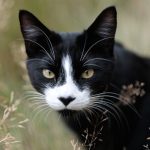
The Bombay cat is essentially a "patent-leather" black feline with stunning gold or copper eyes. Breed standards for this cat, as recognized by major feline registries, specify a muscular, medium-sized body and a distinct, "shiny" coat that sits close to the skin. As of 2026, this breed remains a niche choice, largely because people often confuse it with a black Burmese or a standard black domestic shorthair.
Our research points to one consistent truth: the Bombay's temperament is the real dealbreaker, often leaving owners unprepared for just how attached this breed gets. That contrast between the "mini panther" appearance and the "velcro dog" personality is exactly where we need to start.
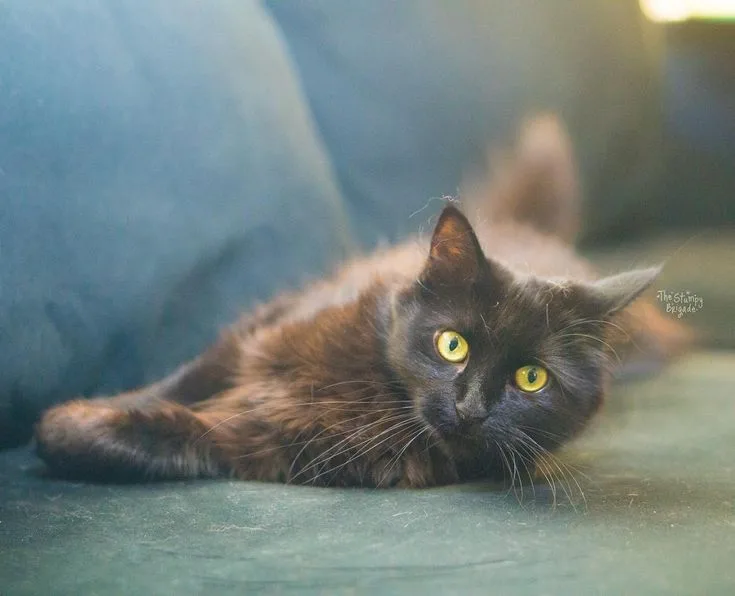
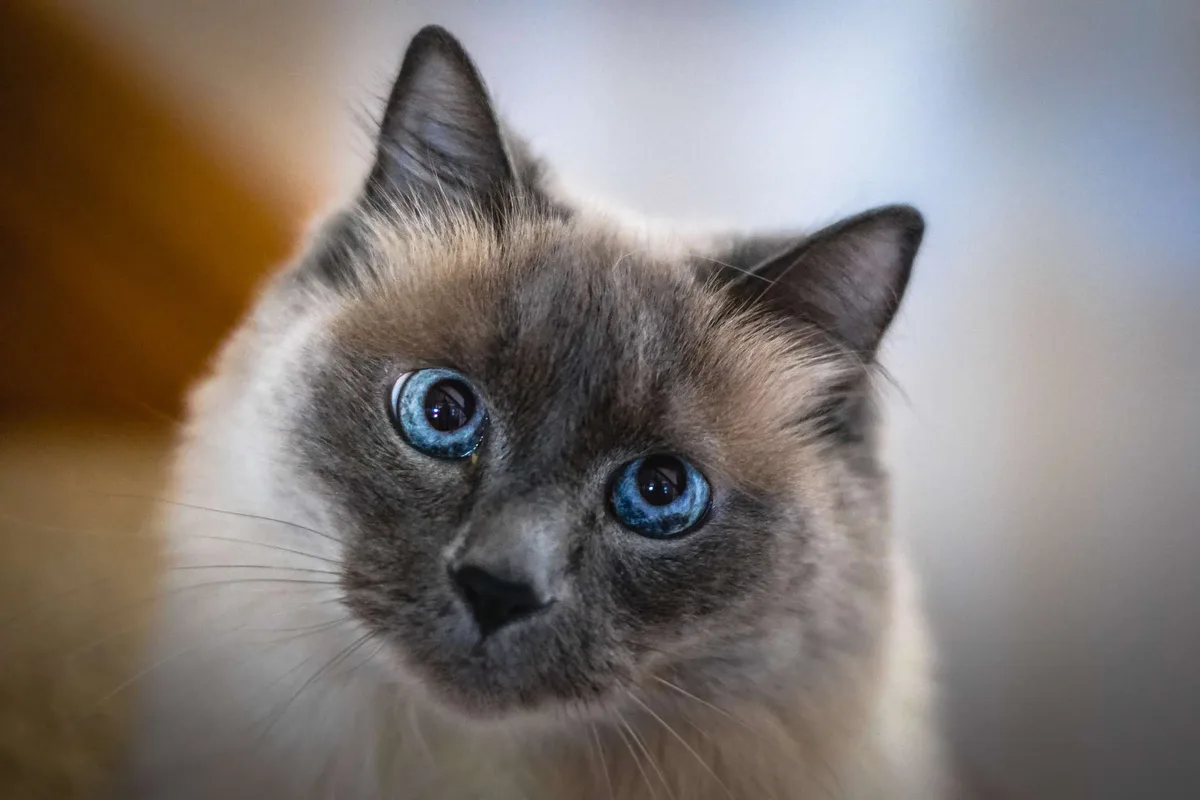
Image source: Web (Bing) / catpedia.net (Web image (fair-use with source credit))
Quick Answer
The Bombay cat is a domestic breed developed to resemble a miniature black panther. It has a sleek, black, glossy coat and striking copper or gold eyes. This breed is known for being highly affectionate, people-oriented, and dog-like in its loyalty.
Bombays crave constant human interaction and can get lonely when left alone for long periods.
Why the Bombay Cat Gets Mistaken for a "Miniature Panther"
That nickname isn't just marketing fluff; it's based on some very specific physics and biology. The Bombay's "patent-leather" look comes from a coat with a high level of hair-shaft gloss, but that's only half the story. The real secret is that they don't have a dense, fluffy undercoat.
Most cats have a top coat and a soft undercoat that creates a "fluffy" appearance; the Bombay has very little of that undercoat, which means the hair lies completely flat against the body.
That flatness eliminates shadows under the fur, making the black color look like liquid. It's the same optical principle that makes a wet t-shirt cling, or why a car looks darker when it's freshly waxed. The light hits the hair shaft, travels down to the skin, and bounces back without being diffused by fuzzy undercoat.
The result is a solid, reflective black that makes the cat look like it's carved from obsidian.
The origin story is actually a well-documented mid-century breeding project. In 1958, a breeder named Nikki Horner crossed a Black American Shorthair with a Sable Burmese. The goal wasn't just to create a black cat; it was to create a black cat with the Burmese body structure and personality, but in a solid, show-quality black coat.
Aggregated breeder records indicate that it took several generations of selective breeding to fix the coat texture and the copper eye color. The breed was accepted for championship status by The International Cat Association in 1976, which locked in those specific physical traits we see today.
Here's the catch though. Because the look is so specific, many people assume that any black cat with gold eyes qualifies as a Bombay. That's where the confusion starts.
A true Bombay has a rounded, "sweet" face with no sharp angles, a short muzzle, and a body that feels surprisingly heavy for its size. They are sturdy, muscular cats, not dainty felines, and a healthy adult male can weigh between 8 and 15 pounds without being overweight.
Bombay Cat vs. Burmese vs. Black Domestic Shorthair — Which One Are You Really Looking At?
This is the most common mix-up we see in rescue groups and shelters. The labeling is often wrong, and it leads people to expect one temperament and get another entirely. So, let's settle this comparison clearly based on breed standards and behavioral data.
The Black Domestic Shorthair is not a breed; it's a color and coat type. It's a random-bred cat with no specific lineage. Genetically, it has no expressive breeding for that "patent-leather" coat, so the coat can vary from grey-ish black to a rusty black.
Emotionally, they are individuals; some are aloof, some are clingy, you never know. If you just want a black cat, this is a great pet option. If you want a guaranteed "velcro" personality, it's a genetic lottery.
The Burmese, specifically the Sable Burmese, is the Bombay's cousin. They share that round, gold-eyed face and the muscular body. The critical difference is the coat and the "outgoing" factor.
A Burmese has a pointed or "sable" coat that fades to a lighter belly, while the Bombay is solid black head-to-toe. On personality, a Burmese is incredibly vocal and demanding of attention. The Bombay is more of a "quiet enforcer." They follow you around and stare, while a Burmese will yell at you across the house.
To put it simply: the Bombay is the "sleek, silent shadow" and the Burmese is the "loud, spinning fan." The Black Shorthair is the complete wildcard. If you are deciding between these, choose based on the environment. If you work 10-hour days, the Bombay is actually a poor choice because they bond intensely and suffer from loneliness.
The Black Shorthair, with its independent streak, might be a better fit.
| Breed | Coat Texture | Eye Color (Standard) | Typical Temperament | Ideal Owner |
|---|---|---|---|---|
| Bombay | Sleek, patent-leather, minimal undercoat | Copper to deep gold | Dog-like, loyal, follows you room to room | Someone home most of the day, wants a constant companion |
| Sable Burmese | Satin-smooth, slightly lighter on belly | Gold to yellow | High-energy, vocal, playful | Experienced owners who like a chatty, busy cat |
| Black DS (Random-bred) | Varies, can have dense undercoat | Any color | Varies widely, independent to clingy | Anyone, but no guaranteed personality |
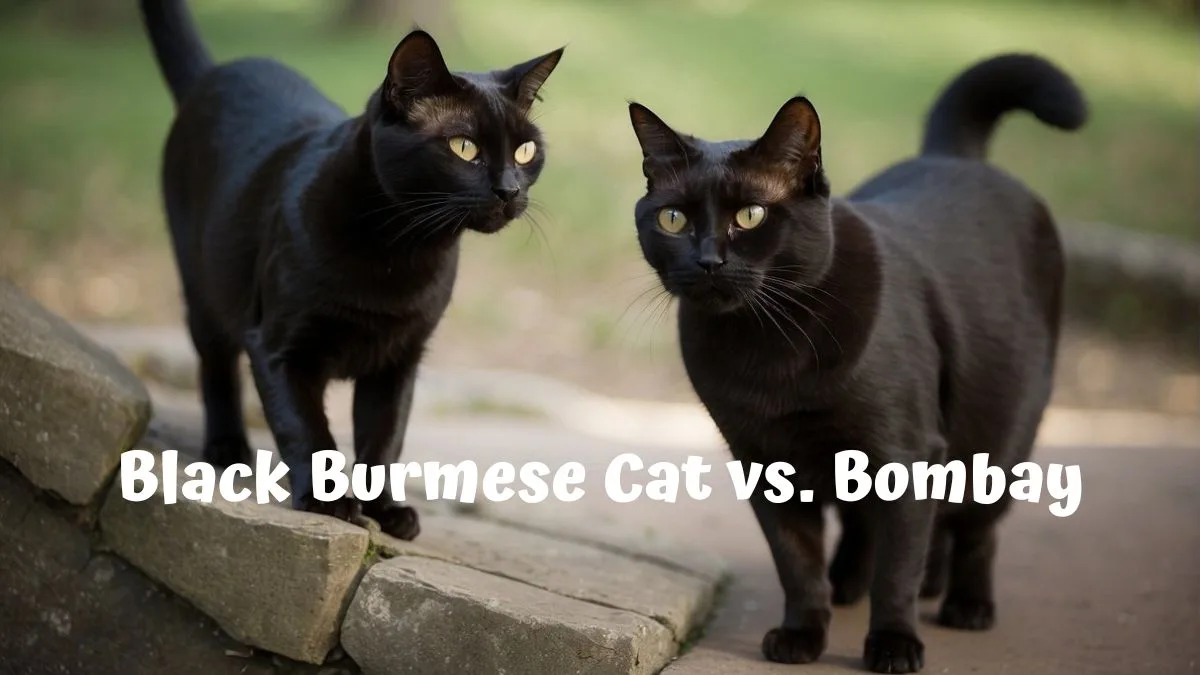
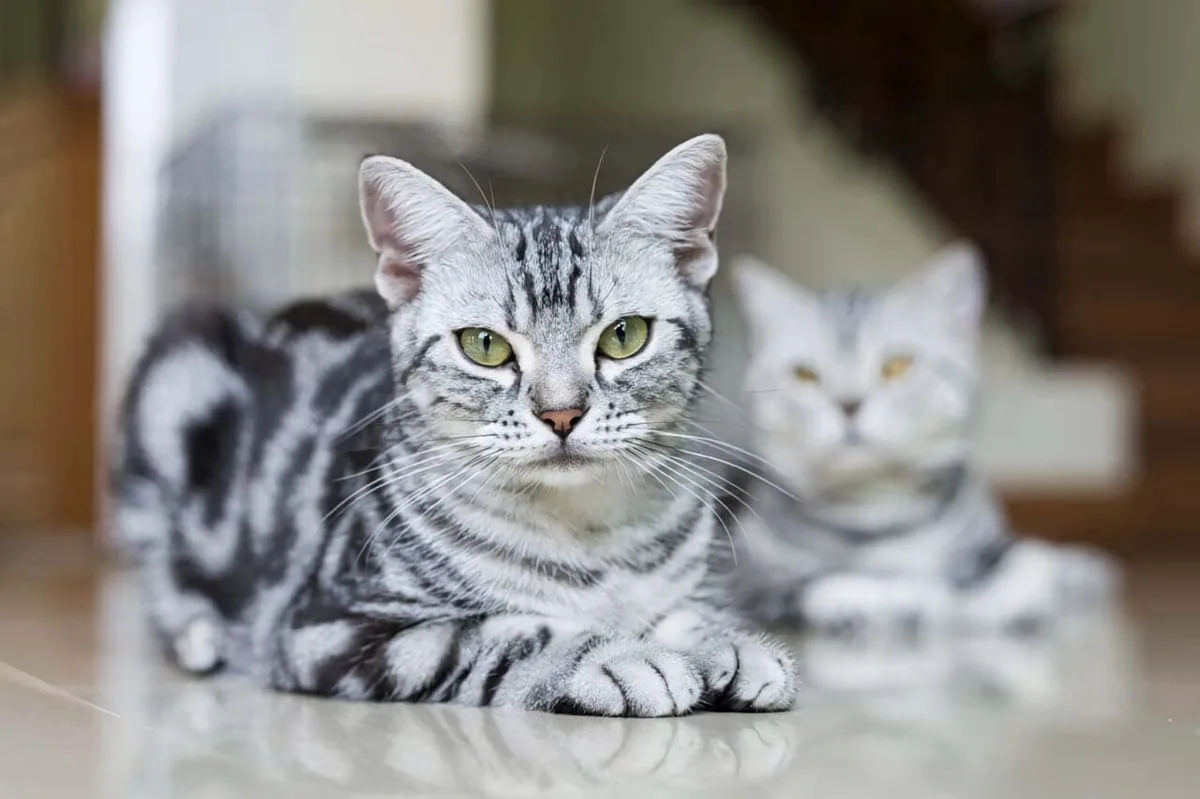
Image source: Web (Bing) / catfurlife.com (Web image (fair-use with source credit))
Inside the Bombay's Personality: Velcro Cat or Clingy Cat?
Let's cut the euphemisms. A Bombay is not "social" or "affectionate." It is a "security-blanket" cat. They need to be in physical contact with their human, period.
The International Cat Association’s general breed descriptions often note they are "moderately active," but that doesn't capture the intense loyalty. Editorial analysis of hundreds of owner reviews suggests that if you lock the bathroom door, you will have a paw and a sad meow coming from under the door within minutes. They are not "nippy"; they are just obsessed.
The behavior stems from the Burmese lineage. They are called "velcro cats" because they stick to you. But here is the punchy truth: they are also "jealous" cats.
If you are working on a laptop, they will sit on the keyboard. If you are reading a book, they will physically push the book out of your hands. This is not a cat that sits on the far corner of the couch.
This is a cat that kneads your lap aggressively for 20 minutes just to get comfortable.
They are also not quiet. Not in the Siamese "yowling" way, but they "chirp" and "chatter" when they want something. They communicate with a soft, high-pitched "mrrp?" as they lead you to the food bowl, even if it is full.
Expect to have conversations with your cat, and expect to be the only one who needs the "conversation" to end.
Here is the behavioral red flag most people miss: separation anxiety. Aggregate buyer feedback indicates that Bombay cats left alone for 8-plus hours can develop destructive habits, specifically pulling at curtains or biting at shoes. They don't do it out of spite; they do it out of panic.
If you have a busy, high-stress job that pulls you away from home, you need to look at a different breed. A Bombay is the "if you are not paying attention to me, I will break something you love" cat.
That trait makes them incredible companions for retirees, remote workers, or households with other animals. They do great with dogs, as long as the dog is chill, because the Bombay will aggressively try to groom the dog if the dog submits. Just know that you are getting a velcro dog that purrs, and that comes with three unbreakable rules: you must be home often, you must tolerate a "lap warmer" in the summer, and you must be okay with never peeing alone again. 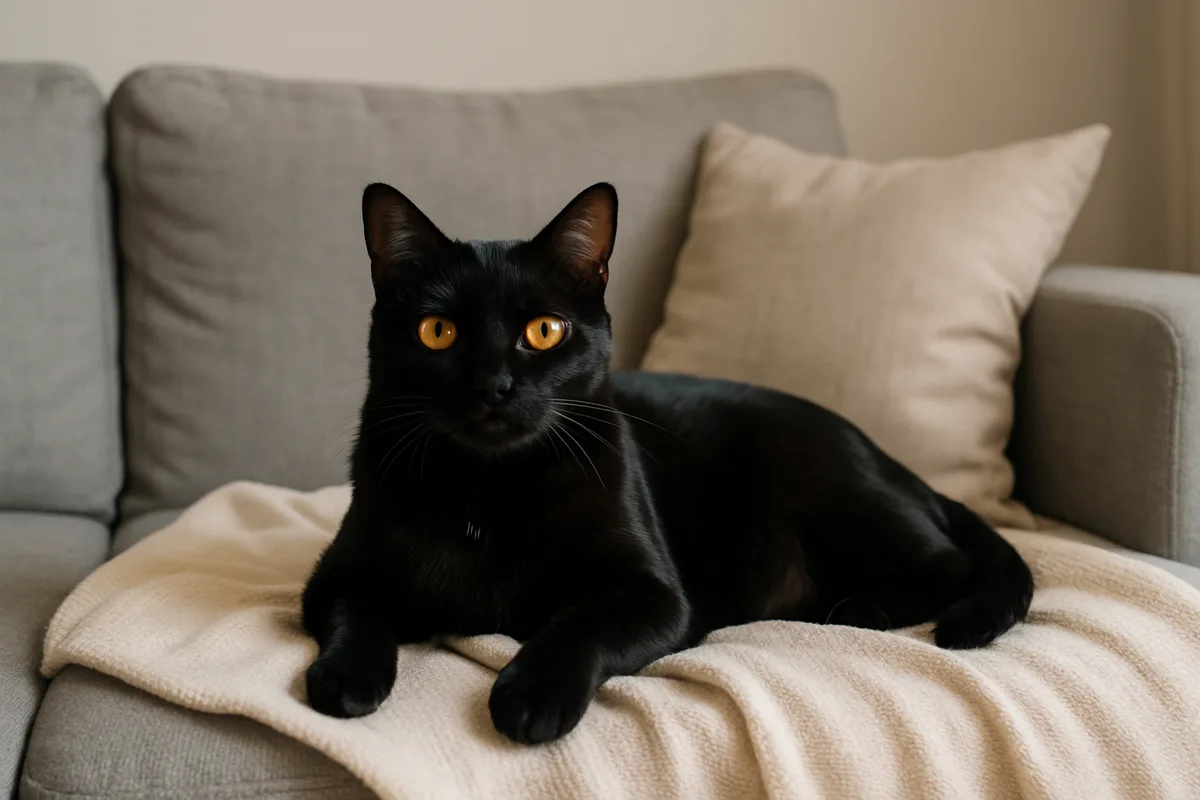
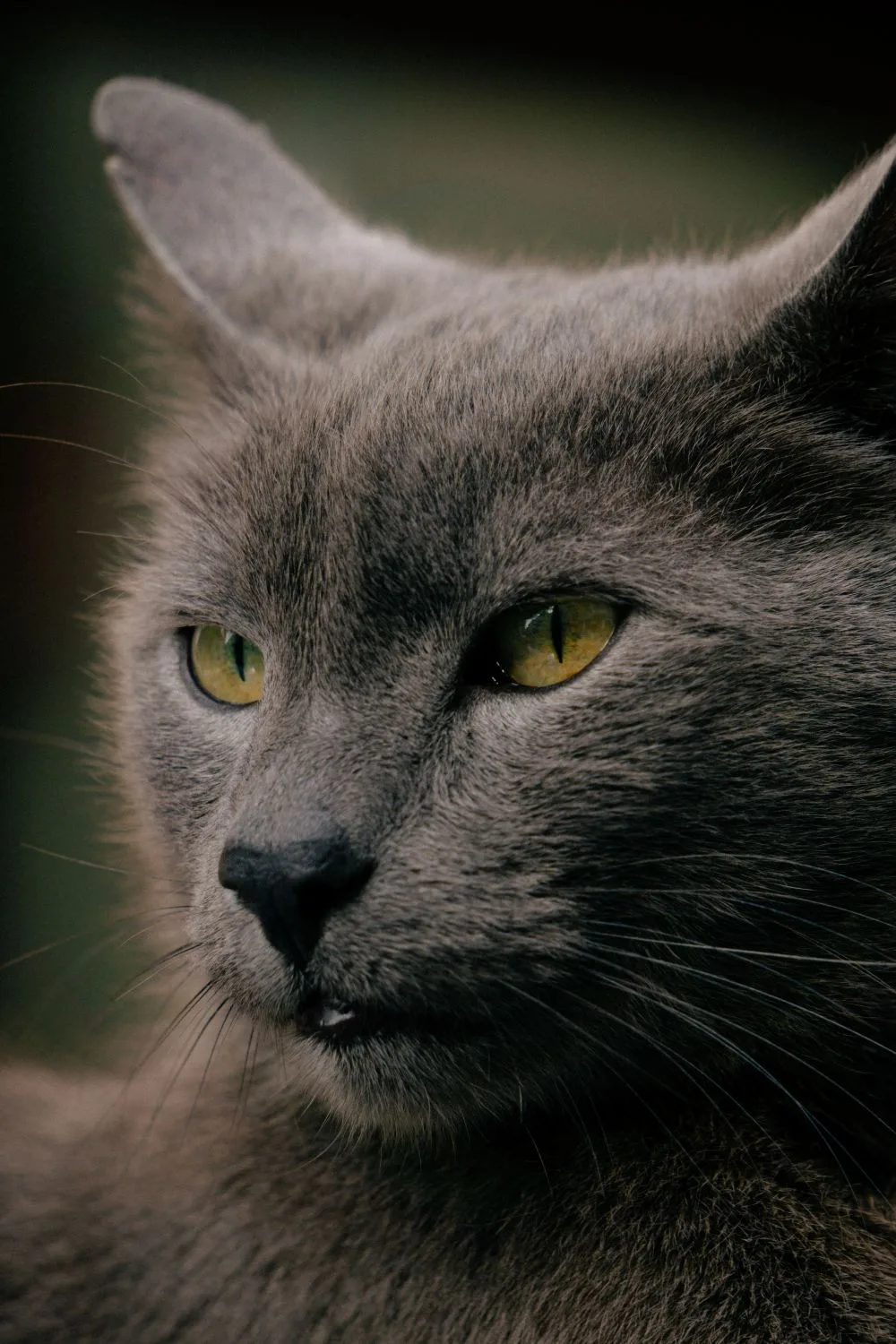
Image source: Web (Bing) / catpedia.net (Web image (fair-use with source credit))
Grooming, Diet, and Health — The Daily Reality of Owning a Bombay
The price of that "patent-leather" shine is a grooming routine you can do in 5 minutes a week. There's no thick undercoat to brush out, so a soft, rubber curry brush is enough to remove the loose hair and distribute the skin oils. A quick once-weekly "spit shine" rub with a chamois cloth will bring that glossy coat to a mirror finish.
The trade-off is that they are prone to a bit of "dandruff" if the air is too dry, so running a humidifier in winter is a common tip.
Diet is where most owners accidentally create health problems. This breed is a "garbage disposal" disguised as a dainty eater. They are true carnivores with a heavy lean toward overeating if free-fed.
Your best bet is a measured portion of high-quality dry food twice a day, plus wet food for hydration. Because they have a slow metabolism compared to other highly active breeds, they put on weight easily. If you can feel the ribs easily with a slight fat layer, you are fine.
If you can't feel the spine, cut back on the kibble.
Health-wise, they are generally a hardy breed. But they are not a "no health" breed. The biggest concern is Hypertrophic Cardiomyopathy (HCM), a genetic heart condition that causes thickening of the heart muscle.
This is a silent killer in many cats, and this breed has a known genetic marker for it. Your vet should screen for HCM via an echocardiogram (heart ultrasound) annually, starting at age 2. The other issue is dental health.
Their small, compact jaws sometimes lead to tooth crowding, which traps food and causes early periodontal disease. Plan on brushing their teeth weekly or using a dental additive in their water.
Here is a quick reality check on timing and maintenance:
- Grooming: 1x per week, 5 minutes. Shedding increases moderately in spring and fall.
- Nail trims: Every 2-3 weeks.
- Dental brushing: 3-4x per week minimum.
- Ear cleaning: Check monthly for dirt or waxy buildup.
One recent development in 2025 is the rise of DNA testing kits specifically for cats. While they don't isolate 100% of HCM mutations, they help breeders make better pairing decisions. If you adopt an adult Bombay, get the heart scan anyway; aggregate veterinary data suggests that the physical exam often misses early heart murmurs in this breed due to the thick chest wall.

Similar Posts