Why Does My Cat Have Black Crust on Nose? Causes & Care
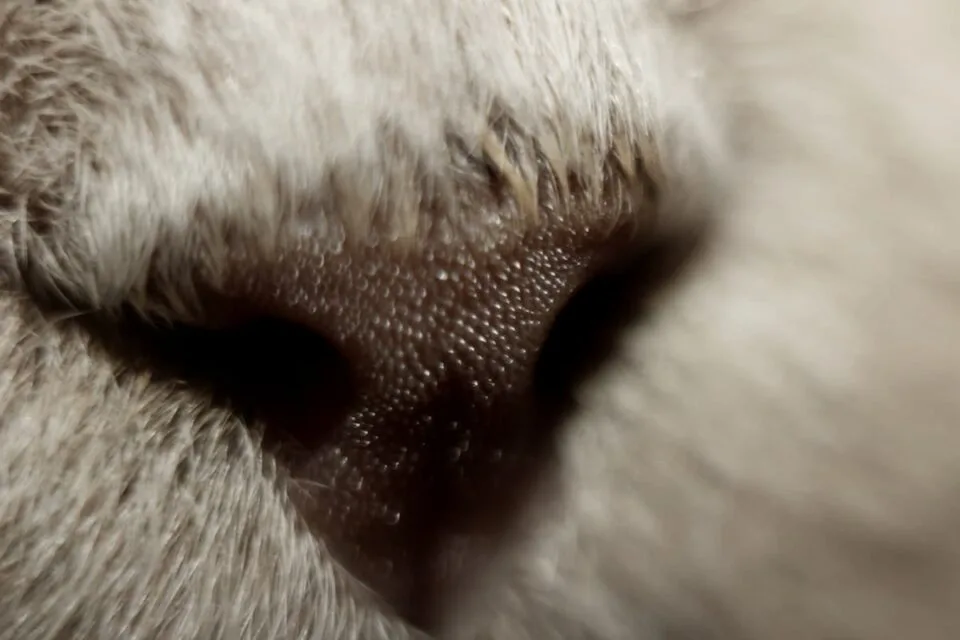
You're scratching your cat's chin, feeling that happy purr rumble through your fingers, when your thumb brushes against something crusty on their nose. You pull back and look. There it is: black stuff on your cat's nose, a mix of boogers and scabs that definitely wasn't there last week.
Panic starts to creep in. Is it dirt? Dried blood?
Something serious?
Here's the thing: black stuff on a cat's nose, whether it looks like boogers or scabs, is surprisingly common, but it's not something to just shrug off. In our research, we've found that while many cases are harmless debris or normal pigmentation, others point to infections, allergies, or even skin cancer. The American Veterinary Medical Association notes that any persistent nasal discharge warrants a professional look.
So let's figure out what you're dealing with, step by step, before you spiral into worst-case scenarios.
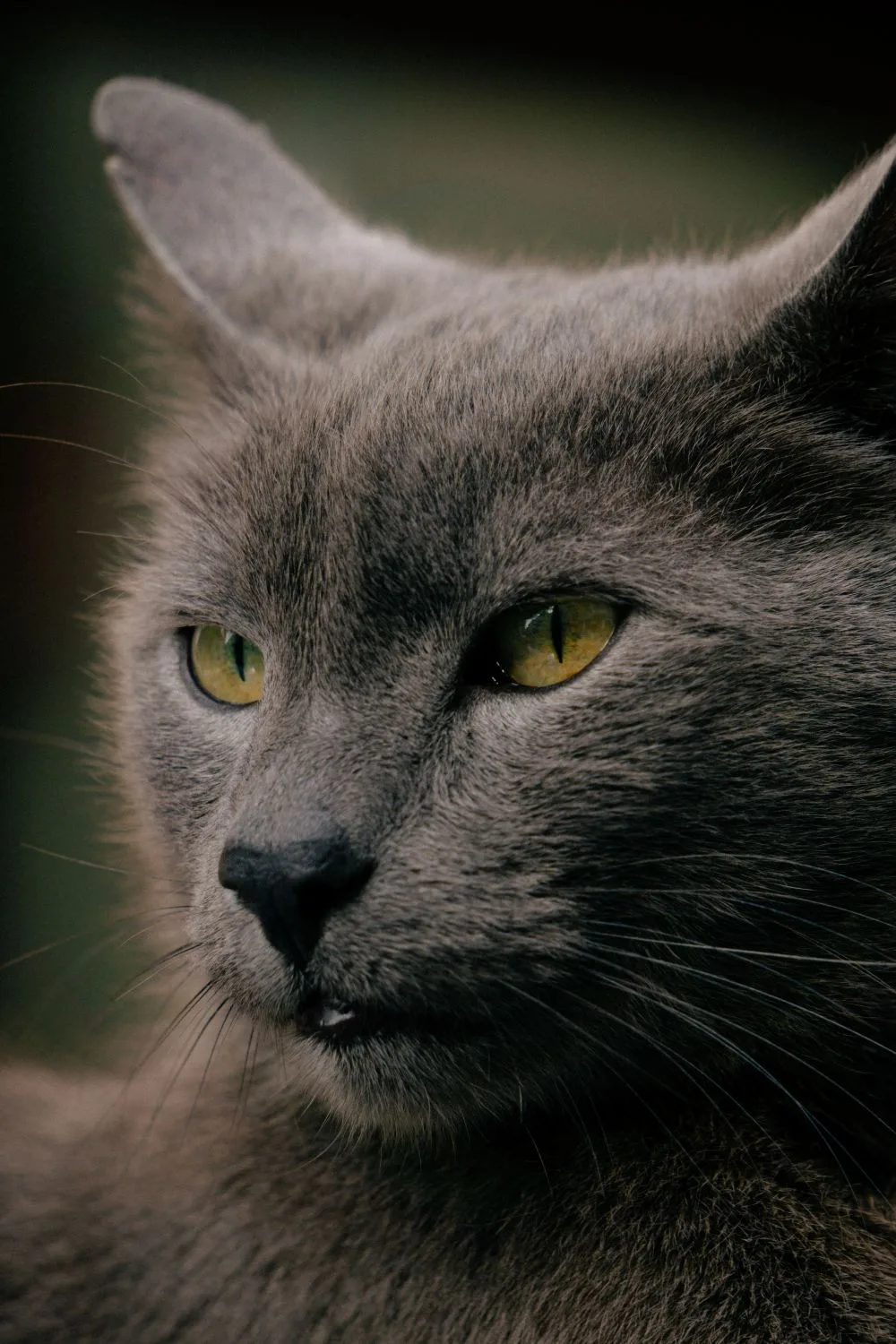
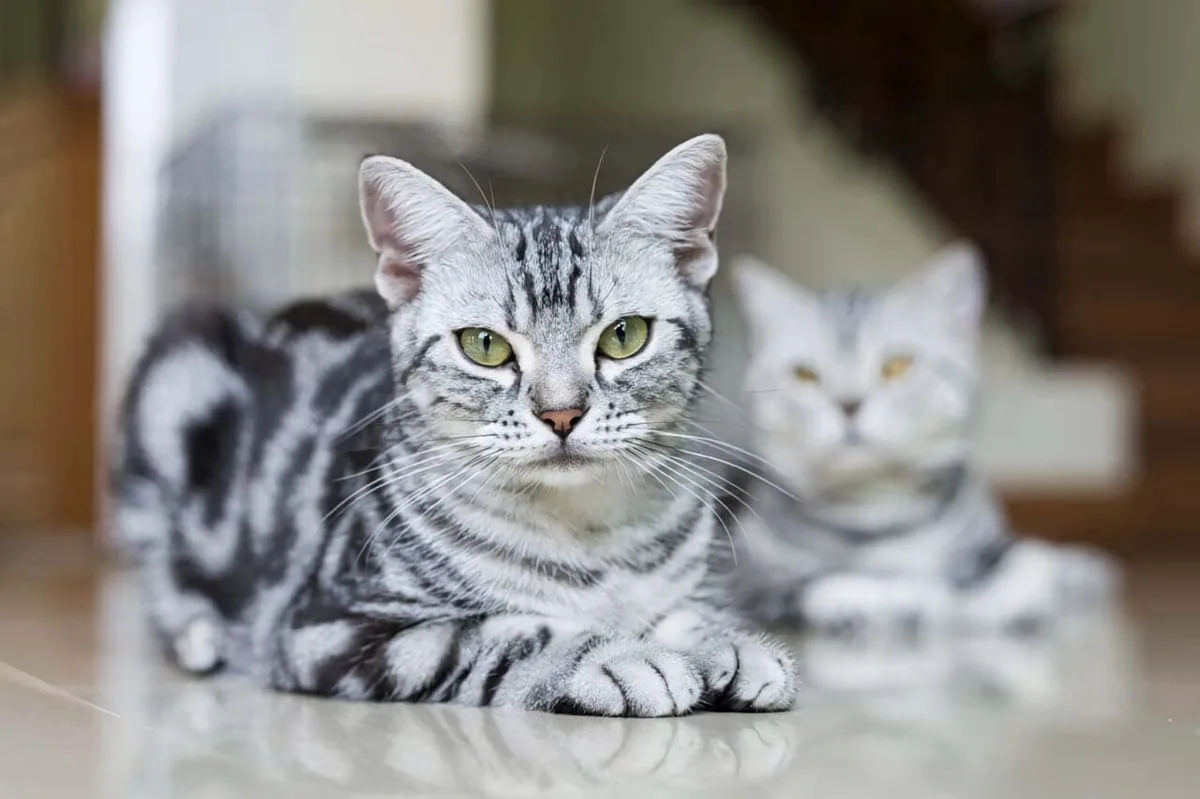
Image source: Bing (Web (fair-use with source credit))
Quick Answer
Black stuff on a cat's nose is usually dried nasal discharge, food debris, or natural pigmentation. It can also indicate an upper respiratory infection, fungal infection, or trauma. If the area is bleeding, swollen, or painful, see a vet.
Healthy cats often have harmless black specks on their noses, but scabs that keep returning need examination. Check for sneezing, discharge, or changes in appetite alongside the crust.
Why Accuracy Matters Here
Let's be blunt about why this article isn't just for peace of mind. Getting this wrong can cost your cat their health, or in worst-case scenarios, their life.
The black stuff on your cat's nose sits in a weird zone. It could be absolutely nothing, like dried tear stains mixing with dust. Or it could be a squamous cell carcinoma, a form of skin cancer that commonly appears on the noses and ears of white or light-colored cats.
That's a dramatic jump from "booger" to "cancer," but it's the reality of why you need to distinguish between harmless and harmful.
Veterinary dermatology guidelines emphasize that nasal planum lesions, which is the medical term for the hairless part of your cat's nose, are frequently misread by owners.
What looks like a scab might be a bacterial infection. What looks like dried food might be a sign of a foreign body lodged in the nasal passage. What looks like a minor wound might actually be a self-induced trauma from excessive rubbing due to allergies.
Each of these demands a different response. So our goal here is to give you a clear, practical framework to assess what you're seeing. We'll walk through the most common causes, how to examine your cat safely at home, and the red flags that absolutely require a vet visit.
The Main Culprits: What Causes Black Crust, Boogers, or Scabs
Let's break down what that black stuff actually is. In our research, we've identified seven common causes, ranked from most harmless to most concerning.
1. Natural Pigmentation (The Most Common)
Many cats, especially orange, calico, and tortoiseshell cats, develop black freckles on their noses as they age. These are called lentigo simplex. They're flat, don't scab, don't bleed, and never change texture.
If the black stuff is just flat pigmentation, you're done. Nothing to treat.
2. Dried Tear Discharge
Cats produce tears to keep their eyes lubricated. When those tears drain down the nasal ducts and mix with normal skin oils, they can dry into a dark, crusty residue. This often accumulates in the corner of the eyes and on the nasal bridge.
It looks like black boogers but it's really just oxidized eye gunk.
3. Food Debris
Wet cat food is messy. Cats with flat faces, like Persians, often get food stuck on their noses after meals. It dries, darkens, and looks exactly like a scab.
A quick warm wipe usually confirms this one.
4. Upper Respiratory Infections (URIs)
This is where things get medical. Feline herpesvirus and calicivirus are the usual suspects. When a cat has an active URI, you'll see nasal discharge that can range from clear to thick and yellow-green.
When that discharge dries on the nose, it darkens and crusts. If your cat is also sneezing, has goopy eyes, or seems lethargic, this is likely the cause.
5. Trauma and Self-Injury
Cats scratch their faces for a lot of reasons. Mites, fleas, allergies, or even boredom. The result is broken skin on the nose that forms a dark scab as it heals.
If the scab keeps getting picked at or scratched open, it'll darken and grow.
6. Fungal Infections
Ringworm, despite its name, is a fungus that commonly affects a cat's face and ears. It creates circular, crusty, scaly patches that often look darker than the surrounding skin. This is contagious to other pets and humans, so it needs veterinary treatment.
7. Cancer (The One That Keeps Us Up at Night)
Squamous cell carcinoma is the most common nasal tumor in cats. It usually appears in older cats, especially those with white or light-colored ears and noses, and those who spend time outdoors in the sun. The early signs are subtle: a small crust that doesn't heal, a scab that bleeds when touched, or a changing lesion on the nose.
Early detection is critical.
Risk Factors: Which Cats Are Most Likely to Have Issues
Not every cat carries the same risk. Knowing your cat's profile helps you decide whether to monitor or run to the vet.
Age Matters
Young kittens are prone to URIs, especially if they come from shelters or multi-cat households. Older cats, specifically those over 10, are more at risk for cancer and chronic kidney issues that can affect nasal health.
Color and Coat
Cats with white or light-colored noses and ears have significantly higher rates of squamous cell carcinoma. The lack of pigment means less protection against UV radiation. If you have a white cat, sunscreen isn't just a fashion statement.
Breed Predisposition
Persians, Himalayans, and other brachycephalic (flat-faced) breeds have shallower nasal passages. This makes them more prone to tear staining, food debris, and chronic respiratory issues. Siamese cats, on the other hand, have a higher incidence of nasal lymphoma.
Environment
Outdoor cats face more trauma, more sun exposure, and more contact with other cats carrying infectious diseases. Indoor cats aren't immune, but their risk profile is lower.
Existing Health Conditions
Cats with feline immunodeficiency virus (FIV) or feline leukemia virus (FeLV) have suppressed immune systems. This makes them more susceptible to chronic URIs, fungal infections, and secondary bacterial infections that can take hold on the nose.
Step-by-Step: How to Examine Your Cat's Nose at Home
Before you panic, let's do a proper assessment. This is a safe, non-invasive exam you can do in about five minutes.
Step 1: Prepare Your Supplies
You'll need a bright light source, a clean damp cloth, and treats. That's it. Skip the Q-tips and alcohol.
They're too abrasive for the delicate nasal tissue.
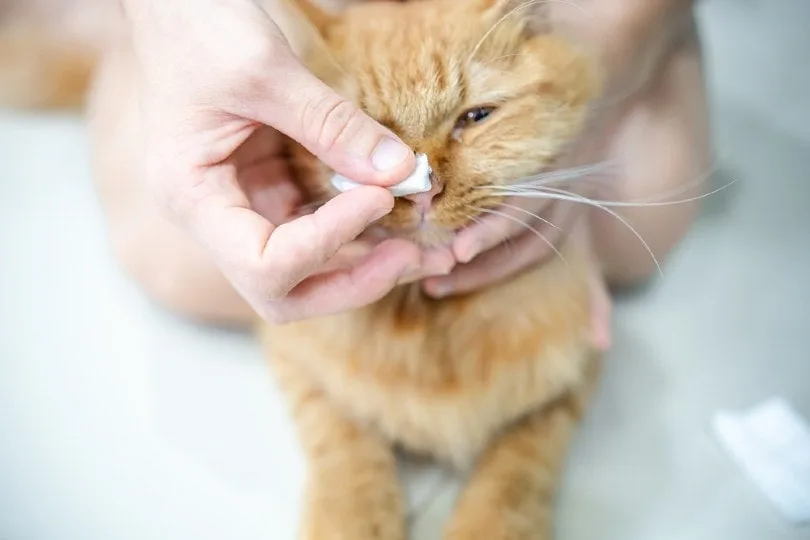
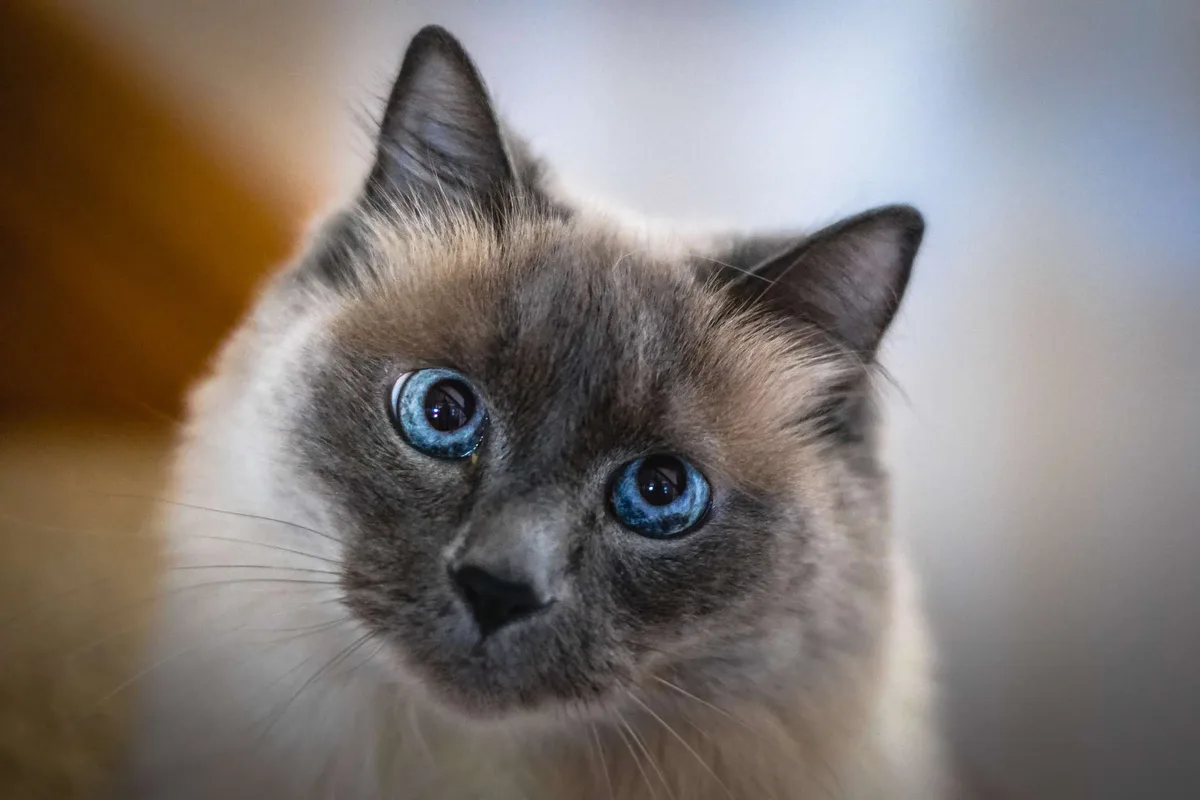
Image source: Bing (Web (fair-use with source credit))
Step 2: Get Your Cat Comfortable
Wrap your cat in a towel like a burrito if they're squirmy. Place them on your lap or a countertop. Talk to them in a low, soothing voice.
The goal is to keep them calm, not to complete a thorough exam in one anxious struggle.
Step 3: Visual Inspection
Hold the light source to the side of your cat's nose, not directly in their eyes. Look for these things:
- Color: Is the black stuff flat and uniform, or raised and irregular?
- Texture: Is it smooth like a freckle, or crusty like a scab?
- Symmetry: Is it on one side of the nose, or both?
- Surrounding skin: Is there redness, swelling, or hair loss around the area?
- Discharge: Is there any fluid coming from the nostrils, and is it clear, yellow, or bloody?
Step 4: The Warm Compress Test
This is the defining test. Soak a clean cloth in warm water, not hot, and wring it out. Hold it gently against your cat's nose for 30 seconds to soften any crust.
Then, wipe gently in one direction.
If the black stuff lifts off easily and leaves healthy pink skin underneath, it's likely dried tears, food, or nasal discharge. That's a win.
If it remains stuck, or if the skin underneath is red, bleeding, or ulcerated, that's a signal that the issue is deeper than surface crust.
Step 5: Monitor for 24 Hours
Give it a day. If the crust returns aggressively, if your cat starts sneezing a lot, or if the nose looks more swollen than before, it's time for professional input.

Similar Posts