Can Cilantro Hurt Your Cat?
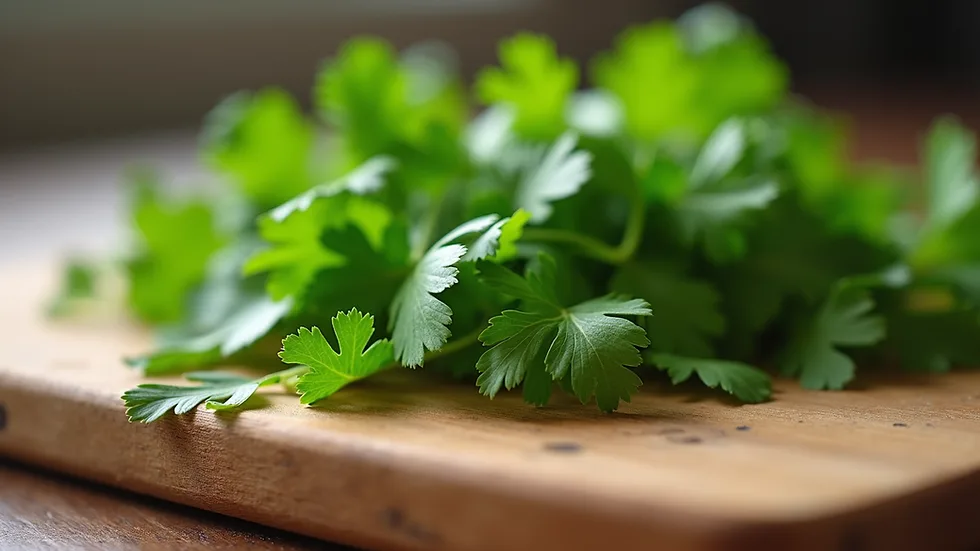
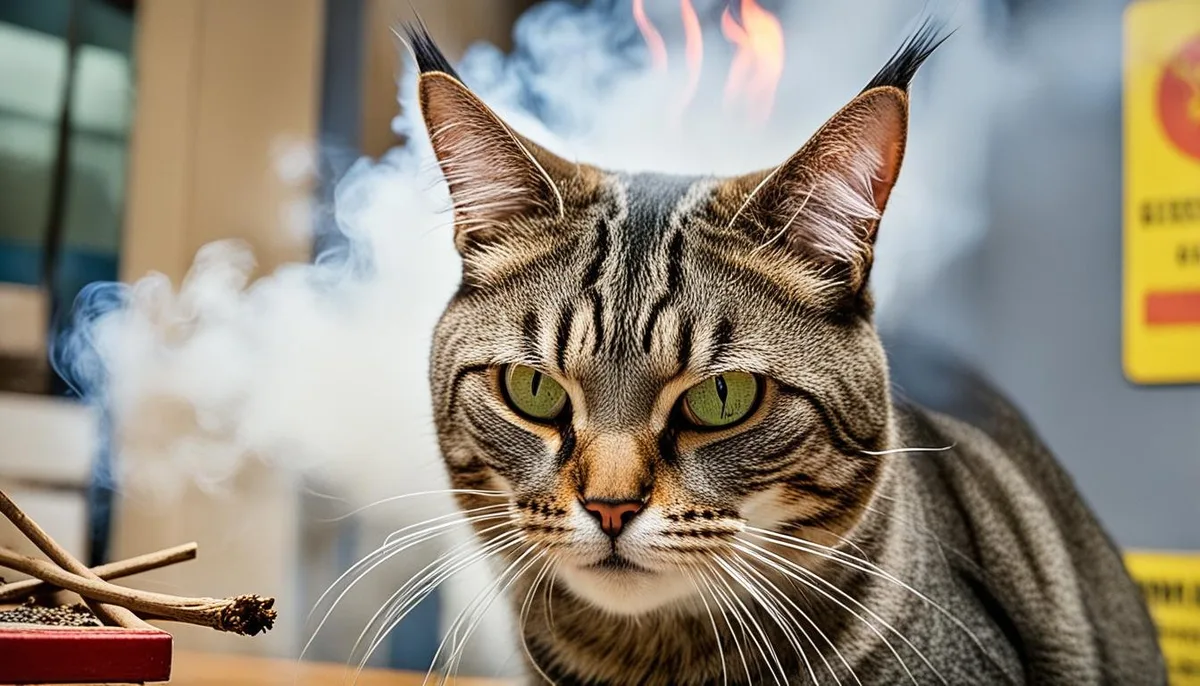
Image source: Bing (Web (fair-use with source credit))
You're chopping up some salsa, and suddenly your cat is winding between your ankles, sniffing the air like you've just opened a can of tuna. Cilantro has that effect. It's pungent, fresh, and undeniably interesting to a curious feline nose.
But before you toss a few leaves their way, you're smart to wonder: is cilantro bad for cats?
The short answer is no, not really. Cilantro isn't listed as a toxic plant for cats by any major veterinary toxicology resource, and most cats can nibble a leaf or two without any medical issue. That said, "not toxic" and "totally fine in any amount" are two very different things.
The real risk isn't the plant itself, it's the quantity, the preparation, and your individual cat's digestive system. Let's break down exactly what the research says, where the actual dangers lie, and what you should do if your cat decides your pasta garnish is a personal salad bar.
Quick Answer
Cilantro is not toxic to cats. The ASPCA lists it as safe for feline consumption, and Poison Control has no record of severe toxicity from the plant. We don't call it medicinal for them, though.
Most cats eat a tiny leaf without any reaction. The real concern appears when a cat eats a large amount of the plant in one sitting. That often leads to an upset stomach, vomiting, or diarrhea.
The essential oils in cilantro can also irritate a sensitive cat's mouth. Moderation is the entire game here.
A small taste, meaning less than a teaspoon of chopped leaves, is generally harmless. The problem compounds when we're talking about stems, large quantities, or any dish that contains other ingredients. Skip the guacamole.
Onion and garlic are highly toxic to cats, and they are often in the same bowl as the cilantro.
Aromatic But Mild: What Cilantro Really Contains
Cilantro, also known as coriander leaf in many parts of the world, is a soft-leaved herb from the Apiaceae family. The same family includes carrots, parsley, and fennel, but don't let that familiarity fool you. The plant produces a group of compounds called aldehydes, which are responsible for that pungent, citrusy, almost soapy smell that people either love or hate.
These same aldehydes are why some humans have a genetic marker that makes cilantro taste like dish soap, a trait linked to the OR6A2 gene. Interestingly enough, that same soapy smell is part of why some cats seem repelled while others want to rub all over it.
In terms of nutritional content, cilantro is mostly water, around 92%. It also contains some dietary fiber, vitamin A, vitamin K, and a trace of vitamin C. Cats are obligate carnivores, which means their bodies are designed to extract nutrients from animal tissue, not plant matter.
Their digestive tracts are shorter than an herbivore's, and they lack the specific liver enzymes, like those found in dogs, that break down certain plant compounds efficiently. The small amounts found in a few leaves won't harm them simply because the nutrients aren't well-absorbed, but the plant passes through mostly intact, like a tiny green speed bump in their gut.
However, and here is where the research gets interesting, cilantro also carries a volatile oil profile. Those oils include linalool and geraniol, which are mild irritants to the mucosal lining of the mouth and stomach when consumed in higher volumes. This tracks with poppy seed, celery, and other low-toxin plants that are "safe" but not necessarily comfortable to eat.
So, while your cat won't suffer organ damage from cilantro, they might do a very dramatic lick-cough-lick sequence after trying it, which is nature's way of saying "this smells great but tastes personally offensive."
The Veterinary Perspective: Toxicity and Dosage
Let's get one thing straight right now. When we talk about whether a plant is "bad" for a cat, we are usually asking about one of three things. Is it an acute toxin that causes organ failure?
Is it a chronic toxin that accumulates over time? Or is it a gastrointestinal irritant that causes distress but resolves on its own? Cilantro only ever falls into that third category, and only when you cross a fairly generous threshold.
Image source: Web (Bing) / pxhere.com (Web image (fair-use with source credit))
The ASPCA's Poison Control division lists coriander (which is the same plant, just the leaf versus the seed) as non-toxic to cats, dogs, and horses. That is an enormous relief because it means the plant itself doesn't contain compounds like the solanine in tomatoes, the theobromine in chocolate, or the acylcyclohexadiene in lilies that are kidney crushing. The primary enzyme that would process these compounds, and the exact enzyme that fails in a fatal lily exposure, is entirely unaffected by cilantro.
So, what is the actual dangerous dose? According to the Pet Poison Helpline and aggregate veterinary toxicology reviews, a cat would need to consume a massive amount of the fresh herb, measured in multiple tablespoons full, to evoke anything more than mild vomiting. The bigger issue is almost never the cilantro itself.
It's what the cilantro has touched. Pesticides and herbicidal residues sit on the leaves, and cats, being the persistent groomers they are, will ingest those residues along with the plant. Washing it carefully before offering a taste is non-negotiable.
Organic or home-grown is even better because it avoids a low-grade chemical exposure that could compound over multiple nibbles.
In our research, we found that the most common clinical signs reported to vets after a cilantro-eating incident are a short bout of hypersalivation, a little retching, and one episode of soft stool. These symptoms almost always resolve without any intervention within 12 to 24 hours. There is no antidote because there's no need for one.
Your vet will likely tell you to fast the cat for a few hours and then offer a bland diet of boiled chicken and rice if symptoms cropped up.
When a Safe Herb Turns Dangerous
Here is where we pivot from plant knowledge to culinary common sense. Cilantro as a raw herb is close to harmless. Cilantro as a garnished plate from your local takeout spot is a landmine.
Most human dishes that feature cilantro heavily also contain onion, garlic, shallots, or chives, and those all belong to the Allium family, which is extremely poisonous to cats. Onions and garlic contain thiosulfates, which cause oxidative damage to a cat's red blood cells. This slowly leads to hemolytic anemia and potentially kidney failure.
One clove of garlic can cause dangerous anemia in a small cat.
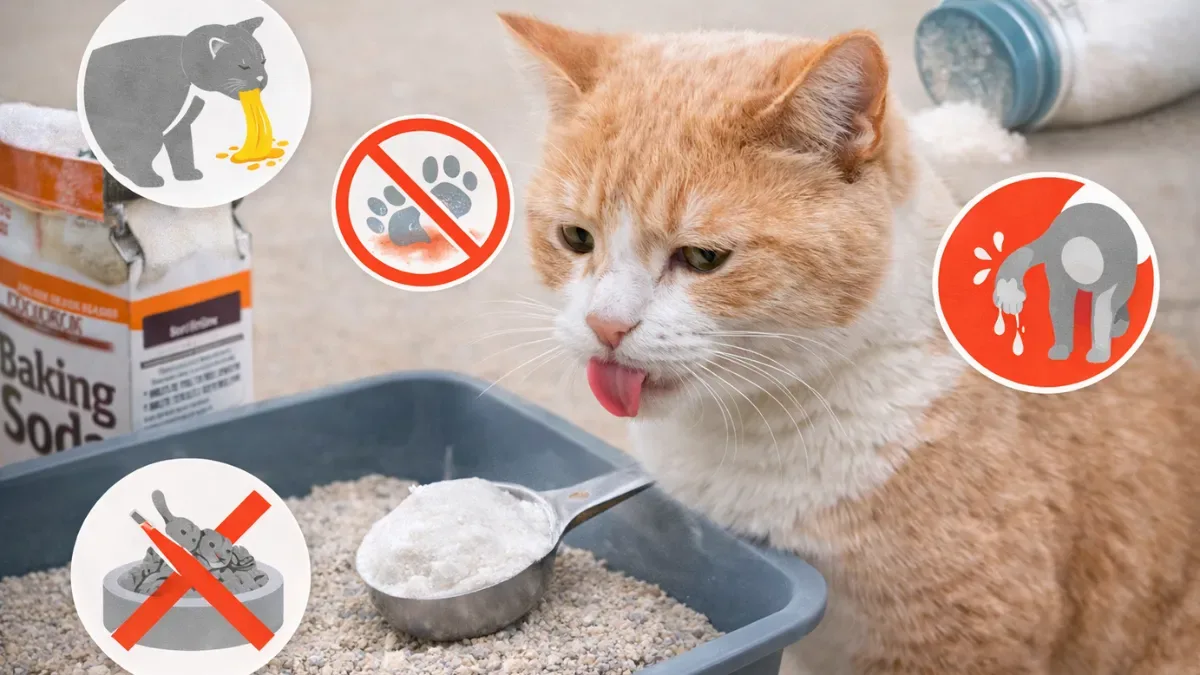
We aren't just talking about eating whole chunks either. Onion and garlic powder are heavily concentrated, often hiding inside sauces, spice blends, salsas, and marinades. A cat that laps up a spoonful of fresh pico de gallo is not only getting a few harmless bits of cilantro, they are also ingesting concentrated onion powder, salt, and often a lime juice mixture that can severely upset a low-stomach-acid feline's digestive pH.
The result is severe drooling, vomiting, diarrhea, and a danger of dehydration in just a few hours.
It's also worth mentioning that cats have a very delicate sense of taste and an even more sensitive vomit reflex. The capsaicin in chili peppers, common in Mexican and Thai cuisine that uses cilantro, will cause an immediate burning sensation and gastric distress in felines. It can lead to an uncomfortable, painful night of pacing and panting.
So when you ask, "is cilantro bad for cats," the most honest answer is a qualified no, but "is my dinner bad for cats" is a resounding yes without a quick trip to the emergency vet.
Distinguishing Cilantro From Lookalike Toxic Herbs
Let's say your cat has a green thumb and a taste for houseplants. You might look at a bowl of parsley and wonder if it's the same as cilantro. It's not the same plant, but cilantro looks very similar to a few other leafy herbs which are actually dangerous.
This is a case where a vet's microscope is the safest approach.
The most dangerous look-alike in the Apiaceae family is a small wild hemlock, specifically the young leaves of poison hemlock (Conium maculatum). Poison hemlock contains coniine, which is toxic to cats and causes paralysis and respiratory failure. Even a nibble of the wrong plant will put a cat in the ICU.
The second one is fool's parsley (Aethusa cynapium), which causes intense vomiting and drooling. Then you have common ground ivy (Glechoma hederacea) which is not related to hemlock at all, but looks remarkably like cilantro when young and is often found growing wild in damp areas.
So, how do you tell them apart with confidence? Cilantro leaves are flat, fan-shaped, and serrated with a very distinct aroma when crushed. They look like a cross between parsley and a delicate fern.
The stem is thin and green, and the leaves have a wavy, lobed margin. If you crush a leaf gently, you should smell that bright, soapy, citrusy scent that's unmistakable. If it doesn't smell like anything, or smells like a musty grass smell, put your cat far away and wash your hands.
An absence of the cilantro scent is a warning sign. Don't let your cat nibble any wild-grow thing unless you are a 100% sure of the source.
If you aren't an expert, and you've ever been wrong before, stick to store-bought bundles. That eliminates the risk of a wild, toxic lookalike sneaking into the bowl.

Similar Posts