5 Signs Your Cat Is Mixed With Bobcat
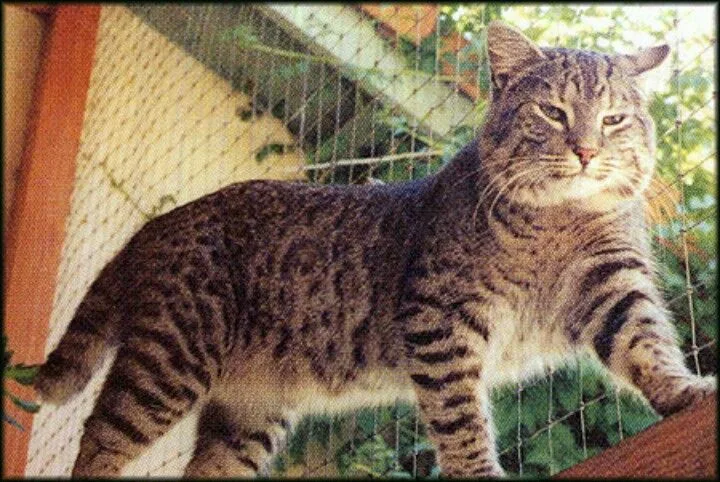
You've seen the videos. The ones where a "bobcat hybrid" stalks through someone's living room like it owns the place, and you start side-eyeing your own cat. Maybe Muffin has that little bobbed tail, those tufted ears, or that intense, "I am silently judging you" stare, and you wonder if there's something wild hiding in her family tree.
It's a common thought, and the reality of your cat's ancestry is often more fascinating than the folklore.
Figuring out how to tell if your cat is mixed with bobcat is a fun game of feline forensics, but it's rarely as straightforward as a single look. In most cases, a domestic cat with a bobbed tail isn't a wild hybrid at all; it's likely a breed like the American Bobtail or Pixie-bob, which were developed to look wild. While a real cross between a domestic cat and a wild bobcat is technically possible, it's exceedingly rare in household pets, with most "hybrids" being domestic breeds or feral cats living in areas where bobcats roam.
This guide will walk you through the physical traits, behaviors, and genetic realities, including the one key difference, the tail, so you can tell the difference between a true wild influence and just a very distinctive domestic cat.
As of 2026, the definitive way to settle the debate isn't in the mirror; it's a simple DNA test that will trace those wildcat markers in a matter of weeks.
Image source: Bing (Web (fair-use with source credit))
Quick Answer
- Look at the tail: A genuine bobcat has a specific, 4- to 7-inch black-tipped tail; mixed breeds visit different tail types.
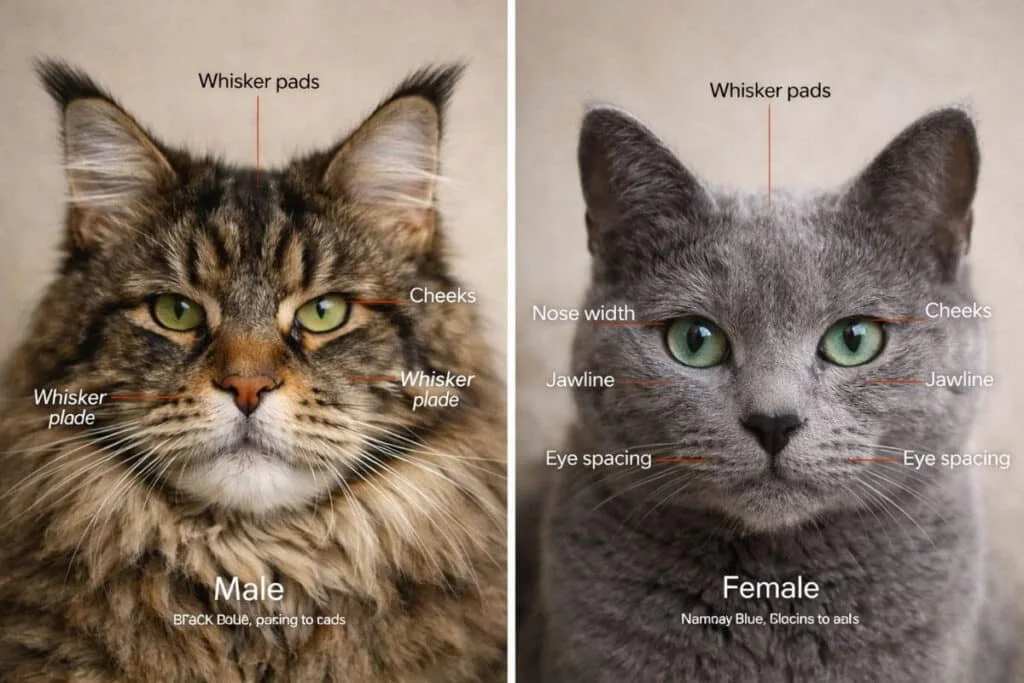
- Check the face and ears: Black tufts on the ears and "clipped" jawlines are strong hints.
- Look for the ruff: Real bobcats have that distinctive cheek fluff that spreads out.
- Get a DNA test: If you truly need to know if it's a wild mix, a genetic test is the only reliable proof.
Physical Features and Attributes
Aside from the famous tail, which we'll break down in a second, a genuine bobcat mix would show several striking wild features. Let's look at the head and the body.
The most obvious giveaway is the ears. Unlike the sleek, pointed ears of a standard house cat, a bobcat possesses short, wide-set ears topped with distinct black tufts of hair. Those aren't just fashion statements; they help with hearing in the wild.
Another classic is the facial ruff. Bobcats have black-tipped "sideburns" or a "ruff" that flares out from their cheeks, a feature every domestic-breed comparison draws attention to. Look closely at the face shape; a true hybrid often has a "clipped" or "shelf-like" jawline, giving their cheeks a more chiseled, wild look.
On the body, we're talking serious power. A domestic cat has a delicate skeleton, but a bobcat mix typically shows a thick, muscular build with long, powerful legs that sometimes seem slightly out of proportion, making them look like they're on tiptoes. Their paws are generally large, and many owners note the cats have a prominent black-tipped undercoat around the midriff and a "scorched" white or tan muzzle.
If you are looking at a photo, hold up a spoon. If the cat's tail, when measured, can't clear the back length of the spoon without being a bobbed appendage, you're looking at a different genetic pool.
Comparing Bobcat Hybrids to Domestic Breeds
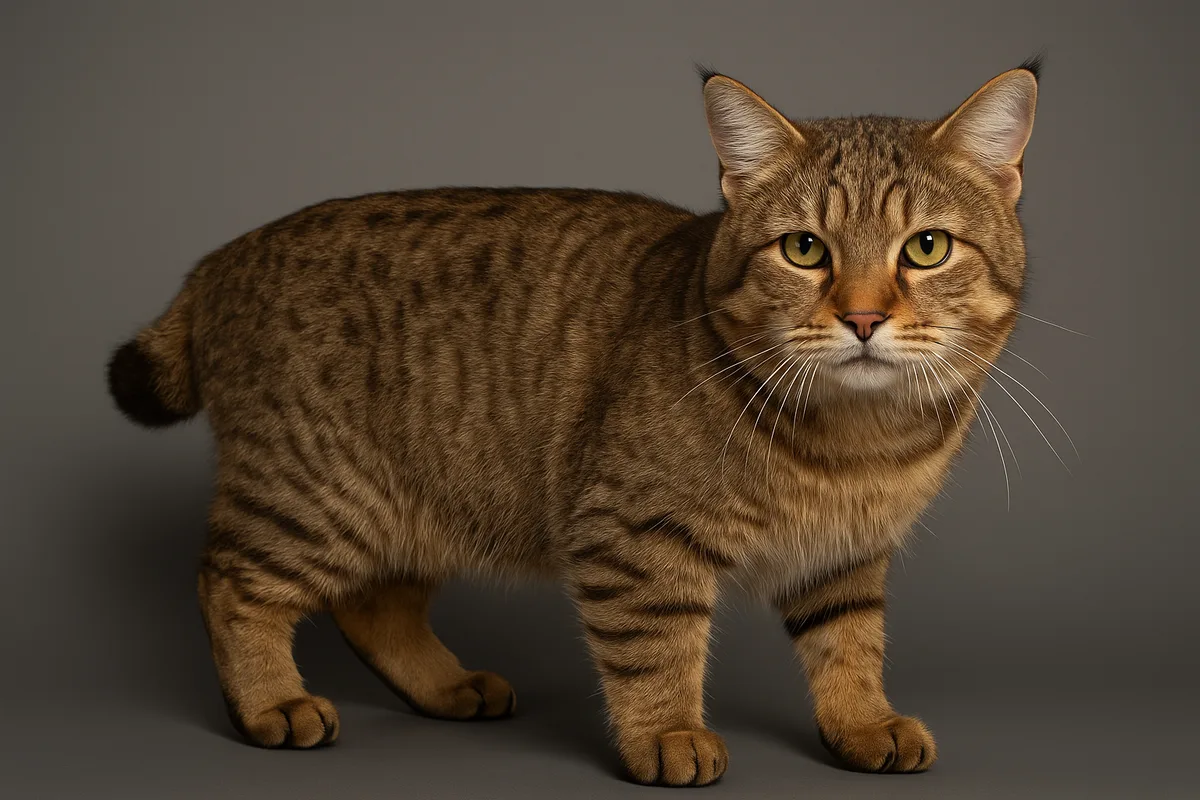
Image source: Bing (Web (fair-use with source credit))
You'd be surprised how many "wild looking" cats are just domestic breeds designed to look that way. The Pixie-bob is the classic example. Breeders crossed true domestic cats with bobcats generations ago to create a breed that looks wild but has a great temperament.
When compared side-by-side, you have to look at the stark differences in tail and toe count rather than just color.
Tell-tale differences in your daily routine: A mixed-breed tabby might have dark stripes, but a Pixie-bob typically has no tail (or a "nub" of under 2 inches) and often has polydactyl paws (extra toes, up to seven on a foot). A true bobcat mix, on the other hand, usually has a visible, solid black tail tip that isn't present on "false" hybrids.
The Tail: Nature's Tell-Tale Sign
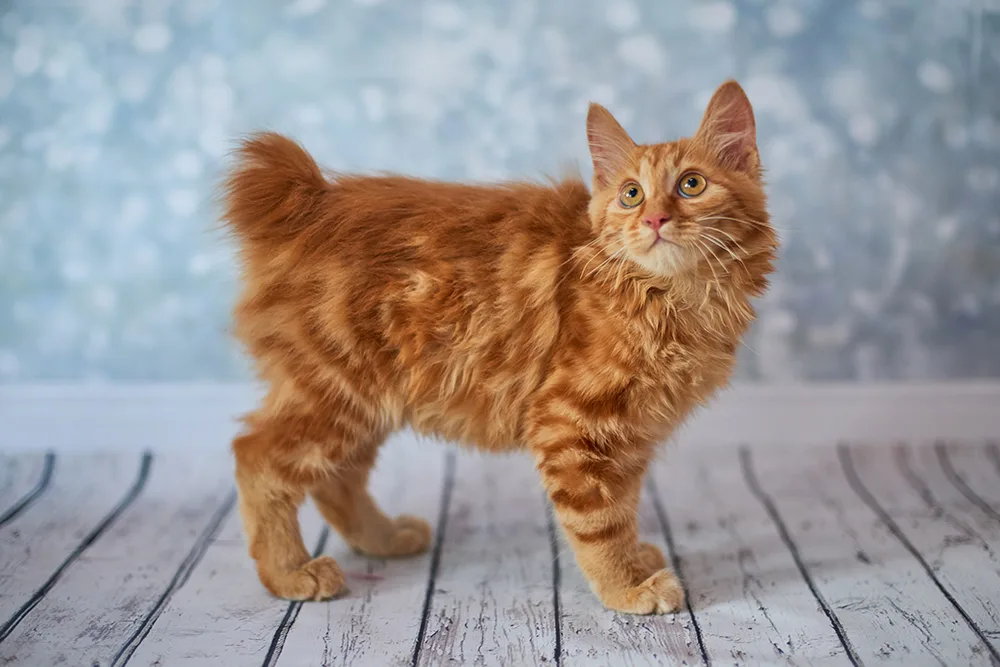
Image source: Bing (Web (fair-use with source credit))
If there's one thing you take away from this, let it be the tail. This is the single most reliable differentiating factor. A standard house cat has a full-length tail, typically around 11 to 12 inches long.
A true Bobcat has a short, blunt, or "bobbed" tail that measures just 4 to 7 inches. But it's not just the length; it's the color. A bobcat's tail has a jet-black tip on top and is whitish underneath, which looks like someone dipped it in a paint pot.
Here is an if/then test for you:
- IF your cat's tail is full-length with no kinks, curls, or short joints, THEN you're likely looking at a domestic breed.
- IF your cat's tail is a short nub that's longer than 10 inches, THEN it's not a true bobcat tail; it might be a Manx gene, which is still fully domestic.
- IF your cat's tail is 4-7 inches with a pure black tip and a white underside, THEN you have a very strong indicator of wild bobcat ancestry, though a DNA test is the only 100% confirmation.
Physical Characteristics and Behavior Traits
A bobcat isn't just a bit like a house cat; it brings a whole new energy to the living room. While we love our plump tabbies, a true bobcat mix will usually be high-energy with a love for vertical space and extreme challenges. Aggression isn't a given, but a wild-bred animal often displays a "flight or fight" response that domestic cats have bred out over 10,000 years.
Watch for these behavioral clues in day-to-day life:
- The Stare: Bobcats hunt with a slow, deliberate stalk, maintaining intense eye contact with their prey. A hybrid might stare at you more intensely, not for food, but because it's assessing you.
- Scent vs. Sight: A feral or hybrid cat is usually missing the "play bow" that domestic cats perform. They are more likely to use a concentration-and-attack style, pouncing immediately without the playful circling.
- Vocalization: You won't hear a standard "meow." Bobcats produce a deep, guttural growl, a piercing cry, or a "caterwaul" sound. A cat mixed with one might have a loud, chattering chirp that sounds almost like a bird or a ticking clock, rather than the pleasant trill of a house cat.
Decoding the DNA Test
If you're still looking at that cat and seeing a mountain lion in miniature, here's the truth: Buy a DNA test. There are reliable kits on the market that check specifically for wildcat ancestry markers. While you don't need to know the brand, look for a genetic panel that specifies testing for "Wildcat Hybrid" (like the Basepaws or Wisdom Panel).
The results offer a clear "probability of ancestry" versus speculating.
Here's what the result will tell you:
- Clear Domestication: The test will show your cat is 100% Felis catus, with zero wild bobcat markers. You own a beautiful standard issue cat.
- Trace Ancestry: This is where it gets interesting. A cat can be 95% domestic and 5% Bobcat. The test reveals that the tail mutation came from an ancestor generations back, not from the neighbor's escaped exotic pet.
Frequently Asked Questions
Can a domestic cat mate with a bobcat?
Yes, technically they can, but it's extremely rare in the wild and even harder to breed in captivity. The males of the hybrid offspring are usually sterile, and mating is usually violent. Most "bobcat-looking" cats are simply domestic breeds like the Pixie-bob, which were selectively bred to look wild.
How big will a bobcat mix get?
A true bobcat mix can be significantly larger and heavier than a domestic cat. While a standard house cat weighs 8 to 10 pounds, a bobcat hybrid can reach 20 to 30 pounds and stand nearly 2 feet at the shoulder. They also have those long, powerful hind legs that give them an athletic, "leopard-like" appearance compared to a stocky house cat.
Is it legal to own a bobcat mix?
This is a critical question. Many states in the US (like California and New York) have strict laws against owning any hybrid of a wild cat without a special permit, even if it's considered a domestic pet. In 2026, ownership is illegal in 16 states. If you suspect your cat has wild blood, check your local fish and game regulations immediately, as fines for possessing one can be steep.
How can I tell if my cat has a bobcat tail?
Look at the underside. A true bobcat's tail is black on top and white underneath, with a blunt, clipped end. A tail that is simply short and kinked, even if it's only 3 inches long, is more likely a dominant Manx gene.
The table below summarizes the key distinction:
| Trait | Domestic Bobtail (Manx/Pixie-bob) | Actual Bobcat Mix |
|---|---|---|
| Tail Length | 1-4 inches, often curved | 4-7 inches, straight and blunt |
| Tail Underside | Solid, same as body color | White or cream colored |
| Ear Tufts | Often absent | Black ear tufts (lynx tips) are prominent |
| Face Ruff | Minimal or absent | Prominent black-bordered ruff around the cheeks |
Why isn't my bobcat mixed cat acting friendly?
Because they're not like a typical house cat. True wild-flavored mixes are often highly independent and territorial. They may bond strongly with one person but be aloof or even aggressive toward strangers and other pets.
That wild instinct to spray urine to mark territory or avoid the litter box if they're stressed is a clear sign you're dealing with more wildcat than domesticated house cat.

Similar Posts