TOC ## The Hard Truth First: “Natural” Doesn’t Mean “Cure

Image source: Web (Bing) / clubcatt.com (Web image (fair-use with source credit))
Why Your Cat Won't Stop Begging (And What Actually Works)
If you've ever tried to enjoy a peaceful dinner while your cat paces, yowls, and winds between your legs like a furry tornado, you already know the struggle. Learning how to get your cat to stop begging for food starts with understanding one simple truth: your cat isn't hungry. They're trained.
And honestly? You're the one who trained them.
Every time you drop a crust or give in to that pitiful meow, you're reinforcing the behavior. In our research across veterinary behavior resources and feline nutrition guidelines, the pattern is crystal clear. Cats repeat actions that get them what they want, and if begging works even 10% of the time, they'll keep doing it forever.
The good news? You can break this cycle in about two to three weeks with consistency, patience, and the right plan. Let's walk through exactly how.
Quick Answer
Stop giving in to the meowing. That's step one. Schedule fixed meal times and stick to them like clockwork.
Your cat should eat twice a day from a measured portion, not graze from an endless bowl. Rule out medical issues first with a vet visit, because sudden hunger can signal hyperthyroidism or diabetes. Then make sure you're feeding the right amount for their weight and age.
Ignore begging completely, even when it gets loud. Never reward the behavior with treats, table scraps, or extra kibble. Redirect their energy with play and puzzles instead.
Feed them before you sit down to eat, so they're not staring at you mid-meal. And remember, a cat who's bored will beg for attention disguised as food. If the behavior persists after a week of this structure, check your portions and adjust.
Weigh them monthly to see if your current plan is working. Most cats settle into the new routine within 14 days, and the constant yowling fades fast. Stay consistent, stay patient, and don't break early.
That's the whole secret, and it works.
Rule Out Medical Causes First

Image source: Bing (Web (fair-use with source credit))
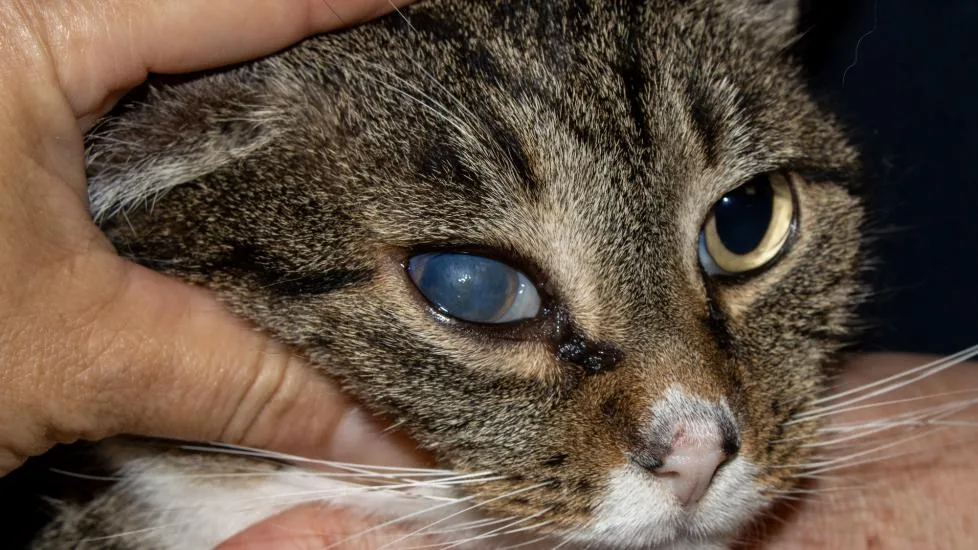
Before you start changing routines and ignoring the yowling, book a vet appointment. This isn't negotiable. Sudden, extreme hunger is called polyphagia in veterinary medicine, and it can be a red flag for real health problems.
Hyperthyroidism is the big one, especially in cats over 10 years old. Diabetes is another common culprit. So is intestinal parasites, which basically steal nutrients straight from your cat's gut.
You need a baseline blood panel and a full physical exam. Per American Veterinary Medical Association guidelines, weight loss combined with increased appetite is a classic warning sign that something systemic is wrong. The vet will also check your cat's thyroid hormone levels and blood sugar.
They'll probably run a fecal test too, just to rule out worms. Most cats hate getting poked and prodded. Ours handled it like a champ.
Treatment for these conditions makes a world of difference. Once hyperthyroidism is medicated or diabetes is insulin-managed, the ravenous hunger usually mellows out. But if the vet gives you a clean bill of health and your cat is still acting like they're starving, then you've got a behavioral problem on your hands.
That brings us to the next branch of this decision tree. A clean bill of health means the behavior is learned, and learned behaviors need retraining, not medication. Baseline bloodwork is expensive, yes.
It's typically 100 to 200 dollars depending on where you live. But it's a one-time cost that tells you whether you're dealing with a medical emergency or a drama queen.
Check Your Portions

Image source: Bing (Web (fair-use with source credit))
Most cat owners pour kibble by eye, and that's where everything falls apart. You're probably feeding way more than your cat needs. Standard feeding guides on cat food bags are notoriously optimistic, too.
They're calculated for an average adult cat with a normal metabolism, not your specific feline. If your cat is fixed, indoor, and living the couch loaf lifestyle, they need about 20% fewer calories than the bag suggests. Neutered cats have slower metabolisms.
That's just biology.
So pull out a kitchen scale and weigh your cat's food. Yes, a kitchen scale. Precision matters more than you'd think.
A single cup of most dry foods weighs around 100 to 110 grams, but the calorie density varies wildly between brands. Check the label. Find the calories per cup.
Then work backward to figure out exactly how much your cat needs to maintain a healthy weight. The average 10-pound indoor cat needs roughly 200 to 250 calories per day. That's about half a cup of a standard 400-calorie-per-cup kibble.
Less if your cat is overweight, and most domestic cats are. We use a simple kitchen scale from Amazon, and it takes about 30 seconds per meal.
Portion control is the scaffolding of your whole anti-begging strategy. When your cat realizes the bowl gets filled on a schedule and that's it, the frantic energy around food starts to settle. Divide the daily portion into two meals, 8 AM and 6 PM.
That way their blood sugar stays stable, and your cat isn't waiting 12 hours for anything. And keep the measuring cup somewhere visible. You'll be shocked how much more you're actually feeding when you're scooping blindly into a bag.
Sniff Test: Your Cat's Internal Food Clock
Your cat knows what time dinner is. They don't need a watch. They track your routine, your alarm clock, your commute, and every snack habit you have.
They also know exactly which of your behaviors predict food, and they hang on your every move. When you get home in the evening, put your keys on the hook, and head to the kitchen, your cat's internal food clock starts going off like an alarm. You've become a walking vending machine, and their internal clock is fine-tuned to your specific routine.
If you want to break the cycle, break the routine. Ditch the predictable pre-dinner ritual. If dinnertime is always 6 PM sharp, your cat starts nagging at 5:15.
A simple strategy is to feed them after a specific cue that has nothing to do with begging. Maybe it's after the kettle boils. Maybe it's after you've cleared your own plate.
Whatever the cue is, feed them before they start yowling, and do the feeding after you've finished eating, not before. That way the cat learns that your dinner, not their patience, is the signal.
You can also use puzzle feeders and slow-dispensing balls. They turn eating from a two-minute gulpfest into a fifteen-minute mental game. Aggregated reviews and veterinary behaviorists consistently report that cats who work for their food by foraging act less obsessed with the bowl.
They're expending energy to eat, which mimics hunting. Over time, this satisfies their natural predatory instincts and chills out the "I need food now" attitude. The best part?
You can use half their daily kibble portion in a puzzle feeder, and they're still getting fed the same amount, but without the dramatic production.
Make the Kitchen a Boring Place
Your cat doesn't need to be in the kitchen while you cook. They don't need to be on the counter while you plate your meal. And they definitely don't need to be near the table while you're eating.
The more proximity they have to your food, the more they'll beg. It's that simple.
So start managing the environment. Install a baby gate across the kitchen doorway. Give them fun treats in another room when you do a puzzle feeder.
And while you're prepping, close the door. Yes, even if they sit and stare at you through the glass like a tiny, fluffy hostage. A study published in the Journal of Feline Medicine and Surgery found that cats are social eaters, and they respond to human social cues during meals, which means your cat is reading your body language at the table, not just the food.
When you push your chair back, plate in hand, they know exactly what's coming next.
The key is to feed them in a separate room, away from the family dinner table. Their bowl stays in a quiet corner. This stops them from associating your mealtime with their mealtime.
It also breaks the social bonding cue that causes half of the begging in the first place. If your cat insists on sitting with you while you eat, ignore them. Don't look at them.
Don't speak to them. Don't hiss and wave your hands, either. Complete, total, boring silence.
They'll eventually wander off and take a nap, which is the goal. Two weeks of this, and they'll stop staring at your plate like they haven't eaten in a month of Mondays.

Similar Posts