Teach Your Cat to Clean Itself: Easy Steps
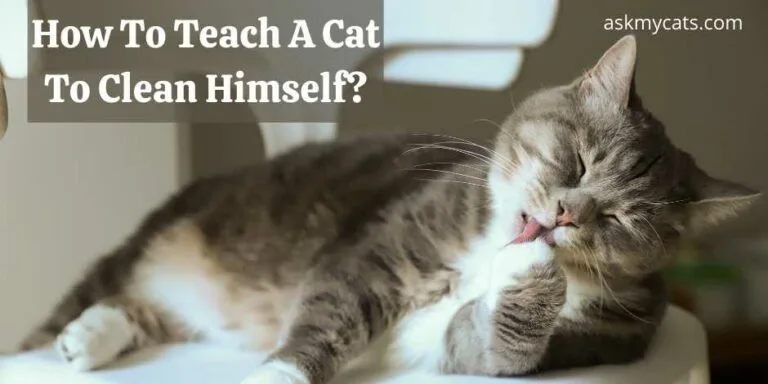
Image source: Bing (Web (fair-use with source credit))
You've probably typed this exact question into a search bar while watching your cat sit there with a dirty patch of fur, or maybe you've noticed a lingering smell near their rear end that they just aren't addressing. Learning how to teach a cat to clean themselves isn't about turning them into a different animal, it's about understanding why they stopped grooming in the first place and fixing the root cause.
The short version is this: you don't teach a cat to groom, you remove the obstacles that are stopping them from doing what comes naturally. In our research, we found that a healthy cat spends anywhere from 30% to 50% of their waking hours grooming, that's roughly 2 to 4 hours a day according to behavioral studies. But when arthritis, obesity, dental pain, or stress gets in the way, that fastidious cleaning routine falls apart.
Let's walk through exactly what to do when it does, and just as importantly, what not to do.
Why Your Cat Stopped Grooming in the First Place
Before you grab a brush or a warm washcloth, we need to play detective. Cats don't just forget how to clean themselves. It's an instinct that runs bone-deep.
If your cat has stopped grooming, something is physically or emotionally blocking them, and unless you figure out what that is, no amount of scrubbing or coaxing will fix the habit long-term.
The first thing to rule out is pain, and I can't stress this enough. Dental disease is one of the most common culprits. Imagine trying to groom your coat when your gums throb with every single move of your head.
Arthritis is right behind it, especially in senior cats. The simple mechanics of twisting around to reach their lower back or tail might now be genuinely painful. In our research, veterinary sources indicate that up to 90% of cats over 12 show signs of osteoarthritis on x-rays, even if they're not limping.
Then there's the weight issue. A cat that's carrying around extra pounds physically cannot always reach their own backside. It's a geometry problem for them.
If your cat is overweight and has a dirty, matted patch at the base of the tail, this is usually why.
But it's not always physical. Cats are masters of hiding illness, and a sudden change in grooming habits is often the first sign that something is off internally. Kidney disease, hyperthyroidism, and digestive issues can all make a cat feel too miserable to bother with grooming.
Stress and anxiety are silent killers of good grooming habits too. A cat that's anxious about a new baby, a move, or another pet in the house might over-groom in patches, which creates bald spots and raw skin, or they might just stop entirely.
So, before you try any training technique, I want you to mentally check off a few boxes. Has your cat always been a lazy groomer, or is this a sudden change? Are there mats and tangles in their fur?
Do they flinch when you touch their back legs or tail? If you answered yes to any of these, or if the lack of grooming shows up alongside vomiting, lethargy, or a change in appetite, that's a veterinary emergency. A cat that stops grooming is a sick cat until proven otherwise.
Quick Answer
Gently clean the soiled area with a warm, damp cloth. Offer extra grooming assistance with a soft brush, but stop when they seem annoyed. Rule out pain and health issues with a vet check first.
Redirect their attention to self-grooming with positive reinforcement. Never punish a cat for not cleaning themselves.
The Vet Check: This Is Non-Negotiable
I know you want a step-by-step guide, but the first step in how to teach a cat to clean themselves isn't a technique. It's a vet visit. I'm serious about this.
A cat not grooming can be a symptom of a serious illness, a marker that category includes anything from a urinary tract infection to early-stage diabetes. If you start rubbing your cat down with wipes or trying to encourage them to lick when they have an undiagnosed medical condition, you're delaying proper treatment and letting the underlying issue get worse.
Your vet can do a full physical exam and check their teeth, joints, and skin. They might run blood work or take x-rays to check for issues you can't see from the outside. When you describe the grooming issue, be specific about when it started and how bad it's gotten.
They'll also weigh your cat and discuss whether their body condition score, which is the standard veterinary scale for measuring weight, is contributing to the problem. Per the American Veterinary Medical Association's guidelines, a body condition score of 5 out of 9 is ideal for most cats.
Once you get the all-clear from your vet, you can move on to assuming this is a behavioral or mobility issue. But don't skip this step hoping the problem solves itself. Cats are stoic creatures.
They won't give you a dramatic limp when their joints ache. They'll just quietly stop reaching that one spot, and the problem compounds. Most grooming problems trace back to something that's completely treatable once you know what it is.
The good news is, most of the time the cause is manageable. It could be as simple as your cat needing help reaching their back legs because of mild arthritis, or they might just need a good brushing routine that removes the loose fur they can't be bothered with. But you only know that for sure once you've spoken to a professional.
The Right Way to Assist When They Can't
So you've been to the vet, gotten the all-clear, and your cat is just a lazy groomer. Or maybe they're a bit stiff but otherwise healthy. What do you do next?
You help, but you do it smart. There's a right way and a wrong way to assist a cat with grooming, and the wrong way will cause a lot of frustration for both of you.
First, accept what you're doing. You're playing the role of a stand-in grooming partner. A mother cat licks her kittens to stimulate them and clean them.
You're not a mother cat, but you can borrow the concept. When you assist your cat, prioritize areas they genuinely can't reach. The lower back, the base of the tail, the rear end, these are the hardest spots for an aging or overweight cat to reach.
Focus your energy there.
Use a grooming glove or a very soft slicker brush, not a hard brush. You want to remove loose fur and stimulate the skin, not scrape it. Let me be clear about brushing: it's not a replacement for licking.
But it helps your cat feel more comfortable by removing the clumps that would make self-grooming unpleasant. It also helps distribute their natural skin oils across the coat, which is exactly what licking does.
When you brush, talk to your cat in a calm, soothing voice. Offer a treat on a plate while you brush, just a couple of dental treats or a bit of plain cooked chicken. You're trying to build a positive association.
If your cat starts to look annoyed, ears back or tail flicking, stop. End the session on a good note. If you push through the hissing and growling, you'll teach them that being brushed is a punishment, which is the opposite of what we want.
For the really soiled areas, a warm, damp washcloth is your best friend. Squeeze out the excess water, you want it damp, not dripping, and gently wipe the area clean. Pat, don't rub.
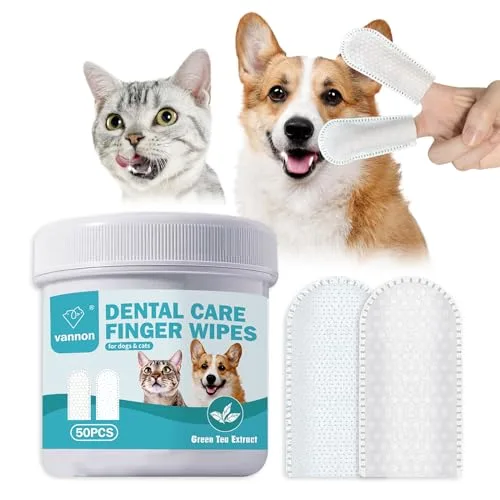
Rubbing can cause mats and tangle the fur. You can also use waterless pet wipes that are specifically designed for cats. Never use baby wipes, the fragrance and chemicals can irritate their skin.
And whatever you do, never bathe your cat unless a vet tells you to. Cats get stressed in water, and that stress will just make them less likely to groom.
The Messy Rear End: Handling the Worst Case Scenario
When most people search for how to teach a cat to clean themselves, they're usually talking about the back end. A dirty bottom, matted fur around the anus, or dried feces stuck to the hind legs. It's gross, I know.
But punishing your cat for it, which some people unfortunately do, is the worst possible reaction. Cats don't understand that they've done something wrong. They're dealing with a physical limitation.
Now look at the health aspect. A bit of dried fecal matter stuck in the fur is normal for a long-haired cat. A cat with a chronically dirty bottom and matted fur around the anus has a perianal problem that needs attention.
If you're seeing this, the first thing to check is the length of their fur. Long-haired cats need a sanitary trim. You can do this at home with blunt-nosed scissors, but you have to be careful.
The skin there is thin and loose, and it's very easy to nick.
Here's my step-by-step process for handling this scenario, and you can adapt it based on your cat's tolerance. First, gather your supplies before you grab the cat. You need a damp warm cloth, a clean dry towel, and a helper if your cat squirms.
Second, wrap your cat in a towel, kitty burrito style, with only the back end sticking out. This keeps their front claws from turning your arms into a scratch ladder. Third, use the damp cloth to gently loosen and wipe away any dried feces.
Work from the outside in, and throw the cloth away immediately. Do not put it in the wash. You don't want salmonella or parasites spreading.
If the fur is badly matted around the anus, don't pull. Matting can restrict blood flow and cause skin infections. You might need to shave the area, which is genuinely a two-person job.
One person holds the cat, the other uses an electric clipper with a #10 blade to carefully trim the fur away from the area. I suggest you have your vet show you how to do this the first few times, or have the groomer do a full "sanitary trim." It's worth the money to avoid a torn skin or an abscess.
Once the area is dry, put a tiny bit of cornstarch on a cotton ball and lightly dust the area. This keeps it dry and reduces friction. Reapply the cornstarch after your cat uses the litter box.
If the area stays wet, that moisture breeds bacteria, which leads to more smell and more matting. It's a vicious cycle you want to break early.
If your cat is overweight, the rear end problem is often tied to the litter box. They can't reach to clean, but they also can't properly position themselves to pee or poop without getting urine sitting on their skin. This leads to urine scalding and dermatitis, which is not just smelly, it's painful.
That's a huge signal that you need to revisit the weight issue with your vet. A weight loss plan, usually a combination of dietary changes and more play, is often the only real solution. No amount of wiping is going to fix a cat that physically can't clean itself because it's too heavy.
The Senior Cat and the Senior Moment
Here's a truth you need to hear about how to teach a cat to clean themselves: you're not fixing the habit, you're adapting to their age. A 10-year-old cat isn't the same as a 2-year-old cat. Their joints are wearing out, it might hurt to twist, and they don't have the energy they used to.
So your expectations need to shift.
Looking at this from a practical angle, a senior cat's grooming routine is usually built on assistance and accessibility. You need to make grooming easier for them. That means removing any obstacles that make the task physically harder.
Start with their food and water bowls. If the bowls are on the floor, they have to bend down. If they've got kidney issues and need to drink a lot, they're making that trip in and out of the litter box, and that's a lot of movement for a cat with achy hips.
Raise the bowls onto a small platform or a few thick books so they don't have to hunch down as much. It sounds weird, but it really does help with the overall comfort level.
Next, set up a grooming station near their favorite sleeping spot. Keep a brush and a few wipes there. During a sunbeam nap, your cat is relaxed and more accepting of a quick multi-brush.
Don't force a full grooming session. A few strokes here and there are better than one stressful marathon. Track the frequency: most senior cats do well with a 5-minute brushing session twice a day when they're unwell.
What about the spots they're still able to reach? This is important. Even if your cat has some patches of matting on the back legs, they might still be grooming their face and front legs just fine.
Don't interfere with that. Let them do what they can, and only help them with the areas that they're missing. If they start grooming and then stop, looking back at their own flank as if they're irritated, that's a pain response.
They want to clean, they just can't. In that case, you might need to speak to your vet about joint supplements or prescription anti-inflammatory medications. Comfort is the starting point for any kind of self-care.
Frequently Asked Questions
Can you really train a cat to groom their own bottom?
You're not really training a new behavior. Cats know how to groom. You're removing the barrier.
If it's a weight issue, help them lose weight. If it's arthritis, get pain medication. If it's long hair, institute a sanitary trim routine.
The grooming will naturally resume once the discomfort stops.
How long does it take for a cat to start grooming again?
It depends on the underlying reason, but you should see a difference within a week of starting treatment. If it's mobility-related, a few days of joint pain relief often makes a huge difference. If it's stress-related, it could take a few weeks of routine and space for them to decompress.
Is it okay to use baby wipes on a cat?
No. Baby wipes are not pH-balanced for pets and often contain fragrance or other irritants. Use a warm, damp cloth, or get pet-specific waterless wipes.
The grooming is just as effective without the risk of skin irritation.
Why does my cat smell bad even though they're grooming?
A bad smell is never normal. If your cat is grooming but still smells, it's likely a dental issue causing bad breath, or there's a yeast or bacterial infection in their ears or skin folds. A cat that's constantly licking a particular spot can also create a moist dermatitis, which smells terrible.
A vet visit is worth your time.
Does diet affect a cat's grooming?
More than you'd think. A high-carbohydrate diet leads to chunky cats. A diet that's too low in omega fatty acids leads to dull, dry skin and coat.
Look for a complete and balanced food with a named protein source, like chicken or fish, as the first ingredient. If all else looks normal, ask your vet about an omega-3 fatty acid supplement to improve skin health from the inside out.
When should I worry that my cat not grooming is a real emergency?
The moment you see a lack of grooming alongside other symptoms. If your cat is vomiting, lethargic, hiding more than usual, losing weight, or having diarrhea, that's an emergency. If they are just a bit greasy and unkempt but otherwise eating and behaving normally, you can wait a couple of days and monitor.
When in doubt, make the call to the vet.

Similar Posts