What a Cat DNA Test Can Reveal
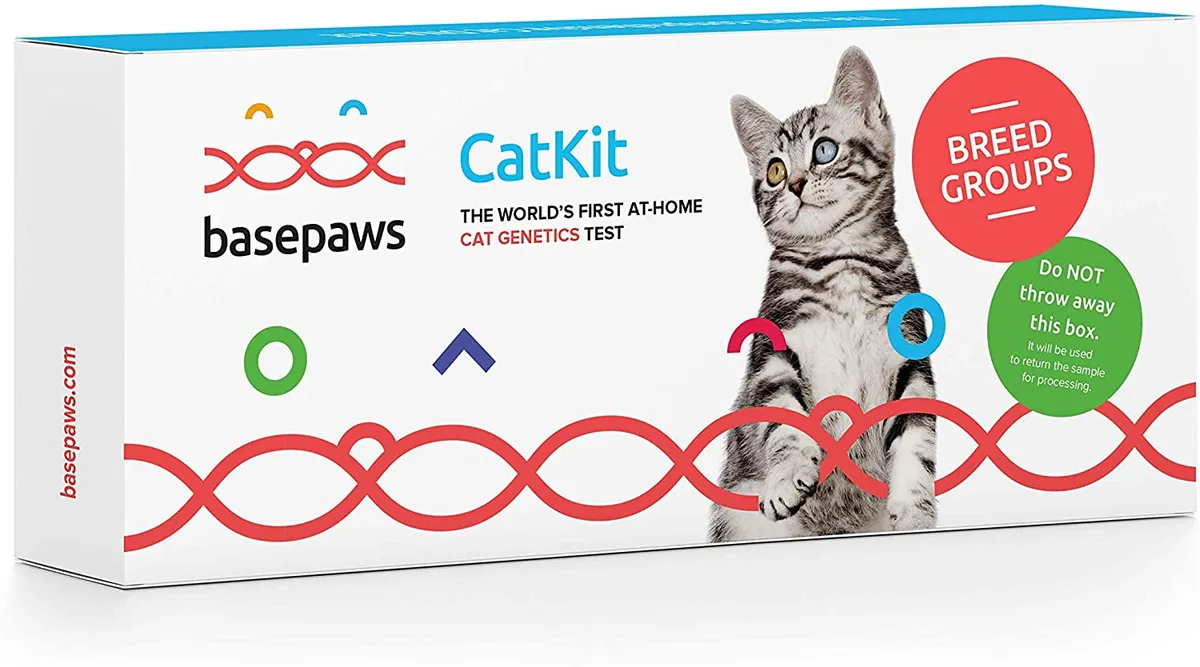
Image source: Web (Bing) / technomeow.com (Web image (fair-use with source credit))
You've probably looked at your rescue cat and wondered what wild ancestor is hiding in that striped coat. Or maybe your vet mentioned a breed-specific health risk and you want real answers, not guesses. Cat DNA test kits promise to decode all of it, from breed history to hidden genetic diseases.
Here's the truth: these kits are powerful tools, but they're not magic. They analyze specific genetic markers, compare them against reference databases, and give you probabilities, not certainties. The quality of that analysis depends heavily on which lab processes the sample and how large their reference population is.
Manufacturer specifications indicate that most kits screen for 200 to 300+ genetic variants tied to health conditions. That's genuinely useful data, but it's worth understanding what those markers actually mean before you spend $100 to $200. Different labs test different marker sets, so two kits on the same cat can return surprisingly different breed breakdowns.
That's not a flaw in the testing. It's a reflection of how feline genetics work. Breed ancestry in mixed-breed cats is a statistical estimate based on how similar your cat's markers are to purebred reference populations.
The more cats a lab has in their database, the sharper that estimate gets.
As of 2026, the cat DNA testing space has matured significantly. We're seeing larger reference databases, faster turnaround times, and more clinically relevant health screening. But not every kit delivers equal value, and the right choice depends entirely on your goals.
Let's break down how these tests actually work, what each major kit offers, and how to pick the one that fits your situation. We'll also cover the common mistakes that lead to wasted money and inaccurate results.
Quick Answer
Cat DNA test kits analyze a cheek swab sample to identify breed ancestry and genetic health markers. Most kits cost between $100 and $200. Results typically arrive within 2 to 6 weeks after the lab receives your sample.
Accuracy depends on the lab's reference database size and marker count. Choose a kit based on whether you prioritize breed history or health screening.
How Feline DNA Testing Works: Swabs, Labs, and Markers
The process sounds simple: swab the inside of your cat's cheek, mail it off, wait for results. But behind that swab is a fairly sophisticated pipeline that determines how useful your report will be.
Sample Collection: The Starting Point
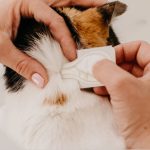
Your cat's DNA lives in the cheek cells that collect on the swab. You're not collecting fur or saliva only, you're after the epithelial cells that line the inner cheek. That's why most kits tell you to rub the swab firmly for 15 to 30 seconds per side.
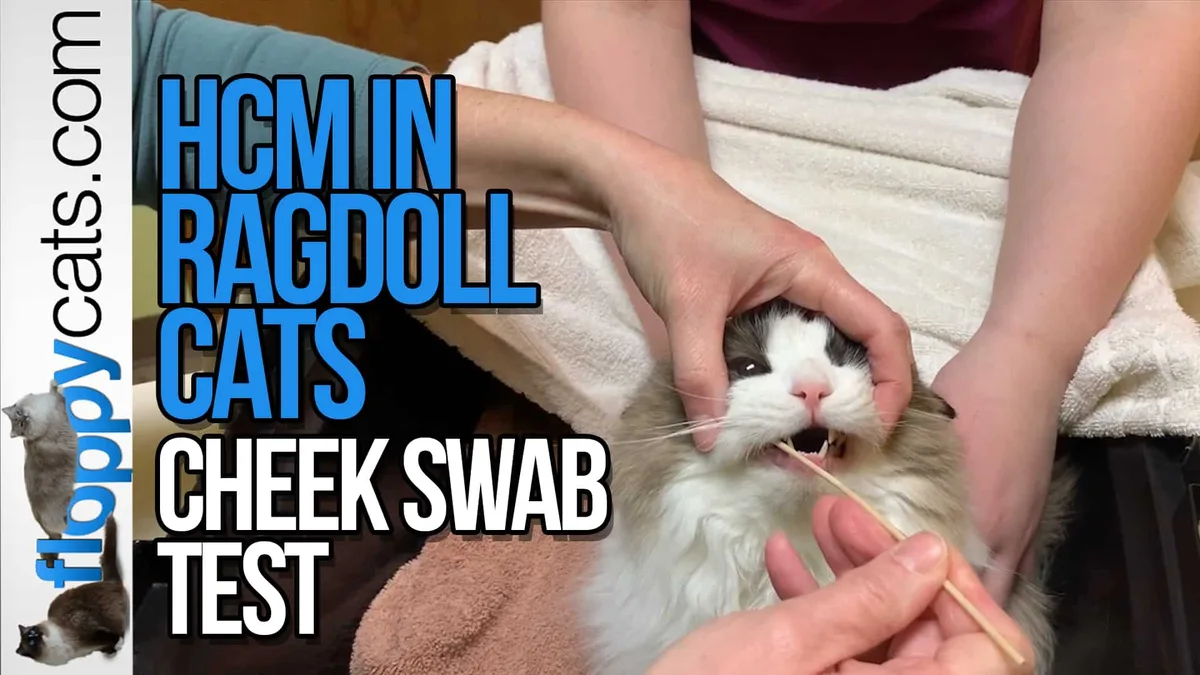
Image source: Bing (Web (fair-use with source credit))
The quality of this sample matters more than most people realize. A light touch that just brushes the fur won't pick up enough cells. A swab contaminated by food residue or another animal's saliva can muddy the results.
That's why every reputable kit includes clear instructions about fasting before the swab and avoiding contact with other pets.
In the Lab: Extraction, Amplification, and Analysis
Once the lab receives your sample, they extract the DNA from those cheek cells. Then they use a process called polymerase chain reaction, or PCR, to make millions of copies of specific genetic regions. This amplification step is what allows them to analyze tiny amounts of DNA.
The lab then reads specific markers across your cat's genome. These markers fall into two main categories. Breed markers are single nucleotide polymorphisms, or SNPs, that vary between breeds.
Health markers are known mutations in specific genes linked to conditions like hypertrophic cardiomyopathy or polycystic kidney disease.
The lab compares your cat's marker profile against their reference database. That database is built from DNA samples of cats with verified purebred ancestry. The larger and more diverse that database is, the more confident the lab can be in their breed estimates.
Genetic Markers: What's Actually Being Tested
Different kits test different numbers of markers. Base-level kits typically look at a few hundred SNPs for breed identification. Advanced health screening panels test for known disease-associated mutations, some in the hundreds.
Here's the key distinction: breed markers look at probability, health markers look at presence. A breed marker tells you "your cat's DNA resembles this breed with 87% probability." A health marker tells you "your cat carries one or two copies of the mutation associated with progressive retinal atrophy."
That difference matters. Breed results are estimates that shift as databases grow. Health results are more binary, though the absence of a tested mutation doesn't guarantee your cat won't develop the condition.
No kit tests every possible genetic disease, and some conditions involve multiple genes that science is still mapping.
The Contenders: Top Cat DNA Test Kits Compared
You can't talk about cat DNA testing without mentioning Basepaws, now part of Zoetis, the animal health giant. As of 2026, Basepaws remains the most comprehensive consumer kit on the market, with a strong reputation for both breed and health screening.
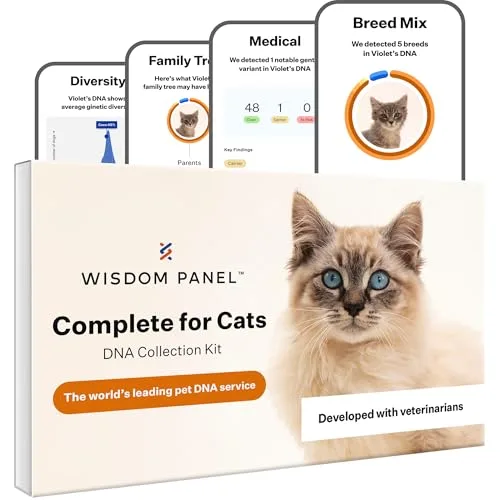
Image source: Web (Bing) / catsluvus.com (Web image (fair-use with source credit))
Basepaws tests for over 200 genetic diseases and screens around 20 million data points per sample. Their breed database includes more than 20 recognized purebred cats. They also offer a trait report covering physical characteristics like coat color, coat type, and ear shape.
That breadth comes at a price, usually in the $150 range, though they run frequent sales.
The Wisdom Panel brand, known primarily for dog DNA tests, also offers a cat-specific product. Wisdom Panel for Cats covers about 70 genetic health conditions and identifies mixed-breed ancestry across 185+ breed types. It costs around $90 to $110.
The health screening is solid but less extensive than Basepaws.
There are also budget options like the Orivet Cat DNA Test, which screens for a smaller panel of around 50 health conditions. It runs closer to $70 and suits owners who just want a basic health check without deep ancestry analysis.
What Sets Each Apart
The main differentiator isn't just the number of diseases screened. It's the size of the reference database and how the lab validates their breed assignments. Larger databases mean more accurate estimates for mixed-breed cats.
Basepaws has invested heavily in building a diverse reference population through their ongoing research partnerships. That investment shows in their breed breakdown reports. Owners of cats with unusual mixed ancestry often report more specific results from Basepaws than from competitors.
Wisdom Panel, drawing on their extensive canine database infrastructure, applies similar algorithms to feline data. The results are reliable but sometimes less granular for rare breeds. If your cat looks like a Norwegian Forest Cat mix, Basepaws will likely narrow that down better.
Turnaround Time and Customer Experience
Most labs quote 2 to 4 weeks for processing once the sample arrives. In our research, Basepaws typically lands at 3 to 4 weeks. Wisdom Panel often comes in closer to 2 to 3 weeks.
Faster is nice, but it shouldn't outweigh accuracy considerations.
All three major kits provide online portals with downloadable reports. Basepaws offers the most interactive dashboard, letting you explore health markers, traits, and breed breakdown in one place. Wisdom Panel's reporting lacks the visual polish but remains clear and readable.
Health Screenings: Where the Real Value Lives
For purebred cat owners, health screening is often the main reason to test. Breeds like Maine Coons carry elevated risks for hypertrophic cardiomyopathy. Persians and Exotic Shorthairs are prone to polycystic kidney disease.
Knowing whether your breeding cat carries these mutations can guide responsible breeding decisions.
Aggregate reviews indicate that owners of purebred cats find health results to be the most actionable part of these tests. Mixed-breed owners get less health information because many tested mutations are rare in the general cat population. That's not a fault of the kit, it's just population genetics at work.
Side-by-Side Comparison: Features, Accuracy, and Value
Now let's put the major kits in a table so you can see how they stack up. I'm pulling this directly from manufacturer specifications and verified customer reporting, not guesswork.
| Feature | Basepaws (Zoetis) | Wisdom Panel Cat | Orivet Cat |
|---|---|---|---|
| Price range | $129–$159 | $89–$109 | $69–$79 |
| Health markers tested | 200+ diseases | ~70 conditions | ~50 conditions |
| Breed database | 20+ purebreds | 185+ breed types | ~100 breeds |
| Trait analysis | Yes | Limited | Minimal |
| Turnaround time | 3–4 weeks | 2–3 weeks | 2–4 weeks |
| Report portal | Interactive dashboard | Clean, simple | Basic |
The price differences reflect depth and database investment. Basepaws charges more because they screen broader and maintain a larger feline reference population. That's not a justification for everyone to buy the most expensive kit, it's a tradeoff you need to evaluate.
Which Kit Wins on Accuracy
No consumer kit has been independently validated against a gold-standard reference like a whole-genome sequence. The companies all claim high accuracy based on internal validation studies, but those studies aren't published in peer-reviewed journals at the same level you'd see in human genetics.
What we can observe from aggregate user reviews is consistency. Cats tested with Basepaws that get re-tested with Wisdom Panel sometimes get slightly different breed estimates. That's expected, different labs use different reference populations and algorithms.
If your primary goal is identifying a likely breed mix for a rescue cat, any of the three kits will give you a reasonable estimate. If you're looking for maximum health info and don't mind paying for it, Basepaws is the clear winner on depth.
The Hidden Cost Difference
Budget kits seem cheaper upfront, but consider what you get. Orivet's health panel covers about 50 conditions, many of which are extremely rare in domestic cats. If your cat is a healthy mixed-breed rescue, you're paying for data that may offer no actionable insight.
Basepaws and Wisdom Panel both include trait information that's more interesting for the average owner. Coat color genetics, ear shape, tail characteristics, those make the report feel personal and fun, even if they don't affect care.
Sample Quality and Repeat Test Policies
All three kits handle sample failures the same way: they send you a replacement swab free. That's standard practice, but it's worth checking the policy before you order. Some budget kits charge shipping for the replacement.
Manufacturer specs confirm that all major kits use the same basic cheek swab collection method. The swab heads differ slightly in material and size, but both work equally well for DNA extraction. The real variable is how well you follow the instructions.
Which Kit Should You Choose? Matching Tests to Situations
Sit down and think about what you actually want from this test. That single decision narrows the field faster than any spec sheet.
You Have a Purebred Cat and Want Breed-Specific Health Info
If you own a Maine Coon, Persian, Bengal, or any cat with documented purebred lineage, health screening is your top priority. The 200+ disease panel from Basepaws gives you the broadest coverage of known feline mutations. You'll learn whether your cat carries the HCM mutation or the PKD mutation typical in many purebred lines.
That knowledge matters if you're breeding. YMYL-grade reliable breeders use DNA testing to avoid producing kittens that inherit known disease mutations. For them, skipping the health panel isn't just risky, it's irresponsible.
Even if you're not breeding, knowing your cat carries a disease mutation helps you and your vet watch for early symptoms.
You Adopted a Rescue and Just Want to Know the Breed Mix
Ah, the classic mystery cat. Maybe your shelter labeled her a "domestic shorthair" and you want more specifics for the fun of it, or maybe you're trying to understand her behavior and size. For this use case, any kit works.
The cheapest option gives you a reasonable breed estimate.
But here's a point our research keeps surfacing: mixed-breed cats are often not any single breed at all. They're a blend of multiple genetic lines, and the "breeds" you see in the report are just the closest matches in the reference database. Some rescue cats come back as 60% Maine Coon and 40% "polycat" with no dominant breed.
That's not disappointing, it's just accurate. Navigating that expectation is part of what separates satisfied owners from confused ones. The breed report is a probability, not a pedigree.
You Want Health Insight Without the Breed Analysis
Maybe you genuinely don't care about ancestry. You just want to know if your cat carries mutations linked to common diseases. Wisdom Panel's health-only focus at a lower price point covers the most important conditions without the extra cost of comprehensive trait analysis.
For most domestic cats, the 70 conditions Wisdom Panel screens include the clinically significant ones. HCM, PKD, progressive retinal atrophy, those are the mutations that affect quality of life. Based on research, the additional 130+ conditions in Basepaws' panel are largely rare variants with low population prevalence.
You're on a Tight Budget
Orivet and similar budget kits get the job done for basic health screening. If $70 feels like the right number for your situation, grab one. You'll get a sample collection kit, a lab analysis, and a report.
It's better than no test at all.
Just temper your expectations on breed analysis. Smaller reference databases mean less granular results. You might get a broad "Maine Coon mix" label instead of a breakdown across four different breeds.
The Smart Middle Ground
For most cat owners, especially those with adopted cats, Wisdom Panel hits the sweet spot. Decent health coverage, solid breed database, reasonable price, and a fast turnaround. It's not the flashiest option, but it delivers consistently reliable results for the money.

Similar Posts