Bottle Feeding Kittens: Serious Side Effects
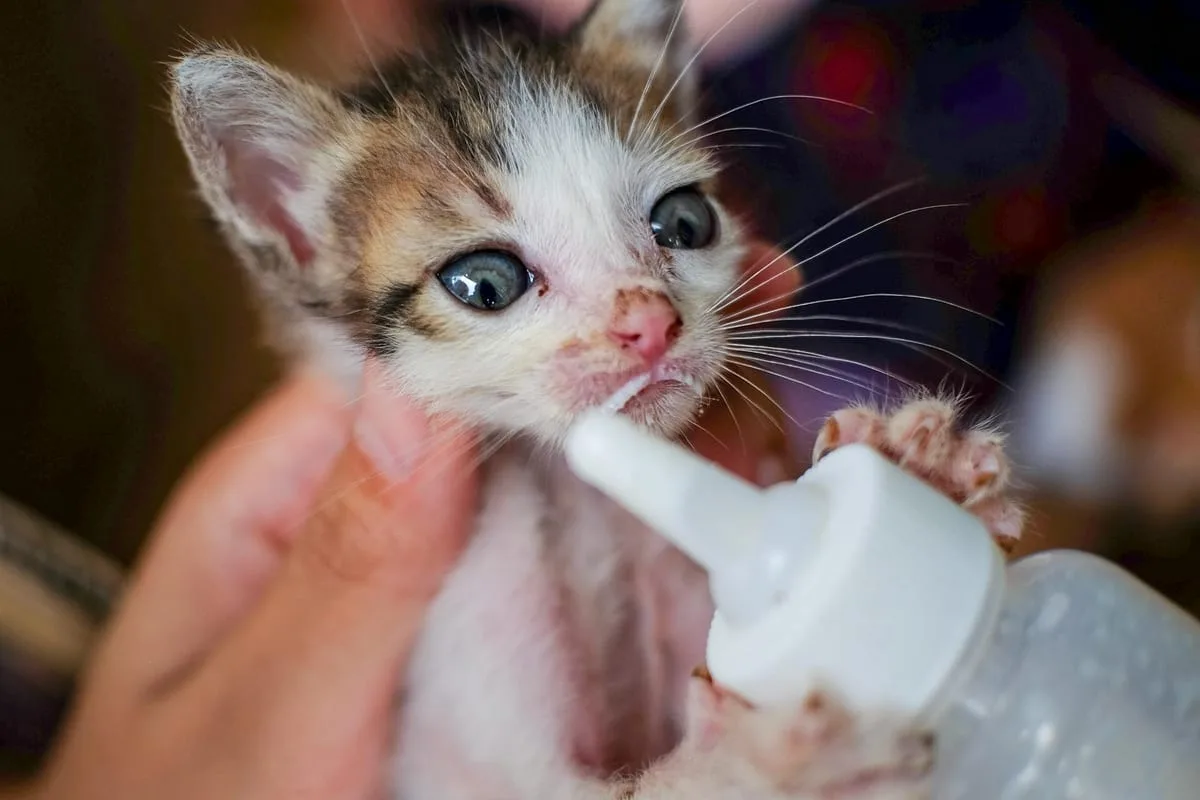
The first thing you need to know is that the side effects of bottle feeding kittens usually aren't from the milk itself. They come from how you deliver it. Positioning, flow rate, hygiene, and temperature are where things go wrong, and when they do, the fallout can range from a gassy, fussy baby to a life-threatening emergency.
Bottle feeding should be a calm, quiet process, not a struggle. When it goes right, you'll see steady suckling, a relaxed body, and a contented purr. When it goes wrong, the signs are often subtle at first.
A little milk bubbling from the nose, a cough, or a sudden disinterest in the nipple are all red flags that warrant your full attention. In our research, we've found that aspiration pneumonia is the leading cause of death in hand-raised kittens, and it's almost always a direct result of feeding technique errors. We'll walk you through exactly what to watch for, how to prevent it, and when you need to drop everything and call the vet.
This isn't about making you paranoid. It's about giving you the skills to act fast and feed with confidence.
Quick Answer
Bottle feeding kittens has three main side effects: aspiration pneumonia, digestive upset, and dehydration. Aspiration happens when milk enters the lungs. This is the most dangerous side effect.
It requires immediate veterinary attention.
Digestive issues like diarrhea and constipation occur from wrong formula or overfeeding. Dehydration happens when feeding schedules or formula ratios are off. Watch for weight gain and normal urination.
Always weigh kittens daily and feed on a strict schedule.
Why Correct Feeding Technique Matters More Than Anything
Here's the hard truth about hand-raising kittens. You're stepping in for their mother, and Mother Nature has a very specific design. Mama cats don't just feed their kittens; they position them, stimulate them to urinate and defecate, and keep them at a precise temperature.
When you bottle feed, you have to replicate all of those conditions. Get it wrong, and the side effects of bottle feeding kittens compound quickly. A kitten's esophagus and trachea sit close together, and their swallow reflex is immature for the first few weeks.
That means they're primed to inhale milk if you squeeze the bottle too hard, hold them at the wrong angle, or use a nipple with a hole that's too large.
Think of it this way. You wouldn't hand a marathon runner a cup of coffee while they're sprinting, right? Kittens are the same.
If they're lying flat on their back, like a human baby having a bottle, gravity pulls the milk the wrong way. The milk pools in their mouth, and they can either aspirate it into their lungs or swallow it too fast. Fast swallowing leads to gas, bloating, and the other digestive symptoms we'll cover in a second.
Fed correctly, kittens should eat in near silence. If you hear clicking, gulping, or milk splashing against the roof of their mouth, stop. Reposition and slow down.
Your job isn't just to get the formula into their stomach. Your job is to get it in safely, without any side effects from bottle feeding.
Side Effect #1: Aspiration Pneumonia
Of all the risks, aspiration pneumonia is the one that scares me the most, and it should scare you too. It's the silent killer in the kitten world. Aspiration happens when fluid, in this case milk formula, enters the lungs instead of the stomach.
The lungs are a sterile environment. When fluid sits there, bacteria multiply, and pneumonia sets in. The tricky part is that kittens can aspirate a small amount, cough it out or swallow it, and then develop pneumonia hours later.
This is the most severe side effect of bottle feeding kittens, and it requires immediate veterinary intervention.
How do you know if it's happening? Look for a few specific signs. A kitten that is coughing, sneezing, or making a wet, crackly sound when breathing is telling you something is wrong.
You might see milk bubbling from the nose, sometimes minutes after the feeding is done. They might also breathe with their mouth slightly open, and their gums may look pale, bluish, or gray. Lethargy is a huge red flag, as is a lack of weight gain.
Here's the thing about aspiration. It's not always a firehose of milk in the lungs. Sometimes, it's a slow drip, a tiny bit at a time, over several feedings.
By the time you see obvious symptoms, the kitten is often in serious trouble.
Image source: Bing (Web (fair-use with source credit))
If you suspect aspiration, do not try to "wait it out" at home. There is no home remedy. You cannot give a kitten antibiotics you have lying around, and you cannot aspirate the fluid yourself.
That's a job for a trained veterinarian. In our research, early intervention with oxygen therapy and injectable antibiotics has a strong success rate. Delaying treatment by even 12 hours can be the difference between keeping the kitten alive and losing it.
Survivors can have long-term lung damage, but that's a far better option than the alternative.
Side Effect #2: Digestive Upset and Fading Kitten Syndrome
While aspiration is an immediate crisis, digestive issues are the most common side effect of bottle feeding kittens. We're talking about diarrhea, constipation, and that vague, creeping term we call "failure to thrive." The kitten's digestive system is incredibly sensitive. Formula that is too concentrated, too cold, or introduced too quickly will absolutely wreck their gut flora.
Commercial kitten milk replacers are carefully balanced, so if you are using them correctly, you probably aren't dealing with nutritional deficiency. But if you tweak the recipe or miss a feeding, the gut suffers.
Diarrhea in a kitten is never benign. Unlike an adult cat, a kitten's body is mostly water. They can lose a dangerous percentage of their fluids in just a few watery stools.
When they dehydrate, their organs start to shut down, and their body temperature plummets. You need to check for dehydration at every single feeding. Gently pinch the scruff of the kitten's neck.
If it snaps back quickly, they're hydrated. If it stays tented, the kitten is dehydrated, and you need to act now. Constipation is another side effect from bottle feeding kittens that often gets overlooked.
Mama cats lick their kittens to stimulate bowel movements, so if you're not doing that after every feeding, things back up quickly. Failing to stimulate them means they cannot relieve themselves, and that leads to a bloated, painful abdomen and a kitten that refuses to eat.
The formula itself can be part of the problem. Transitions are hard on kittens, just like they are on humans. If you switch brands of formula, do it gradually over a few days.
Mix the old and new together. A sudden switch can cause stress colitis, which is a fancy way of saying the kitten has diarrhea from anxiety and a shift in bacteria. Watch their stool daily.
It should be firm, brown, and intact. If it becomes watery, yellow, or smells like sulfur, that's your cue to call the vet, because dehydration is a fast-moving train on a short track. This is how Fading Kitten Syndrome starts, and it's an emergency that moves fast.
Side Effect #3: Overfeeding, Underfeeding, and Hypoglycemia
We need to talk about portion control, because more milk isn't better. Overfeeding is a classic side effect of bottle feeding kittens that well-meaning humans cause daily. I get it, they're hungry, they cry, and it breaks your heart.
But their stomachs are smaller than you think. On day one, a newborn kitten's stomach capacity is only about 10 mL per feeding. That's roughly two teaspoons.
They digest milk very slowly, and if you stretch their stomach with too much formula, a few things happen. The milk pools, they can't digest the sugar (lactose) properly, and you set off a fermentation reaction in their gut. That leads to gas, pain, bloating, and a serious case of diarrhea.
That's an overfeeding problem that turns into a dehydration problem, and it all ends the same way if you don't fix it.
On the flip side, underfeeding has its own dangerous consequence: hypoglycemia. Tiny kittens have no fat stores to speak of. Their bodies are running on pure sugar, mostly from the lactose in the milk.
Miss a feeding, or don't feed enough, and their blood sugar drops dangerously low. A kitten's body temperature also controls its blood sugar. If they get cold, they can't process the formula, and their brain is literally starved of energy.
This is why you must feed kittens every 2 to 3 hours for the first three weeks. No overnight exceptions. Weigh your kitten at the exact same time every single day, ideally before the first feeding in the morning.
A healthy kitten should gain roughly 10 grams per day. If they aren't gaining, or if they drop weight, you aren't feeding enough, and the side effects of bottle feeding kittens are about to get critical.
Hypoglycemia symptoms are easy to miss if you don't know what to look for. A normal, healthy kitten will root around, cry, and sleep curled up. A hypoglycemic kitten will be listless, limp, and unresponsive.
They might cry weakly, as if from another room, or they may go right to the opposite extreme and become overly sleepy. Their gums will feel cold, and in severe cases, they may have seizures. If you see this, it's a race against the clock.
Rub a little corn syrup or Karo syrup on their gums, which is a quick emergency action that doesn't require special equipment. Then, get them to the vet immediately. Don't feed them a full bottle when they're this weak.
The muscle control they need to suckle and swallow isn't there, and you'll end up causing the aspiration we talked about earlier. That's a two-for-one emergency no one wants.

Similar Posts