Siberian Cat Growth Chart: From Kitten to Adult
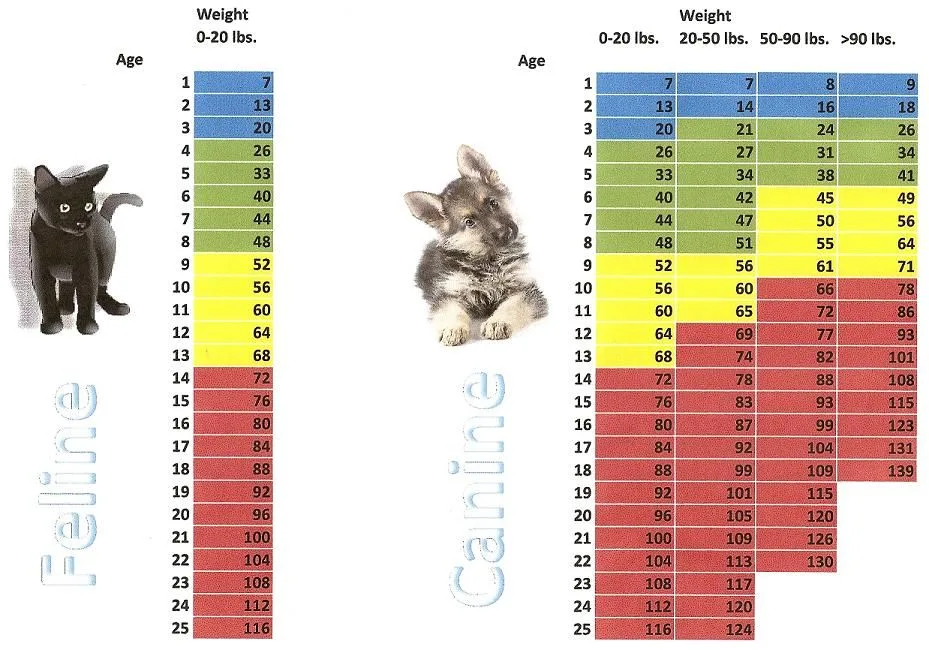
Your Siberian cat is a slow-maturing breed. Unlike a domestic shorthair that's mostly done by 12 months, a Siberian keeps growing well past their second birthday. If you've landed on a "siberian cat growth chart" because you want to know if your kitten is on track, you're asking the right question.
The short version: healthy male Siberians typically land between 14 and 20 pounds, females between 10 and 15. But a weight number alone means almost nothing. What actually matters is the pattern of growth and your cat's body condition at each stage.
Image source: Bing (Web (fair-use with source credit))
Quick Answer
A Siberian cat growth chart tracks weight from kittenhood through full maturity at 4 to 5 years old. Males typically reach 14 to 20 pounds, while females stay lighter at 10 to 15 pounds. Most growth happens by 12 months, but the breed fills out in the chest and neck over the next few years.
Why Accuracy Matters Here
This isn't a "close enough" situation. When you're comparing your kitten to a growth chart, you're making real health decisions. Slower than average weight gain could point to intestinal parasites, which are frustratingly common in Siberian kittens.
Much more seriously, too-rapid weight gain in a large-breed kitten is a known setup for joint problems and hip dysplasia downstream.
Siberians are what the Cat Fanciers' Association calls a medium-to-large breed. That label means a wide normal range. A 10-pound female and a 15-pound female can both be perfectly healthy, while a 15-pound male might be underweight if his frame is just big.
The breed's semi-longhaired coat fools you at first glance, too. A fluffy kitten can look chunky when he's actually thin, and a sleek-looking cat can be carrying extra pounds hidden under the fluff.
Your takeaway from this: the chart gives you a reference zone. The real skill is reading your cat's body condition, tracking the trend month to month, and knowing when to call a vet.
Core Facts About Siberian Kitten Growth
Siberians have three distinct growth phases, and each one has a different job.
Phase 1: Rapid Skeleton Growth (Birth to 6 Months)
This is where the foundation gets laid. Kittens double their birth weight, roughly 90 to 120 grams at birth, within the first week or two of life. By 6 months, a typical Siberian weighs between 5 and 7 pounds.
This phase is about bone and body frame, not just fluff.
Phase 2: Muscle and Frame Fill-Out (6 to 12 Months)
Growth slows down, and weight gain becomes more about filling out the frame. Males often add a significant amount of weight, and this is also when you'll see the neck and chest start to take on that substantial, bear-like look.
Phase 3: Late Maturation (1 to 4 Years)
This is the phase that surprises most owners. The "kitten" phase is over, but the growth isn't. A 1-year-old male hasn't hit his adult weight yet, and the breed standard won't call him fully mature until around age 4.
He'll add a couple pounds of solid muscle between ages 1 and 3.
Typical Siberian Cat Weight by Age
| Age | Male Weight | Female Weight | Key Growth Focus |
|---|---|---|---|
| 2 months | 2 to 3 lbs | 1.5 to 2.5 lbs | Rapid bone growth |
| 4 months | 4 to 6 lbs | 3 to 4.5 lbs | Frame elongation |
| 6 months | 6 to 8 lbs | 5 to 6.5 lbs | Muscle begins |
| 9 months | 8 to 10 lbs | 6 to 7.5 lbs | Filling out |
| 12 months | 10 to 13 lbs | 8 to 10 lbs | Slow gain continues |
| 2 years | 12 to 16 lbs | 9 to 12 lbs | Chest and neck mass |
| 4 years | 14 to 20 lbs | 10 to 15 lbs | Full maturity |
You'll notice the range in that table. The difference between a "small Siberian" and a "big Siberian" can be nearly double, and both are healthy. Genetics from the mother and father lines, not your feeding routine, drive most of that gap.
Understanding Body Condition Score for Siberian Cats
Here's the thing that most growth charts ignore: the scale doesn't tell the full story. A 12-pound Siberian with a large frame and a slim middle is healthy. A 10-pound Siberian that's barrel-shaped with no waist is overweight.
That's why we use a body condition score (BCS) to make a judgment call.
How to Read the Body Condition Score
In our research, the standard 9-point BCS scale is the most reliable tool. It's broken down into three zones.
Ideal Range (Scores 4-5):
- You can feel ribs easily with a light fat cover
- Defined waist when looking from above
- Tiny fat pad in the belly area
- No visible ribs when the coat is lying flat
Overweight/Obese (Scores 6-9):
- Ribs are hard to feel through fat
- Waist is barely visible from above
- Swayback or rounded belly hanging down
Underweight (Scores 1-3):
- Ribs feel like corrugated cardboard
- Prominent hip bones and spine
- Impossibly thin waist with zero fat
The challenge with Siberians? Their thick coat literally hides your view. What you'll want to do is make this a hands-on assessment.
When your cat is lying on her side and relaxed, gently run both hands over her ribcage. You're looking for that light touch where you can feel the ribs but not see them.
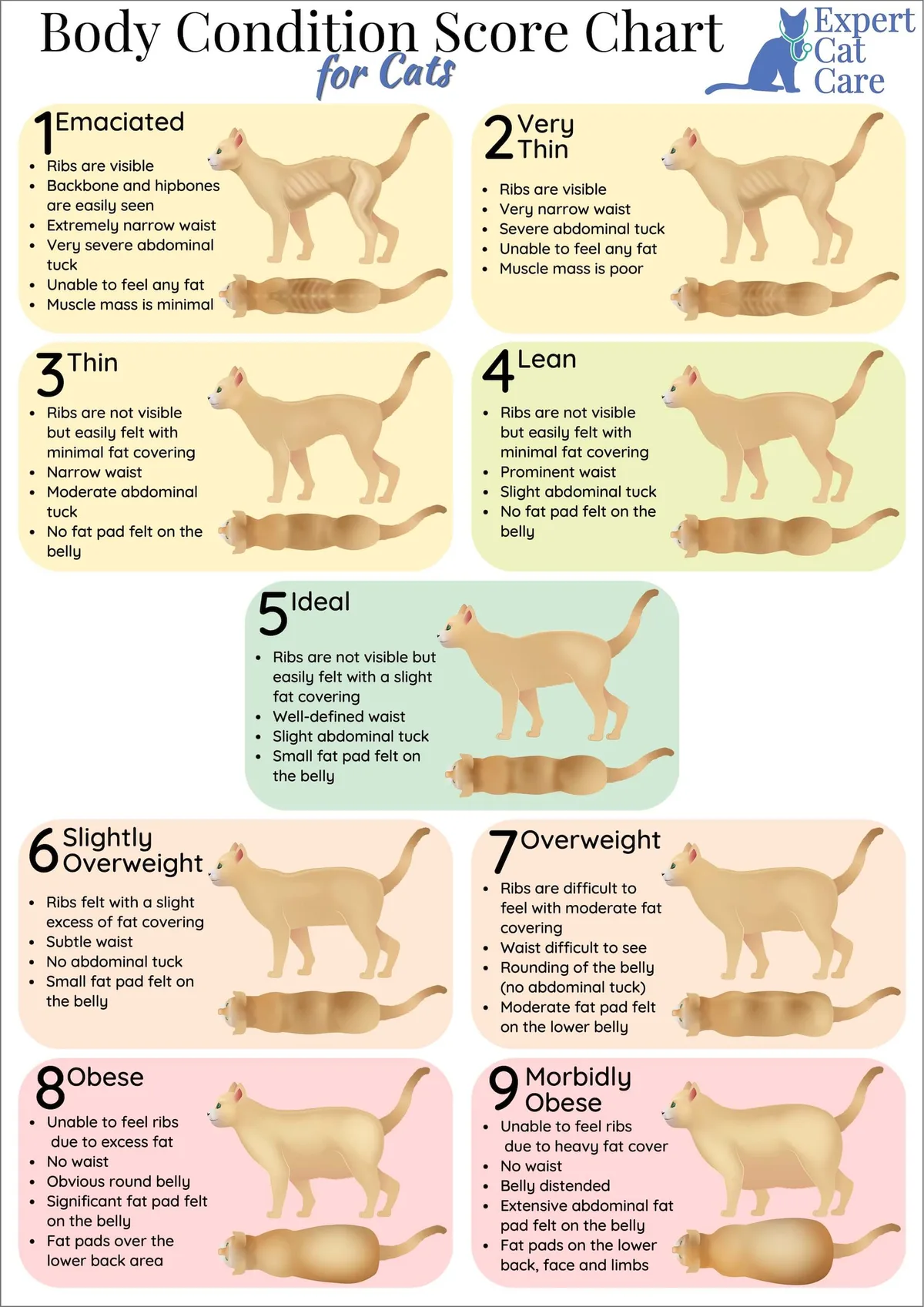
Image source: Bing (Web (fair-use with source credit))
If you're uncertain about her score, you can use the body condition score as a consistency check every 2 to 3 weeks. Weigh her at the same time of day, on the same scale, and track both numbers over time. A steady trend beats a single reading every time.
Factors That Influence Growth Rate
Now that we've established the ideal ranges, let's talk about why two Siberian littermates can grow completely differently. Several key variables affect growth rate, and understanding them helps you set your expectations.
Genetics and Bloodline
The most significant driver of growth rate is the bloodline. A Siberian from a heavy-boned working line tends to grow slower and longer. In contrast, a show line may reach full weight faster but stay lighter in the frame.
Breeder data confirms this, as sires often weigh in at 18-20 pounds while dams might only hit 11-12.
Birth Order and Litter Position
Surprisingly, a kitten's birth position matters. Firstborn kittens often have a small head start. They get more colostrum, which kickstarts their immune system, and more access to milk before the litter gets crowded.
By the time weaning happens, birth position typically stops mattering, but early nutrition sets the tone.
Nutrition Quality
You'll hear it called "large-breed kitten food" or "all-life-stages" formula. The distinction matters because a proper large-breed kitten food has a calcium-to-phosphorus ratio in the range of 1.2:1 to 1.4:1, which supports skeletal development without throwing off the growth plate closure.
Hormonal Influences
Spaying or neutering changes the game. Early-age neutering before 6 months can prolong the growth plate closure window. That might sound bad, but it's actually a known trade-off.
Some research suggests early-neutered males grow longer because their bones have more time to develop before hormones signal closure. The flip side is a slightly higher risk of hip dysplasia if the growth is dramatic.
Environment and Exercise
Kittens need room to run, jump, and climb. Vertical space is more important than floor space for a breed that loves high perches. A cat tree or window seat promotes natural play that builds coordinated muscle.
Aim for 20 minutes of structured play twice a day, plus free play, to support healthy muscle development.
Common Growth-Related Red Flags and Mistakes
Not every weight hiccup is a problem. Some red flags warrant a closer look. If you spot any of these signs, it's time to pick up the phone and call your vet.
Red Flags Requiring a Vet Visit:
- Weight loss over a 2-week period
- Sudden belly distension or pot-bellied appearance
- Lethargy or inability to stand for more than 30 seconds
- Diarrhea lasting over 24 hours
- Persistent diarrhea with a "kitten" smell, hinting at parasites
What's Not a Red Flag:
- Slow weight gain between weeks 3-5
- A "skinny phase" around 6-7 months when the leg bones shoot up
- Seasonal coat blow that changes body shape temporarily
Siberians are masters at hiding illness. That's a built-in survival instinct. By the time a cat shows visible symptoms, a problem is often well established.
A slow decline in body condition score, a rough coat, or a hunched posture can be the first real sign.
Weigh your cat weekly during the kitten phase. It gives you an early warning system that outpaces visual checks. For adult cats, once a month is sufficient.
The heaviest mistake we see is owners overreacting to a single data point. One week of keener appetite or a slower week of growth is not an emergency, but a steady downward trend deserves a professional's opinion.
Feeding Guidelines for Healthy Weight Gain
Feeding a Siberian isn't about following a bag's recommendation blindly. It's about adjusting portions based on your specific cat's growth curve.
How Much to Feed at Each Phase
| Life Stage | Meals Per Day | Daily Amount (High-Quality Dry Food) |
|---|---|---|
| 8-12 weeks | 4 | 1/4 to 1/3 cup |
| 3-6 months | 3 | 1/3 to 1/2 cup |
| 6-12 months | 2-3 | 1/2 to 3/4 cup |
| 1-2 years | 2 | 3/4 to 1 cup |
| 3+ years (active) | 2 | 3/4 to 1 cup |
That chart assumes you're feeding a high-quality, named-meal, meat-free-of-meal commercial diet. If you're feeding wet food only, the volume drops significantly because wet food is about 70-80% water. A 3-ounce can of quality wet food contains roughly 70-100 calories, so you'll need to adjust based on his weight trend, not a strict cup measure.
Transition to Adult Food
Switching to adult food isn't a single day event. It's a 7-day transition where you gradually mix in the new food. Start with 25% new, 75% old for 3 days, then 50/50 for 2 days, then 75/25 for 2 days.
The last day, you're feeding 100% adult food.
Wait, should that say "gradually"? Yes, that's what a gradual transition means. A sudden switch triggers vomiting or diarrhea in most cats. And a sensitive stomach is a Siberian trademark.
What About Weight Gain Supplements?
Skip them. Supplements are wasted money for a kitten eating a balanced diet. The exception is if your vet prescribes a specific supplement for a medical condition, like a Taurine deficiency or a joint issue in a giant adult.
But for a growing kitten, extra calories from supplements usually mean extra fat cells, not extra muscle.
The golden rule? Don't free-feed. Use scheduled meal times.
Free-feeding makes it nearly impossible to track a pattern, and it's a one-way ticket to an overweight adult. If you must leave food down while you're at work, measure out the daily portion and split it into two bowls.
When to Consult a Veterinarian About Growth
Some moments are best left to the professional. Here's when to skip the Google search and pick up the phone.
Routine Checkup Schedule
Kittens need a vet visit at 8 weeks for their first round of vaccines and fecal exam. That's also when you'll get a baseline weight. Follow up at 12 weeks and 16 weeks for the rest of the vaccine series and a second fecal.
Around 6 months, you'll schedule the spay/neuter, and after that, a yearly wellness exam is plenty.
Signs That Require Immediate Vet Care
Not every lump is cancer, but the following symptoms need a vet's eye right away:
- Beyond limping or a visible injury, if your kitten isn't using a hind leg, they may have a broken bone or a torn cruciate ligament.
- Repeated non-productive straining in the litterbox, which could signal a urinary blockage, especially in males.
- A one-day loss of appetite followed by vomiting, especially if they're also hiding.
- Rapid breathing or open-mouth breathing, which in a cat is a sign of severe distress.
Image source: Bing (Web (fair-use with source credit))
When You Shouldn't Wait for a Vet Visit
If your kitten is bleeding from the nose or mouth, has pale gums, or has been hit by a car, skip the regular vet and go straight to an emergency animal hospital. Time is tissue, and cats hide pain so well that waiting for a visible sign means waiting too long.
Troubleshooting Slow or Stalled Growth
If your Siberian's weight seems to have flatlined for more than two weeks, it's time to troubleshoot. Ruling out a medical issue is always step one, which means a vet visit and a fresh fecal test.
If the vet gives you a clean bill of health, the next suspect is your expectations. Look at the parents if you have that information. A kitten from a 10-pound mother and 18-pound father will naturally have a slower growth curve than one from a larger pair.
Step-by-Step Troubleshooting
- Rule out internal parasites. A single-round dewormer is safe and effective, but even after a clean fecal, still treat for giardia if the kitten has loose stools.
- Verify you're feeding enough calories. Use the feeding chart above, and weigh your food once to calibrate your scoop.
- Check for a food allergy. If the diarrhea is chronic and not parasite-related, a protein allergy to chicken or beef is common in this breed.
- Consider changing the food. Switch to a fish-based diet or a novel protein like duck or rabbit. Give it a full two weeks to see a change.
- Re-evaluate your feeding schedule. Are you actually feeding twice a day, or just once and calling it fine?
- Monitor the body condition score. If the weight is stable but the kitten is growing longer and leaner, that's muscle fill, not stalling.
What Normal Slow Growth Looks Like
Between 6 and 9 months, most Siberians hit an "awkward teenager" phase. Their legs get long, their head stays small, and they look like a slim, ungainly adult. It's normal.
The weight will drop off the trendline but the length will increase. Check the body condition score during this phase before you panic.
Frequently Asked Questions
When is a Siberian cat fully grown?
Most Siberians reach their adult height by 12 to 15 months. But their chest and neck keep filling out until age 3 to 4, especially in males. Don't let a lean 1-year-old fool you.
He's still got a couple pounds of muscle to add.
How much should a 6-month-old Siberian weigh?
Expect a 6-month-old male to weigh between 6 and 8 pounds. Females typically run 5 to 6.5 pounds. These are ballpark numbers, so don't obsess over a half-pound difference.
Use the body condition score as your guide.
Are male Siberian cats bigger than females?
Yes, fully grown male Siberians outweigh females by 4 to 5 pounds on average. Males also develop a heavier bone structure and a broader head. If you're choosing between the two, know that this size difference is the norm, not the exception.
Why is my Siberian kitten not gaining weight?
Run a fecal test for parasites first. Giardia and roundworms are common in kittens. If that's clear, check your feeding portions against the guidelines.
Finally, rule out a food allergy or sensitivity. All three are treatable, but they're also easy to miss.
What is the ideal weight for a Siberian cat?
Adults rest at different weights based on frame size and gender. Use the BCS chart to score your cat out of 9. A score of 5 is ideal, meaning ribs are felt easily with a light fat cover, and a visible waist is present from above.
Can I speed up my Siberian's growth?
You shouldn't try. Overfeeding any cat, especially a slow-maturing breed, can cause skeletal deformities and joint stress. Let your kitten grow at his own pace.
Feed a quality diet, give him room to play, and let his genetics do the rest. Aging too fast is never a win.

Similar Posts