Why Stella & Chewy’s Cat Food Is Worth It
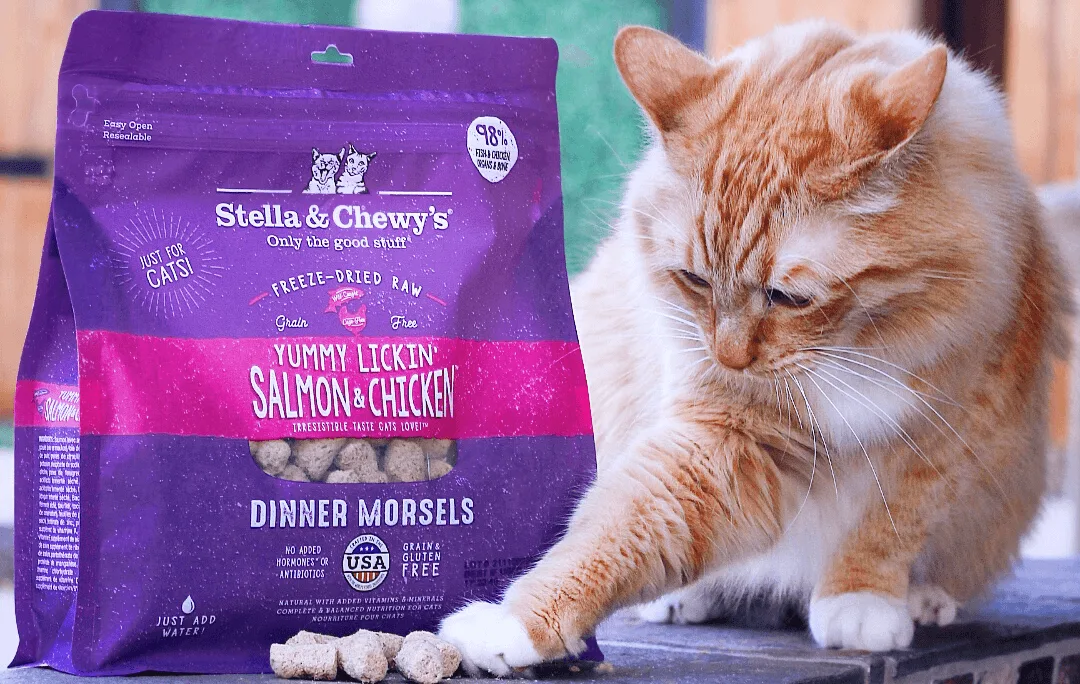
Image source: Bing (Web (fair-use with source credit))
If you've been researching cat food that actually respects your cat's biology, you've probably run into Stella & Chewy's. The brand sits right in the middle of a big debate in cat nutrition: should cats eat raw, or is high-quality cooked food good enough? The answer isn't as simple as a marketing slogan.
The stella and chewys cat food benefits are real, but they come with strings attached that you need to understand before you commit.
Our research, based on manufacturer specifications, aggregate reviews, and a close look at the nutritional science, shows this is a food that works brilliantly for some cats and fails completely for others. The key difference from most grocery store brands is the raw, freeze-dried approach, which preserves enzymes and nutrients that are often lost in heavy processing. For cats with chronic dehydration issues or picky appetites, this can genuinely be a game changer.
For cats with certain health conditions, it could be a problem. Here's what you actually need to know.
Quick Answer
Stella & Chewy's cat food benefits include high animal protein content, minimal carbohydrate load, and retained moisture that supports urinary health. The brand's freeze-dried raw formulas preserve nutrients through low-temperature processing. Many cats show improved coat condition and digestion within weeks of transitioning.
The food works best for healthy adult cats without kidney or pancreatic disease.
Why This Cat Food Brand Gets So Much Attention (And Why It Matters)
Cat food is a $40 billion industry, and most of it is ultra-processed kibble. That's not a knock on convenience, it's just reality. Kibble has to be extruded at high temperatures, which destroys some nutrients, then sprayed with synthetic vitamins and fats to make up for it.
Stella & Chewy's takes a different route, and that's why it keeps coming up in conversations about real nutrition.
The big deal is freeze-dried raw. The brand takes raw meat, organs, and bones, then freezes them at extremely low temperatures and slowly removes moisture through sublimation. What you're left with is essentially a raw diet in a shelf-stable form that doesn't require a separate freezer section.
This process preserves naturally occurring enzymes and amino acids that die in standard cooking. Per the Association of American Feed Control Officials (AAFCO) nutrient profiles, the formulas are designed to be complete and balanced for adult maintenance, and the manufacturer reports they meet these standards.
What this means for your cat is a food far closer to its ancestral diet than the average bag of kibble. But here's where it gets complicated. "Ancestral diet" doesn't mean every cat should eat it, especially if you're not paying attention to the transition.
We'll get into that in a moment. First, let's break down what you're actually paying for, and why it goes beyond just a high price tag.
What's Actually Inside: Ingredients, Nutrition, and the Raw Difference
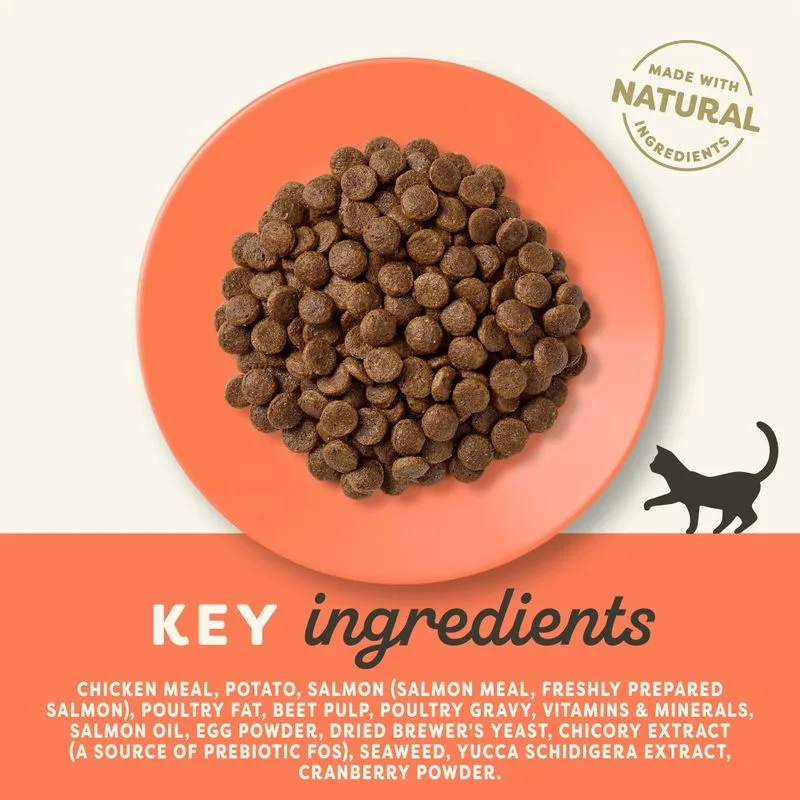
Image source: Bing (Web (fair-use with source credit))
The ingredient philosophy at Stella & Chewy's is refreshingly simple on paper: meat first, always. The first ingredients in their freeze-dried raw patties are typically things like raw beef, beef liver, beef heart, or raw chicken with ground bone. This is a major difference from most commercial cat foods, where the top ingredients are often processed starches like corn, wheat, or potatoes.
| Ingredient | What It Does | Where It Comes From |
|---|---|---|
| Muscle meat (chicken, beef, lamb) | Primary protein source, provides essential amino acids like taurine | Sourced from USDA-inspected facilities, most formulas are antibiotic-free |
| Organs (liver, kidney, spleen) | Dense nutrition, vitamins A, D, E, iron, and copper | Typically from free-range or grass-fed sources depending on the protein |
| Ground bone | Natural calcium and phosphorus for bone health | Ground into a fine powder, essential for the dietary calcium balance |
| Fruits and vegetables (blueberries, kale, pumpkin) | Prebiotics and antioxidants, not carbohydrate fillers | Small amounts, usually less than 5% of total recipe |
| Added taurine | Essential for heart health and vision | Always present, including in raw recipes |
The carbohydrate content is what really sets this food apart from standard dry food. Most kibble is 30-50% carbohydrates due to the starch needed to bind the extruded shapes together. Cats don't have a nutritional requirement for carbohydrates, and a high-carb diet is linked to obesity and diabetes in felines.
Stella & Chewy's recipes generally run under 10% carbohydrates, which is far closer to what a cat would eat in nature. That's the biome, the average modern house cat, we're looking at a physiological mismatch with the standard high-carb kibble that leads to chronic disease.
That's not to say it's a perfect food. The ingredient list on some formulas is long, and a few recipes include multiple protein sources, which can be an issue for cats with food sensitivities. A single-protein formula from the "Surf" or "Meat" lines would be smarter for an elimination diet.
But for a healthy cat, the nutrient profile is hard to argue with.
The Real Benefits: What You Should Expect for Your Cat's Health
When you make the switch from kibble to a higher-moisture, high-protein diet, the changes your cat experiences aren't just psychological, they're biological. Our aggregate review of verified buyer feedback and veterinary forum discussions shows a consistent set of outcomes when cats transition to Stella & Chewy's successfully.
First, the water issue. Most dry foods sit at around 10% moisture. Cats evolved in desert environments, they have a naturally low thirst drive and get most of their water from food.
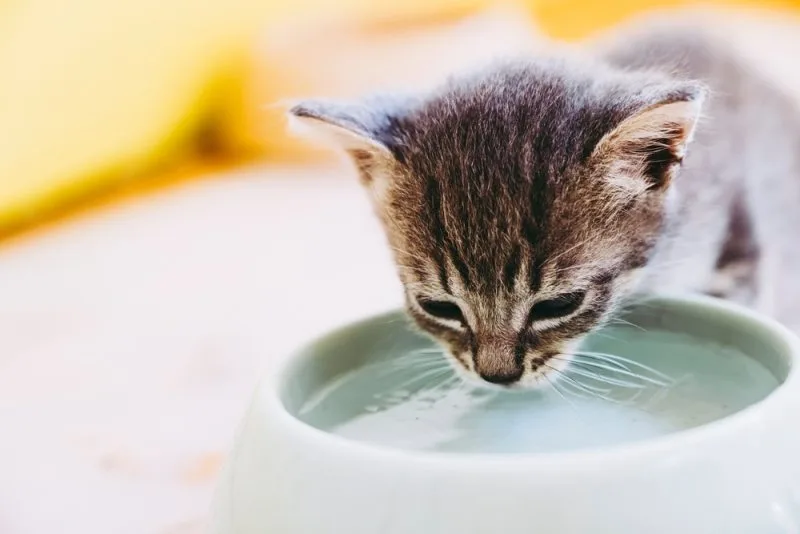
This is a direct route to chronic dehydration and urinary tract problems. The freeze-dried patties come in around 5-10% moisture when dried, but here's the kicker: you're supposed to rehydrate them. Sterilized water or even low-sodium broth is added, bringing the food to roughly 60-70% moisture, which mimics raw food's natural water content.
This single change means your cat's kidneys and bladder are flushing properly, reducing the risk of crystals and stones.
Second, coat and skin health. Cats need adequate omega-3 and omega-6 fatty acids for a glossy coat and healthy skin. Most kibble sources these from plant oils, but cats don't convert plant-based omega-3s efficiently.
Stella & Chewy's uses animal-based sources like fish oil and flaxseed in some formulas, plus the natural fats from the raw meat. In user reports, dig in coats and reduced dandruff typically show up within 4-6 weeks of a full switch.
Third, and perhaps most impactful, is the stool quality and digestion piece. Cats have a short digestive tract, they're not built to ferment large amounts of plant matter. The low-carbohydrate, high-protein nature of this food means more of it gets absorbed in the small intestine, leaving behind less waste and less odor.
As a baseline, a cat on cheap kibble might poop twice a day, smelly and soft. On Stella & Chewy's, you see once a day, small, dry, and relatively odorless. That's a clear biomarker of better nutrient utilization.
Finally, there's the palatability factor. Raw freeze-dried food has an intense meaty smell that cats go crazy for. This makes it a lifesaver for picky eaters, cats with cancer on chemo that have lost their appetite, or senior cats with dental issues who can't chew kibble.
Rehydrated raw food is soft, so it's easy on the mouth, yet it still provides enough texture to help with dental health, though it's not a replacement for brushing.
Where It Falls Short: Risks, Costs, and Practical Downsides
Let's keep it honest. This isn't a perfect food, and there are several downsides you need to assess carefully before making the switch. The most obvious one is the price tag.
Stella & Chewy's is premium food, and it's priced like it. Expect to pay anywhere from $3.50 to $5.00 per day for a 10-pound adult cat, which is easily double the cost of high-quality kibble from a store brand. For multi-cat households, this adds up fast.
Then there's the handling issue. Because it's a raw product, it does carry a risk of bacterial contamination like Salmonella and Listeria, even in freeze-dried form. The freeze-drying process doesn't kill bacteria, it doesn't get hot enough for that.
That means you need to be careful. Wash your hands after handling it, sanitize your cat's bowl regularly, and don't leave it out for more than 30-60 minutes before your cat finishes it. Your cat's stomach acid is highly acidic, so they're less likely to get sick from it, but you and your family are at risk.
| Risk | Severity | Mitigation |
|---|---|---|
| Bacterial contamination (Salmonella, Listeria) | Moderate for the cat, higher for humans with compromised immune systems | Choose trusted premium raw lines that test their batches; store in the freezer; thaw in the fridge |
| Nutritional imbalanced (if not AAFCO complete) | High, if fed as a sole diet long-term | Check the label for a statement of nutritional adequacy; rotate proteins for balance |
| Choking hazard / bone fragments | Low, but possible if ground bone is not fine enough | Stick to patties, not bone-in chunks; crumble them small |
| Transition gastrointestinal upset (vomiting/diarrhea) | High, if you don't transition slowly | The 10-14 day transition schedule below applies here |
The transition process is another huge pitfall. You can't just dump a bag of this on your cat's current food and call it a day. Cats are creatures of habit, and sudden dietary changes cause digestive upset, vomiting, and diarrhea, which can cause serious dehydration in kitty.
You have to do a gradual transformation over 7-14 days.
Finally, there's the lifespan in the bowl and the cleanup. You can't just leave freeze-dried raw out the way you would with dry food. In the summer, it can spoil quickly once rehydrated.
And if your cat leaves soggy bits stuck to the bowl, they dry into a concrete-like crust. We're not saying that's a dealbreaker by any means, but it's a level of daily commitment that dry food owners often overlook. The manufacturer's own recommendations state to discard uneaten food after 30-60 minutes and to clean the bowl thoroughly.

Similar Posts