Euthanizing a Cat with IBD: When Is It Time?
Deciding when to euthanize a cat with IBD is one of the hardest calls a pet owner will ever face. There's no single right moment, but there are clear signals that say "it's time." The key is knowing what to look for before guilt and grief cloud your judgment.
According to the American Animal Hospital Association's end-of-life guidelines, quality of life hinges on seven core factors including pain, hunger, and mobility. When three or more factors fail consistently, the humane window is closing. Let's walk through exactly what that looks like for a cat with IBD.
Quick Answer
Euthanize a cat with IBD when treatment stops working. When weight loss exceeds 15% of stable body mass. When vomiting or diarrhea persists despite maximum medication.
When quality of life scores fall consistently below 5 out of 10. Your veterinarian confirms refractory disease with no viable next steps.
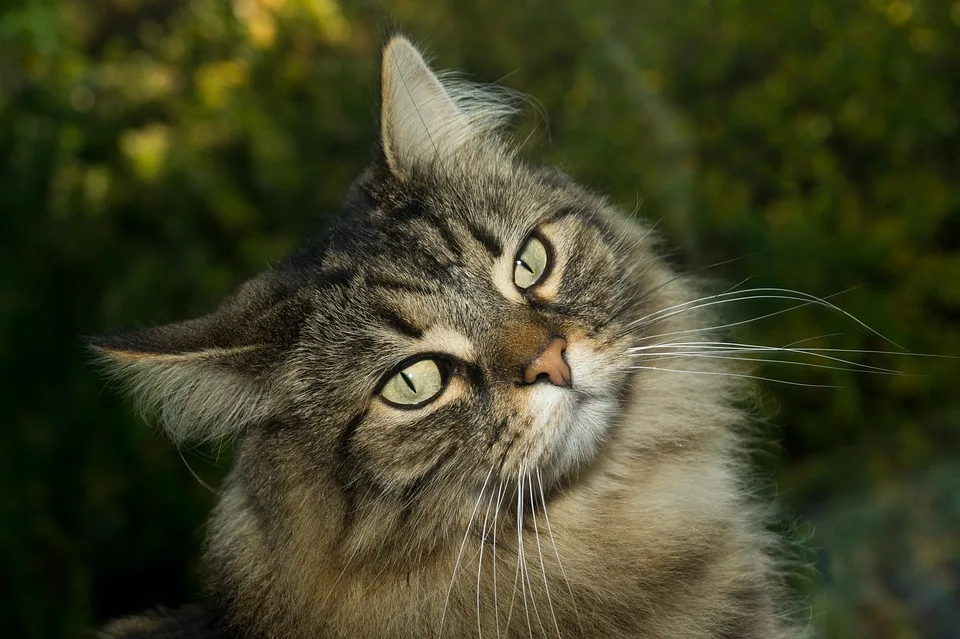
Image source: Web (Bing) / pixabay.com (Web image (fair-use with source credit))
Why "Just Wait" Can Be the Cruelest Option
Most owners delay because they want one more good day. The problem is that cats hide pain instinctively. By the time you see clear suffering, your cat has likely been uncomfortable for weeks.
Waiting "just a little longer" risks a crisis euthanasia in an ER room instead of a peaceful passing at home.
IBD is a progressive disease. It doesn't get better on its own once medication stops controlling the inflammation. If you're tracking a downward trend over several weeks, that trend will not reverse without a major treatment change.
If your vet has already exhausted the standard protocols, hope alone is not a plan.
The humane choice is rarely the easy one. Owners who wait too long often report deeper regret than those who act a week early. They describe watching their cat lose the ability to eat, hide from family, or stop grooming entirely.
Those memories stick.
A better approach is to set benchmarks in advance. Decide now what "too far" looks like. When the cat stops purring.
When food no longer interests them. When they choose the closet over the couch. Those are not ambiguous signs.
They are the cat's way of telling you their body is done fighting.
If you're unsure whether today is the day, ask yourself one honest question: Would I want to live another week like this? That answer is usually clearer than you think.
What's Actually Happening Inside a Cat with End-Stage IBD
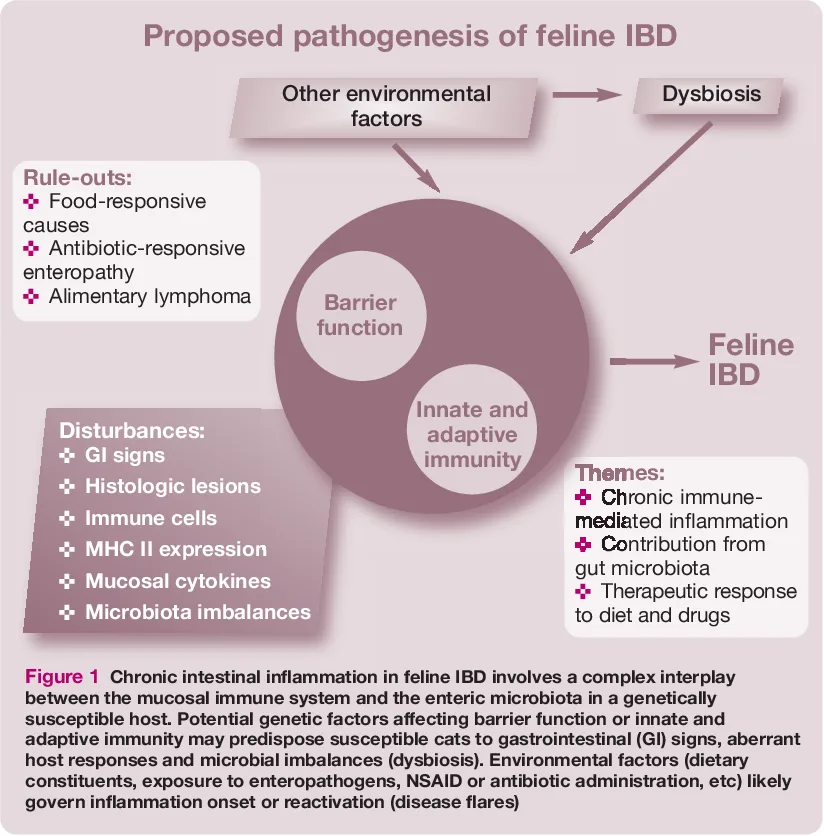
Image source: Bing (Web (fair-use with source credit))
To understand the timing, you need to know what's going on inside that small body. IBD is not a simple "upset stomach." It is a chronic infiltration of inflammatory cells into the intestinal wall. Over time, that wall thickens and loses its ability to absorb nutrients.
End-stage IBD means the intestinal lining is scarred and dysfunctional. The gut cannot extract enough protein, vitamins, or calories from food. Even if your cat eats willingly, the body is starving.
That is why weight loss is the single most reliable predictor of end-stage disease.
Vets look for two lab values especially: albumin and cobalamin (B12). When albumin drops below 2.0 g/dL, the gut is leaking protein faster than the liver can make it. When B12 falls below 200 pg/mL, the intestine can no longer absorb this essential vitamin.
Both numbers signal advanced disease that rarely reverses.
Severe inflammation also damages the pancreas and liver in about one third of cases. The cat experiences nausea, abdominal pain, and nausea from multiple organs failing in parallel. That is why appetite stimulants stop working.
The body is not refusing food. It cannot process food.
This is not a condition you can will through with love or special diets. The damage is structural and cumulative. Recognizing that reality is what allows you to shift from "how do I fix this" to "how do I let go gently."
The Quality of Life Scores That Cut Through the Guilt
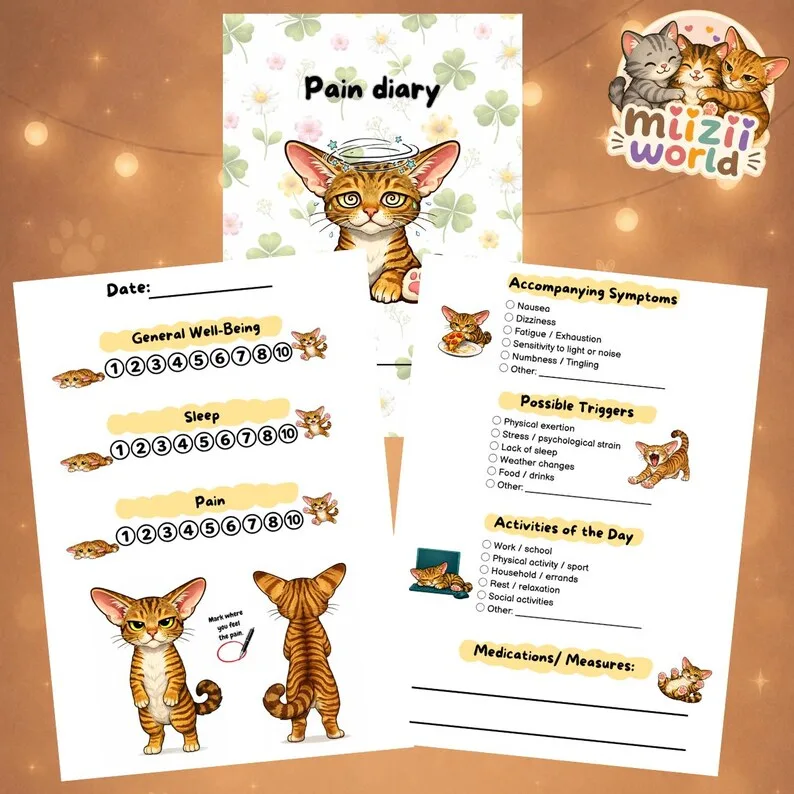
Image source: Bing (Web (fair-use with source credit))
Objective scoring tools exist for exactly this moment. The most commonly used is the HHHHHMM Quality of Life Scale. It scores seven areas on a 1 to 10 scale: Hurt, Hunger, Hydration, Happiness, Hygiene, Mobility, and More good days than bad.
Any score below 5 in two or more categories is a strong signal.
You can download these scales from several veterinary hospice organizations. Fill one out weekly. Track the trend.
A slow decline over months is different from a sudden drop over two weeks. The data gives you permission to act without second-guessing.
Here is what the numbers typically look like in end-stage IBD:
| Category | Healthy Cat | End-Stage IBD |
|---|---|---|
| Hunger | Eats eagerly | Eats only with coaxing or syringe feeding |
| Hydration | Drinks normally | Needs daily sub-Q fluids |
| Happiness | Purrs, plays, seeks attention | Hides, stops purring |
| Hygiene | Grooms regularly | Matted fur, urine scald, dandruff |
| Mobility | Jumps, runs, stretches | Weak back legs, wobbly gait |
If your cat scores 4 or below on three or more of these metrics for two consecutive weeks, the humane window is closing. Per the American Veterinary Medical Association's euthanasia guidelines, the goal is to prevent suffering, not just end it. You want to act while the cat still has dignity, not after it has been lost.
One common mistake owners make is waiting for a zero. Cats rarely reach zero. They decline to a point where life is mostly discomfort, then hold that plateau.
Do not mistake a miserable plateau for stability.
Three Timing Traps That Even Good Owners Fall Into
The first trap is the "good hour" fallacy. Your cat stops eating for three days, and then suddenly eats a full meal. You think they are turning around.
In reality, IBD cats often have brief windows of normal appetite right before a major downturn. The body floods with stress hormones that temporarily mask symptoms. That one good meal is not recovery.
The second trap is comparing your cat to a younger version of itself. Owners say things like "she used to jump on the counter last year." That year matters. A 15-year-old cat with chronic disease is not the same cat she was at 12.
Adjust your expectations to match her current reality, not her prime.
The third trap is the "one more medication" loop. There is always another drug to try. Another steroid dose.
Another diet change. Another probiotic. At some point, the chase for a fix becomes more for the owner's benefit than the cat's.
If your vet has tried three or four treatment protocols without sustained improvement, the odds of finding a magic bullet are near zero.
Here is a simple gut check: If a new treatment requires weeks to show effect, and your cat is already losing weight rapidly, the timeline does not add up. The cat does not have weeks to wait. Treatment trials are for cats with mild to moderate disease, not end-stage.
Recognizing these traps early saves your cat from unnecessary suffering. It also saves you from the crushing guilt of looking back and realizing you missed the signs.
When a Specialist Visit Changes the Timeline
A board-certified veterinary internist can sometimes buy your cat more time. These specialists have access to advanced diagnostics and treatment protocols that general practice vets may not offer. An abdominal ultrasound with fine needle aspirate can distinguish IBD from intestinal lymphoma, which requires different treatment.
If you have the resources, one specialist consult is worth the investment before making a final decision. The internist may recommend chlorambucil chemotherapy, budesonide instead of prednisolone, or a novel protein diet trial. About 15 to 20 percent of cats who seem refractory to treatment will improve enough to regain stable quality of life for several months.
But there are limits. A specialist cannot reverse advanced fibrosis or end-stage organ damage. If your cat's albumin is below 1.8 g/dL, or if ultrasound shows full-thickness intestinal thickening with loss of wall layering, even aggressive therapy rarely changes the outcome.
The Cornell University College of Veterinary Medicine's Feline Health Center notes that cats with severe hypoalbuminemia have a median survival time of weeks, not months. That data matters. It tells you when aggressive treatment becomes futile care.
Here is the rule of thumb: Schedule one consultation with an internist. Listen carefully. If they recommend a short trial of a new medication with realistic expectations, try it.
If they tell you that all reasonable options have been exhausted, believe them. Do not shop for a second internist hoping for better news.
The specialist's role is not to keep the cat alive at all costs. It is to tell you honestly whether more treatment can restore meaningful quality of life. When the answer is no, you have your answer for timing too.
FAQ: The Questions That Keep You Up at Night
How do I know if my cat is in pain from IBD?
Cats hide pain instinctively, but end-stage IBD does cause real discomfort. Look for tense body posture, hiding more than usual, decreased grooming, and a change in vocalization. Some cats growl when picked up.
Others sit hunched over their food bowl without eating. Pain medication can help temporarily, but refractory pain is a strong signal that the body is failing.
Can a cat with IBD have good days again?
Short bursts of normal behavior do not mean recovery. A cat with end-stage IBD can have a few hours where they eat, purr, and seek attention. That is a stress hormone surge, not a turning point.
If those good hours are sandwiched between days of vomiting, hiding, and refusing food, the overall trajectory still matters more than the one good moment.
Is it normal to feel guilty about euthanasia?
Almost every owner feels guilt. Research from veterinary hospice organizations shows that 80 percent of pet owners second-guess their timing after euthanasia. That guilt does not mean you made the wrong call.
It means you loved your cat. Talking through the decision with your vet and tracking quality of life scores can help quiet that doubt later.
What if my cat still purrs?
Purring is not always happiness. Cats also purr when they are stressed, in pain, or dying. It is a self-soothing mechanism, not a reliable sign of comfort.
A purring cat that is not eating, not moving, and losing weight is not telling you they feel fine. They are telling you they are coping. There is a difference.
Should I be present during euthanasia?
Being present is a personal choice, but veterinary behavior specialists generally recommend it. Cats take comfort from a familiar voice and touch. The procedure involves a heavy sedative first.
Your cat will be unconscious before the final injection. They will not feel pain. Many owners find closure in staying.
If you cannot stay, that is okay too. Your cat will not feel abandoned.
The One Question That Gives You Your Answer
All the scales, scores, and timelines come down to one honest question. If your cat could speak, would they choose a lifetime of bad days for one more morning with you? That sounds heavy, but it cuts through the noise.
The answer is almost always no. Cats live in the moment. They do not bank memories or hope for a better future.
When their moment is filled with nausea, weakness, and pain, that is all they know. Extending their life does not extend their happiness. It just extends their struggle.
Here is the practical version of that question. Look at your cat right now. Are they doing something they genuinely enjoy?
Not just tolerating life, not just existing. Eating with real appetite. Purring when you touch them.
Seeking sunlight. Grooming. Interacting with you.
If you cannot answer yes to at least one of those things, the time is now.
The kindest thing you can do is choose a good death over a drawn out one. A peaceful passing at home with you by their side, after a day of favorite treats and gentle petting. That is a gift.
That is the last act of love you owe them.
You will grieve. You will wonder. But you will not regret choosing mercy over delay.
The cat who trusts you with their life trusts you with this decision too. Make it with clarity. Make it with courage.
And let them go while they still know your hand.

Similar Posts