Euthanasia for Feline Leukemia: When Is It Time?
Knowing when to euthanize a cat with feline leukemia is one of the hardest calls a pet owner ever faces. You love your cat, you've fought hard for them, and the last thing you want is to cut their life short or let them suffer one day too long. The guilt on either side of that line can feel crushing.
Per the American Association of Feline Practitioners, persistently viremic FeLV cats have a median survival time of around 2 to 3 years after diagnosis. But statistics don't tell you when today is the day. The real question is how to read your cat's body and your own heart without second-guessing every signal.
Let's start with why this decision carries so much weight.
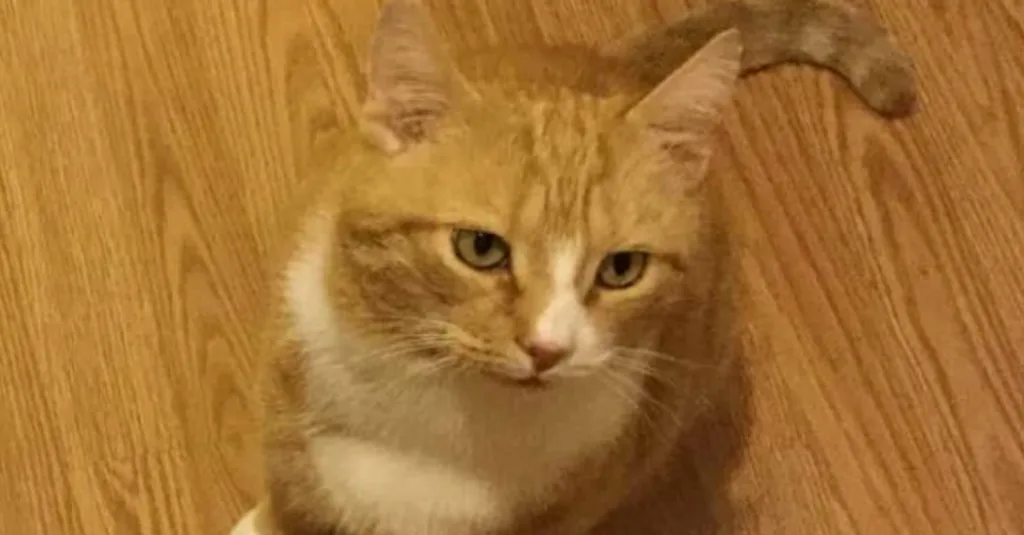
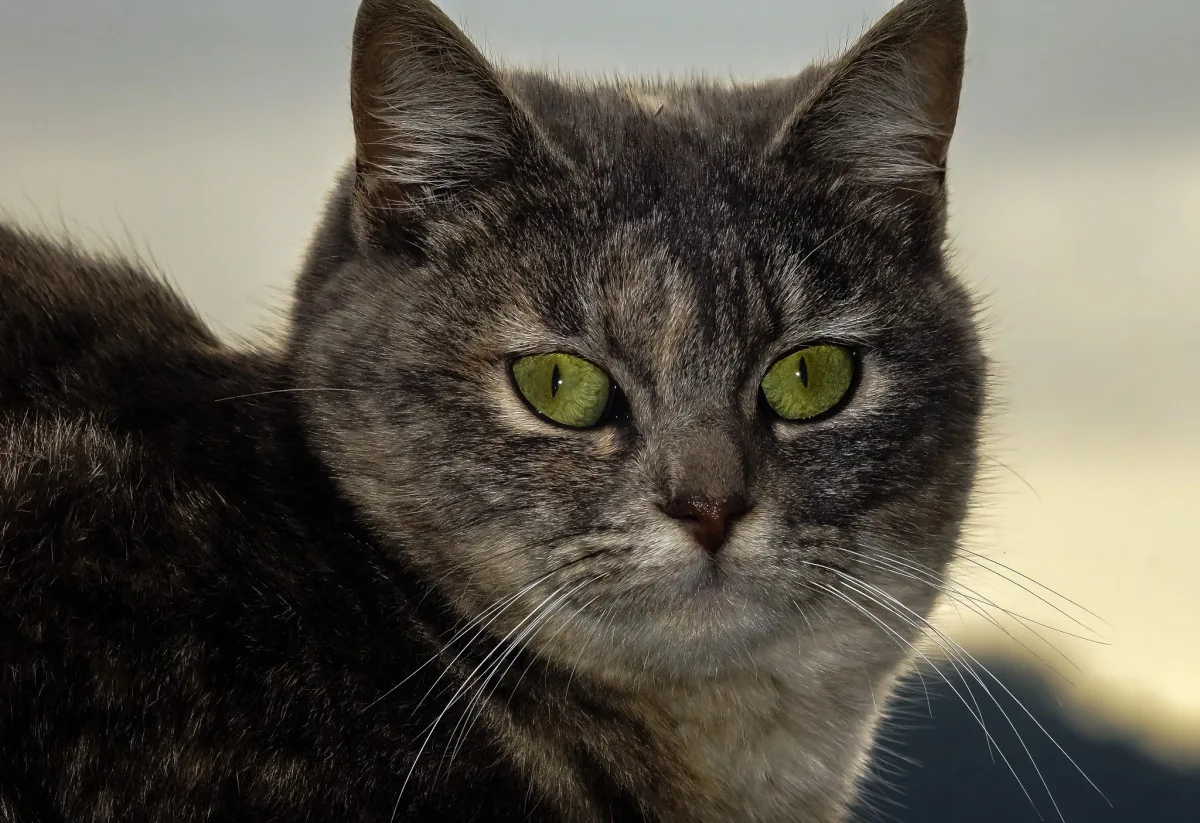
Image source: Bing (Web (fair-use with source credit))
Why the Euthanasia Decision for FeLV Feels So Hard
Cats are masters at hiding pain. It's an evolutionary survival instinct. Your FeLV-positive cat may be suffering internally while still purring on your lap.
That makes you question everything. Is she really in pain? Am I projecting my own sadness onto her?
Is there one more treatment we haven't tried?
The emotional weight comes from three places. First, FeLV is a progressive disease with no cure. You're managing decline, not fighting toward recovery.
Second, your cat can have good days mixed with bad ones. A good day tricks you into thinking things might turn around. Third, guilt sneaks in either way.
You fear acting too soon and robbing her of time. You also fear waiting too long and letting her suffer.
Our research across veterinary hospice literature reveals that owners who regret their decision almost always regret waiting too long, not choosing euthanasia a little early. That one fact helps more than any scale or symptom list. It gives you permission to err on the side of compassion.
Understanding FeLV Progression: What Your Cat's Body Is Going Through
Feline leukemia virus attacks the immune system directly. It suppresses the bone marrow, making it hard for your cat to produce red and white blood cells. That leads to chronic anemia and an inability to fight off even minor infections.
The cat doesn't die from the virus itself in most cases. She dies from secondary infections, lymphoma, or severe anemia.
Here's what typically happens as the disease advances:
- Chronic anemia leaves her weak, pale, and short of breath. The gums turn white or gray instead of pink.
- Immune suppression means a mild respiratory infection becomes pneumonia. A small mouth ulcer becomes a painful, infected sore that won't heal.
- FeLV-associated lymphoma can cause vomiting, diarrhea, weight loss, or difficulty breathing depending on where the tumor grows.
- Secondary infections like toxoplasmosis, hemoplasma, or feline infectious peritonitis (FIP) take hold because the body can't fight them.
Cornell University College of Veterinary Medicine's Feline Health Center notes that most FeLV-related deaths are tied to these complications rather than the virus alone. That's important because it means you're watching for specific, observable signs, not guessing at invisible viral load.
The practical takeaway is this: once the body starts losing ground on two or more of these fronts at the same time, the downward slide accelerates. That is your cue to start using an objective scale instead of your emotions.
The HHHHHMM Quality-of-Life Scale: A Practical Decision Framework
Veterinary hospice teams use the HHHHHMM scale to assess a cat's quality of life. HHHHHMM stands for Hurt, Hunger, Hydration, Hygiene, Happiness, Mobility, and More good days than bad. Each category gets a score from 0 to 10.
Anything at 5 or below is a problem. When the total average dips under 5, it's time for a serious conversation.
Let's simplify it for real-world use. You don't need to track decimal points. You need honest answers to seven yes-or-no questions:
- Hurt: Can you control her pain with medication? If yes, score okay. If she's on high doses and still uncomfortable, that's a red flag.
- Hunger: Is she eating on her own? Not hand-fed or syringe-fed. If she won't touch food for 24 hours, that's a major problem.
- Hydration: Can you maintain her fluid levels without daily subcutaneous fluids? If you're forcing fluids multiple times a day and she still looks dehydrated, the quality drops.
- Hygiene: Is she grooming herself and using the litter box? FeLV cats often stop cleaning themselves. That's a dignity issue.
- Happiness: Does she still show interest in you, toys, or window watching? Withdrawal is a big warning sign.
- Mobility: Can she get to her food, water, and litter box without struggling? If she's wobbly or too weak to move, her world shrinks.
- More good days than bad: This is the tiebreaker. If you count three bad days in a row, the scale tips.
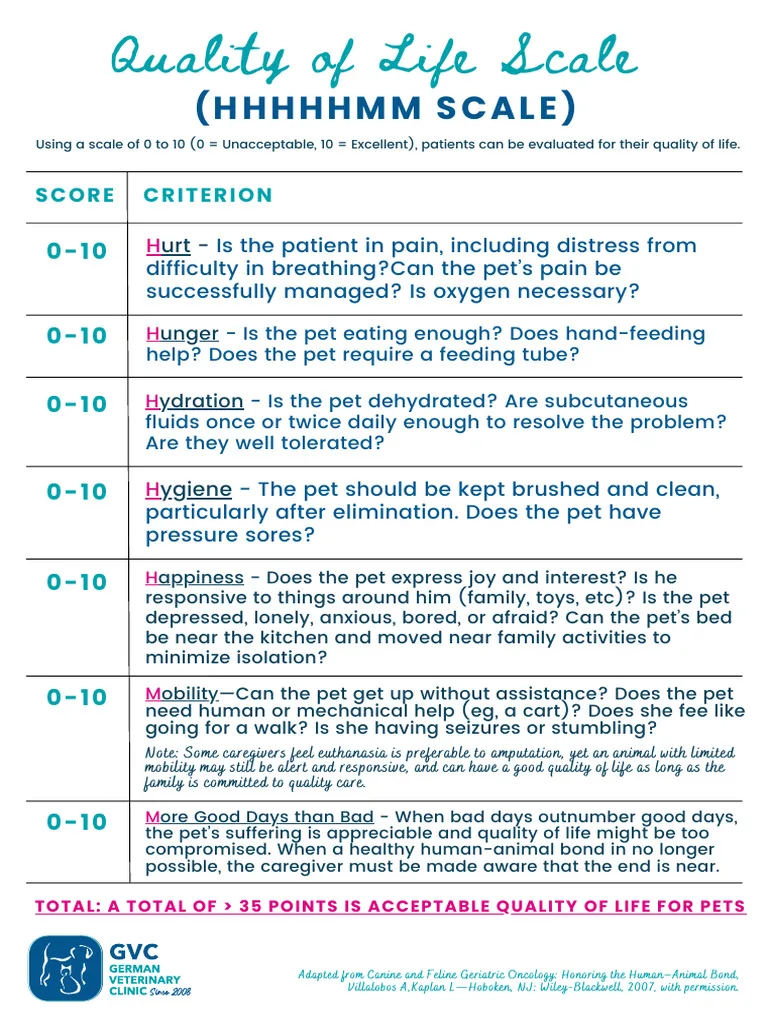
Image source: Bing (Web (fair-use with source credit))
How to use the scale at home
Pick a day each week to run through these categories. Write down your honest score for each. If any category drops to 3 or below and stays there for a full week, schedule a vet visit specifically to talk about quality of life and timing.
If three or more categories are at 4 or below at the same time, the decline is accelerating.
When the Scale Tips: Clear, Objective Signs It's Time
The HHHHHMM scale helps, but you also need concrete, no-argument thresholds. These are the signs veterinary hospice experts agree on as the clearest indicators that a cat is suffering.
- Complete appetite loss for 48 hours. If your cat refuses all food and water for two full days and is not eating on her own, her body is shutting down. Forcing syringe feeding at this point prolongs the process, not the quality.
- Open-mouth breathing or constant panting. Cats do not pant like dogs. Open-mouth breathing, especially with a blue or purple tongue, means severe oxygen deprivation. That is an emergency and a clear end-of-life sign.
- Hiding in dark places and not moving. If your cat no longer responds to your voice, touch, or treats, she is withdrawing from life. This is not a preference. It is a clinical sign of severe illness.
- Crying, moaning, or other vocalizations of distress. Cats usually suffer in silence. If she is vocalizing, she is in significant pain.
- Loss of bladder or bowel control. Incontinence in a previously clean cat, especially with no ability to move away from the mess, is a dignity crisis.
- Weight loss of 20 percent or more of body weight. This indicates cachexia, a wasting process. The body is eating its own muscle tissue.
If your cat hits two or more of these markers simultaneously, the kindest response is euthanasia. You do not need to wait until all six appear. That would mean waiting too long.
Progressive vs Regressive FeLV: Two Very Different Paths
Not every FeLV diagnosis follows the same timeline. This is a critical nuance that changes the euthanasia conversation. Cats fall into two categories based on how their immune system handles the virus.
- Regressive FeLV: The cat's immune system keeps the virus under control. Viral replication is minimal. These cats can live years without symptoms. Many die of old age or unrelated causes. If your cat is regressive and asymptomatic, you are not facing an immediate euthanasia decision. You monitor, support, and treat as needed.
- Progressive FeLV: The virus replicates actively. The viral load in the blood stays high. These cats almost always develop severe anemia, lymphoma, or devastating infections within two to three years. The euthanasia conversation will arrive eventually and often sooner than you hope.
Your veterinarian can distinguish these two types using PCR or ELISA tests followed by a confirmatory IFA test. Cats with a positive ELISA and positive IFA are almost certainly progressive. Cats with a positive ELISA and negative IFA may be regressive.
This distinction matters because it shapes your entire approach. If your vet confirms a progressive infection with a high viral load, you can mentally prepare for a shorter timeline. You set your red-line criteria earlier.
You do not chase experimental treatments that extend suffering without curing. You focus on comfort and dignity from the start.
If your cat is regressive, your job is vigilance, not panic. Track her quality of life, manage secondary issues, and know that a sudden crash is less likely. The decision tree looks different for each path, and knowing which one you are on removes a huge layer of uncertainty.
The Three Mistakes That Keep Cats Suffering Too Long
Mistake 1: Waiting for a "natural death"
Many owners hope their cat will pass peacefully in her sleep. That almost never happens with FeLV. The end usually involves respiratory distress, seizures, or a prolonged shutdown over days.
Euthanasia spares her that final struggle.
Mistake 2: Counting good hours instead of good days
A cat who perks up for ten minutes when you open a tuna can is not having a good day. She is having a brief moment of interest. The scale asks about "more good days than bad." One hour of alertness surrounded by 23 hours of misery does not count as a good day.
Mistake 3: Letting the cost of euthanasia delay the decision
A 2025 survey by the American Veterinary Medical Association found that the average cost of euthanasia ranges from $50 to $300 depending on your location and whether a mobile vet comes to your home. Cremation adds $50 to $250. That is real money.
But many clinics offer payment plans or work with nonprofit end-of-life services. Call ahead. Ask.
Do not let a financial barrier keep your cat in pain for another week.
Frequently Asked Questions About FeLV Euthanasia Timing
How do I know if my FeLV cat is suffering silently?
Look for subtle changes. Withdrawal from family, sleeping in unusual dark spots, and a tucked belly posture are classic pain signs. Cats rarely cry out.
If she stops purring when you pet her, that is a red flag.
Is it ever too early to euthanize a FeLV-positive cat?
Veterinary hospice research consistently shows that owners regret waiting too far more often than acting a little early. If your cat has two or more signs from the tipping point list and her quality of life score averages below 5, it is not too early.
Should I try hospice care before making the decision?
Absolutely. Hospice care can buy weeks or months of comfortable time if your cat still eats, drinks, and moves on her own. But hospice is not a cure.
When the treatments stop working and comfort fades, that is the signal to let go.
What does the euthanasia procedure actually look like for a cat?
The vet places an IV catheter and gives a sedative first. Your cat falls asleep peacefully in a few minutes. Then the euthanasia solution stops her heart.
The whole process takes less than a minute after sedation. She feels no pain.
Can my other cats be present during the euthanasia?
Some vets allow it and some do not. If your FeLV cat has bonded deeply with a housemate, being together can reduce her stress. Ask your vet in advance.
Many mobile vets are more flexible about this than clinic-based vets.
What do I do with my grief after the decision?
Pet loss hotlines, support groups, and individual counseling are widely available. The ASPCA offers a free pet loss grief support line. Give yourself permission to grieve without guilt.
You made the hard choice out of love, not failure.
Your Decision Guide: A Gentle Step-by-Step Path Forward
When the uncertainty feels overwhelming, a simple checklist helps. Print it out. Stick it on the fridge.
Step 1: Run the HHHHHMM scale once a week. Score each category honestly. If three or more categories are at 4 or below, move to Step 2.
Step 2: Schedule a quality-of-life consult with your vet. Do not book a regular checkup. Ask specifically for a conversation about timing and comfort. Bring your scores.
Step 3: Set your red-line criteria. Write down the one or two things that, if they happen, mean today is the day. "If she stops eating for 48 hours." "If she starts panting." Having a written boundary removes second-guessing in the moment.
Step 4: Decide on location and logistics. Call a mobile vet or your clinic. Ask about sedation-first protocols. Make a plan for aftercare so you are not making arrangements while grieving.
Step 5: Give yourself permission to choose kindness over doubt. If your cat has more bad days than good, if she is tired and withdrawing, you are not giving up. You are giving her the final gift a loving owner can offer.
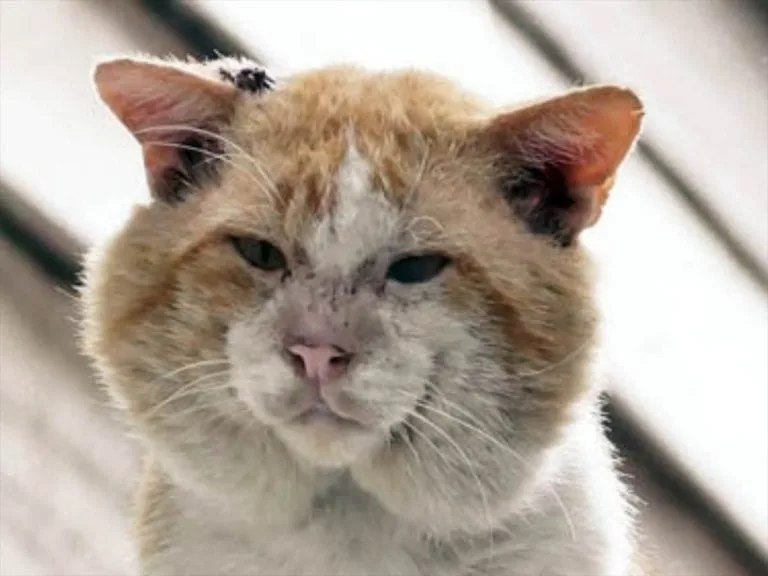
Image source: Web (Bing) / utpaqp.edu.pe (Web image (fair-use with source credit))
You have walked through this article because you love your cat enough to face the hardest question. That love is exactly why you will know when it is time. Trust yourself.
Trust her signals. And when the moment comes, be there with her. That is where your love matters most.

Similar Posts