White Cat Poop: Should You Worry? Causes & Help
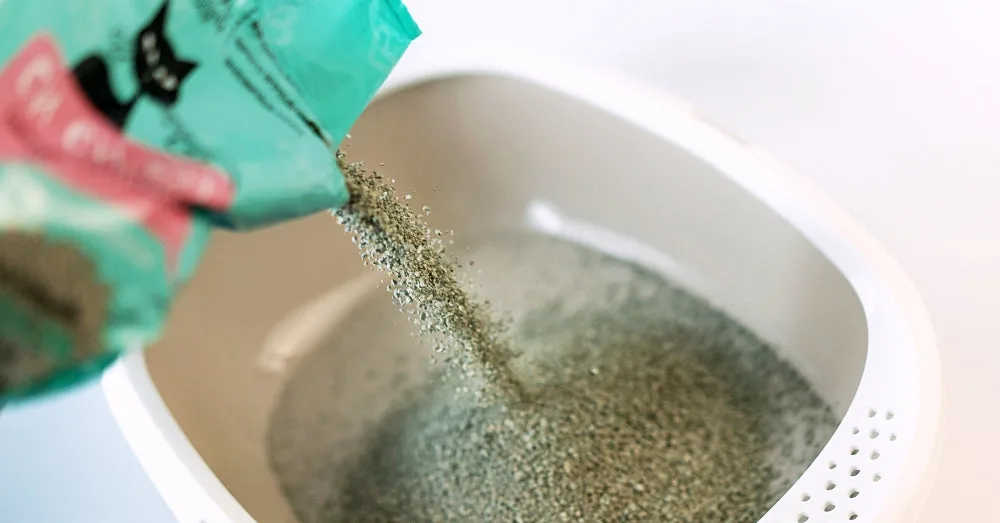
Seeing white cat poop in the litter box can be alarming. It's not normal, and it often means something is going on inside your cat's digestive system. The color comes from a lack of bile, the fluid that normally turns stool brown.
Veterinary research from the Journal of Feline Medicine and Surgery shows that pale, clay-colored stool is frequently the first visible sign of a bile duct problem. When bile can't reach the intestines, stool loses its pigment fast. That's what we're going to walk through, so you know exactly what to look for and what to do next.
Quick Answer
White cat poop usually means bile isn't reaching the stool. This can signal a liver or gallbladder issue. It may also come from tapeworms or a raw diet.
If your cat seems sick at all, call your vet right away. If your cat is acting normal, monitor closely for 24 hours.
Why White Poop Means Something Is Off Inside
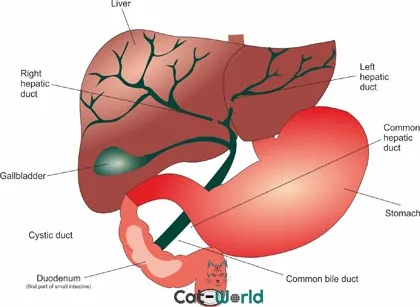
Normal brown poop gets its color from bile. Your cat's liver makes bile, and the gallbladder stores it. When your cat eats, bile travels through the bile duct into the small intestine.
There, it helps digest fat and colors the stool brown.
If that pipeline gets blocked or the liver stops producing bile, the stool comes out pale or white. That's a serious red flag for a few reasons.
What bile duct problems can cause
A blocked bile duct can back up bile into the liver and bloodstream. That turns your cat's skin and eyes yellow. This condition is called jaundice.
It's a medical emergency.
Other causes include:
- Liver inflammation (cholangiohepatitis)
- Pancreatitis (the pancreas sits next to the bile duct)
- Gallbladder sludge or stones
- Tumors pressing on the bile duct
Why diet can also be the cause
Some cats on raw bone-heavy diets produce pale stool. The calcium binds with bile and reduces the pigment. If your cat is otherwise healthy and eating a raw diet, this is usually normal.
But you still want to rule out the other causes first.
According to research from Cornell University's Feline Health Center, any persistent change in stool color warrants a veterinary checkup.
The 3 Main Causes of White Cat Poop (and How to Tell Them Apart)
Here's where we break down what you're actually seeing. Each cause looks different and needs a different response.
1. Bile duct or liver problems
- What it looks like: Uniformly pale, clay-colored, or chalky white stool. The whole log is the same off-color.
- Other signs: Jaundice (yellow gums or eyes), vomiting, lethargy, loss of appetite, dark urine.
- What to do: This is the most serious cause. If you see jaundice, go to the vet immediately. If no jaundice but stool is pale, call your vet same day.
2. Intestinal parasites
- What it looks like: White specks that look like rice grains (tapeworm segments), white spaghetti-like worms (roundworms), or a white mucus coating on the stool.
- Other signs: Scooting, visible worms near the anus, weight loss, increased appetite.
- What to do: Collect a fresh stool sample. Your vet will identify the parasite and prescribe the right dewormer. Over-the-counter dewormers rarely work on tapeworms.
3. Diet or recent treatment
- What it looks like: Slightly pale or beige stool after a bone-heavy meal. Or completely white stool after a barium X-ray.
- Other signs: None. Your cat should be acting completely normal.
- What to do: If you know your cat ate bones or had barium, watch for 24 hours. Stool should return to normal. If it doesn't, call your vet.
When to Call the Vet vs When You Can Wait
Not every case of white poop requires an emergency run. But the margin for error is small. Here's a breakdown to help you decide.
| Situation | Action | Urgency |
|---|---|---|
| White stool + jaundice (yellow eyes or gums) | Emergency vet visit | Immediate |
| White stool + vomiting or lethargy | Vet call today, visit within hours | High |
| White stool alone (no other symptoms) | Call vet this morning for advice | Moderate |
| White stool after known barium X-ray | Monitor 24 hours, call if persists | Low |
| White stool on raw bone diet | Ask vet next business day | Low |
| White specks or worms visible in stool | Schedule vet appointment this week | Low-Moderate |
The golden rule
If you're unsure, call your vet. A quick phone call can tell you whether to come in or keep watching. It's always better to ask than to wait.
What vets look for
When you call, your vet will ask about:
- How many white stools you've seen
- When it started
- Any other symptoms (vomiting, appetite changes, energy level)
- Your cat's diet and recent treatments
- Whether you've seen tapeworm segments
Have these answers ready. It helps the vet decide how urgent it is.
What to Do Right Now: A Step-by-Step Plan
Let's make this practical. Here's exactly what to do in the next hour.
Step 1: Check your cat for jaundice
Look at your cat's gums and the whites of their eyes. If they look yellow, stop reading and call your vet now.
Step 2: Take a photo of the stool
Snap a picture with your phone. It's easier to show a vet than to describe "pale beige with a hint of chalk." Include a coin or your finger in the shot for scale.
Step 3: Collect a fresh stool sample
If you see white specks, grab a small amount of the stool. Put it in a clean plastic bag or a sealed container. Keep it in the fridge if you can't bring it in right away.
Step 4: Look for other symptoms
Make a mental checklist. Is your cat eating? Drinking?
Playing? Vomiting? How does their belly feel when you gently press on it?
Step 5: Call your vet
Even if your cat seems fine, call and describe what you saw. Give them the photo and the answers from Step 4. Let them tell you if it can wait or if you need to come in.
Step 6: Monitor the next 24 hours
If your vet says to watch at home, check every litter box visit. Note the color, consistency, and anything unusual. If the stool doesn't improve or your cat starts acting off, call back.
When to skip straight to the vet
- Yellow gums or eyes (jaundice)
- Vomiting more than once
- Cat is hiding, lethargic, or not eating
- You see blood in the stool
- Cat is a kitten (they dehydrate fast)
Common Mistakes That Can Delay Real Treatment
It's easy to make a wrong call when you're worried and unsure. But some mistakes can cost your cat precious time.
Mistake 1: Assuming it's just the food
Even if your cat eats a raw bone diet, you can't assume that's the cause until you rule out liver issues. Many owners dismiss white stool as "probably the new food" and wait days to call the vet.
That delay matters. If the bile duct is blocked, waiting can lead to jaundice, liver damage, or pancreatitis. Always call your vet first.
Let them tell you if the diet is likely the cause.
Mistake 2: Trying home remedies
You might find advice online suggesting pumpkin, probiotics, or "cleanses" for white poop. These won't fix a bile duct blockage or a tapeworm infection. In fact, they can mask symptoms or upset your cat's stomach more.
Stick to what works: a vet visit with proper diagnostics. Home remedies have no place here.
Mistake 3: Using over-the-counter dewormers
If you see white specks and suspect parasites, it's tempting to grab a dewormer from the pet store. But most OTC dewormers don't kill tapeworms. They target roundworms or hookworms.
Only a vet can identify which parasite you're dealing with. The wrong dewormer wastes time and money. Your cat stays infected.
Mistake 4: Skipping the stool sample
Your vet needs a fresh sample to check for parasites and bacteria. A sample that's more than 12 hours old or has been sitting in the sun can give false results.
Collect it right after your cat poops. Put it in a clean container. Keep it in the fridge if you can't bring it in immediately.
Mistake 5: Waiting too long when symptoms appear
If your cat has white stool plus lethargy, vomiting, or yellow gums, that's an emergency. Some owners assume their cat is "just tired" or "had a hairball." By the time they bring the cat in, the condition has worsened.
Trust your gut. If something feels off, it probably is.
FAQs About White Cat Poop
Can white cat poop go away on its own?
Sometimes. If it's from a one-time dietary change or a barium study, stool should return to normal within 24 to 48 hours. If the cause is a bile duct issue or parasites, it won't resolve without treatment.
What does white cat poop look like with tapeworms?
Tapeworm segments look like small white rice grains on the stool or near your cat's rear end. You might see them moving. The stool itself may be normal colored with white flecks rather than being uniformly pale.
Is white cat poop an emergency?
Not always, but you need to act fast. White poop plus jaundice, vomiting, or lethargy is an emergency. White poop alone with a healthy-acting cat can wait a few hours for a vet call, but not days.
Can stress cause white poop in cats?
No. Stress can cause diarrhea or soft stool, but it won't turn stool white. If you see white poop, look for a medical cause first.
How much does it cost to diagnose white cat poop?
A vet visit plus basic blood work and a fecal exam typically runs between 100 and 250 dollars. If an ultrasound or bile acid test is needed, costs can go higher. Many clinics offer payment plans.
Should I bring a stool sample to the vet?
Yes, always. A fresh sample helps your vet check for parasites and bacteria. Collect it within 12 hours of the appointment and keep it refrigerated.
What Your Vet Will Do: The Diagnostic Process
When you bring your cat in, your vet will follow a step-by-step process to find the cause. Knowing what to expect makes the visit less stressful.
The physical exam
Your vet will check your cat's gums and eyes for jaundice. They'll feel the abdomen for pain, masses, or fluid. A cat with a bile duct issue may react when the liver area is pressed.
Blood work
A blood chemistry panel checks liver enzymes and bilirubin levels. High bilirubin confirms bile is backing up into the bloodstream. It also checks for pancreatitis.
Fecal exam
Your vet will look at the stool sample under a microscope. They're checking for parasite eggs. Some parasites are hard to see with the naked eye.
Imaging
If blood work suggests a blockage or liver disease, your vet may recommend an ultrasound or X-rays. Ultrasound is better for seeing the gallbladder and bile duct. It can spot sludge, stones, or tumors.
Bile acid test
This test measures how well the liver produces and processes bile. It's often used if initial blood work is inconclusive.
Treatment options
Once the cause is identified, treatment is straightforward.
- Bile duct issues: Medications to reduce inflammation, fluids to support hydration, and sometimes surgery to clear a blockage.
- Parasites: A prescription dewormer specific to the parasite type. Usually 2 to 3 doses given a few weeks apart.
- Diet-related: No treatment needed. Just monitor for a day or two.
Most cats respond well to treatment when it's caught early. That's why noticing the white stool matters so much.

Similar Posts