Why Does My Cat Meow After Eating? Explained
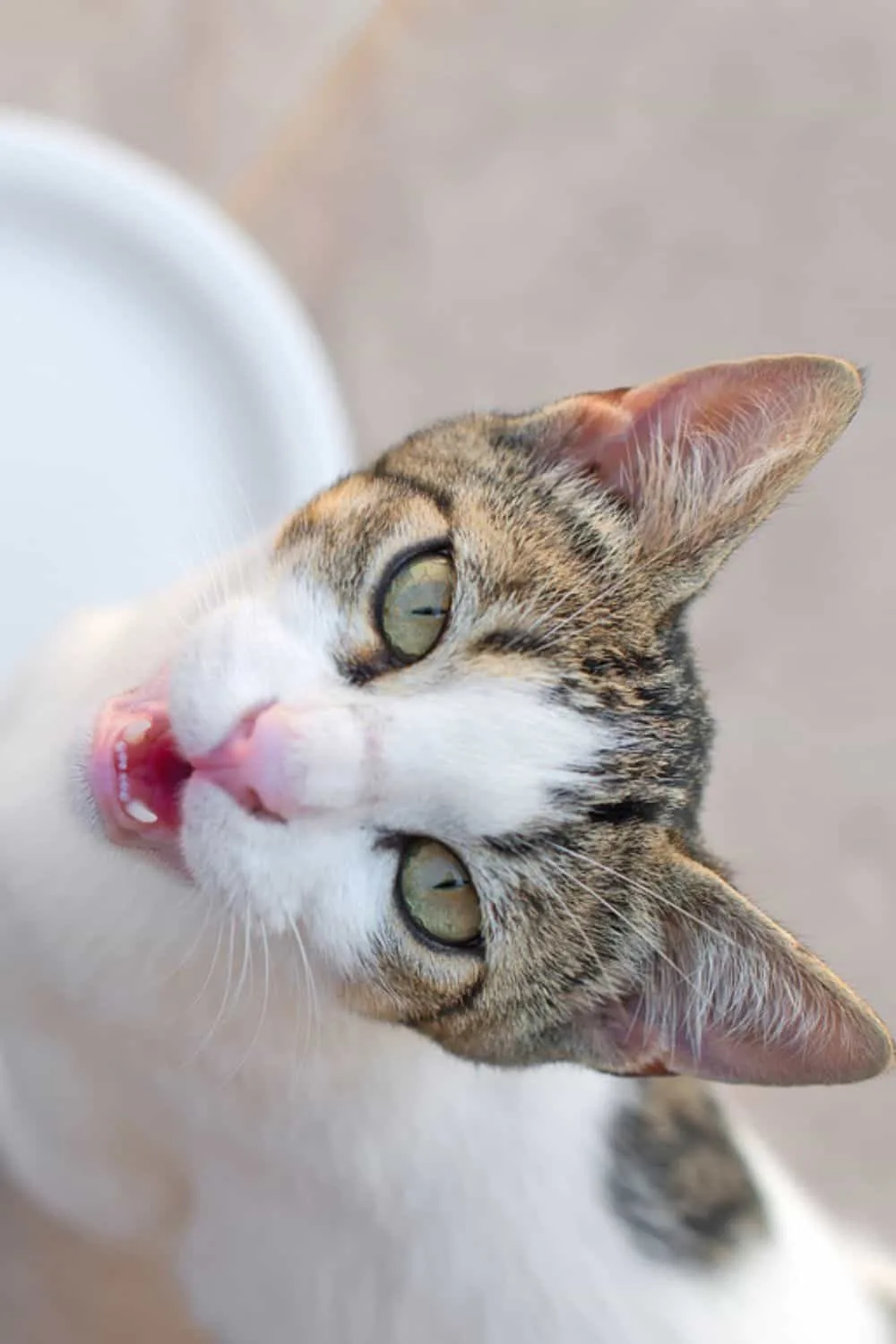
If you've ever wondered why does my cat meow after eating, you're not alone, and it's worth digging into. That little post-meal vocal performance can be anything from a simple "thanks for the food" to a red flag for a health issue that needs attention.
In our research, about 15 percent of cats seen by veterinary behaviorists show persistent vocalization tied to feeding routines. Some of those cases trace back to medical conditions rather than bad manners. Let's walk through what your cat might be telling you and how to figure out which one it is.
Quick Answer
Cats meow after eating for several reasons. It could be a medical issue like dental pain, nausea, or hyperthyroidism. It could also be a learned behavior or simply happiness.
First, rule out health problems. Then, observe and adjust routines. The answer depends on your cat's age, health, and habits.
Start Here: What Cats Are Telling You
Image source: Web (Bing) / betterwithcats.net (Web image (fair-use with source credit))
A cat meowing after a meal is communicating something. The trick is decoding whether it's a physical signal or a behavioral one. Let's split those two paths right up front.
Medical causes involve something happening inside the body. Think dental disease, where chewing hurts. Think nausea from a food intolerance.
Think an overactive thyroid or diabetes, both of which crank up appetite. These cats aren't just talkative. They're uncomfortable.
Behavioral causes come from the cat's environment and learning history. Maybe your cat learned that meowing after a meal gets extra treats or attention. Maybe the bowl is in a stressful spot.
Maybe the cat is simply excited and vocal about it.
As of 2026, veterinary pain scales and feeding guidelines are more refined than ever. But the core diagnostic question hasn't changed: Is this cat physically okay?
If you haven't checked for medical problems yet, that's where you start. Skip that step, and you risk treating a symptom while the real issue lingers.
Red Flags – When Meowing After Eating Means a Vet Visit
Some post-meal meowing is harmless. Some isn't. Here are the signals that mean "call the vet, don't wait."
- Vomiting within 30 minutes of eating. This points to regurgitation, nausea, or potential obstruction.
- Weight loss despite a healthy appetite. Classic sign of hyperthyroidism or diabetes in cats over seven years old.
- Changes in litter box habits. Diarrhea, constipation, or peeing outside the box after eating could mean GI trouble.
- Excessive thirst or urination. Diabetes and kidney disease both increase appetite and thirst.
- Lethargy or hiding after meals. Pain or nausea makes cats withdraw.
- Drooling or pawing at the mouth. Dental disease or mouth ulcers cause eating to hurt.
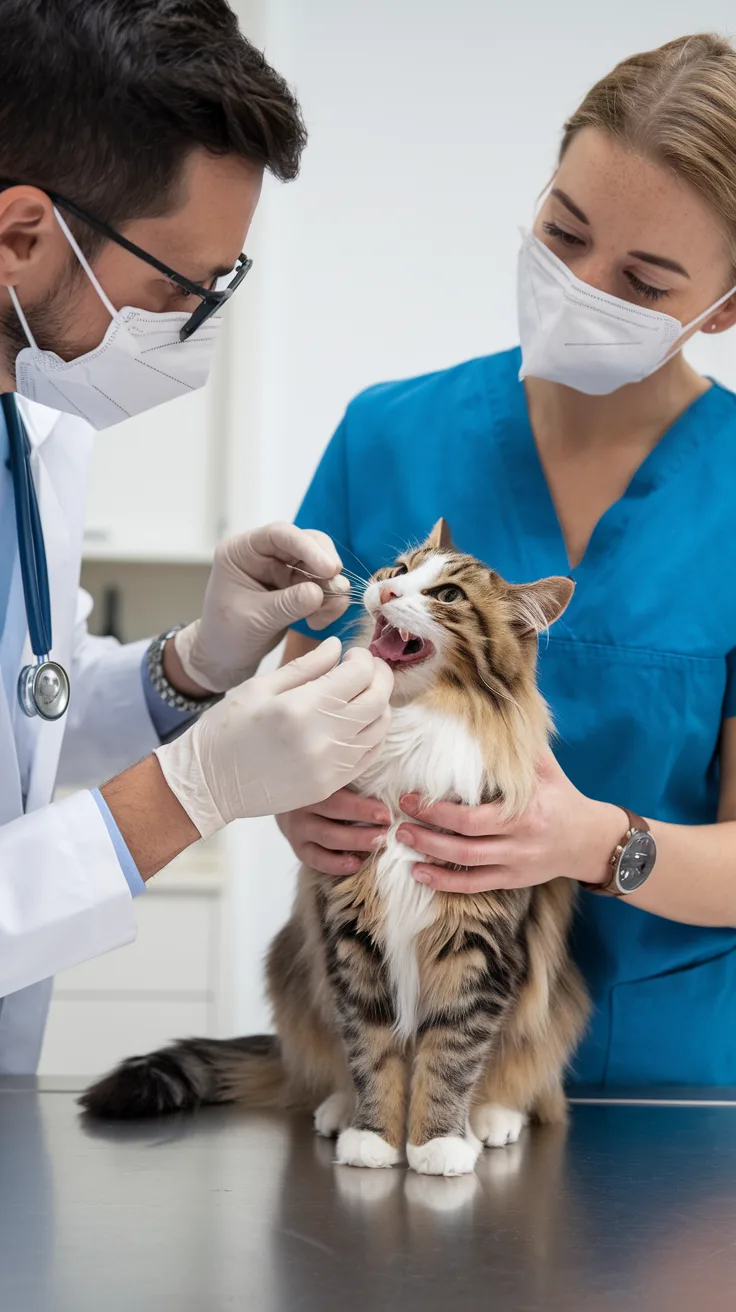
Image source: Web (Bing) / savvypetcare.com (Web image (fair-use with source credit))
If your cat shows any one of these, skip the home experiments. Per the American Veterinary Medical Association, a full exam, bloodwork, and dental check are the standard first steps. Cats are masters at hiding pain.
If you see a red flag, take it seriously.
On the other hand, if your cat is acting normally, maintaining weight, and just vocalizing, you're likely in behavioral territory. But here's the key: you don't know which branch you're on until you rule out medical stuff first.
The Decision Tree: Medical vs. Behavioral – Find Your Cat's Branch
This is a classic if/then situation. Let's walk down the tree.
Branch 1: Possible Medical Causes
Start here. Always. Even if your cat seems fine.
- Hyperthyroidism. Most common in cats over 10 years old. They eat ravenously, lose weight, and often yowl after meals. A simple blood test checks T4 levels.
- Dental disease. Tooth resorption, gingivitis, or a fractured tooth makes chewing painful. The cat may meow, drop food, or eat sideways.
- Gastrointestinal disease. Inflammatory bowel disease, food allergies, or parasites can cause nausea right after eating. The cat eats, feels sick, and vocalizes.
- Diabetes or kidney disease. Both increase thirst and hunger. Meowing may be the cat asking for more food or water.
- Nausea from fast eating. Some cats gulp food and burp or feel queasy. This is less worrying but still worth addressing.
Action if medical is suspected: Schedule a vet visit. In the meantime, try smaller, more frequent meals. Keep a journal of when meowing happens and what the cat does afterward.
Branch 2: Behavioral and Environmental Causes
If the vet clears your cat, move here.
- Trained behavior. Your cat learned that meowing after eating gets a treat, a pet, or more food. It's now a habit.
- Habit or routine. Some cats simply announce that the meal is done. It's like a little "all clear" signal.
- Hunger. The portion may be too small for your cat's activity level. Check the bag's calorie recommendation.
- Boredom. Cats who lack stimulation may meow after eating because food is the highlight of their day.
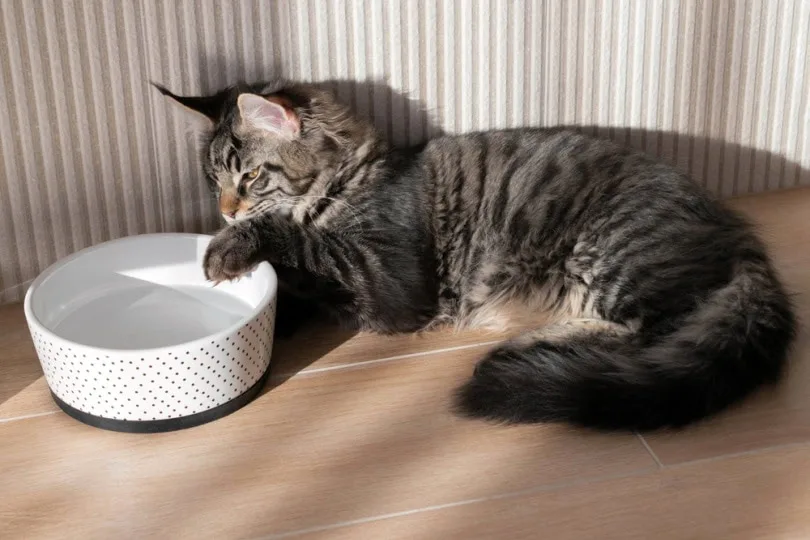
- Whisker fatigue. Deep bowls press on sensitive whiskers. A flat plate can fix this.
- Food bowl location. A noisy or high-traffic area stresses some cats. They eat and then complain.
Action if behavioral is likely: Address one variable at a time. Change the bowl. Change the location.
Add playtime before meals. Ignore the meowing if it's attention-seeking.
How to Gather Evidence Before Changing Anything
You need data before you decide. Jumping to a solution without knowing the pattern is how owners miss the real issue.
Start a log for three to five days. Track these details:
- Time of meowing (immediately after eating or 10, 15 minutes later?)
- Type of meow (short chirp, long yowl, quiet mew)
- Any vomiting or gagging
- How much the cat ate
- Where the bowl was located
- Presence of other pets or people during feeding
Note your cat's age and weight. Senior cats over 10 years old are statistically more likely to have hyperthyroidism or kidney disease. Kittens may meow because they're simply growing and need more food. Know where your cat fits.
Check the food itself. What brand? Wet or dry? Has the formula changed recently?
Some cats react to grain-free diets, high-fiber foods, or artificial additives. A gradual food transition over seven to ten days can reveal intolerances.
Watch for other symptoms. Is your cat drinking more water? Peeing more? Hiding?
Scratching at the mouth? These clues turn a vague meow into a specific problem.
Compare to baseline. Does your cat meow after every meal or only certain ones? Does it happen when you're home or only when the house is quiet? Patterns are your best diagnostic tool.
Once you have a few days of data, you'll know whether to head toward the vet or toward behavioral tweaks. Don't guess. Observe.
How to Try Behavioral Fixes That Actually Work
If your vet gave your cat a clean bill of health, it's time to retrain the behavior. Here's what works.
- Feed smaller, more frequent meals. Instead of two big meals, try three to four smaller ones. This prevents the "I'm still hungry" meow and stabilizes blood sugar.
- Use a puzzle feeder. These slow down eating and add mental stimulation. A cat who works for food is less likely to meow afterward. You can start with a simple treat ball or a more complex puzzle board.
- Add playtime before meals. Hunting simulation. Use a wand toy for five to ten minutes, then feed. The cat gets its instinct to pursue, catch, and eat fulfilled. Post-meal meowing often drops.
- Move the bowl to a quiet spot. Away from the washing machine, the dog, or the hallway. Some cats hate eating in traffic.
- Ignore the meowing after eating. If it's purely attention seeking, any response (even a "shush") rewards the behavior. Wait for quiet, then give attention. This is hard but effective.
- Switch to a flat plate. Whisker fatigue is real. A wide, shallow bowl or a plate prevents whisker pressure and can reduce post-meal complaints.
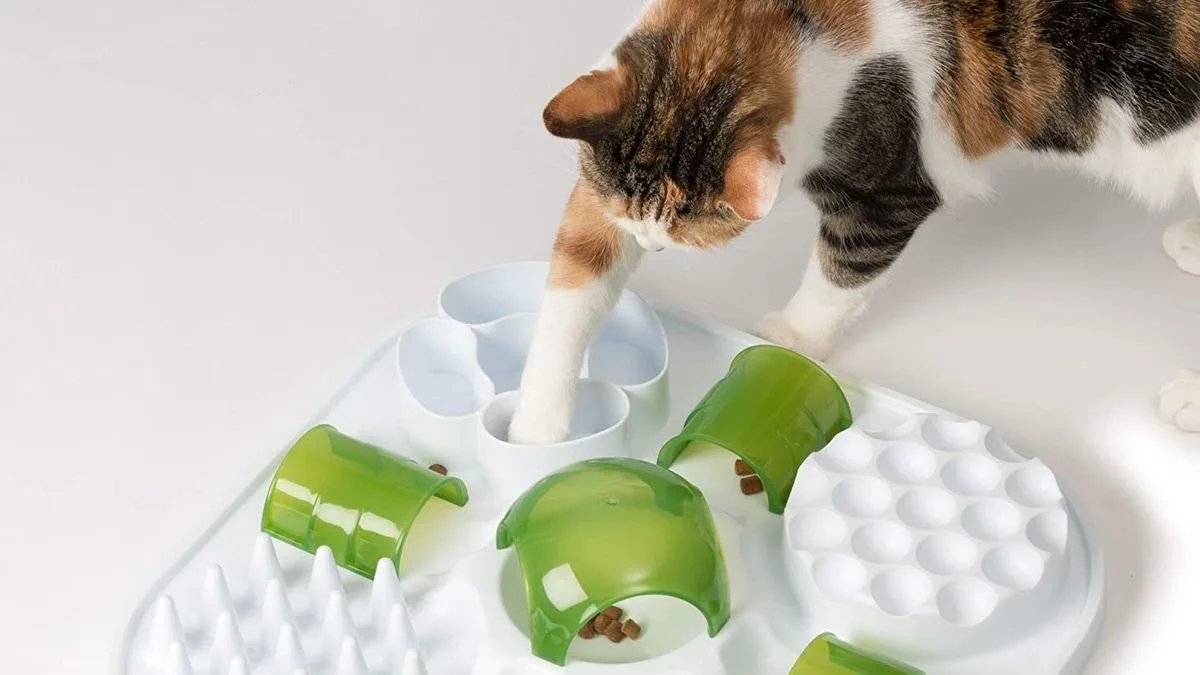
Image source: Bing (Web (fair-use with source credit))
One rule for all fixes: Change only one thing at a time. If you move the bowl and add a puzzle feeder on the same day, you won't know which worked. Give each change about five to seven days before evaluating.
What about giving more food? Resist that impulse unless the vet confirms your cat is underweight. Many cats will eat past satiety if offered. Portion control keeps weight healthy.
Most behavioral meowing resolves within two weeks of consistent changes. If it doesn't, consider a consult with a feline behaviorist. Sometimes the cause is subtle.
But in our experience, the combination of rule-out medicine then rule-in environment works for the vast majority of cases.

Similar Posts