Best Cat Cafes in Pennsylvania for Feline Lovers
If you've ever looked up "cat cafes in pennsylvania" on a rainy Saturday morning, you probably found a list of names followed by a whole lot of questions. Which ones are actually good? Can you bring your kid?
Do you need a reservation? Will you actually be able to adopt a cat, or are you just paying for overpriced coffee and cat hair on your jeans? We've dug through the state's café scene, checked capacities, age policies, adoption processes, and real visitor feedback.
The result? A practical filter system for picking the right spot for your situation.
Our research shows most people make the same mistake: they pick a café based on proximity and end up disappointed by the vibe, the rules, or the sheer number of kids chasing a sleepy tabby. That's fixable. As of 2026, Pennsylvania has roughly a dozen operational cat cafés spread across Philadelphia, Pittsburgh, Lancaster, and a few smaller towns.
They're not interchangeable. The differences in age minimums, reservation policies, and adoption processes matter more than the menu, and this guide walks you through every decision point before you book.
Quick Answer
Pennsylvania has around a dozen cat cafés. Most sit in Philadelphia and Pittsburgh. Each café sets its own age limits and reservation rules.
Most require advance booking. Entry fees run $10 to $15 per person. Adoption costs run $100 to $200.
Kids under six are usually banned. Call ahead to confirm current policies.
The Pennsylvania Cat Café Landscape: Philadelphia vs. Pittsburgh vs. Everywhere Else
Let's look at the map first. The state's cat café scene isn't evenly spread, and the geographic split matters more than you'd think.
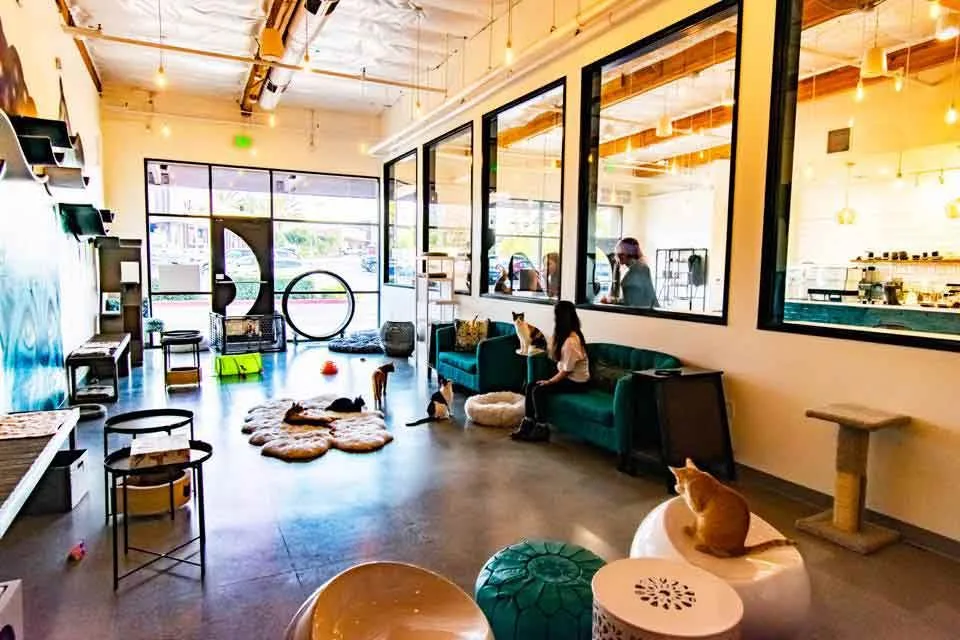
Philadelphia is the biggest cluster. You've got five or six cafés within city limits, which means more competition for visitors and, honestly, better-run operations. The crowded market forces cafés to keep their spaces clean, their cats socialized, and their booking systems tight.
If you're in the Philly area, you have real options.
Pittsburgh has two solid cafés with distinct personalities. One leans heavily into the "quiet reading lounge" vibe, the other is louder, more playful, and runs frequent kitten events. The difference between them is stark enough that reading a café's social media feed before booking is worth the two minutes.
Lancaster and the central corridor get you one or two smaller operations. These tend to double as adoption centers first and cafés second. The coffee's simpler, but the cat-to-human ratio is better, and you'll often meet the rescue staff who actually fostered each cat.
That's a different experience entirely.
Image source: Web (Bing) / pinterest.com (Web image (fair-use with source credit))
The takeaway: if you want the "café experience" with latte art and a curated playlist, pick a city spot. If your priority is serious adoption conversations and a calmer room, look toward Lancaster or the independent rescues outside the big metros.
The type of café also changes the animals you'll meet. City cafés usually rotate cats weekly from a partner shelter. Smaller operations often keep the same cats for months, which means they know each animal's quirks, energy level, and tolerance for handling.
We found that visitors at smaller cafés reported more meaningful interactions, while city cafés offered more variety in cat personalities across visits.
The Key Decision Filters: Age Limits, Reservations, and Kids
Here's the question we get more than any other: "Can I bring my three-year-old?"
Probably not. And that's not a criticism of the cafés, it's a safety rule that exists for good reason. Most Pennsylvania cat cafés enforce a minimum age between 6 and 8 years old.
A few allow toddlers during specific "family hours" only. The logic is simple: cats get stressed by loud, unpredictable children, and a frightened cat scratches. No café wants that liability, and frankly, neither should you.
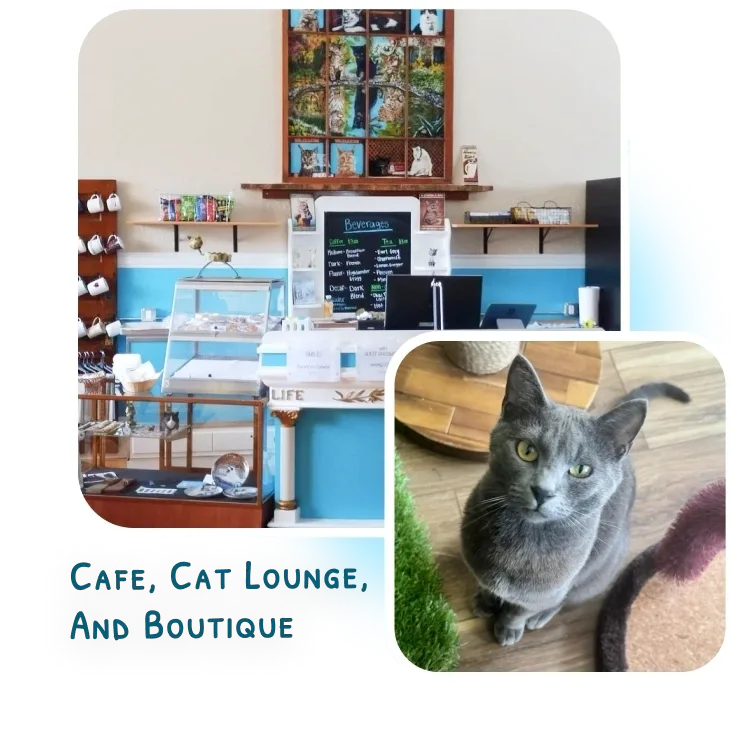
Image source: Web (Bing) / mrkittyscatcafe.com (Web image (fair-use with source credit))
So here's the decision tree:
- Kids under 6: Skip the café entirely, or find one with dedicated family hours. Search the café's website for "family hours" before booking. If you can't find the info, email them. Most are upfront.
- Kids 6 to 10: Book a morning slot. We say this because aggregate visitor reviews consistently report that cats are most sociable in the first two hours after opening. Afternoon shifts see more napping and more hiding.
- Kids over 10: You're fine almost anywhere. At this age, kids understand the "let the cat come to you" rule, which is the entire game.
Reservations are the second filter, and this one catches people off guard. You do not walk into a Pennsylvania cat café cold. Every single one we researched requires advance booking, usually through a system like Bookeo or an embedded scheduler on their own site.
Walk-in traffic is almost never accepted because the rooms have strict capacity limits, often 10 to 12 people max, to keep stress levels low for the cats.
Booking windows vary too. Popular weekend slots in Philly cafés book out seven to ten days ahead. Weekday afternoon slots are often available same-day.
If you're planning a birthday party or a group visit larger than four people, expect to book at least two weeks out and put down a deposit.
One more filter that doesn't get enough attention: the café's physical layout. A few Pennsylvania cafés have a separate "cat room" with a glass wall separation from the coffee bar. Others let cats roam the entire space.
If you're allergic but want to enjoy the coffee side, the separated layout is your only real choice.
What You'll Pay: Entry Fees, Adoption Costs, and Hidden Charges
Let's talk numbers, because the pricing structure confuses a lot of first-timers.
Most Pennsylvania cat cafés use a timed entry model. You pay a fee for an hour in the cat lounge, and that fee sometimes includes a drink. A few cafés bundle the entry fee with a food or beverage credit, so your $12 actually buys you a latte and 60 minutes of cat time.
Others charge the entry fee separately and you pay full price for drinks. Always check whether a drink is included before you buy a separate coffee.
Here's a representative breakdown based on current listed pricing across the state:
| Pricing Component | Typical Range | Notes |
|---|---|---|
| Cat lounge entry (per person) | $10–$15 | Usually 1 hour. Some cafés offer 2-hour slots for $18–$22 |
| Drink included with entry? | Sometimes | Read the booking page carefully, not the homepage |
| Non-cat areas access | Free | Coffee bar and retail sections are open to the public |
| Adoption application fee | $100–$200 | Covers spay/neuter, vaccines, microchip |
| Fostering programs | Free to $25 | Some cafés waive fees for approved fosters |
| Private birthday/event rental | $200–$400 | Includes dedicated room access and staff time |
Watch for the hidden charges. A few cafés add a mandatory "sanitation fee" of $1 to $3 per person, which is essentially a cat-hair lint-roller tax. Others require you to purchase a minimum number of drinks per group.
It's not a scam, it's just how they keep the lights on, but you should know the total before you check out.
If you plan to adopt, budget beyond the café's listed adoption fee. You'll need a carrier, which most cafés require you to bring, food bowls, litter supplies, and an initial vet visit. In our research, the total cost to take a café cat home lands around $300 to $400 in the first week.
Plan for it or wait until you can.
The other funding model you'll see is the "by donation" café. These are rare in Pennsylvania, but Lancaster has one that runs entirely on donations and sells only prepackaged snacks and coffee. The cats live permanently on-site, and adoption is handled through an affiliated rescue with a separate application.
Pricing is looser, entry is cheaper, but the experience is less standardized. For some visitors, that's exactly the charm.
The Adoption Angle: How Café Cats Become Yours
The biggest misunderstanding about cat cafés is that you pick a cat, pay, and walk out with a carrier. That's not how it works, and knowing the real process saves you a lot of frustration.
Every cat in a Pennsylvania café is there through a partner rescue organization. The café is functionally a showroom. You meet the cat in their environment, see their personality outside of a cramped shelter cage, and then apply through the rescue, not the café.
The café staff can answer personality questions, but the legal adoption paperwork runs through the nonprofit.
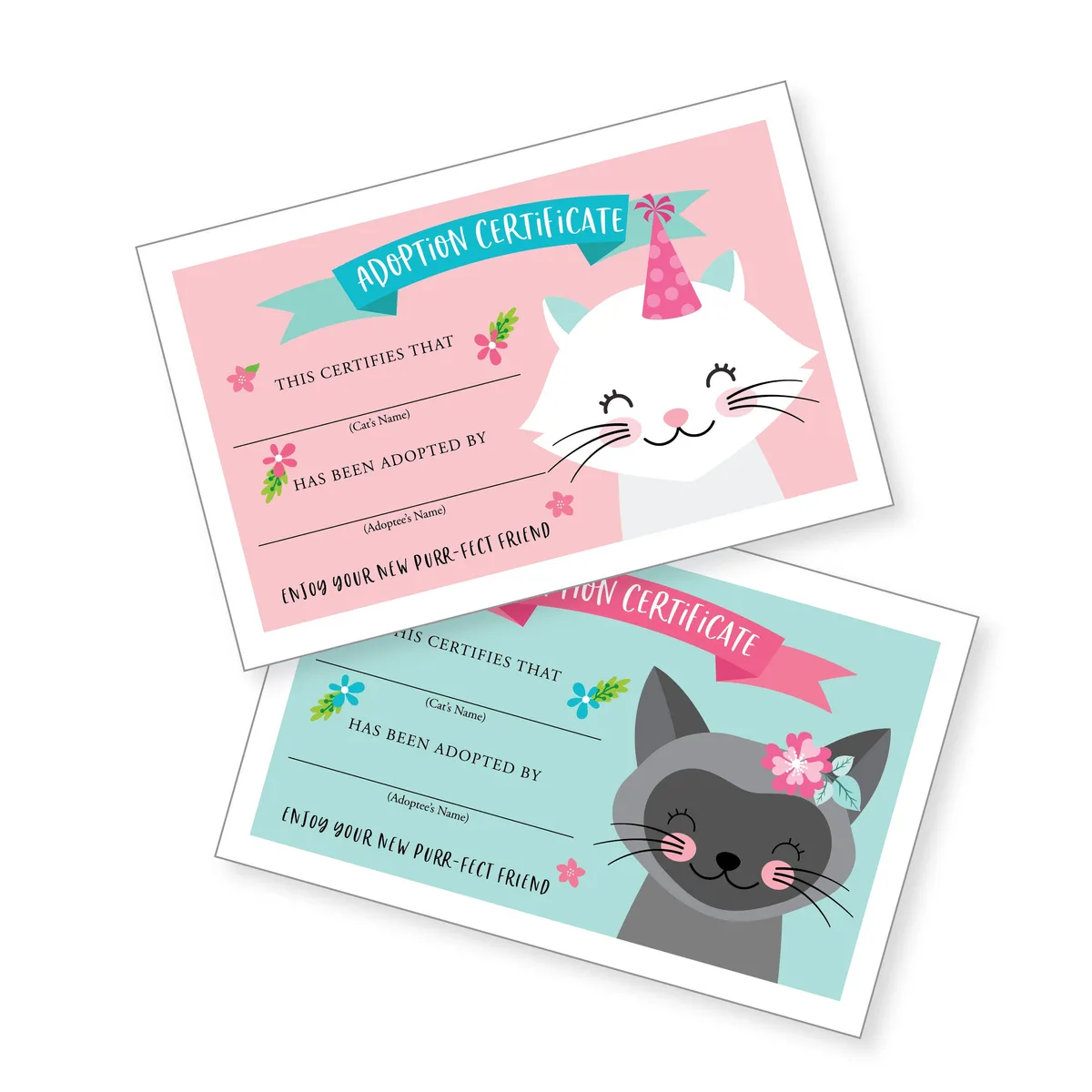
Image source: Web (Bing) / etsy.com (Web image (fair-use with source credit))
The application process follows a standard pattern across the state:
- Application form: Background questions about your home, other pets, living situation, and work schedule.
- Reference checks: Most rescues require one or two personal references and sometimes a vet reference if you have other animals.
- Home visit or video tour: This is becoming more common post-2020. Some rescues do virtual walkthroughs instead of in-person visits.
- Approval timeline: Expect 2 to 10 days, depending on the rescue's volunteer capacity.
- Meet-and-greet: If you have existing pets, the rescue may require a supervised introduction at their facility or the café.
The café itself usually doesn't drive the approval. That's the key mental shift. Your approval speed depends on the rescue's workload, not how much coffee you bought.
One practical tip we pulled from aggregate visitor reviews and rescue staff comments: mention to the café staff that you're serious about adoption, not just visiting. They'll pull the cat's rescue file, note your interest for the rescue coordinator, and sometimes fast-track your application because the café gets a finder's fee that funds their operations. It's a mutually beneficial arrangement, and it's completely transparent.
Also worth knowing: café cats are often the "harder to adopt" cases. Shelters send cats with minor medical issues, senior cats, and shy cats to café partnerships because the low-stress environment boosts their adoption odds. Don't walk in expecting a litter of six-week-old kittens.
You'll occasionally see kittens, but a large share of café cats are adults with specific care needs. Read the cat's bio card. Those cards are accurate and written by the rescue, not the café.
If you're not ready to commit, fostering is a legitimate middle path. Several Pennsylvania cafés run foster programs where the cat stays in your home for a trial period of two to four weeks. The rescue covers all medical costs; you cover food and litter.
It's a low-stakes way to test whether a specific cat fits your household, and it gives you first-rights on adoption if it clicks.

Similar Posts